2027 Most Valuable Nursing Degree Programs Ranking in Lebanon

Co-Founder and Chief Data Scientist
Choosing the right nursing degree program can shape your future and open doors to a rewarding career in healthcare. For students in Lebanon, this guide offers valuable insights to help you navigate your options with confidence.
The article features the 2027 Most Valuable Nursing Degree Programs Ranking in Lebanon, carefully crafted by the Research.com team of data scientists. This ranking highlights programs that provide the best opportunities and outcomes for aspiring nurses.
By exploring this ranking, you'll gain clarity on programs worth considering, making your educational journey both meaningful and successful.
Key benefits of getting nursing degree in Lebanon
- Nursing degree graduates in Lebanon can expect competitive salaries, with roles like Registered Nurse, Clinical Nurse Educator, and Emergency Room Nurse earning around $94,480 annually, offering financial stability and rewarding career opportunities.
- Graduates from Lebanese universities often find diverse career paths including public health nursing, hospital-based roles, and specialized care, allowing them to choose a fulfilling path that matches their passion and skills.
- Online nursing degrees provide flexibility for busy students or working professionals in Lebanon, allowing them to gain the same valuable knowledge and credentials without disrupting their schedules or daily life.
- 2027 Most Valuable Nursing Degree Programs Ranking in Lebanon
- What can I expect from nursing degree in Lebanon?
- Where can I work with nursing degree in Lebanon?
What can I expect from nursing degree in Lebanon?
The average cost of a nursing degree in Lebanon typically ranges between $6,000 and $12,000 per year at well-known universities and colleges. Graduates from these programs often mention that budgeting for tuition alongside living expenses is essential, especially when studying in Beirut or other major cities where costs can be higher. Many students share that this investment feels rewarding as courses balance classroom learning with hands-on clinical practice in local hospitals.
For example, nursing students at popular institutions experience diverse clinical rotations, which not only enrich their skills but also provide practical exposure highly valued in the job market. They frequently describe the support from faculty and the opportunity to prepare for international licensing exams as key benefits that justify the cost.
Those aiming to work in the U.S. appreciate that programs using English and covering NCLEX-RN preparation add value beyond tuition. Planning finances early, including potential scholarships or work-study options, helps manage expenses realistically while pursuing a quality nursing education in Lebanon.
Where can I work with nursing degree in Lebanon?
Graduates from nursing programs at well-known universities like the American University of Beirut or the Lebanese American University often find immediate employment in hospitals, which remain the largest employers. Many report starting their careers in bustling medical centers in Beirut, where they gain hands-on experience in intensive care or surgical units. This practical exposure builds confidence early on and sharpens critical skills.
Others leverage their degree to work in primary healthcare centers supported by the Ministry of Public Health. These roles, such as managing vaccination drives or maternal care programs, require strong communication and community engagement abilities, offering a rewarding sense of direct impact on public health.
Working in private clinics or nursing homes is another common path, especially appealing for graduates interested in long-term patient relationships and rehabilitation. For example, some graduates from universities in Tripoli describe fulfilling roles helping elderly patients recover and maintain independence.
Home healthcare is rapidly growing, with nurses delivering personalized care at patients' homes-a perfect fit for those who enjoy flexible schedules and one-on-one interactions. This emerging field promises expanding opportunities for future graduates.
Finally, international NGOs present options for nurses willing to engage in humanitarian efforts, offering dynamic work environments that address urgent health concerns across Lebanon's diverse populations.
Graduates from well-known nursing programs at institutions like the American University of Beirut and the Lebanese International University generally start with monthly salaries around 1,000,000 to 2,000,000 LBP ($650 to $1,300 USD). This entry-level range matches early career experiences from fellow graduates working in public hospitals or small clinics. The practical reality is that gaining experience, particularly in specialized fields such as emergency or operating room nursing, can raise earnings significantly.
For example, graduates who develop skills in critical care often transition to better-funded private hospitals in Beirut, earning up to 3,000,000 LBP (~$1,950 USD) per month. This increase reflects additional certifications and on-the-job performance. Looking at U.S. salary data offers perspective: registered nurses average about $94,480 annually, while operating room nurses can earn $128,490, indicating strong potential for specialization.
Lebanese nursing graduates also benefit emotionally from career advancement and financial growth, which many describe as motivating during their studies at universities with robust clinical partnerships. Understanding these salary trends helps clarify steps toward achieving both financial stability and professional satisfaction in Lebanon's healthcare sector.
- Nursing degrees in Lebanon usually take three to four years, resulting in a Bachelor's degree in Nursing (BSN).
- Annual tuition fees range from $1,500 to $3,000 at public universities and $5,000 to $10,000 at private universities.
- New nursing graduates typically earn between $300 and $600 per month, with experienced nurses making up to $1,500 monthly.
- The nursing curriculum combines theoretical studies and clinical training, important for licensure and job opportunities.
- Many Lebanese nursing graduates seek work abroad, often needing additional certification or licensing exams.
Completing a nursing degree in Lebanon generally takes about four years of full-time study, similar to what you'd expect in the US. Graduates from well-known institutions like the Lebanese University or the American University of Beirut often emphasize the balance between rigorous coursework and hands-on clinical training. This period allows students to build strong practical skills alongside theoretical knowledge, essential for passing the Lebanese nursing licensing exam.
A typical student's schedule mixes lectures with clinical hours at affiliated hospitals, providing real-world experience before graduation. Some have found that these immersive experiences not only improve confidence but also foster a sense of readiness to enter the healthcare field.
While some universities offer part-time or accelerated options, most students find the traditional four-year path practical and manageable, especially when combining study with work or family commitments. This consistency helps students plan effectively and feel assured about meeting career goals within a clear timeframe.
Prospective students in Lebanon, IL, should follow a clear timeline to ensure a smooth nursing program application. Most institutions open applications for the fall term by November 1 and for spring term by June 1. To apply:
- Complete prerequisite coursework (biology, chemistry, anatomy) by the deadline.
- Register and prepare for the TEAS exam, with scores submitted at least two weeks before the program cutoff date.
- Gather official transcripts, three letters of recommendation, and a personal statement detailing your passion for patient care. Many programs operate on rolling admissions, so early submission can improve your chances of acceptance. If you’re interested in fast-tracking your advanced practice credentials, consider exploring accelerated online np programs that often feature multiple start dates throughout the year. After submitting your application, watch for invitation dates to interviews or campus tours, typically scheduled four to six weeks post-deadline. Finally, confirm your enrollment by submitting a non-refundable deposit by July 15 for fall entrants or November 15 for spring entrants. Planning ahead and adhering to these deadlines will help you secure a spot in a top-ranked nursing degree program in Lebanon, IL.
If you're in Lebanon aiming for a nursing degree aligned with US standards, expect clear differences between online and on-campus options. Online programs let you manage your studies around work or family, perfect for busy adults. A graduate from a well-known Lebanese university shared how completing theory online gave flexibility, but arranging local clinical hours required extra effort and self-initiative. Clinical hours are crucial - on-campus students at universities like the American University of Beirut have on-site clinical rotations and direct faculty support, making hands-on experience smoother and more structured.
Cost-wise, online tuition often mirrors on-campus fees, but saves commuting time and some campus fees. Both paths lead to accredited degrees recognized for US licensing exams, so quality is comparable. However, on-campus programs in Lebanon typically offer more immediate access to advisors and lab resources, enhancing your confidence and skill-building. Choose based on your learning style and ability to coordinate practical hours locally - many successful graduates have navigated either path by planning realistically.
Obtaining your Illinois nursing license is a critical step after graduating from a nursing program in Lebanon, IL. To ensure compliance with the Illinois Department of Financial and Professional Regulation (IDFPR) and achieve high NCLEX-RN pass rates, follow these key steps: 1. Meet Educational and Eligibility Criteria • Graduate from a CCNE- or NLNAC-accredited nursing program. • Submit official transcripts to the IDFPR. • Complete a criminal background check and fingerprinting as required by state law. 2. Apply for Authorization to Test (ATT) • Submit your application and fees through the Illinois eLicense portal. • Receive your ATT via email, which includes your candidate identification number and test authorization period. 3. Schedule and Prepare for the NCLEX-RN • Register with Pearson VUE and schedule your exam at an authorized testing center. • Familiarize yourself with the NCLEX-RN format: – Computer Adaptive Test (CAT) with 75–265 questions – Covers Safe and Effective Care Environment, Health Promotion, and Physiological Integrity • Use evidence-based study resources-question banks, practice exams, and review courses tailored for Illinois candidates. 4. Strategize Your Study Plan • Create a week-by-week schedule focusing on high-yield topics such as pharmacology calculations and patient safety protocols. • Join local study groups or online forums to exchange test-taking tips and stay motivated. • Take timed practice tests to build endurance and improve your pacing under exam conditions. 5. Maintain Your License and Pursue Advanced Certifications • After passing the NCLEX-RN, apply for licensure issuance through the IDFPR portal. • Renew your license biennially, completing 20 hours of approved continuing education (CE). • Explore advanced roles such as nurse educator, clinical nurse specialist, or midwife; learn more about what do you need to become a midwife and other specialty requirements to expand your career trajectory. By following these licensure steps and adopting proven NCLEX preparation strategies, nursing graduates in Lebanon, IL, can smoothly transition into practice and achieve long-term success in their careers.
The average nursing degree cost in Lebanon typically totals around $45,000 across the full program length. Graduates from popular institutions like the American University of Beirut or Notre Dame University - Louaize often note that tuition fees can range from $7,000 up to $15,000 per year depending on whether the university is private or public, with public universities such as the Lebanese University charging notably less, around $1,000 to $3,000 annually. Many students find this range manageable when viewed as an investment in their future careers, especially given the comprehensive hands-on clinical experiences included in the curriculum.
For a pragmatic planner, it's important to consider not only tuition but also additional expenses such as laboratory fees, clinical training materials, and licensing exam preparations. These costs can add several hundred to a few thousand dollars depending on the program. Many nursing students share how budgeting carefully for these expenses alongside tuition helped them maintain steady progress without financial surprises. For those seeking guidance on their academic path, researching online nurse practitioner program requirements can also clarify next steps post-degree.
Understanding the full scope of the cost of nursing programs Lebanon 2027, budgeting from enrollment to graduation ensures a smooth journey. Some graduates recall feeling reassured after securing limited scholarships or financial aid from their institutions. Mapping out all expenses early and consulting with university advisors can make a nursing degree in Lebanon both achievable and rewarding.

. When considering a nursing degree in Lebanon, IL, it is essential to research various nursing schools to find the one that best fits your needs and goals. This involves looking into factors such as program accreditation, curriculum, clinical rotation opportunities, and faculty expertise. Prospective students can visit websites like https://research.com/rankings/nursing/most-valuable-nursing-il to explore valuable nursing schools in illinois, reading reviews, and reaching out to current students or alumni to gain a more comprehensive understanding of each program. By dedicating time to this research, individuals can make informed decisions about their nursing education, setting themselves up for success in their future careers.
Nursing students in Lebanon often find relief through merit-based scholarships from universities like the American University of Beirut and Lebanese American University, which frequently cover part or all of tuition fees. Graduates recall applying early and emphasizing their academic achievements and financial need, which made these scholarships attainable and boosted their confidence.
In addition to university awards, government scholarships from Lebanon's Ministry of Higher Education provide crucial support to high-performing students pursuing nursing degrees locally. Some graduates have benefited from these programs that defray tuition costs, allowing them to focus more on clinical practice.
Despite the limited availability of low-interest student loans in Lebanon, some private banks offer loans requiring collateral, which students find manageable when paired with installment payment plans offered by universities such as the Lebanese University.
Nursing students also seek part-time roles, like lab assistantships or hospital internships, which, while competitive, offer both income and valuable experience. Graduates emphasize balancing work with intense study schedules as a key to success.
- McKendree University (BSN): 95% NCLEX pass rate, 90% job placement within six months, in-state tuition around $30,000 per year.
- Southern Illinois University Edwardsville (BSN): CCNE-accredited, 93% NCLEX pass rate, extensive clinical rotations, average cost $28,000 per year.
- Lebanon Community College (ADN): 88% NCLEX pass rate, flexible evening/weekend classes, tuition approximately $12,000 per year.
- St. Louis College of Health Careers (BSN): 91% NCLEX pass rate, partnerships with local hospitals for hands-on experience, tuition $25,000 per year.
- Illinois Central College (Hybrid BSN): 89% NCLEX pass rate, low in-district tuition of $10,500 per year, blend of online theoretical coursework and on-campus labs.
For more insights on top nursing programs nationwide, see our guide to nursing colleges in california.
To enroll in a nursing degree program in Lebanon, you must first have completed the Lebanese Baccalaureate or hold its equivalent. Many graduates recall having their international credentials carefully evaluated by the Ministry of Education, which is a crucial step to ensure your prior education aligns with Lebanese standards.
You'll need a solid background in biology, chemistry, and physics, since nursing courses at institutions like the American University of Beirut or Saint Joseph University build on these sciences extensively. Graduates often emphasize how mastering these subjects early eased their understanding of anatomy and pharmacology.
Language proficiency is equally essential. If you aim to study at English-taught programs, standardized tests like TOEFL or IELTS are mandatory. In contrast, French-medium schools require proof of French skills. Many students found preparing for these language tests daunting but rewarding, opening doors to quality instruction and better clinical communication.
Beyond academics, expect to submit transcripts, recommendation letters, and sometimes personal statements or attend interviews. These steps help showcase your dedication. Also, health checks and vaccination records are standard, protecting both you and patients during clinical practice-a requirement that all nursing graduates confirm as vital.

Investing in a nursing degree is more than just tuition and fees-it’s a strategic financial decision with long-term implications. To estimate your return on investment (ROI), consider the total program cost against average starting salaries. For instance, if a Bachelor of Science in Nursing (BSN) program costs $123,536 on average and graduates begin at $89,010 per year, the simple payback period is roughly 1.4 years, assuming living expenses are covered separately. In contrast, an Associate Degree in Nursing (ADN) with costs around $45,110 paired with an entry salary of $65,000 can break even in under one year. When comparing ROI across states, it’s helpful to review programs known for affordability and strong outcomes. For a broader benchmark, see our Affordable Nursing Degree Programs Ranking in Arizona, which highlights institutions that balance low tuition with competitive graduate earnings. By examining both cost and salary data, prospective students can identify programs offering the quickest financial recovery and highest lifetime value. Maximize your ROI by exploring accelerated pathways, leveraging financial aid, and specializing in high-demand fields such as Operating Room Nursing or Nurse Practitioner roles. Programs that offer robust career services and alumni mentorship often translate into higher starting salaries and faster job placements, further shortening your payback period. Ultimately, a clear understanding of ROI equips you to choose a nursing degree program in Lebanon, IL, that aligns with both your career goals and financial expectations.
In nursing degree programs in Lebanon, you'll typically start with core science courses like anatomy, physiology, and microbiology. These subjects form the backbone of understanding how the human body works and how diseases develop. Graduates from well-known universities often recall how mastering these basics helped them confidently assess patients during clinical rotations.
Pharmacology follows closely, teaching you about medications and their safe administration, which is essential when you begin real-world practice in hospitals. Alongside this, courses in nursing ethics and healthcare law ensure you are prepared to navigate patient rights and professional responsibilities.
Clinical practice is where theory meets reality. Many students share positive experiences from their hands-on training in prominent Lebanese hospitals, where they learned essential skills such as wound care and emergency response under expert supervision.
Community health nursing and maternal-child health courses address the varied healthcare needs of Lebanon's population, making your education relevant locally and internationally. Electives or specializations, like psychiatric nursing, provide chances to focus on areas you're passionate about, enhancing your career options.

When choosing a nursing degree in Lebanon, you'll find a variety of practical specializations designed to fit specific healthcare settings. Common options include Critical Care Nursing, focusing on life-saving treatments in ICUs, and Pediatric Nursing, ideal for those drawn to children's hospitals. Graduates from prominent institutions like the American University of Beirut often mention the rewarding experience gained in Community Health Nursing, where they serve underserved rural populations.
Psychiatric and Mental Health Nursing prepares you to support patients with mental health disorders, a growing area in Lebanese healthcare. Geriatric Nursing addresses the needs of an aging population, a real concern observed by nursing students at Saint Joseph University, who share how fulfilling it is to impact elderly care. Maternity and Obstetrics Nursing also attracts many, as maternal health remains a critical focus.
Understanding these nursing specializations offered in Lebanon helps you align your career goals with the right program. Some graduates combine their BSN studies with continuing education paths, like those found in the online nutrition program rankings, to broaden their expertise for a well-rounded healthcare career.
Start by confirming the accreditation of the nursing schools you consider; accreditation by the Lebanese Ministry of Education and Higher Education is crucial. Many graduates from well-known universities like the American University of Beirut emphasize how this recognition helped them feel confident that their degree would hold value locally and if they moved abroad. For a pragmatic planner, seeking programs with international ties can open doors for future opportunities.
Evaluate the curriculum and clinical training rigorously. Nursing students who trained at Saint Joseph University often mention their clinical rotations in top hospitals as key to developing hands-on skills needed to excel in the real world. These practical experiences make a tangible difference, boosting both confidence and competence before sitting for the Lebanese Order of Nurses exam.
Don't overlook the costs-Lebanese tuition fees are generally more affordable than US programs but vary widely. Balance tuition with living expenses and look for scholarships to ease financial strain. For commuters or those considering studying abroad later, reviewing other options might be helpful; you can find useful details like lpn degrees oklahoma reviews here.
Focus also on how well a program prepares you for the licensure exam. Choosing from affordable nursing schools in Lebanon that show consistent high pass rates reflects strong teaching quality and alignment with national standards. This practical measure ensures your hard work translates into professional success and satisfaction.
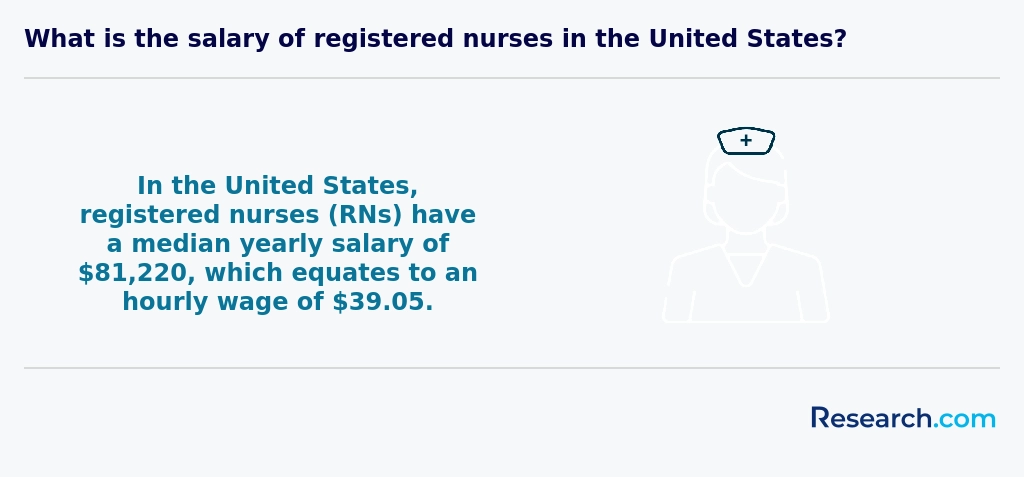
Graduates with a nursing degree in Lebanon often find diverse nursing career options in Lebanon, ranging from direct patient care to specialized fields. Many start as registered nurses (RNs) in well-known hospitals or community clinics in Beirut or Tripoli, where they develop hands-on skills like monitoring patients and medication administration. Some graduates share how their time at prominent nursing schools quickly prepared them for these challenges.
For broader opportunities, specialized roles such as critical care or midwifery offer both higher responsibility and better pay. Graduates from Lebanese universities regularly choose these paths, enjoying the rewards of focused expertise.
Job opportunities for nursing graduates Lebanon also exist in public health and administration. Nurses often work on vital community health programs or advance into leadership roles managing teams or creating healthcare policies. Many graduates aim to expand their horizons internationally, reflecting a rising trend toward advanced training abroad.
For students seeking longer-term growth, exploring nursing specializations and job prospects through graduate studies in Lebanon is a practical next step.
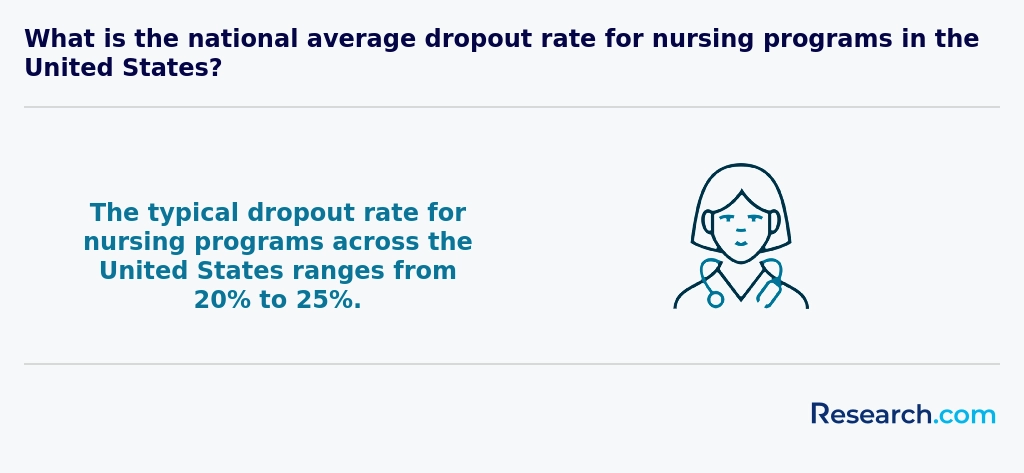
Nursing graduates from well-known universities and colleges in Lebanon often find steady employment in hospitals, clinics, and community health centers. Despite economic challenges, the demand for nurses remains consistent due to ongoing healthcare needs, particularly in managing chronic diseases. Many graduates begin their careers as Registered Nurses in both private and public sectors, with opportunities expanding into specialized fields like pediatrics or oncology.
Successful graduates share that aligning their studies with international standards has been crucial. This approach not only supports local job prospects but also prepares them for passing the NCLEX-RN exam to work abroad, especially in the US. With the practical experience gained at institutions popular for nursing, many feel confident navigating licensing requirements and expanding their careers internationally.
For those weighing financial aspects, Lebanese nursing programs generally cost less than US degrees, making local study appealing. Exploring options like Colorado healthcare education also helps in planning future steps. Understanding Lebanon nursing degree career prospects means considering both domestic healthcare roles and global mobility to maximize job market success.
2027 Most Valuable Nursing Degree Programs Ranking in Lebanon
Investing in your education is a significant decision that can profoundly impact your career, and the Research.com team recognizes the importance of making well-informed choices. To support prospective students in Lebanon, we have carefully developed the "2027 Most Valuable Nursing Degree Programs Ranking in Lebanon." Our dedication to quality, credibility, and accuracy is demonstrated through thorough research and comprehensive analysis.
We utilized the following reputable data sources to ensure an authoritative evaluation of nursing programs:
By reviewing this ranking, readers will gain critical insights into the most valuable nursing degree programs available in Lebanon, empowering them to make confident and strategic decisions about their academic and professional future. For more information on how we assembled this ranking, please visit our Research.com methodology page.

Frequently Asked Questions About nursing
Nursing degree students in Lebanon can maximize their learning experience by combining theoretical knowledge with practical exposure. Lebanese nursing programs often emphasize clinical training-students should seek diverse clinical placements in hospitals and community health centers to build hands-on skills. According to the Order of Nurses in Lebanon, practical experience is crucial for competency in patient care. Engaging in simulation labs enhances critical thinking and prepares students for real-life scenarios. Additionally, active participation in workshops and seminars organized by Lebanese nursing associations helps keep students updated on current practices and research. Networking with professionals improves career prospects and supports lifelong learning.
The nursing field in Lebanon is evolving with emerging niches that reflect global healthcare trends. Specialties such as geriatric nursing are gaining importance due to the country's aging population, with over 10% aged 65 and above, according to the Lebanese Ministry of Public Health. Another growing area is community health nursing, which focuses on primary care and chronic disease management, crucial amidst Lebanon's ongoing public health challenges.
Technology-driven roles, including informatics nursing, are also developing, aligning with increased digitization in healthcare settings. Mental health nursing remains vital, responding to elevated stress and psychological needs in the population. These niches offer promising career paths for nursing graduates in Lebanon.
After completing a nursing degree in Lebanon, preparing for the job market requires a strategic approach. First, graduates should obtain their Nursing License by passing the Lebanese Ministry of Public Health's official exam, which is mandatory to practice. Networking plays a crucial role; joining professional organizations like the Order of Nurses in Lebanon can provide valuable contacts and job leads.
Additionally, gaining practical experience through internships or volunteer work helps improve clinical skills and employability. Fluency in English and French alongside Arabic is highly advantageous due to Lebanon's multilingual healthcare environment. Finally, staying updated with global nursing trends and considering certifications such as Basic Life Support (BLS) improves competitiveness in both local and international job markets.
Employers in Lebanon highly value nursing graduates who demonstrate strong clinical competence and critical thinking skills. According to the Lebanese Order of Nurses, practical knowledge in patient care and the ability to respond swiftly during emergencies rank among the top skills sought. Communication skills are equally important, as nurses must interact effectively with patients and multidisciplinary teams. Proficiency in using healthcare technology is increasingly required, reflecting global trends in nursing practice. Furthermore, cultural sensitivity and ethical judgment are critical given Lebanon's diverse population and complex healthcare environment. These skills collectively enhance a nurse's ability to deliver quality care in Lebanese hospitals and clinics.
Finding nursing internships in Lebanon involves several strategic steps. Many Lebanese nursing programs collaborate with local hospitals, clinics, and healthcare centers to provide hands-on training for students. For instance, prominent institutions like the American University of Beirut Medical Center offer structured internship programs linked to academic nursing degrees. Students should directly contact their university's career or nursing department to access internship listings and placements.
Additionally, professional nursing organizations such as the Lebanese Order of Nurses can be valuable resources for internship opportunities. Networking at healthcare conferences or workshops in Lebanon also increases exposure to potential placements.
Given Lebanon's healthcare challenges, practical experience through internships is critical. According to the World Health Organization, Lebanon faces a growing demand for skilled nurses, making internships essential for career development within the country's healthcare system.
Obtaining a nursing degree in Lebanon significantly impacts career mobility and advancement, enabling graduates to qualify for various clinical and administrative roles. According to the Lebanese Orders of Nurses, degree holders enjoy greater job opportunities in both public and private healthcare sectors. A Bachelor of Science in Nursing (BSN) is often a minimum requirement for supervisory positions and specialized fields such as critical care or pediatrics.
With rising healthcare demands and nursing shortages in Lebanon, skilled professionals with nursing degrees are increasingly sought after. The Ministry of Public Health reports that nurses with university degrees have a higher likelihood of career progression and access to continuing education programs.
Furthermore, international recognition of Lebanese nursing degrees can facilitate overseas employment or further studies, enhancing long-term career prospects. Overall, a nursing degree remains a crucial asset for professional growth and mobility within Lebanon's healthcare system.
Studying for a nursing degree in Lebanon offers a solid foundation for interdisciplinary roles by integrating clinical skills with collaboration across healthcare fields. Nursing programs in Lebanon emphasize teamwork with physicians, pharmacists, and social workers, preparing students to contribute effectively in diverse healthcare settings. According to the Lebanese Ministry of Education and Higher Education, curricula include courses in communication, ethics, and healthcare management, which support interdisciplinary engagement.
Lebanese nursing students also gain practical experience through clinical rotations in hospitals that serve multicultural populations, enhancing their adaptability. This hands-on training fosters coordination between different healthcare professionals, aligning with global nursing standards outlined by the International Council of Nurses. Overall, nursing education in Lebanon equips graduates with the competencies needed to excel in collaborative healthcare environments.
Choosing between a thesis and a non-thesis nursing degree program in Lebanon depends largely on your career goals and academic interests. A thesis program requires conducting original research and writing a detailed paper, which can prepare students for roles in research or academia. Conversely, a non-thesis program focuses more on practical skills and coursework, appealing to those aiming for clinical practice.
In Lebanon, nursing education aligns with many U.S. standards, though specific data on thesis versus non-thesis outcomes remains limited. The Lebanese Order of Nurses highlights the growing importance of evidence-based practice, often supported by research skills gained through thesis work. Understanding your professional ambitions and consulting academic advisors can help determine the best path for you.
Lebanese students seeking nursing degrees abroad most commonly consider the United States, known for its comprehensive nursing education system. The US offers various pathways, including Associate Degree in Nursing (ADN) and Bachelor of Science in Nursing (BSN), which typically take two to four years to complete. Programs are accredited by the Commission on Collegiate Nursing Education (CCNE) or the Accreditation Commission for Education in Nursing (ACEN), ensuring quality education.
Students must pass the NCLEX-RN exam to become licensed registered nurses (RNs) in the US. Many universities offer International Student programs with support services tailored to foreign applicants, easing the transition.
According to the Institute of International Education, hundreds of Lebanese students enroll yearly in nursing programs across US institutions, reflecting growing interest. Tuition fees vary widely but often range between $20,000 to $50,000 per year, excluding living expenses.
Scholarships and assistantships may be available but are competitive. English proficiency tests such as IELTS or TOEFL are mandatory, with minimum scores required for admission.
Part-time job opportunities in Lebanon that complement nursing degree education often include hospital assistant roles, medical transcription, and health education support. These positions provide practical experience, which is vital for a nursing student's skill development. According to the Lebanese Order of Nurses, working in hospital settings part-time helps students better understand patient care dynamics.
Additionally, nursing students may find roles in community health centers where public health initiatives are common. Such work enhances knowledge about preventive care in Lebanese communities. Language skills and cultural competence gained through these roles are also highly valued. These experiences can improve employability upon graduation.
Nursing students in Lebanon benefit from various networking opportunities essential for career growth. Universities often organize events such as seminars and workshops that connect students with healthcare professionals and alumni. For example, the Lebanese Order of Nurses frequently hosts conferences and training sessions, providing a platform for students to meet experienced practitioners.
Clinical placements in hospitals across Lebanon also allow students to build relationships with healthcare teams, fostering professional connections early in their careers. According to a 2023 report by the Ministry of Public Health, over 70% of nursing students engage in internships that support networking.
Additionally, student chapters of international nursing organizations offer virtual and in-person interactions with peers globally, enhancing professional development. These activities are vital for staying updated on industry trends and job opportunities.
Alumni networks play a crucial role in supporting nursing degree students in Lebanon by connecting them to experienced graduates working in the healthcare sector. These networks offer mentorship opportunities, helping students navigate challenges unique to nursing education and practice. According to the American University of Beirut's Faculty of Health Sciences, such engagement can increase employment chances by up to 30% through referrals and professional guidance.
Networking events and online platforms enable students to stay updated on the latest medical practices and job openings. Additionally, alumni often facilitate internships and clinical placements, which are essential components of nursing training in Lebanon.
Customizing a nursing degree program in Lebanon to align with your career goals involves selecting the right courses, clinical experiences, and specialization areas. Lebanese universities often offer flexible curricula that allow students to focus on fields like pediatric nursing, critical care, or community health. For example, the Lebanese University provides bridging programs and electives tailored to evolving healthcare needs.
Engaging in internships or clinical rotations within local hospitals helps build practical skills and networking opportunities. According to the Lebanese Order of Nurses, hands-on experience is critical for licensure success and career advancement.
Additionally, pursuing certifications in specialized nursing fields can enhance employability both locally and internationally.
Nursing students in Lebanon face several significant challenges during their education. One major issue is the limited availability of updated clinical training facilities, which affects practical learning opportunities. According to the Order of Nurses in Lebanon (ONL), about 60% of nursing students report insufficient hands-on experience in hospitals.
Financial constraints also impact many students, as tuition fees and living costs are high relative to average incomes. This economic pressure often forces students to balance work and study, impacting academic performance.
Additionally, political and economic instability in the country creates uncertainties in the healthcare sector, influencing students' career prospects and motivations.
With a nursing degree in Lebanon, graduates can pursue various professional certifications recognized in the United States. Common certifications include the Certified Nurse Assistant (CNA), Licensed Practical Nurse (LPN), and Registered Nurse (RN) credentials. Many Lebanese nursing programs prepare students for the NCLEX-RN exam, which is required to practice as a registered nurse in the US.
Additionally, nurses may seek specialty certifications such as those in critical care (CCRN), pediatrics (CPN), or oncology nursing (OCN), which enhance career opportunities and salaries. According to the Lebanese Order of Nurses, many professionals also pursue advanced practice roles through certifications in nurse anesthesia or nurse midwifery.
Applying for a nursing program in Lebanon requires careful preparation to stand out. First, ensure your academic records meet the basic requirements, including a strong background in biology and chemistry, as these subjects are crucial for nursing. Most programs in Lebanon, like those accredited by the Lebanese Ministry of Education and Higher Education, expect applicants to have completed secondary education with good grades.
Highlight any volunteer or work experience related to healthcare. Demonstrating commitment to nursing beyond academics strengthens your application. According to the Order of Nurses in Lebanon, practical experience is highly valued in the selection process.
Write a clear and focused personal statement explaining your motivation for nursing, your career goals, and how you intend to contribute to Lebanon's healthcare sector. Tailoring your essay to reflect awareness of local healthcare challenges can create a favorable impression.
Finally, prepare for any required entrance exams or interviews by researching typical questions and practicing responses thoroughly.
The nursing profession is highly valued worldwide for its critical role in healthcare delivery. In the United States, nurses often pursue a Bachelor of Science in Nursing (BSN), which is considered essential for advanced practice and leadership roles. According to the U.S. Bureau of Labor Statistics, nursing employment is projected to grow 9% from 2022 to 2032, reflecting strong global demand.
Lebanon, despite economic challenges, maintains recognized nursing programs that align with international standards, especially those accredited by the Lebanese Order of Nurses. Lebanese nurses often seek U.S. licensure to access broader career opportunities.
Global perspectives emphasize lifelong learning and specialization, with fields such as gerontology and critical care seeing increasing demand. Professional mobility allows Lebanese nurses with U.S.-equivalent degrees to work internationally, strengthening the profession.
Gaining practical experience while studying for a nursing degree in Lebanon is crucial to build clinical skills and prepare for professional work. Many Lebanese universities collaborate with local hospitals and clinics, allowing students to complete supervised internships or clinical rotations during their studies. According to the Order of Nurses in Lebanon, these placements typically begin in the second or third year of the nursing program and last several weeks per course.
Students can work in various settings such as public hospitals, private clinics, and community health centers. These experiences help students apply theoretical knowledge to real patient care situations.
Additionally, some programs encourage volunteering in medical outreach or health education campaigns, providing further hands-on learning outside traditional clinical environments.
Choosing the right concentration within a nursing degree program in Lebanon depends on your career goals and interests. Common specializations include pediatric, geriatric, critical care, and community health nursing. Each concentration addresses different patient populations and care settings.
Lebanon's healthcare system increasingly values nurses trained in specialized areas due to growing demands in hospitals and community clinics. According to the Lebanese Order of Nurses, pediatric and critical care nursing are among the fastest-growing fields with higher employment rates.
Consider your strengths and preferred work environments when selecting a concentration. Research program curricula carefully, as some universities offer concentrations with clinical placements in prominent Lebanese hospitals.
- 2027 Most Valuable Nursing Degree Programs Ranking in Saint Louis
- 2027 Most Valuable Nursing Degree Programs Ranking in Peoria
- 2027 Most Valuable Nursing Degree Programs Ranking in Indianapolis
- 2027 Most Valuable Nursing Degree Programs Ranking in Louisville
- 2027 Most Valuable Nursing Degree Programs Ranking in Nashville
- 2027 Most Valuable Nursing Degree Programs Ranking in Memphis
- 2027 Most Valuable Nursing Degree Programs Ranking in Chicago
- 2027 Most Valuable Nursing Degree Programs Ranking in Kansas City
- 2027 Most Valuable Nursing Degree Programs Ranking in Cincinnati
- 2027 Most Valuable Nursing Degree Programs Ranking in Milwaukee
See What Experts Have To Say About Studying Nursing
Read our interview with Nursing experts


- NURSING - University College of Enterprise and Administration https://en.wspa.pl/nursing-graduate-program/
- Syndicate of Hospitals https://www.syndicateofhospitals.org.lb/JobOpportunities/Details/6
- How to Choose the Right Nursing Program for Your Career Goals - Maria College https://mariacollege.edu/blog/how-to-choose-the-right-nursing-program-for-your-career-goals
- Empowering Lebanon's Future Nurses - Anera https://www.anera.org/stories/empowering-lebanons-future-nurses/
- What Nursing Concentration Is Right for Me? | Maryville Nursing https://nursing.maryville.edu/blog/what-nursing-concentration-is-right-for-me
- American University of Beirut https://www.aub.edu.lb/hson/Pages/Bachelorofscienceinnursing(BSN).aspx
- Nursing Programs - Lebanon Valley College https://www.lvc.edu/programs/nursing/
- Palestinian Students Funds https://www.psfund.org/universities/1
- Client Challenge https://www.springerpflege.de/nursing-graduates-perceived-future-career-pathway-and-career-shi/50653658
- How to Write https://esign.com/letter-of-intent/school/nursing/