
2027 Most Valuable Nursing Degree Programs Ranking in Dover

Co-Founder and Chief Data Scientist
If you're considering a nursing degree in Dover, this article is designed to guide you. The 2027 Most Valuable Nursing Degree Programs Ranking in Dover was developed by the Research.com team of data scientists to help you identify the best nursing programs worth your time and investment.
Choosing the right program can be overwhelming, but understanding which schools offer real value makes the decision easier. A nursing degree opens doors to a rewarding and secure career, and this ranking highlights programs that lead to promising futures.
Explore the options with confidence and take the first step toward your nursing journey.
Key benefits of getting nursing degree in Dover
- Nursing degree graduates in Dover can expect strong earning potential, with Registered Nurses and Public Health Nurses earning a mean annual wage of $94,480, while Operating Room Nurses earn significantly higher at $128,490 annually.
- Career paths for nursing graduates from popular Dover universities often include roles like Clinical Nurse Educator or Emergency Room Nurse, offering diverse opportunities to specialize and grow professionally in rewarding environments.
- Obtaining a nursing degree online from a respected Dover college provides flexibility for busy students and working adults, allowing them to balance education with personal commitments without compromising on quality.
- 2027 Most Valuable Nursing Degree Programs Ranking in Dover
- What can I expect from nursing degree in Dover?
- Where can I work with nursing degree in Dover?
What can I expect from nursing degree in Dover?
The average cost of pursuing a nursing degree in Dover generally aligns with the broader trends observed in Delaware, where in-state tuition for public nursing programs hovers around $8,000 annually. Graduates from institutions such as Delaware State University and Wesley College have shared that while tuition can present a financial challenge, it often proves to be a worthwhile investment given the job stability that follows. Some students balance their expenses through local scholarships and federal aid, making the cost more manageable.
Private nursing colleges in Dover typically have higher tuition fees, sometimes nearly doubling that of public institutions. This discrepancy prompts prospective students to carefully weigh their options, especially considering factors like access to clinical placements at nearby Bayhealth Medical Center, which enhances practical skills without added cost.
Flexible programs, including part-time or online courses favored by working adults, might affect the total time and therefore the overall cost of the degree. Some graduates note that this flexibility, combined with the solid clinical training offered locally, creates a gratifying educational experience despite the economic demands involved.
Where can I work with nursing degree in Dover?
Graduates with nursing degrees from institutions like Delaware State University or Wesley College in Dover find multiple career paths within the local healthcare landscape. Many secure positions at Bayhealth Medical Center, where nurses engage in diverse roles such as medical-surgical care, intensive care, or emergency nursing-offering practical experiences that new graduates often describe as both challenging and rewarding. These settings foster professional growth through hands-on patient care and team collaboration.
Others choose long-term care facilities, where they provide essential support to elderly and chronically ill patients. Several graduates note the emotional fulfillment found in building lasting relationships with residents, an aspect sometimes overlooked in fast-paced hospital environments.
Community health centers and public health agencies also attract nursing graduates focused on prevention and education. Nurses working in these roles often describe the satisfaction of impacting community well-being, especially through vaccination drives and chronic disease management.
While opportunities are expanding, it's important to consider that some graduates face competitive hiring processes or prefer further specialization before seeking certain roles. Nonetheless, the steady growth projected in Dover's healthcare sector signals encouraging prospects for upcoming nurses.
Graduates of nursing degree programs in Dover often find encouraging salary prospects that reflect their education and experience. For example, registered nurses, including those trained at popular local institutions, can expect mean annual wages around $94,480 according to recent Bureau of Labor Statistics data. This figure applies broadly across roles such as clinical nurse educators, public health nurses, and emergency room nurses, illustrating a stable earning potential early in a nursing career.
More specialized positions, such as operating room nurses, offer notably higher salaries, with mean annual wages reaching approximately $128,490. This premium highlights the value of advanced skills and clinical expertise often gained through additional certifications or focused education at Dover-area colleges.
Graduates frequently share that while entry-level roles provide a solid start, ongoing experience and specialization can result in substantial salary growth, reinforcing the rewarding nature of a nursing career. Such outcomes make nursing a compelling and emotionally gratifying choice for those studying in Dover's renowned nursing programs.
- Nursing programs in Dover offer degrees such as ADN, BSN, and advanced nursing specializations.
- Tuition for ADN programs ranges from $5,000 to $12,000 per year, while BSN programs cost between $15,000 and $30,000 annually.
- The average starting salary for new nursing graduates is about $60,000 per year, increasing to around $75,000 for experienced nurses.
- Nursing job growth in Dover is projected to increase by approximately 10% over the next decade due to rising healthcare demand.
- Clinical hours are required and completed through local hospitals, and passing the NCLEX-RN exam is necessary for licensure in Delaware.
Completing a nursing degree in Dover varies significantly depending on the chosen program and individual circumstances. Graduates from local community colleges often share how the ADN program, usually spanning two years, offers them a practical and efficient path into nursing, balancing studies with part-time work. Meanwhile, students at Dover-area universities pursuing a traditional BSN typically spend four years immersed in diverse clinical experiences and leadership training, which many find deeply rewarding despite the commitment required.
For those returning to advance their credentials, RN-to-BSN bridge programs offered nearby can shorten the journey to as little as 12 months, although some prefer extending it up to two years to manage personal and financial responsibilities. Moreover, MSN students from Dover institutions highlight how the additional two years of study open doors to specialized roles, enhancing both professional satisfaction and job prospects.
Flexible scheduling options, including evening and weekend classes, reflect the real-life demands faced by Dover nursing students, enabling many to tailor their education without compromising work or family commitments.
To practice as a Registered Nurse in Dover, DE, you must meet state licensure standards and pass the NCLEX-RN exam.
- Graduate from a CCNE- or ACEN-accredited nursing program.
- Submit your application online through the Delaware Board of Nursing portal.
- Complete a criminal background check and fingerprinting as part of the approval process.
- Register for and pass the NCLEX-RN exam (fee: $200) within three years of graduation.
- Pay the Delaware licensure application fee ($110) and maintain active status by renewing every two years.
- Complete at least 30 hours of continuing education during each renewal cycle.
For insights on program quality and accreditation, you can also explore best nursing schools in california.
Choosing between online and on-campus nursing programs in Dover involves distinct experiences that shape student life and learning. Graduates from the University of Delaware, for instance, often recall the value of immediate, hands-on clinical training available on campus, where they could easily collaborate with instructors and peers in real time. This face-to-face interaction helped foster confidence during crucial practical skills development.
Conversely, those who pursued online nursing degrees through Delaware Technical Community College appreciated the flexibility to balance work and family commitments. However, they emphasize the importance of self-discipline, sharing how managing coursework remotely provided both freedom and challenges. Even online students had to secure local clinical placements, which sometimes required additional effort but ensured compliance with state licensing.
Cost-wise, on-campus programs in Dover may include extra expenses like housing and commuting, which online options can mitigate, yet students point out the need for reliable technology and occasional campus visits. These varied experiences reflect how students adapt their paths depending on personal priorities, practical needs, and their vibrant local healthcare connections.
Licensed Practical Nurse (LPN) programs in Dover, DE, offer a fast-track pathway for students seeking to enter the nursing field in as little as 12 to 18 months. These programs focus on building essential skills in patient care, medication administration, and basic clinical procedures. Graduates often highlight the hands-on training in local long-term care facilities and community clinics that prepares them for immediate workforce entry. Many students begin their nursing journey by pursuing lpn online classes, which combine flexible lectures with on-site clinical rotations. Online LPN courses provide the same rigorous curriculum found in traditional classrooms, allowing working professionals to balance study and employment. Interactive virtual simulations and remote proctoring ensure competency in topics like wound care and infection control. Career prospects for LPNs in Dover remain strong, with opportunities in hospitals, assisted living centers, and home health agencies. According to the Delaware Board of Nursing, LPN graduates can expect starting salaries around $52,000 annually, with room for growth through specialty certifications such as IV therapy or geriatric care. Many graduates report receiving job offers before sitting for the NCLEX-PN exam, thanks to partnerships between local healthcare providers and training programs. When evaluating LPN programs in Dover, prospective students should verify state approval, NCLEX-PN pass rates, and clinical placement support. Financial aid options, including federal Pell Grants and state-based scholarships, can reduce out-of-pocket costs. For those seeking a quick entry into nursing and hands-on patient care experience that aligns with both personal and professional goals, LPN programs serve as an excellent launchpad.
The average nursing degree cost in Dover tends to be considerably lower for in-state students compared to national figures, with a median total cost around $10,670. Graduates from local institutions like Delaware Technical Community College often share accounts of manageable tuition combined with practical clinical experiences, helping them balance education and work commitments effectively. These students appreciate the affordability, especially when contrasted with out-of-state costs that can soar above $36,000, which many cite as a significant barrier.
For example, those pursuing an Associate Degree in Nursing (ADN) at public colleges in Dover frequently highlight how lower tuition enables them to focus more on hands-on learning rather than financial stress. Conversely, students opting for a Bachelor of Science in Nursing (BSN) at the University of Delaware encounter higher tuition but benefit from comprehensive program offerings and resources. These varying costs illustrate the total cost of nursing programs Dover students must consider beyond just tuition, including expenses like lab fees and licensing exam preparation.
Many students find value in online or hybrid options as alternative pathways to reduce costs or deepen specialization; those interested might also explore resources related to lvn degrees texas specialization as a comparison for nursing credentials. While cost is a critical factor, students emphasize the importance of quality education and clinical readiness, which in Dover often align well with more affordable tuition rates, making nursing degrees a rewarding investment.
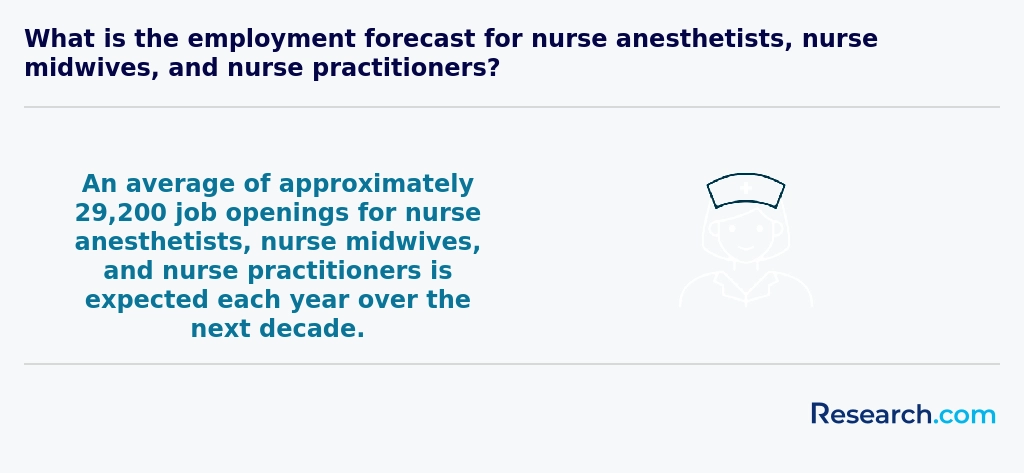
Prospective students aiming for nursing degree programs in Dover, DE, should begin preparing their applications at least six to nine months before the intended start date. Most institutions open their application portals in early fall for the following spring semester and again in late winter for fall admission. Key steps include: • Research and Program Selection: Identify accredited programs and note individual deadlines-often March 1 for fall entry and October 1 for spring entry. • Prerequisite Completion: Ensure courses in biology, chemistry, and anatomy are finished at least one semester prior to application. • Entrance Exam Preparation: Register for the TEAS or other required assessments at least two months in advance, allowing time for retakes if needed. • Application Submission: Use nursCAS or institution-specific portals to submit transcripts, test scores, personal statements, and recommendation letters. Aim to submit all materials two weeks before the deadline to account for processing time. • Background and Health Clearance: Complete criminal background checks, drug screenings, and immunizations immediately after conditional acceptance. Delays in documentation can postpone clinical placements. • Interview and Campus Visit: Some programs require an in-person or virtual interview. Prepare to discuss your motivations, clinical experiences, and long-term goals. • Acceptance Notification and Deposit: Schools typically notify applicants six to eight weeks after the deadline. Once accepted, submit enrollment deposits promptly to secure your spot. • Orientation and Advising: Attend mandatory orientation sessions and meet with academic advisors to finalize course registration and clinical rotation placements. For students balancing budget considerations, you may also want to explore our Inexpensive Nursing Degree Programs Ranking in the Midwest, which highlights cost-effective pathways to a quality nursing education.
Students pursuing nursing degrees in Dover often rely on a blend of financial aids to navigate the high costs of tuition at institutions like Delaware State University. Federal support, accessed through FAFSA, remains a cornerstone, offering Pell Grants that sometimes cover thousands annually without repayment obligations. Graduates recall how these grants alleviated stress, allowing focus on demanding coursework.
Delaware's state-level scholarships and grants specifically aimed at healthcare students also play a crucial role. Some nursing students in Dover report that assistance from the Delaware Higher Education Office made attending local colleges financially viable, especially when combined with federal aid. However, balancing aid applications with study demands can be complex, requiring diligent planning.
Beyond government funds, nursing students frequently benefit from scholarships offered by professional organizations and local hospitals. These employer-sponsored programs don't just alleviate costs but create a sense of community and motivation, as students know their efforts contribute directly to regional healthcare.
Work-study and part-time healthcare jobs further support students, offering both income and hands-on experience. Many find that managing these roles alongside studies fosters resilience and practical skills essential for nursing careers.
When evaluating the most valuable nursing degree programs, calculating the return on investment (ROI) is essential. By comparing total tuition costs, time to completion, and average starting salaries, you can estimate how quickly your education pays off. For instance, an Associate Degree in Nursing (ADN) costing $30,000 with a starting salary of $60,000 yields a payback period of just over six months, while a Bachelor of Science in Nursing (BSN) with a $90,000 investment and a $75,000 starting salary breaks even in around 15 months. Factoring in specialized roles-like Operating Room Nurses earning up to $124,680 annually-can shorten your ROI window even further. Beyond direct costs and salaries, consider advanced practice pathways. For those exploring roles such as midwifery, understanding how long do you have to go to school to be a midwife is crucial for calculating the total time and expense before reaching a higher earning bracket. Additionally, opportunities for scholarships, employer tuition reimbursement, and accelerated programs can reduce your initial outlay and accelerate your financial return. By analyzing these factors, you’ll select a nursing program that offers both academic excellence and the strongest ROI.
To enroll in a nursing degree program in Dover, students typically must hold a high school diploma or GED, which serves as a foundation for the demanding coursework ahead. Graduates from local colleges recall the importance of completing prerequisite courses such as Biology, Chemistry, Mathematics, and English Composition. One graduate from a well-known Dover community college emphasized how mastering these subjects built confidence before starting clinical rotations.
Beyond academics, practical requirements like up-to-date immunizations and background checks are strictly enforced due to the clinical nature of nursing training. Some nursing candidates have shared that obtaining CPR certification early was crucial to beginning their hands-on education without delays. For non-native English speakers, demonstrating language proficiency through exams such as TOEFL can be an additional step, ensuring clear communication in stressful healthcare environments.
Entrance exams like the TEAS are standard in Dover nursing programs, assessing readiness in key subject areas. Students often describe these tests as challenging but helpful in identifying knowledge gaps early. Admission committees also value personal qualities-motivation, empathy, and interpersonal skills-which students express through interviews and personal statements. These insights illustrate that Dover's nursing prerequisites blend academic rigor with practical and interpersonal readiness, reflecting the profession's real-world demands.
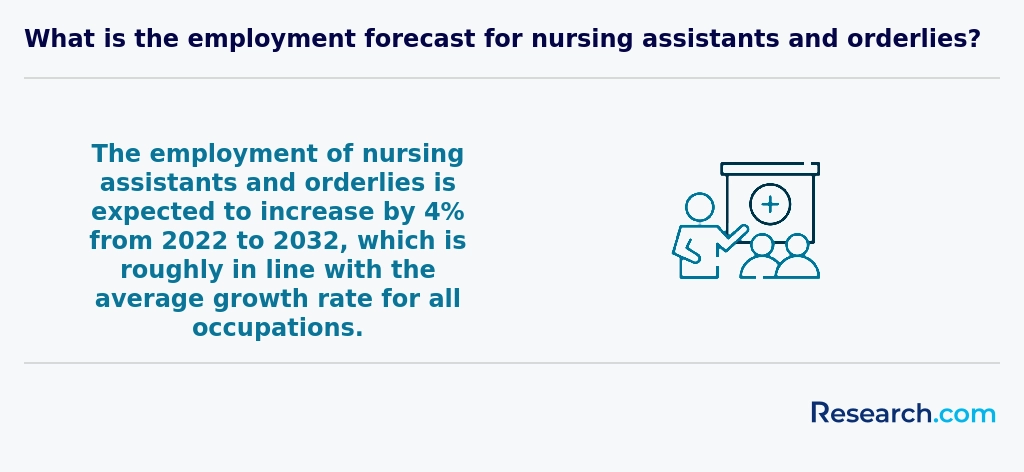
. When considering a nursing program, it's essential to evaluate the value that different locations can offer, such as the opportunities available with valuable nursing schools in Delaware. Delaware, with its blend of urban and rural settings, provides a unique environment for nursing students to gain diverse experiences. From large hospitals in Wilmington to community health centers in Dover, the state offers a range of clinical settings where students can apply theoretical knowledge in real-world scenarios. Additionally, Delaware's commitment to healthcare innovation and its growing demand for skilled nurses make it an attractive location for those looking to start or advance their nursing careers. The state's relatively small size also means that nursing professionals can make a significant impact on community health initiatives and policy changes, offering a fulfilling career path for those passionate about making a difference.
Nursing degree programs in Dover typically begin with foundational courses such as anatomy, physiology, microbiology, and chemistry, which graduates often describe as challenging but essential for understanding the complexities of the human body. These courses provide a solid base before students progress to more specialized nursing topics. Core nursing classes include fundamentals of nursing care, pharmacology, pathophysiology, health assessment, and various specialty areas like pediatric, maternal, and mental health nursing. Graduates from popular Dover institutions often recall how these classes blend theory with practical skills, preparing them for real-world patient care.
Many students appreciate the integration of community and public health nursing courses, which broaden their perspective beyond individual care to population health-a critical skill in today's healthcare environment. Clinical hours at local hospitals and clinics are frequently highlighted for building confidence and hands-on expertise. Electives like nursing leadership and ethics further equip graduates for future roles, illustrating the comprehensive, student-centered approach that defines nursing education in Dover.

Nursing degree specializations in Dover commonly include areas such as Pediatric Nursing, Geriatric Nursing, Critical Care, Psychiatric and Mental Health Nursing, and Community Health Nursing. For many students at Dover's popular colleges, these specializations offer practical training that aligns with local healthcare demands. Graduates often share how Pediatric Nursing felt rewarding when working with young patients in nearby children's hospitals, while others pursuing Geriatric Nursing found purpose addressing the challenges faced by Delaware's aging population.
Some nursing students appreciate programs that begin with an RN license, progressing to a Bachelor of Science in Nursing (BSN) to gain leadership and advanced clinical skills. However, considering best nursing specializations in Dover 2027 means also reflecting on personal interests and regional healthcare trends, as job growth projections suggest rising demand across several fields.
For those exploring flexible pathways, degrees that integrate administration or education roles stand out. Moreover, students are often advised to research financial and time commitments carefully, especially if planning to pursue graduate-level certifications. Prospective students may find value in resources like the best online nursing programs California as a benchmark for program variety and quality.
Choosing the best nursing degree in Dover means balancing multiple factors carefully. Graduates from popular local colleges often highlight the value of programs that combine strong theoretical foundations with practical experience through partnerships with healthcare providers like Bayhealth Medical Center. Such real-world exposure solidifies learning and enhances confidence in clinical skills.
Affordability is also crucial for many. While some students find affordable nursing degrees Dover options that fit their budgets, others emphasize the importance of considering financial aid and long-term value, especially since nursing tuition ranges widely. Prospective students should scrutinize program accreditation, since degrees recognized by CCNE or ACEN pave the way for smoother licensure and better employment opportunities.
Flexibility is a frequently mentioned advantage by nursing students balancing family or work commitments. Some describe how part-time or evening classes helped them sustain work-life balance. Additionally, exploring vocational training courses can supplement formal nursing education and boost practical skills. Ultimately, focusing on reputable programs aligned with career goals ensures a positive educational journey in Dover.

Graduates holding a nursing degree in Dover encounter diverse nursing career opportunities in Dover that reflect a wide spectrum of healthcare needs. Many start as registered nurses in hospitals or community clinics, where their hands-on experience in patient care often sparks enthusiasm and a sense of purpose. Some graduates from popular local institutions find joy working in urgent care or pediatrics, drawn by the challenges and rewards of these specialized fields.
Others pursue advanced roles like Nurse Practitioner or Clinical Nurse Specialist, often inspired by positive mentorship during their studies in Dover's renowned colleges. These roles demand further education but offer the chance to make impactful decisions in primary care, especially significant given the regional demand for advanced practice nurses.
Beyond clinical work, nursing degree jobs in Dover also include administration, public health, and education. Graduates often share how these paths satisfy their desire to effect systemic change. Considering the varying tuition costs for nursing programs here, exploring options like online nursing programs cost can influence career planning and accessibility.

The nursing job opportunities in Dover remain robust, driven by a strong healthcare sector and several prominent hospitals and care facilities in the area. Graduates from popular nursing programs at local universities often share that while entry-level positions are plentiful, those holding a Bachelor of Science in Nursing (BSN) find better prospects for advancement and higher salaries. Many report positive experiences securing roles in pediatric or emergency care, reflecting Dover's diverse patient needs. Considering the employment outlook for nursing graduates in Dover, the demand aligns with Delaware's projected 12% growth in healthcare jobs through 2032.
That said, some graduates note the competitive nature of certain specialties and emphasize the importance of continuing education and licensure requirements specific to Delaware. For students weighing the cost of nursing programs, exploring options such as the online rn to bsn programs cost can provide financial relief while improving job market readiness.
2027 Most Valuable Nursing Degree Programs Ranking in Dover
Investing in your education is a significant decision that can shape your future, and the Research.com team understands the importance of making informed choices. To assist prospective students in Dover, we have meticulously crafted the "2027 Most Valuable Nursing Degree Programs Ranking in Dover." Our commitment to quality, credibility, and accuracy is reflected in the extensive research and analysis conducted to compile this ranking.
We utilized the following reputable data sources to ensure a comprehensive evaluation of nursing programs:
By exploring this ranking, readers will gain valuable insights into the best nursing degree programs available in Dover, empowering them to make confident and informed decisions about their educational paths. For more details on our methodology, please visit our Research.com methodology page.

# 2 position
Delaware Technical Community College-Terry
Bachelor of Science in Nursing

Frequently Asked Questions About nursing
Nursing degree students in Dover can maximize their learning by actively engaging with both classroom and clinical components of their programs. Dover's proximity to several healthcare facilities, such as Bayhealth Medical Center, offers valuable clinical training opportunities. Students should seek hands-on experience early to build practical skills essential for patient care.
Additionally, leveraging resources like the Delaware Nurses Association can enhance understanding of professional standards and networking. According to the U.S. Bureau of Labor Statistics, nursing employment in Delaware is projected to grow by 15% through 2031, highlighting the importance of strong preparation.
Participating in study groups and simulation labs also aids in mastering complex concepts, making a well-rounded approach vital for success.
The nursing field in Dover is evolving with several emerging niches reflecting current healthcare demands. One key area is geriatric nursing, driven by Delaware's growing elderly population. Nurses specializing in elder care address complex chronic conditions common among seniors, improving quality of life.
Another fast-growing niche is informatics nursing. These professionals use technology to enhance patient care, a vital skill as hospitals in Dover adopt electronic health records and telehealth systems. According to the Delaware Department of Labor, jobs in this sector are expected to rise significantly by 2028.
Additionally, community health nursing is gaining importance. Nurses work outside hospitals to promote public wellness, especially in underserved urban and rural parts of Dover. This role aligns with national healthcare goals to prevent disease and reduce hospital visits.
Graduates of nursing programs in Dover should focus on obtaining licensure as a Registered Nurse (RN) by passing the NCLEX-RN exam, which is mandatory for employment across the United States. According to the Delaware Board of Nursing, timely application and preparation for this exam are crucial steps after degree completion. Networking with local healthcare facilities, such as Bayhealth Medical Center, can enhance job prospects due to Dover's competitive nursing job market, projected to grow by 12% through 2030 as reported by the U.S. Bureau of Labor Statistics.
Gaining clinical experience through internships or residencies during or after your degree program is highly beneficial. Employers in Dover often favor candidates with hands-on skills and certifications like Basic Life Support (BLS) and Advanced Cardiovascular Life Support (ACLS). Additionally, attending local nursing associations' events provides opportunities for mentorship and job leads in the Delaware healthcare community.
Employers in Dover seek nursing degree graduates who demonstrate strong clinical skills combined with effective communication. According to the Delaware Nurses Association, critical thinking and the ability to manage complex patient care scenarios are vital. Nurses must also exhibit empathy and cultural competence, reflecting Dover's diverse population.
Technical proficiency with electronic health records (EHR) is increasingly important, as local hospitals like Bayhealth Medical Center emphasize digital literacy. Time management and teamwork are also frequently highlighted in job postings within Dover's healthcare sector.
Overall, nursing graduates who balance practical skills with interpersonal abilities are more competitive in Dover's job market.
Finding internships in Dover relevant to a nursing degree involves several strategic steps. Start by exploring clinical placement opportunities offered by local colleges such as Delaware State University, which partners with nearby healthcare facilities. Many nursing programs require or facilitate clinical internships within hospitals like Bayhealth Medical Center or St. Francis Healthcare, both prominent employers in Dover.
Additionally, students should contact Dover's public health departments and nursing associations for internship listings. According to the Delaware Nurses Association, internships often range from 100 to 300 hours, providing hands-on experience in patient care and hospital operations.
Utilizing online platforms like the National Student Nurses' Association can also help locate internships tailored to students in Dover.
Obtaining a nursing degree in Dover significantly enhances career mobility and advancement opportunities within the local healthcare market. Registered nurses (RNs) with degrees such as an Associate's or Bachelor of Science in Nursing (BSN) are in high demand across hospitals and clinics, including prominent Dover healthcare providers like Kent General Hospital.
According to the Delaware Department of Labor, nursing positions are projected to grow by approximately 15% through 2030, indicating a robust job market. Having a BSN often allows nurses to qualify for specialized roles and leadership positions more quickly, compared to those holding only certifications or diplomas.
Advanced nursing degrees also enable professionals to pursue roles such as nurse practitioners or nurse educators, which typically come with higher salaries and greater job security in Dover's healthcare system.
Studying for a nursing degree in Dover offers strong preparation for interdisciplinary roles by emphasizing collaboration across healthcare teams. Nursing programs in Dover integrate coursework that covers communication with physicians, therapists, and social workers, reflecting real-world healthcare settings. According to the Delaware Health Sciences Alliance, more than 60% of nursing graduates in Dover engage in clinical rotations alongside diverse professionals, enhancing teamwork skills.
Students also learn to coordinate patient care plans, which fosters understanding of different medical perspectives. Schools align curricula with national standards from the American Association of Colleges of Nursing, ensuring graduates are ready to contribute effectively in multidisciplinary environments.
Choosing between a thesis and a non-thesis nursing degree program in Dover depends largely on your career goals and learning preferences. A thesis track typically requires original research and is suited for students interested in advanced clinical roles, teaching, or pursuing a doctorate. Conversely, the non-thesis option focuses on practical skills and coursework, ideal for those aiming to enter or advance in nursing practice quickly.
According to data from the Delaware Department of Education, Dover nursing programs offering thesis options tend to prepare students for leadership positions, while non-thesis graduates often find employment in direct patient care settings within six months of graduation.
Considering your long-term plans and the time commitment required is essential when deciding which path aligns best with your professional objectives.
Students based in Dover seeking to study nursing abroad have several opportunities within the US higher education system. Many nursing programs offer international clinical experiences or study abroad partnerships, allowing hands-on training in diverse healthcare settings. These options enhance cultural competence and global nursing perspectives, which are valuable in today's healthcare environment.
Popular destinations for nursing study abroad programs include Canada, the United Kingdom, and Australia, known for their reputable nursing education and similar clinical standards. Programs typically last from a few weeks to a full academic semester.
According to the National Student Clearinghouse Research Center, over 20% of US nursing students participate in study abroad opportunities, reflecting growing interest in international training.
Local Dover nursing schools often provide guidance on these options to support students' global aspirations.
Students pursuing nursing degrees in Dover can benefit from several part-time job opportunities that build relevant skills and experience. Working as a certified nursing assistant (CNA) or home health aide is common and directly complements nursing education by providing hands-on patient care knowledge.
The U.S. Bureau of Labor Statistics (BLS) reports a steady demand for CNAs in Delaware, with an expected growth rate of 9% through 2032. Hospitals and long-term care facilities in Dover frequently offer flexible part-time shifts suitable for students.
Other valuable roles include medical receptionist or pharmacy technician positions, which enhance organizational and clinical knowledge. These jobs often provide exposure to healthcare settings, beneficial for nursing students aiming to strengthen their resumes.
Nursing students in Dover have several valuable networking opportunities designed to enhance their educational experience and professional growth. Local institutions such as Delaware Technical Community College and the University of Delaware offer student nursing associations that connect peers and faculty for events and workshops.
Students can participate in regional chapters of national organizations like the American Nurses Association (ANA) and the National Student Nurses' Association (NSNA), which hold conferences and networking sessions tailored to nursing professionals.
Additionally, Dover's proximity to major healthcare facilities, including Bayhealth Medical Center, provides clinical placements where students build relationships with practicing nurses and healthcare leaders.
These connections often lead to mentorships and job opportunities post-graduation, supporting career advancement in Delaware's nursing field.
Alumni networks offer substantial benefits to nursing degree students in Dover by providing valuable professional connections that can ease the transition into healthcare careers. These networks frequently organize mentoring programs, where experienced nurses guide current students through clinical challenges and career planning. According to the Bureau of Labor Statistics, networking increases job placement rates by approximately 20%, which is vital in competitive nursing fields.
In Dover, local alumni associations also facilitate access to exclusive job fairs and internships within area hospitals and clinics. These opportunities help students gain hands-on experience and improve licensure exam success. Overall, alumni engagement enhances both educational and career outcomes for nursing students.
Customizing a nursing degree program in Dover allows students to align their education with specific career goals. Many local institutions offer options like elective courses, clinical rotations, and specializations such as pediatric nursing, gerontology, or community health. This flexibility helps students gain relevant skills and experience.
Students can also pursue accelerated or part-time programs to balance work and study. Dover's proximity to major healthcare facilities offers ample clinical opportunities, enhancing practical learning. According to the Delaware Department of Labor, nursing specialties with advanced certifications often see higher salaries and better job placement.
Careful selection of courses and practical experiences can help tailor a nursing degree to meet personal and professional objectives effectively.
Nursing students in Dover face several notable challenges typical of the US higher education system. One common difficulty is balancing rigorous academic coursework with clinical practice hours, which often require long shifts in healthcare settings. According to the Delaware Nursing Education Report (2023), nearly 40% of nursing students in the state report stress linked to time management.
Additionally, students frequently encounter financial strain from tuition and unpaid clinical training periods. Access to affordable childcare and transportation remains a hurdle for many, given Dover's limited public transit options. Another challenge is mastering complex medical technologies and adapting to evolving healthcare protocols.
With a nursing degree in Dover, you can pursue various professional certifications that enhance your expertise and career opportunities. Common certifications include the Certified Nurse Assistant (CNA), Licensed Practical Nurse (LPN), and Registered Nurse (RN) credentials, which are foundational for many nursing roles.
Further certifications often pursued by Dover nurses include specialties such as Certified Pediatric Nurse (CPN), Certified Emergency Nurse (CEN), and Critical Care Registered Nurse (CCRN). These certifications require passing exams from recognized bodies like the American Nurses Credentialing Center.
According to the Delaware Board of Nursing, nurses holding advanced certifications tend to see better job prospects and higher wages, with some specialty nurses earning up to 20% more than their non-certified peers. These certifications demonstrate validated skills, benefiting patient care in diverse settings across Dover's healthcare facilities.
Applying for a nursing program in Dover requires careful preparation to stand out in a competitive field. Start by researching programs accredited by the Commission on Collegiate Nursing Education (CCNE) or the Accreditation Commission for Education in Nursing (ACEN), ensuring quality education recognized nationally.
Highlight your academic achievements, especially in science and healthcare-related courses. Many Dover nursing programs expect a minimum GPA of 3.0, but higher scores improve chances. Include any healthcare experience, such as volunteering at local hospitals like Kent General Hospital, which adds practical value.
Strong recommendation letters from healthcare professionals or instructors reinforce your commitment. A clear, concise personal statement explaining your passion for nursing and Dover's community needs can be pivotal.
Prepare for standardized tests like the TEAS (Test of Essential Academic Skills) with competitive scores, as many programs require them. Check specific requirements on university websites, such as Delaware State University's nursing department, for the latest criteria.
Nursing is a globally recognized profession, essential to healthcare systems worldwide. In the United States, including Dover, nursing careers offer strong job growth, with the Bureau of Labor Statistics projecting a 9% increase in registered nurse employment from 2022 to 2032. This demand reflects similar trends seen internationally due to aging populations and increasing chronic conditions.
Globally, the nursing workforce is diverse, with many countries facing shortages that drive international recruitment. For a student in Dover, this means nursing skills can open opportunities at home and abroad.
The U.S. nursing education system, including local programs in Dover, emphasizes both clinical skills and cultural competence to prepare nurses for global health challenges.
Gaining practical experience while studying for a nursing degree in Dover is essential for developing clinical skills. Most nursing programs in the area include clinical rotations at local hospitals, clinics, and long-term care facilities. These hands-on experiences allow students to apply classroom knowledge in real-world settings under professional supervision.
Additionally, many Dover nursing schools partner with healthcare providers such as Bayhealth Medical Center to offer externships and internships. These opportunities help students build confidence and networks in the healthcare community.
According to the Delaware Nurses Association, students who complete at least 500 clinical hours during their program tend to perform better on the NCLEX-RN licensing exam and have higher employment rates upon graduation.
Choosing the right concentration within a nursing degree program in Dover requires careful consideration of your career goals and the local healthcare market. Nursing specialties can range from pediatrics to gerontology, each meeting different patient needs.
According to the Delaware Department of Labor, registered nurse roles in Dover are expected to grow by 15% through 2030, with a strong demand in community health and acute care settings. Evaluating local job opportunities helps align your focus with regional needs.
Also, consider your passion and skills. Clinical rotations offered by Dover nursing programs provide practical exposure to various specialties, aiding informed decisions. Accreditation of programs by the Commission on Collegiate Nursing Education (CCNE) ensures quality education relevant to your chosen path.
- 2027 Most Valuable Nursing Degree Programs Ranking in Baltimore
- 2027 Most Valuable Nursing Degree Programs Ranking in Washington
- 2027 Most Valuable Nursing Degree Programs Ranking in Brooklyn
- 2027 Most Valuable Nursing Degree Programs Ranking in New York
- 2027 Most Valuable Nursing Degree Programs Ranking in Bronx
- 2027 Most Valuable Nursing Degree Programs Ranking in Virginia Beach
- 2027 Most Valuable Nursing Degree Programs Ranking in Rochester
- 2027 Most Valuable Nursing Degree Programs Ranking in Boston
- 2027 Most Valuable Nursing Degree Programs Ranking in Charlotte
- 2027 Most Valuable Nursing Degree Programs Ranking in Columbus
See What Experts Have To Say About Studying Nursing
Read our interview with Nursing experts


- Nursing Financial Aid https://nursinglicensemap.com/resources/nursing-financial-aid/
- 10 Nursing Fields That Are Growing in Demand https://promedcert.com/blog/10-nursing-fields-that-are-growing-in-demand
- Pros And Cons Of Online Nursing In 2025 | Davis & Elkins https://www.dewv.edu/the-pros-and-cons-of-online-nusing-in-2025-is-it-right-for-you/
- How To Choose The Best Nursing Specialization In The UK https://www.nurses.co.uk/blog/career-pathways/how-to-choose-the-best-nursing-specialization-in-the-uk
- Your Questions About Online Nursing School, Answered https://www.allnursingschools.com/how-to-get-into-nursing-school/online-programs/
- How Long Does It Take to Get a Nursing Degree? https://www.denvercollegeofnursing.edu/blog/nursing/how-long-does-it-take-to-get-a-nursing-degree-.html
- What Are the Best RN Certifications for Your Career? https://credenzahealth.com/career-advice/what-are-the-best-rn-certifications-for-your-career
- Nursing School Requirements and Prerequisites: What to Know https://www.carerev.com/blog/nursing-school-requirements-and-prerequisites-a-guide-for-aspiring-nursing-students
- Scholarships & Financial Aid https://www.aacnnursing.org/students/scholarships-financial-aid
- Access to University: Healthcare Professions - Dover College https://www.dovercollege.ac.uk/courses/access-to-university-healthcare-professions-2/


