
2027 Easiest Online Nursing Degree Programs Ranking in Wisconsin

Co-Founder and Chief Data Scientist
If you're considering a nursing degree in Wisconsin, this article is here to guide you. The Research.com team of data scientists has created the 2027 Easiest Online Nursing Degree Programs Ranking in Wisconsin to help students like you find programs that fit your lifestyle and goals.
Choosing the right nursing program can be overwhelming, but this ranking simplifies the process and highlights accessible options. Pursuing a nursing degree opens doors to a rewarding career, making a real difference in healthcare. Reading on will empower you to make an informed, confident decision.
Key benefits of getting online nursing degree in Wisconsin
- Nursing graduates in Wisconsin can expect strong salaries, with Registered Nurses earning around $94,480 annually and Operating Room Nurses making about $128,490, offering financial stability and rewarding careers.
- Popular universities like the University of Wisconsin-Madison show nursing graduates have diverse career paths, including roles as Clinical Nurse Educators or Emergency Room Nurses, opening many opportunities in healthcare.
- Online nursing degrees provide flexibility for busy students, helping them balance work and study effectively, as seen with graduates from online programs at institutions such as Viterbo University in Wisconsin.
- 2027 Easiest Online Nursing Degree Programs Ranking in Wisconsin
- What can I expect from online nursing degree in Wisconsin?
- Where can I work with online nursing degree in Wisconsin?
What can I expect from online nursing degree in Wisconsin?
When exploring an online nursing degree in Wisconsin, the cost often sparks curiosity and even excitement about investing in your future. On average, tuition for such programs ranges from roughly $10,000 to $30,000, depending on the school and degree level. Imagine a graduate from a well-known Wisconsin university sharing how affordable online learning allowed them to balance work and study without financial strain.
Many nursing students find that schools like the University of Wisconsin offer competitive tuition rates combined with financial aid options, making the adventure both accessible and rewarding. Graduates often mention how scholarships, state grants, and flexible payment plans eased their journey, transforming what seemed like a daunting expense into a manageable step toward a fulfilling career.
Picture attending lectures online while later completing clinical hours locally-this blended approach not only supports learning but also controls costs by minimizing commuting and housing expenses. This practical setup lets Wisconsin nursing students embrace advanced healthcare skills without the burden of overwhelming debt.
Where can I work with online nursing degree in Wisconsin?
Graduates from online nursing programs at institutions like the University of Wisconsin and Madison College often discover a world full of exciting career opportunities across Wisconsin. Imagine working in a bustling hospital, joining the ranks at Aurora Health Care or UW Health, where you care for patients on medical-surgical floors or assist in dynamic emergency rooms. The thrill of hands-on nursing meets the practical training these programs emphasize.
Others find joy in outpatient clinics or physician offices, engaging in patient education and care coordination, forming meaningful connections with the community. Some adventurous grads even embrace telehealth roles, connecting patients virtually-a growing frontier especially relevant after the pandemic reshaped healthcare delivery.
For those drawn to elder care, nursing homes and long-term care facilities offer a rewarding environment, deeply rooted in Wisconsin's supportive networks. And beyond clinical care, many graduates step into education, administration, or health informatics, leveraging their online degree to expand their influence within Wisconsin's diverse healthcare landscape.
Curious about the earnings you can expect after earning an online nursing degree in Wisconsin? Graduates from respected programs at institutions like the University of Wisconsin-Madison or Marquette University often discover their new careers bring competitive paychecks. For many roles such as Registered Nurse, Clinical Nurse Educator, Public Health Nurse, and Emergency Room Nurse, the mean annual wage settles around $94,480-an encouraging figure that reflects Wisconsin's strong healthcare market.
Picture a recent graduate stepping into the fast-paced Emergency Room at a Milwaukee hospital, confidently applying what they've learned while earning about $94,480 annually and an hourly wage near $45.42. For those adventurous enough to specialize, an Operating Room Nurse role offers an exciting challenge with a higher reward-mean annual wages close to $128,490 and hourly earnings around $61.78. For many, these figures translate into an energizing career filled with growth opportunities and financial stability right here in Wisconsin.
- Online nursing degrees in Wisconsin offer flexibility with fully online coursework, but clinical hours must be completed in person at approved local facilities.
- In-state tuition for online BSN programs ranges from $8,000 to $15,000 per year at public universities, while private schools may charge over $20,000 annually.
- Associate degree nursing programs typically cost between $5,000 and $10,000 per year.
- Entry-level RNs in Wisconsin earn about $62,000 annually, with median salaries rising to nearly $75,000 as experience increases.
- Advanced nursing roles requiring master's degrees can earn more than $100,000 per year.
- Nursing employment in Wisconsin is expected to grow by 14% through 2030, with over 90% of graduates employed within one year of finishing their programs.
Wondering how long it takes to complete an online nursing degree in Wisconsin? Most students at institutions like the University of Wisconsin and gateway technical colleges find that a Bachelor of Science in Nursing (BSN) typically wraps up in two to four years. Imagine juggling studies with life, knowing your fellow learners are advancing steadily through their courses-some full-time, others balancing work and family.
Graduates who've already earned a non-nursing bachelor's often dive into accelerated BSN programs that take just 12 to 18 months. These intense journeys demand dedication but open doors quickly to exciting nursing roles in local hospitals.
For those eyeing an Associate Degree in Nursing (ADN), many Wisconsin colleges offer hybrid programs blending online classes with hands-on clinical hours nearby. These usually span about two years, giving students a solid foundation while fitting into their busy schedules.
Many graduates share how the real-world clinical experiences, required in approved Wisconsin healthcare settings, enrich their education and help them feel confident stepping into nursing careers faster than they imagined.
Accreditation and strong NCLEX pass rates are critical markers of an online nursing program’s quality and your future eligibility for licensure in Wisconsin. Prospective students should verify:
- CCNE (Commission on Collegiate Nursing Education) or ACEN (Accreditation Commission for Education in Nursing) accreditation
- Approval by the Wisconsin Board of Nursing to ensure clinical hours count toward licensure
- Published NCLEX-RN pass rates (look for programs consistently above 85–90%)
High pass rates demonstrate effective curriculum and student support, boosting your confidence before exam day. Balancing program quality with affordability can guide your decision-explore the cheapest online bsn programs to find options that excel both academically and financially.
Imagine juggling work and family while earning your nursing degree from the cozy corners of your home in Wisconsin-this is the reality for many online nursing students. Programs like those offered by the University of Wisconsin allow learners to tap into virtual classrooms, lively discussion boards, and video lectures, creating a flexible rhythm that adapts to busy lives. Graduates often speak of the freedom to study late at night or during lunch breaks, fitting education seamlessly into everyday moments.
Conversely, stepping onto the bustling campus of Wisconsin colleges means experiencing hands-on training that feels immediate and dynamic. Many on-campus students cherish face-to-face time with instructors during clinical labs or lively campus study groups, where mentorship sparks confidence. The University of Wisconsin-Madison, for instance, offers rich clinical rotations right in local hospitals, immersing students in real-world settings.
Both paths share the crucial ingredient of clinical hours in Wisconsin healthcare settings, connecting theory to vital practice. Online students often coordinate locally for this, blending virtual and in-person learning into a unique educational adventure.
When considering online nursing degree programs in Wisconsin, affordability is a crucial factor to take into account. Prospective students often want to know which programs offer the best value for their investment. To help with this, our team has compiled a list of the most affordable online nursing degree programs in Wisconsin. By exploring these options, students can find a program that fits their budget and meets their academic needs. For more information on affordable nursing programs, consider checking out the most affordable nursing schools in Wisconsin, which can provide valuable insights into the cost of tuition, program length, and other important factors to consider when choosing an online nursing program.
The average cost of an online nursing degree in Wisconsin presents a unique opportunity for students to gain quality education without overwhelming expenses. Wisconsin online nursing program tuition fees tend to be quite competitive, especially when compared to national averages. Imagine a recent graduate from the University of Wisconsin sharing how the affordability of their online BSN program, with tuition typically between $18,000 and $30,000, allowed them to focus fully on mastering nursing skills instead of stressing over finances.
For those pursuing an Associate Degree in Nursing (ADN), the costs are even more approachable, often ranging from $7,000 to $12,000. A student from Milwaukee School of Engineering might note how paying around $600 per credit kept their budget intact while still providing them with a thorough foundation and preparation for the NCLEX-RN exam. These figures reflect a welcoming range for many aspiring nurses seeking flexibility and quality.
Financial aid and scholarships also play a crucial role in easing expenses, and many public universities offer resident tuition discounts, making the dream of earning an online nursing degree in Wisconsin more accessible. If you want to explore further, check out the most affordable nursing schools in Wisconsin to find programs that fit your goals and budget perfectly.
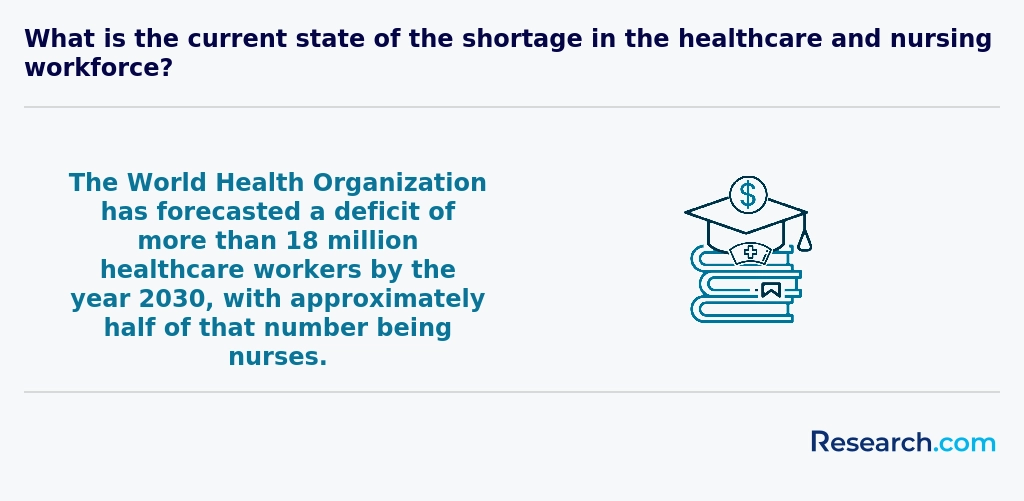
Accreditation is the cornerstone of any reputable online nursing program in Wisconsin, ensuring that your degree is recognized by employers, licensing boards, and graduate schools. The two primary agencies-Commission on Collegiate Nursing Education (CCNE) and Accreditation Commission for Education in Nursing (ACEN)-evaluate curricula, faculty qualifications, clinical partnerships, and student outcomes. When comparing programs, verify that they hold current accreditation and state board approval, which directly impacts eligibility to sit for the NCLEX-RN exam. Equally important is the program’s NCLEX-RN first-time pass rate, a critical metric of how well a curriculum prepares graduates for licensure. Top Wisconsin online nursing programs often report pass rates exceeding 90%, with peer institutions like Concordia University Wisconsin and Marquette University consistently outperforming national averages. High pass rates reflect strong academic support, rigorous testing preparation, and robust clinical simulation experiences. Before committing, review each school’s published NCLEX outcomes and accreditation status on state and agency websites. For a broader perspective on program quality and affordability, you may also explore the Affordable Online Nursing Degree Programs Ranking in Connecticut, which highlights accredited, cost-effective options in a neighboring region. Prioritizing accredited programs with proven NCLEX-RN success rates not only safeguards your investment but also accelerates your journey toward becoming a licensed nurse in Wisconsin.
When diving into an online nursing degree in Wisconsin, financial aid unlocks amazing possibilities that students eagerly embrace. Imagine a graduate from the University of Wisconsin-Madison discovering federal support through FAFSA, opening doors to Pell Grants that don't demand repayment-financial relief that feels like a breath of fresh air amid hefty tuition costs.
State-specific options also brighten the path. Picture a nursing student at Marquette University accessing the Wisconsin Tuition Grant for private college attendees or securing a nurse educator scholarship, inspired to tackle the local faculty shortage. These opportunities create a sense of purpose beyond just financial assistance.
Many also find hope through employer-sponsored tuition reimbursement, where committing to local healthcare organizations turns education into a rewarding partnership. The Wisconsin Nurses Association's scholarships, meanwhile, celebrate academic excellence and community spirit, fueling passion and perseverance.
Across institutions, students tapping into university aid packages feel supported and motivated-transforming challenges into exciting steps toward their nursing careers.
To practice as a Registered Nurse (RN) in Wisconsin, you must obtain state licensure and, if you plan to advance, national certification. Key steps include: 1. Complete an Accredited Nursing Program • Graduate from a nursing program approved by the Wisconsin Board of Nursing (e.g., ADN, BSN, or MSN). • Verify your program’s accreditation with ACEN or CCNE to ensure eligibility for licensure exams. 2. Register and Pass the NCLEX-RN Exam • Apply through Pearson VUE and the Wisconsin Board of Nursing, pay the NCLEX fee (approx. $200), and schedule your exam. • NCLEX-RN tests core competencies in patient care, safety, and clinical judgment. • Results are typically available within 7–10 business days. 3. Submit Application to the Wisconsin Board of Nursing • Complete the online application, submit official transcripts, and pay the licensure fee (around $110). • Undergo a criminal background check and provide proof of immunizations as per state requirements. 4. Obtain Additional Certifications (Optional but Recommended) • Certifications such as BLS, ACLS, or PALS from the American Heart Association can enhance employability. • Specialty credentials (e.g., oncology, critical care) require meeting clinical hour thresholds and passing a national exam. 5. License Renewal and Continuing Education • Wisconsin RN licenses renew biennially. • Complete 30 hours of approved continuing education, including at least two contact hours in pain and symptom management. Once licensed, many RNs pursue advanced practice roles requiring national certification and a graduate degree. For those considering out-of-state master’s or doctoral tracks, explore top np programs in arizona to compare curriculum, clinical hours, and certification pass rates.
Dreaming of starting your nursing journey in Wisconsin? It all begins with a solid foundation: a high school diploma or GED. Many graduates from well-known programs like those at Madison College share how this first step set them on a path filled with promise and discovery. Before diving into core nursing courses, students often tackle prerequisite classes-imagine mastering anatomy or microbiology, vital building blocks that make clinical skills click into place.
Picture yourself confidently progressing through courses at Gateway Technical College, where achieving a 'C' or better in subjects like chemistry opens doors to advanced nursing studies. Beyond academics, many programs require passing a criminal background check and drug screening-a necessary step to ensure safety and professionalism in healthcare settings.
Envision preparing for hands-on clinical experiences; a quick health screening and immunizations mean you're ready to learn in local hospitals. Some programs even ask you to show your readiness through the TEAS exam, a challenge graduates look back on as a rewarding hurdle that sharpened their skills for real-world nursing adventures.
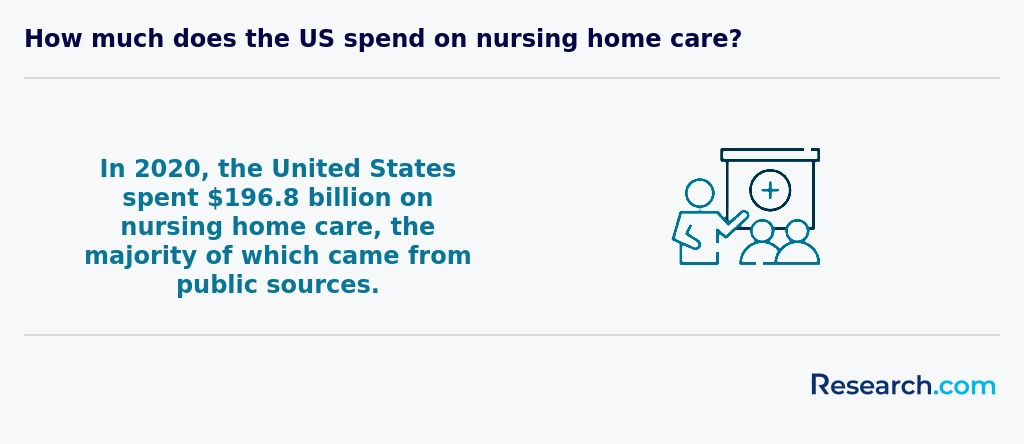
Graduates need to ensure programs are accredited by the Commission on Collegiate Nursing Education (CCNE) or the Accreditation Commission for Education in Nursing (ACEN) and approved by the Wisconsin Board of Nursing. State‐board approval guarantees that curricula cover Wisconsin’s required clinical hours, pharmacology competencies, and health assessment standards. Prospective students should verify whether online courses align with Wisconsin Administrative Code Chapter N 6 and track NCLEX‐RN pass rates published by each institution to gauge exam preparedness and licensure success. To secure licensure, graduates must apply online through the Wisconsin Department of Safety and Professional Services, submit official transcripts, fingerprint records, and criminal background checks, and meet ongoing continuing education requirements. Wisconsin also participates in the Nurse Licensure Compact (NLC), allowing registered nurses to practice in other Compact states; however, if you plan to relocate or take a travel nursing assignment, review how your license transfers to one of the best paying states for nurses. Reviewing accreditation, state‐board approval, and NCLEX‐RN pass rates not only reinforces program credibility but also maximizes your chances of swift licensure and seamless entry into Wisconsin’s robust healthcare job market.
Imagine diving into anatomy and physiology, where you uncover the intricate secrets of the human body-just like many graduates from University of Wisconsin's online nursing program describe their excitement as they first trace muscle structures on their screens. Microbiology follows as an adventurous journey into the unseen world of bacteria and viruses, giving you a real edge in understanding health and disease in Wisconsin communities.
Courses in pharmacology equip you with the power to comprehend how medications influence the body, preparing you for the rewarding challenges shared by alumni from Marquette University who speak of this knowledge transforming their patient care. Nursing fundamentals and health assessment bring the thrill of hands-on skills and critical thinking alive, even through virtual classes, as Wisconsin's online programs cleverly integrate clinical practicum or simulations.
Advanced topics like pathophysiology and nursing research invite you to unravel complex disease mechanisms and sharpen your evidence-based decision-making-a confidence booster reflected in stories from students across the state. Add mental health and community health nursing, and you're fully immersed in diverse real-life settings that prepare you for the vibrant healthcare landscape of Wisconsin.
Exploring online nursing specializations Wisconsin opens doors to fascinating career paths, from hands-on patient care to leadership roles. Many graduates from well-regarded Wisconsin institutions find themselves drawn to the Family Nurse Practitioner (FNP) track, where they joyfully provide primary care across all age groups, often reflecting on the rewarding moments of supporting families in their communities.
Other adventurous students embrace specializations like Adult-Gerontology Nurse Practitioner, focusing on elder care, or Pediatric Nurse Practitioner, bringing comfort to the youngest patients. Those intrigued by mental health frequently pursue Psychiatric-Mental Health Nurse Practitioner programs, tackling complex emotional landscapes with passion. Wisconsin's online nursing degree concentration options also include Certified Nurse Midwifery and Nursing Education, perfect for graduates inspired to guide others or nurture new life.
Graduates from the University of Wisconsin system often share how their flexible online programs made advancing without pausing their careers possible, infusing excitement into balancing work and study. If you're curious about options beyond Wisconsin, exploring np programs in arizona could spark new ideas for your journey.
Choosing the best online nursing degree in Wisconsin feels like navigating a vibrant path filled with opportunities and discoveries. Graduates from well-known Wisconsin colleges often highlight the profound value of programs accredited by CCNE or ACEN, which ensure learning meets rigorous standards and leads smoothly to the NCLEX-RN exam. Imagine yourself balancing online classes with clinical practice at a nearby hospital-this hands-on experience, especially when programs offer flexible clinical placements within Wisconsin, makes the knowledge come alive and connects you with local healthcare communities.
Many aspiring nurses in the state find themselves drawn to the Bachelor of Science in Nursing (BSN) for its blend of expanded clinical scope and leadership possibilities. Public universities offering affordable Wisconsin nursing degrees online typically charge between $300 and $500 per credit hour, making cost a real factor to weigh against potential earnings as a registered nurse earning close to $72,000 annually. Students tell of feeling empowered and supported by comprehensive advising and career counseling, making the journey less daunting and more thrilling.
Don't forget to explore which schools partner with Wisconsin hospitals and clinics to create these immersive experiences. For further inspiration on career prospects, check out the best paying states for nurses to see how your Wisconsin degree can open doors nationwide in this adventurous nursing career.
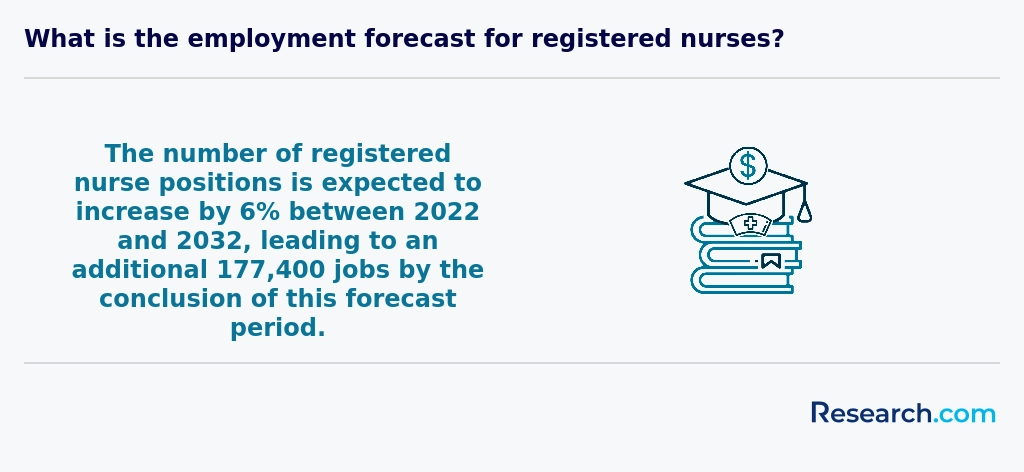
Graduates with an online nursing degree in Wisconsin jump into diverse career paths that truly make a difference. Many start as registered nurses (RNs), working in bustling hospitals or cozy community clinics, feeling the satisfaction of hands-on care. Others choose the exciting route of nurse practitioners, stepping into rural areas where their expertise fills critical healthcare gaps. Clinical nurse specialists often thrive in large academic medical centers, elevating patient care through innovative strategies learned at renowned Wisconsin colleges. Those passionate about shaping future nurses share their knowledge as educators, inspired by their own journeys through popular university programs.
Students who consider these options find Wisconsin's evolving landscape ripe with opportunity, thanks to the 12% job growth predicted in nursing roles. Exploring Affordable Online Nursing Degree Programs Ranking in Connecticut helped many envision how an online degree offers flexibility without sacrificing quality. Whether drawn to case management or healthcare administration, each path opens new doors with rewarding challenges and a spirit of exploration inherent to online nursing career options in Wisconsin.
The online nursing job outlook Wisconsin reveals exciting prospects for graduates ready to embrace diverse healthcare roles. Nurses with online degrees from respected institutions like the University of Wisconsin or Marquette University often share stories of landing jobs quickly in Milwaukee's bustling hospitals or rural clinics, where their flexible education fits perfectly with the state's growing demand.
Employment prospects emphasize not just quantity but quality-graduates frequently find positions in long-term care facilities or emerging home healthcare services, areas booming due to Wisconsin's aging population. Many describe feeling empowered by their ability to balance family life while studying, which online programs uniquely support.
Starting with an average annual salary around $75,000, nurses find ample opportunity to grow. This nurturing environment encourages specialization and advancement, turning initial roles into rewarding career journeys. For those curious about affordable, flexible education paths, exploring easy master degrees could be the next adventurous step to enhance their nursing credentials in Wisconsin.
2027 Easiest Online Nursing Degree Programs Ranking in Wisconsin
Investing in your education is a significant decision that can shape your future, and the Research.com team understands the importance of making informed choices. To assist prospective nurses in Wisconsin, we have meticulously crafted the "2027 Easiest Online Nursing Degree Programs Ranking in Wisconsin." Our commitment to quality, credibility, and accuracy is reflected in the extensive research and analysis conducted to compile this ranking.
We utilized the following reputable data sources to ensure a comprehensive evaluation of nursing programs:
By exploring this ranking, readers will gain valuable insights into the most accessible and credible online nursing degree programs in Wisconsin, helping them make well-informed decisions about their educational journey. For more details on our methodology, please visit our Research.com methodology page.


Frequently Asked Questions About nursing
Online nursing degree students in Wisconsin can maximize their learning by actively engaging with virtual simulations and clinical practice opportunities. Wisconsin requires nursing programs to include hands-on clinical hours, which students should complete at approved healthcare facilities near them. Utilizing the Wisconsin Board of Nursing's resources ensures students understand licensure requirements and stay informed about changes in state regulations.
Additionally, joining study groups and participating in online forums helps maintain motivation and deepen comprehension. According to the Wisconsin Center for Nursing, collaborative learning improves retention. Students should also take advantage of academic advising and tutoring services offered by their institutions to address individual challenges promptly.
The nursing field in Wisconsin is expanding into several emerging niches that offer new career opportunities for online nursing degree graduates. One fast-growing area is gerontological nursing, driven by the state's aging population; Wisconsin's Department of Health Services projects a 40% increase in residents aged 65 and older by 2030. This growth creates demand for nurses specialized in elder care and chronic disease management.
Another developing niche is telehealth nursing, which has surged due to the COVID-19 pandemic and continues as healthcare increasingly relies on remote patient monitoring technology. Additionally, psychiatric-mental health nursing is gaining importance as Wisconsin emphasizes access to behavioral health services.
Specializations in informatics and community health also provide promising paths, reflecting broader trends in healthcare digitization and population health management across the state.
After completing an online nursing degree in Wisconsin, it is essential to prepare strategically for the job market. Start by securing licensure through the Wisconsin Board of Nursing, which requires passing the NCLEX-RN exam. This credential is mandatory to practice as a registered nurse in the state.
Networking plays a crucial role in job placement. Join professional organizations like the Wisconsin Nurses Association to access local job listings and mentorship programs. Additionally, consider gaining experience through clinical internships or volunteer opportunities during your studies.
According to the Wisconsin Department of Workforce Development, demand for registered nurses is expected to grow by 12% through 2030, indicating strong job prospects for graduates. Staying current with continuing education and certifications in specialty areas can improve your competitiveness in this expanding market.
Employers in Wisconsin seek nursing graduates who combine clinical expertise with strong interpersonal skills. According to the Wisconsin Center for Nursing, critical thinking and the ability to make quick, accurate decisions are essential in this fast-paced field.
Communication skills rank high, as nurses must effectively interact with patients, families, and healthcare teams. Employers also value cultural competency to provide respectful, individualized care to Wisconsin's diverse populations.
Technical proficiency with healthcare technologies and electronic health records is increasingly important. With Wisconsin's aging population, skills in geriatric care and chronic disease management are especially in demand.
Adaptability and commitment to lifelong learning help graduates meet evolving healthcare challenges.
Students seeking nursing internships in Wisconsin should start by contacting their online nursing program's career services. Many universities have partnerships with local hospitals and clinics where students can complete required clinical hours. Additionally, the Wisconsin Nurses Association offers resources and networking opportunities that can connect students to internship openings.
Major healthcare systems in Wisconsin, such as Aurora Health Care and Advocate Aurora Health, frequently provide internships specific to nursing students. Applying early and preparing a strong resume highlighting clinical course work is crucial for success.
The Wisconsin Department of Health Services also publishes data on licensed nursing facilities, a useful resource when targeting potential internship sites.
Obtaining an online nursing degree in Wisconsin can significantly enhance career mobility and advancement opportunities. According to the Wisconsin Department of Workforce Development, the demand for registered nurses is expected to grow by 16% between 2020 and 2030, indicating strong job market growth.
An online degree provides flexibility, allowing working professionals to advance without pausing their careers. Graduates become eligible for roles such as nurse managers or specialized practitioners, which often require at least a Bachelor of Science in Nursing (BSN).
Many healthcare employers in Wisconsin prefer or require BSN-prepared nurses, highlighting a clear link between higher education and promotion prospects. This preference aligns with national recommendations by the American Nurses Association.
Additionally, higher degrees support eligibility for certifications and graduate studies, further broadening job roles and salary potential within Wisconsin's healthcare system.
Studying for a nursing degree in Wisconsin equips students with essential skills for interdisciplinary healthcare roles. Wisconsin nursing programs emphasize collaboration among nurses, physicians, social workers, and other healthcare professionals. This approach aligns with national healthcare trends seeking improved patient outcomes through team-based care.
Many Wisconsin online nursing programs incorporate courses in healthcare communication, ethics, and informatics to prepare students for diverse clinical environments. According to the Wisconsin Center for Nursing, over 60% of Wisconsin nurses work in settings where teamwork across disciplines is vital.
Additionally, Wisconsin's focus on evidence-based practice and cultural competence readies graduates to engage meaningfully with multidisciplinary teams. These programs often utilize simulation labs and case studies to foster real-world collaboration skills.
When choosing between a thesis and a non-thesis nursing degree program in Wisconsin, consider your career goals and learning preferences. Thesis programs emphasize research skills and can be beneficial if you plan to pursue doctoral studies or academic roles.
Non-thesis options focus more on practical knowledge and clinical skills, ideal for nurses aiming to advance directly in healthcare settings.
According to the Wisconsin Center for Nursing, the state's demand for advanced practice and leadership roles is growing, which may influence your decision depending on whether research or clinical practice is your priority.
Review program requirements carefully, including time commitment and flexibility, especially for online formats.
Students based in Wisconsin who wish to study nursing abroad have limited direct options through online degree programs due to differences in international accreditation and nursing licensure requirements. Most U.S. nursing programs, including those in Wisconsin, require clinical hours completed within accredited U.S. facilities to qualify for the NCLEX-RN licensure exam. According to the Wisconsin Board of Nursing, ensuring eligibility for licensure is a key consideration when exploring international or online options.
Some students may consider enrolling in U.S.-based online nursing programs that offer study abroad or international clinical placements. However, these opportunities are typically limited and require prior approval. Wisconsin students can investigate partnerships between local accredited institutions and foreign universities but must confirm that courses align with Wisconsin's nursing standards.
Additionally, students looking to expand global nursing experience might pursue international internships or volunteer roles separately from their degree programs. Overall, while studying nursing abroad is appealing, Wisconsin students should prioritize programs accredited by the Commission on Collegiate Nursing Education (CCNE) or Accreditation Commission for Education in Nursing (ACEN) to ensure licensure eligibility in the U.S.
In Wisconsin, part-time job opportunities that complement nursing degree education include roles like certified nursing assistant (CNA), medical scribe, and patient care technician. These positions offer practical experience alongside online coursework, enhancing clinical skills and patient interaction.
The Wisconsin Department of Workforce Development reports that CNAs earn an average wage of $14 to $16 per hour, making this a financially viable option for students. Medical scribing, often available in hospitals and clinics, helps students familiarize themselves with medical terminology and electronic health records.
Additionally, jobs in home health aide services provide exposure to various patient needs in community settings. These roles not only support financial stability but also build competencies valued in nursing careers.
Online nursing students in Wisconsin have multiple networking opportunities despite the virtual format. Many accredited online programs connect students with local healthcare organizations for clinical experiences and internships, fostering real-world relationships.
The Wisconsin Nurses Association (WNA) offers membership to students, providing access to statewide conferences, workshops, and a professional community of over 17,000 nurses. This membership helps students stay informed about industry trends and job openings.
Additionally, online nursing programs often facilitate virtual meetups, discussion forums, and alumni networks that promote peer support and professional connections across the state.
According to the Wisconsin Department of Workforce Development, strong networking improves employment rates for nursing graduates in the region, which is projected to grow by over 12% through 2030.
Alumni networks provide valuable support to online nursing degree students in Wisconsin by connecting them with professionals who share their educational background. These networks offer mentorship opportunities that can help students navigate Wisconsin's nursing licensure process and job market. According to the Wisconsin Nurses Association, networking is a crucial factor in securing positions in competitive healthcare settings throughout the state.
Moreover, alumni groups often share job openings and clinical placement information exclusive to graduates, enhancing career prospects. Many universities hosting online nursing programs in Wisconsin maintain active alumni directories, fostering ongoing professional development and collaboration.
For students balancing work and study, these networks also create a sense of belonging and motivation, which can improve program completion rates.
Online nursing degree programs in Wisconsin offer various ways to tailor your education to fit your specific career goals. Many schools provide electives and specialization options, such as pediatric nursing, gerontology, or healthcare management. This allows students to focus on areas with growing demand in Wisconsin, where registered nursing jobs are expected to grow by 12% through 2030, according to the U.S. Bureau of Labor Statistics.
Additionally, some programs feature flexible clinical placement options, enabling students to gain experience in preferred healthcare settings across the state. Wisconsin's growing healthcare industry supports customization through partnerships between schools and local hospitals.
Lastly, accelerated or bridge programs can suit those already in the healthcare field aiming to advance quickly. Checking accreditation and licensing preparation relevant to Wisconsin helps ensure the program aligns with your professional goals.
Online nursing students in Wisconsin often face the challenge of balancing demanding coursework with personal and professional responsibilities. Many students are working nurses themselves, which can lead to time management struggles. Additionally, access to clinical placements remains a significant hurdle. Wisconsin requires supervised practical experiences, and securing these spots near remote or rural areas can be difficult. According to the Wisconsin Nurses Association, clinical site availability is a limiting factor for many programs.
Technical issues also impact students, as reliable internet access and familiarity with digital learning platforms are essential. Some students report limited interaction with instructors and peers, affecting engagement and motivation.
With an online nursing degree in Wisconsin, graduates can pursue several professional certifications to advance their careers. Common certifications include the Registered Nurse (RN) license, obtained by passing the NCLEX-RN exam, which is required to practice nursing in Wisconsin. Beyond RN licensure, many choose to specialize through certifications like the Certified Nurse Practitioner (CNP) or Certified Nurse Educator (CNE).
Specialty certifications in areas such as gerontology, pediatrics, or critical care, offered by organizations like the American Nurses Credentialing Center, are also popular. According to the Wisconsin Board of Nursing, holding certifications can improve job prospects and salary potential in the state's healthcare market.
Professional certifications demonstrate expertise and can enhance nursing roles in hospitals, clinics, and community health settings across Wisconsin. Staying current with continuing education is often required to maintain these credentials.
To write a winning application for an online nursing program in Wisconsin, start by thoroughly researching the program's requirements. Most accredited programs require a minimum GPA, often around 2.5 to 3.0, and prerequisite courses such as anatomy and physiology.
Highlight your clinical experience or volunteer work in healthcare settings, as Wisconsin nursing programs value practical exposure. Include clear, concise personal statements explaining your commitment to nursing and your career goals.
Submit all transcripts and test scores on time, and ask for strong letters of recommendation from professional supervisors or educators. According to the Wisconsin Board of Nursing, competitive applicants often have well-rounded credentials combining academic and healthcare experience.
Be sure to proofread carefully; small errors can affect your perceived professionalism.
The nursing profession holds a crucial role worldwide, with demand growing steadily due to aging populations and global health challenges. In the United States, including Wisconsin, nurses are recognized as essential healthcare providers. According to the Wisconsin Department of Workforce Development, registered nurse employment is projected to grow 8.5% through 2030, reflecting national trends.
Globally, nursing standards and education vary, but the U.S. nursing system is noted for its rigorous training and accreditation. Online nursing degrees in Wisconsin align with these standards, offering flexibility while maintaining quality.
The global nursing workforce shortage highlights the career's international significance, presenting opportunities for Wisconsin graduates in both local and global healthcare settings.
Students pursuing an online nursing degree in Wisconsin must complete clinical hours to gain essential hands-on experience. Wisconsin nursing programs typically partner with local healthcare facilities, such as hospitals, clinics, and long-term care centers, to arrange supervised practicums for students. These clinical placements are a crucial component of licensure requirements set by the Wisconsin Board of Nursing.
Many programs also encourage students to seek externships or volunteer roles within healthcare settings to deepen practical skills. According to the Wisconsin Department of Workforce Development, registered nurses in the state work primarily in hospitals and outpatient care centers, making these common sites for clinical training. Online students should communicate with their program coordinators early to secure suitable, approved clinical sites near their location.
Choosing the right concentration within an online nursing degree program in Wisconsin depends on your career goals and local job market demands. Popular options include family nurse practitioner, psychiatric nursing, and nurse education. According to the Wisconsin Department of Workforce Development, demand for nurse practitioners in the state is projected to grow 30% by 2030, signaling strong opportunities.
Consider areas where Wisconsin healthcare facilities show staffing shortages. For example, rural areas need more advanced practice nurses. Online programs often offer specialties aligned with these needs. Look for accredited programs that provide clinical placements within Wisconsin to ensure relevant experience.
Additionally, think about your interests in patient care settings, such as hospitals, community clinics, or schools. Aligning your concentration with these preferences will help sustain long-term job satisfaction and success.
- 2027 Easiest Online Nursing Degree Programs Ranking in Iowa
- 2027 Easiest Online Nursing Degree Programs Ranking in Illinois
- 2027 Easiest Online Nursing Degree Programs Ranking in Michigan
- 2027 Easiest Online Nursing Degree Programs Ranking in Indiana
- 2027 Easiest Online Nursing Degree Programs Ranking in Missouri
- 2027 Easiest Online Nursing Degree Programs Ranking in Ohio
- 2027 Easiest Online Nursing Degree Programs Ranking in South Dakota
- 2027 Easiest Online Nursing Degree Programs Ranking in Kansas
- 2027 Easiest Online Nursing Degree Programs Ranking in Tennessee
- 2027 Easiest Online Nursing Degree Programs Ranking in West Virginia
See What Experts Have To Say About Studying Nursing
Read our interview with Nursing experts

Lisa Grubb
Nursing Expert
Assistant Professor
Johns Hopkins School of Nursing

- | NRR | Dove Medical Press https://www.dovepress.com/internship-challenges-encountered-by-nursing-students-a-qualitative-st-peer-reviewed-fulltext-article-NRR
- Nurse Educators Program PhD, DNP, or Masterâs Degree Program https://heab.state.wi.us/features/nep-degree.html
- Nursing https://www.westerntc.edu/programs-possibilities/explore-programs/nursing
- Client Challenge https://www.springerpflege.de/nursing-graduates-perceived-future-career-pathway-and-career-shi/50653658
- Online Nursing Courses University of Wisconsin System | BSN@Home https://bsnathome.com/course-descriptions/
- Career Advancement Pathways for Nurses : Expert RN shares 10+ Professional growth opportunities - MuminMed https://blog.muminmed.com/career-advancement-pathways-for-nurses/
- Wisconsin Nursing School Scholarships - Wisconsin Center for Nursing https://wicenterfornursing.org/wisconsin-nursing-school-scholarships/
- The Nurses' Alumni Association https://giving.mainlinehealth.org/get-involved/auxiliaries-and-womens-boards/lankenau-medical-center-womens-board/the-nurses-alumni-association
- Nurse Salary https://nursinglicensemap.com/resources/nurse-salary/
- Can I Get a Nursing Degree Online? | University of Phoenix https://www.phoenix.edu/articles/nursing/can-i-get-a-nursing-degree-online.html


