
2027 Most Valuable MBA Degree Programs Ranking in Michigan

Co-Founder and Chief Data Scientist
Choosing the right MBA program can shape your future career and open doors to exciting opportunities. This article introduces the 2027 Most Valuable MBA Degree Programs Ranking in Michigan, created by the Research.com team of data scientists to guide you through top options in the state.
By exploring this ranking, you'll discover MBA programs that offer strong returns on investment and meaningful career growth. Whether you're just starting or planning to advance professionally, this guide helps you make a confident, informed decision about your education path.
Key benefits of getting MBA degree in Michigan
- MBA graduates often see increased earning potential, with US MBA holders averaging around $90,000 to $120,000 annually depending on their specific role and industry.
- Michigan MBA graduates from universities like the University of Michigan can pursue diverse careers including finance, marketing, and management, offering exciting opportunities to grow and lead.
- Online MBA programs, such as those from Michigan State University, provide flexibility and convenience, allowing students to balance work and study while earning the same respected degree.
- 2027 Most Valuable MBA Degree Programs Ranking in Michigan
- What can I expect from MBA degree in Michigan?
- Where can I work with MBA degree in Michigan?
What can I expect from MBA degree in Michigan?
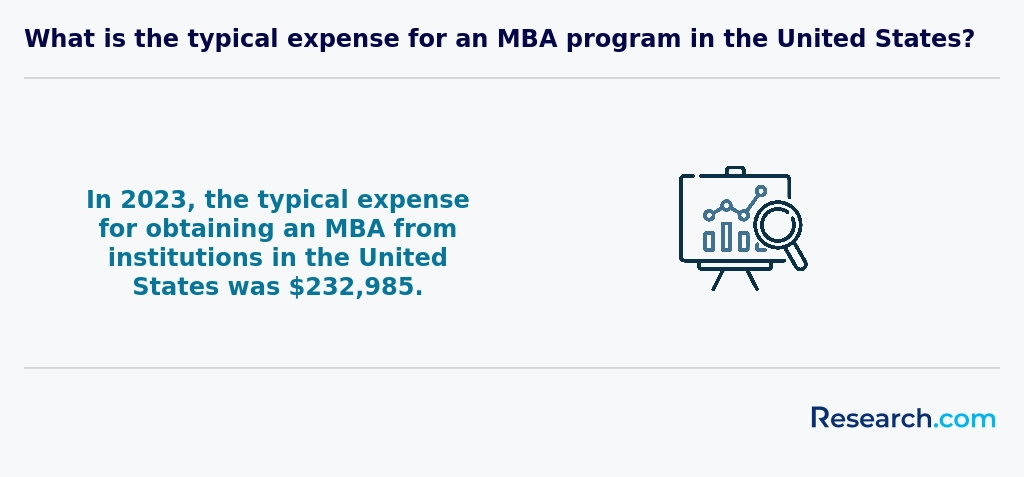
The average cost of an MBA degree in Michigan varies significantly depending on the university you choose. Graduates from the University of Michigan's Ross School of Business often mention the high tuition, which can exceed $70,000 for in-state, full-time programs. This substantial investment, however, comes with strong returns, thanks to Ross's robust alumni network and access to Detroit's major industries like automotive and healthcare.
In contrast, those attending Michigan State University's Eli Broad College of Business or Wayne State University generally report costs ranging between $30,000 and $50,000. These programs appeal to working professionals because of their more flexible schedules and lower tuition fees, making the financial commitment more manageable. Many students have found merit-based scholarships and assistantships which help ease the burden further, allowing them to balance study and work without overwhelming debt.
Graduates often appreciate that the pricing aligns with practical career outcomes, such as salary increases and leadership opportunities, making the investment feel worthwhile in Michigan's diverse economic landscape.
Where can I work with MBA degree in Michigan?
Graduates from Michigan's top MBA programs, such as those at the University of Michigan and Michigan State University, often find themselves stepping directly into leadership roles within the state's dominant industries. For example, many secure positions at major automotive firms like Ford and General Motors, handling supply chain logistics or strategic planning. These roles demand sharp management skills, which are honed during the MBA experience.
Others leverage their MBA training in the financial sector, landing jobs in risk management or financial analysis with firms concentrated in Detroit or Grand Rapids. One graduate shared how their internship at a regional bank opened doors to a full-time position in investment management, illustrating the value of local connections cultivated through Michigan-based programs.
Healthcare is another promising avenue. MBA holders contribute to hospital administration and healthcare consulting across Detroit's vast medical networks, combining business savvy with industry insight. Similarly, Michigan's growing tech hubs in Ann Arbor attract MBAs to roles in product management and business development, energized by start-up cultures fostered near campuses.
Finally, entrepreneurial graduates often join or lead small and medium enterprises statewide, applying their MBA skills to marketing and operational growth within diverse sectors like real estate and retail. The practical knowledge gained at Michigan schools makes these career paths both achievable and rewarding.
MBA graduates in Michigan can expect to earn between $85,000 and $120,000 annually, depending on their chosen industry and experience. For instance, business managers and marketing managers typically fall within this salary range. Graduates from renowned programs like the University of Michigan's Ross School of Business often report starting salaries above $110,000, benefiting from strong employer connections and targeted career support.
Those entering financial management roles may see salaries exceeding $120,000, reflecting Detroit's competitive market in finance and automotive sectors. Meanwhile, MBA holders in consulting or technology fields often start around $95,000, with room to advance quickly as Michigan's tech industry expands.
Graduates frequently share that these salary ranges have enabled them to confidently invest in their families and build a stable future. By selecting top Michigan schools and gaining relevant experience, MBA students position themselves to thrive financially in the state's diverse economy.
- MBA tuition in Michigan ranges from $30,000 to $70,000, with public universities offering lower rates for in-state students.
- Entry-level MBA graduates in Michigan typically earn about $70,000 annually, with experienced professionals making between $100,000 and $120,000.
- Strong industries for MBA roles in Michigan include automotive, finance, healthcare, and technology, especially in Detroit and Ann Arbor.
- Many Michigan MBA programs offer flexible study options such as part-time, full-time, and online formats, plus specialized tracks like finance and entrepreneurship.
- Accreditation by organizations like AACSB is common for MBA programs in Michigan, ensuring high academic and professional standards.
In Michigan, completing a traditional full-time MBA typically takes about two years, which aligns with national standards. Graduates from well-known schools like the University of Michigan and Michigan State University often share how this timeframe allowed them to immerse fully in their studies while also benefiting from internships that connected classroom theory to real business challenges.
If you're balancing work and study, part-time MBA programs in cities such as Detroit or Ann Arbor extend the experience to three or four years. Many students appreciate this flexibility, attending evening or weekend classes while maintaining their careers, which helps manage stress and retain income during their education.
For driven students aiming to enter the job market swiftly, accelerated MBA programs in Michigan compress the course load into 12 to 18 months. Graduates report feelings of intense but rewarding progress, gaining skills quickly to adapt in competitive business environments.
Online MBA options in Michigan add another layer of convenience, letting students tailor their pace between full-time and part-time study, ideal for those balancing family, work, and education simultaneously.
Choosing between an online and on-campus MBA in Michigan often comes down to lifestyle and learning preferences. Graduates from the University of Michigan's Ross School of Business describe on-campus programs as immersive experiences, where face-to-face networking during classes and events fosters strong professional relationships. Physical access to campus facilities and real-time collaboration can ease group projects and internship hunting.
On the other hand, those who pursued online MBAs from Michigan State University appreciate the flexibility to study after work or family time. The asynchronous format means assignments fit personal schedules without commuting. Many find this particularly valuable when balancing a career in Detroit or other cities.
Cost also differs: on-campus tuition here ranges from $30,000 to $60,000. Online options can reduce costs by up to 30%, though technology fees may apply. Career services remain strong on-campus, but online students increasingly benefit from virtual job fairs and mentoring, narrowing the gap significantly.
Evaluating the return on investment (ROI) of an MBA program is crucial when planning your career advancement. Beyond competitive starting salaries, many graduates experience significant long-term benefits such as accelerated promotions, higher lifetime earnings, and expanded professional networks. When assessing an MBA program, consider not only immediate financial outcomes but also the broader career impact. Research shows that graduates with strong leadership and strategic skills often see a measurable increase in their earning potential within the first five years post-graduation. In addition, contemporary professionals looking to fast-track their careers may find that executive mba online programs offer the flexibility to continue working while reaping the benefits of advanced business strategies. Such programs are designed to integrate practical, real-world applications with academic rigor, ensuring that you are well-equipped to tackle modern industry challenges and drive sustainable growth. Understanding the long-term career trajectory and quantifiable ROI can help you make an informed decision about your investment in an MBA, setting the stage for success in an increasingly competitive job market.
The average MBA tuition cost in Michigan offers a practical range depending on the institution type and residency status. For in-state students attending popular universities like those in Ann Arbor or East Lansing, median tuition totals near $21,000, making it a financially accessible option compared to national figures. Graduates from these public universities often highlight the value of lower tuition combined with strong regional networking opportunities, which helps justify the investment.
On the other hand, the median total cost for MBA programs in Michigan, including out-of-state and some private options, is approximately $45,478. This figure aligns with experiences shared by graduates of private colleges in metropolitan areas such as Detroit, where tuition can reach the higher end of the spectrum. These students frequently mention enhanced resources and career services that contribute to their overall satisfaction despite steeper costs.
When planning for the total cost of MBA degree Michigan students should also factor in additional expenses like books, living costs, and technology fees if choosing online formats. Graduates often recommend exploring financial aid options early, as scholarships and tuition reimbursement programs can significantly ease the financial burden.
For students searching for affordable MBA options, it helps to compare programs carefully. Detailed information can be found by visiting a reliable resource such as the affordable mba school in michigan listings, which offer clear insights tailored to local opportunities and price points.
Embarking on the application journey for a Michigan MBA requires careful planning and strategic preparation. Here’s a step-by-step guide to ensure you submit a standout application: 1. Prepare Your Materials Early • Transcripts: Request official transcripts from all post-secondary institutions at least three months before deadlines. • Standardized Tests: Register for the GMAT or GRE at least six months in advance; consider test-prep courses to boost scores. • Resume: Craft a concise, results-oriented resume highlighting leadership roles, quantifiable achievements, and industry experience. • Essays: Brainstorm unique anecdotes that showcase your career vision, problem-solving skills, and fit with each Michigan program’s culture. • Recommendations: Approach supervisors or professors who know your strengths well; provide them with a brief on your goals and achievements. 2. Understand Key Deadlines • Round 1 (September–October): Ideal for early consideration and scholarship opportunities. • Round 2 (December–January): Most competitive round; balance improved test scores against available seats. • Round 3 (March–April): Limited spots; apply only if fully prepared. • Rolling/Part-time Deadlines: Vary by school-check each program’s admissions calendar. 3. Ace the Interview • Format: Expect behavioral questions, case studies, or recorded video responses. • Preparation: Practice with alumni or career coaches; prepare stories using the STAR method (Situation, Task, Action, Result). • Professionalism: Dress business casual, test your technology setup for virtual interviews, and arrive (or log in) 10 minutes early. 4. Leverage Resources and Alternatives • Campus Visits and Webinars: Attend info sessions to demonstrate interest and gather insights. • Financial Planning: Research scholarships, assistantships, and loan options. • Compare Flexible Options: If you’re exploring more cost-effective or online pathways, check out our Affordable Online Master's in MBA Degree Programs Ranking in Lincoln, NE to find programs that fit your schedule and budget. By adhering to these guidelines and starting early, you’ll present a compelling candidacy that stands out in Michigan’s competitive MBA landscape.
Financing an MBA in Michigan typically involves combining federal aid, scholarships, and employer support to manage costs effectively. Graduates from the University of Michigan's Ross School of Business often highlight merit-based scholarships that recognize academic and leadership excellence, sometimes covering a large portion of tuition. Early application is key here, as these scholarships are competitive and limited.
Federal loans through FAFSA remain a common choice, especially unsubsidized loans, which offer manageable interest rates compared to private alternatives. Many Michigan MBA students also report benefiting from assistantships or fellowships at schools like Michigan State University, receiving tuition waivers plus stipends for teaching or research work, easing financial stress while gaining valuable experience.
Employer tuition assistance is a practical option for many local MBA candidates, particularly those working in Detroit's automotive or tech industries, where companies often invest in employee education. Additionally, private scholarships, such as those from the Forté Foundation targeting women, further reduce financial burdens and create a more inclusive learning environment.
When considering an MBA program in Michigan, affordability is a crucial factor. Many prospective students are concerned about the cost of tuition, living expenses, and other fees associated with pursuing a graduate degree. To help with this, it's essential to research and explore options for financial aid, scholarships, and part-time or online programs that can offer more flexibility and budget-friendly solutions. For instance, looking into an affordable mba school in michigan can be a great starting point. By weighing the costs and benefits, and exploring different program formats, aspiring MBA students can make informed decisions about their educational investments and set themselves up for success in their future careers.
To enroll in an MBA program in Michigan, you need a bachelor's degree from an accredited institution-any major works, but having a background in business or economics can make the coursework feel more intuitive. Graduates from programs like the University of Michigan's Ross School of Business often share how this academic variety enriched their classroom interactions.
You'll typically need competitive GMAT or GRE scores, with many Michigan schools expecting GMAT results between 620 and 700. This demonstrates readiness for the challenging curriculum ahead and mirrors the experiences of current students who found test preparation a manageable step toward admission.
Work experience is a pivotal part of your application. Most programs ask for two to three years of professional experience, which adds real-world insight to discussions. Many successful candidates from Michigan State University emphasize how their career exposure helped them connect theory to practice effectively.
Strong essays and letters of recommendation are essential to highlight leadership potential and career goals. International students must also prove English proficiency via TOEFL or IELTS to meet local requirements.
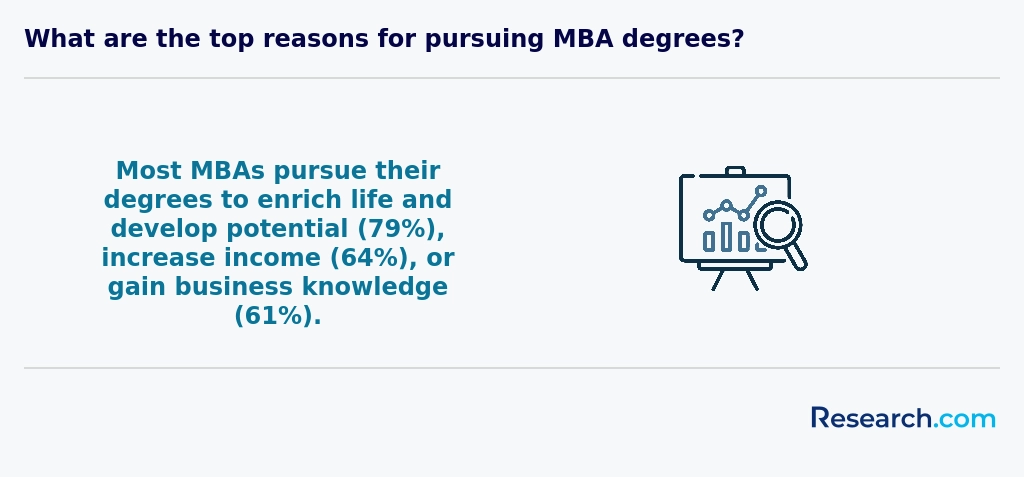
Core MBA courses in Michigan focus on building strong managerial skills essential for success. Graduates from the University of Michigan often describe mastering Financial Accounting and Managerial Accounting as key to confidently handling real company financials during internships. Similarly, students at Michigan State University emphasize how Corporate Finance taught them practical capital management, making complex investment decisions feel manageable.
Marketing Management and Operations Management courses provide hands-on strategies for customer engagement and streamlining supply chains-skills that Wayne State graduates credit for landing roles in Detroit's automotive industry. Organizational Behavior and Strategic Management courses help students develop leadership abilities and strategic thinking applicable in diverse business environments statewide.
Michigan MBA programs integrate Economics for Managers to ground students in economic principles, while Business Ethics and Corporate Social Responsibility prepare them to navigate ethical challenges confidently. This practical curriculum, combined with elective choices tailored to local industries, ensures Michigan MBA students graduate ready to drive business success with knowledge and motivation.
MBA specializations offered in Michigan typically include Finance, Marketing, Supply Chain Management, Healthcare Management, and Entrepreneurship, reflecting the state's economic landscape. Graduates from schools like the University of Michigan's Ross School often recall how focusing on Finance helped them land roles as financial analysts or advisors in Detroit's thriving corporate sector. Meanwhile, Marketing concentrations suit those drawn to digital marketing and brand management, skills highly sought after by Michigan-based consumer goods companies.
For those interested in logistics or manufacturing, Supply Chain Management programs leverage Michigan's strong industrial base, preparing students for operations roles in local businesses. Healthcare Management is another popular option, especially near Ann Arbor and Detroit, where graduates found rewarding careers managing hospital operations. Entrepreneurship appeals to students eager to launch startups within Michigan's growing innovation hubs.
Many programs also offer dual degrees or certificates to deepen expertise in these areas, allowing flexibility for students balancing a career. To explore flexible study paths, consider looking into executive mba online programs which Michigan professionals often favor.
Start by verifying accreditation, as AACSB accreditation ensures rigorous standards and employer respect. Michigan's top MBA programs, like those at the University of Michigan and Michigan State University, provide that assurance. Graduates frequently share how this recognition opened doors in Detroit's competitive job market.
Next, consider the Michigan MBA degree cost comparison. For example, part-time options at Michigan State around $45,000 can be more manageable, while a full-time MBA at the University of Michigan may exceed $70,000. Balancing investment with expected outcomes, many alumni emphasize that strong employment rates and starting salaries justify higher costs.
Look closely at program format. Online or part-time options at schools like Central Michigan University offer flexibility for working professionals. For those unable to relocate, these formats make continuing education feasible without career disruption. Students often recommend exploring Affordable Online Master's in MBA Degree Programs Ranking in Lincoln, NE for comparable programs.
Finally, evaluate curriculum relevance to Michigan's industries. Many MBA alumni found specialized tracks in finance or supply chain management at these universities aligned perfectly with local opportunities, boosting confidence and career readiness in the automotive and manufacturing sectors.
Graduates holding an MBA degree in Michigan find career paths spanning multiple thriving industries. Business management roles such as operations or general managers are common, particularly among alumni from the University of Michigan's Ross School of Business who leverage their leadership training to oversee company performance. Financial services in cities like Detroit and Grand Rapids also attract MBA holders, offering positions as financial analysts or investment bankers where they apply advanced financial skills.
For pragmatic planners exploring Michigan MBA degree job prospects, consulting and marketing management represent actionable routes. Many graduates capitalize on Michigan's proximity to major economic hubs to work with firms needing strategic and operational expertise. Others benefit from the state's growing entrepreneurial environment, drawing inspiration from startups in Ann Arbor to launch ventures or contribute meaningfully to emerging businesses.
Healthcare administration and the automotive sector stand out as additional avenues. Graduates working in healthcare blend business strategy with knowledge of regional hospital systems, while those entering Detroit's automotive industry take roles in supply chain or product development with major companies. Consider exploring best 6 month programs that pay well to complement your MBA skill set and boost employability.
The Michigan MBA job market outlook remains strong due to the state's diversified economy featuring sectors like automotive, healthcare, finance, and technology. Graduates from well-known programs such as the University of Michigan's Ross School of Business frequently secure positions in leading companies headquartered in Detroit and Ann Arbor. These roles often involve project management, strategic operations, or finance, offering salaries that range between $85,000 and $120,000, matching or exceeding regional averages. Many graduates find the robust alumni networks invaluable for job placement and career growth.
Employment opportunities for MBA graduates in Michigan extend beyond large corporations to startups and healthcare organizations, reflecting the state's evolving economic landscape. Practical experience during studies, coupled with strong networking, often leads to quick advancement. Prospective students should also consider cost-effectiveness: Michigan's MBA programs typically cost between $50,000 and $70,000, delivering good return on investment.
For those weighing additional credentials, exploring easy certifications to get that pay well can enhance job prospects in competitive sectors.
2027 Most Valuable MBA Degree Programs Ranking in Michigan
Investing in your education is a significant decision that can shape your future, and the Research.com team recognizes the importance of making well-informed choices. To aid prospective students in Michigan, we have carefully developed the "2027 Most Valuable MBA Degree Programs Ranking in Michigan." Our dedication to quality, credibility, and accuracy is demonstrated through thorough research and detailed analysis behind this ranking.
We utilized the following reputable data sources to ensure a comprehensive assessment of MBA programs:
By exploring this ranking, readers will gain valuable insights into the most valuable MBA programs in Michigan, enabling them to make confident and informed decisions about their educational investments. For further information on our process, please visit our Research.com methodology page.


Frequently Asked Questions About MBA
To maximize their learning experience, MBA students in Michigan should actively engage in experiential learning opportunities. Programs at notable institutions like the University of Michigan Ross School of Business emphasize hands-on projects, internships, and consulting work, which help students apply theory to real-world business challenges. According to U.S. News & World Report, nearly 85% of Michigan MBA students participate in internships that enhance career readiness.
Networking is also crucial. Joining local business clubs and attending industry events in cities such as Detroit and Ann Arbor connects students with professionals, expanding their contacts and mentorship possibilities. Additionally, leveraging campus resources like career services and alumni networks enhances job placement success.
Taking advantage of Michigan's growing sectors, including automotive and technology, through specialized electives or partnerships can provide students with a competitive edge. Staying engaged in peer discussions and leadership workshops further strengthens critical skills necessary in today's dynamic business environment.
Emerging niches in Michigan's MBA programs reflect growing industry demands and regional economic strengths. Sustainability management is gaining traction, with several Michigan schools integrating environmental, social, and governance (ESG) principles into their curricula. This trend aligns with Detroit's revitalization efforts and the state's focus on green energy.
Another key area is data analytics and business intelligence, supported by Michigan's automotive and manufacturing sectors increasingly adopting digital technologies. The University of Michigan's Ross School of Business reports strong enrollment growth in analytics-focused MBA tracks.
Healthcare management is also expanding, given Michigan's robust healthcare industry, including institutions like the Beaumont Health System. Specialized MBAs in this niche are designed to address industry complexities and regulatory challenges.
After completing an MBA degree in Michigan, effective job market preparation involves several strategic steps. Graduates should leverage career services offered by Michigan business schools, which often provide tailored support such as resume reviews, interview coaching, and networking opportunities.
Building a strong professional network is essential. Michigan's diverse economy, featuring industries like automotive, finance, and healthcare, offers many local networking events and conferences. According to the Graduate Management Admission Council, 85% of MBA graduates secure employment within three months post-graduation when actively engaging with recruiters and alumni.
Internships and practical experience gained during the MBA program significantly enhance employability in Michigan's competitive market. Staying updated on industry trends and certifications relevant to regional employers also supports a successful transition into leadership roles.
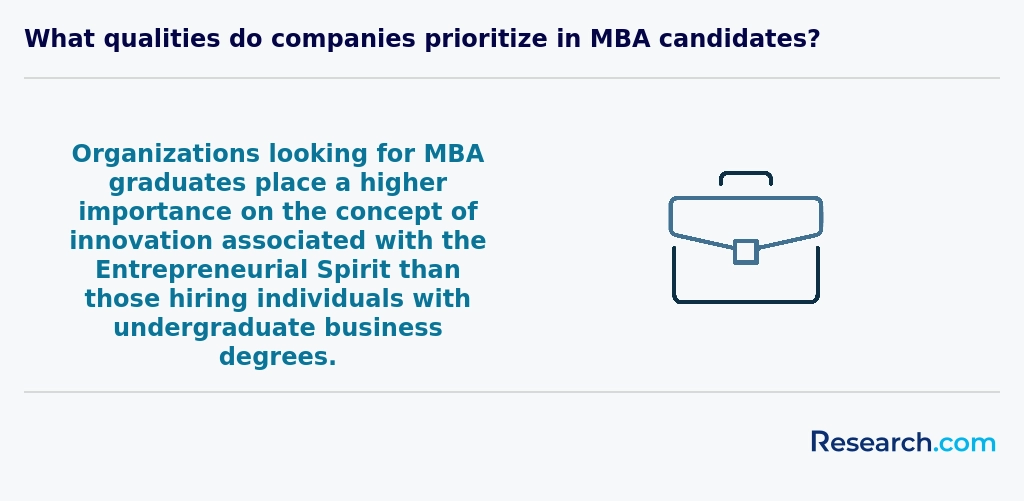
Employers in Michigan highly value MBA graduates with strong leadership and strategic thinking skills. According to a recent survey by the Graduate Management Admission Council, 81% of employers in the Midwest, including Michigan, prioritize candidates who demonstrate effective decision-making and problem-solving abilities.
Communication skills are equally important. MBA holders must be able to convey complex ideas clearly, especially in industries like automotive and finance, which dominate Michigan's economy. Additionally, expertise in data analysis and financial acumen are sought after, with 70% of Michigan employers expecting proficiency in these areas.
Finally, adaptability and technological literacy are crucial as companies evolve with digital transformation initiatives.
Finding internships in Michigan relevant to an MBA degree involves leveraging university career services, local business networks, and online platforms. Many Michigan universities, including the University of Michigan and Michigan State University, provide dedicated internship programs and strong corporate partnerships, connecting MBA students with companies in Detroit's automotive and financial sectors.
In 2023, Michigan reported over 15,000 internships across industries, with a significant portion for business and management roles, according to the Michigan Department of Labor. Utilizing LinkedIn and Handshake can also enhance your search by targeting internships specifically in Michigan.
Networking at local business events and MBA-specific career fairs in cities like Ann Arbor and Grand Rapids is crucial for securing relevant internship opportunities.
In Michigan, an MBA degree significantly enhances career mobility and advancement opportunities. According to the Michigan Economic Development Corporation, professionals with an MBA earn on average 20%-30% more than those with only a bachelor's degree. Employers in key local industries such as automotive, technology, and finance highly value the strategic, leadership, and analytical skills developed through MBA programs.
Many MBA graduates in Michigan move into managerial or executive roles within five years post-graduation. Data from the Graduate Management Admission Council highlights that 85% of Michigan MBA alumni report promotions or job changes within three years of completing their degree.
Networking opportunities through local business schools and professional associations also facilitate career advancement by connecting MBA students with industry leaders in Detroit, Ann Arbor, and Grand Rapids.
Studying for an MBA degree in Michigan equips students with skills essential for interdisciplinary roles by integrating business knowledge with fields like technology, healthcare, and manufacturing. Michigan's universities emphasize collaboration across departments, preparing students to manage complex projects involving diverse expertise.
For example, MBA programs at institutions such as the University of Michigan and Michigan State University offer courses combining data analytics, supply chain management, and innovation strategies. According to the U.S. News 2024 rankings, these schools rank among the top for interdisciplinary business education.
This approach fosters critical thinking and adaptability, key for leadership in evolving industries throughout Michigan's economy.
Choosing between a thesis and a non-thesis MBA program in Michigan depends largely on your career goals and learning preferences. Thesis MBA programs require original research and a formal thesis, which suits students aiming for academic roles or research-heavy industries. According to the Michigan Association of Colleges and Universities, about 30% of MBA graduates in the state pursue research-oriented careers.
Non-thesis programs focus on practical coursework and often include capstone projects or internships. These appeal to professionals targeting leadership or management roles in business. Data from the U.S. Department of Education show that over 70% of Michigan MBA students enroll in non-thesis tracks due to their flexible structure and faster completion times.
Consider the time commitment and skills you want to develop. Thesis options can take longer but offer deep analytical experience, while non-thesis MBAs emphasize applied knowledge and networking opportunities within Michigan's robust economy.
Students based in Michigan who wish to study MBA programs abroad have several options tailored to their academic and professional goals. Many universities in Michigan, such as the University of Michigan's Ross School of Business, offer exchange programs with partner institutions worldwide, enabling students to earn international exposure without leaving their degree track.
Additionally, Michigan residents can apply directly to renowned international MBA programs in Europe, Asia, and Canada, which often recognize U.S. undergraduate credentials. According to the Graduate Management Admission Council (GMAC), around 15% of U.S. MBA candidates pursue part or full degrees abroad, reflecting a growing interest in global business education.
Financial aid and scholarships targeting U.S. citizens studying overseas are available through various foundations and university resources, which can help mitigate costs. Students should also consider MBA programs accredited by bodies like AACSB, as Michigan's top schools emphasize such credentials for quality and international recognition.
MBA students in Michigan benefit from various part-time job opportunities that align with their studies. Roles such as business analyst interns, marketing assistants, and financial advisors are common in cities like Detroit and Ann Arbor. These positions allow students to apply classroom theories to real-world business problems.
Many local companies, including those in the automotive, healthcare, and finance sectors, seek MBA candidates for project management and consulting internships. According to the Michigan Economic Development Corporation, these industries contribute significantly to the state's economy, increasing relevant job availability for MBA students.
Working part-time in these roles not only enhances practical skills but also expands professional networks. This experience can improve post-graduation employment prospects, often leading to full-time positions in Michigan's competitive business environment.
MBA students in Michigan benefit from numerous networking opportunities through the state's robust business and educational ecosystems. Top universities like the University of Michigan and Michigan State University host frequent events connecting students with alumni and local business leaders. According to the Graduate Management Admission Council (GMAC), 78% of MBA students nationwide found networking with professionals as a key advantage, and Michigan's strong corporate presence supports this trend.
Students can join professional clubs, case competitions, and industry-focused conferences, gaining direct access to sectors like automotive, finance, and technology. Additionally, Michigan's active chapter of the National Black MBA Association offers tailored networking events. These resources help students build valuable connections to enhance career growth.
Alumni networks are a significant asset for MBA students in Michigan, offering valuable connections that extend beyond graduation. These networks provide access to seasoned professionals, local business leaders, and industry experts primarily based in key Michigan economic hubs like Detroit, Ann Arbor, and Grand Rapids.
Participation in alumni events and online platforms helps current students secure internships and job opportunities, which is essential given Michigan's competitive job market. According to the University of Michigan's Ross School of Business, over 90% of its MBA graduates find employment within three months, partly due to strong alumni referrals.
Moreover, alumni often serve as mentors, offering guidance on career advancement and entrepreneurial ventures, which can be crucial in Michigan's diverse economic sectors such as automotive, healthcare, and technology.
Customizing an MBA degree program in Michigan allows students to tailor their education to specific career goals. Many Michigan universities offer specialized concentrations such as finance, healthcare management, or supply chain management.
Students can choose electives aligned with their industry interests, enhancing relevant skills. For example, the University of Michigan's Ross School of Business provides multiple dual-degree options and experiential learning opportunities to adapt to career paths.
Part-time, online, or executive MBA formats available in Michigan offer flexibility for working professionals. According to the Michigan Association of Collegiate Registrars and Admissions Officers, over 40% of MBA students in the state select programs with customizable tracks.
Networking opportunities and internships tailored to local industries also support career-specific development.
MBA students in Michigan often face several common challenges during their studies. Balancing rigorous coursework with professional and personal commitments is a key difficulty, especially since many students are working professionals. According to the Michigan Association of State Universities, nearly 60% of MBA students in the state attend part-time, increasing time management pressures.
Financial burden is another concern. Tuition for MBA programs in Michigan averages around $30,000 to $50,000, which can discourage applicants or lead to significant student debt, as reported by U.S. News & World Report.
Additionally, adapting to hybrid or online learning formats, which have become more prevalent post-pandemic, presents challenges in maintaining engagement and networking opportunities with peers and faculty.
With an MBA degree from Michigan, graduates can pursue several professional certifications to enhance their careers. Popular options include the Certified Public Accountant (CPA) credential for those interested in accounting and finance. The Project Management Professional (PMP) certification is also a common choice, highlighting expertise in managing projects across industries.
Additionally, the Certified Management Accountant (CMA) and Chartered Financial Analyst (CFA) designations are valuable for those focusing on financial analysis and strategic management. Michigan's strong business community and universities support preparation for these certifications through specialized courses and study groups.
According to data from the Michigan Economic Development Corporation, professionals with such certifications earn on average 15-20% higher salaries.
Writing a winning application for a MBA program in Michigan requires a clear strategy focused on demonstrating your potential as a future business leader. Start with a compelling personal statement that explains your career goals and how the Michigan MBA aligns with them. Admissions committees value applicants who show leadership experience, strong communication skills, and practical problem-solving abilities.
Highlight any relevant work experience, internships, or volunteer activities that showcase your ability to manage teams or projects. According to the Graduate Management Admission Council, Michigan MBA programs often look for a GPA above 3.0 and competitive GMAT scores in the 600-700 range.
Be sure to provide strong letters of recommendation from supervisors or professors familiar with your skills. Tailor your application by researching each Michigan school's values to align your motivations accordingly.
An MBA degree holds significant value in the global job market, including for students in Michigan. According to the Graduate Management Admission Council (GMAC), over 70% of MBA graduates in the United States report increased international career opportunities within two years of graduation. Employers worldwide seek MBA graduates for their leadership and strategic skills, making the degree globally recognized. Michigan's strong automotive and manufacturing sectors benefit from MBA graduates looking to work in global supply chain management and international business development.
U.S. News & World Report highlights that Michigan's top MBA programs emphasize global business practices, preparing students to understand cross-cultural management and international markets. On average, MBA graduates in Michigan see a 50% salary increase compared to their pre-MBA earnings, reflecting the degree's competitive edge professionally and globally.
Gaining practical experience while studying for an MBA degree in Michigan is feasible through multiple channels. Many Michigan universities, such as the University of Michigan and Michigan State University, offer internship programs embedded within their MBA curricula. These internships provide hands-on experience in industries ranging from automotive to finance.
Additionally, students can engage in consulting projects, often coordinated by business schools, that allow collaboration with local companies. According to the Graduate Management Admission Council, about 70% of MBA students nationally complete internships, which enhance job prospects.
Networking events and business competitions in Michigan also facilitate experiential learning.
Choosing the right concentration within an MBA program in Michigan involves assessing your career goals and local market demand. Popular concentrations include finance, healthcare management, and supply chain logistics, reflecting Michigan's economic strengths. For example, the automotive and manufacturing sectors drive demand for logistics expertise, while Detroit's growing healthcare industry values healthcare management skills.
Research from the Graduate Management Admission Council (GMAC) shows that specialties like finance and marketing often lead to higher salaries. Consider programs at Michigan State University or the University of Michigan, which offer well-ranked concentrations aligned with regional industries.
Evaluate each concentration's curriculum, faculty expertise, and internship opportunities to ensure practical experience. Lastly, connect with alumni or career advisors to understand how specific concentrations translate to job prospects within Michigan's competitive job market.
- 2027 Most Valuable MBA Degree Programs Ranking in Indiana
- 2027 Most Valuable MBA Degree Programs Ranking in Illinois
- 2027 Most Valuable MBA Degree Programs Ranking in Minnesota
- 2027 Most Valuable MBA Degree Programs Ranking in Pennsylvania
- 2027 Most Valuable MBA Degree Programs Ranking in Iowa
- 2027 Most Valuable MBA Degree Programs Ranking in Missouri
- 2027 Most Valuable MBA Degree Programs Ranking in Delaware
- 2027 Most Valuable MBA Degree Programs Ranking in Connecticut
- 2027 Most Valuable MBA Degree Programs Ranking in Arkansas
- 2027 Most Valuable MBA Degree Programs Ranking in Georgia
- Why Fit Matters: Matching Your Profile and Career Goals to Your Dream MBA Program https://merchantmba.com/blog/why-fit-matters-matching-your-profile-and-career-goals-to-your-dream-mba-program
- Top MBA programs with the best alumni networks in the world - MBA Crystal Ball https://www.mbacrystalball.com/blog/2025/07/07/top-mba-programs-with-the-best-alumni-network-in-the-world/
- Follow These 10 Steps To Write Your MBA Application Essays - ApplicantLab https://www.applicantlab.com/blog/10-steps-to-write-your-mba-application-essay/
- All Main MBA Specializations - Experts' Global https://www.expertsglobal.com/all-main-MBA-specializations/
- Overcoming Common Challenges Faced by Management Students https://iilm.edu/iilm-lucknow/blog/challenges-faced-by-management-students/
- Tips for Writing an MBA Program Essay - GMAT Ninja https://www.gmatninja.com/articles/mba-admissions/essays-and-applications/minimizing-mba-application-essay-agony/
- The Growing Demand for Niche Jobs and MBA Specializations https://www.clearadmit.com/2025/05/the-growing-demand-for-niche-jobs-and-mba-specializations/
- Future-Proof Your Career with an MBA in India : MIT-WPU Blog https://mitwpu.edu.in/blog/emerging-specialisations-in-mba---how-to-future-proof-your-business-career-in-india
- Why Employers Prize a Global Perspective from MBA Graduates | WU Executive Academy https://executiveacademy.at/en/knowledge/career/why-employers-prize-a-global-perspective-from-mba-graduates
- 5 Tips on How to Choose the Best MBA Concentration https://www.pointloma.edu/resources/business-leadership/5-tips-how-choose-best-mba-concentration


