2027 Most Popular MBA Degree Programs Ranking in the Northeast

Co-Founder and Chief Data Scientist
Choosing the right MBA program in the Northeast can feel overwhelming. That's why this article presents the 2027 Most Popular MBA Degree Programs Ranking in the Northeast, created by the Research.com team of data scientists.
By exploring this carefully crafted ranking, you'll gain clear insights into top programs that fit your goals and lifestyle. Pursuing an MBA can open doors to new careers, higher earning potential, and personal growth.
Read on to discover valuable information that helps you make an informed, confident choice for your future.
Key benefits of getting MBA degree in the Northeast
- MBA graduates in the Northeast often enjoy competitive salaries, with typical roles like financial managers earning a mean annual wage around $146,000 nationwide, reflecting strong earning potential.
- Career paths for MBA holders from schools such as Boston University include leadership roles in finance, marketing, and operations, offering diverse opportunities to thrive in dynamic industries.
- Completing an MBA online from a well-regarded institution like Northeastern University allows flexibility for working professionals, helping balance career growth with personal commitments efficiently.
- 2027 Most Popular MBA Degree Programs Ranking in the Northeast
- What can I expect from MBA degree in the Northeast?
- Where can I work with MBA degree in the Northeast?
What can I expect from MBA degree in the Northeast?
The average cost of pursuing an MBA degree in the Northeast currently ranges from $60,000 to over $120,000, depending on the school and program length. Graduates from institutions like Harvard and MIT Sloan often share how they managed this investment through a blend of scholarships, assistantships, and employer sponsorships, which softened the financial burden. For those considering a full-time program at Wharton, the sticker price might feel daunting, but many find the long-term salary boost-often exceeding $115,000 starting pay-to be a rewarding payoff.
Looking ahead, the rise of accelerated one-year MBA programs could shift cost patterns, appealing to professionals eager to return to work faster and reduce tuition expenses. Additionally, online and hybrid models emerging from these top Northeast schools may offer more affordable and flexible routes, helping students balance costs with career and family commitments. The evolving landscape hints at a future where financial accessibility aligns more closely with the high-quality, experiential learning found at these premier business schools.
Where can I work with MBA degree in the Northeast?
Graduates from MBA programs at renowned Northeast schools like Harvard Business School and Wharton often find themselves stepping into vibrant finance roles in New York City's dynamic investment banks and private equity firms. The adrenaline of closing high-stakes deals alongside industry leaders is a common experience, fueling their passion for finance.
Others from institutions such as MIT Sloan or Boston University School of Management eagerly join consulting giants like McKinsey and Boston Consulting Group. They thrive on solving complex business challenges for clients, often working in teams scattered across Boston and Philadelphia innovation hubs. These experiences build confidence and sharpen strategic thinking.
Healthcare management attracts many MBAs in the region, especially from programs with strong biotech ties like Tufts and UPenn. Graduates feel motivated leading projects that improve patient care systems or streamline hospital operations, contributing meaningfully to communities.
Tech-savvy MBAs in cities like Boston's Innovation District find opportunities with fintech startups and cybersecurity firms. Their entrepreneurial spirit grows as they navigate fast-paced launch cycles.
Meanwhile, some graduates pursue fulfilling careers in public administration or nonprofits, drawn to roles where their business acumen can drive impactful regional policies in cities such as Boston and Philadelphia.
Graduates from MBA programs at top Northeast schools like Harvard, Wharton, and MIT frequently enter the workforce with starting salaries around $115,000, reflecting the region's strong corporate ecosystem. These figures often surpass national averages, thanks to proximity to industries such as finance, consulting, and technology. For example, an MBA grad landing a role in New York City's investment banking sector can expect base salaries from $110,000 to $140,000, often boosted by signing bonuses exceeding $15,000.
Many graduates report that early career years include valuable performance bonuses and profit sharing, lifting total compensation beyond $130,000. With experience, salary growth accelerates; mid-career MBA holders in the Northeast commonly earn between $150,000 and $180,000. This progression is fueled by leadership opportunities and demand for advanced management skills in competitive fields.
Students at institutions like Boston University and Columbia describe the combination of robust alumni networks and local industry connections as key to unlocking these lucrative roles. Looking ahead, the region's evolving sectors promise even more financial rewards for MBA holders who adapt to emerging trends and innovation challenges.
- Tuition costs for MBA programs in the Northeast range from $70,000 to over $120,000, including fees and related expenses.
- The average starting salary for MBA graduates in the region is about $95,000 within one year of graduation.
- Mid-career MBA holders earn between $140,000 and $150,000 annually on average.
- Top industries hiring MBA graduates include finance, technology, healthcare, and consulting, especially in cities like New York, Boston, and Philadelphia.
- Admission is competitive, with schools often requiring strong undergraduate GPAs, competitive GMAT or GRE scores, and relevant work experience.
In the Northeast, completing an MBA typically spans from one to four years, a range that reflects diverse student needs and program formats. Graduates from Harvard Business School often describe the traditional two-year program as an intensive but rewarding journey, allowing deep immersion in subjects while building valuable networks. Meanwhile, some students at Wharton appreciate accelerated options, finishing in as little as 12 to 18 months to quickly re-enter the workforce and capitalize on career momentum.
Part-time learners juggling full-time jobs at MIT Sloan often share how extending their MBA over three to four years offers a balanced rhythm, easing stress while maintaining steady progress. Executive MBA candidates commonly experience a focused 18 to 24 months, benefiting from targeted leadership development without pausing their careers.
Looking forward, increasing flexibility with hybrid and online formats may further personalize timelines, enabling students in the Northeast to craft MBA experiences that fit their evolving lifestyles and ambitions. This adaptability sparks enthusiasm among future candidates eager to tailor their education around dynamic professional and personal goals.
MBA applicants often have recurring questions about the application process, program format, and how to maximize their MBA experience. Here are some common questions and expert answers: • How can I prepare a competitive application? Begin by highlighting your academic achievements, professional experiences, and leadership skills. It’s essential to craft a detailed personal statement that reflects your career goals and demonstrates how an MBA will help you achieve them. Tailor your resume to emphasize relevant experiences and secure strong letters of recommendation to bolster your application. • What factors should I consider when choosing between on-campus and online MBA programs? When choosing between formats, assess your personal schedule, career goals, and learning style. On-campus programs may offer richer networking and immersive experiences, while online cohorts provide flexibility-often appealing to working professionals. For detailed insights, many candidates explore short online mba programs, which combine rigorous coursework with adaptable class schedules. • How can current students and alumni maximize their MBA experience? Engage actively in networking events, join student organizations, and seek hands-on learning opportunities during internships or capstone projects. Building relationships with peers, faculty, and industry experts can provide mentorship and significantly influence your career trajectory post-graduation. • What additional resources should I consult before applying? Review official university websites, attend webinars, and connect with admissions officers to gain comprehensive insights. Furthermore, consulting verified rankings and data studies can clarify the potential return on investment and post-MBA career opportunities. This FAQ section is designed to address primary concerns and to guide prospective students in refining their applications for MBA programs in the Northeast, ensuring a well-informed decision-making process.
Graduates from well-known Northeast institutions often reflect on how on-campus MBA programs offer immersive networking through face-to-face interactions, critical for building lasting professional relationships. Imagine collaborating on a real-time case study in a Boston classroom, where ideas spark instantly, or attending career fairs at a New York business school buzzing with recruiters. These experiences create a tangible sense of community and opportunity that online formats can struggle to replicate.
Conversely, many working professionals from Northeast cities appreciate the flexibility that online MBAs provide. Balancing a New York finance job or family life in Philadelphia, they can engage with rigorous coursework on their own schedules. This adaptive model fuels enthusiasm by allowing learning without sacrificing career momentum. Advances in virtual collaboration tools continue to blur the gap, making real-time discussions and group projects increasingly dynamic and inclusive.
Cost considerations also shape perceptions. Graduates recall weighing the higher tuition of on-campus programs-often $60,000 to $120,000 in major Northeast hubs-against the affordability of online options, typically $30,000 to $80,000. As technology evolves, prospective students envision a future where hybrid formats harness the best of both worlds, amplifying accessibility while preserving the prestige and engagement emblematic of Northeast business education.
Planning your MBA application in the Northeast requires a structured timeline and targeted strategy to maximize your chances of admission. Below is a recommended 12-month roadmap: • 12–10 Months Before Deadline – Research programs: Compare core curricula, specializations, and alumni networks. Consider balancing top-tier options with cost-effective alternatives-see Most Affordable MBA Degree Programs Ranking in the West for benchmarks on pricing and value. – Attend virtual and in-person info sessions and campus tours to assess culture and resources. • 9–6 Months Before Deadline – Prepare for GMAT/GRE: Register for an official test, set weekly study goals, and complete at least two full-length practice exams under timed conditions. – Solicit letters of recommendation: Choose supervisors or mentors who can speak to leadership, teamwork, and quantitative skills. • 6–4 Months Before Deadline – Draft and refine essays: Tailor each personal statement to specific program themes (e.g., entrepreneurship at Wharton, healthcare management at Yale SOM). Highlight unique career goals and how the Northeast’s business ecosystem aligns with them. – Update resume: Quantify achievements (e.g., “led a $2M project budget” or “increased regional sales by 25%”). • 4–2 Months Before Deadline – Submit applications: Double-check all materials for accuracy and adherence to word limits. – Schedule interviews: Practice with mock panels, focusing on behavioral questions (e.g., leadership challenges) and case interviews for programs like Columbia Business School. • 2–0 Months Before Decision – Compare admissions offers: Evaluate ROI, scholarship packages, internship pipelines, and cohort diversity. – Confirm enrollment: Accept your offer, complete financial aid paperwork (FAFSA, school scholarships), and plan housing or relocation. By following this timeline-and regularly revisiting your goals and program criteria-you’ll present a cohesive, compelling application that aligns with both your professional aspirations and the competitive landscape of Northeast MBA programs.
The average cost of an MBA degree in the Northeast currently hovers around $53,294, with in-state students often paying closer to $38,323. Graduates from renowned universities like those in Boston or the New York metropolitan area often reflect on the investment as a blend of challenge and opportunity, noting that while tuition and fees represent a substantial financial commitment, the networking and career prospects gained are invaluable. Many recall juggling the high living costs in urban centers alongside tuition, but also highlight how scholarships and employer support helped ease the burden.
Looking forward, future MBA candidates should expect that these costs might evolve with changing program formats and technology use. For example, some graduates from Ivy League and other top-tier schools have found innovative ways to reduce costs while maintaining quality, leveraging part-time or hybrid options that align with busy professional lives. Considering the average MBA degree cost Northeast landscape, it's wise to explore such alternatives alongside financial aid options to make the investment more manageable.
For those balancing work and study or seeking quicker completion, exploring short online mba programs offers a promising route, potentially reducing both tuition and living expenses significantly. This approach has become increasingly popular, especially among students who value flexibility without sacrificing the prestige of a Northeast education.
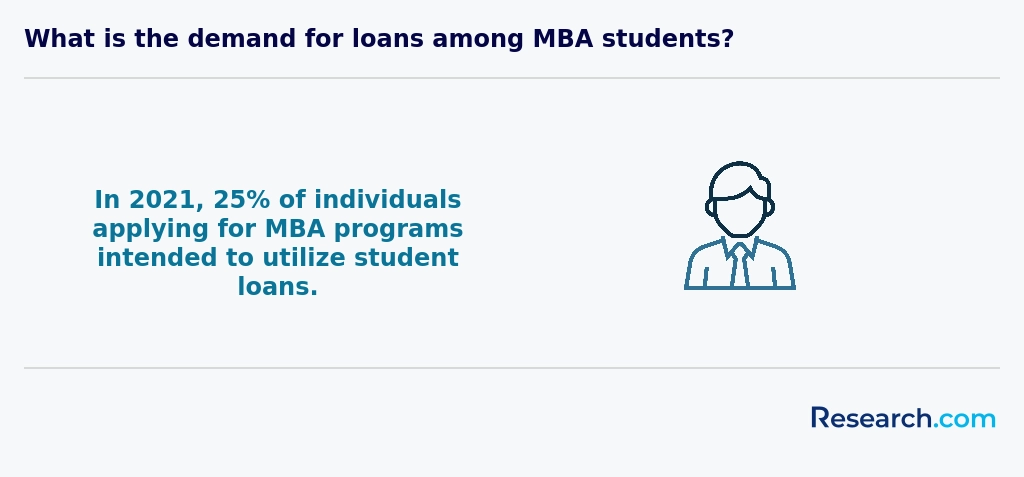
Investing in an MBA in the Northeast often yields a compelling return on investment (ROI) due to high starting salaries and strong career progression. On average, graduates from top-tier Northeast programs report first-year total compensation packages-salary plus bonuses-ranging from $120,000 to $140,000. When juxtaposed with the two-year average tuition and fees of $130,000, the typical payback period falls between 18 and 24 months, assuming a conservative annual salary growth rate of 5%. This swift break-even horizon underscores the financial viability of pursuing an MBA in the region. A comprehensive ROI calculation must factor in opportunity costs and living expenses. For example, a graduate who forgoes a $70,000 annual salary for two years and incurs $25,000 per year in living costs will still recoup total expenses within three years post-graduation, thanks to accelerated promotions and bonus structures common in finance and consulting roles. Over a ten-year career span, cumulative net earnings for MBA holders in the Northeast can exceed those of non-MBA peers by $500,000 or more. While Northeast programs yield robust ROI, some candidates prioritize affordability without sacrificing quality. In that case, you may wish to explore our Most Affordable MBA Degree Programs Ranking in the West, which highlights cost-effective alternatives that still deliver solid career outcomes. By balancing initial investment, regional earning potential, and program quality, prospective students can make an informed decision that maximizes long-term financial and professional gains.
Financial aid for MBA students in the Northeast is evolving with promising prospects. Graduates from top schools like Harvard Business School and MIT Sloan often share how merit-based scholarships, which can cover up to half of tuition, transformed their experience by easing financial pressure and enabling greater focus on learning.
Many students tapping into federal Direct Unsubsidized Loans and Grad PLUS Loans find these options flexible but increasingly paired with more personalized counseling on managing debt responsibly. This trend highlights a future where borrowing aligns more closely with career outcomes.
Employer sponsorship is gaining traction, especially in part-time and executive MBA pathways. Graduates working in finance and tech sectors report how tuition reimbursement programs dramatically lowered their expenses while driving professional growth.
Emerging collaborations between New York State initiatives and local universities hint at expanding loan forgiveness and grant offerings, reflecting a growing commitment to support education's role in workforce development.
Private scholarships tied to industry groups are also becoming more targeted, encouraging students to pursue aid aligned with their unique backgrounds and goals, fostering a more vibrant and accessible MBA journey in the region.
Alternatives to traditional MBA programs, such as online MBA degrees, part-time MBA programs, and executive MBA programs, offer flexibility and cater to diverse learning styles and schedules. These alternatives are particularly appealing to working professionals who cannot dedicate full-time hours to education. For instance, online MBA programs, such as those offered by Northeastern University or the University of Massachusetts Amherst, provide the flexibility to balance studies with career commitments, making them ideal for those who cannot relocate or pause their professional journey. Key aspects of these alternative programs include:
- Flexibility in scheduling and pacing, allowing students to customize their learning experience.
- Accessibility, as online and part-time programs can be completed from anywhere, reducing the need for relocation.
- Cost-effectiveness, with many alternative programs offering lower tuition fees compared to traditional full-time MBA programs.
- Focus on practical application, with many programs incorporating real-world case studies and projects to enhance learning.
- Networking opportunities, although these may differ from those in traditional on-campus programs, with a focus on virtual connections and industry-specific events. By considering these alternatives, prospective students can find MBA programs that better align with their lifestyle, career goals, and financial situation, ultimately enhancing their educational experience and outcomes.
To enroll in an MBA program in the Northeast, applicants typically need a bachelor's degree from an accredited school, often paired with a strong GPA around 3.0 or higher. For example, graduates from popular Northeastern universities often recall the confidence they gained by maintaining solid academic records, which opened doors to competitive programs. Standardized tests like the GMAT or GRE usually remain important, but many programs now offer waivers if you bring several years of meaningful work experience-something recent graduates frequently highlight as a key advantage when transitioning from full-time jobs at local firms.
Professional experience, usually two to five years, is often crucial. Students who worked in leadership roles or advanced their careers before applying report feeling better prepared to tackle case studies and collaborate in class at well-known business schools in Boston or New York. Letters of recommendation and thoughtful personal essays that share clear ambitions are essential, helping admissions teams see your unique journey and potential.
In the future, these prerequisites might evolve, with interviews and demonstrated real-world problem solving becoming even more central to admissions decisions, reflecting an ongoing shift toward practical skills and communication abilities valued by top Northeastern programs.

MBA programs in the Northeast typically immerse students in core courses such as Accounting, Finance, and Marketing, often beginning their journey at renowned institutions like Wharton or NYU Stern. Graduates frequently reflect on how mastering these fundamentals enables them to confidently analyze market trends or lead financial projects, preparing them for the fast-paced New York financial sector.
Courses in Organizational Behavior and Leadership emphasize real-world team dynamics, with many students sharing experiences from group consulting projects that simulate executive decision-making. This hands-on approach, common at schools like MIT Sloan's Boston campus, helps develop interpersonal skills essential in diverse corporate environments.
Looking ahead, emerging curricula increasingly integrate electives such as Business Analytics and Entrepreneurship, reflecting the Northeast's innovation hubs. Graduates find that specializing in areas like data-driven decision making or global strategy enables them to adapt rapidly to evolving industries, from finance in NYC to biotech corridors in Boston.
Experiential components like internships and case studies enhance learning, often sparking enthusiasm in students as they connect theory with tangible business challenges faced by local companies.
MBA specializations in the Northeast reflect the dynamic economic landscape shaped by industries concentrated in cities like New York, Boston, and Philadelphia. Graduates often highlight Finance as a top choice, driven by proximity to Wall Street, where hands-on exposure to investment banking and asset management creates vibrant career pathways. The growing biotech scene around Boston fuels demand for Healthcare Management, blending business acumen with cutting-edge medical innovation.
Technology and Information Systems are gaining traction, especially with Boston's innovation districts nurturing talent in data analytics and digital transformation. Marketing specializations resonate with students drawn to the region's advertising hubs, where brand strategy and consumer insights come alive through real-world projects. Entrepreneurship remains vital, inspired by local startup ecosystems and university incubators that energize graduates with opportunities to launch ventures.
For students prioritizing cost, comparing expenses with rankings like the Most Affordable MBA Degree Programs Ranking in the West helps balance quality and budget. Exploring top MBA concentration options Northeast promises immersive experiences that align education with future-focused industries.
Choosing the best MBA degree in the Northeast increasingly demands attention to evolving program formats that align with dynamic career paths. Graduates from esteemed institutions like Boston University often highlight the value of one-year accelerated MBAs, which cater to professionals eager to upskill quickly without sacrificing career momentum. Such flexibility is essential as many look for part-time or hybrid options that blend rigorous study with ongoing work commitments, offering a distinct advantage in a fast-paced regional economy.
Affordability also plays a crucial role as students weigh the cost against the strong networking benefits available in financial hubs such as New York City. Many successful graduates emphasize that these programs open doors to dense corporate networks, which influence job placements and salary growth significantly. Prospective candidates sensitive to budgets might consider pathways such as the accelerated online associates degree before committing to an MBA, creating a strategic stepping stone towards more advanced study.
Ultimately, the best MBA programs in the Northeast balance recognized accreditation, innovative specializations in fields like technology management or entrepreneurship, and real-world outcomes. Graduates recall that programs renowned for their faculty expertise and career services made a lasting impact, proving that future-focused MBA seekers should prioritize schools that forge strong connections between education and industry demands.
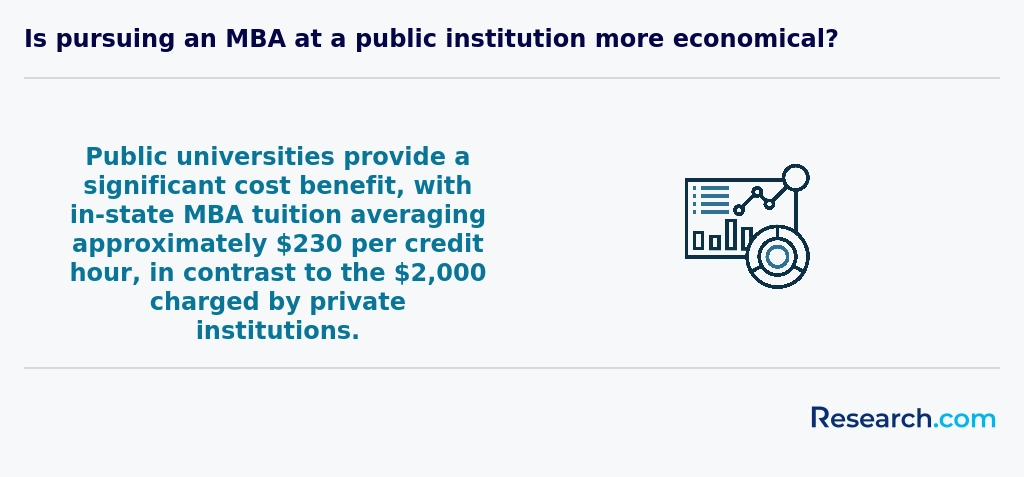
MBA graduates in the Northeast often find themselves at the crossroads of dynamic industries, with career paths evolving alongside regional economic growth. Graduates from top programs at Boston University or New York University frequently enter finance roles such as investment banking and asset management, benefiting from close ties to Wall Street and Boston's financial district. The region's reputation as a consultancy hub means many MBAs transition smoothly into strategic, operational, or management roles at firms like Deloitte or BCG, where their problem-solving skills meet real-world business challenges.
Technology careers are also flourishing, with MBA students from schools like Northeastern University eager to blend analytics and product management roles within Boston's growing tech ecosystem. Healthcare management is rising as an exciting frontier, with leadership opportunities in hospital administration and biotech leadership expanding rapidly near major biotech clusters. These varied sectors showcase the breadth of MBA career opportunities in the Northeast, as graduates envision futures that combine their training with emerging demands.
Many graduates share how their programs emphasize adaptability, preparing them for changes like increased digital transformation. For those exploring options, an understanding of easier paths to advanced degrees can add value, which is why some students even consider easiest phd programs to complement their MBA.
The MBA job market outlook Northeast continues to show promising growth, particularly in cities like New York and Boston, where graduates find diverse career opportunities across finance, consulting, technology, and healthcare sectors. Many MBA graduates from well-known Northeastern institutions share positive experiences about leveraging their education and internship networks to secure roles with competitive starting salaries often between $90,000 and $120,000. These employment opportunities reflect the dynamic nature of the region's economy and the demand for strong analytical and leadership skills.
Career opportunities with MBA Northeast are bolstered by the region's concentration of headquarters and innovation hubs, especially in technology and biotech industries around Boston. Graduates often describe their ability to capitalize on the robust job market by engaging with local recruiters and alumni networks. Although tuition fees tend to be high, many find the investment worthwhile due to enhanced placement rates and salary prospects. Those interested in balancing cost and quality might explore options such as cheap associate programs online to complement their educational pathway.
2027 Most Popular MBA Degree Programs Ranking in the Northeast
Investing in your education is a significant decision that can shape your professional and personal future, and the Research.com team recognizes the importance of providing clear, trustworthy guidance. To support prospective students evaluating MBA programs in the Northeast, we have carefully developed the "2027 Most Popular MBA Degree Programs Ranking in the Northeast." Our dedication to quality, credibility, and accuracy is demonstrated through rigorous research and thorough analysis involved in creating this comprehensive ranking.
We utilized the following reputable data sources to ensure a well-rounded evaluation of MBA programs:
By exploring this ranking, readers will benefit from carefully vetted insights into top MBA programs, enabling them to make informed choices confidently. For further information on how the ranking was constructed, please visit our Research.com methodology page.


# 3 position
Pennsylvania State University-Main Campus
Master of Business Administration (Mba)


Frequently Asked Questions About MBA
An MBA degree in the Northeast offers students access to some of the nation's top business schools, including institutions in Boston, New York, and Philadelphia. To maximize their learning experience, students should engage actively with campus resources such as career centers, networking events, and mentorship programs. According to the Graduate Management Admission Council (GMAC), students who participate in internships and hands-on consulting projects report higher satisfaction and job placement rates.
Leveraging proximity to major financial and corporate hubs provides abundant opportunities for real-world application of skills. Joining student organizations focused on finance, marketing, or entrepreneurship also enhances learning through collaboration and leadership.
Additionally, many Northeast MBA programs emphasize experiential learning, often integrating case studies based on regional industries. Taking advantage of these practical components helps deepen understanding and prepares students for the competitive job market. Remaining proactive and building strong professional networks are key strategies for success.
Emerging niches within the MBA field in the Northeast reflect evolving business trends and regional economic strengths. Sustainability and green business management are gaining momentum, driven by increasing demand for eco-conscious leadership. According to the Graduate Management Admission Council in 2023, around 20% of top Northeast MBA programs offer specialized tracks in sustainability.
Healthcare management is another rapidly growing niche, considering the region's concentration of hospitals and biotech firms. Northeastern schools like Boston University and University of Pennsylvania have expanded their healthcare MBA options significantly.
Technology and data analytics remain core areas, with programs emphasizing artificial intelligence, cybersecurity, and big data. The Northeast's strong tech hubs influence this trend, preparing graduates for high-paying roles in finance and tech industries.
Graduates with an MBA degree in the Northeast can enhance their job market readiness by leveraging local industry connections and alumni networks. According to the Graduate Management Admission Council, 85% of Northeastern MBA graduates receive job offers within three months of graduation. Engaging in internships during the program is crucial and often leads to full-time employment.
Additionally, developing strong skills in data analytics and digital marketing is increasingly valuable in fields such as finance and technology, which dominate the region. Networking events hosted by schools in cities like Boston and New York also provide access to recruiters and industry leaders. Continual professional development and certification can further improve career prospects.
Employers in the Northeast highly value MBA graduates who possess strong leadership and strategic thinking skills. According to a 2023 survey by the Graduate Management Admission Council (GMAC), 87% of employers in this region prioritize candidates with the ability to manage complex projects and drive organizational change.
Analytical skills remain crucial, especially with the region's emphasis on finance and technology sectors. The Financial Times highlights that 75% of MBA employers in cities like New York and Boston seek graduates proficient in data-driven decision-making.
Communication skills are also essential. Employers want MBA graduates who can clearly present ideas and collaborate across diverse teams, reflecting Northeast companies' focus on innovation and teamwork.
Finding internships in the Northeast relevant to an MBA degree involves strategic networking and leveraging university resources. Many top MBA programs in this region are located near major business hubs such as New York City and Boston, which host numerous Fortune 500 companies. According to the Graduate Management Admission Council, over 70% of MBA students in the Northeast secure internships through university-affiliated career centers or alumni networks.
Students should actively engage with career fairs hosted by their schools, as these events often feature firms specifically seeking MBA talent. Additionally, platforms like Handshake and MBA-focused job boards provide targeted internship listings.
Building connections through LinkedIn and professional organizations-such as the Northeast Business Network-can also improve internship opportunities. Early application and preparation are crucial, as competitive internships often fill months before typical summer internship seasons.
In the Northeast, obtaining an MBA degree significantly enhances career mobility and advancement opportunities. According to the Graduate Management Admission Council (GMAC), nearly 90% of MBA graduates in this region report career progress within three years post-graduation. Employers in finance, consulting, and technology sectors-key industries in cities like New York and Boston-actively seek MBA holders for leadership roles.
The robust network opportunities at Northeast business schools also play a crucial role, connecting graduates with industry professionals and alumni. The competitive markets in this area often favor candidates with advanced business knowledge, making an MBA a valuable asset for climbing corporate ladders or transitioning into higher-paying roles.
Studying for an MBA degree in the Northeast equips students with skills suited for interdisciplinary roles by combining business fundamentals with exposure to diverse fields such as technology, healthcare, and finance. Many top-ranked programs in the region emphasize cross-functional teamwork and real-world problem solving. For example, the U.S. News & World Report 2024 highlights that over 70% of MBA programs in the Northeast offer dual-degree options and interdisciplinary electives.
Furthermore, strong connections to major industries in cities like New York, Boston, and Philadelphia provide students with practical experiences that bridge business knowledge and sector-specific expertise. These opportunities develop adaptable leaders ready to address complex challenges across various domains.
Choosing between a thesis and a non-thesis MBA program in the Northeast involves understanding your career goals and learning style. Thesis programs emphasize research, ideal for students aiming at academia or analytical roles. Non-thesis programs focus on practical experience and coursework, fitting those targeting immediate industry positions.
According to the National Center for Education Statistics, about 40% of MBAs in this region opt for non-thesis paths due to faster completion times. Universities like Boston University and the University of Pennsylvania offer both options, reflecting this regional diversity.
Consider also your professional timeline; thesis tracks can take 6 to 12 months longer. If you prefer structured projects, a thesis might suit you. For a broader business education, non-thesis programs often include internships and case studies.
Students based in the Northeast interested in studying an MBA abroad have various pathways to consider. Many universities in this region offer partnerships with international business schools, enabling exchange programs or dual degrees. For example, programs affiliated with institutions like Harvard Business School or Wharton often include global study options.
Additionally, Northeastern students can explore accredited online MBA programs with international curricula, providing flexibility and global exposure without relocating. According to the Graduate Management Admission Council (GMAC), nearly 30% of MBA candidates from the Northeast express interest in international experience, highlighting strong demand.
Some U.S. business schools also maintain campuses or alliances in Europe and Asia, offering students a chance to earn credits abroad while enrolled domestically, making cross-border MBA studies increasingly accessible.
For MBA students in the Northeast, part-time job opportunities that align with their studies can enhance both learning and career prospects. Popular roles include business analyst internships, marketing assistant positions, and financial advisory support. These jobs allow students to apply classroom theories to real-world scenarios.
The region's strong finance and technology sectors, especially in cities like New York, Boston, and Philadelphia, offer abundant opportunities. According to the U.S. Bureau of Labor Statistics, these metropolitan areas saw a 6% increase in part-time business roles in 2023, benefiting MBA students seeking practical experience.
Additionally, networking roles such as event coordination within corporate environments can build valuable soft skills crucial for leadership.
The Northeast region of the United States offers MBA students a wealth of networking opportunities through its dense concentration of top business schools and major corporate headquarters. Schools like Harvard, Wharton, and MIT provide extensive alumni networks with thousands of professionals across industries. According to the Graduate Management Admission Council (GMAC), MBA graduates from the Northeast report over 30% higher access to corporate recruiting events than other regions.
In addition, cities such as New York, Boston, and Philadelphia host numerous professional conferences and industry meetups. Many programs partner with local companies to offer internships and live consulting projects, enhancing real-world connections. Student clubs, industry panels, and guest speaker sessions further support meaningful engagement and career development.
Alumni networks play a critical role in enhancing the value of MBA degrees in the Northeast. Graduates benefit from strong connections with former students who hold influential positions across finance, technology, and consulting sectors prominent in this region. According to the Graduate Management Admission Council (GMAC), 85% of MBA alumni in the Northeast reported leveraging their networks for job opportunities and mentorship.
These networks provide access to exclusive events, career panels, and job referrals, which can be especially valuable in competitive urban markets like New York and Boston. Schools such as Harvard Business School and Wharton boast some of the largest and most active alumni networks nationally, contributing to higher post-MBA employment rates locally.
Regular engagement within these networks can also accelerate professional development by offering insights into industry trends and fostering collaborations. Alumni connections serve as trusted resources for recent graduates navigating the region's complex job landscape.
Customizing an MBA degree program in the Northeast allows students to align education with specific career goals. Many universities offer flexible curriculums, including elective courses, concentrations, and dual-degree options. For example, schools like Boston University and NYU provide specialized tracks such as finance, healthcare management, and entrepreneurship.
Internships and experiential learning are common, helping students gain practical experience and industry connections in the region's strong finance and technology sectors. According to the Graduate Management Admission Council (GMAC), over 70% of MBA programs in the Northeast offer customized leadership development opportunities.
Additionally, part-time and online formats enable working professionals to tailor studies around existing commitments.
MBA students in the Northeast often face significant challenges related to high tuition costs and living expenses. According to the Graduate Management Admission Council, average tuition for top programs in this region can exceed $70,000 per year. This financial burden is compounded by the high cost of living in cities like New York and Boston.
Another common challenge is balancing demanding coursework with professional and personal commitments. Many programs expect extensive group projects and networking, which require significant time management skills.
Additionally, intense competition for internships and job placements in crowded financial and consulting markets can add pressure on students.
With an MBA degree from a Northeastern institution, graduates can pursue a variety of professional certifications that enhance career prospects. Popular certifications include the Certified Public Accountant (CPA) for those interested in accounting, and the Project Management Professional (PMP), which is valued across industries for leadership skills.
Many MBA holders also pursue the Chartered Financial Analyst (CFA) designation, especially when focusing on finance careers. The Certified Management Accountant (CMA) is another relevant option combining accounting and management expertise.
According to the Graduate Management Admission Council (GMAC), 40% of MBA grads in the Northeast seek professional certifications to increase their employability and salary potential.
Writing a winning application for an MBA program in the Northeast requires clear articulation of your goals, leadership experience, and academic readiness. Admissions committees highly value essays that demonstrate both self-awareness and understanding of how the program aligns with your career aspirations. According to the Graduate Management Admission Council, 89% of MBA programs in the Northeast report looking for candidates with strong professional achievements.
Start by researching each school's specific values and culture, tailoring your statement of purpose accordingly. Highlight quantitative skills and teamwork capabilities, as top programs in the region emphasize analytical and collaborative leadership. For example, schools like Harvard and Wharton prioritize candidates who show impact in prior roles.
Strong recommendations from supervisors familiar with your management potential also improve acceptance chances. Finally, preparing thoroughly for the GMAT or GRE, with an aim to score in at least the 75th percentile for Northeast programs, strengthens your profile against competitive applicants.
The global perspective on an MBA career emphasizes leadership skills, international business knowledge, and adaptability. Graduates from Northeast MBA programs often find opportunities in diverse sectors like finance, consulting, and technology, reflecting the region's economic strengths.
According to the Graduate Management Admission Council (GMAC) 2023 report, 72% of MBA graduates from Northeast schools pursued careers with a global focus or multinational firms. This underlines the demand for professionals who understand cross-cultural management and global markets.
Many employers value MBAs for their ability to innovate and manage complex challenges worldwide. Programs in the Northeast frequently incorporate global case studies and offer international internships to prepare students accordingly.
Gaining practical experience during an MBA program in the Northeast is essential for career advancement. Many schools, such as NYU Stern and Boston University, offer internships with leading regional companies, providing hands-on learning opportunities. According to GMAC's 2023 Corporate Recruiters Survey, over 70% of MBA programs in this region facilitate internships or co-op placements.
In addition, participating in consulting projects or live case studies with local businesses is common. These projects allow students to apply classroom theory to real-world challenges. Networking events and career fairs hosted by schools also connect students with potential employers.
Choosing the right concentration within an MBA program in the Northeast involves aligning your career goals with the regional economic landscape. Finance, healthcare management, and technology remain top fields due to the Northeast's strong financial hubs like New York City and Boston's thriving biotech sector.
Research from the Graduate Management Admission Council (GMAC) shows that over 30% of MBA candidates in the Northeast opt for finance concentrations, reflecting the area's demand. Meanwhile, concentrations in healthcare and technology are growing by about 10% annually, responding to industry shifts.
Consider programs that offer internships or partnerships with local companies to gain relevant experience. Also, evaluate course flexibility to ensure the concentration fits both your interests and long-term plans.
- Why Alumni Networks Matter in Business School: 7 Reasons https://europe.ceibs.edu/article/why-alumni-networks-matter-business-school
- The 10 best business schools in the Northeast https://www.businessinsider.com/best-business-schools-in-the-northeast-2015-12
- Graduate Tuition https://www.nec.edu/admission/graduateadmissions/graduate-tuition
- How to Choose Between MBA Degree vs. Certificate | University of Phoenix https://www.phoenix.edu/articles/business/how-to-choose-between-mba-degree-vs-certificate-programs.html
- 10 Highest-Paying MBA Specializations in 2026 (With Salary Data) - Paris School of Management (PSM) https://www.psm-paris.fr/en/10-highest-paying-mba-specializations-in-2026/
- Financial Aid for MBAs | OnlineMBA.com https://www.onlinemba.com/resources/fafsa-guide/
- 5 Tips on How to Choose the Best MBA Concentration https://www.pointloma.edu/resources/business-leadership/5-tips-how-choose-best-mba-concentration
- MBA Salary: How Much Can You Earn After Graduation? | Walbrook https://www.walbrook.ac.uk/subjects/mba/mba-degree-salary-how-much-can-you-earn/
- Follow These 10 Steps To Write Your MBA Application Essays - ApplicantLab https://www.applicantlab.com/blog/10-steps-to-write-your-mba-application-essay/
- Top 6 MBA Career Paths https://stmary.edu/prelaw/top-mba-career-paths.html