2027 Most Affordable MBA Degree Programs Ranking in Syracuse

Co-Founder and Chief Data Scientist
Choosing the right MBA program can be challenging, especially when budget matters. This article introduces the 2027 Most Affordable MBA Degree Programs Ranking in Syracuse, created by the Research.com team of data scientists. It's designed to help you easily compare options and find programs that fit your goals and finances.
Reading this guide helps you make smart decisions about your education, opening doors to new career opportunities. Pursuing an MBA can boost your skills, confidence, and future earnings-all reasons to explore affordable choices in Syracuse.
Key benefits of getting MBA degree in Syracuse
- While specific salary data for MBA graduates in Syracuse is not available, MBA holders in the US often earn competitive salaries, with many management positions averaging around $100,000 annually, providing strong financial rewards.
- MBA graduates from Syracuse University commonly pursue careers in finance, marketing, and consulting, opening doors to leadership roles in thriving local and national businesses.
- Completing an MBA online from a recognized Syracuse institution offers flexibility to balance work and study, allowing graduates to gain valuable skills without pausing their careers, making education more accessible and convenient.
- Key benefits of getting MBA degree in Syracuse
- What can I expect from MBA degree in Syracuse?
- Where can I work with MBA degree in Syracuse?
- How much can I make with MBA degree in Syracuse?
- 2027 Most Affordable MBA Degree Programs Ranking in Syracuse
- Key Findings
- How long does it take to complete MBA degree in Syracuse?
- What's the difference between online and on-campus MBA degree?
- What is the average cost of MBA degree in Syracuse?
- MBA Application Success: Tips and Strategies
- What financial aid is available to MBA degree students in Syracuse?
- Navigating the Most Affordable MBA Options in Syracuse, NY
- What are the prerequisites for enrolling in MBA degree program in Syracuse?
- Return on Investment: Evaluating the ROI of MBA Programs in Syracuse, NY
- What courses are typically in MBA degree programs in Syracuse?
- What types of specializations are available in MBA degree programs in Syracuse?
- How do you choose the best MBA degree in Syracuse?
- What career paths are available for MBA degree students in Syracuse?
- What is the job market for MBA degree in Syracuse?
- Top Trending MBA Rankings
What can I expect from MBA degree in Syracuse?
The average cost of pursuing an MBA degree in Syracuse at the Martin J. Whitman School of Management is about $51,000 for the entire program. Graduates often recall this investment as a gateway to transformative experiences, balancing the rigorous coursework with hands-on projects that connect deeply to local industries like finance and healthcare.
One former student shared how the scholarship opportunities made this high-quality education attainable, allowing them to focus fully on mastering core business skills without overwhelming financial stress. This is not just tuition; it's a strategic step toward long-term career growth, as many find their salaries increase by 30% to 50% after earning their degree here.
Choosing between the full-time, part-time, or even accelerated track, you can tailor your education to your personal and professional life. The practical learning-like consulting projects and internships-creates a bridge from classroom theory to real-world success, making every dollar spent feel worthwhile.
Where can I work with MBA degree in Syracuse?
Graduates from MBA programs at Syracuse University often find themselves stepping confidently into diverse career paths right here in Syracuse. Imagine working in healthcare administration at SUNY Upstate Medical University, where your leadership directly impacts patient care and hospital operations. Many fellow MBA alumni are thriving in roles like operations management and financial planning within these vital healthcare organizations.
Local colleges, including Syracuse University itself, recruit MBA graduates for important strategic roles. You might be managing budgets or leading teams in educational institutions, applying the business acumen gained during your studies in a meaningful way.
Financial firms such as NBT Bank actively seek MBA holders for positions in financial management and risk analysis. Graduates tell stories of using their analytical skills daily, contributing to investment strategies that shape the local economy.
Manufacturing companies and technology startups also offer exciting opportunities. Many MBA alumni work in supply chain and product management, where strategic thinking and innovation are prized. Being part of the CenterState CEO network has helped numerous graduates connect with employers and launch entrepreneurial ventures flourishing in Syracuse's vibrant business community.
How much can I make with MBA degree in Syracuse?
Graduates from MBA programs at institutions like Syracuse University often find their earning potential shaped by local market dynamics and industry demand. Typically, starting salaries in Syracuse range from $65,000 to $85,000 annually, reflecting entry-level managerial roles in finance, marketing, and operations. This range offers a solid foundation, especially when considering the city's comparatively lower cost of living, which helps maximize your purchasing power.
After gaining some experience, many MBA holders in Syracuse move into roles such as business consultants, marketing managers, or financial analysts. These positions commonly offer salaries between $75,000 and $110,000 per year, allowing graduates to see tangible rewards for their dedication and skill development.
Graduates share how the practical leadership and strategic thinking skills gained during their MBA journey at local colleges have opened doors to higher-paying management roles, often exceeding $120,000 annually, particularly in thriving sectors like technology and healthcare. This growth is a testament to the value of an MBA in navigating Syracuse's unique economic landscape and achieving rewarding career milestones.
2027 Most Affordable MBA Degree Programs Ranking in Syracuse
How do we rank schools?
Investing in your education is a significant decision that can shape your future, and the Research.com team understands the importance of making informed choices. To assist prospective students in finding affordable MBA programs in Syracuse, we have meticulously crafted the "2027 Most Affordable MBA Degree Programs Ranking in Syracuse." Our commitment to quality, credibility, and accuracy is reflected in the extensive research and analysis conducted to compile this ranking.
We utilized the following reputable data sources to ensure a comprehensive evaluation of MBA programs:
By exploring this ranking, readers will gain valuable insights into the most cost-effective MBA degree programs in Syracuse, empowering them to make sound educational investments. For more details on our methodology, please visit our Research.com methodology page.


Key Findings
- MBA programs in Syracuse usually take two years for full-time students, with part-time and accelerated options also available.
- Tuition costs range from $30,000 to $50,000 depending on the type of school and residency status, with additional expenses for books and living costs.
- Entry-level MBA salaries start around $65,000 per year, increasing to between $90,000 and $110,000 with experience in fields like finance, consulting, and technology.
- Syracuse's diverse economy includes healthcare, education, manufacturing, and technology industries, offering stable job opportunities for MBA graduates.
- Accreditation, such as AACSB, is important for education quality and employer recognition, and many Syracuse MBA programs hold these credentials.
How long does it take to complete MBA degree in Syracuse?
Completing an MBA degree in Syracuse often takes between one to three years, depending on the path you choose. Many full-time students at Syracuse University's Whitman School of Management finish their MBA in about 16 months, immersing themselves fully in coursework and quickly stepping into leadership roles. Graduates often speak about the intense yet rewarding pace, where dedication unlocks new career opportunities swiftly.
For those balancing work and study, part-time MBA programs offered by local colleges provide flexibility but extend the journey to around two to three years. These graduates appreciate the ability to apply lessons in real-time at their jobs, often feeling motivated by practical growth alongside their academic progress.
Online and hybrid MBAs in Syracuse offer an alternative for busy professionals or parents, with durations varying widely-from as short as one year up to three years-allowing you to tailor your studies around life's demands without sacrificing quality or connection to the local business community.
What's the difference between online and on-campus MBA degree?
In Syracuse, choosing between an online and on-campus MBA means balancing how you want to learn and live your student life. Graduates from Syracuse University's Whitman School often recall the energizing buzz of on-campus classes-the spontaneous discussions after lectures, networking events at the university, and the chance to build lasting connections face-to-face. This immersive experience helps many feel deeply connected to their peers and professors.
On the other hand, online MBA students appreciate the freedom to study from anywhere, fitting coursework around busy work schedules or family commitments. One graduate shared how the flexibility of Syracuse's online MBA allowed them to excel professionally while pursuing their degree, without daily commuting or relocating. This format opens doors for those who need education to adapt to life's demands.
Both paths in Syracuse maintain rigorous standards and offer the same respected accreditation. While tuition levels can be similar, online learners save on housing and travel costs, making education financially savvy. Ultimately, your choice shapes not just how you study but how you grow during this pivotal time.
What is the average cost of MBA degree in Syracuse?
The average total cost of an MBA degree in Syracuse typically falls around $52,929 for in-state students and can reach approximately $72,177 for out-of-state students. These figures represent the cumulative tuition, fees, and related expenses throughout the program. Many graduates from Syracuse University's Martin J. Whitman School of Management find these costs balanced by the strong career prospects and networking opportunities the institution offers. In fact, the blend of quality education and reasonable expenses makes Syracuse an appealing option for those seeking affordable MBA programs Syracuse tuition fees.
Beyond tuition, students often budget for essentials like books, supplies, and living expenses, which can add up but remain manageable compared to larger metro areas. Graduates frequently share how the community feel and accessible resources in Syracuse helped them thrive without the overwhelming financial pressure found elsewhere. Imagining yourself walking through campus, forming connections that fuel both personal and professional growth, highlights the value behind these numbers.
For those evaluating the investment, consider exploring part-time or online program options in Syracuse that offer flexible pricing and payment plans, easing financial commitments during your studies. To further prepare for a successful career, reviewing the best jobs in business and management can help target your goals-visit research.com for comprehensive insights. Being informed about the average MBA degree cost in Syracuse empowers you to plan wisely and embrace an exciting educational journey.
MBA Application Success: Tips and Strategies
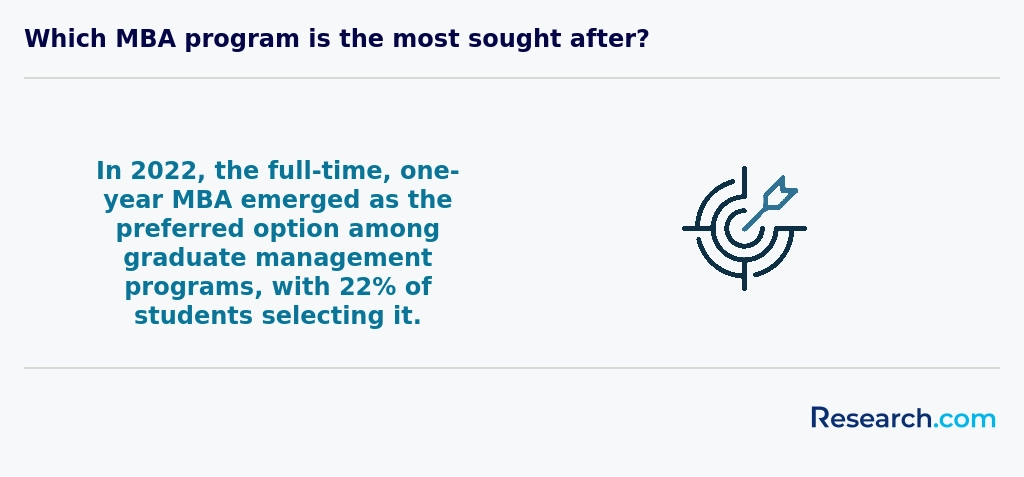
Navigating the MBA application process can be as challenging as it is rewarding, and having a well-structured strategy can make a significant difference in your acceptance chances. In this section, you'll discover actionable tips from industry experts and successful graduates on creating a strong application packet. Start by carefully aligning your academic achievements, professional experiences, and career goals to craft a compelling personal statement. It's crucial to thoroughly research each program's unique requirements and tailor your documents accordingly, highlighting any unique experiences or skills that can set you apart from other applicants. Additionally, consider connecting with current students or alumni to gain insider insights and advice that can refine your application. Beyond the basics, perfecting your resume and securing powerful letters of recommendation are key elements in showcasing your leadership potential and academic focus. As you refine your profile, take advantage of available resources such as forums, webinars, and MBA application workshops, all designed to help you navigate each stage seamlessly. For instance, if you are targeting healthcare management, you might find valuable insights in our list of most affordable mba in healthcare management programs online, which illustrates how specialized programs can directly impact your application strategy and career trajectory. By incorporating these targeted strategies and leveraging both professional networks and research resources, you'll be well-equipped to present an application that resonates with admissions committees and positions you for success in your MBA journey.
What financial aid is available to MBA degree students in Syracuse?
Financial aid for MBA students in Syracuse opens doors to transforming your career without undue financial burden. Graduates from Syracuse University's Martin J. Whitman School of Management often share how merit-based scholarships, awarded for academic excellence and leadership, provided crucial support. These scholarships don't require repayment, relieving stress and allowing you to focus fully on your studies.
Many MBA peers have benefited from federal aid by completing FAFSA, unlocking access to Federal Direct Unsubsidized Loans and Graduate PLUS Loans. These loans come with manageable interest rates and flexible repayment, making them a practical resource in your financial planning.
Teaching and research assistantships at Syracuse institutions are a powerful way to earn a stipend and receive tuition waivers, combining education with valuable hands-on experience. Several students found these roles immensely rewarding, both professionally and financially.
Additionally, local employers in Syracuse often support employees pursuing MBAs through tuition reimbursement programs, recognizing the value an advanced degree brings to career growth.
Finally, don't overlook private loans or specialized scholarships offered by business organizations in the area-early research and applications can make all the difference in securing these competitive funds.
Navigating the Most Affordable MBA Options in Syracuse, NY
To make an informed decision about pursuing an MBA in Syracuse, NY, it's essential to consider the financial aspects and the value that different programs offer. When looking for the cheapest MBA school in New York, prospective students can visit cheapest mba school in new york to explore affordable options that meet their needs. This involved process requires weighing factors such as tuition costs, scholarship opportunities, and potential return on investment. By carefully evaluating these elements, aspiring business leaders can find an MBA program that aligns with their financial situation and career goals, ultimately enhancing their chances of success in the competitive job market.
What are the prerequisites for enrolling in MBA degree program in Syracuse?
To embark on your MBA journey in Syracuse, the first step is holding a bachelor's degree from an accredited institution-this foundational credential is non-negotiable at schools like Syracuse University's Martin J. Whitman School of Management. Graduates often reflect on how this degree prepared them for the advanced concepts they mastered during their MBA.
Official transcripts showing solid academic performance, typically a GPA near 3.0, are essential. One graduate once shared how maintaining strong grades opened doors despite coming from a non-business undergraduate background.
Many programs require GMAT or GRE scores, but there's flexibility. For example, several Syracuse programs waive these tests for candidates with two to five years of professional experience, recognizing the value of real-world business exposure in enriching classroom discussions.
- Letters of recommendation provide a personal touch, attesting to your readiness and professional promise.
- A compelling statement of purpose helps you articulate your motivation and future career vision.
If you're an international student, demonstrating English proficiency through TOEFL or IELTS is key for smooth admission and visa processing.
Remember, these prerequisites aren't hurdles but stepping stones-graduates often highlight how meeting them propelled their confidence and readiness to thrive in Syracuse's dynamic MBA environment.

Return on Investment: Evaluating the ROI of MBA Programs in Syracuse, NY
Investing in an MBA is a major financial commitment, and understanding the return on investment (ROI) is critical for making an informed decision. In Syracuse, NY, the average total cost of a two-year MBA program ranges from $50,000 to $100,000, including tuition, fees, and living expenses. Graduates report average starting salaries of $70,000 to $85,000, with many seeing a 30–50% increase over their pre-MBA earnings within three years. By calculating the payback period-total cost divided by annual salary increase-most students recoup their investment in approximately 3–4 years. Beyond salary growth, ROI factors include career advancement opportunities and long-term earnings potential. Executive roles, such as CFO or director of operations, often command six-figure incomes, while career switches into high-demand fields like consulting or healthcare management can yield even faster payback. When comparing regions, Syracuse’s moderate living costs and strong regional demand for MBA-level positions further enhance ROI. For a broader perspective on affordability and payback across states, see our Cheapest MBA Degree Programs Ranking in Delaware. Prospective students should also consider non-monetary returns: expanded professional networks, leadership skills, and access to alumni mentorship. Factoring in both quantitative (salary increases, payback period) and qualitative (career satisfaction, networking) measures provides a comprehensive view of ROI, ensuring you choose the MBA program that aligns with your financial goals and long-term aspirations.
What courses are typically in MBA degree programs in Syracuse?
In Syracuse, MBA programs are thoughtfully designed to equip you with practical skills that employers actively seek. Graduates from institutions like Syracuse University often highlight core courses such as Accounting and Financial Reporting, which help you confidently interpret financial statements-crucial for making sound business decisions.
You'll also dive deep into Marketing Management, mastering strategies to understand consumer behavior and drive real growth. Leadership skills are honed through Organizational Behavior courses, where students learn to inspire teams in dynamic, real-world environments.
Operations Management teaches how to streamline processes, a skill one alum found invaluable when managing supply chains in local businesses. Corporate Finance courses clarify investment choices and capital structures, empowering you to think strategically in fast-paced financial markets.
Strategic Management brings it all together, enabling you to craft and execute winning business plans. Many Syracuse MBA students cherish how electives like entrepreneurship and healthcare management allow them to tailor their journey, making it both relevant and exciting.

What types of specializations are available in MBA degree programs in Syracuse?
MBA specializations in Syracuse NY offer rich opportunities to shape your future. Graduates from Syracuse University's Martin J. Whitman School of Management often share how choosing Finance or Marketing gave them the edge needed to excel in competitive industries. Imagine diving deep into corporate finance or mastering digital marketing strategies, gaining skills directly relevant to well-established local companies.
Many students are drawn to Supply Chain Management, especially given Syracuse's strategic location in logistics and manufacturing hubs. Others who have thrived in the program emphasize how Data Analytics shaped their ability to drive business decisions through insightful data interpretation - a skill highly sought after today.
Healthcare Management is another inspiring path, with students benefiting from Syracuse's proximity to health organizations, preparing them for impactful careers in healthcare administration. If innovation excites you, Entrepreneurship tracks at local business schools nurture startup visions and innovation strategy.
Before you choose, explore course details and connect with advisors to align your passion with market demands. For practical guidance on career alignment, consider exploring business management career paths.
best MBA concentrations Syracuse 2027
How do you choose the best MBA degree in Syracuse?
Choosing the best MBA degree in Syracuse means focusing on quality and fit. Graduates from Syracuse University's Martin J. Whitman School of Management often praise the school's AACSB accreditation, which guarantees rigorous academic standards and valuable industry connections. Their stories highlight how these strengths opened doors to impressive job offers, with median salaries around $80,000 shortly after graduation. If balancing work and study appeals to you, consider part-time or hybrid formats offered locally, allowing you to gain practical experience alongside your coursework.
For those seeking affordable MBA programs in Syracuse, it's wise to compare tuition costs and total expenses carefully. Programs typically range around $60,000 to $70,000 for residents, so budgeting realistically ensures you avoid unexpected financial stress. Remember also to explore specializations that match your passions-graduates who focused on entrepreneurship or supply chain management describe how niche skills accelerated their careers.
Networking plays a crucial role in your MBA journey. Stories from alumni emphasize how faculty expertise and community ties created invaluable mentorship and job opportunities. Finally, if you're interested in expanding your business acumen more broadly, you might explore top online project management bachelor's degrees, which can complement your MBA ambitions.
What career paths are available for MBA degree students in Syracuse?
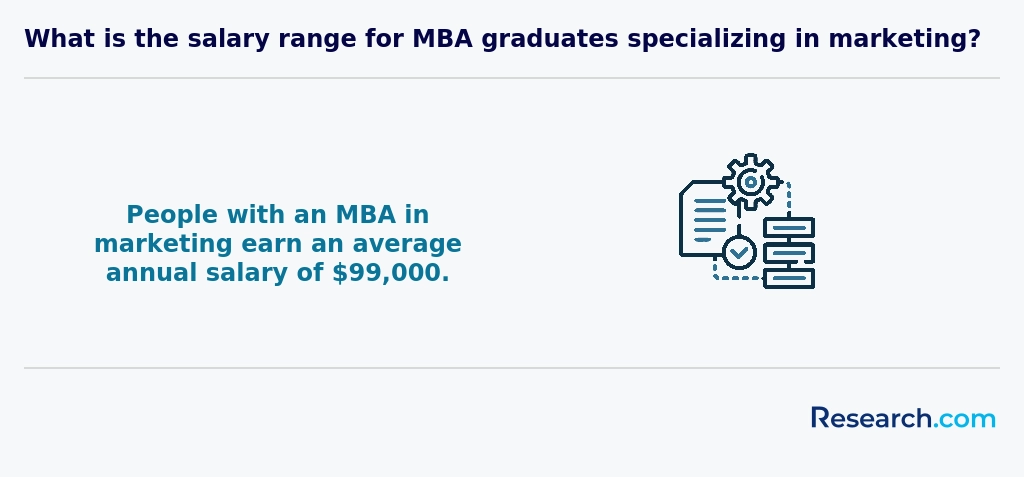
Graduates of MBA programs in Syracuse often find themselves stepping into dynamic roles that leverage the city's diverse economy. For instance, many alumni from Syracuse University and Le Moyne College quickly advance to positions like financial managers or marketing managers, where they influence strategic growth and financial stability. These roles reflect the broad range of MBA career opportunities in Syracuse, particularly in thriving sectors such as finance, healthcare, and technology.
Several graduates share how hands-on experiences during their studies, including internships and networking with local businesses, helped them transition smoothly into operations management or business consulting roles. Syracuse's healthcare industry is another key area where MBAs contribute significantly, often managing hospital operations or driving innovative solutions in pharmaceutical management.
For those interested in blending creativity with data, Syracuse's offer of digital marketing degree courses alongside an MBA opens doors to exciting marketing manager careers. These paths represent just a few of the best MBA job options Syracuse has to offer, illustrating the practical and rewarding opportunities awaiting you after graduation.
What is the job market for MBA degree in Syracuse?
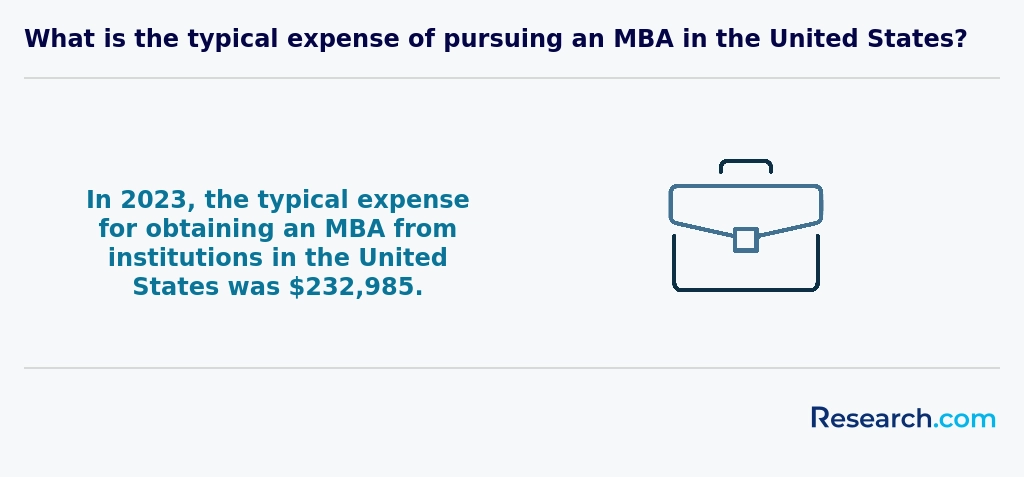
The job market for MBA degree job opportunities in Syracuse reflects a vibrant yet competitive landscape shaped by the city's diverse economy. Graduates from Syracuse University and other local institutions often find themselves stepping confidently into roles within healthcare, education, and manufacturing sectors. Many graduates share how internships gained through local business connections accelerated their career growth, especially in management and operations. This localized networking is a vital advantage, providing practical leadership experiences that employers highly value in Syracuse's metropolitan area.
Despite salaries being somewhat lower than in larger cities, the more affordable tuition and living costs here mean your overall investment in an MBA can yield meaningful returns. Businesses like Lockheed Martin and St. Joseph's Health actively seek strategic MBA talent, making Syracuse a promising place to launch a career. If you're interested in combining business skills with solid financial grounding, exploring the best accounting degree South Carolina options could complement your MBA journey and expand your professional possibilities.
Graduates appreciate Syracuse's steady demand for advanced management skills, especially in emerging tech startups and healthcare administration, showing strong Syracuse MBA graduate employment outlook. Embrace these opportunities and focus on leveraging local resources to build your unique path.
Frequently Asked Questions About MBA
MBA students in Syracuse can maximize their learning experience by actively engaging with their program's resources and local business community. Syracuse University's Martin J. Whitman School of Management, for example, offers experiential learning through consulting projects and internships. These opportunities allow students to apply theoretical knowledge in real-world scenarios. According to data from the school's 2023 report, over 70% of MBA students participate in internships, enhancing career readiness.
Additionally, networking events, workshops, and guest lectures featuring local industry leaders provide valuable connections and insights. Students should also take advantage of Syracuse's entrepreneurial ecosystem, including startup incubators and business clubs, to practice leadership and innovation skills.
The MBA field is evolving rapidly, with new niches emerging to meet shifting business demands. In Syracuse, programs are increasingly offering specializations in data analytics and cybersecurity management, reflecting the growing importance of technology and data-driven decision-making in business.
Another rising area is sustainable business and corporate social responsibility due to growing environmental and ethical concerns among companies. According to Syracuse University's Whitman School of Management, these focus areas are becoming integral parts of their MBA curriculum.
Additionally, healthcare management MBAs are gaining traction, aligned with New York's expanding healthcare sector. These niches prepare graduates for specialized roles often commanding higher salaries than general MBA tracks.
After completing an MBA degree in Syracuse, preparing for the job market involves strategic steps tailored to local and national opportunities. Graduates should leverage Syracuse University's Whitman School of Management career services, which report over 80% employment within six months post-graduation. Networking is essential-joining local business associations like the Syracuse Chamber of Commerce can assist in building professional connections.
Internships and part-time roles during the MBA provide valuable experience. According to the U.S. Bureau of Labor Statistics, MBA holders in New York typically see a 15% higher median salary compared to those with only a bachelor's degree. Additionally, sharpening skills in data analytics and digital marketing can boost employability in Syracuse's growing technology and finance sectors.
Employers in Syracuse highly value MBA graduates who demonstrate strong leadership and communication skills. According to the Graduate Management Admission Council (GMAC), 89% of employers in the U.S. prioritize these abilities when hiring MBA holders. Analytical thinking and problem-solving are also crucial, with 85% of local companies seeking candidates able to interpret complex data to drive business decisions.
Additionally, Syracuse employers emphasize adaptability and technological proficiency, especially in areas like data analytics and digital marketing. The Syracuse University Whitman School reports that MBA graduates skilled in these fields enjoy a 15% higher employment rate within six months post-graduation.
Finding internships in Syracuse relevant to an MBA degree involves leveraging local resources and networking opportunities. Syracuse hosts several companies in finance, technology, and healthcare sectors that actively seek MBA interns. According to the Syracuse University Whitman School of Management, nearly 80% of their MBA students secure internships through school-sponsored career fairs and alumni connections.
Students should explore platforms like Handshake and LinkedIn, which frequently list internship openings geared toward graduate business students. Additionally, joining local professional groups such as the Syracuse Chamber of Commerce can enhance visibility within the business community.
Engaging with Syracuse-based consulting firms and startups can offer practical experience aligned with MBA coursework. Many internships in this region provide stipends or academic credits, making them valuable for career advancement.
In Syracuse, earning an MBA significantly enhances career mobility and advancement. According to the Bureau of Labor Statistics, management occupations in the Syracuse metropolitan area are projected to grow by 7% from 2022 to 2032, reflecting expanding opportunities for MBA graduates.
Many local employers, including companies in finance, healthcare, and technology sectors, value the strategic and leadership skills associated with MBA training. This often leads to higher earning potential and access to upper-management roles. Syracuse University's Whitman School of Management reports that 85% of its MBA graduates receive job offers within three months of graduation.
An MBA can open doors to diverse industries and provides networking advantages through alumni connections in the region, supporting long-term career growth.
Studying for an MBA degree in Syracuse offers strong preparation for interdisciplinary roles by emphasizing diverse business skills combined with regional industry insights. Programs typically integrate coursework in finance, marketing, operations, and leadership, reflecting the complex needs of Syracuse's economic sectors such as healthcare, education, and technology. According to the Syracuse University Martin J. Whitman School of Management, their MBA curriculum incorporates experiential learning and cross-disciplinary teamwork to develop critical problem-solving skills valued across fields.
Many Syracuse MBA programs encourage collaboration with local businesses and nonprofits, fostering practical experience in multifaceted environments. This approach aligns with nationwide trends emphasizing versatility in management education reported by the Graduate Management Admission Council. Students graduating from Syracuse MBA programs thus acquire adaptable skills to navigate challenges that cross traditional industry boundaries.
Choosing between a thesis and a non-thesis MBA program in Syracuse depends on your career goals and learning preferences. Thesis-based MBAs typically require original research, suitable for students planning academic or research-oriented careers. In contrast, non-thesis programs focus more on practical skills and coursework, ideal for professionals seeking immediate industry application.
Most Syracuse MBA programs, including those at Syracuse University, offer both paths. Thesis MBAs often take longer to complete and may demand strong writing and analytical skills. Non-thesis tracks emphasize internships, case studies, and experiential learning.
Carefully review program curricula and consult academic advisors to determine the best fit for your aspirations and schedule.
Students based in Syracuse who wish to study an MBA abroad have several pathways to consider. Many local universities, including Syracuse University's Martin J. Whitman School of Management, offer exchange programs and partnerships with international institutions. These programs allow students to spend a semester or year abroad while earning credits toward their MBA.
Another option is enrolling in dual-degree or joint MBA programs that combine study in the U.S. with a partner school overseas. These programs often emphasize global business skills and cross-cultural management.
Additionally, online MBA programs with international components provide flexible alternatives for Syracuse students seeking global exposure without relocating. According to the Graduate Management Admission Council (GMAC), nearly 30% of U.S. MBA candidates explore international study opportunities to enhance their career prospects.
Part-time job opportunities in Syracuse that complement MBA degree education often focus on roles providing hands-on business experience. Common positions include financial analyst assistant, marketing coordinator, and project management support. These jobs allow MBA students to apply classroom knowledge in real-world settings, fostering skills in data analysis, strategic planning, and communication.
Syracuse hosts several Fortune 500 companies and a growing startup scene, providing diverse options for MBA students seeking relevant part-time work. According to the Syracuse Economic Development Council, business and professional services jobs grew by 5% in 2023, indicating expanding opportunities.
Additionally, internships or assistantships within university business schools can offer flexible schedules and networking advantages.
Networking opportunities for MBA students in Syracuse are notable due to the presence of several established business schools, including Syracuse University's Whitman School of Management. The school hosts various events such as career fairs, alumni mixers, and speaker series that connect students with local and national business leaders. According to Syracuse University's published reports, over 80% of MBA graduates secure internships or employment through such networking events.
Additionally, Syracuse's growing industries, like tech and healthcare, offer students chances to engage with professional groups and chambers of commerce. Local business meetups and organizations also provide informal platforms for relationship building and collaboration.
Alumni networks play a crucial role for MBA students in Syracuse by offering valuable connections that support career advancement. Graduates from local institutions like Syracuse University's Martin J. Whitman School of Management often remain active within the community, creating opportunities for mentorship and job referrals.
These networks facilitate access to exclusive events and workshops, helping current students build professional skills beyond the classroom. According to the Whitman School, nearly 80% of MBA graduates secure positions through alumni connections.
For students aiming to establish themselves in Syracuse's competitive business environment, leveraging alumni relationships enhances visibility and provides insights into local market trends and employer expectations.
Customizing an MBA degree program in Syracuse allows students to align their education with specific career objectives. Many local universities offer flexible curriculums, letting you choose concentrations such as finance, marketing, or entrepreneurship. Syracuse University's Martin J. Whitman School of Management, for example, provides elective options and experiential learning opportunities that suit varied professional goals.
Students can often select between full-time, part-time, and online formats to fit their schedules and work commitments. Internships, networking events, and mentorship programs available in Syracuse's business community also enhance practical experience. According to U.S. News & World Report, tailoring your MBA with relevant electives and hands-on projects can improve employment prospects and salary outcomes post-graduation.
Many MBA students in Syracuse face the challenge of balancing rigorous coursework with personal and professional responsibilities. According to data from the Syracuse University Whitman School of Management, approximately 60% of MBA candidates are working professionals, which makes time management critical.
Financial constraints also pose difficulties. The average tuition for MBA programs in Syracuse can range from $30,000 to $60,000, creating a significant investment for students, especially those without employer sponsorship or financial aid.
Networking opportunities in Syracuse, while valuable, can be limited compared to larger metropolitan areas, impacting students' ability to connect with diverse industries. Additionally, adapting to the increasing use of technology and virtual learning platforms requires flexibility and digital literacy.
An MBA degree from Syracuse offers a strong foundation to pursue various professional certifications that can enhance career opportunities. Popular certifications for MBA graduates include the Project Management Professional (PMP), which is highly valued across industries for leadership in project execution.
Another common certification is the Certified Public Accountant (CPA) for those focusing on finance or accounting, especially given Syracuse's growing financial services sector. Additionally, MBA holders can pursue the Chartered Financial Analyst (CFA) credential to advance in investment management roles.
Many Syracuse MBA students also explore the Certified Management Accountant (CMA) designation, which complements managerial accounting skills learned during their studies. These certifications typically require passing exams and relevant work experience, making an MBA a helpful stepping stone.
Writing a winning application for an MBA program in Syracuse requires careful attention to detail and thorough preparation. Admissions committees typically look for strong candidates with clear career goals, relevant work experience, and solid academic records. Be sure to highlight leadership skills and professional achievements in your resume and essays.
Personal statements should be well-written, sincere, and tailored to the specific MBA program. Syracuse University's Whitman School of Management, a prominent local option, values applicants who demonstrate both quantitative skills and interdisciplinary thinking, according to U.S. News.
Additionally, securing competitive GMAT or GRE scores is important; Syracuse applicants scored an average GMAT of around 620 in recent years. Finally, gather strong recommendation letters from supervisors or mentors who can speak to your managerial potential.
The global perspectives on an MBA career emphasize versatility and leadership opportunities across multiple industries. Graduates with an MBA commonly advance into management roles, with the U.S. Bureau of Labor Statistics projecting a 9% growth in management positions by 2031. In Syracuse, MBA programs often integrate international business components, preparing students for global markets.
According to the Graduate Management Admission Council, about 57% of MBA alumni work in multinational corporations, highlighting the degree's global applicability. Syracuse's proximity to New York City offers networking advantages with firms engaged in worldwide commerce.
Data from Syracuse-area universities show an increasing number of MBA students focusing on entrepreneurship and technology, reflecting international trends in career paths.
Gaining practical experience while studying for an MBA in Syracuse can significantly enhance your career prospects. Many Syracuse-area universities encourage internships with local businesses, nonprofits, and government agencies. For example, internships in sectors like finance, healthcare, and technology offer real-world challenges and networking opportunities.
Additionally, programs often include project-based courses where students work directly with companies to solve business problems. Participating in case competitions and consulting projects allows you to apply classroom knowledge practically. Syracuse's strong connections with regional employers facilitate valuable experiential learning, making practical experience a core part of many MBA programs.
Choosing the right concentration within an MBA program in Syracuse depends on your career goals and local industry demand. Syracuse's economy has strong sectors like healthcare, education, and technology, which influence popular MBA focuses. According to the U.S. Bureau of Labor Statistics, finance and management remain top choices for MBA graduates nationwide, including Syracuse.
Students should evaluate concentrations such as healthcare management, finance, or entrepreneurship based on job placement rates and salary outcomes reported by Syracuse-area universities. It is also wise to consider programs offering internships or connections with local businesses to boost practical experience.
Review each school's curriculum and alumni success data, available through the National Center for Education Statistics (NCES), to ensure the concentration aligns with your aspirations and the regional job market.
Related MBA Rankings for Nearby Cities
- 2027 Most Affordable MBA Degree Programs Ranking in Springfield
- 2027 Most Affordable MBA Degree Programs Ranking in New Haven
- 2027 Most Affordable MBA Degree Programs Ranking in Worcester
- 2027 Most Affordable MBA Degree Programs Ranking in Cambridge
- 2027 Most Affordable MBA Degree Programs Ranking in Baltimore
- 2027 Most Affordable MBA Degree Programs Ranking in Boston
- 2027 Most Affordable MBA Degree Programs Ranking in Pittsburgh
- 2027 Most Affordable MBA Degree Programs Ranking in Washington
- 2027 Most Affordable MBA Degree Programs Ranking in Cleveland
- 2027 Most Affordable MBA Degree Programs Ranking in Fort Wayne
Top Trending MBA Rankings
References
- Lessons learned: one year into pursuing an MBA while balancing full-time work - Franz Vitulli https://franzvitulli.com/mba-work/
- Financial Aid - Say Yes Syracuse https://sayyessyracuse.org/resources/financialaid/
- MBA Career Outlook from a Global Perspective Margaret Buj https://interview-coach.co.uk/mba-career-outlook-from-a-global-perspective/
- 6 Tips to Make the Most of Your MBA Experience https://mbaschooled.com/2020/01/14/6-tips-to-make-the-most-of-your-mba-experience/
- How to Choose Between MBA Degree vs. Certificate | University of Phoenix https://www.phoenix.edu/articles/business/how-to-choose-between-mba-degree-vs-certificate-programs.html
- Why Employers Prize a Global Perspective from MBA Graduates | WU Executive Academy https://executiveacademy.at/en/knowledge/career/why-employers-prize-a-global-perspective-from-mba-graduates
- Top Challenges for MBA Students in 2025: Placements and Career Growth in India | BeJobbed.com https://bejobbed.com/challenges-mba-students-placements-career-growth-india/
- What Work Experience Do You Need For an MBA? | Articles | Unimy https://www.unimy.com/article/blog-mba-preparation-admissions-mba-work-experience
- Tips for Writing an MBA Program Essay - GMAT Ninja https://www.gmatninja.com/articles/mba-admissions/essays-and-applications/minimizing-mba-application-essay-agony/
- Syracuse University Online Master of Business Administration https://www.bschools.org/profiles/syracuse-university-whitman-school-of-mgmt-online-mba