
2027 Most Affordable MBA Degree Programs Ranking in Irving

Co-Founder and Chief Data Scientist
Exploring affordable options for an MBA can feel overwhelming, especially in a city like Irving where choices are many. This article presents the 2027 Most Affordable MBA Degree Programs Ranking in Irving, created by the Research.com team of data scientists to help you make a well-informed decision.
By reading this ranking, you'll discover valuable insights into cost-effective programs that deliver strong results without compromising quality. Pursuing an MBA is an exciting step toward advancing your career and unlocking new opportunities.
Take this chance to find a program that fits your goals and budget comfortably.
Key benefits of getting MBA degree in Irving
- MBA graduates in Irving often pursue careers in management, finance, or marketing, with US national averages showing median annual salaries around $75,000 to $120,000, offering strong earning potential.
- Local MBA alumni from Irving State University have found success in diverse fields like business consulting, entrepreneurship, and corporate leadership, reflecting broad career opportunities after graduation.
- Completing an MBA online from a reputable Irving institution provides flexibility to balance work and study, enabling faster career progression without sacrificing current job commitments.
- 2027 Most Affordable MBA Degree Programs Ranking in Irving
- What can I expect from MBA degree in Irving?
- Where can I work with MBA degree in Irving?
What can I expect from MBA degree in Irving?
The average tuition cost for a full-time MBA degree in Irving typically ranges from $30,000 to $60,000, reflecting the quality and flexibility offered by local programs. Many graduates from universities near Irving, such as the University of Dallas, share how this investment was pivotal in opening doors to exciting career opportunities within Dallas-Fort Worth's vibrant business landscape.
Students appreciate the balance between cost and value, knowing their education is AACSB accredited and designed to equip them with real-world skills. One graduate recalls collaborating with local companies on projects, which transformed abstract theories into actionable leadership strategies. This hands-on approach enhances the return on tuition by building connections that lead to internships, mentorships, and job offers.
Choosing an MBA in Irving means joining a supportive community energized by small class sizes and personalized guidance, where the investment in tuition pays off through profound professional growth and a future filled with promise. The cost reflects not just education, but a gateway to thriving in sectors like technology, finance, and entrepreneurship right in your backyard.
Where can I work with MBA degree in Irving?
Graduates from MBA programs in Irving often find themselves stepping into dynamic roles at major corporations like ExxonMobil, where their skills in finance, strategic planning, and operations management are highly prized. Many alumni from renowned local institutions, such as the University of Dallas or Amberton University, share stories of quickly advancing into leadership positions within these industry giants.
Others thrive in the fast-growing tech sector, joining startups or established IT firms where they lead product development or drive business growth. The hands-on experience from Irving's MBA programs equips them to navigate complex projects and innovate confidently.
Financial services are another fertile ground, with banks and insurance companies in the Dallas-Fort Worth area eagerly recruiting MBA holders for roles in investment management and financial analysis. Graduates often express excitement about contributing to this vibrant economic hub.
For entrepreneurial spirits, Irving's supportive startup ecosystem offers a nurturing launchpad. Many MBA students take advantage of business incubators and networking opportunities to transform ideas into successful ventures, fueling their passion for making a meaningful impact locally.
MBA graduates from institutions in Irving often see rewarding financial outcomes, with average salaries between $90,000 and $120,000 annually. Imagine stepping out of a top local MBA program, like the one at the University of Dallas or the SMU Cox School of Business nearby, and opening the door to roles in finance, consulting, or management that can push your income beyond the $120,000 mark. These salaries reflect the valuable management expertise and strategic thinking skills you develop during your studies.
Graduates with five or more years of experience in Irving's thriving industries-technology, healthcare, and professional services-frequently enjoy salaries ranging from $130,000 to $160,000. This upward trajectory demonstrates the powerful return on investment an MBA offers, inspiring alumni to embrace leadership positions and innovate within their fields.
For those just starting, entry-level MBA positions typically start around $70,000 to $85,000, already exceeding many bachelor-level roles locally. Bonuses and profit-sharing opportunities can further enhance these earnings by 10% to 20%, making the journey through an MBA program in Irving both exciting and financially promising.
- The average cost of an MBA program in Irving ranges from $30,000 to $55,000, covering tuition and fees but excluding books and living expenses.
- Entry-level MBA graduates can expect starting salaries between $70,000 and $85,000 per year, with mid-career earnings exceeding $110,000 annually.
- Key industries hiring MBA holders in Irving include financial services, consulting, healthcare management, and supply chain logistics.
- Irving's location in the Dallas-Fort Worth area boosts networking and internship opportunities, with many programs offering part-time and online study options.
- MBA programs from regionally accredited institutions with local business connections tend to offer better career services and job placement support.
Completing an MBA degree in Irving is an exciting journey that typically takes about two years for full-time students at well-known institutions like the University of Texas at Dallas. Many graduates share how this focused timeline allowed them to dive deeply into business strategies and leadership skills without lengthy delays, fueling their career growth with confidence.
For working professionals, part-time MBA programs in Irving offer the flexibility to balance career and study, often extending completion to three or four years. Many graduates recall attending evening classes after work, feeling empowered by managing both responsibilities while steadily advancing toward their goals.
Accelerated MBA options, available at several thriving colleges in Irving, offer a challenging but rewarding path to graduate in as little as one year. Graduates who chose this route describe the intensity as exhilarating, propelling them into leadership roles faster than they imagined.
Online and hybrid programs also shine, fitting diverse lifestyles and allowing students to set their own pace-some finishing in just one year, others taking up to three. This variety ensures every aspiring MBA student in Irving can find a path that perfectly matches their ambitions and lifestyle.
When deciding on an MBA program in Irving, TX, it's essential to consider several factors to ensure you find a program that aligns with your career goals and budget. One crucial aspect to look into is the affordability of the program, and researching the cheapest mba school in texas can provide valuable insights. Additionally, considering the program's accreditation, curriculum, and specializations can help you narrow down your options. Many graduates have emphasized the importance of networking opportunities and career services provided by their institutions, which can lead to lucrative job placements post-graduation. By carefully evaluating these factors, prospective students can make informed decisions that align with their personal and professional goals while pursuing an MBA in Irving, TX.
MBA students in Irving often embrace the vibrant on-campus atmosphere offered by institutions like the University of Dallas or North Lake College, where direct interaction with professors and peers brings learning to life. Picture attending dynamic group projects after class, networking events in bustling campus halls, or tapping into local business internships that spark exciting career opportunities. This immersive environment fuels motivation and builds lifelong professional connections.
At the same time, many graduates cherish the flexibility of online MBA programs from Irving-based universities, balancing work, family, and studies with ease. Imagine logging in after a busy day in the city, accessing lectures on your schedule, and collaborating virtually with diverse classmates from across Texas. This adaptability empowers students to tailor their experience and grow confidently without sacrificing their personal and professional lives.
Whether on campus surrounded by a lively community or studying online with personalized pacing, Irving's MBA students find inspiring ways to develop leadership skills and business acumen that align perfectly with their ambitions and lifestyles.
When evaluating the most affordable MBA programs in Irving, TX, understanding your return on investment is critical. The ROI measures the financial benefits you gain-such as salary increases and career advancement-against the total cost of your degree, including tuition, fees, and living expenses. On average, an MBA graduate in Irving sees a salary boost of 20–30%, translating to an additional $15,000 to $30,000 per year. Assuming an average tuition of $50,000 and additional expenses of $20,000, the typical payback period for these programs ranges from 2 to 4 years. Factors influencing ROI include:
- Program format: Part-time or online programs reduce opportunity costs by allowing you to work while you study.
- Employer sponsorship: Tuition reimbursement can cut your net investment by up to 50%.
- Networking opportunities: Strong alumni networks often lead to promotions and new roles with higher compensation.
- Specializations: High-demand areas like finance or data analytics command premium salaries, improving payback speed. To benchmark your investment, compare these metrics with other cost-efficient MBA options, such as those featured in our Cheapest Online Master's in MBA Degree Programs Ranking in Orange Beach, AL. By analyzing both short-term gains and long-term career trajectories, you can make an informed decision that maximizes your financial and professional outcomes.
For those pursuing an MBA degree in Irving, the average cost typically centers around $50,222, reflecting a balanced investment for future career success. Depending on residency, in-state students may expect tuition closer to $35,669, which makes Irving an attractive place for affordable MBA tuition fees. Graduates from well-regarded local universities often share how this investment opened doors to fulfilling careers and expanded their professional networks within Texas and beyond.
Experiencing life as an MBA student in Irving means engaging in dynamic programs offered by institutions known for blending theoretical rigor with practical experience. Many alumni recall how the hands-on projects and internships prepared them for real-world challenges while fostering confidence and leadership skills. This blend of affordability and quality education empowers many to pursue ambitions without undue financial strain.
Beyond tuition, it's important to consider additional costs like books, course materials, and living expenses. Still, these are modest compared to larger metro areas, making Irving a sensible choice for those budgeting their education expenses carefully. The community atmosphere and supportive campus resources often enhance students' learning environments, encouraging them to thrive both academically and personally.
Moreover, a significant number of students receive scholarships, financial aid, or employer sponsorships, reducing out-of-pocket expenses. For insight into promising career paths after completion, prospective students can explore https://research.com/careers/best-jobs-for-mba-graduates, which highlights exciting opportunities that make this investment worthwhile.
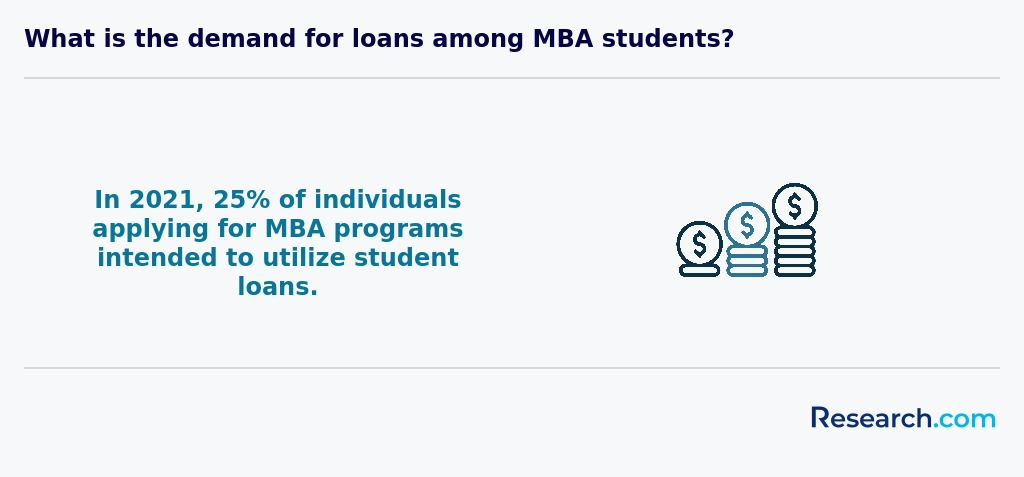
MBA students in Irving have access to a variety of financial aid options that make pursuing their dreams achievable and rewarding. Graduates from prominent institutions like the University of Dallas and Amberton University often share how federal loans, such as the Direct Unsubsidized and Grad PLUS Loans, provided a manageable path through funding their MBA with affordable interest rates and flexible repayment plans.
Scholarships and grants remain a powerful resource. Many Irving universities offer merit-based awards that recognize leadership potential and career focus, giving students real momentum without the burden of excessive debt. Imagine receiving a scholarship that affirms your hard work and fuels your ambitions-countless MBA candidates in Irving have experienced this uplifting support firsthand.
Assistantships and fellowships, available at these local schools, create incredible opportunities to gain professional experience while easing tuition costs. Many students find joy in contributing to research or teaching while earning a stipend, a win-win that sharpens skills and lightens financial strain.
Additionally, Irving's vibrant business community often supports tuition reimbursement programs, a testament to local employers' commitment to career growth. Students leveraging this benefit often describe it as a game-changer that strengthens their futures while advancing their current careers.
As the business landscape rapidly evolves, MBA programs in Irving, TX are embracing innovative approaches that ensure graduates remain competitive in the global job market. One of the most promising trends is the integration of digital technology and experiential learning into the curriculum. Institutions are increasingly incorporating real-time data analytics, AI-driven business simulations, and virtual collaboration tools to mirror the challenges of today’s corporate environment. These advancements not only improve critical problem-solving skills but also prepare students for roles in emerging sectors. Furthermore, there is a growing emphasis on specialized tracks and interdisciplinary programs-such as healthcare management, sustainability, and technology innovation-that meet the specific needs of a diverse set of industries. For students interested in healthcare, programs are evolving to offer hybrid learning environments where on-campus experiences are complemented by robust online coursework. For instance, when considering options, many prospective students explore what are the cheapest master of business administration in healthcare management programs online to balance quality education with financial pragmatism. Networking opportunities are also undergoing a transformation. Schools now partner with local businesses, global organizations, and digital communities to create immersive mentorship and internship programs, ensuring that graduates have access to vital industry connections upon completion of their studies. These initiatives underscore the commitment of Irving’s educational institutions to not only impart knowledge but also foster the practical, real-world experience required to drive forward-thinking leadership. As you plan your academic journey, keeping an eye on these future trends will help you select a program that not only meets today’s standards but is also adaptable to the evolving demands of tomorrow’s business landscape.
To begin your MBA journey in Irving, the key is holding a bachelor's degree from an accredited institution. Many students from local universities like the University of Texas at Dallas have found that having this foundation opens doors to advanced learning and exciting opportunities. Even if your background isn't business-focused, you can confidently apply-diverse perspectives are valued and celebrated in these programs.
Standardized tests such as the GMAT or GRE remain important milestones. Graduates often share how preparing for these exams sharpened their focus and boosted their confidence, setting the tone for success in the rigorous Irving MBA environment.
Work experience is another essential piece. Many prospective students have shared how their 2-5 years in the workforce gave them practical insights they eagerly bring into lively classroom discussions at Irving's top business schools. This experience truly enriches learning and builds meaningful professional networks.
Finally, crafting thoughtful personal statements and gathering inspiring letters of recommendation showcase your unique journey and leadership potential, helping you stand out among other applicants in Irving's competitive MBA landscape.

MBA students in Irving dive into courses that build a strong foundation for leadership and innovative problem-solving. Graduates from well-known schools like the University of Dallas and local regional colleges often share how Financial Accounting and Managerial Accounting helped them confidently analyze business performance, turning numbers into strategic decisions. They experience firsthand how Marketing Management sharpens their skills to craft compelling campaigns and connect with customers in real-world scenarios.
Courses like Organizational Behavior bring powerful insights into team dynamics, enhancing the ability to lead diverse groups effectively. In Operations Management, students learn to optimize processes - as many Irving MBA grads recall applying these lessons during internships with local companies, streamlining supply chains successfully.
Corporate Finance and Strategic Management lessons empower students to make confident financial choices and design forward-thinking strategies, essential skills for career growth in Irving's vibrant business environment. Electives in entrepreneurship or healthcare expand opportunities, making each MBA experience unique and deeply rewarding.
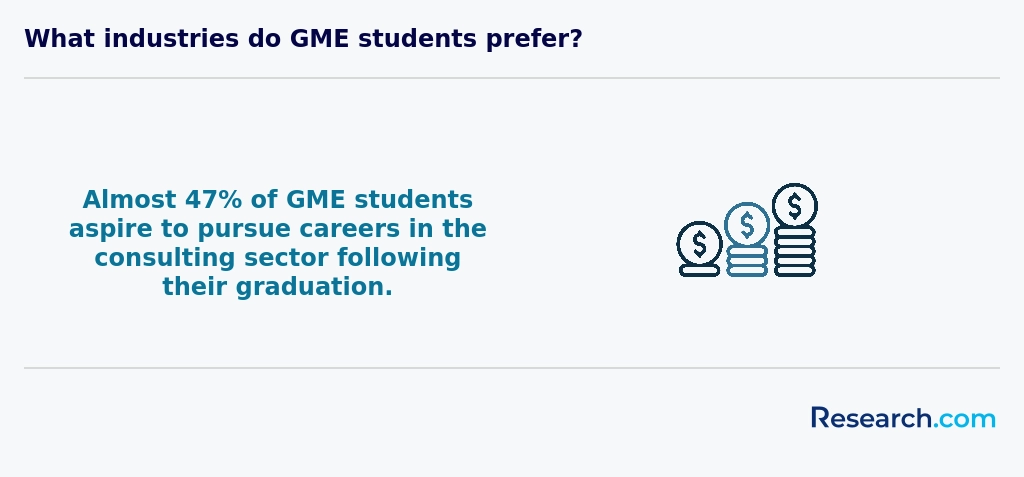
In Irving, pursuing an MBA offers access to diverse specializations that reflect the city's dynamic business landscape. Graduates from popular colleges in Irving often share how financial management specialization empowered them to thrive amid the region's strong banking and insurance sectors. Marketing and healthcare administration tracks provide exciting pathways aligned with local industry demand, helping students feel confident stepping into Bay Area workplaces well-prepared.
Supply chain management is another standout specialization, ideal for Irving's role as a logistics hub. Many alumni recall how this focus sharpened their skills in real-world operations, procurement, and distribution - key strengths valued by Irving employers. Equally inspiring are entrepreneurship specializations where students embrace innovation and venture financing, fueling ambitions within Irving's growing startup ecosystem.
Technology and data analytics tracks also energize students ready to lead digital transformation in Irving's expanding tech scene. For those balancing cost concerns, online business degree low tuition options complement these specializations, making advanced education accessible without sacrificing quality.
Choosing the best MBA degree in Irving means focusing on what truly fits your life and ambitions. Graduates from local colleges often share how affordable MBA programs in Irving TX allowed them to balance work and study without heavy financial stress, giving them confidence to pursue their dreams. The right program will have the accreditation to open doors nationwide, yet offer the flexible formats-whether full-time, part-time, or hybrid-that work best for your schedule.
Imagine joining a program with a curriculum tailored to your passion, be it finance, marketing, or entrepreneurship, right in the heart of Irving's vibrant business community. Many students thrive by attending evening classes in the Dallas-Fort Worth area, building networks while advancing their careers. And if you seek value, exploring options like community colleges with tuition between $15,000 and $30,000 makes your investment smart and manageable.
Also, consider how graduates from local institutions often benefit from strong alumni connections and job opportunities in the region. For those interested in combining business skills with financial expertise, exploring the best accounting degree programs in Texas offered nearby adds even more value to their education journey.
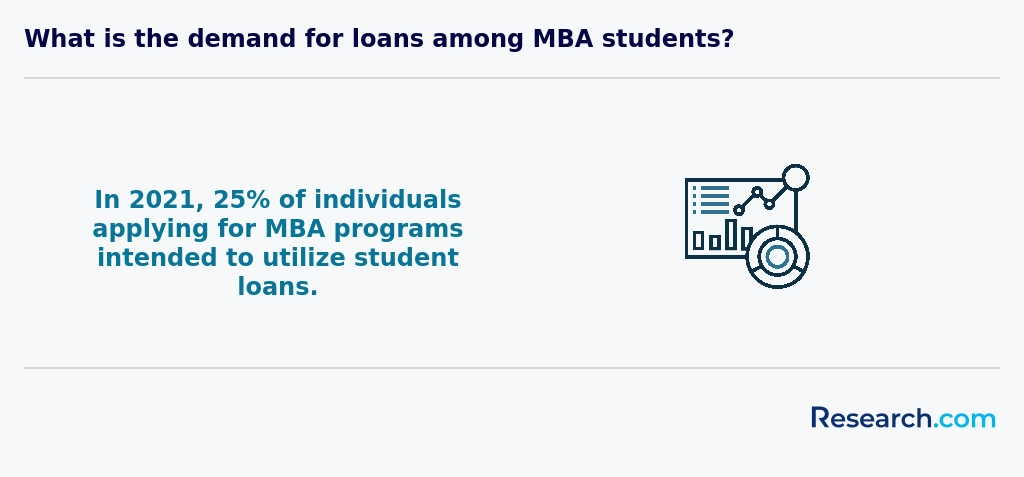
MBA career opportunities in Irving open doors to diverse and rewarding paths. Graduates from popular MBA programs in the area often launch careers in corporate management, driving business growth and leading innovative projects within major companies like ExxonMobil or Fluor Corporation. Others leverage the city's dynamic financial sector to excel in banking, investment analysis, and risk management, turning classroom strategies into real-world success.
Marketing and sales leadership roles are also highly sought after, with alumni confidently shaping campaigns that impact both local and national markets. Irving's vibrant startup ecosystem inspires entrepreneurial graduates to create and expand their own ventures while consulting positions provide a platform to offer strategic insight in industries such as technology and manufacturing. Many students appreciate how balancing studies at well-known Irving colleges with work builds confidence and readiness for these varied top MBA jobs in Irving Texas.
Choosing an MBA here means tapping into local opportunities and gaining access to the highest earning potential colleges, propelling graduates toward exciting careers aligned with their ambitions.

The job market for MBA degree holders in Irving is thriving, fueled by the city's connection to the broader Dallas-Fort Worth metropolitan economy. Graduates from well-known local institutions often find rewarding roles in industries such as finance, technology, and healthcare, where their advanced skills in leadership and strategic thinking are highly valued. Many MBA holders from Irving universities share stories of landing positions as business development managers or financial analysts at major companies headquartered nearby, reflecting the strong demand reflected in MBA employment opportunities in Irving TX.
Thanks to Irving's proximity to Dallas, MBA graduates benefit from an expanding job market outlook for MBA graduates Irving, with growing opportunities in consulting, operations, and marketing leadership roles. Moreover, studying at schools with recognized credentials, such as those offering business school accreditation VA, helps graduates stand out in competitive application pools and achieve career growth in this vibrant economic region.
2027 Most Affordable MBA Degree Programs Ranking in Irving
Investing in your education is a significant decision that can shape your future, and the Research.com team is fully aware of the importance of making well-informed choices. To support prospective students in Irving, we have carefully developed the "2027 Most Affordable MBA Degree Programs Ranking in Irving." Our dedication to quality, credibility, and accuracy is demonstrated through rigorous research and thorough analysis conducted to assemble this ranking.
We utilized the following reputable data sources to ensure a comprehensive evaluation of MBA programs:
By exploring this ranking, readers will gain valuable insights into the most affordable MBA programs in Irving, empowering them to make confident and informed decisions about their educational investment. For a detailed explanation of our process, please visit our Research.com methodology page.
# 1 position
DeVry University-Texas
Master of Business Administration


Frequently Asked Questions About MBA
Students pursuing an MBA degree in Irving can maximize their learning experience by actively engaging with both academic and professional opportunities. Irving is part of the Dallas-Fort Worth metroplex, a major business hub offering numerous networking events, internships, and workshops that complement classroom learning. According to the U.S. Department of Education, leveraging connections with local companies can enhance practical knowledge and boost employment prospects.
Additionally, making use of campus resources such as career services, study groups, and faculty office hours provides tailored support. Participating in case competitions and business clubs, frequently available at Irving-area schools, sharpens problem-solving and leadership skills.
Finally, balancing coursework with real-world experience through part-time work or consulting projects helps students apply theory to practice, a strategy supported by the Graduate Management Admission Council's findings on MBA success factors.
Emerging niches within the MBA field in Irving reflect broader trends in the U.S. business education landscape. Specialized MBA programs in areas such as healthcare management, data analytics, and sustainability are gaining traction. According to the Graduate Management Admission Council, demand for MBA graduates skilled in data-driven decision-making has grown by over 30% in recent years. Local institutions in Irving have started offering these concentrations to meet the needs of industries like technology and healthcare, which are expanding rapidly in the Dallas-Fort Worth metroplex. Additionally, there is rising interest in supply chain management and entrepreneurship MBA tracks, aligning with Irving's role as a logistics hub and growing startup community.
After completing an MBA degree in Irving, preparing for the job market requires strategic steps to maximize career opportunities. Graduates should begin by leveraging career services at local universities, such as the University of Texas at Dallas, which hosts job fairs and networking events tailored for MBA students.
Building a strong professional network is essential. Joining local business organizations or LinkedIn groups focused on the Dallas-Fort Worth metroplex can connect graduates with potential employers. According to the U.S. Bureau of Labor Statistics, management roles are projected to grow 8% by 2031, emphasizing the need for targeted job search strategies.
Skill enhancement through internships or certifications in areas like data analytics or finance can also boost employability, as Irving's economy is driven by sectors such as technology and finance. Tailoring resumes and preparing for behavioral interviews further improve the chances of securing a desired position.
Employers in Irving highly value MBA graduates who demonstrate strong leadership and strategic thinking skills. According to the Graduate Management Admission Council, over 70% of employers seek candidates proficient in data analysis and decision-making. Additionally, communication skills are essential, as MBA holders often manage diverse teams and client relationships.
Financial acumen is also critical, with many Irving-based companies emphasizing budgeting and financial planning abilities. Furthermore, adaptability and technological literacy, including familiarity with business analytics software, are increasingly important in this competitive job market.
Irving's growing industries, such as logistics and technology, further drive demand for problem-solving skills and innovation among MBA graduates.
Finding internships in Irving related to an MBA degree involves leveraging local business connections and university resources. Irving, home to several corporate headquarters including in the Dallas-Fort Worth metroplex, offers numerous opportunities in finance, technology, and management sectors. According to the U.S. Bureau of Labor Statistics, internships increase a candidate's employment chances by nearly 60% after graduation.
Students should utilize career services at institutions like the University of Dallas, which regularly posts MBA internships with local businesses. Additionally, professional networking platforms like LinkedIn allow students in Irving to connect with hiring managers specifically seeking MBA candidates.
Attending local business events and joining organizations such as the Irving Chamber of Commerce can also uncover valuable internship openings. These strategies help MBA students gain practical experience while studying in Irving.
In Irving, Texas, obtaining an MBA degree significantly enhances career mobility and advancement opportunities. According to the U.S. Bureau of Labor Statistics, professionals with an MBA tend to earn 25% to 50% higher salaries compared to those with only a bachelor's degree. The city's growing business sector, including energy and finance industries, values MBA graduates for leadership and strategic skills.
Many Irving employers prefer candidates with an MBA for managerial roles, which can lead to faster promotions and increased responsibilities. Additionally, local networking opportunities through Irving-area universities help MBA students connect directly with hiring managers and industry leaders.
Data from Texas Workforce Commission shows MBA holders in the Dallas-Fort Worth metro area, which includes Irving, have lower unemployment rates, indicating greater job stability and flexibility.
Studying for an MBA degree in Irving offers students a strong foundation for interdisciplinary roles. Local programs emphasize a combination of business fundamentals and practical skills relevant across multiple sectors. Students engage in coursework that integrates finance, marketing, operations, and leadership, reflecting the diverse demands of today's job market.
Additionally, Irving's proximity to industries such as technology, logistics, and healthcare provides experiential learning opportunities, including internships and networking events. According to the U.S. Bureau of Labor Statistics, MBA graduates in Texas see a 15% increase in managerial job prospects, highlighting the value of these versatile skills.
Such exposure prepares graduates to navigate and lead within complex, cross-functional teams effectively.
Choosing between a thesis and a non-thesis MBA program in Irving requires understanding your career goals and learning preferences. Thesis programs emphasize research and prepare students for academic or analytical roles, requiring a substantial written project under faculty supervision.
Non-thesis options focus on coursework and practical skills, appealing to those targeting leadership and management roles in business. Typically, non-thesis students complete additional electives or internships instead of a research project.
According to the Texas Higher Education Coordinating Board, Irving's MBA programs often offer both tracks, with about 60% of candidates opting for non-thesis paths due to time and career flexibility considerations. Tuition and length of study may also differ.
Students in Irving seeking to study for an MBA abroad can explore multiple options through partnerships between local institutions and international business schools. Some universities in Texas offer exchange programs or dual-degree options allowing students to study part of their MBA overseas. The U.S. Department of Education reports that approximately 22% of American graduate students participate in study-abroad programs, with an increasing interest in business fields. Additionally, online MBA programs with global cohorts provide flexible alternatives for Irving-based students wishing to gain international exposure without relocating. Various organizations, such as NAFSA, provide resources to help find accredited international MBA programs suitable for U.S. residents.
Students pursuing an MBA in Irving have access to various part-time job opportunities that can enhance their practical knowledge and resume. Popular positions include roles in local financial services firms, marketing agencies, and technology startups, which align well with core MBA competencies.
According to the U.S. Bureau of Labor Statistics, the Dallas-Fort Worth metro area, encompassing Irving, exhibits a robust job market for business analysts, project coordinators, and financial advisors-all roles that complement MBA coursework. These positions often offer flexible hours to accommodate class schedules.
Additionally, many MBA students find internships or part-time roles in supply chain management and human resources within Irving's growing corporate sectors. These experiences provide valuable real-world applications of management theories and networking opportunities with industry professionals.
MBA students in Irving benefit from numerous networking opportunities linked to the city's strong business environment. Irving is home to multiple Fortune 500 companies, including ExxonMobil and Kimberly-Clark, which often partner with local universities for events and internships. These connections provide MBA candidates access to industry professionals and potential employers.
Many MBA programs in Irving emphasize experiential learning through business clubs, workshops, and alumni panels. According to the U.S. Chamber of Commerce Foundation, MBA graduates with robust networks are 70% more likely to secure managerial roles within six months of graduation.
Additionally, Irving's proximity to Dallas expands networking possibilities, offering students access to large-scale conferences, professional associations, and entrepreneurship hubs.
Alumni networks play a critical role in supporting MBA students in Irving. These networks foster professional relationships that can lead to internships, job opportunities, and mentorship from experienced graduates. According to the Graduate Management Admission Council, 85% of MBA graduates find jobs through networking, with alumni connections being a primary source.
In Irving, where business sectors such as finance and technology are expanding, MBA alumni often share industry insights and guidance tailored to the local market. Schools like the University of Dallas emphasize strong alumni engagement, enhancing career services for current students.
Access to alumni events and online communities also helps students build social capital, which is essential for career advancement in competitive fields.
Customizing an MBA degree program in Irving allows students to align their education with specific career goals. Many local institutions offer elective courses or specializations such as finance, marketing, or entrepreneurship. This flexibility helps tailor learning to industry demands. For example, the University of Texas at Dallas, located near Irving, provides concentrations enabling a focus on technology management or healthcare administration.
Additionally, Irving's proximity to Dallas-Fort Worth supports numerous internship and networking opportunities, which can be integrated into the MBA experience. Practical exposure often complements academic work, enhancing career readiness. Furthermore, some programs allow part-time or accelerated study formats, accommodating working professionals.
According to the U.S. Department of Education data, around 60% of MBA students in Texas benefit from customized tracks to meet evolving workplace needs.
MBA students in Irving often face challenges balancing rigorous coursework with work and personal commitments. Many programs attract working professionals, making time management a critical issue. According to the U.S. Department of Education, about 60% of MBA students in Texas seek part-time enrollment, reflecting this balancing act.
Another challenge is the financial burden. Tuition at local institutions can range widely, and combined with living expenses, costs often strain budgets despite available scholarships.
Additionally, the competitive admissions landscape requires applicants to demonstrate strong professional experience and leadership potential, which can be daunting for some prospective students.
Finally, networking is essential in Irving's growing business community, but building meaningful connections virtually or in-person can be difficult, especially for those new to the area.
With an MBA degree earned in Irving, students can enhance their career prospects by pursuing various professional certifications. Popular options include the Project Management Professional (PMP) certification, highly valued in industries like technology and construction, both prominent in the Dallas-Fort Worth metro area.
Many MBA graduates also aim for the Certified Public Accountant (CPA) title, especially those who specialized in accounting during their studies. The CPA credential is widely recognized and can lead to senior finance roles locally.
Other certifications such as the Certified Management Accountant (CMA) and Chartered Financial Analyst (CFA) are notable for those targeting corporate finance and investment careers. According to the Irving Chamber of Commerce, certified professionals often command higher salaries and better job security in this competitive market.
To write a winning application for an MBA program in Irving, begin by clearly articulating your career goals and how the MBA will help you achieve them. Admissions committees in Irving typically value candidates who demonstrate leadership potential and practical experience related to business, as noted by the Texas A&M University-Commerce reports on regional applicant profiles.
Strong letters of recommendation from professional supervisors or academic mentors are crucial. They provide insight into your work ethic and potential for success in graduate studies.
Also, tailor your personal statement to reflect knowledge of Irving's local business environment, showing your commitment to contributing to the community and economy.
Finally, prepare thoroughly for the GMAT or GRE scores, as many Irving-area MBA programs use these as key admissions criteria. Recent data from the Graduate Management Admission Council highlights that competitive applicants often score above the 70th percentile nationally.
Global perspectives on an MBA career highlight its increasing value in a connected world, especially for students in Irving seeking to expand their professional reach. According to the Graduate Management Admission Council (GMAC), over 90% of MBA graduates in the U.S. report improved career opportunities within three years of graduation. Irving, located in the Dallas-Fort Worth metroplex, benefits from its proximity to international business hubs, giving MBA holders access to global companies and networking.
MBAs often lead to roles in multinational firms, where understanding diverse markets and cross-cultural leadership are essential skills. U.S. business schools emphasize global strategy and ethics, preparing students for worldwide challenges. Programs in Irving typically incorporate these themes, responding to growing employer demand for managers who navigate global complexities effectively.
Gaining practical experience while studying for an MBA in Irving is essential for career success. Many local universities, such as the University of Texas at Dallas, offer internship programs in partnership with Dallas-Fort Worth's diverse business community. These internships allow students to apply classroom knowledge in real-world settings.
Additionally, MBA programs often include consulting projects where students work with local companies solving actual business problems. According to U.S. News & World Report, nearly 70% of Irving-area MBA students participate in such experiential learning opportunities.
Networking events and business incubators in Irving further support hands-on experience, helping students build valuable professional connections during their studies.
Choosing the right concentration within an MBA program in Irving requires careful consideration of your career goals and local market demands. Popular concentrations often include finance, marketing, and supply chain management, reflecting Irving's strong business and logistics sectors. According to the U.S. Bureau of Labor Statistics, Irving's employment growth in finance and management roles is projected at 5% through 2030, highlighting relevant opportunities.
Evaluate which industries in Irving are expanding and align with your interests. Researching alumni outcomes from local universities can provide insights into which concentrations lead to higher employment rates. Additionally, explore programs that offer internships or networking connections within Irving's corporate environment. This practical exposure can often be more valuable than the concentration title itself.
Consider your strengths and what skills you want to develop. Many programs allow switching concentrations if your goals change. Finally, connect directly with admissions offices or academic advisors in Irving to understand specific concentration curricula and their alignment with job placements.
- 2027 Most Affordable MBA Degree Programs Ranking in Dallas
- 2027 Most Affordable MBA Degree Programs Ranking in Fort Worth
- 2027 Most Affordable MBA Degree Programs Ranking in Denton
- 2027 Most Affordable MBA Degree Programs Ranking in Abilene
- 2027 Most Affordable MBA Degree Programs Ranking in Austin
- 2027 Most Affordable MBA Degree Programs Ranking in Oklahoma City
- 2027 Most Affordable MBA Degree Programs Ranking in Shreveport
- 2027 Most Affordable MBA Degree Programs Ranking in Houston
- 2027 Most Affordable MBA Degree Programs Ranking in San Antonio
- 2027 Most Affordable MBA Degree Programs Ranking in Little Rock
- Verifying that you are not a robot... https://krea.edu.in/ifmrgsb/top-5-emerging-career-paths-for-mba-graduates/
- Executive MBA - Warsaw University of Technology Business School https://biznes.edu.pl/en/executive-mba-en/
- MBA Networking Tips-Building Connections Pre-MBA https://menlocoaching.com/mba-applications-and-admissions-guide/networking/
- What Can You Do with an MBA in Today's Market? https://www.elmhurst.edu/blog/what-can-you-do-with-an-mba-in-todays-market/
- How to balance a part-time MBA while working full-time https://www.manchester.ac.ae/blog-post/how-to-balance-a-part-time-mba-while-working-full-time
- 12 types of MBA specializations you can pursue - Brive https://brive.com/blog/studies/types-of-mba-specializations/
- The Growing Demand for Niche Jobs and MBA Specializations https://www.clearadmit.com/2025/05/the-growing-demand-for-niche-jobs-and-mba-specializations/
- How an MBA gives you an international vision and helps you make smart decisions - AEEN https://www.aeen.org/how-an-mba-gives-you-an-international-vision-and-helps-you-make-smart-decisions/
- How to Use Your MBA for Career Growth While You’re Still Studying - International Career Institute USA https://icieducation.com/blog/how-to-use-your-mba-for-career-growth-while-youre-still-studying/
- Lessons learned: one year into pursuing an MBA while balancing full-time work - Franz Vitulli https://franzvitulli.com/mba-work/


