
2027 Most Affordable MBA Degree Programs Ranking in Columbus

Co-Founder and Chief Data Scientist
Looking for the best-value MBA options in Columbus? This article introduces the 2027 Most Affordable MBA Degree Programs Ranking in Columbus, created by the Research.com team of data scientists. It's designed to help you confidently compare programs and find the right fit for your goals.
Getting an MBA can open doors to new opportunities and career growth. Exploring affordable programs ensures you invest wisely in your future without unnecessary financial stress.
Reading this guide will empower you to make an informed decision that suits your needs and aspirations.
Key benefits of getting MBA degree in Columbus
- MBA graduates in Columbus often see strong salary growth, with U.S. MBA holders typically earning between $80,000 and $120,000 annually, reflecting rewarding financial opportunities.
- Career paths for MBA holders from universities like Ohio State University include roles in management, marketing, finance, and entrepreneurship, offering diverse and exciting job options.
- Completing an MBA online through local institutions provides flexibility and convenience, allowing graduates to balance work and study while gaining the same respected credentials as traditional programs.
- 2027 Most Affordable MBA Degree Programs Ranking in Columbus
- What can I expect from MBA degree in Columbus?
- Where can I work with MBA degree in Columbus?
What can I expect from MBA degree in Columbus?
The average cost of pursuing an MBA degree in Columbus typically ranges between $30,000 and $60,000, with variations depending on the institution and program format. Graduates from Ohio State University's Fisher College of Business often share how the competitive in-state tuition helped them balance finances while gaining access to top-tier faculty and resources. This affordability, paired with flexible options like evening and online classes, allows busy professionals to maintain income streams during their studies.
Many students appreciate how scholarships and assistantships offered by private schools in Columbus can significantly reduce out-of-pocket expenses, making quality education more accessible. One graduate recalled the relief of securing a partial scholarship that transformed a daunting cost into an achievable investment in their career. Additionally, the presence of regional campuses emphasizes accessibility without sacrificing the quality of learning.
Looking ahead, as online program offerings expand and local businesses deepen partnerships with schools, future MBA candidates in Columbus may find even more cost-effective and experience-rich opportunities to enhance their education and career outcomes.
Where can I work with MBA degree in Columbus?
Graduates from MBA programs at well-known Columbus institutions often find themselves stepping confidently into vibrant roles across major industries. For instance, alumni from Ohio State's Fisher College of Business frequently join firms like Huntington Bancshares or Nationwide, taking on leadership jobs in finance and strategic management that utilize their fresh skills.
Many MBA holders also thrive in healthcare sectors, partnering with organizations such as OhioHealth or Mount Carmel Health System. Here, they shape operational efficiency and drive innovation, often recalling how their coursework prepared them for managing complex hospital systems and financial planning challenges.
Emerging trends suggest that Columbus's growing tech and logistics firms, including OCLC and L Brands, will increasingly seek MBA graduates to lead supply chain projects and digital transformation initiatives. Graduates express excitement about contributing to these dynamic environments where their business acumen directly impacts company growth.
Beyond large corporations, MBA students recall engaging internships and consulting projects with nonprofits and government bodies, helping them develop versatile career paths. With Columbus projecting a 10% rise in management job openings by 2031, future students can anticipate diverse opportunities where leadership and innovation are highly valued.
Graduates from MBA programs in Columbus, including those from renowned institutions like Ohio State University's Fisher College of Business, often find their starting salaries ranging between $70,000 and $90,000. This financial jump feels tangible when you imagine a recent graduate stepping into a role at a local consulting firm or tech startup, enjoying not just a competitive wage but the excitement of contributing to Columbus's dynamic economy.
Mid-career professionals with an MBA in Columbus can anticipate salaries climbing to $110,000-$140,000, supported by examples such as senior project managers earning up to $130,000 and management consultants making between $95,000 and $120,000. These numbers illustrate the upward trajectory possible when combining advanced education with Central Ohio's growing business landscape.
Many MBA holders report bonuses and profit-sharing that enhance their overall income, and with Columbus's relatively low cost of living, their compensation stretches further than in larger cities. As local companies seek smart, adaptable leaders, MBA graduates often feel a renewed sense of opportunity and confidence entering the workforce or advancing their careers here.
- MBA tuition costs in Columbus range from $20,000 to $50,000 for the entire program.
- Entry-level MBA graduates can expect salaries between $70,000 and $80,000 annually.
- With experience, median salaries for MBA holders can rise to over $110,000 within five to ten years.
- The job market is strong in finance, consulting, healthcare management, and technology sectors.
- Programs offer full-time, part-time, and online formats to accommodate working professionals.
- Scholarships and employer sponsorships are available to help offset tuition expenses.
Completing an MBA degree in Columbus typically varies between two and three years, depending on your chosen path. Graduates from well-known institutions like Ohio State University often share how the standard full-time MBA takes about two years, offering a balanced yet immersive experience. This timeline allows students to deeply engage with coursework while networking locally.
For those juggling jobs, part-time and online MBA options popular at colleges such as Franklin University extend the journey to around three years or more. Many students express relief at this flexibility, managing both work and family without sacrificing their education.
Accelerated MBA programs in Columbus colleges can shorten completion to as little as 12 to 18 months. Alumni often describe this path as intense but exhilarating, especially for those eager to swiftly advance into leadership roles. The hybrid models emerging in the city blend remote and in-person learning, catering to diverse lifestyles and pacing preferences.
With credit requirements between 36 and 60 hours, Columbus students appreciate the variety of formats that fit their ambitions, financial considerations, and personal commitments.
Online and on-campus MBA programs in Columbus present distinct experiences that shape student life and learning. Graduates from Ohio State University's on-campus MBA often recall the energizing buzz of in-person discussions, collaborative projects, and impromptu networking during campus events. This close-knit atmosphere helps build strong personal connections that open doors to local career opportunities.
Conversely, Franklin University's online MBA students typically share pride in balancing rigorous coursework with full-time jobs and family life. They appreciate the flexibility to study on their own schedules without commuting, which reduces stress and expenses. Many embrace digital collaboration tools, finding meaningful engagement through virtual group work and live discussions despite physical distance.
Looking ahead, Columbus's MBA landscape might blend these formats further, enriching online platforms with immersive virtual networking and augmented reality case studies, while on-campus programs could incorporate more flexible scheduling. This evolution aims to meet the diverse needs of future MBA candidates seeking both community and convenience.
Investing in an affordable MBA program goes beyond comparing tuition figures: it’s about measuring career earnings, payback period, and long-term growth. On average, Columbus MBA graduates report a 50–70% salary increase within three years of graduation, with break‐even points often reached in under four years. Understanding these metrics helps you choose a program that maximizes your return on investment. Key ROI metrics to consider:
- Average Starting Salary Increase: Graduates from affordable programs in Columbus see entry‐level salaries rise from $65,000 pre‐MBA to $95,000 post‐MBA on average.
- Payback Period: With a total program cost ranging from $30,000 to $45,000, most students recoup tuition within 3–4 years, assuming a 20% annual salary bump.
- Long‐Term Earnings Growth: Over a 10‐year horizon, MBA holders in Columbus can expect cumulative earnings that are $200,000–$300,000 higher than those without an MBA.
- Specialty Variance: Finance and Data Analytics specializations tend to yield the shortest payback periods (2.5–3 years), whereas Entrepreneurship tracks may take closer to 4–5 years before net gains outweigh costs. Beyond local insights, affordability trends in other regions can provide valuable context. For a broader comparison of low-cost options, explore our Low Cost MBA Degree Programs Ranking in Minnesota. This analysis highlights how tuition, financial aid, and regional salary differentials impact ROI-helping you benchmark Columbus programs against nationwide affordability standards.
The average cost of an MBA degree in Columbus currently centers around a median total of approximately $51,584, with in-state students often benefiting from substantially lower tuition near $24,482. Graduates from institutions like Ohio State University's Fisher College of Business often recall the balance between quality education and the investment required, feeling satisfied that their tuition aligned with the value of their career advancement. This reflects a typical experience where tuition differences, influenced by residency status, shape the financial commitment.
Many MBA students find that considering Columbus affordable MBA tuition fees alongside additional expenses such as fees and learning materials helps set realistic budgets. For example, those attending private programs may face higher tuition but often enjoy flexible formats, allowing them to work while studying part-time or online, reducing the overall cost and stress. Graduates frequently mention how accelerated or online options made earning their degree manageable without compromising income or lifestyle.
Looking ahead, the accessibility of various delivery formats will likely continue to influence the cost landscape in Columbus. Students exploring these options often compare schools and programs; for those prioritizing affordability, exploring affordable mba schools in ohio can provide clarity and solid options tailored to budget and career goals. This real-world approach empowers prospective students to envision MBA success without overwhelming debt, igniting confidence in their educational investment.
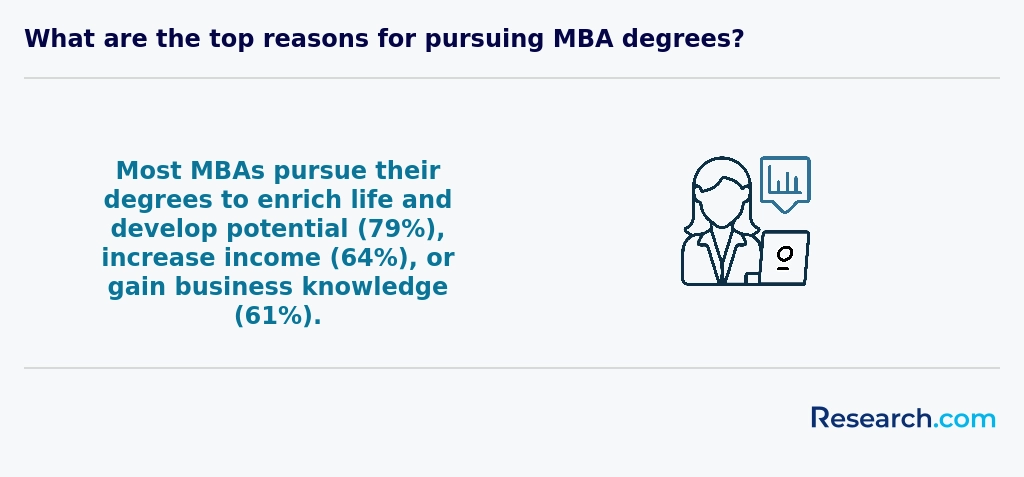
Financial aid options for MBA students in Columbus continue to evolve, offering ever more tailored support to ease the significant investment cost. Graduates from Ohio State's Fisher College of Business often share how merit-based scholarships helped them reduce tuition dramatically, rewarding both academic achievements and leadership efforts. These scholarships, combined with graduate assistantships that include stipends and tuition waivers, create realistic pathways for focused students balancing work and study.
Looking ahead, employer sponsorship programs may grow more flexible, expanding beyond traditional corporations to startups and emerging industries in Columbus. Graduates recall how their companies' tuition reimbursement initiatives covered up to 100% of costs, encouraging them to apply new skills directly to their job roles without financial stress.
Federal aid remains a critical pillar, with more streamlined processes expected to improve access to Direct Unsubsidized Loans and Grad PLUS Loans. Private scholarships through local foundations and professional groups increasingly leverage digital platforms, making targeted search and application easier for busy MBA candidates in Columbus.
As the business landscape continues to evolve, MBA programs in Columbus, OH, are adapting to meet the future needs of industry and technology. Innovative institutions are incorporating digital transformation, advanced data analytics, and experiential learning modules into their curricula to prepare graduates for rapidly shifting market demands. Programs now emphasize a blend of traditional learning with modern methodologies such as hybrid formats and project-based assignments that simulate real-world challenges. These changes are paving the way for specializations in emerging areas like AI-driven strategies, sustainable business practices, and entrepreneurial innovation. Additionally, the rise of flexible education options has led many schools to expand their online offerings. Prospective students looking to balance professional commitments with robust academic experiences might consider exploring the best online executive mba programs, which deliver both affordability and excellence. By embracing these transformative trends, MBA programs in Columbus not only enhance academic rigor but also equip their graduates with the agility required to excel in a competitive global market.
To enroll in an MBA program in Columbus, most candidates begin by ensuring they have a bachelor's degree, typically from an accredited institution. Graduates from universities such as Ohio State University often recall feeling confident entering the MBA realm, despite diverse undergraduate backgrounds-from engineering to liberal arts-highlighting the inclusive nature of these programs.
Work experience, generally spanning two to four years, is a pivotal prerequisite that many local students value deeply. It not only enriches classroom discussions but also grounds theoretical concepts in real-world scenarios, like managing projects or leading teams in Columbus-based companies. This practical insight often sparks motivating conversations among cohorts, fostering a supportive learning environment.
Standardized testing requirements vary, with some programs, including several Columbus institutions, adopting test-optional policies post-pandemic, which has encouraged a wider range of applicants. Graduates often reflect on how this flexibility reduced stress and enabled them to focus on crafting compelling personal statements and obtaining strong recommendation letters.
Additional elements such as personal essays and interviews play a key role in showcasing leadership potential and career vision, making the admissions experience personal and engaging for many students in this vibrant city.
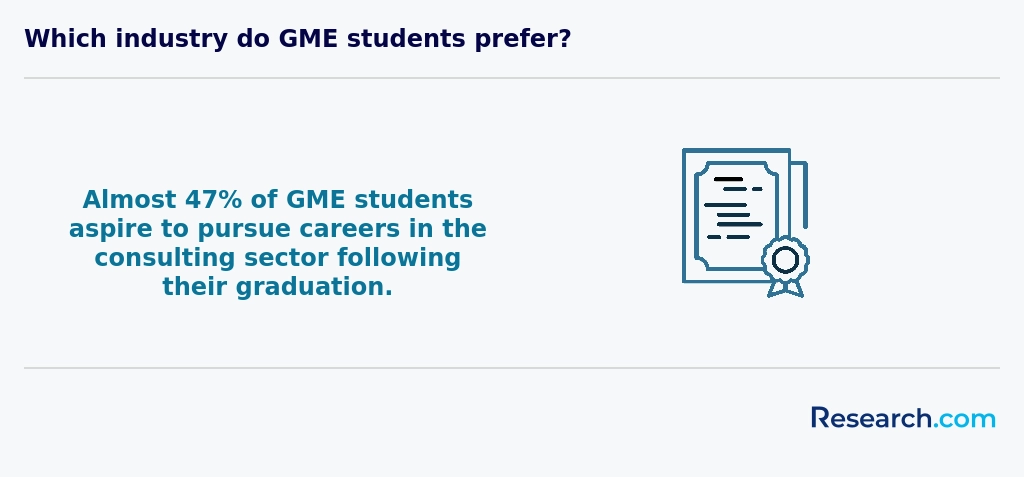
To find the most affordable MBA program in Columbus, OH, prospective students should research and compare the costs of different programs, considering factors such as tuition, fees, and living expenses. Many students may qualify for financial aid, including federal loans and scholarships, which can significantly reduce the overall cost of pursuing an MBA. For instance, exploring affordable mba schools in ohio can provide valuable insights into programs that offer a balance of quality and affordability. By weighing these factors and exploring available options, students can make informed decisions about their education and set themselves up for success in their future careers.
In Columbus, MBA programs commonly feature core courses such as Financial Accounting, Marketing Management, Operations Strategy, and Organizational Behavior that form the foundation for thriving in business. Graduates from popular local universities often recall how these classes challenged them to analyze real companies, sharpening skills they now use daily. One graduate described how mastering Corporate Finance at an esteemed Columbus college gave them confidence to evaluate complex investment opportunities at their current firm.
Looking ahead, these programs are likely to deepen their focus on emerging areas like data analytics and sustainable business practices, reflecting Columbus's evolving economy. Electives in entrepreneurship or healthcare management allow students to tailor their education toward real-world career paths, enhancing excitement about future prospects.
Many students appreciate the blend of group projects and case studies that simulate real business challenges, fostering teamwork and decision-making abilities. The flexibility of local programs-offering online or part-time formats-also resonates with working professionals eager to advance without sacrificing current roles.
MBA specializations in Columbus Ohio reflect the city's vibrant economic landscape, with programs often offering concentrations in Finance, Healthcare Management, Supply Chain Management, and Information Systems. Graduates from popular local universities frequently share how focusing on Finance helped them secure roles in the city's strong banking sector, blending theoretical knowledge with practical investment analysis. Others, drawn to Healthcare Management, appreciate learning about hospital administration in a city renowned for its medical institutions, which made their transition into leadership roles smoother and more confident.
Supply Chain Management continues to grow in relevance, especially as Columbus becomes a key hub for distribution and logistics, enabling students to engage with real-world procurement challenges. Technology management tracks emphasize emerging areas like cybersecurity and data analytics, anticipating future industry demands. Exploring best MBA concentration options Columbus offers, many students have found that entrepreneurship and international business pathways inspire innovative thinking and global market perspectives.
For those balancing work and study, considering the best online executive mba programs in Columbus presents a promising way to embrace advanced learning without sacrificing career momentum.
Choosing the best MBA degree in Columbus often means looking beyond traditional factors and imagining how your experience will shape your future. Many graduates from popular Columbus colleges describe the thrill of balancing part-time schedules with active careers, appreciating how flexible formats accommodate busy professionals. Considering the diverse industries thriving in Columbus, such as finance and technology, students often find that programs with strong local connections open doors to internships and job placements that feel tangible and rewarding.
Affordability matters deeply, especially when weighing long-term benefits. In-state public universities offer competitive tuition, making affordable MBA programs in Columbus a practical choice for many. Graduates report a sense of confidence knowing their investment aligns with earning potential post-graduation. Exploring resources like the Low Cost MBA Degree Programs Ranking in Minnesota can provide fresh insights into managing expenses while pursuing excellence.
Reputation and accreditation remain key, with AACSB-accredited Columbus schools often praised for rigorous curricula and networking events that inspire ambition. Imagining yourself thriving in such environments helps crystalize your decision and connect personal goals with regional opportunities.
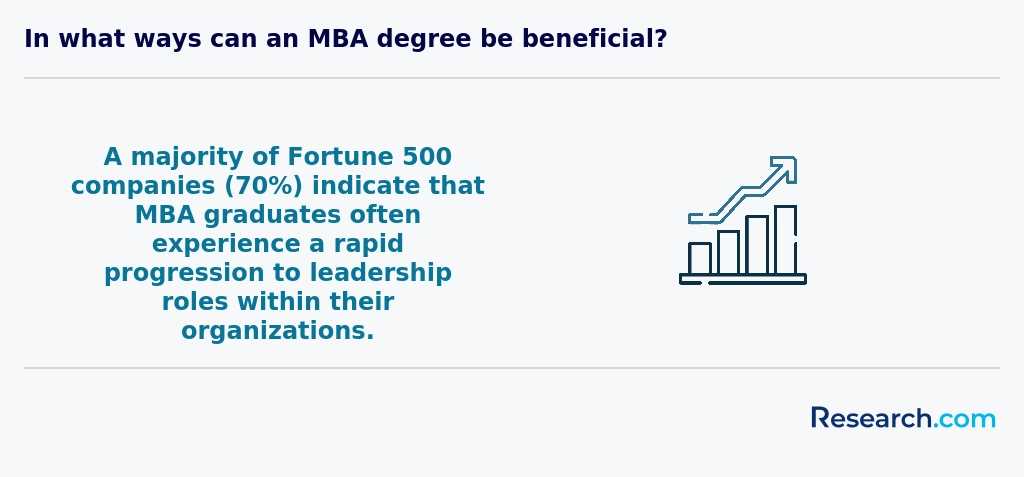
MBA graduates in Columbus find a dynamic range of career paths fueled by the city's thriving economy. Business management jobs Columbus Ohio offer opportunities in financial management, healthcare administration, and logistics, sectors where strategic leadership is in high demand. Many graduates from local universities describe stepping into consulting roles or marketing leadership positions, leveraging their skills to influence regional companies and startups alike.
These roles often reflect evolving trends such as digital transformation in healthcare operations or supply chain innovation, enabling MBA degree holders to shape future business landscapes. For instance, recent graduates report engaging in cross-industry projects that blend technology with traditional sectors, illustrating the forward-thinking nature of MBA career opportunities in Columbus.
Beyond immediate job prospects, the affordability of Columbus's MBA programs encourages students to pursue roles aligned with passion and growth potential rather than debt constraints. To navigate this path effectively, exploring the highest paying college majors can provide valuable insight into emerging areas of opportunity.
The job market for MBA degree holders in Columbus offers promising opportunities, especially for those graduating from well-known local institutions like Ohio State University or Franklin University. Graduates often share how their MBA programs provided essential leadership and strategic thinking skills that are highly valued by major employers such as Nationwide Insurance or Cardinal Health. These companies frequently seek professionals ready to take on management roles, reflecting the strong Columbus MBA graduate employment outlook.
Many MBA degree job opportunities in Columbus arise within the city's expanding sectors like finance, healthcare, and technology. Graduates describe an encouraging environment where competitive salaries and leadership roles are accessible, making the city ideal for those aiming to grow their careers. A practical advantage is the relatively affordable tuition at Columbus public universities compared to national averages, increasing access for diverse students.
Looking ahead, Columbus's growing startup culture further excites MBA candidates who wish to apply entrepreneurial skills in real-world settings. For anyone aiming to combine education with ambitious career goals, the region's blend of established corporations and emerging ventures offers robust prospects. Students exploring paths may also be interested in related fields among the most money making majors.
2027 Most Affordable MBA Degree Programs Ranking in Columbus
Investing in your education is a significant decision that can shape your future, and the Research.com team understands the importance of making informed choices. To assist prospective students in Columbus, we have meticulously crafted the "2027 Most Affordable MBA Degree Programs Ranking in Columbus." Our commitment to quality, credibility, and accuracy is reflected in the extensive research and analysis conducted to compile this ranking.
We utilized the following reputable data sources to ensure a comprehensive evaluation of MBA programs:
By exploring this ranking, readers will gain valuable insights into the most affordable MBA degree programs available in Columbus, helping them make informed and confident decisions about their educational investments. For more details on our methodology, please visit our Research.com methodology page.
# 1 position
Franklin University
Master of Business Administration


Frequently Asked Questions About MBA
MBA students in Columbus can maximize their learning by actively engaging in networking opportunities. Columbus hosts a strong business community, including organizations like the Columbus Chamber of Commerce, which offers events and mentorship programs valuable for building connections.
Participating in internships or part-time roles with local companies such as Nationwide or Huntington Bank provides practical experience alongside academic study. According to recent data from the National Center for Education Statistics, experiential learning improves job placement rates for MBA graduates.
Students should also take advantage of resources at schools like Ohio State University's Fisher College of Business, which offers career services and leadership workshops tailored to MBA candidates.
The landscape of MBA programs in Columbus is evolving to include several emerging niches that reflect broader economic trends. One growing area is sustainability and green business management, responding to increasing demand for leaders versed in environmental policies and ethical practices. Ohio State University's Fisher College of Business, for example, has integrated sustainability concepts into its MBA curriculum.
Another expanding niche is data analytics and business intelligence. Columbus, home to many tech companies, values MBA graduates skilled in interpreting big data to drive strategic decisions. According to recent reports, over 25% of local MBA programs now offer specialized courses in analytics.
Additionally, healthcare management remains a vital niche, given Columbus's growing healthcare sector, including large hospital networks and biotech firms. MBAs focusing on healthcare administration are increasingly popular for those pursuing leadership roles in this domain.
After completing an MBA degree in Columbus, preparing for the job market involves strategic steps. Start by utilizing career services offered by local universities, such as Ohio State University's Fisher College of Business, which reports a 90% employment rate within three months post-graduation according to their 2023 data.
Networking plays a critical role. Engage with Columbus business associations like the Columbus Chamber of Commerce or MBA alumni groups to build professional connections.
Developing practical skills beyond academics, such as proficiency in data analysis or project management, can increase employability. Employers in Columbus often seek candidates familiar with regional industries like finance, technology, and logistics.
Internships and part-time roles during study help gain hands-on experience. According to the National Association of Colleges and Employers, 60% of MBA graduates secure full-time positions through internships.
Employers in Columbus highly value MBA graduates who demonstrate strong leadership and strategic thinking skills. According to recent job market analyses by the Columbus Chamber of Commerce, 68% of hiring managers seek candidates proficient in project management and data-driven decision-making. Communication skills remain crucial, with an emphasis on the ability to collaborate across diverse teams and lead organizational change effectively.
Additionally, financial acumen and expertise in digital technologies, including analytics and information systems, are increasingly important. The Columbus business environment favors MBAs who can adapt to evolving market trends and exhibit problem-solving capabilities grounded in real-world applications.
Finding internships in Columbus relevant to an MBA degree involves a strategic approach combining university resources and local business networks. Many Columbus-based universities, such as Ohio State University, offer career centers that connect MBA students to internship opportunities tailored to their field. According to the National Association of Colleges and Employers (NACE), nearly 60% of MBA students secure internships through campus recruiting events.
Local industries, including finance, healthcare, and technology, actively seek MBA interns to support business development and management projects. Engaging with professional organizations like the Columbus Chamber of Commerce or LinkedIn groups focused on Columbus business can uncover hidden internship openings.
Additionally, online platforms such as Handshake and Glassdoor list internships specific to MBA qualifications in the Columbus area, providing up-to-date listings and employer reviews.
An MBA degree significantly enhances career mobility and advancement opportunities in Columbus, a growing hub for industries such as finance, healthcare, and technology. According to the U.S. Bureau of Labor Statistics, managerial roles in Columbus are expected to grow by approximately 7% through 2031, reflecting increasing demand for leadership skills that MBA programs emphasize.
Graduates with an MBA from Columbus-area institutions often report salary increases ranging from 20% to 40%, as found in a recent survey by the Graduate Management Admission Council (GMAC). This boost is linked to specialized knowledge and expanded professional networks forged during the program.
Employers in Columbus value the strategic thinking, financial acumen, and project management skills cultivated by MBA curricula, which support faster promotion tracks. Furthermore, local companies frequently seek MBA holders to fill roles that involve cross-department collaboration and managing larger teams.
Studying for an MBA degree in Columbus offers valuable preparation for interdisciplinary roles by emphasizing diverse skill sets and practical experience. Columbus-based MBA programs, such as those at Ohio State University, integrate courses in finance, marketing, operations, and leadership, which help students adapt across various business functions. According to the Graduate Management Admission Council, nearly 60% of MBA graduates pursue jobs requiring cross-functional expertise.
Additionally, Columbus's growing industries in technology, healthcare, and finance provide real-world projects and internships, fostering teamwork among professionals from different backgrounds. This hands-on exposure equips students with communication and problem-solving skills crucial for interdisciplinary collaboration in today's workplace.
Choosing between a thesis and a non-thesis MBA program in Columbus depends on your career goals and learning preferences. Thesis programs typically emphasize research and academic writing, suitable for students aiming at doctoral studies or research-oriented roles. A non-thesis MBA focuses more on practical skills with coursework and projects, ideal for professionals seeking direct business application and faster completion.
In Columbus, many universities offer both options; approximately 30% of MBA candidates choose thesis routes, reflecting interest in research. According to the National Center for Education Statistics, practical MBAs often appeal to working professionals balancing jobs and studies. Costs and duration may also vary, with thesis programs sometimes requiring additional semesters.
Consider your long-term goals and available time when deciding between these pathways in Columbus.
Students in Columbus interested in pursuing an MBA abroad can explore several options through partnerships and exchange programs offered by local universities. Ohio State University's Fisher College of Business, for instance, collaborates with multiple international institutions, enabling students to study overseas for a semester while earning credits toward their MBA. This provides exposure to global business environments without the need for a full international relocation.
Additionally, many Columbus-based students utilize online MBA programs with global curricula offered by accredited institutions abroad. These programs balance study flexibility with international perspectives. According to the Graduate Management Admission Council, 20% of US MBA candidates considered global experiences important in recent surveys.
Columbus offers various part-time job opportunities that effectively complement MBA education. Many MBA students find roles in local financial institutions, such as banking and investment firms, where they apply analytical and management skills in real-world settings. According to the Columbus Chamber of Commerce, part-time positions in consulting, marketing, and project management are also prevalent, allowing students to develop expertise while studying.
Positions in startups and technology companies provide exposure to innovation and strategic decision-making, valuable for MBA candidates. Additionally, part-time internships with nonprofit organizations help students gain leadership experience relevant to business administration.
Flexible scheduling in retail management or customer service roles also supports time management skills critical to graduate business studies.
Columbus offers a variety of strong networking opportunities for MBA students, largely thanks to its diverse business landscape. Local universities, such as The Ohio State University Fisher College of Business, host numerous events, including career fairs, guest speaker sessions, and alumni mixers. These gatherings connect students with over 35,000 Fisher alumni worldwide, according to recent university data.
Additionally, Columbus is home to several professional organizations like the Columbus Chamber of Commerce and industry-specific groups that often collaborate with MBA programs. Students can engage in workshops and meet local business leaders, gaining valuable contacts.
Networking is further enhanced by internships and consulting projects with Columbus-based corporations, providing practical experience and industry exposure within this growing metropolitan economy.
Alumni networks offer significant advantages to MBA students in Columbus by providing valuable connections within the local business community. These networks often include graduates working in key industries such as finance, healthcare, and technology, which are prominent in Central Ohio. According to the Columbus Chamber of Commerce, strong professional relationships can lead to increased job opportunities and mentorship. Many schools in Columbus feature active alumni groups that organize events and career workshops. This engagement helps students gain insights into regional job markets and develop essential skills for leadership roles. Access to an established network can be vital for career advancement post-graduation.
Customizing an MBA program in Columbus begins with selecting a school that offers flexible curriculum options. Many local institutions, such as Ohio State University's Fisher College of Business, provide concentrations in areas like finance, marketing, or supply chain management to align studies with career ambitions. Students can often choose electives or specialize according to their professional goals.
Additionally, part-time and online MBA formats available in Columbus allow working professionals to tailor the pace and timing of coursework. Internships and networking events facilitated locally can also support practical experience in desired industries.
According to the National Center for Education Statistics, nearly 60% of MBA students in Ohio pursue programs that feature career-focused customization, illustrating its growing importance.
Many MBA students in Columbus face challenges balancing rigorous coursework with professional and personal responsibilities. According to data from the Graduate Management Admission Council, about 60% of MBA students nationwide juggle work and study, a figure relevant to Columbus's many part-time and executive MBA programs.
Financial strain is another common issue. Even affordable programs in Columbus average tuition between $25,000 and $50,000, which can place pressure on students managing living expenses and career transitions. Securing internships or relevant work experience amid local economic fluctuations also proves difficult.
Additionally, networking in a competitive job market like Columbus, which is growing in sectors such as finance and healthcare, requires significant effort and time, impacting student stress levels. Navigating these challenges requires strong time management and support systems.
With an MBA degree in Columbus, graduates are well-positioned to pursue various professional certifications that can enhance career prospects. Common certifications include the Project Management Professional (PMP), Certified Management Accountant (CMA), and Certified Financial Planner (CFP). These credentials complement the leadership and financial skills gained during an MBA program.
In Columbus, Ohio, many MBA programs align with regional industry demands, especially in finance, healthcare, and technology, making certifications like PMP and CMA highly relevant. According to the Columbus Chamber of Commerce, over 30% of business professionals in the area hold at least one professional certification.
Other valuable options include the Certified Business Analysis Professional (CBAP) and Six Sigma certifications, which focus on process improvement and analysis. These certifications add measurable value to an MBA graduate's resume and can lead to higher salaries and leadership roles in Ohio's competitive job market.
To write a winning application for an MBA program in Columbus, start by thoroughly researching local schools such as Ohio State University's Fisher College of Business, which is highly regarded nationally. Focus on tailoring your resume and essays to highlight leadership experience, professional achievements, and community involvement, as Columbus programs value practical impact. Emphasize clear career goals and how an MBA in Columbus will help you achieve them. Strong letters of recommendation from supervisors who know your work can add credibility. Additionally, preparing well for the GMAT or GRE, if required, improves your competitiveness. Budget for application fees, typically around $100 to $150 per school, as reported by the Graduate Management Admission Council.
The global outlook on a career with an MBA degree is increasingly positive, especially for those studying in diverse business hubs like Columbus. According to the Graduate Management Admission Council, nearly 90% of MBA graduates in the U.S. report improved career prospects and higher salaries within three years of graduation. Columbus, with its growing finance, technology, and healthcare sectors, offers MBA students exposure to companies with global business connections. This environment prepares graduates for leadership roles not only locally but also internationally.
More than 60% of MBA alumni from Columbus-based programs work in multinational corporations, indicating strong global engagement. The city's MBA programs emphasize cross-cultural management and global business strategy, essential skills for thriving in worldwide markets.
Gaining practical experience during an MBA program in Columbus is essential for career growth. Many local universities offer internships that connect students with companies in industries such as finance, healthcare, and technology. For example, Ohio State University's Fisher College of Business has partnerships with over 300 employers, providing hands-on work opportunities.
Additionally, Columbus hosts various business incubators and networking events where MBA candidates can engage with real-world projects and entrepreneurs. Cooperative education programs and consulting projects embedded in coursework also allow students to apply classroom knowledge in professional settings.
These experiences help students build a robust resume and develop skills desired by Central Ohio employers. The Columbus Chamber of Commerce frequently highlights these local collaborations as a strength of the region's MBA programs.
Choosing the right concentration within an MBA program in Columbus involves aligning your career goals with the local job market demands. Columbus hosts diverse industries like finance, healthcare, and technology, which often influence MBA specialization trends. According to the Columbus Chamber of Commerce, business analytics and finance remain top growth sectors, suggesting concentrations in these areas could enhance job prospects locally.
Evaluate your professional background and interests to select a concentration that complements your skills. Many Columbus MBA programs offer popular tracks such as marketing, supply chain management, and entrepreneurship, reflecting the city's vibrant startup ecosystem.
Additionally, consider programs accredited by organizations like AACSB, which signal curriculum quality and employer recognition within Ohio and nationwide.
- 2027 Most Affordable MBA Degree Programs Ranking in Cleveland
- 2027 Most Affordable MBA Degree Programs Ranking in Fort Wayne
- 2027 Most Affordable MBA Degree Programs Ranking in Pittsburgh
- 2027 Most Affordable MBA Degree Programs Ranking in Indianapolis
- 2027 Most Affordable MBA Degree Programs Ranking in Louisville
- 2027 Most Affordable MBA Degree Programs Ranking in Chicago
- 2027 Most Affordable MBA Degree Programs Ranking in River Forest
- 2027 Most Affordable MBA Degree Programs Ranking in Winston-Salem
- 2027 Most Affordable MBA Degree Programs Ranking in Washington
- 2027 Most Affordable MBA Degree Programs Ranking in Baltimore
- Overcoming Common Challenges Faced by Management Students https://iilm.edu/iilm-lucknow/blog/challenges-faced-by-management-students/
- The Growing Demand for Niche Jobs and MBA Specializations https://www.clearadmit.com/2025/05/the-growing-demand-for-niche-jobs-and-mba-specializations/
- MBA Internships: Find 5400 MBA Intern Jobs https://internshala.com/internships/mba-internship/
- MBA Networking Tips-Building Connections Pre-MBA https://menlocoaching.com/mba-applications-and-admissions-guide/networking/
- MBA Requirements: What do you really need for an MBA degree https://www.obseducation.org/en/blog/mba-requirements-what-do-you-really-need-for-an-mba-degree
- How to Choose an MBA Program That Fits Your Career Goals https://www.mobileviewer.io/blog/how-to-choose-an-mba-program-that-fits-your-career-goals
- Why Employers Prize a Global Perspective from MBA Graduates | WU Executive Academy https://executiveacademy.at/en/knowledge/career/why-employers-prize-a-global-perspective-from-mba-graduates
- Lessons learned: one year into pursuing an MBA while balancing full-time work - Franz Vitulli https://franzvitulli.com/mba-work/
- Why Alumni Networks Matter in Business School: 7 Reasons https://europe.ceibs.edu/article/why-alumni-networks-matter-business-school
- Why MBA Graduates Embrace Global Perspectives for Career Growth https://www.thehighereducationreview.com/editors-guest/why-mba-graduates-embrace-global-perspectives-for-career-growth-nid-6271.html





