
2027 Easiest Online MBA Degree Programs Ranking in Texas

Co-Founder and Chief Data Scientist
Choosing the right online MBA program in Texas can feel overwhelming, but it doesn't have to be. Our article introduces the 2027 Easiest Online MBA Degree Programs Ranking in Texas, created by the Research.com team of data scientists to guide you through this important decision.
By exploring this ranking, you'll discover programs that balance quality education with flexibility, helping you achieve your career goals without unnecessary stress.
Getting an MBA opens doors to new opportunities, and this article is here to support your journey with clear, trustworthy information.
Key benefits of getting online MBA degree in Texas
- Graduates with an MBA often pursue high-paying roles in management and business operations, with median salaries typically ranging from $80,000 to $120,000 across the U.S., offering strong financial rewards for Texans seeking career growth.
- From a Texas university example, an MBA graduate can enter diverse fields such as finance, marketing, or healthcare management, allowing flexibility and exciting career opportunities tailored to personal interests.
- Completing an MBA online in Texas, like through the University of Texas, provides the benefit of balancing work and study, saving commute time, and accessing quality education with flexible schedules that fit busy lives.
- 2027 Easiest Online MBA Degree Programs Ranking in Texas
- What can I expect from online MBA degree in Texas?
- Where can I work with online MBA degree in Texas?
What can I expect from online MBA degree in Texas?
Online MBA students in Texas typically encounter tuition costs ranging from around $20,000 to $45,000 at public universities like Texas A&M or the University of Texas system. Graduates from these programs often recall how the affordability allowed them to balance education with family and work without overwhelming financial stress. Meanwhile, those attending prestigious private institutions such as Rice University might invest over $60,000, viewing the expense as a strategic career investment backed by strong alumni networks and specialized courses.
Many students find comfort in the availability of scholarships, employer tuition assistance, or financial aid, which transforms what initially seems a hefty price into manageable monthly commitments. This support fosters optimism, as peers share stories of securing aid that made their education accessible and less daunting.
The blend of synchronous and asynchronous coursework, coupled with relevant Texas industry case studies, gives learners the confidence to apply knowledge in real-world scenarios immediately. These experiences create a sense of accomplishment and hope, justifying the financial commitment through meaningful professional advancement.
Where can I work with online MBA degree in Texas?
Graduates from online MBA programs at well-regarded Texas universities frequently step into dynamic roles across the state's booming industries, fueled by firsthand experiences of peers who advanced from classroom theories to real-world leadership. Picture a graduate from a Houston-based university transitioning smoothly into the city's vast energy sector, managing large-scale projects that power global markets. Meanwhile, those finishing programs in Dallas or Austin often find themselves contributing to cutting-edge financial firms or tech startups, where analytical skills and strategic thinking drive innovation and rapid growth.
Many graduates recall how their program's focus on leadership and practical business solutions opened doors to executive roles in regional companies, enhancing their confidence and expanding their influence. Texas's SMEs increasingly value MBAs for shaping growth strategies, making career opportunities diverse-from financial analyst to operations director. The expanding network of Texas MBA alumni enables recent graduates to build meaningful connections, amplifying their job prospects statewide in sectors embracing transformation and forward momentum.
Graduates with an online MBA from institutions like the University of Texas or Texas A&M often see their salaries boost significantly, with entry-level positions starting around $70,000 to $90,000 annually in Texas. These figures align well with national trends where MBA holders begin their careers earning about $115,000 on average. Imagine a recent graduate landing a finance manager role in Houston, quickly moving towards the $125,000 mark as they gain experience and specialty skills.
Many alumni share how studying online allowed them to continue working locally while accessing quality education. These MBA holders highlight how their degrees opened doors in Dallas-Fort Worth or Austin, regions known for competitive pay due to large corporate hubs and stronger economies. Leadership roles, particularly in marketing or supply chain management, commonly push salaries beyond $100,000 after a few years.
Looking ahead, the demand for skilled MBA professionals in Texas industries promises ongoing salary growth. With evolving markets and digital transformation, graduates adapting to new trends can expect even higher earning potential, combining flexibility with rewarding career paths.
- Online MBA programs in Texas are offered by accredited universities recognized by ACBSP or AACSB, ensuring quality education.
- The cost for an online MBA in Texas ranges from $25,000 to $60,000, with public universities generally being more affordable for in-state students.
- Early-career MBA graduates in Texas earn average salaries between $75,000 and $90,000, with potential for six-figure incomes in industries like energy, technology, healthcare, and finance.
- Job opportunities for MBA holders are strong across management, marketing, finance, and operations roles in Texas's diverse economy.
- Online MBA programs in Texas typically take 18 months to 3 years to complete, with options for part-time or full-time study and various specializations available.
Completing an online MBA degree in Texas often takes between 18 months and 3 years, but emerging trends suggest increasing flexibility. Graduates from the University of Texas at Dallas share how accelerated programs allowed them to finish in just 12 to 18 months by dedicating focused weekly hours, a clear advantage for those eager to advance quickly.
Meanwhile, many students at Texas A&M University appreciate traditional and part-time tracks that span around 2 to 3 years, balancing work and family with steady progress. The diverse program lengths cater to various lifestyles, making it possible for busy professionals to plan their studies around their current obligations.
Looking ahead, personalization of pacing based on credit transfer and course load could become even more adaptive, enabling learners to tailor their journey uniquely. This evolving landscape makes pursuing an online MBA in Texas feel more achievable and fulfilling, opening doors to new career opportunities without sacrificing personal commitments.
Graduates from prominent Texas institutions like the University of Texas at Austin have shared how online MBA programs unlock a new level of flexibility, allowing them to juggle demanding work schedules and family life while advancing their education. These programs, with asynchronous classes and interactive digital platforms, cater well to Texans living far from campus hubs, eliminating costly commutes across the sprawling state.
On the other hand, alumni of Baylor University's on-campus MBA often describe the energizing experience of face-to-face interactions with peers and professors, creating a strong network that fuels career growth. The vibrant campus atmosphere and spontaneous conversations in Houston or Waco prove invaluable for building lasting professional connections.
Looking ahead, many Texas online MBAs are integrating live residencies and regional meetups, blending flexibility with community. As tuition costs between formats converge and AACSB accreditation maintains academic consistency, prospective students can anticipate more personalized choices that align with their lifestyles and career goals without compromising quality.
The average cost of an online MBA degree in Texas typically centers around $25,550, with significant variations depending on whether students are in-state or out-of-state. In-state students benefit from a median total cost near $9,540, making Texas affordable online MBA programs a compelling choice for many seeking quality education without overwhelming debt. Graduates from schools like Texas A&M University-Commerce often share how this balance of cost and value allowed them to pursue advanced business knowledge while maintaining financial stability.
Out-of-state students face a somewhat higher median total cost of about $24,018, yet many online MBA candidates find that investing in Texas programs still brings a sense of satisfaction and confidence, especially when paired with scholarships or employer tuition assistance. Private universities, with costs that sometimes approach $60,000, provide resources and networks that graduates describe as opening doors in competitive industries, making the price worth the potential career boost.
Prospective MBA students frequently reflect on how lower tuition costs in Texas reduced stress during their studies, allowing a focus on learning and professional growth rather than financial pressure. This forward-thinking approach shows promise as more universities incorporate flexible pricing models and financial aid, reflecting the evolving landscape of business education.
Considering these trends, those aiming to fund their studies efficiently might explore additional support options and consider pathways such as cheap associate programs online alongside their MBA plans. Balancing cost with access to quality programs positions Texas as a strong contender for future business leaders seeking value and excellence.

Many online MBA students in Texas find financial aid through merit-based scholarships offered by universities like the University of Texas at Dallas and Texas A&M University. Graduates often share how these scholarships, awarded for academic excellence or leadership potential, significantly eased their tuition burdens and boosted their confidence pursuing advanced studies. Imagine working professionals balancing family and career who leverage these awards to invest in their futures without overwhelming debt.
Need-based aid via FAFSA also plays a crucial role. The ability to access federal grants and loans, with manageable repayment terms, helps students transform stress about finances into motivation for success. One graduate recalls how federal work-study enabled balancing studies with part-time campus jobs, making the experience both affordable and enriching.
Employer tuition reimbursement programs are another hopeful avenue. Texas companies increasingly supporting MBA candidates encourage employees to grow professionally without financial strain, accommodating busy schedules with part-time or online formats.
State grants like the Texas Public Education Grant occasionally supplement these supports, while professional business groups provide targeted scholarships, adding layers of opportunity for the driven MBA student in Texas.
Enrolling in an online MBA in Texas typically demands a bachelor's degree from an accredited institution, which lays a solid foundation for graduate studies. Graduates from well-known Texas universities often mention how their diverse academic backgrounds enriched classroom discussions, especially when combined with business-related coursework. Standardized tests like the GMAT or GRE remain common, though many programs at Texas institutions have started waiving these requirements for applicants with strong professional records, reflecting a trend toward flexibility.
Work experience, often between two to five years in leadership or management, shapes students' real-world insights. For example, graduates from prominent Texas colleges credit their early career experience for enabling them to immediately apply MBA concepts at work. Some programs even accommodate recent graduates by waiving this, opening doors to early-career students eager to gain a competitive edge.
Applicants prepare extensive materials, including official transcripts, recommendation letters, personal statements, and updated resumes, all of which showcase their unique journeys and passions. As Texas schools continue evolving, these prerequisites help ensure students are ready to thrive in an ever-changing business landscape.

Online MBA programs in Texas commonly include courses such as Financial Accounting and Managerial Accounting, which empower students to confidently analyze financial statements-a skill graduates from institutions like the University of Texas at Austin often highlight as critical in their first leadership roles. Marketing Management teaches practical strategies to reach diverse audiences, much like a former student from Texas A&M shared about applying these techniques during a product launch remotely.
Operations Management and Organizational Behavior stand out for their real-world applications, with group projects mirroring challenges faced by Houston-based energy firms. Students appreciate how Business Strategy courses simulate competitive market decisions, preparing them for effective long-term planning. Corporate Finance and Data Analytics courses blended with decision-making tools reflect Texas's dynamic economy, especially in tech and energy sectors.
This mix of core courses and electives, offered by top Texas colleges, creates an engaging and practical learning environment that fuels professional growth, making the challenge feel exciting rather than overwhelming.
Online MBA specializations Texas programs frequently include Leadership and Management, Finance, and Technology and Information Systems management, catering to students eager to harness skills in emerging industries. Graduates from Texas A&M University often share how the leadership track sharpened their ability to navigate complex organizational changes, preparing them for executive roles across diverse sectors. The Finance specialization thrives in Texas's dynamic markets like Dallas and Houston, attracting those passionate about investment and energy finance-a perfect fit for the state's robust economy.
At the University of Texas at Dallas, students in Technology-focused MBA programs express excitement about integrating IT strategies to lead digital transformation, reflecting a growing tech industry and anticipating future demands. Other specializations such as Marketing, Healthcare Management, Entrepreneurship, and Supply Chain management add rich options for students envisioning unique career pathways aligned with Texas's diverse business landscape. If you're wondering about foundational degrees before committing to an MBA, explore what is the easiest 2 year degree to get?
Choosing the best online MBA degree in Texas means focusing on accredited programs like those at the University of Texas at Dallas or Texas A&M University, where graduates often highlight the confidence gained from AACSB accreditation. These programs balance affordability and quality, making the best affordable online MBA programs Texas a smart choice for professionals juggling work and study. A graduate from Baylor University shared how flexible scheduling empowered them to complete their degree in under two years without pausing their career.
Flexibility will only become more critical as asynchronous learning and AI-driven personalized education expand, allowing students to tailor their experience. Prospective students should also explore specializations aligned with emerging industries. Students passionate about finance or marketing find that the right curriculum furthers their career goals while enabling immediate application at work. Texas schools frequently integrate advanced digital platforms that foster interaction despite geographic distances.
Beyond tuition, consider additional support services, from career counseling to networking. Graduates often emphasize how valuable university connections and alumni networks are, creating ongoing opportunities. For those uncertain about program pathways, exploring certificate programs that pay well can be a complementary step before committing to a full MBA. Such careful planning helps identify top accredited online MBA degrees Texas that truly fit future ambitions.
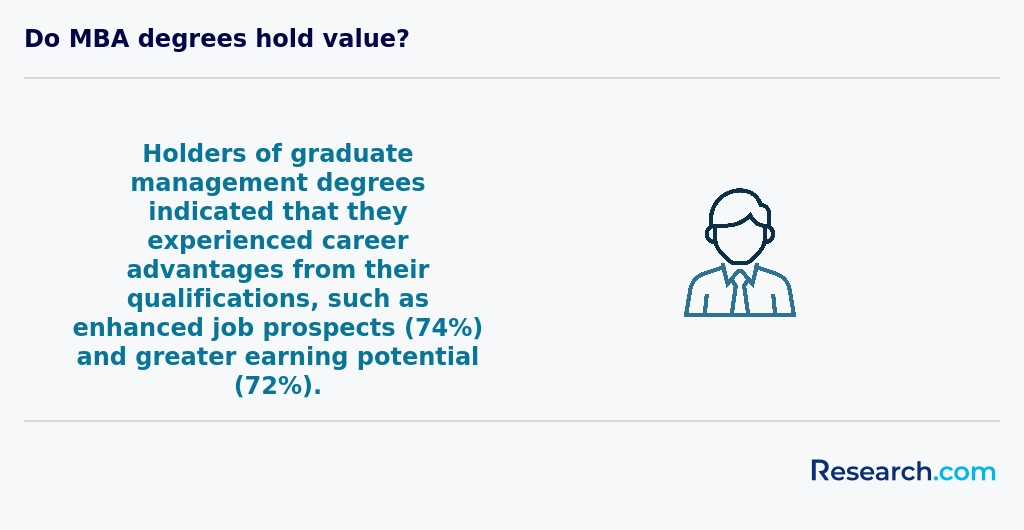
Online MBA career opportunities Texas continue to expand, especially for graduates of popular universities like the University of Texas at Austin and Texas A&M. Many find themselves stepping confidently into leadership roles, such as operations managers or business strategists, where they lead teams through complex challenges and innovate business processes. One graduate described the thrill of managing energy projects in Houston's booming renewables sector, harnessing both technical knowledge and managerial skills obtained during the MBA.
Texas online MBA degree job prospects now often include finance roles in Dallas-Fort Worth, where MBAs become financial analysts or corporate finance managers driving investment decisions. Other graduates leverage their experience to excel in healthcare administration, particularly within Texas's expanding hospital networks, improving patient service efficiency. Those fascinated by marketing often take on brand strategist roles, applying digital strategies learned from their programs.
As the market evolves, students looking to speed their education sometimes enroll in an accelerated online bachelor's program before pursuing their MBA, enabling quicker transitions into high-demand positions. The adaptability and strategic thinking cultivated through Texas MBA programs prepare graduates to thrive amid the state's diverse economy and uncertain futures.
The online MBA job market Texas offers is vibrant and evolving, driven by the state's expanding industries and strong economic base. Graduates from popular Texas universities often share how their programs' flexible online formats allowed them to balance work and study, leading directly to leadership roles in cities like Austin and Dallas. These graduates highlight the real advantage of an online MBA, which equips them with strategic thinking and data analysis skills sought across sectors such as technology, finance, and healthcare.
Texas MBA career opportunities continue to grow as companies increasingly value the mix of online education and practical experience. Many find that completing an online degree from a respected Texas institution opens doors to roles with competitive salaries, often surpassing national averages. Looking ahead, this trend may accelerate as remote work and digital management skills become even more critical. For insights about specialized and flexible graduate programs, consider exploring anchors part-time Ph.D. in economics.
2027 Easiest Online MBA Degree Programs Ranking in Texas
Investing in your education is a significant decision that can impact your career and personal growth, and the Research.com team is committed to helping you make informed choices. To provide valuable guidance, we have carefully developed the "2027 Easiest Online MBA Degree Programs Ranking in Texas." Our dedication to quality, credibility, and accuracy is demonstrated through thorough research and analysis. We utilized the following reputable data sources to ensure a comprehensive and trustworthy ranking:
By exploring this ranking, readers will gain valuable insights into accessible and high-quality online MBA programs in Texas, helping them identify the best fit for their professional goals. For a detailed overview of our ranking process, please visit our Research.com methodology page.




Frequently Asked Questions About MBA
Online MBA students in Texas can maximize their learning by engaging actively with course materials and participating in virtual discussions. Research shows that students who regularly collaborate with peers tend to understand complex business concepts better. Many Texas universities offer networking events online, providing valuable industry connections.
Time management is crucial for balancing studies with professional and personal responsibilities. Texas MBA programs often provide access to career services and academic advising tailored to online learners. Utilizing these resources can significantly enhance a student's educational experience.
According to the Texas Higher Education Coordinating Board, Texas hosts over 25 accredited institutions offering online MBA degrees, highlighting the importance of choosing programs with strong support services.
The MBA field is evolving with several emerging niches gaining prominence, especially within Texas' competitive market. One fast-growing area is technology management, which blends traditional business skills with IT knowledge, reflecting the state's strong tech sector, including Austin's Silicon Hills. Another key niche is sustainability and green business, driven by increasing corporate responsibility trends and Texas' large energy industry.
Healthcare management MBAs are also expanding due to Texas having one of the largest healthcare industries in the nation. Additionally, supply chain management is a critical focus given Texas' logistics infrastructure and trade hubs like Houston and Dallas. According to the Texas Higher Education Coordinating Board, these specializations show above-average enrollment growth in online MBA programs statewide.
Students interested in targeted skills and career advancement find these emerging MBA concentrations particularly valuable in Texas' dynamic economy.
After completing an online MBA degree in Texas, preparing for the job market requires strategic planning. Start by leveraging your school's career services, which often provide resume reviews, mock interviews, and networking events tailored to Texas industries. According to the Texas Workforce Commission, sectors like energy, healthcare, and technology show strong MBA job growth.
Building a professional network is critical. Join local chapters of business organizations such as the Texas MBA Association or Austin Business Networking groups. These connections can lead to internships and job opportunities.
Additionally, consider earning relevant certifications to complement your MBA, such as project management or data analytics, to increase employability.
Employers in Texas highly value MBA graduates who demonstrate strong leadership and strategic thinking skills. According to the Texas Workforce Commission, 78% of hiring managers prioritize candidates who can effectively manage teams and drive business growth.
Analytical skills are also crucial, as Texas industries such as energy, healthcare, and technology rely on data-driven decision-making. Proficiency in financial management and operations is commonly sought after, with 65% of employers indicating these as essential competencies.
Communication skills top the list as well, enabling graduates to articulate complex ideas clearly across diverse workplaces. Adaptability and technological literacy, especially in digital tools, rank among the fastest-growing demands in the Texas MBA job market.
Finding internships relevant to an MBA degree in Texas involves leveraging multiple resources that connect students to the state's strong business landscape. Texas hosts numerous Fortune 500 companies, especially in Houston, Dallas, and Austin, offering ample opportunities in industries like energy, finance, and technology.
Start by exploring your university's career center and alumni networks, as many online MBA programs in Texas maintain strong employer connections. According to the Texas Workforce Commission, internships can significantly boost employment prospects post-graduation.
In addition, platforms like Handshake and LinkedIn allow MBA students to find internships targeted to their skills and location. Attend virtual career fairs focusing on Texas employers to increase your chances.
Finally, professional organizations such as the Texas MBA Association provide additional networking events and internship listings tailored for MBA students in the state.
Online MBA degrees in Texas significantly enhance career mobility and advancement opportunities for professionals. According to the Texas Workforce Commission, individuals with MBAs earn approximately 25% more than those with only a bachelor's degree, reflecting increased earning potential. Employers in Texas increasingly recognize online MBAs from accredited institutions as valid credentials, especially when coupled with relevant experience.
Completion of an online MBA often leads to higher positions in management, leadership, and specialized business roles. Many graduates report promotions or transitions into industries such as finance, healthcare, and technology. The flexibility of online programs allows students to maintain employment while advancing their education.
Texas has a competitive job market, and holding an MBA can distinguish candidates by demonstrating advanced skills in strategic thinking, leadership, and analytics. Data from the Graduate Management Admission Council (GMAC) shows that 64% of MBA graduates in Texas secured jobs with salary increases within six months of graduation.
Studying for an online MBA degree in Texas equips students with skills essential for interdisciplinary roles by integrating knowledge across business functions. Texas universities typically design MBA curricula that emphasize leadership, strategic thinking, and collaboration, addressing diverse sectors such as technology, healthcare, and energy.
The Texas Higher Education Coordinating Board reports that many MBA programs in Texas include courses fostering critical thinking, data analysis, and communication skills, all crucial for managing cross-functional teams. This prepares graduates to work effectively in complex organizational environments.
Additionally, MBA students often engage in projects involving real-world business challenges, promoting a practical understanding of multiple disciplines. This experiential learning is especially valuable in Texas's diverse economy.
When choosing between a thesis and a non-thesis online MBA program in Texas, consider your career goals and learning preferences. Thesis programs focus on independent research, preparing students for roles in academia or specialized fields. Non-thesis options emphasize practical skills through coursework, ideal for professionals aiming to advance in business management.
Texas universities like the University of Texas at Dallas offer both tracks, with thesis MBAs typically requiring a final research project. According to the Texas Higher Education Coordinating Board, over 70% of online MBA students in Texas prefer non-thesis options for flexibility and time efficiency.
Assess your comfort with research and your professional objectives before deciding. Advisors at Texas schools can provide personalized guidance based on your background and ambitions.
Students based in Texas who want to study an MBA abroad have several options, often combining online delivery with international accreditation. Many top global MBA programs offer fully online or hybrid formats accessible from Texas, allowing students to earn foreign degrees without relocating. For example, schools in the UK or Europe frequently partner with American institutions, providing recognized credentials.
Additionally, Texas-based students can leverage exchange programs or dual degrees between their home institutions and foreign universities, although these typically require some travel. According to the Graduate Management Admission Council (GMAC), interest in international online MBA programs has grown by over 15% since 2020, reflecting a shift toward flexible global education.
Texas universities themselves often hold international accreditations, making their online MBA degrees globally respected without leaving the state.
Part-time job opportunities in Texas that complement an online MBA degree often focus on developing business acumen and leadership skills. Popular roles include business analyst positions, which allow students to apply data-driven decision-making learned in their courses. According to the Texas Workforce Commission, business analyst jobs are projected to grow by 11% through 2030.
Consulting internships offer practical experience working with companies to solve operational challenges. Sales and marketing roles also align well, helping students enhance negotiation and strategic planning skills.
Additionally, roles in financial services and project management are common choices, as Texas hosts a strong energy sector and diverse corporate headquarters.
Online MBA students in Texas have access to a variety of networking opportunities that can enhance their career development. Many Texas universities offer virtual networking events, including webinars and online career fairs, connecting students with alumni and industry professionals. Schools like the University of Texas and Texas A&M provide access to extensive alumni networks with thousands of MBA graduates across multiple sectors.
Additionally, organizations such as the Texas MBA Association facilitate regional meetups and virtual mixers. According to the Graduate Management Admission Council, over 85% of MBA graduates in Texas find networking crucial for career advancement. These opportunities help online students build professional relationships despite geographic distances.
Alumni networks play a crucial role in supporting online MBA students in Texas. These networks offer access to a wide community of professionals, providing valuable connections for mentorship, job opportunities, and career advancement. According to the Graduate Management Admission Council, 85% of MBA graduates leverage alumni networks to enhance their careers.
For online students, especially those balancing work and study, these networks bridge the gap created by physical distance. In Texas, many schools maintain active alumni groups that organize events, webinars, and job fairs tailored for MBA professionals.
Participation in these networks can boost student engagement and foster lifelong professional relationships, enhancing the overall value of an online MBA degree.
Customizing an online MBA degree program in Texas allows students to tailor their education to specific career objectives. Many Texas universities offer concentrations such as finance, marketing, healthcare management, or entrepreneurship. This flexibility helps align coursework with industry demands.
Students can choose electives or specialized tracks that enhance skills relevant to their profession. Some programs also provide opportunities for capstone projects, internships, or networking tailored to Texas's economic sectors like energy or technology.
According to the Texas Higher Education Coordinating Board, over 70% of online MBA students select a concentration, reflecting the importance of personalized learning paths.
Online MBA students in Texas often face challenges related to balancing work, study, and personal life. According to the Texas Higher Education Coordinating Board, over 60% of online MBA students are working professionals, making time management a critical hurdle.
Another common issue involves limited face-to-face interaction, which can impact networking opportunities and peer collaboration. Research from the Graduate Management Admission Council highlights that 45% of online MBA students feel less connected compared to on-campus peers.
Additionally, technical difficulties and access to reliable internet can pose barriers, especially in rural areas of Texas. These factors combined make the online MBA experience uniquely demanding for many students.
With an online MBA degree from Texas, graduates can pursue various professional certifications that enhance their career prospects. Popular certifications include the Project Management Professional (PMP), often sought by MBA holders for leadership roles in business projects. Another common certification is the Certified Management Accountant (CMA), valued in finance and accounting sectors.
Many Texas MBA graduates also aim for the Certified Financial Planner (CFP) or the Six Sigma Green Belt to boost expertise in financial planning and process improvement. According to the Texas Higher Education Coordinating Board, MBA alumni consistently report higher certification uptake linked to career advancement.
Obtaining these credentials can significantly increase earning potential and professional credibility in competitive Texas job markets.
Writing a winning application for an online MBA program in Texas requires clear focus and preparation. Start with a well-crafted personal statement that explains your career goals and why you need an MBA. Highlight any leadership experience and professional achievements, as Texas schools value practical skills. According to the Texas Higher Education Coordinating Board, more than 50% of MBA applicants emphasize career advancement in their essays. Include a strong resume that reflects your work history and relevant accomplishments.
Prepare for the GMAT or GRE as some Texas programs require test scores, but many waive them for experienced professionals. Secure recommendations from supervisors who can attest to your leadership potential and teamwork abilities. Finally, ensure all transcripts are official and up to date to meet application deadlines.
The global outlook for MBA careers remains strong, with graduates viewed as valuable assets in various industries worldwide. An MBA offers skills in leadership, strategic thinking, and financial management, critical for multinational businesses and startups alike.
According to the Graduate Management Admission Council (GMAC), 89% of employers in the U.S. plan to hire MBA graduates, reflecting steady demand. Texas, home to a growing economy and diverse industries such as energy, technology, and healthcare, offers robust opportunities for MBA holders.
Internationally, an MBA is often associated with higher earning potential and faster career advancement. Texas-based online MBA programs are increasingly recognized globally, supporting students' ambitions to work outside the U.S.
Networking through Texas MBA programs connects students to a worldwide alumni community, essential in today's interconnected market.
Students pursuing an online MBA degree in Texas can gain practical experience through various approaches. Many Texas universities incorporate consulting projects with local businesses as part of their curriculum, allowing students to apply classroom theories to real-world challenges. Additionally, internships remain a valuable option; schools often assist online MBA students in finding remote or local internship placements in industries ranging from healthcare to finance. Networking events and virtual career fairs hosted by Texas institutions also provide opportunities to connect with professionals and secure experiential learning roles. According to the Texas Higher Education Coordinating Board, partnerships between business schools and Texas companies have grown by 15% over the past five years, expanding hands-on options for students.
Choosing the right concentration within an online MBA program in Texas depends on your career goals and interests. Popular options include finance, marketing, healthcare management, and entrepreneurship, reflecting Texas's diverse economy. According to the Texas Higher Education Coordinating Board, industries like energy and healthcare strongly influence local business education trends.
Consider how each concentration aligns with regional job markets. For instance, Houston's growing healthcare sector may favor healthcare management specialization, while Dallas emphasizes finance and technology. Research employment data from the U.S. Bureau of Labor Statistics to understand demand.
It is also important to evaluate the curriculum and faculty expertise in each concentration offered by specific Texas institutions. Look for programs with strong alumni networks and connections with local industries.
- 2027 Easiest Online MBA Degree Programs Ranking in Arkansas
- 2027 Easiest Online MBA Degree Programs Ranking in New Mexico
- 2027 Easiest Online MBA Degree Programs Ranking in Kansas
- 2027 Easiest Online MBA Degree Programs Ranking in Missouri
- 2027 Easiest Online MBA Degree Programs Ranking in Colorado
- 2027 Easiest Online MBA Degree Programs Ranking in Mississippi
- 2027 Easiest Online MBA Degree Programs Ranking in Arizona
- 2027 Easiest Online MBA Degree Programs Ranking in Alabama
- 2027 Easiest Online MBA Degree Programs Ranking in Georgia
- 2027 Easiest Online MBA Degree Programs Ranking in Florida
- MBA Career Outlook from a Global Perspective Margaret Buj https://interview-coach.co.uk/mba-career-outlook-from-a-global-perspective/
- What can you do with an online MBA? | edX https://www.edx.org/resources/what-can-you-do-with-an-online-mba
- How an MBA contributes to career advancement https://online.wlv.ac.uk/blog/how-an-mba-contributes-to-career-advancement/
- Top MBA programs with the best alumni networks in the world - MBA Crystal Ball https://www.mbacrystalball.com/blog/2025/07/07/top-mba-programs-with-the-best-alumni-network-in-the-world/
- How an MBA gives you an international vision and helps you make smart decisions - AEEN https://www.aeen.org/how-an-mba-gives-you-an-international-vision-and-helps-you-make-smart-decisions/
- How to Choose an MBA Program That Fits Your Career Goals https://www.mobileviewer.io/blog/how-to-choose-an-mba-program-that-fits-your-career-goals
- LIS MBA Programme | Apply Now for Our Innovative MBA https://www.lis.ac.uk/mba
- The Affordable Online MBA Built for Working Professionals | UT Permian Basin Online https://online.utpb.edu/about-us/articles/business/affordable-online-mba-built-for-working-professionals
- How to Balance an Online MBA with Work | FIND MBA Online https://findmbaonline.com/articles/how-to-balance-an-online-mba-with-work
- Follow These 10 Steps To Write Your MBA Application Essays - ApplicantLab https://www.applicantlab.com/blog/10-steps-to-write-your-mba-application-essay/


