
2027 Most Affordable Online Marriage & Family Counseling Degree Programs Ranking in the USA

Co-Founder and Chief Data Scientist
Are you considering a career in marriage and family counseling but worried about the costs? This article presents the 2027 Most Affordable Online Marriage & Family Counseling Degree Programs Ranking in the USA, carefully crafted by the Research.com team of data scientists. It aims to guide students like you toward programs that offer excellent value without compromising quality.
Exploring this ranking can help you make an informed decision and take a confident step toward a fulfilling future. Earning a degree in this field opens doors to meaningful work, helping families thrive and grow stronger together.
Key benefits of getting online marriage & family counseling degree in America
- Marriage & family counseling graduates in the US often earn a median annual salary around $51,340, offering a stable and rewarding income while making a positive impact on families.
- Graduates from popular universities like the University of Southern California pursue diverse careers such as licensed therapists, school counselors, or social service managers, showcasing wide job opportunities.
- Online degree holders from institutions like Liberty University enjoy flexible schedules and lower costs, allowing them to balance education with personal life and career growth effectively.
What can I expect from online marriage & family counseling degree in America?
The average cost of an online marriage and family counseling degree in America ranges typically between $10,000 and $30,000 per year, depending on the institution. Graduates from popular programs at universities known for strong counseling departments often remark on the affordability compared to traditional on-campus options, appreciating the savings realized from eliminated commuting and relocation expenses. For example, students enrolled in well-regarded online MFT programs at reputable colleges find that tuition aligns with their budget while offering flexibility to balance work and family life.
Many graduates emphasize the value of accredited programs that combine rigorous coursework with practical experiences, which are crucial for successful licensure. The financial investment often feels worthwhile when considering the career opportunities following program completion, such as roles in private practice or healthcare agencies.
Online students report positive experiences managing interactive assignments and live discussions, making the cost a manageable part of their professional development journey within the mental health field.
Where can I work with online marriage & family counseling degree in America?
Graduates with an online marriage and family counseling degree in America often find diverse employment opportunities across various professional settings. Many begin their careers as licensed marriage and family therapists (LMFTs), working in private practices where they either establish their own businesses or join group practices. This path offers flexibility and personalized client engagement, which many graduates from well-regarded universities in the U.S. find rewarding and empowering.
Others secure positions in mental health clinics and community agencies, addressing the unique needs of individuals, couples, and families facing social or emotional challenges. These roles, common among alumni of prominent counseling programs, foster a deep sense of fulfillment through meaningful community impact.
Additionally, graduates frequently work in educational institutions, collaborating with schools to support students and families as they navigate academic and personal difficulties. Healthcare facilities also employ family counselors to integrate behavioral health care, particularly in chronic illness or recovery cases. Government agencies offer roles focused on child welfare and at-risk populations, providing a broad spectrum of career paths that reflect the profession's growing importance in the American mental health landscape.
How much can I make with online marriage & family counseling degree in America?
Graduates with an online marriage and family counseling degree in America generally see starting salaries ranging from $40,000 to $45,000 annually. Many who complete their master's degrees from well-regarded programs at universities popular for counseling, such as those known for strong clinical training and licensure preparation, report beginning their careers with entry-level positions at these figures. Over time, as counselors obtain credentials like the Licensed Marriage and Family Therapist (LMFT) license and gain hands-on experience, their income often rises to between $70,000 and $80,000 per year.
Those working in states with higher demand and living costs, such as California or New York, frequently enjoy median salaries above $65,000, reflecting favorable local market conditions. Graduates employed in private practice or outpatient care centers can expect over $62,000 annually, indicating the financial benefits of clinical specialization and private sector roles. These realities resonate well with many graduates from reputable institutions who feel optimistic about their potential to grow professionally and financially within this fulfilling field.
Continuing education and additional certifications further expand earning possibilities, enabling professionals to pursue roles in specialized areas such as trauma or substance abuse counseling, thereby enhancing job satisfaction and financial stability.
- Key benefits of getting online marriage & family counseling degree in America
- What can I expect from online marriage & family counseling degree in America?
- Where can I work with online marriage & family counseling degree in America?
- How much can I make with online marriage & family counseling degree in America?
- How do we rank schools?
- 2027 Most Affordable Online Marriage & Family Counseling Degree Programs Ranking in the USA
- What online marriage & family counseling degree graduates have to say
- Key Findings
- How long does it take to complete online marriage & family counseling degree in America?
- What's the difference between online and on-campus marriage & family counseling degree?
- What is the average cost of online marriage & family counseling degree in America?
- What financial aid is available to online marriage & family counseling degree students in America?
- What are the prerequisites for enrolling in online marriage & family counseling degree program in America?
- What courses are typically in online marriage & family counseling degree programs in America?
- What types of specializations are available in online marriage & family counseling degree programs in America?
- How do you choose the best online marriage & family counseling degree in America?
- What career paths are available for online marriage & family counseling degree students in America?
- What is the job market for online marriage & family counseling degree in America?
- Frequently Asked Questions About marriage & family counseling
- Top Trending Marriage & Family Counseling Rankings
How do we rank schools?
Investing in your education is a significant decision that can shape your future, and the Research.com team understands the importance of making informed choices. To assist prospective students, we have meticulously crafted the "2027 Most Affordable Online Marriage & Family Counseling Degree Programs Ranking in the USA." Our commitment to quality, credibility, and accuracy is reflected in the extensive research and analysis conducted to compile this ranking.
We utilized the following reputable data sources to ensure a comprehensive evaluation of programs:
By exploring this ranking, readers will gain valuable insights into affordable, accredited online programs in marriage and family counseling, empowering them to make confident educational choices. For more details on our methodology, please visit our Research.com methodology page.
2027 Most Affordable Online Marriage & Family Counseling Degree Programs Ranking in the USA
# 1 position
Walden University
Master
Walden University offers a Master's program focused on Marriage & Family Counseling, Counseling, and Healthcare. It serves a large online student body of 52,188, providing high levels of financial aid to 100% of its students. The average total cost for this degree program is $41,850, making it accessible for many pursuing advanced education in these specialized fields.
# 2 position

The University of Wisconsin - Stout offers a Master's program focused on Marriage & Family Counseling, Counseling, and Healthcare. The program spans 24 months, with an average total cost of $30,780. It has an open admission acceptance rate of 88% and a moderate financial aid availability, with 78% of students receiving support. The reported graduation rate for this program is 55%.
# 3 position
Eastern University
Doctor
Eastern University offers a Doctoral program focused on Marriage & Family Counseling, Counseling, and Healthcare, lasting 36 months. The program features an open admission policy with a 91% acceptance rate and a graduation rate of 54%. The average total cost is $39,552, and students benefit from high financial aid availability, with 100% receiving support. Currently, 583 students are enrolled online, reflecting the program's accessibility.
# 4 position
Campbellsville University
Bachelor
Campbellsville University offers a Bachelor program focused on Marriage & Family Counseling, Counseling, and Healthcare, lasting 24 months. The program has an open admission with an 80% acceptance rate and a graduation rate of 42%. Approximately 79% of students receive moderate financial aid. The average total cost of the program is $49,200. There are currently 8,038 online students enrolled in this degree.
# 5 position

Chaminade University of Honolulu offers a Doctoral program focused on Marriage & Family Counseling, Counseling, and Healthcare. The program lasts 36 months with an average total cost of $63,000. It has an open admission policy with a 91% acceptance rate. The graduation rate is 55%. High financial aid availability supports all students, and the program serves 1,210 online students, making it accessible for remote learners.
What online marriage & family counseling degree graduates have to say
- Jessica: Enrolling in the University of Southern California's online Marriage & Family Counseling program was a life-changing decision. The flexible schedule allowed me to balance work and study effortlessly, while the expert faculty provided hands-on guidance. This program truly prepared me to support families with confidence and empathy.
- David: The University of Florida's online counseling degree exceeded my expectations. The interactive virtual classrooms and real-world case studies made learning engaging and practical. I appreciated how the curriculum focused on evidence-based techniques, helping me grow both professionally and personally in this rewarding field.
- Monica: Studying Marriage & Family Counseling online at Northwestern University gave me access to top-tier resources and a supportive community. The personalized mentorship and diverse cohort enriched my experience. I feel empowered to make a real difference in people's lives thanks to this comprehensive and flexible program.
Key Findings
- Online marriage and family counseling degrees are mostly offered at the master's level, which is required for professional licensure in many states.
- Tuition costs range from $7,000 to $25,000 per year at public universities and can exceed $35,000 annually at private institutions.
- The median annual salary for marriage and family therapists is about $54,000, with entry-level salaries around $45,000 to $50,000 and experienced professionals earning over $80,000.
- The job market for this field is expected to grow 21% from 2021 to 2031, faster than the average for all occupations.
- Licensing usually requires a master's degree, supervised clinical hours, and passing a state exam, so program accreditation and state compliance are important.
How long does it take to complete online marriage & family counseling degree in America?
Online marriage and family counseling degrees in America typically require two to three years of full-time study to complete at the master's level, the most common path toward licensure. Graduates from prominent programs at universities such as the University of Southern California or the University of North Texas often note the balance between rigorous coursework and practical clinical training within this timeframe.
Many students appreciate the flexibility of part-time enrollment, a feature offered by institutions like Capella University, which allows them to manage work and family responsibilities, though extending their program duration to three or more years. This adaptability helps students feel confident progressing without compromising other life commitments.
Some motivated learners enroll in accelerated online programs, finishing in 18 months, though these require an intensive effort and are less common. Bachelor's degrees focused on family studies take about four years, while doctoral programs in counseling or therapy can extend from four to six years, especially when including dissertation and internship requirements.
Students often express satisfaction with the ability to tailor their studies around their personal schedules, making the journey toward becoming licensed therapists manageable and rewarding.
What's the difference between online and on-campus marriage & family counseling degree?
Online and on-campus marriage and family counseling degree programs in America differ primarily in delivery format, cost, and flexibility. Graduates from well-known universities, such as those popular on the East and West Coasts, often describe on-campus programs as fostering rich face-to-face interactions through in-person lectures, group discussions, and immediate professor feedback. This traditional environment appeals to students who thrive in structured schedules and value direct peer engagement.
Conversely, online programs at accredited institutions provide significant flexibility by allowing students to study remotely, making it feasible for working adults or parents to balance education with personal responsibilities. Graduates frequently highlight the convenience of virtual communities and forums that support networking despite the lack of physical presence.
Cost differences are notable: online programs generally reduce expenses by 10-30% compared to on-campus tuition, making them attractive for budget-conscious students. Both pathways require supervised clinical hours-about 2,000 to 4,000-often arranged locally for online learners, ensuring comparable hands-on training. This blend of flexibility and rigorous practice prepares graduates effectively for licensure and professional success.
What is the average cost of online marriage & family counseling degree in America?
The average cost of an online marriage and family counseling degree in America typically centers around $41,850 for the full program. Graduates of well-regarded universities often describe the investment as worthwhile, citing the flexible online format combined with quality education that prepares them effectively for licensure and professional practice. This figure aligns with costs from ACA-accredited programs, which ensure compliance with state requirements and often enhance financial aid opportunities.
Students exploring affordable online marriage and family counseling programs in the USA frequently find public universities offering the most accessible tuition rates, especially for in-state residents. These institutions generally provide strong academic frameworks with per-credit costs ranging from $300 to $700, resulting in total expenses between $18,000 and $35,000 for a typical 60-credit master's degree. Graduates highlight the balance of cost efficiency and robust clinical training as crucial to their positive educational experience.
Private colleges and universities, popular among some students aiming for selective or specialized curricula, report higher tuition fees that can reach $36,000 to $60,000. These programs often include additional fees for practicum supervision, technology, and application processing, which should be factored into budgeting. Students who have completed degrees at these institutions emphasize the comprehensive support and networking opportunities as key benefits justifying the expense.
Prospective students should also consider examining the list of dual degree programs when exploring options. Combining degrees in counseling and related disciplines can optimize career prospects while managing costs. Understanding the typical financial commitment in marriage and family counseling degrees in America helps applicants plan accordingly and pursue meaningful careers in this rewarding field.
What financial aid is available to online marriage & family counseling degree students in America?
Students pursuing online marriage and family counseling degrees at American institutions such as Penn State World Campus or Capella University often rely on federal financial aid like FAFSA to access grants and low-interest loans, which help mitigate tuition costs ranging between $10,000 and $25,000 annually. Graduates frequently recall how completing the FAFSA unlocked federal Pell Grants and manageable loan options, easing their path through challenging financial decisions.
State-specific grants and loan forgiveness programs also offer meaningful relief, especially for those committed to serving underserved communities. For instance, graduates working in rural health services have benefited from such programs, which substantially reduced their debt and inspired them to remain in critical, high-need areas.
Private scholarships from organizations like the American Association for Marriage and Family Therapy provide targeted support, rewarding academic excellence and dedication. Institutional scholarships and assistantships at universities further enhance affordability, with many online students successfully securing these awards by engaging closely with financial aid offices. Employer tuition reimbursement completes the support spectrum, enabling working professionals to balance education and career growth confidently.
What are the prerequisites for enrolling in online marriage & family counseling degree program in America?
Enrollment in online marriage and family counseling degree programs in America generally requires applicants to hold a bachelor's degree from an accredited institution. While graduates from diverse academic backgrounds apply, those with coursework in psychology or social sciences-common prerequisites at institutions like the University of Southern California or Northcentral University-often find it easier to grasp foundational counseling concepts. Applicants typically must provide official transcripts demonstrating academic achievement, with many programs expecting a minimum GPA ranging from 2.75 to 3.0.
Practical experience is highly valued; many programs favor candidates who have worked or volunteered in counseling, mental health, or social services roles, enabling them to relate theoretical knowledge to real-world family dynamics. For instance, graduates often reflect on how prior experience supporting families in crisis deepened their commitment to the field. Letters of recommendation from professors or counseling professionals further validate interpersonal skills and ethical standards.
Additional requirements may include a personal statement articulating motivation and career goals, as seen in admissions at institutions like Capella University. Finally, because cultural sensitivity is vital, several programs assess applicants' awareness of diverse family structures and backgrounds to prepare students for effective, empathetic counseling in a multicultural society.

What courses are typically in online marriage & family counseling degree programs in America?
Online marriage and family counseling degree programs in America typically feature a diverse curriculum designed to equip students with essential clinical knowledge and counseling skills. Graduates from well-regarded universities often recall how courses like Human Development Through the Lifespan provided them with a deep understanding of individual and family growth stages, while Marriage and Family Therapy Theories introduced various therapeutic models tailored to complex family dynamics.
Many students find Couples Counseling Techniques and Group Counseling and Psychotherapy classes particularly rewarding, as these courses simulate real-life counseling settings that prepare them for client interactions. Ethical training is emphasized through classes such as Ethics and Legal Issues in Counseling, cultivating a strong sense of professionalism required for licensure in states across America.
Practical coursework including clinical practicum or internships provides invaluable supervised experience, often required for certification as a Licensed Marriage and Family Therapist (LMFT). Online learners appreciate the balance of theoretical frameworks with hands-on training, making programs at prominent institutions feel relevant and encouraging as they transition to professional roles.
What types of specializations are available in online marriage & family counseling degree programs in America?
Online marriage and family counseling degrees in America typically offer a variety of specializations designed to prepare graduates for diverse and complex client needs. Common tracks include Couple and Family Therapy, which equips students with skills in communication and conflict resolution within familial relationships, and Child and Adolescent Counseling, focusing on younger individuals' mental health within the family system. Graduates from well-known universities report a deep sense of fulfillment when applying these skills in real-life counseling settings, noting a positive impact on clients' relational dynamics.
Other notable specializations in these programs include Addiction and Substance Abuse Counseling, emphasizing intervention strategies within affected families, and Trauma and Crisis Intervention, training counselors to support those recovering from acute events. Premarital Counseling is also a sought-after focus, where students learn to guide couples in building strong foundations before marriage. These specialized degrees in family counseling America recognize the growing demand for targeted expertise, particularly as reported by graduates from leading colleges.
For those considering this path, state licensure often requires specialization-aligned coursework or clinical hours. Students can explore how their online curriculum aligns with these requirements and may find it rewarding to engage with the trade school careers list and salaries on research.com to understand career prospects better.
How do you choose the best online marriage & family counseling degree in America?
When selecting the best online marriage & family counseling degree in America, accreditation by COAMFTE is paramount to ensure the program meets rigorous educational standards and state licensure requirements. Graduates from well-known universities often report greater confidence when entering clinical practice due to comprehensive curriculum design and quality supervision. Evaluating affordability is equally critical; many students balance cost with quality by comparing tuition rates across public and private institutions. Those pursuing an affordable marriage counseling degree programs America appreciate flexible formats that blend asynchronous learning with live sessions, enabling them to manage work and family commitments seamlessly.
Practicum placement near one's residence is a frequently cited benefit by graduates who have secured hands-on experience essential for licensure. Additionally, programs that emphasize faculty engaged in active clinical work and research enhance student learning and professional networking opportunities. Prospective students should also consider program alignment with their state's specific educational mandates, including ethics and counseling techniques. For insights into lucrative career paths post-graduation, exploring trade school jobs that pay well can provide practical perspective on future prospects.
What career paths are available for online marriage & family counseling degree students in America?
Graduates of online marriage and family counseling degree programs in America often pursue licensure as licensed marriage and family therapists (LMFT), a requirement that involves completing 2,000 to 4,000 supervised clinical hours depending on the state. LMFTs work across diverse environments such as private practices, hospitals, and social service agencies, providing vital support to families and couples navigating emotional challenges. Many graduates from notable programs in American universities report a strong sense of fulfillment when helping clients rebuild trust and improve communication.
Beyond clinical therapy, career options for marriage and family counselors in America include roles as mental health counselors or behavioral disorder counselors, working in settings like rehabilitation centers or community organizations. Graduates appreciate the versatility of these roles, often highlighting the positive impact they make on individuals' well-being. Additionally, employment opportunities extend to educational institutions and government agencies, where professionals contribute to advocacy and program development in family services.
For those researching career options for marriage and family counselors America offers, online degrees combine flexibility with practical training, appealing especially to working professionals. Exploring the best online trade schools can help prospective students find programs that balance affordability and quality education while preparing them for these rewarding paths.
What is the job market for online marriage & family counseling degree in America?
The job outlook for online marriage and family counseling degrees in the USA is exceptionally favorable, supported by a 23% projected growth in employment for marriage and family therapists through 2031, according to the U.S. Bureau of Labor Statistics. Graduates from respected programs at institutions known for their counseling degrees often find rewarding employment opportunities across diverse settings, such as private practices, community health organizations, and social service agencies. Many alumni report fulfilling careers helping families navigate complex emotional dynamics and relationship challenges, reflecting a genuine state-wide demand for these professionals.
Employment opportunities for marriage and family counselors in America have expanded with the rise of telehealth, allowing online graduates to leverage skills suited for virtual therapy-a model increasingly embraced by employers and insurance providers. Students from universities with robust online counseling programs appreciate how their training prepares them not only for licensure but also for thriving in real-world clinical environments.
Tuition costs vary, but prospective students prioritize accredited programs to improve career prospects. Licensure requirements, including supervised clinical hours and national exams, ensure graduates are well-prepared. For those weighing financial investment, exploring certifications that pay well can be a valuable addition to counseling credentials.
Frequently Asked Questions About marriage & family counseling
Online marriage and family counseling degree students in America can maximize their learning by actively engaging with both coursework and practical experiences. Research from the Council for Accreditation of Counseling and Related Educational Programs (CACREP) emphasizes the importance of hands-on training, so students should seek programs offering supervised clinical hours to meet state licensure requirements.
Utilizing virtual study groups and discussion forums can enhance understanding and provide peer support, crucial for mastering complex family dynamics theories. Additionally, staying current with the American Association for Marriage and Family Therapy (AAMFT) guidelines helps align learning with professional standards. Prioritizing time management and using university resources further support academic success in this rigorous field.
Emerging niches in the marriage and family counseling field reflect evolving societal needs and changing family dynamics in America. One growing area is teletherapy, which gained momentum during the COVID-19 pandemic, allowing counselors to serve clients remotely with increased flexibility. According to the American Association for Marriage and Family Therapy (AAMFT), teletherapy usage increased by over 70% between 2019 and 2023.
Another expanding niche involves working with diverse family structures, including LGBTQ+ families and multicultural households, requiring specialized cultural competency training. Counselors are also focusing more on trauma-informed care, addressing issues related to domestic violence and childhood trauma. Additionally, integration with healthcare systems to provide holistic mental health treatment is becoming more common, reflecting increased collaboration between marriage counselors and medical professionals.
After completing an online marriage & family counseling degree in America, preparing for the job market requires focused steps. Graduates should obtain state licensure, which typically involves supervised clinical hours, passing the Association of Marriage and Family Therapy Regulatory Boards (AMFTRB) exam, and meeting specific state requirements.
Networking with professionals through associations like the American Association for Marriage and Family Therapy (AAMFT) can provide valuable connections and job leads. Building practical experience through internships or clinical placements during study is also crucial, as 65% of employers prefer candidates with hands-on experience (Bureau of Labor Statistics, 2023).
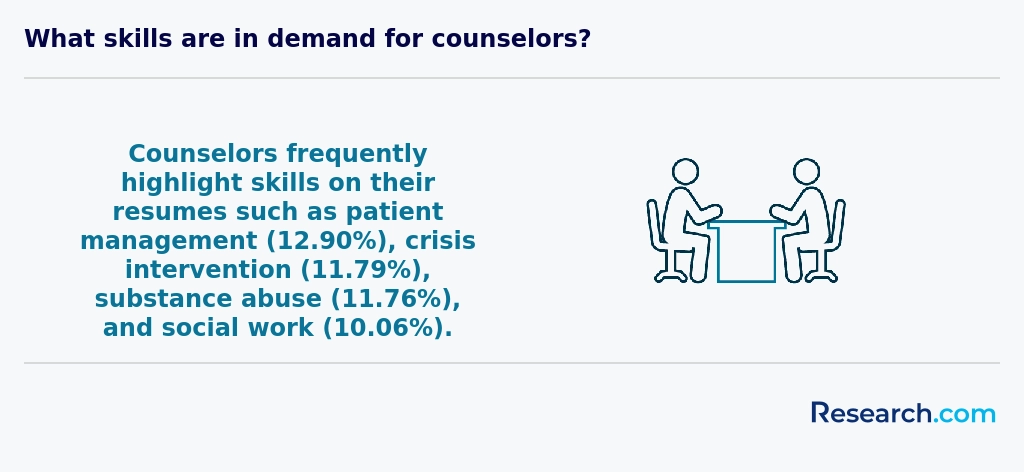
Additionally, developing strong communication and crisis management skills increases employability. Staying updated with continuing education ensures compliance with licensure renewal and improves career prospects in this growing field.
Employers in the U.S. value several key skills in graduates with marriage and family counseling degrees. Strong communication skills are critical, allowing counselors to effectively engage with diverse clients and families. Emotional intelligence and empathy help professionals understand and support clients' complex situations.
Additionally, employers look for graduates skilled in ethical decision-making and confidentiality, essential for maintaining trust. Research by the American Association for Marriage and Family Therapy (AAMFT) highlights that cultural competence is increasingly important, reflecting the nation's diverse population.
Analytical abilities and problem-solving skills enable counselors to develop effective treatment plans. Finally, proficiency with telehealth platforms is becoming essential due to the growth of online counseling services across America.
Finding internships in America relevant to a marriage and family counseling degree often begins with leveraging university resources. Most accredited programs, especially those accredited by the Council for Accreditation of Counseling and Related Educational Programs (CACREP), have established partnerships with local clinics, mental health agencies, and family service organizations.
Students are encouraged to reach out to their program's internship coordinator early, as many placements require background checks and confidentiality training.
The American Association for Marriage and Family Therapy (AAMFT) offers a directory of approved clinical sites, which can be helpful when seeking internships.
According to the U.S. Bureau of Labor Statistics, internships increase job prospects in counseling professions by providing necessary supervised clinical hours.
Online students should also explore telehealth internship opportunities, which have grown significantly since 2020.
An online marriage and family counseling degree in America significantly enhances career mobility by providing flexible learning options that accommodate working professionals. According to the U.S. Bureau of Labor Statistics, employment for marriage and family therapists is projected to grow 14% from 2022 to 2032, faster than the average for all occupations. This growth creates new opportunities for counselors with accredited degrees.
Graduates holding an online degree can access licensure requirements in most states, which are essential for career advancement. Accreditation from bodies like the Council for Accreditation of Counseling & Related Educational Programs (CACREP) improves job prospects and eligibility for clinical roles.
With this degree, professionals may move into specialized therapy, supervisory, or administrative positions, often accompanied by salary increases. For example, the median annual wage for marriage and family therapists was $58,380 in May 2022, per BLS data, with higher salaries found in healthcare facilities and private practice.
Studying for a marriage & family counseling degree in America equips students with knowledge beyond traditional therapy. Programs emphasize interdisciplinary learning by integrating psychology, social work, and human development. This approach prepares graduates to collaborate effectively with professionals in healthcare, education, and social services. According to the American Association for Marriage and Family Therapy (AAMFT), about 60% of licensed counselors work in multidisciplinary settings, highlighting the need for such training.
The curriculum often includes courses on family dynamics, systemic theories, and cultural competency, fostering skills applicable in diverse roles. Online degrees mirror these standards, offering flexibility without sacrificing comprehensive learning.
Choosing between a thesis and a non-thesis online marriage & family counseling degree in America depends largely on your career goals. A thesis program requires conducting original research and writing a formal paper, which can be beneficial if you plan to pursue clinical research or a doctoral degree later. According to the Council for Accreditation of Counseling & Related Educational Programs (CACREP), about 40% of marriage & family counseling programs offer thesis options.
Non-thesis programs focus more on coursework and practical skills, ideal for students targeting licensure or immediate clinical work. The American Counseling Association notes that non-thesis tracks often allow faster completion, appealing to working professionals.
Consider also available faculty mentorship and your personal interest in research when deciding between these paths.
American students interested in studying marriage and family counseling abroad have increasingly diverse options. While degree programs specifically focused on marriage and family therapy are less common internationally, many universities offer related counseling or psychology programs with concentrations in family therapy. The Council for Accreditation of Counseling and Related Educational Programs (CACREP) in the U.S. sets rigorous standards, so students should ensure foreign programs meet similar criteria if they plan to pursue licensure in America.
Popular destinations include the United Kingdom, Australia, and Canada, where universities provide well-regarded clinical counseling programs with online or hybrid formats. These programs often emphasize family systems theory and therapeutic techniques applicable globally.
It is crucial for students to verify accreditation status and understand how credits transfer to U.S. institutions. According to the American Association for Marriage and Family Therapy (AAMFT), over 50% of licensed therapists hold graduate degrees from accredited programs, reflecting the importance of recognized credentials. Studying abroad can broaden cultural perspectives, which is valuable for working with diverse families in the U.S.
Part-time job opportunities in America can effectively complement an online marriage and family counseling degree by providing hands-on experience. Positions such as mental health technician, case manager, or crisis hotline worker allow students to work directly with clients and families, developing essential interpersonal skills. According to the Bureau of Labor Statistics, these roles often require less than a bachelor's degree but provide valuable exposure to counseling environments.
Internships or assistant roles in community mental health centers or social service agencies also offer practical learning aligned with the degree's objectives. These jobs help students understand family dynamics and counseling techniques.
Additionally, part-time roles such as behavioral aides in schools or rehabilitation centers contribute to understanding psychological support in diverse settings, enhancing career readiness in marriage and family counseling.
Online marriage and family counseling degree programs in America often include multiple avenues for professional networking. Many institutions offer virtual events, such as webinars and guest lectures, allowing students to connect with faculty and practitioners across the country.
Students can join specialized groups like the American Association for Marriage and Family Therapy (AAMFT), which provides access to conferences, job boards, and regional chapters. According to AAMFT, nearly 70% of members report that networking through the organization helped advance their careers.
Additionally, practicum and internship placements arranged by programs enable students to build local professional relationships. These real-world experiences paired with online coursework foster valuable connections essential for licensure and employment.
Alumni networks play a crucial role for students pursuing online marriage and family counseling degrees in America. These networks offer valuable professional connections, mentorship opportunities, and access to job openings in a competitive counseling field. According to the American Counseling Association, strong professional networks can increase job placement rates by up to 20% for counseling graduates.
Online students often face challenges in building local connections, making alumni communities even more important. Through virtual events and forums, alumni provide guidance on licensure requirements and continuing education specific to states across the U.S.
Furthermore, alumni groups support ongoing career development by sharing resources and trends related to family therapy, enhancing students' ability to succeed post-graduation.
Customizing an online marriage and family counseling degree in America begins with selecting a program offering flexible electives aligned with your career goals. Many accredited universities allow students to focus on areas such as trauma counseling, child and adolescent therapy, or substance abuse treatment. This specialization helps you develop expertise tailored to populations you wish to serve.
Additionally, look for programs that include practicum or internship placements in settings relevant to your interests. The American Association for Marriage and Family Therapy (AAMFT) reports that clinical experience is pivotal in gaining licensure and employment.
You may also choose programs providing advanced research methods or counseling techniques, enhancing skills valuable for private practice or agency work. Accredited online degrees often comply with state licensing board requirements, ensuring your education supports professional credentialing.
Online marriage and family counseling students in America often face challenges related to clinical training requirements. Many programs mandate in-person internships or practicum hours, which can be difficult to arrange for distant learners, especially in rural areas. According to the Council for Accreditation of Counseling and Related Educational Programs (CACREP), students must complete a minimum of 700 supervised hours, including direct client contact, making logistics complex.
Another hurdle is maintaining work-life-study balance. Students frequently juggle professional responsibilities, personal commitments, and rigorous coursework. A 2022 survey by the American Counseling Association found that 62% of online counseling students experienced significant stress due to such demands.
Technical challenges also impact learning. Reliable internet access and familiarity with digital communication tools are essential for participation in virtual sessions and remote group work, which some students struggle with.
With an online marriage and family counseling degree, graduates can pursue several professional certifications that enhance their career prospects. The most common certification in the field is the Licensed Marriage and Family Therapist (LMFT) credential, regulated at the state level. Requirements typically include a master's degree, supervised clinical hours-usually around 2,000 to 4,000-and passing a licensing exam.
Other certifications include the Certified Marriage and Family Therapist credential offered by the American Association for Marriage and Family Therapy (AAMFT). According to the U.S. Bureau of Labor Statistics, the demand for therapists is expected to grow 23% from 2021 to 2031, making these credentials valuable for job security.
Some professionals may also choose related licenses, such as Licensed Professional Counselor (LPC), depending on state regulations and career goals.
When applying to an online marriage and family counseling program in America, clarity and professionalism are key. Start with a well-structured personal statement that highlights your passion for counseling, relevant experience, and career goals. According to the American Association for Marriage and Family Therapy (AAMFT), programs seek candidates who demonstrate empathy, strong communication skills, and a commitment to ethical practice.
Include any volunteer or work experience with families or mental health services to showcase practical readiness. Emphasize your ability to manage online learning effectively, as many programs require self-discipline and time management.
Lastly, ensure all application materials meet specific school requirements and deadlines. Following instructions precisely reflects professionalism and attention to detail, traits valued in this field.
Globally, marriage and family counseling is recognized as a vital profession that supports individuals and families through emotional and relational challenges. In the United States, this field is especially structured, requiring specialized education and licensure. According to the American Association for Marriage and Family Therapy (AAMFT), around 50,000 licensed marriage and family therapists currently practice nationwide, reflecting strong demand. The U.S. emphasizes graduate degrees that include clinical training and supervised internships, often available through online programs. While other countries have varied approaches and credentials for family counseling, the U.S. system is notable for its clear licensing path and professional standards.
Gaining practical experience while studying for an online marriage and family counseling degree in America is essential for licensure and employment. Most accredited programs include clinical internships or practicum requirements, typically ranging from 300 to 600 hours, to provide real-world counseling exposure.
Students often complete these hours at local counseling centers, hospitals, or private practices, chosen in collaboration with program advisors. The American Association for Marriage and Family Therapy (AAMFT) reports that supervised clinical training is a core component of all accredited degree programs.
Furthermore, some programs offer virtual role-playing exercises or simulations to supplement in-person hours. Connecting with licensed supervisors for feedback during internships increases practical skills and prepares students for state licensure exams, which generally require post-graduate supervised hours as well.
Choosing the right concentration within an online marriage and family counseling degree program in America depends on your career goals and interests. Common concentrations include clinical practice, substance abuse counseling, or child and adolescent therapy. Each track offers specialized skills to meet diverse client needs.
Accreditation is crucial: programs accredited by the Commission on Accreditation for Marriage and Family Therapy Education (COAMFTE) ensure quality and often meet state licensure requirements. According to the American Association for Marriage and Family Therapy (AAMFT), states require between 3,000 and 4,000 supervised clinical hours for licensure, so consider tracks aligned with these standards.
Research program flexibility and online resources, as these support balancing study with work or personal life.
Top Trending Marriage & Family Counseling Rankings
References
- Best Online Marriage & Family Therapy (MFT) ... https://www.onlinemastersdegrees.org/best-programs/counseling/marriage-and-family-therapy-mft/
- NYMFTN | New York Marriage and Family Therapist Network https://www.nymftherapistnetwork.org/
- Master's in Marriage and Family Therapy: What Are We Fit For? https://ftm.aamft.org/masters-in-marriage-and-family-therapy-what-are-we-fit-for/
- Best Online Master's In Marriage & Family Counseling https://www.psychology.org/rankings/best-masters-programs-in-family-counseling/
- Online MFT Programs - Flexible Options for Students https://onlinecounselingprograms.com/online-counseling-degrees/online-mft-masters-programs/
- The Marriage and Family Therapy Practice Research ... https://ejmh.semmelweis.hu/index.php/ejmh/article/view/301
- American Association of Marriage and Family Therapists https://www.aamft.org/
- Building Connections for Career Success & Client Care https://www.mentalyc.com/blog/networking-for-therapists
- Student Volunteers | Get Involved Today – Gain Experience https://www.iamft.org/student-volunteers
- Become a Marriage and Family Therapist (MFT) - State ... https://www.counselingschools.com/careers/marriage-and-family-therapy


