2027 Most Valuable Online Master's in Human Resources Degree Programs Ranking in Texas

Co-Founder and Chief Data Scientist
Choosing the right master's degree in human resources can shape your future career and unlock new opportunities. If you're in Texas and considering advancing your education, this article is designed for you.
We present the 2027 Most Valuable Online Master's in Human Resources Degree Programs Ranking in Texas, developed by the Research.com team of data scientists. This ranking helps you identify programs that offer great value and quality.
Explore the benefits of investing in your education, gain confidence in your decision, and take a meaningful step toward your professional growth.
Key benefits of getting online human resources degree in Texas
- Earning an online human resources degree in Texas can lead to strong salaries, with roles like Human Resources Manager and Talent Acquisition Manager averaging around $154,740 annually, offering financial stability and growth.
- Graduates from Texas universities often find diverse career paths available, including Compensation and Benefits Manager and Workforce Planning Analyst, providing exciting opportunities to specialize and advance.
- Completing a degree online offers flexibility for busy Texans, allowing students to balance work and study while gaining the same respected credentials as traditional programs, enhancing career prospects with convenience.
- 2027 Most Valuable Online Master's in Human Resources Degree Programs Ranking in Texas
- What can I expect from online human resources degree in Texas?
- Where can I work with online human resources degree in Texas?
What can I expect from online human resources degree in Texas?
Exploring the cost of an online human resources degree in Texas reveals a surprisingly affordable adventure compared to many on-campus programs. Graduates from popular Texas universities often share that tuition varies widely, with public institutions typically offering more budget-friendly options. Many find themselves pleasantly surprised by rates that can range from around $8,000 to $20,000 for the entire degree, depending on the school and program format.
One graduate from a well-known Texas public university recalls how financial aid and scholarships made pursuing an HR degree practical, without the burden of exorbitant student debt. Private universities, while sometimes pricier, still offer competitive rates when considering the convenience of online course delivery-meaning no relocation or commuting costs.
For those balancing careers, the reduced facility fees and flexible class schedules open the door to continuing education without sacrificing income or family time. This mix of affordability and accessibility encourages many Texas students to embark on their HR education journey with enthusiasm and confidence.
Where can I work with online human resources degree in Texas?
Graduates with an online human resources degree from popular Texas universities quickly discover a diverse playground of career opportunities. Imagine landing in Houston's bustling business scene, supporting recruitment teams at major firms, or thriving within the Texas Medical Center's vast healthcare network-each day offers new challenges and growth. Many find excitement in Austin's thriving tech world, where innovative startups seek HR pros to nurture company culture and boost talent retention through creative strategies.
Others embark on journeys within government agencies, navigating state and local HR operations that impact thousands of employees. Picture yourself at the Texas Workforce Commission, using your skills for labor market insights and workforce development that shape Texas' future. Payroll firms and staffing agencies also attract grads eager to dive into compensation strategies and employee training, painting a vivid career canvas filled with real-world impact and stability.
Texas HR grads from top schools embrace roles like recruiter, benefits coordinator, and training manager, all while building rewarding careers aligned with the state's dynamic industries-making every workday an adventure.
Imagine graduating from a Texas university-like Texas A&M or the University of Texas at Austin-with your online human resources degree and stepping into the vibrant job market. Fresh graduates often start near $50,000 to $60,000 annually, sometimes as a Workforce Planning Analyst where the mean annual wage is about $95,600. For those aiming higher, opportunities expand quickly.
Take the role of a Human Resources Manager, a common goal for grads eager to lead. According to the latest data, this position brings a mean annual salary of $154,740 in Texas. Compensation and Benefits Managers also earn impressive figures around $150,940, while Talent Acquisition and Employee Engagement Managers share the top-tier mean wage of $154,740.
Graduates often share the excitement of advancing their careers through certifications like SHRM-CP and the boost gained from industry connections in Dallas or Houston, where larger corporations offer even stronger salary incentives. The thrill of growing both professionally and financially here makes earning your degree in-state feel like unlocking a treasure chest of promising possibilities.
- The cost of an online human resources degree in Texas ranges from $15,000 to $30,000, with public universities typically offering lower tuition for residents.
- Starting salaries for HR graduates in Texas are about $50,000 to $55,000 per year, increasing to $75,000 to $85,000 with experience.
- The Texas job market for HR professionals is strong, supported by sectors like technology, healthcare, energy, and manufacturing.
- HR specialist jobs in Texas are expected to grow around 9% nationally through 2031.
- Online programs include courses in labor law, organizational behavior, recruitment, and employee development.
- Flexible study options such as part-time and accelerated tracks help working professionals balance education and career.
On the fast track, some master's students from institutions such as Texas Tech University savor the thrill of completing their degrees in just 12 to 18 months through accelerated programs. These ambitious learners appreciate flexible scheduling and asynchronous classes that fit their busy lives. Across all levels, students celebrate the blend of structured guidance and adaptable pacing, making the Texas online HR journey full of confidence and excitement.
Choosing between an online and on-campus human resources degree in Texas feels like embarking on two distinct adventures. Imagine a graduate from a bustling campus at the University of Texas at Austin, thriving in face-to-face discussions and networking events that spark lasting connections. The energy of scheduled classes and instant feedback creates a dynamic learning atmosphere, rich with real-time interaction and access to career services right on campus.
Now, picture a working professional enrolled remotely through Texas Woman's University's online program, balancing family life and a job while diving into video lectures and participating in virtual group projects. This flexibility opens doors for those in rural Texas or with busy schedules, turning any room into a classroom. Although the tuition might be similar, the online journey often saves commute time and housing costs, allowing a different kind of freedom.
Both paths share rigorous curricula aligned with SHRM standards, but the experience-the rhythm of learning, the connections made, and the day-to-day reality-paints contrasting yet equally rewarding pictures in the heart of Texas.
When evaluating the cost of an online Human Resources degree, Texas stands out with a median total in‐state tuition of approximately $9,522, making it one of the more budget-friendly options in the South. By contrast, neighboring states like Louisiana and Arkansas report average in-state online HR master’s tuition ranging from $12,000 to $15,000, while Florida and Georgia average closer to $14,500. These differences underscore the importance of comparing regional pricing, especially for students mindful of long-term return on investment. Beyond raw tuition figures, ancillary fees-such as technology, library, and student service fees-can add $1,000 to $2,000 annually depending on the institution. Texas universities often bundle these costs into comprehensive flat-rate fees, simplifying financial planning. In other southern states, itemized fee structures may lead to unexpected expenses each semester. Prospective students should request detailed cost breakdowns and explore institutional fee waivers for online learners. For those seeking even more affordable alternatives across the broader region, consider our Cheapest Online Human Resources Degree Programs Ranking in the South, which highlights low-cost accredited programs that deliver quality curriculum without compromising on support services or accreditation standards.
The average cost of an online human resources degree in Texas often surprises students exploring their options. Based on median tuition data, in-state students typically pay around $12,985 for the entire program, making it a financially accessible choice for many locals. Out-of-state learners, on the other hand, might expect to pay closer to $27,709, reflecting a wider range that fits various budgets and lifestyles. Such pricing fits well within what graduates from popular Texas universities frequently describe as a manageable investment in their future careers.
Graduates from schools like Texas A&M University-Commerce and the University of North Texas often share stories of balancing work, life, and studies without draining their savings, thanks to transparent tuition models and financial aid options. These programs tend to embrace the idea that quality education should not intimidate with exorbitant costs, which makes the average cost of online human resources degree in Texas feel more like an exciting milestone than a daunting burden.
When diving into tuition and fees for Texas online HR master's programs, many find that the overall pricing aligns perfectly with the value received. Beyond tuition, additional expenses might include textbooks and certification fees, yet many students report that the flexible financial structures make these manageable. Curious students often compare the investment to the potential rewards, noting that the career boost can be substantial compared to the initial tuition outlay.
Those weighing their options sometimes explore the average cost of online MBA programs as a benchmark, discovering that a human resources degree in Texas offers competitive pricing with promising earning potential. This alignment of cost and career opportunity helps keep motivation high as students embark on their educational adventure.
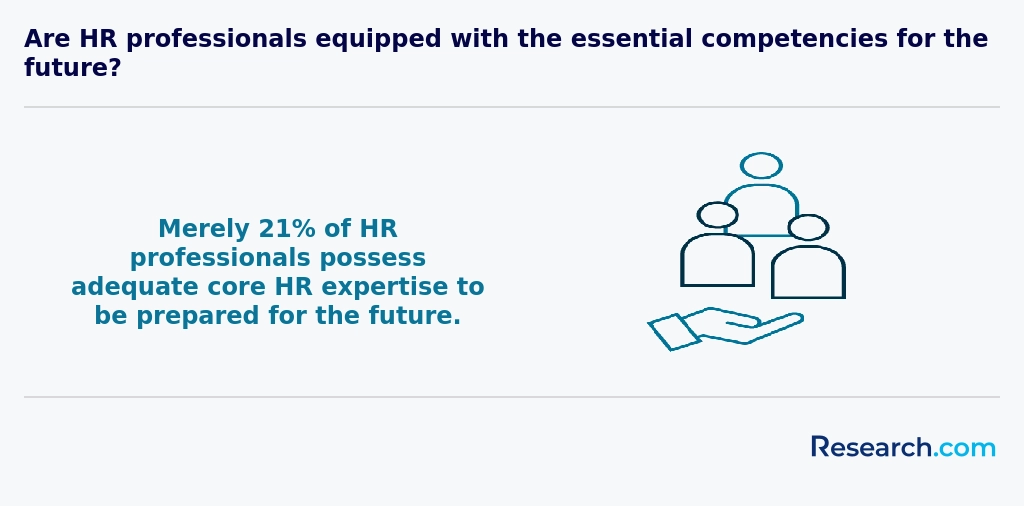
Financing an online human resources degree in Texas opens doors to many exciting opportunities through diverse financial aid options. Imagine a graduate from a well-known Texas university discovering that federal aid programs like Direct Unsubsidized Loans and Grad PLUS Loans provide a practical way to manage tuition ranging from $12,000 to $30,000. These loans bridge the gap between ambition and affordability, making advanced degrees more accessible.
At the same time, state-specific grants such as the Texas Public Education Grant (TPEG) mainly target undergraduates, yet scholarships through local institutions often soften the financial load for online graduate students. Picture a student at a popular Texas college who secures an institutional scholarship based on merit, transforming their educational journey.
The adventure deepens with professional organizations like the Society for Human Resource Management (SHRM) offering scholarships tailored for future HR leaders. Additionally, employer tuition reimbursement programs within Texas corporations fuel the dreams of those balancing work and study. Veterans too can tap into GI Bill benefits, making higher education a rewarding reality.
In today’s rapidly evolving workplace, staying ahead means preparing for emerging trends that are reshaping the human resources landscape. Innovative technologies like artificial intelligence, data analytics, and automation are driving significant changes in how HR functions-from talent acquisition and performance management to employee engagement and training programs. Savvy HR professionals are cultivating skills in digital literacy and strategic thinking to turn these challenges into opportunities for organizational growth. Key trends to watch include: • AI and Predictive Analytics: Leveraging technology to predict workforce trends, optimize recruitment strategies, and personalize employee experiences. • Remote Collaboration and Digital Communication: Mastering virtual platforms and maintaining robust team dynamics in increasingly distributed work environments. • Continuous Learning and Upskilling: Investing in ongoing professional development to stay current with emerging HR technologies and best practices. • Strategic Employee Engagement: Fostering inclusive work cultures that are adaptive to change and driven by data-informed decision making. Prospective students can find that many affordable human resources programs in texas now incorporate these forward-thinking elements into their curricula. By embracing these trends early, graduates position themselves as valuable assets poised to lead in a dynamic and tech-driven HR industry.
Diving into an online human resources degree in Texas means gearing up with some core prerequisites that pave the way for your HR adventure. Most popular Texas universities offering these programs, like those in Austin or Dallas, expect you to hold a bachelor's degree, often welcoming backgrounds in business or social sciences-but don't be discouraged if your degree is different. Graduates recall starting with diverse undergrad majors and still flourishing by showing genuine passion for people and management.
You'll likely need a solid GPA around 2.5 to 3.0, which reflects your readiness for graduate-level challenges. Imagine submitting your transcripts and seeing your prior dedication rewarded as you step into classes focused on organizational success!
Professional experience in HR or related areas, whether internships or volunteer work, often brightens your application. One graduate mentioned how their part-time role managing team schedules became a key talking point during admission, turning a small job into a stepping stone.
Texas schools also highlight the importance of tech readiness-imagine logging in from your home with reliable internet and a computer, engaging fully in lively online discussions and group projects, all from your own space.
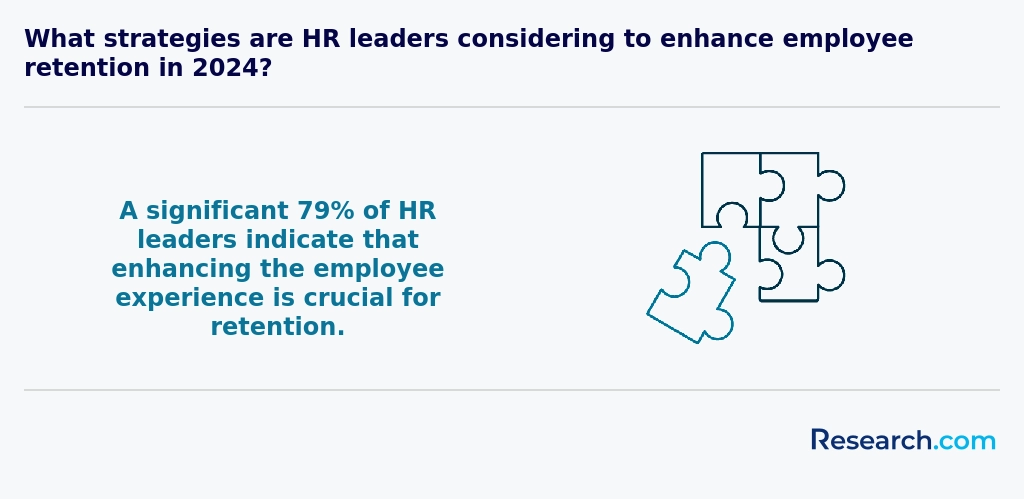
Diving into an online human resources degree in Texas means exploring courses that truly bring the workplace to life. Graduates from top Texas universities often share how classes like Organizational Behavior helped them understand the intricate dance of teamwork and leadership, turning abstract theories into everyday office dynamics.
Imagine learning about Training and Development while designing real skill-building workshops-right from your laptop-just like many students at well-known Texas colleges experience. The practical edge of Compensation and Benefits courses lets you unravel salary structures and craft attractive employee reward packages, a skill cherished in Texas's booming job market.
Other courses like Labor Relations and Negotiations prepare you for those crucial moments of conflict resolution, echoing the real challenges faced by Texas HR pros in energy or healthcare sectors. You'll also explore HR Technology and Data Analytics, equipping you to harness modern tools that shape today's workforce.
And at the heart of it all is Diversity, Equity, and Inclusion (DEI), a vital course that opens your eyes to cultivating inclusive environments-something every Texan HR student finds genuinely inspiring.

Talent Acquisition and Recruitment sharpened their ability to spot the perfect candidate amidst Texas's booming energy and tech sectors. They speak enthusiastically about problem-solving real hiring challenges faced by local businesses.
Others find their passion in Employee Relations and Labor Relations, where they learn to navigate complex workplace dynamics-skills vital in Texas's diverse work environments. Imagine using these skills to help a company smoothly manage labor negotiations, creating a positive and harmonious culture.
Many who choose Compensation and Benefits Management relish the challenge of designing competitive pay systems, especially given Texas's trend toward above-average compensation. These graduates often remark on the rewarding feeling of crafting benefits packages that genuinely motivate employees.
Emerging areas like Organizational Development and Training or HR Information Systems (HRIS) excite students ready to blend technology with strategic leadership. Those venturing down these paths at Texas universities enjoy a dynamic learning experience that keeps them on the cutting edge of HR innovation.
With so many exciting options, students eager to tailor their human resources degree focus areas Texas offers can unlock truly personalized journeys. For a closer look at specialized business degrees, also check out the best online MBA for accounting, which shares a spirit of focused professional growth.
Choosing the best online human resources degree Texas means diving into programs that truly match your career dreams and lifestyle. Graduates from popular Texas colleges often share how discovering schools with HLC accreditation gave them confidence in their education quality. Picture yourself exploring courses that cover talent management and labor law, just like many students do when seeking affordable human resources master's programs Texas offers. These programs often blend current trends like HR analytics and diversity initiatives, which helped alumni feel ready for real-world HR challenges.
Many students highlight the importance of technology and support services. Imagine logging into a reliable virtual platform with access to advisors and career help, connecting you with Texas HR organizations for mentorships or internships. Flexibility also matters-graduates juggling jobs praise asynchronous classes for keeping their work-life balance intact. For those aiming higher, looking into an accredited online executive MBA can be an inspiring next step, blending leadership skills with HR expertise.

Exploring human resources careers in Texas reveals an exciting array of paths for graduates holding an online HR degree. From Houston to Austin, these graduates often step into roles like Human Resources Specialist, where they thrive managing recruitment and employee relations in dynamic industries such as energy and technology. Others find themselves drawn to positions like Recruitment Coordinator or Employee Relations Manager, making real impacts by shaping hiring strategies or resolving workplace challenges. Many graduates from popular Texas universities describe the adventure of becoming Training and Development Managers, designing innovative programs that energize employees and boost performance. With Texas's bustling economy, it's common to see graduates embracing roles as Compensation and Benefits Analysts, crafting competitive pay structures that help companies attract top talent.
Graduates pursuing an online HR degree job opportunities Texas offers find strong support from their alma maters, which blend practical learning with flexibility. For those who want to deepen their expertise, consider an online business degree with specialization in HR, opening doors to senior roles like HR director within Texas's growing companies.

The job market for online human resources jobs in Texas is bursting with opportunity. Graduates from popular universities in Houston or Austin often share stories of quickly landing roles in dynamic companies where their skills in talent management and compliance become immediately valuable. These professionals feel energized navigating the diverse Texas economy, which thrives on sectors like energy, healthcare, and finance.
Many graduates appreciate how their programs emphasize practical skills and certifications, equipping them to handle real-world challenges such as benefits coordination and employee training. In cities like Dallas and San Antonio, the demand for savvy HR professionals continues to surge, fueled by population growth and the expansion of specialized industries. This creates a vibrant playground for career adventurers eager to make their mark.
Those exploring this path often find the average salaries attractive, with specialists earning about $67,000 and managers well above $120,000. Texas schools also offer competitive tuition rates for online students, inviting many to start their journey without overwhelming debt. If you want a taste of related career options, check here for a different field that might spark your interest.
The Texas job market for HR graduates rewards adaptability too, encouraging professionals to embrace new tech tools and progressive diversity initiatives to stay ahead in the game.
2027 Most Valuable Online Master's in Human Resources Degree Programs Ranking in Texas
Investing in one's education is a significant decision that can greatly impact career paths, and the Research.com team recognizes the importance of providing reliable information to support this choice. To guide prospective students in Texas, we have carefully developed the "2027 Most Valuable Online Master's in Human Resources Degree Programs Ranking in Texas." Our dedication to quality, credibility, and accuracy is evident in the thorough research and analysis behind this ranking.
We utilized the following reputable data sources to ensure a comprehensive evaluation of programs:
By reviewing this ranking, readers will gain valuable insights into top online master's programs in human resources in Texas, enabling them to make informed decisions aligned with their educational and professional goals. For more information on our approach, please visit our Research.com methodology page.


Frequently Asked Questions About human resources
Online human resources degree students in Texas can maximize their learning by actively engaging with their program's virtual resources and community. Many Texas universities provide access to digital libraries, career services, and networking platforms tailored to HR professionals. Participating in online discussions and group projects helps develop practical skills and professional connections.
Students should also seek internships or part-time HR roles within Texas companies to gain local industry experience. According to the Texas Workforce Commission, the demand for HR specialists in Texas is expected to grow by 7% through 2030, highlighting ample job opportunities for practical learning.
Regularly attending webinars and joining Texas-based HR professional organizations, such as SHRM Texas, further enriches knowledge and industry insights.
The human resources (HR) field continues to evolve, creating new specialized areas that online HR degrees in Texas now address. Emerging niches include diversity, equity, and inclusion (DEI) management, which has gained importance as Texas companies aim to create more inclusive workplaces. According to the U.S. Bureau of Labor Statistics, HR specialists with DEI expertise are seeing faster employment growth than traditional roles.
Another growing area is HR analytics. Professionals trained to analyze workforce data help Texas organizations improve hiring, retention, and employee engagement. The Texas Workforce Commission highlights increased demand for data-literate HR practitioners.
Additionally, remote workforce management has become critical. Texas employers often seek HR experts capable of handling virtual team dynamics and legal compliance.
After completing an online human resources degree in Texas, it is essential to build a strong professional profile to compete in the job market. Start by obtaining certifications like the SHRM-CP or PHR, which are highly valued in Texas's growing HR sector. According to the Texas Workforce Commission, HR jobs are expected to grow 10% through 2030.
Networking plays a crucial role-join local HR organizations such as the Texas Association of Employers. Internships and part-time roles can provide practical experience.
Finally, tailor your resume to highlight skills in labor laws, recruitment, and diversity management relevant to Texas businesses.
Employers in Texas prioritize strong communication skills in human resources graduates, as effective interaction with diverse teams is essential. According to the Texas Workforce Commission, interpersonal skills rank among the top qualities sought in HR roles across the state.
Additionally, knowledge of employment law and compliance is critical due to Texas's complex regulatory environment. Graduates familiar with federal and state HR policies are favored for their ability to navigate legal requirements.
Technical proficiency, especially with HR information systems like ADP or Workday, is increasingly important. About 60% of Texas employers prefer candidates comfortable with digital HR tools, improving efficiency and data management.
Finally, problem-solving and conflict resolution skills are highly valued to manage workplace issues effectively.
Finding internships in Texas relevant to a human resources degree involves proactive research and networking. Start by exploring university career centers, which often partner with local businesses and HR organizations to offer internship listings specifically for students.
Many Texas companies in industries like healthcare, technology, and energy actively seek HR interns due to the state's growing job market. According to the Texas Workforce Commission, HR-related roles are expected to grow by 10% by 2030, highlighting the importance of practical experience.
Additionally, students should join professional associations such as the Society for Human Resource Management (SHRM) - Texas chapters provide internship announcements and valuable connections. Online platforms such as Handshake also list remote and local internship opportunities tailored to Texas students.
Ultimately, leveraging university resources, statewide HR networks, and online job portals offers a structured pathway to secure relevant internships in Texas.
Obtaining an online human resources degree in Texas significantly enhances career mobility for professionals seeking advancement. The Texas workforce demands skilled HR practitioners who understand both local labor laws and modern management practices. According to the Texas Workforce Commission, HR specialist roles in the state are projected to grow by 13% from 2022 to 2032, outpacing many other fields.
Online programs offer flexibility, allowing working professionals to gain credentials without disrupting their careers. This accessibility supports continuous learning, a key factor in promotional opportunities within Texas companies.
Additionally, many Texas employers prefer candidates with accredited degrees, which increase eligibility for leadership roles such as HR manager or director. Certifications earned alongside degrees further improve career advancement prospects. Overall, an online human resources degree equips students with relevant skills to navigate Texas's competitive job market effectively.
Studying for a human resources degree in Texas equips students with skills that extend beyond traditional HR functions, preparing them for interdisciplinary roles. Online programs in Texas often integrate coursework in business management, employment law, organizational psychology, and data analytics. This broad approach reflects the evolving nature of HR work, requiring collaboration across departments such as finance, marketing, and operations.
Texas Workforce Commission reports that HR professionals increasingly engage in strategic planning and compliance tasks, requiring knowledge from multiple fields. Many programs emphasize communication and leadership skills, which are vital for navigating diverse teams and cross-functional projects.
By combining theory with practical applications, online HR degrees in Texas develop adaptable professionals ready for varied workplace challenges.
When choosing between a thesis and a non-thesis online human resources degree in Texas, consider your career goals and learning style. A thesis program emphasizes research, requiring a detailed project that can help those aiming for academic roles or research positions in HR.
Non-thesis programs focus more on practical skills through coursework, which suits professionals seeking leadership or managerial roles without heavy research demands.
Texas has a growing HR job market, with the Texas Workforce Commission projecting a 7% growth by 2030. This makes practical HR skills highly valuable. According to the Bureau of Labor Statistics, Texas boasts one of the largest HR employment sectors in the US.
Cost and program length also matter-thesis tracks may take longer and require more faculty interaction. Review program details carefully to ensure alignment with your professional aspirations.
Students based in Texas seeking to study human resources abroad through online degrees have several options to consider. While Texas institutions primarily offer accredited online HR programs within the state, some also provide partnerships with international universities, facilitating global perspectives without leaving home.
Currently, U.S. Department of Education regulations require that online degrees be awarded by accredited American institutions, which limits direct foreign degree options for Texas students. However, programs often include globally relevant HR content and may offer study-abroad opportunities or virtual exchanges with international peers.
According to the Texas Workforce Commission, human resources remains a growing field with a projected 12% growth rate through 2030, increasing the appeal of programs with a global business outlook. Students should verify accreditation and the transferability of credits when exploring international partnerships.
Part-time job opportunities in Texas that complement human resources degree education include HR assistant roles, recruiting coordinator positions, and payroll clerk jobs. These roles provide practical experience in employee relations, recruitment processes, and compensation management, which align well with academic learning.
Texas has a growing HR job market, with the Texas Workforce Commission reporting that HR specialists held over 30,000 jobs statewide in 2023. Entry-level part-time positions often require strong organizational and communication skills, making them ideal for students balancing work and studies.
Additionally, internships with Texas-based companies or nonprofits can offer hands-on HR exposure. Networking through these jobs can enhance career prospects after graduation.
Online human resources students in Texas have several networking opportunities despite the distance learning format. Many Texas universities offering online HR degrees provide virtual career fairs and alumni networking events, which connect students with local HR professionals and employers.
Statewide organizations such as the Texas Association of Personnel Consultants (TAPC) and the Houston Human Resource Management Association (HRMA) offer membership and events, enabling students to build professional relationships. According to the Texas Workforce Commission, the state employed over 60,000 HR specialists in 2023, highlighting a robust local professional community.
Additionally, LinkedIn groups and online forums focused on Texas HR practices serve as valuable platforms for students to collaborate and share opportunities. These networking options help online learners develop connections essential for career advancement.
Alumni networks play a crucial role for students enrolled in online human resources degree programs in Texas. These networks connect current students with graduates who have industry experience, fostering mentorship and career guidance. According to the Texas Workforce Commission, Texas employs over 70,000 human resources specialists, making professional connections vital for job placement.
Engaging with alumni can provide insights into local job markets and help students navigate Texas-specific HR regulations and practices. Networks often share internship opportunities and exclusive job listings, which can enhance career prospects.
Additionally, alumni events and online communities promote continuous learning and professional development, which are essential in a field that rapidly evolves due to changing labor laws and workplace standards.
Customizing an online human resources degree program in Texas allows students to align their education with specific career goals. Many Texas universities offer electives in labor relations, talent management, or organizational development, enabling focused study areas. Some programs provide certificates or specializations such as diversity and inclusion or HR analytics, which are in demand by Texas employers.
Texas has a strong labor market for HR professionals, with over 70,000 employed as of 2023, according to the U.S. Bureau of Labor Statistics. Choosing courses related to Texas labor laws can be especially valuable for local careers. Additionally, students can often tailor their capstone projects or internships to Texas-based companies, gaining practical regional experience.
Online human resources students in Texas often face challenges related to balancing work, family, and study commitments. Many learners are working professionals who must manage job responsibilities alongside rigorous coursework. Connectivity issues can also pose problems, especially in rural areas where high-speed internet access is less reliable. Time management is critical, as asynchronous courses require self-discipline without regular in-person oversight.
Students may encounter difficulties in accessing practical HR experiences, which are essential for mastering skills required in Texas' diverse workforce. According to the Texas Workforce Commission, HR roles in the state demand both technical knowledge and interpersonal skills that benefit from real-world exposure.
Networking is another hurdle; online programs sometimes limit direct interaction with peers and faculty, reducing opportunities for mentorship and professional connections within Texas' competitive market.
Graduates with an online human resources degree in Texas can pursue several respected professional certifications to advance their careers. One of the most recognized is the Professional in Human Resources (PHR), offered by the HR Certification Institute (HRCI). This certification validates foundational HR knowledge and skills.
Another valuable credential is the SHRM Certified Professional (SHRM-CP), provided by the Society for Human Resource Management. It emphasizes practical HR competencies and strategic management.
These certifications often require candidates to have a degree and a certain amount of professional experience. Texas employers increasingly value these credentials to ensure HR staff meet industry standards.
According to the Texas Workforce Commission, HR roles in Texas are projected to grow by 10% by 2030, highlighting the importance of certification for career growth.
Applying for an online human resources degree in Texas requires clarity and precision. Begin by thoroughly researching accredited Texas universities offering HR programs, as regional accreditation ensures quality education recognized by employers. Highlight your professional and academic background, emphasizing any relevant workplace experience or certifications such as SHRM-CP, which bolsters your application.
Texas employers increasingly value applicants with knowledge in labor laws and diversity management. Demonstrate your understanding of these through your personal statement or essays, linking them to your career goals. Include up-to-date transcripts and strong letters of recommendation from supervisors or professors familiar with your skills.
Meeting application deadlines and submitting all required documents carefully increases your chances. According to the Texas Workforce Commission, HR roles in Texas grow faster than the national average, making a focused and well-prepared application critical to entering this expanding field.
Human resources (HR) careers are increasingly influenced by global trends while remaining grounded in local practices. In the United States, including Texas, HR professionals must understand international labor laws, cultural differences, and global workforce diversity to support multinational companies effectively.
According to the U.S. Bureau of Labor Statistics, the demand for HR specialists is projected to grow 7% from 2021 to 2031. Texas plays a significant role with its large and diverse workforce, making global HR perspectives essential for success.
Online HR degrees in Texas prepare students to navigate these global dynamics, combining U.S. labor regulations with international best practices for a comprehensive education.
Gaining practical experience while pursuing an online human resources degree in Texas is essential for career readiness. Many Texas universities encourage students to engage in internships or cooperative education programs, which provide hands-on learning within local businesses or HR departments.
Additionally, joining professional organizations like the Texas Chapter of the Society for Human Resource Management (SHRM) offers networking opportunities and access to workshops or volunteer positions. According to the Texas Workforce Commission, HR roles in the state are growing steadily, making relevant experience increasingly valuable.
Virtual internships and project-based courses are also common in online programs, ensuring students can apply theory to practice despite distance learning.
Choosing the right concentration within an online human resources degree program in Texas begins with understanding your career goals. Common concentrations include talent management, employee relations, labor law, and organizational development. Each focuses on different aspects of HR practice, so consider which aligns with your interests and the local job market.
Texas's robust economy supports many HR roles, especially in healthcare, technology, and energy sectors. According to the U.S. Bureau of Labor Statistics, HR employment in Texas is projected to grow by 9% through 2031, faster than the national average.
Research programs that offer relevant coursework and internships tailored to Texas industries. Additionally, check if the concentration prepares you for certifications like SHRM-CP, valued by Texas employers.
- 2027 Most Valuable Online Master's in Human Resources Degree Programs Ranking in Kansas
- 2027 Most Valuable Online Master's in Human Resources Degree Programs Ranking in Colorado
- 2027 Most Valuable Online Master's in Human Resources Degree Programs Ranking in Florida
- 2027 Most Valuable Online Master's in Human Resources Degree Programs Ranking in Illinois
- 2027 Most Valuable Online Master's in Human Resources Degree Programs Ranking in Minnesota
- 2027 Most Valuable Online Master's in Human Resources Degree Programs Ranking in Wisconsin
- 2027 Most Valuable Online Master's in Human Resources Degree Programs Ranking in Pennsylvania
- 2027 Most Valuable Online Master's in Human Resources Degree Programs Ranking in New York
- 2027 Most Valuable Online Master's in Human Resources Degree Programs Ranking in Massachusetts
- 2027 Most Valuable Online Master's in Human Resources Degree Programs Ranking in California
See What Experts Have To Say About Studying Human Resources
Read our interview with Human Resources experts


Rick Hackett
Human Resources Expert
Professor, Human Resources & Management
McMaster University

Thomas Kochan
Human Resources Expert
Professor of Management
Massachusetts Institute of Technology

- HR's Guide to Effective Career Development https://orangehrm.com/resources/learn-in-depth/hr-guide-to-effective-career-development
- What to do after a Bachelor's degree in HR https://www.ipag.edu/en/blog/what-do-after-bachelors-degree-hr
- Human Resource Development in Education Non-Thesis Master's Program https://eds.metu.edu.tr/en/human-resource-development-education-non-thesis-masters-program
- 7 Best Human Resources Courses for Beginners in 2026 ... https://coursecareers.com/blog-posts/7-best-human-resources-courses
- How to Become an HR Intern Without Experience - HR University https://hr.university/career/hr-intern/how-to-become-an-hr-intern/
- A Guide to the Human Resources Career Path https://www.galwaybusinessschool.ie/blog/a-guide-to-the-human-resources-career-path/
- What skills and competencies do you need for a career in HR? https://targetjobs.co.uk/careers-advice/hr-and-recruitment/what-skills-and-competencies-do-you-need-career-hr
- HR Training Seminars In Texas https://hrcertification.com/hr-training-seminars-in-texas.asp
- Unlocking Career Opportunities: How a Degree in Human Resources Can Propel Your Professional Journey https://www.euroeducation.net/articles/unlocking-career-opportunities-how-a-degree-in-human-resources-can-propel-your-professional-journey.htm
- Navigating Your Options: Which HR Career Path Is Right for You? https://online.law.tulane.edu/blog/finding-your-hr-career-path