2027 Most Valuable Online Master's in Human Resources Degree Programs Ranking in Kansas

Co-Founder and Chief Data Scientist
If you're considering advancing your career in human resources, this article is here to guide you. It introduces the 2027 Most Valuable Online Master's in Human Resources Degree Programs Ranking in Kansas, crafted by the Research.com team of data scientists. This ranking helps you navigate the best options available, focusing on programs that truly deliver value.
Exploring these programs can open doors to new opportunities and professional growth. Whether you're balancing work or personal commitments, finding the right online degree can make all the difference. Let this ranking support your journey toward a rewarding future in human resources.
Key benefits of getting online human resources degree in Kansas
- Graduates with a human resources degree in Kansas can expect strong salaries, such as Human Resources Managers earning around $154,740 annually and Workforce Planning Analysts earning about $95,600 annually, offering financial stability and career growth.
- Potential career paths include roles like Compensation and Benefits Manager and Talent Acquisition Manager, with opportunities for advancement in many industries throughout Kansas, providing diverse and rewarding job options.
- Online degrees offer flexibility for busy Kansans, allowing students to balance work and study while accessing quality education from local universities, often leading to quicker graduation and real-world experience simultaneously.
- 2027 Most Valuable Online Master's in Human Resources Degree Programs Ranking in Kansas
- What can I expect from online human resources degree in Kansas?
- Where can I work with online human resources degree in Kansas?
What can I expect from online human resources degree in Kansas?
The average cost of an online human resources degree in Kansas typically ranges from $20,000 to $35,000 for a bachelor's program, depending on the institution and format. Public universities such as the University of Kansas and Kansas State University offer competitive tuition rates that many graduates found manageable, especially when factoring in financial aid and scholarships tailored for in-state students.
Graduates from these programs often highlight the affordability compared to traditional on-campus degrees, paired with the flexibility to balance work and study. For example, those pursuing a Bachelor's in Human Resource Management online appreciated engaging in real-world case studies and HR analytics projects while maintaining their current employment. This practical approach enhances learning without the financial strain of relocating or quitting a job.
Master's programs in HR or Organizational Leadership with an HR emphasis generally cost more, averaging $25,000 to $40,000. Graduates emphasize the value gained through certification preparation support and networking opportunities embedded in these programs, which contribute to higher post-graduation salaries and career advancement.
Where can I work with online human resources degree in Kansas?
Graduates with an online human resources degree in Kansas often find rewarding employment in diverse sectors such as healthcare, manufacturing, aerospace, and government. Institutions like the University of Kansas and Kansas State University prepare students for roles as HR specialists, recruiters, benefits coordinators, and HR managers, often sharing stories of alumni securing positions at major employers like Spirit AeroSystems and Koch Industries.
With over 12,000 HR specialists working statewide and an average salary near $63,000, students benefit from solid job prospects, especially in metro areas like Wichita and Overland Park. Many grads appreciate the flexibility of online programs allowing them to gain practical experience simultaneously while balancing work and study.
The Kansas Department of Labor projects a 7% growth in HR jobs through 2030, indicating steady demand. Public sector roles in state and local agencies also attract degree holders, providing stable career paths involving compliance and employee relations. This dynamic job market reflects Kansas's diverse economy, validating investment in an online HR degree.
Graduates of online human resources degree programs in Kansas can expect a broad range of salary outcomes depending on their chosen career path. For instance, Human Resources Managers in the state earn a mean annual wage of approximately $154,740 according to the latest BLS data. This aligns with what many graduates from institutions such as Wichita State University experience after gaining practical experience combined with their degree.
Other specialized roles, like Compensation and Benefits Managers and Talent Acquisition Managers, also report median salaries close to $150,000 annually, reflecting strong earning potential in these fields. Graduates working as Employee Engagement Managers see similar figures, around $154,740, underscoring the value of advanced HR roles available in metropolitan areas like Overland Park.
For those entering roles like Workforce Planning Analyst, the salary is somewhat lower at about $95,600 a year but still represents a solid mid-career income. Many Kansas graduates appreciate the flexibility of online degrees combined with competitive wages that improve with certification and relevant work experience, making the investment in education deeply rewarding.
- Online human resources degrees in Kansas are available at both undergraduate and graduate levels, with flexible options for working students.
- Tuition for a bachelor's degree at public universities ranges from $7,500 to $10,000 per year for in-state students, while private schools may charge over $20,000 annually.
- Graduate programs typically cost between $10,000 and $15,000 for the entire master's degree.
- Human resources employment in Kansas is projected to grow about 7% through 2030, matching the national average.
- Entry-level salaries start around $45,000 annually, and experienced graduates with a master's degree can earn approximately $70,000 or more.
- Many online programs support preparation for PHR and SHRM certifications, enhancing career advancement opportunities.
Completing an online human resources degree in Kansas usually depends on degree level and enrollment status. For bachelor's degrees at institutions like Wichita State University or the University of Kansas, most graduates report completing about 120 credit hours over roughly four years when studying full time. These programs often offer flexible pacing, enabling some students to finish sooner by transferring credits or taking accelerated courses.
Online learners balancing work and family often choose part-time enrollment, extending completion time to five or six years. This approach reduces stress and allows steady progress, as several graduates from Fort Hays State University have experienced.
Master's degree programs in human resources management in Kansas typically require 18 to 24 months for full-time students. Many graduates appreciate the flexibility to continue working while studying, especially in programs from Baker University or Kansas State University. Part-time students may take up to three years.
Factors such as credit transfer policies, internships, and individual workload further influence completion time, helping students tailor their education to personal commitments.
Online human resources degree programs in Kansas, such as those offered by Wichita State University or the University of Kansas, provide flexibility that many students value, especially those balancing work or family. Graduates often describe being able to study asynchronously-accessing lectures and submitting assignments on a personalized schedule-as a major advantage, making education more accessible without sacrificing current employment.
In contrast, on-campus programs at institutions like Kansas State University emphasize face-to-face interaction. Graduates report that in-person networking at career fairs and internship opportunities with local employers enhances their professional connections within Kansas's HR community.
Cost is another key difference: on-campus tuition typically ranges from $15,000 to $35,000 annually, whereas online tuition may be slightly lower or comparable depending on the school. However, online learners save on commuting and housing expenses, which is significant for those outside urban areas.
Both formats cover essential HR topics aligned with SHRM standards, equipping students for certification and workforce readiness.
As the HR landscape continues to evolve at breakneck speed, mastering the latest trends and in-demand skills is crucial for graduates entering the field.
- Artificial Intelligence and Automation: Organizations increasingly leverage AI-driven tools for talent acquisition, performance management, and employee engagement. Familiarity with platforms that use natural language processing for resume screening or chatbots for candidate queries will set you apart.
- People Analytics: Data-driven decision-making is no longer optional. HR professionals must interpret workforce metrics-from turnover rates to productivity indexes-and translate them into actionable strategies that boost retention and satisfaction.
- Remote and Hybrid Workforce Management: The shift to flexible work arrangements demands expertise in virtual collaboration technologies, remote performance evaluation, and digital wellness initiatives that support distributed teams.
- Employee Experience and Well-being: Beyond traditional benefits, HR leaders now design holistic programs addressing mental health, diversity, equity, and inclusion (DEI). Understanding how to measure and improve the employee lifecycle-from onboarding to offboarding-can drive culture and performance.
- Upskilling and Reskilling: As roles evolve, creating learning pathways and career development plans is essential. Proficiency in Learning Management Systems (LMS) and adult learning principles ensures your organization stays competitive.
- Compliance and Gig Economy Dynamics: With regulatory changes and a growing freelance workforce, HR must navigate complex labor laws, independent contractor agreements, and risk management practices. By aligning your skill set with these emerging trends, you’ll be prepared to lead transformative HR initiatives. For insights into affordability and program value beyond Kansas, explore our Most Affordable Online Human Resources Degree Programs Ranking in New York to compare costs, curriculum strengths, and career outcomes.
The average cost of an online human resources degree in Kansas typically centers around $12,600 in total tuition, making it a relatively affordable option compared to many other states. Graduates from institutions like Wichita State University and the University of Kansas often highlight the value of completing their degrees online without compromising quality, all while benefiting from reasonable tuition rates. These public universities commonly offer lower costs for in-state students, helping reduce financial stress during the program.
Students seeking affordable online HR master's programs Kansas appreciate the balance between cost and educational outcomes, noting that their investments lead to rewarding career opportunities in the state's growing HR job market. For instance, those enrolled at these schools often mention how manageable tuition and fees allowed them to focus more on practical skills rather than financial concerns.
Private universities in the state may charge more per credit hour, sometimes exceeding $1,000, which can significantly increase the total cost. However, the additional fees at public institutions, such as technology and materials costs, usually sum to a few hundred dollars, which remains reasonable overall.
Those exploring related paths might also consider financial planning around other fields, as seen in finance degree programs, which share some similarities in tuition structure and financial aid options.

Financial aid for online human resources students in Kansas includes federal, state, employer, and institutional support, designed to ease the typical $20,000 to $40,000 education cost range. Graduates from institutions like the University of Kansas often report leveraging FAFSA to access federal aid such as Direct Unsubsidized Loans and Grad PLUS Loans, which provide flexible repayment options tailored for graduate students.
While the Pell Grant offers up to $7,395 annually, it primarily benefits undergraduates, so many HR master's candidates instead utilize federal loans. State aid, through the Kansas Comprehensive Grant, mainly targets undergraduates but can occasionally assist graduate students at universities like Wichita State.
Employers in Kansas add value by providing tuition reimbursement programs, a crucial funding source for working professionals pursuing degrees part-time. Additionally, institutional scholarships and assistantships at regional colleges offer targeted financial relief. Graduates often emphasize how combining these options made their studies affordable and allowed them to excel without overwhelming debt.
Enrolling in an online human resources degree program in Kansas generally requires applicants to hold a bachelor's degree from an accredited institution, often emphasizing backgrounds in business, psychology, or social sciences. Graduates from universities like the University of Kansas report that maintaining a minimum GPA of 2.5 to 3.0 on a 4.0 scale is critical to meet admissions standards. Official transcripts must be submitted to verify academic history, helping admissions committees assess readiness for graduate-level coursework.
While some programs still request GRE scores, many popular Kansas colleges waive this requirement to increase accessibility. For example, students at Wichita State University found that demonstrating relevant HR work experience-such as internships or employment in related fields-can significantly strengthen an application. Submitting a personal statement outlining career goals is another common prerequisite, allowing prospective students to communicate their passion and commitment to human resources.
These elements combine to create a clear, manageable path for Kansas residents aiming to advance in HR, with local in-state tuition options often reducing overall costs and enhancing the return on investment reflected in the state's average HR manager salary near $95,000.

Navigating an online Human Resources degree program can be both exciting and challenging. To make the most of your journey, consider these actionable strategies: • Time Management and Self-Discipline: Create a structured schedule that aligns with your work-life balance. Use digital calendars to set reminders for assignments, project deadlines, and virtual discussion sessions. This organization is key to staying ahead in your coursework. • Active Engagement in Virtual Classrooms: Participate regularly in online forums and live sessions. Engaging with peers and instructors can enhance your understanding of complex topics and foster a sense of community despite the remote setting. • Leverage Available Resources: Utilize the online libraries, tutoring services, and mentorship programs offered by your institution. For instance, exploring an affordable human resources school in kansas can provide access to exclusive webinars and career support services. • Apply Practical Experience: Where possible, integrate your current work experiences with academic learning. Real-world application of theories, such as developing HR policies or managing team dynamics, can deepen your insight and boost confidence. • Build Your Network: Take advantage of virtual networking opportunities to connect with alumni and industry professionals. These connections not only offer career guidance but can also lead to internships and job placements post-graduation. By implementing these strategies, you can enhance your online learning experience, optimize your academic performance, and pave the way for a successful career in Human Resources.
Online human resources degree programs in Kansas commonly feature courses that address both the strategic and operational facets of HR management. Graduates from institutions such as Wichita State University and the University of Kansas highlight core classes like Human Resource Management, which covers employee relations and labor law compliance-skills they apply daily when resolving workplace conflicts or conducting fair hiring processes.
Courses in Organizational Behavior help students understand diverse team dynamics, equipping them to manage varied personalities effectively in real-world settings. Employment Law classes emphasize federal and Kansas-specific regulations, which graduates find invaluable for navigating local compliance issues. Compensation and Benefits coursework teaches the design of competitive reward systems, a frequent challenge graduates face in retaining top talent.
Additional classes in Training and Development and Strategic HR Planning prepare students to build employee skills and align HR policies with business goals. Many alumni appreciate data analytics courses, which enhance their ability to leverage HR information systems and labor market data-essential tools in today's tech-driven workforce management.

Online human resources degree specializations Kansas students commonly pursue include Talent Acquisition and Recruitment, which equips graduates to master hiring strategies amid Kansas's growing sectors like manufacturing and healthcare. Many graduates appreciate how this specialization sharpens skills in interviewing and workforce planning, directly relevant to local job markets.
Kansas online HR degree concentration options also feature Employee Relations and Labor Relations, focusing on conflict management and compliance with labor laws. This specialization fits Kansas's mix of union and non-union workplaces, helping graduates navigate diverse employment settings effectively.
Compensation and Benefits stands out with practical training in pay structures and incentive programs. With a national median wage near $125,000 for managers in this field in 2023, many graduates from popular Kansas universities express confidence about career prospects in this area.
Additional options include Organizational Development and Training, enhancing workplace culture and leadership, and emerging HRIS specialization, where students combine HR knowledge with IT skills. Some graduates find the blend of human resources with technology invigorating for future-ready roles.
Prospective students weighing these specializations sometimes compare outcomes with other fields, guided by resources like finance and accounting degree job prospects, ensuring informed decisions on their educational paths.
To choose the best online human resources degree Kansas offers, start by verifying accreditation from respected entities like the Higher Learning Commission (HLC). Graduates from well-known Kansas colleges share that this ensures their education is trusted by local employers. Programs with SHRM or HRCI accreditation stand out, often aligning coursework with in-demand HR competencies.
Consider curriculum breadth-courses covering employment law, talent management, and labor relations are essential. Students at popular Kansas institutions report that hands-on assignments and current HR technology training prepare them for real workplace challenges. This is particularly valuable in Kansas industries such as manufacturing and healthcare, where practical skills matter.
Flexibility matters greatly for working Kansans. Alumni praise asynchronous courses that fit busy schedules, noting that programs typically require 30 to 36 credits over two to three years. Additionally, searchable data highlights affordable human resources master's programs Kansas residents favor, partly due to in-state tuition rates and accessible financial aid.
Career services are crucial. Many graduates emphasize how job placement support and local employer networking improve prospects in Kansas's growing HR field. For prospects comparing degrees, exploring options alongside a best online master's in finance worldwide can also offer valuable insight into balancing investment and outcomes.
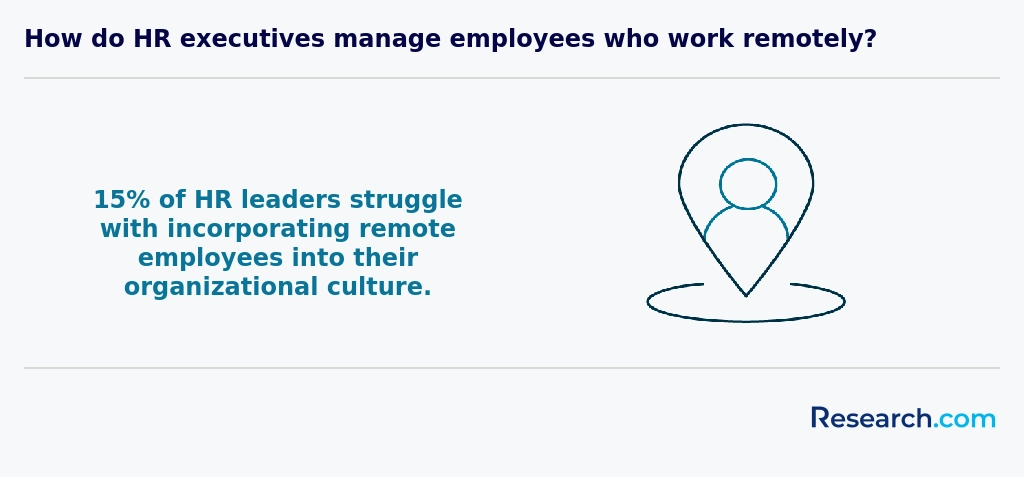
Graduates holding an online human resources degree in Kansas find diverse career opportunities across several key positions. Common roles include human resources specialists, HR managers, and talent acquisition coordinators-positions that collectively employed approximately 12,000 workers statewide in 2023, according to the U.S. Bureau of Labor Statistics. Salaries range from about $55,000 for entry-level jobs to above $90,000 for seasoned managers, especially in metropolitan areas like Wichita and Kansas City, Kansas.
Beyond traditional HR careers, degree holders often branch into specialized fields such as compensation and benefits analysis, labor relations, and training and development management. These roles demand a strong grasp of organizational behavior and legal compliance, which programs at institutions like the University of Kansas provide through flexible online formats. Many graduates express satisfaction balancing work while earning credentials, reporting enhanced confidence when applying skills directly in their workplaces.
Online human resources careers in Kansas benefit further from professional certifications like SHRM-CP, boosting both credibility and advancement potential. Students often explore connected disciplines, with some viewing pathways related to business administration careers for greater versatility in their employment choices.
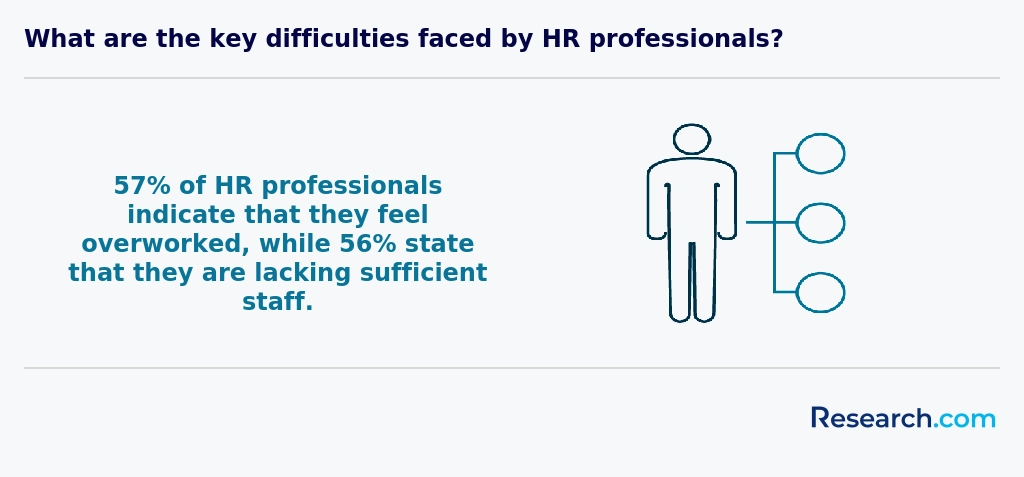
The job market for online human resources jobs in Kansas is expanding steadily, particularly in metropolitan areas such as Wichita, Overland Park, and the Kansas City metro. Graduates from universities popular for human resources programs, like the University of Kansas and Wichita State University, often find employment opportunities in diverse industries including healthcare, manufacturing, and finance. These sectors consistently seek HR professionals for talent acquisition, employee engagement, and regulatory compliance roles.
HR graduates report positive experiences managing real-world challenges like diversity and inclusion initiatives, which are becoming integral to many Kansas businesses. This practical exposure aligns well with Kansas's increasing demand for skilled HR staff in medium and large employers like Spirit AeroSystems and Cerner Corporation.
Financial prospects also encourage enrollment in online programs. According to the Kansas Department of Labor, the median salary for HR specialists reached around $62,000 in 2022, while HR managers earned about $109,000. These figures support the view that investing in a human resources degree, especially through online formats, offers strong career growth potential. To explore more about the hr degree benefits, prospective students can find detailed resources tailored specifically for Kansas learners.
2027 Most Valuable Online Master's in Human Resources Degree Programs Ranking in Kansas
Investing in your education is a significant decision that can shape your professional future, and the Research.com team recognizes the importance of making well-informed choices. To support prospective students interested in advancing their careers, we have carefully developed the "2027 Most Valuable Online Master's in Human Resources Degree Programs Ranking in Kansas." Our dedication to quality, credibility, and accuracy is evident in the rigorous research and analysis behind this ranking.
We utilized the following reputable data sources to ensure a comprehensive evaluation of human resources degree programs:
By consulting this ranking, readers will gain valuable insights into the most valuable online master's programs in human resources available in Kansas, empowering them to make confident and strategic decisions regarding their education. For a deeper understanding of our approach, please visit our Research.com methodology page.

# 2 position
Ottawa University-Kansas City
Master of Human Resources

Frequently Asked Questions About human resources
Online human resources degree students in Kansas can enhance their learning by actively engaging with digital platforms and networking opportunities available through their programs. Utilizing tools such as interactive webinars and virtual group projects helps replicate classroom collaboration remotely.
Students should also take advantage of local HR associations like the Kansas HR Conference or the Society for Human Resource Management (SHRM) Kansas State Council. These organizations offer resources, certifications, and networking events that support career growth.
Moreover, staying updated on Kansas' labor market trends is vital. According to the Kansas Department of Labor, HR specialists' demand in the state grows steadily, underscoring the value of aligning coursework with regional workforce needs.
The human resources (HR) field in Kansas is expanding into several emerging niches driven by evolving workplace needs and technology. One growing area is HR analytics, where professionals use data to improve employee retention and performance. According to the Society for Human Resource Management, firms adopting analytics report a 6% improvement in workforce productivity.
Another niche is diversity, equity, and inclusion (DEI) management, increasingly important in Kansas companies seeking to build fair and innovative workplaces. Additionally, HR professionals focusing on remote workforce management are in demand, as remote work remains prevalent across the state following the COVID-19 pandemic.
Lastly, HR compliance specialists who navigate complex employment laws specific to Kansas are vital for companies facing regulatory challenges. These niches represent promising opportunities within online HR degree programs aimed at Kansas students.
Graduates with an online human resources degree in Kansas should begin preparing for the job market by developing relevant skills beyond their coursework. Employers highly value experience with HR software, compliance knowledge, and strong communication abilities.
Networking is essential; joining organizations such as the Kansas Human Resources Association can provide local contacts and job leads. According to the U.S. Bureau of Labor Statistics (BLS), Kansas had over 9,000 HR specialists employed in 2023, with steady job growth expected over the next decade.
Many candidates also benefit from earning certifications like the SHRM-CP or PHR after graduation, which can improve job prospects and salary potential.
Finally, graduates should leverage online job platforms focused on the Kansas region to find entry-level opportunities and internships that align with their new credentials.
Employers in Kansas seeking graduates with human resources degrees prioritize several key skills. According to the Kansas Department of Labor, communication stands out as essential. HR professionals must clearly convey policies and resolve workplace conflicts. Additionally, knowledge of employment law is critical due to Kansas's specific labor regulations.
Analytical skills also rank highly, as HR specialists analyze employee performance and benefits data to improve organizational outcomes. The Society for Human Resource Management (SHRM) highlights that proficiency with HR software is increasingly important in Kansas businesses adopting digital tools.
Finally, strong interpersonal abilities and ethical judgment remain vital for managing diverse workforces and fostering trust. These skills collectively prepare graduates to meet local employer expectations effectively.
Finding internships in Kansas for human resources students involves several practical steps. Start by exploring partnerships between online HR degree programs and local businesses, as many universities coordinate internship placements. The Kansas Department of Labor and the Kansas WorkforceONE system offer resources connecting students with employers seeking HR interns. Networking through professional organizations like the Society for Human Resource Management (SHRM) Kansas State Council also helps, as it hosts events and job boards specific to HR roles in the state.
According to the U.S. Bureau of Labor Statistics, the Wichita metropolitan area, a key economic hub in Kansas, employs a significant number of HR specialists, increasing internship opportunities. Internships in Kansas often focus on industries such as healthcare, manufacturing, and education, sectors that actively recruit HR interns to support workforce management.
Utilizing university career services, attending job fairs, and directly contacting companies with HR departments can lead to valuable internships. Research shows over 60% of HR internships in Kansas result in job offers post-graduation, indicating the importance of early engagement in state-specific opportunities.
Obtaining an online human resources degree in Kansas significantly enhances career mobility and advancement opportunities. According to the Kansas Department of Labor, employment of human resources specialists in the state is projected to grow by 8% through 2030, faster than the average for all occupations. This growth creates increased demand for qualified professionals with specialized knowledge.
Graduates with an online HR degree benefit from flexible learning while gaining critical skills in recruitment, employee relations, and labor law. Such credentials can lead to higher-level roles like HR manager or director, with median annual wages in Kansas ranging from $65,000 to $95,000 depending on experience, as reported by the U.S. Bureau of Labor Statistics.
Employers in Kansas increasingly value degrees accredited by recognized agencies, making online HR programs that meet these standards particularly valuable for career progressions within both private and public sectors.
Studying for a human resources degree in Kansas equips students with skills that extend beyond traditional HR boundaries. Kansas programs emphasize interdisciplinary knowledge, integrating business, law, and communication courses to prepare graduates for complex organizational roles.
The Kansas Department of Labor reports steady growth in HR roles requiring collaborative skills across departments. This reflects the evolving nature of HR, where professionals work closely with finance, marketing, and operations.
Online programs in Kansas often include coursework on labor law, data analytics, and organizational behavior, fostering adaptability and strategic thinking. This interdisciplinary education helps graduates manage diverse workplace challenges effectively.
Employers in Kansas increasingly seek HR professionals who navigate cross-functional teams, making such degrees valuable for career advancement in today's job market.
When choosing between a thesis and a non-thesis human resources degree program in Kansas, students should consider their career goals and learning preferences. A thesis program typically requires original research, ideal for those aiming for advanced roles or doctoral studies. According to the National Center for Education Statistics, thesis programs often demand more extensive writing and time commitment.
Non-thesis programs focus more on practical skills and coursework, appealing to professionals seeking immediate application in HR positions within Kansas companies. The Kansas Department of Labor reports steady growth in HR jobs, emphasizing practical industry knowledge. Consider your future plans and workload before deciding.
Students based in Kansas who wish to study human resources abroad have various options, primarily through online programs offered by accredited U.S. universities with international recognition. Many institutions provide flexible online master's degrees in human resources that allow Kansans to gain global perspectives without relocating. According to the Kansas Board of Regents, there is a growing emphasis on online education to accommodate working professionals.
While traditional study abroad requires physical presence, online programs often include virtual international experiences or partnerships with foreign universities, enriching cross-cultural understanding.
Additionally, professional organizations like the Society for Human Resource Management (SHRM) offer global resources beneficial to students aiming for an international career.
Part-time job opportunities in Kansas that complement an online human resources degree typically involve roles in administrative support, recruitment assistance, and employee relations. Positions such as HR assistant or staffing coordinator allow students to gain practical experience while studying. According to the U.S. Bureau of Labor Statistics, Kansas has a growing demand for HR professionals, with above-average job growth expected through 2030.
Local businesses, healthcare providers, and educational institutions often hire part-time HR workers. Entry-level roles in these sectors help students understand employment law, payroll, and benefits administration. These jobs build essential skills valuable for future HR managers. Additionally, internships or onsite HR projects aligned with coursework can further enhance professional development in the state's competitive job market.
Online human resources students in Kansas have various opportunities to build their professional networks despite studying remotely. Many universities offer virtual career fairs and online networking events specifically for HR students.
Additionally, professional organizations like the Kansas Society for Human Resource Management (KSHRM) provide membership options that include access to regional events, workshops, and mentorship programs. These afford students a chance to connect with HR professionals across the state.
According to the Kansas Department of Labor, HR roles in Kansas are expected to grow by 8% through 2030, increasing demand for skilled professionals. Networking through local chapters helps students stay informed about these trends and job openings.
Alumni networks offer significant benefits to students pursuing online human resources degrees in Kansas. These networks provide valuable connections with experienced professionals working in Kansas's diverse HR field. According to the Society for Human Resource Management (SHRM), networking increases job prospects by nearly 80% for HR graduates nationwide, a trend confirmed in Kansas job markets.
Through alumni networks, students access mentorship, career advice, and exclusive job postings not always available on public portals. Many Kansas-based companies prefer candidates recommended within these networks, fostering easier job placement after graduation.
Moreover, alumni gatherings and online forums enable ongoing professional development, which is essential given HR's evolving regulations and practices. The University of Kansas and Kansas State University maintain active alumni communities that support these interactions.
Customizing an online human resources degree in Kansas often begins with selecting elective courses that align with your career goals. Many Kansas universities allow students to tailor their programs by choosing classes in labor relations, talent management, or organizational development. This flexibility helps focus your study on areas most relevant to your desired HR role.
Internships or capstone projects are another way to customize your degree. These practical experiences provide hands-on learning tailored to local industries, such as manufacturing or healthcare, which are significant employers in Kansas according to the Kansas Department of Labor.
Additionally, some programs offer certifications in HR specialties like SHRM-CP, enhancing your professional credentials. Researching each school's options will help ensure your degree fits both your interests and the local job market.
Online human resources students in Kansas often face challenges related to balancing work, family, and study time. Many students are working professionals who must manage demanding schedules alongside coursework. Access to local networking opportunities can be limited for online learners, which affects building professional connections essential in HR careers. Additionally, technical difficulties with learning platforms occasionally disrupt progress.
Students may also find it challenging to adapt to fully remote collaboration and participate in experiential learning components crucial for HR skill development. According to the Kansas Department of Commerce, HR roles in the state are growing steadily, increasing the need for practical experience. Navigating these hurdles is key to success in online HR programs.
Graduates with an online human resources degree in Kansas can pursue several key professional certifications to enhance their career prospects. The Society for Human Resource Management (SHRM) offers the SHRM-CP and SHRM-SCP certifications, widely recognized across the U.S. These credentials validate expertise in HR principles and leadership.
Another valuable option is the Professional in Human Resources (PHR) certification, administered by the HR Certification Institute (HRCI). Holding a PHR demonstrates mastery of operational HR management.
According to the Bureau of Labor Statistics, HR managers in Kansas earn a median annual wage around $120,000, and certifications often improve job opportunities and salary potential. State workforce reports also highlight demand for certified HR professionals in industries such as manufacturing and healthcare across Kansas.
When applying to an online human resources program in Kansas, it is important to tailor your application to highlight both your academic background and relevant work experience. Admissions committees often look for candidates with a clear understanding of HR principles and a commitment to advancing in the field. Be sure to include examples demonstrating skills in leadership, communication, and problem-solving.
Kansas has a growing demand for HR professionals, with the Kansas Department of Labor projecting a 7% growth in HR specialist jobs by 2030. Including local labor market knowledge can strengthen your application.
Additionally, obtain strong recommendation letters from supervisors or academic mentors who can attest to your suitability for an online program. Finally, carefully proofread your personal statement to reflect your motivation and career goals clearly.
The global perspectives on a human resources (HR) career emphasize adaptability and cross-cultural competence. HR professionals increasingly manage diverse workforces, requiring knowledge of international labor laws and cultural awareness. In the US, including Kansas, this global outlook supports businesses expanding overseas or hiring remote teams worldwide.
According to the U.S. Bureau of Labor Statistics, HR specialist roles are expected to grow by 9% from 2022 to 2032, reflecting demand influenced by globalization. Kansas companies, particularly in manufacturing and agriculture, benefit from HR graduates who understand global trends and compliance challenges.
Online HR degrees from Kansas institutions can prepare students for these trends, combining local labor market knowledge with global business practices.
Gaining practical experience while studying for an online human resources degree in Kansas can significantly enhance your career prospects. Many programs encourage internships with local businesses, government agencies, or nonprofit organizations. Kansas' growing industries, such as healthcare and manufacturing, offer diverse HR internship opportunities for students.
Additionally, students can engage in virtual internships that align with their course schedules. According to the Kansas Department of Labor, HR roles in the state are expected to grow by 9% through 2030, emphasizing the demand for practical skills. Participating in local HR professional associations, like the Kansas Chapter of SHRM, also helps build networks and gain hands-on knowledge.
Choosing the right concentration within an online human resources degree program in Kansas involves aligning your career goals with local industry demands. Kansas employers value expertise in talent management, employee relations, and labor law compliance, reflecting the state's strong manufacturing and agriculture sectors, according to the Kansas Department of Labor.
Consider concentrations like organizational development or compensation and benefits, which are growing fields in Kansas. Reviewing job postings and labor market data from KansasWorks can help identify in-demand skills and certifications, such as SHRM-CP, which might complement your degree focus.
Additionally, seek programs that offer flexibility and practical experiences relevant to Kansas' business environment, including virtual internships or capstone projects with regional employers.
- 2027 Most Valuable Online Master's in Human Resources Degree Programs Ranking in Colorado
- 2027 Most Valuable Online Master's in Human Resources Degree Programs Ranking in Texas
- 2027 Most Valuable Online Master's in Human Resources Degree Programs Ranking in Minnesota
- 2027 Most Valuable Online Master's in Human Resources Degree Programs Ranking in Illinois
- 2027 Most Valuable Online Master's in Human Resources Degree Programs Ranking in Wisconsin
- 2027 Most Valuable Online Master's in Human Resources Degree Programs Ranking in Florida
- 2027 Most Valuable Online Master's in Human Resources Degree Programs Ranking in Pennsylvania
- 2027 Most Valuable Online Master's in Human Resources Degree Programs Ranking in New York
- 2027 Most Valuable Online Master's in Human Resources Degree Programs Ranking in Massachusetts
- 2027 Most Valuable Online Master's in Human Resources Degree Programs Ranking in California
See What Experts Have To Say About Studying Human Resources
Read our interview with Human Resources experts

Rick Hackett
Human Resources Expert
Professor, Human Resources & Management
McMaster University

Thomas Kochan
Human Resources Expert
Professor of Management
Massachusetts Institute of Technology


- Want a Career in Human Resources? Your In-Depth (2025) Guide https://www.aihr.com/blog/career-in-human-resources/
- Choosing a bachelor's in human resource management | edX https://www.edx.org/resources/how-to-choose-a-bachelors-in-human-resource-management
- Unlocking Career Opportunities: How a Degree in Human Resources Can Propel Your Professional Journey https://www.euroeducation.net/articles/unlocking-career-opportunities-how-a-degree-in-human-resources-can-propel-your-professional-journey.htm
- Human Resource Management and Development https://ps.sckans.edu/degrees-and-certificates/bachelors/human-resource-management-and-development/
- 13+ Human Resources Cover Letter Examples (with In-Depth Guidance) https://www.tealhq.com/cover-letter-examples/human-resources
- Discover The Most Affordable Online Human Resources Degrees https://www.affordablecollegesonline.org/degrees/human-resources-programs/
- HR Exchange Network https://www.hrexchangenetwork.com/
- HUMAN RESOURCE MANAGEMENT (THESIS / NON-THESIS) - Lisansüstü Eğitim Enstitüsü https://lee.nisantasi.edu.tr/en/human-resource-management-thesis-non-thesis/
- Online Bachelor's Degree: Human Resource Management https://www.umgc.edu/online-degrees/bachelors/hr-management
- 4 tips for leveraging alumni networks for recruitment https://www.eaie.org/resource/leveraging-alumni-networks-recruitment.html