2027 Best Online Human Resources Degree Programs Ranking in the Northeast

Co-Founder and Chief Data Scientist
Choosing the right human resources degree program can shape your future career, especially if you live in the Northeast. This article introduces the 2027 Best Online Human Resources Degree Programs Ranking in the Northeast, created by the Research.com team of data scientists. It helps you find programs that truly stand out and match your goals.
With a human resources degree, you open doors to rewarding opportunities. Reading this article will make your decision easier and smarter, guiding you toward programs that fit your needs and aspirations.
Key benefits of getting online human resources degree in the Northeast
- Graduates with an online human resources degree in the Northeast can expect strong salary prospects, with roles like Human Resources Generalist, Recruitment Coordinator, and Employee Relations Specialist earning around $76,060 annually.
- Human resources degree holders often find diverse career paths, such as training and development, employee relations, or HR assistance, offering flexibility and growth in various industries.
- Online degrees provide convenience and adaptability, allowing students from busy Northeast lifestyles to balance work and study while gaining the same respected credentials as traditional programs.
- Key benefits of getting online human resources degree in the Northeast
- What can I expect from online human resources degree in the Northeast?
- Where can I work with online human resources degree in the Northeast?
- How much can I make with online human resources degree in the Northeast?
- 2027 Best Online Human Resources Degree Programs Ranking in the Northeast
- Key Findings
- How long does it take to complete online human resources degree in the Northeast?
- What's the difference between online and on-campus human resources degree?
- What is the average cost of online human resources degree in the Northeast?
- Continuing Education and Professional Development in Human Resources
- What financial aid is available to online human resources degree students in the Northeast?
- Professional Certifications and Continuing Education
- What are the prerequisites for enrolling in online human resources degree program in the Northeast?
- What courses are typically in online human resources degree programs in the Northeast?
- What types of specializations are available in online human resources degree programs in the Northeast?
- How do you choose the best online human resources degree in the Northeast?
- What career paths are available for online human resources degree students in the Northeast?
- What is the job market for online human resources degree in the Northeast?
- Top Trending Human Resources Rankings
- See What Experts Have To Say About Studying Human Resources
What can I expect from online human resources degree in the Northeast?
The average cost of an online human resources degree in the Northeast feels like a balanced investment rather than a daunting expense. Graduates from well-known public universities often reflect on paying tuition rates that align closely with the national average for online programs-generally more affordable if you qualify as in-state. Imagine a student juggling life in Boston, grateful for the competitive pricing at a Massachusetts state university, where financial aid options turn potential stress into opportunity.
Private institutions, popular in New York or Pennsylvania, might carry a higher price tag but come bundled with generous scholarships and flexible payment plans, making it easier to breathe while pursuing a dream career. The joyful moment of realizing your investment is backed by strong SHRM-aligned curricula and real regional networking connections-from virtual discussions to internships with iconic Northeast companies-makes the cost feel like an exciting gateway, not just a fee on a bill.
For many, the affordability married with quality feels like stepping into a future where education fuels career growth without overwhelming debt, a true lifeline for ambitious HR professionals emerging from the Northeast's rich academic landscape.
Where can I work with online human resources degree in the Northeast?
Graduates holding an online human resources degree from renowned Northeast institutions often find themselves immersed in bustling urban hubs like New York City, Boston, or Philadelphia, where towering corporate headquarters become their professional playgrounds. Picture a graduate from a top university navigating the dynamic HR landscape within a major financial firm on Wall Street, orchestrating benefits administration and mastering complex labor laws with confidence. Another might thrive in a Boston biotech startup, driving innovative talent acquisition strategies that fuel diversity and inclusion initiatives.
Some alumni become indispensable within sprawling healthcare networks across Massachusetts or Pennsylvania, where managing workforce compliance feels like steering a vital ship through expanding hospital corridors. Others find fulfillment in public sector roles, developing employee support policies in state agencies or universities, where stability blends with meaningful community impact.
With the Northeast's tech boom humming in the background, HR graduates from online programs experience thrilling career trajectories, from guiding employee engagement in fintech hubs to shaping organizational culture in growing educational institutions. The vibrant mosaic of industries offers a spectrum of joyful, challenging, and deeply rewarding opportunities.
How much can I make with online human resources degree in the Northeast?
Graduates stepping out from online human resources programs at top Northeast schools like Syracuse or Rutgers find their wallets quickly reflecting their hard work. Imagine starting as a Human Resources Assistant, where the average annual wage floats around $76,060, translating to a solid $36.57 an hour-enough to enjoy the bustling city vibes without pinching pennies.
Or picture yourself as a Training and Development Coordinator, guiding employee growth while earning roughly $71,980 annually. The reality for many Northeast grads is a paycheck that respects their skills, with Employee Relations Specialists and Human Resources Generalists each drawing mean salaries near $76,060.
These figures paint a vibrant financial picture, amplified by the region's high-energy job market. Graduates say knowing their $36-plus hourly rate supports a balanced life-from weekend markets in Boston to cozy café meetings in Newark-adds a tangible joy to their career path.
2027 Best Online Human Resources Degree Programs Ranking in the Northeast
How do we rank schools?
Investing in your education is a significant decision that can shape your future, and the Research.com team understands the importance of making informed choices. To assist prospective students in the Northeast, we have meticulously crafted the "2027 Best Online Human Resources Degree Programs Ranking in the Northeast." Our commitment to quality, credibility, and accuracy is reflected in the extensive research and analysis conducted to compile this ranking.
We utilized the following reputable data sources to ensure a comprehensive evaluation of human resources programs:
By exploring this ranking, readers will gain valuable insights into the best online human resources degree programs in the Northeast, empowering them to make well-informed decisions about their educational journeys. For more details on our methodology, please visit our Research.com methodology page.


# 6 position
Penn State University Park
Master of Human Resources and Employment Relations

# 7 position
Penn State University Park
Bachelor of Labor and Human Resources





# 14 position
Lehman College of the City University of New York
Master of Science in Business with a concentration in Human Resource Management


# 19 position
Cambridge College Global
Master of Human Resources Management

# 20 position
Thomas Edison State University
Bachelor of Human Resources Management/Organizational Management

Key Findings
- Online HR degree programs in the Northeast are available at associate's, bachelor's, and master's levels, offering flexibility for students balancing other commitments.
- The average total cost for a bachelor's degree in HR ranges from $30,000 to $60,000, with public universities generally being more affordable than private colleges.
- Starting salaries for HR graduates in the region typically fall between $50,000 and $60,000 annually, with experienced professionals often earning $80,000 or more.
- The job market for HR in the Northeast is expected to grow by about 9% through 2030, supported by industries like finance, healthcare, technology, and education.
- Many online programs prepare students for HR certifications such as the SHRM-CP, which is valued nationally and in the region.
How long does it take to complete online human resources degree in the Northeast?
Picture a student nestled in their Brooklyn apartment, balancing a full-time job while pursuing a human resources degree through a renowned Northeast university's online program. For full-time learners like them, a bachelor's degree typically unfolds over four vibrant years, a journey rich with growth and challenge. Yet, many embrace the flexibility of part-time pacing, stretching that timeline up to six years, savoring every moment of knowledge absorption without sacrificing their daily hustle.
Graduate students at schools popular in Massachusetts or Pennsylvania often tap into accelerated pathways, trimming their master's degree down to a year and a half or even less. This means working professionals don't just chase dreams; they catch them faster, weaving study hours between meetings and family dinners.
Meanwhile, associate degree seekers coast through their foundational two-year programs, opening doors swiftly. Credits transfer like fuel, slashing durations and powering students toward future ambitions with personalized tempo. Each Northeast institution crafts these timelines not as rigid mandates but as dynamic adventures tailored to individual lives.
What's the difference between online and on-campus human resources degree?
Imagine juggling a bustling workday in Boston while earning your human resources degree through Northeastern University's online program-flexibility is your superpower. Graduates rave about the freedom to dive into coursework whenever the caffeine kicks in, without the stress of racing across campus. This rhythm suits those balancing careers and family, with digital tools like video lectures and lively discussion boards breathing life into remote learning.
Contrast that with the on-campus hustle at Penn State World Campus's brick-and-mortar counterpart, where the buzz of face-to-face conversations and instant feedback from professors sparks networking magic. Graduates cherish the energy from local internships and job fairs, stepping straight into the Northeast's HR scene with confidence.
Costs often tip the scale: online students sometimes dodge hefty out-of-state tuition, while on-campus learners settle into the familiar structure of a physical classroom. Regional accreditation binds both paths, ensuring that whether online or in-person, your HR degree carries the same respected weight.
What is the average cost of online human resources degree in the Northeast?
Calculating the average cost of an online human resources degree in the Northeast is like piecing together a puzzle where each university and residency status offers a unique shade. Typically, the median total cost hovers around $33,007, with in-state students enjoying a slightly friendlier number near $32,175, while out-of-state students tend to face costs closer to $28,912. Imagine a graduate from a well-known state university in New York embracing this investment, grateful that public institutions often temper expenses compared to pricier private counterparts.
Graduates recount how affordable online HR degree programs in the northeast balanced rigorous coursework with flexible schedules without draining their finances. One common theme is the relief felt when uncovering scholarships or employer tuition assistance that made those figures more digestible. It's no secret that the Northeast prices reflect its reputation for top-notch human resources education, but the payoff resonates in their thriving careers post-graduation.
Picture a student at a Massachusetts college, energized by the knowledge that this region offers consistently competitive tuition for human resources degrees, whether enrolled fully online or combining hybrid options. To those who seek a meaningful investment, exploring valuable human resources programs in new jersey reveals opportunities blending cost-effectiveness with quality. Such programs can turn a daunting financial commitment into an achievable dream.
Continuing Education and Professional Development in Human Resources
In today’s rapidly evolving HR landscape, earning your online Human Resources degree is just the beginning. To remain competitive and continue building your expertise, it is essential to engage in ongoing learning and professional development. This includes pursuing additional certifications, attending industry conferences, and participating in webinars that delve into emerging trends such as HR analytics and digital recruitment strategies. Many successful professionals supplement their degree with practical experiences, networking, and mentorship programs that not only enhance their skill set but also expand their industry connections. For instance, exploring valuable human resources programs in new jersey can offer insights into advanced training options and industry partnerships that further boost career growth. Embracing continuous education helps HR specialists stay updated on regulatory changes, new technology integrations, and innovative employee engagement techniques, ultimately leading to improved strategic decision-making and long-term career success.
What financial aid is available to online human resources degree students in the Northeast?
Imagine landing your spot at a top Northeast school like Rutgers or Northeastern, then unlocking a treasure chest of financial aid that feels almost tailor-made for your human resources ambitions. Many graduates recall the relief and excitement of tapping into federal aid via FAFSA, where grants such as the Pell Grant painted a real pathway by covering up to $7,395 a year. It's like having a safety net that catches you as you leap into your studies.
State-specific grants add another layer of magic. Picture a student juggling work and coursework at a Massachusetts university, feeling that TAP or similar state grants lightening the tuition load, making each assignment a bit less financially stressful. And institutional scholarships? They're often the golden ticket for many, awarded for merit or real-world experience-another boost remembered fondly by grads navigating local schools' financial aid offices.
One compelling story is of students whose employers, recognizing HR's vital role, step in with tuition reimbursements, easing the balance between career growth and study costs. Plus, professional bodies like SHRM sprinkle in scholarships that feel like the industry saying, "We see your potential, and we back you." In the Northeast's bustling education scene, financial aid becomes less of a hurdle and more a series of doors opening, piece by piece, inviting students toward their HR dreams.
Professional Certifications and Continuing Education
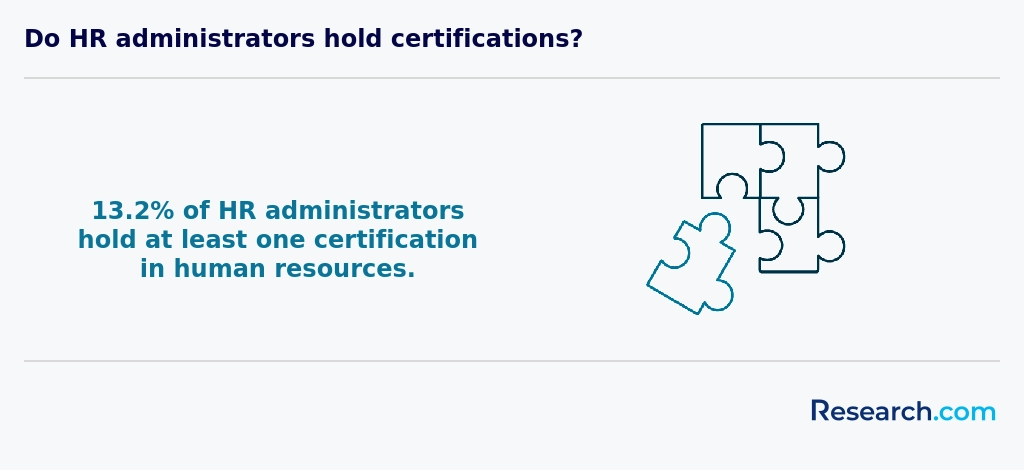
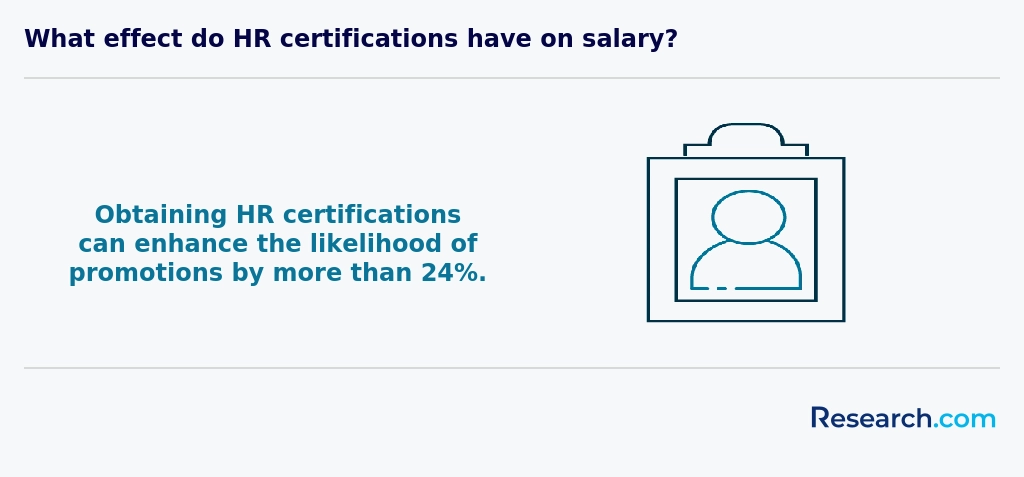
Earning an online human resources degree is a significant milestone, but coupling it with industry-recognized certifications and ongoing education elevates your expertise and marketability. Leading programs in the Northeast integrate coursework with SHRM and HRCI exam objectives, preparing graduates to pursue credentials such as SHRM-CP, SHRM-SCP, PHR, and SPHR. Many institutions offer dedicated prep modules or partner with certification bodies, enabling students to apply exam strategies directly within capstone projects and case studies. Holding these certifications often results in a 10–20% salary premium and demonstrates mastery of employment law, talent management, and strategic HR practices. Continuing education further enhances professional growth. Alumni frequently access discounted refresher courses through their university’s professional development center. Workshops focused on HR analytics, diversity and inclusion, and advanced labor relations not only fulfill recertification requirements but also ensure practitioners remain current with evolving workplace regulations. Regional conferences hosted by associations like the Northeast HR Consortium offer networking opportunities and credits toward recertification. Additionally, micro-credentials in specializations such as talent analytics or remote workforce management allow targeted skill development without the commitment of a full degree. Affordability is a key consideration when selecting a program that supports lifelong learning. Prospective students seeking cost-effective pathways should consult the Affordable Human Resources Degree Programs Ranking in Rhode Island, which highlights institutions offering robust certification support at competitive tuition rates. By choosing an online human resources degree program that embeds certification preparation and provides extensive continuing education resources, HR professionals can sustain a competitive advantage in the dynamic job market of the Northeast.
What are the prerequisites for enrolling in online human resources degree program in the Northeast?
Imagine you're a passionate individual eager to dive into the world of human resources, choosing to enroll in an online HR degree program from a top Northeastern university like Boston College or Syracuse University. The gateways to this journey aren't merely bureaucratic-they're a tapestry of readiness. At the undergraduate level, you'll need a high school diploma or GED, often coupled with a GPA around 2.5 to 3.0, demonstrating that you have the foundation to thrive. One graduate recalls how meeting the English proficiency requirement felt like unlocking a secret code-it gave them confidence to communicate effectively in the workplace.
Standardized tests like the SAT or ACT might come knocking, yet many programs in the region offer waivers if you bring prior college credits or HR-related experience, turning your work history into a ticket inside. For graduate seekers aiming for schools such as Northeastern University, a bachelor's degree with a solid 3.0 GPA and proof of real-world HR savvy, like internships or certifications (SHRM-CP or PHR), become your strongest allies.
Recommenders' glowing letters and personal statements act as bridges, connecting your story to admissions committees. This blend of clear academic thresholds and encouragement of practical skills reflects the Northeast's blend of tradition and innovation in HR education.
What courses are typically in online human resources degree programs in the Northeast?
Imagine diving into courses that feel like a masterclass in shaping work-life magic across bustling cities like Boston and New York. In online human resources degrees from top Northeast schools, graduates rave about sinking their teeth into core classes like Introduction to Human Resource Management, which unpacks the art of staffing and training with real-world flair. Picture navigating Employment Law and Labor Relations-it's not just theory, but a dynamic guide tailored to the Northeast's unique labor laws, preparing you for any workplace twist.
Students at renowned colleges find themselves juggling scenarios in Organizational Behavior that feel like crafting harmony in a fast-paced startup or a Fortune 500 giant. Meanwhile, Compensation and Benefits Management feels like a strategy game, where designing pay structures must compete with the higher salaries typical of the region.
Talking recruitment? Those hungry for knowledge get hands-on with Recruitment and Talent Acquisition, channeling the fierce competition seen in booming job markets. Graduates fondly recall immersive projects in Training and Development and practical tools via HR Information Systems, experiences that transform theory into the pulse of the workforce.
What types of specializations are available in online human resources degree programs in the Northeast?
Diving into online human resources degree specializations Northeast students often find electrifying paths tailored to the dynamic workforce around New York and Boston. Imagine a graduate from a bustling urban college who mastered Talent Acquisition and Recruitment, navigating the fierce competition of startups and Fortune 500s alike. Others find their passion sculpting Compensation and Benefits packages, crafting pay structures that energize employee loyalty across diverse New England industries. Picture a seasoned learner unraveling Employee Relations and Labor Relations in a region where unions pulse strongly, balancing empathy with legal savvy.
Then there's the surge of Diversity, Equity, and Inclusion enthusiasts-graduates who champion culture shifts with heart and data-driven strategies, echoing the progressive pulse of Northeastern business hubs. For tech aficionados, HR Analytics and Technology unlocks futuristic tools that transform decision-making, while Organizational Development cultivates leaders steering change amidst evolving corporate landscapes. Seeking cost-effective options? Check out the Affordable Human Resources Degree Programs Ranking in Rhode Island where specialization-focused education is within reach.
How do you choose the best online human resources degree in the Northeast?
Choosing the best online human resources degree in the Northeast feels like crafting your own career mosaic-each piece, from accreditation to curriculum, must sparkle just right. Graduates from popular universities here often speak of the relief found in programs accredited by bodies like ACBSP or AACSB, ensuring their hard work translates into recognized credentials. Imagine a student juggling work and family in Boston, tapping into asynchronous courses tailored to real-life chaos, yet still mastering talent management and labor laws.
Affordable human resources programs in the Northeast often shine in their balance of cost and quality, with tuition ranges that allow careful financial planning. One graduate recalls the joy of securing internships through school-business partnerships in New York City, turning virtual lessons into door-openers for the bustling HR job market. Don't overlook the power of program flexibility and faculty who bring street-smart industry wisdom into every lecture-this is where your online degree transcends screens.
For those pressed for time, check out quickest online programs for working adults that blend speed with depth, helping you leap into HR roles sooner and with confidence.

What career paths are available for online human resources degree students in the Northeast?
Dreaming of mastering the bustling HR landscape from your laptop, you'll find graduates from prominent Northeastern colleges diving into careers like human resources specialists, orchestrating talent hunts in vibrant metros like New York and Boston. These roles are more than jobs; they're pivotal backstage passes to shaping company cultures. For instance, graduates from top online programs share stories of landing HR manager roles, where they craft policy symphonies in corporate giants, earning impressive salaries that keep pace with the dynamic financial and healthcare sectors in the region.
Exploring career opportunities with human resources degree Northeast is like stepping into a world where compensation and benefits managers sculpt employee happiness through creative pay structures. Meanwhile, savvy training and development specialists design learning journeys that spark growth in fast-evolving workplaces. Many students balance work and study by opting for flexible online programs at well-regarded public universities, finding the easiest associates degrees to get often open doors to these pathways.
What is the job market for online human resources degree in the Northeast?
The job market for online human resources degree jobs Northeast buzzes with opportunity, especially in vibrant hubs like New York City and Boston. Graduates from well-known schools in the region often share stories of landing roles in dynamic companies that value fresh perspectives on employee engagement and inclusion. Imagine finishing your coursework at a university renowned for its practical HR training, then stepping into a role where your knowledge of digital HR tools directly shapes talent strategies for a tech startup or a hospital network.
Human resources career opportunities Northeast are fueled by this demand for professionals who blend traditional HR skills with cutting-edge digital fluency. Graduates report feeling energized by the chance to work on meaningful projects-from improving workplace diversity to navigating complex labor compliance in fast-growing organizations. Plus, many appreciate that investing in an online degree here can be surprisingly affordable, especially compared to other regions.
Those considering advanced studies might explore the cheapest online doctorate programs, balancing cost with the promise of better leadership roles. Ultimately, the Northeast's economic pulse and growing HR roles create a uniquely fertile ground for online human resources degree holders to launch and grow their careers.
Frequently Asked Questions About human resources
Online human resources degree students in the Northeast can maximize their learning by actively engaging with digital resources and networking opportunities. Utilizing platforms offered by accrediting bodies such as the Society for Human Resource Management (SHRM) can enhance practical knowledge. According to the U.S. Bureau of Labor Statistics, the Northeast states like New York and Massachusetts have some of the highest employment levels for HR specialists, making region-specific case studies valuable.
Students should participate in virtual internships and local HR chapter events to gain real-world experience. Leveraging regional labor market data helps contextualize coursework and develop relevant skills. Consistent communication with faculty and peers is also critical for academic success.
Emerging niches within the human resources (HR) field reflect a growing emphasis on technology, diversity, and employee wellness. One key area is HR analytics, where professionals use data to improve hiring and retention. The Bureau of Labor Statistics notes that HR specialists in the Northeast are increasingly required to understand analytical tools.
Another niche is diversity, equity, and inclusion (DEI). In states like Massachusetts and New York, companies expand DEI roles to foster equitable workplaces. According to a 2023 SHRM report, DEI-focused HR roles grew by 15% in the region.
Additionally, remote workforce management has become vital. Online HR degrees in the Northeast increasingly incorporate training on digital collaboration and compliance with evolving labor laws, reflecting the realities of hybrid work environments.
After completing an online human resources degree in the Northeast, preparing for the job market involves targeted strategies. According to the U.S. Bureau of Labor Statistics, the Northeast has a 5% higher demand for HR specialists compared to the national average. Start by tailoring your resume to include skills such as talent acquisition, labor law, and employee relations, which are highly valued in this region. Networking is crucial-join local SHRM (Society for Human Resource Management) chapters to connect with professionals and access job openings.
Internships or virtual HR projects can provide practical experience, bridging the gap between theory and real-world application. Consider certification exams like the PHR (Professional in Human Resources) to boost credibility and increase employability, as employers in the Northeast often prefer credentialed candidates. Finally, use regional job boards and university career services specialized in HR roles to find relevant opportunities more efficiently.
Employers in the Northeast seek human resources graduates with strong communication and interpersonal skills. HR professionals must effectively manage employee relations and navigate workplace conflicts, which requires clear verbal and written communication.
Data from the Society for Human Resource Management (SHRM) points to problem-solving and critical thinking as vital abilities. These skills help HR graduates support organizational goals and adapt to rapidly changing labor laws and diversity regulations.
Technical proficiency is increasingly important. Familiarity with HR information systems, payroll software, and data analytics tools is a key advantage in the competitive Northeast job market.
Additionally, employers value cultural competence due to regional workplace diversity, as noted by the U.S. Bureau of Labor Statistics.
Finding internships in the Northeast relevant to a human resources degree involves strategic networking and research. Start by exploring university career centers, even for online programs, as many provide access to regional internship listings. Employers in states like New York, Massachusetts, and Pennsylvania frequently offer HR internships due to their concentration of corporate headquarters and healthcare institutions.
The U.S. Bureau of Labor Statistics reports that the Northeast has a higher than average employment level for HR specialists, indicating healthy internship availability. Websites such as Handshake and local SHRM (Society for Human Resource Management) chapters often list opportunities tailored for students in the region.
Additionally, leveraging LinkedIn to connect with HR professionals and alumni can uncover hidden internship options. Attending virtual career fairs hosted by Northeast universities or organizations is also beneficial.
Obtaining an online human resources degree can significantly enhance career mobility and advancement for professionals in the Northeast. According to the U.S. Bureau of Labor Statistics, the demand for human resources specialists in states like New York and Massachusetts is projected to grow faster than the national average through 2030. An accredited online program offers flexible access to current HR theories and legal knowledge relevant to this region's diverse workforce.
Employers in the Northeast often prefer candidates with formal HR education and certifications, which many online degrees prepare students to pursue. Completion of such programs increases eligibility for leadership roles, including HR manager and director positions, where median salaries range from $85,000 to $110,000 annually, as reported by regional labor market analyses.
Additionally, online degrees provide networking opportunities through virtual internships and local partnerships, supporting career growth without geographical constraints. These factors combine to make online HR degrees a practical choice for Northeast professionals targeting upward career trajectories.
Studying for a human resources degree in the Northeast offers strong preparation for interdisciplinary roles by integrating coursework across business, law, and organizational psychology. Programs in this region frequently emphasize collaboration skills, critical for managing diverse workforces in industries such as finance, healthcare, and technology-prominent sectors in the Northeast.
According to the U.S. Bureau of Labor Statistics, the Northeast employs one of the highest concentrations of HR specialists nationally, boosting access to networking and internship opportunities. Many online programs tailor their curriculum to reflect regional labor laws and corporate practices, helping students develop expertise applicable across multiple fields.
This multidisciplinary approach equips graduates with analytical, ethical, and communication skills essential for leadership positions that require navigating complex organizational challenges beyond traditional HR tasks.
Choosing between a thesis and a non-thesis human resources degree program in the Northeast depends on your career goals and learning preferences. A thesis option suits students interested in research or pursuing doctoral studies. It requires conducting original research, which can strengthen analytical skills and deepen HR knowledge.
Non-thesis programs usually focus more on practical coursework and often include internships or projects, making them ideal for those aiming to enter or advance in HR management roles quickly. According to the National Center for Education Statistics, about 40% of HR graduate students in the Northeast opt for non-thesis formats due to their direct career applicability.
Cost and time are also factors; thesis programs may take longer to complete. Review course offerings and speak with advisors to align the program with your professional objectives.
Students in the Northeast interested in studying human resources abroad through online programs have several options within the U.S. higher education system. Many Northeastern universities offer online HR degrees with international study components or global HR perspectives integrated into the curriculum. Programs typically include coursework on global labor laws, multicultural workforce management, and international business practices.
According to the National Center for Education Statistics, in 2022, over 35% of graduate students in HR-related fields in the Northeast enrolled in online degrees, reflecting growing accessibility. While fully abroad-based online HR degrees are rare, partnerships between Northeast schools and foreign institutions provide study-abroad opportunities and internships.
These options enable students to gain global HR skills without relocating, maintaining local accreditation and reputations.
Part-time job opportunities in the Northeast that complement human resources (HR) degree education often involve roles in administrative support, recruitment assistance, and payroll coordination. These positions provide practical experience, helping students apply coursework on employee relations, labor laws, and organizational behavior.
According to the U.S. Bureau of Labor Statistics, HR assistant roles are growing faster than average in Northeastern states like New York and Massachusetts, with approximately 6% growth expected through 2030. Employers in industries such as healthcare, education, and technology frequently hire part-time HR aides to manage hiring processes and employee files.
Additionally, student workers in college HR departments or local government offices gain exposure to compliance and benefits administration, valuable for degree candidates. These roles align well with the competencies taught in online HR degree programs offered by regional institutions.
Online human resources students in the Northeast benefit from diverse networking opportunities designed to connect them with professionals and peers. Many institutions offer virtual career fairs, webinars, and alumni events focused on HR topics. For example, the Society for Human Resource Management (SHRM) has active Northeast chapters providing local meetups and online forums.
Additionally, students can join LinkedIn groups centered on HR in the region, enabling connections with hiring managers and mentors. According to the U.S. Bureau of Labor Statistics, the Northeast employs over 150,000 HR specialists, creating a vibrant professional network accessible through these channels.
Universities often partner with regional businesses and HR organizations to provide internships and networking sessions, enhancing career prospects for online learners.
Alumni networks offer valuable support to online human resources degree students in the Northeast by providing access to professional connections within the regional job market. These networks often include graduates working in key industries such as healthcare, finance, and technology, which dominate the Northeast economy.
Engaging with alumni can lead to mentorship opportunities, internships, and job referrals. According to the National Association of Colleges and Employers, 85% of jobs are filled through networking, underscoring the importance of such connections.
In the competitive human resources field, especially in cities like New York and Boston, alumni networks enhance career development by sharing region-specific insights and trends.
Customizing your online human resources degree program in the Northeast starts with selecting courses that align with your career focus. Many universities in this region offer electives in labor relations, talent management, or HR technology, allowing you to tailor your studies.
Internships and capstone projects are valuable options for specialization. For example, programs accredited by the Society for Human Resource Management (SHRM) often include experiential learning to build practical skills.
According to the U.S. Bureau of Labor Statistics, HR employment in the Northeast grew 5% from 2019 to 2023, especially in healthcare and technology sectors. Focusing on industry-specific HR practices can boost your job prospects.
Additionally, some schools provide certificate add-ons, like diversity and inclusion or compensation management, which enhance your expertise and marketability in the region's competitive job market.
Online human resources students in the Northeast often face challenges related to balancing their studies with work and personal responsibilities. Many learners juggle full-time jobs and family commitments, making time management critical for success. Connectivity issues can also affect students, especially those in rural or underserved parts of the region where high-speed internet access is inconsistent.
Another difficulty lies in building professional networks remotely. The HR field values interpersonal connections, yet virtual programs can limit spontaneous networking opportunities compared to in-person experiences. Furthermore, students must adapt to different state regulations, as labor laws vary widely across Northeast states, requiring tailored coursework and practical knowledge.
According to the National Center for Education Statistics, about 40% of online students nationwide report challenges with motivation and engagement, which can be amplified in HR programs that emphasize case studies and group work.
Graduates of online human resources degrees in the Northeast can pursue several prominent professional certifications to enhance their careers. The most recognized certification is the Professional in Human Resources (PHR), offered by the HR Certification Institute. It validates essential HR knowledge and skills relevant nationwide, including in the Northeast.
Another valuable credential is the SHRM Certified Professional (SHRM-CP), provided by the Society for Human Resource Management. SHRM-CP focuses on both behavioral competencies and technical knowledge.
According to the U.S. Bureau of Labor Statistics, human resources specialists in the Northeast earned a median annual wage of about $70,000 in 2023, with certifications often correlating with higher pay. Pursuing these certifications typically requires a degree, professional experience, and passing an exam.
Applying for an online human resources program in the Northeast requires a clear and focused approach. Start by thoroughly researching accredited institutions recognized by the Middle States Commission on Higher Education, a key regional accreditor. Highlight any relevant work experience or certifications, such as SHRM-CP, to strengthen your application.
Showcase your understanding of current HR trends in the Northeast job market, where industries like healthcare and technology frequently seek qualified HR professionals. According to the U.S. Bureau of Labor Statistics, Massachusetts and New York offer robust opportunities in HR roles.
Write a compelling personal statement explaining your career goals and how an online HR degree will help you achieve them. Be concise and professional.
Finally, ensure all transcripts and supplementary materials are complete and submitted on time to demonstrate your commitment and organization.
The global perspective on a human resources (HR) career emphasizes adaptability, cultural awareness, and strategic thinking. HR professionals in the US, including those in the Northeast, increasingly engage with multinational companies and cross-border workforce issues. According to the Society for Human Resource Management (SHRM), HR roles require understanding diverse cultural norms and labor laws, which is essential for global business success.
In the Northeast, a region with a dense concentration of international firms, HR graduates benefit from exposure to global HR trends. For example, the Bureau of Labor Statistics highlights a projected 7% job growth for HR specialists nationwide between 2021 and 2031, reflecting increasing demand for global talent management skills.
Many online human resources degree programs in the Northeast integrate global HR modules to prepare students for these challenges, enhancing their ability to manage diverse workforces effectively.
Gaining practical experience while pursuing an online human resources degree in the Northeast is essential for career readiness. Many programs partner with local businesses and nonprofits to offer virtual internships, allowing students to apply HR theories in real-world settings. According to the Society for Human Resource Management (SHRM), nearly 70% of HR professionals in the Northeast participated in internships or cooperative education during their studies.
Students can also join regional HR associations like the New York State SHRM chapter or Massachusetts Human Resources Association, which provide networking events and workshops. Additionally, volunteer roles in HR departments can offer valuable hands-on experience while studying online.
Choosing the right concentration within an online human resources degree program in the Northeast starts with understanding your career goals. Common concentrations include talent management, labor relations, and organizational development. Each focus prepares you for different HR roles that vary in demand depending on the regional economy.
For instance, the Northeast has a strong presence in healthcare, education, and technology sectors, influencing demand for HR specialists skilled in employee training and compliance. According to the U.S. Bureau of Labor Statistics, HR employment in this region is projected to grow by 7% through 2030.
Research program curricula carefully and consider if they align with certifications like SHRM-CP or PHR, which are valuable in this market. Networking opportunities with local businesses can also impact your practical learning and job prospects.
Top Trending Human Resources Rankings
See What Experts Have To Say About Studying Human Resources
Read our interview with Human Resources experts

Chester S. Spell
Human Resources Expert
Professor of Management
Rutgers University

Rick Hackett
Human Resources Expert
Professor, Human Resources & Management
McMaster University

Thomas Kochan
Human Resources Expert
Professor of Management
Massachusetts Institute of Technology

References
- What do you learn in a bachelor's in human resource management? | edX https://www.edx.org/resources/what-do-you-learn-in-a-bachelors-in-human-resource-management
- 2025 Most Affordable Online Human Resources Degrees https://www.onlineu.com/most-affordable-colleges/human-resources-degrees
- Human Resources Internships https://careers.slb.com/early-careers/internships/hr-intern
- Online Bachelor of Science in Human Resources in NC https://www.montreat.edu/online/human-resource-management/
- Want a Career in Human Resources? Your In-Depth (2025) Guide https://www.aihr.com/blog/career-in-human-resources/
- Redefining career development: Skills, mobility and retention https://hrexecutive.com/redefining-career-development-skills-mobility-and-retention/
- The Great Reinvention of Human Resources Has Begun JOSH BERSIN https://joshbersin.com/2026/01/the-great-reinvention-of-human-resources-has-begun/
- What skills and competencies do you need for a career in HR? https://targetjobs.co.uk/careers-advice/hr-and-recruitment/what-skills-and-competencies-do-you-need-career-hr
- Human Resource Development in Education Non-Thesis Master's Program https://eds.metu.edu.tr/en/human-resource-development-education-non-thesis-masters-program
- How to Become an HR Specialist https://teach.com/careers/business/human-resources-hr/