2027 Easiest Online Bachelor's in Homeland Security Degree Programs Ranking in the West

Co-Founder and Chief Data Scientist
Choosing the right online bachelor's degree in homeland security can feel overwhelming, especially with so many options available in the West. This article introduces the 2027 Easiest Online Bachelor's in Homeland Security Degree Programs Ranking in the West, carefully developed by the Research.com team of data scientists.
Our ranking helps you quickly identify programs that combine quality education with accessibility. Earning a homeland security degree opens doors to meaningful careers that protect communities and support national safety.
Explore this guide to make a confident, informed choice for your future success.
Key benefits of getting online homeland security degree in the West
- The average salary for homeland security-related jobs in the US typically ranges from $50,000 to $90,000 annually, offering competitive pay for graduates entering this vital field.
- Graduates from universities like the University of Southern California often explore diverse careers, including emergency management, cybersecurity, and federal law enforcement, providing flexible and rewarding job options.
- Online homeland security degrees from institutions such as Arizona State University enable students to balance work and study, gaining skills efficiently without relocating or pausing their careers.
- Key benefits of getting online homeland security degree in the West
- What can I expect from online homeland security degree in the West?
- Where can I work with online homeland security degree in the West?
- How much can I make with online homeland security degree in the West?
- 2027 Easiest Online Bachelor's in Homeland Security Degree Programs Ranking in the West
- Key Findings
- How long does it take to complete online homeland security degree in the West?
- What's the difference between online and on-campus homeland security degree?
- What is the average cost of online homeland security degree in the West?
- What financial aid is available to online homeland security degree students in the West?
- What are the prerequisites for enrolling in online homeland security degree program in the West?
- What courses are typically in online homeland security degree programs in the West?
- What types of specializations are available in online homeland security degree programs in the West?
- How do you choose the best online homeland security degree in the West?
- What career paths are available for online homeland security degree students in the West?
- What is the job market for online homeland security degree in the West?
- Top Trending Homeland Security Rankings
What can I expect from online homeland security degree in the West?
The average cost of an online homeland security degree in the Western United States typically ranges between $20,000 and $40,000 for a full bachelor's program. For example, students enrolled at prominent universities in California and Washington often find tuition expenses falling within this bracket, making higher education in homeland security relatively accessible compared to traditional on-campus programs. Graduates from these programs frequently report satisfaction with the balance of cost and quality, emphasizing that the investment provided them with significant career returns through skills applicable in government and private sectors.
Many online learners appreciate the flexibility to maintain employment while studying, reducing financial strain. Accelerated options available at some Western institutions can also lower overall costs by shortening the time spent in the program. Cost considerations often extend beyond tuition to include fees for virtual internships, certification exam preparation, and digital resources, all designed to enhance practical readiness for real-world homeland security challenges.
Ultimately, the affordability combined with career-focused curriculum attracts students who value both quality and return on investment, especially given the projected 8% job growth in this field across the U.S., with significant opportunities in Western urban centers.
Where can I work with online homeland security degree in the West?
Graduates from online homeland security programs offered by institutions in the Western U.S., such as Arizona State University and the University of Washington, typically secure roles within federal, state, and local agencies. They are sought after by entities like the Department of Homeland Security (DHS) and the Federal Emergency Management Agency (FEMA), where their expertise in emergency management and threat analysis is critical.
In states like California and Washington, where employment in homeland security-related protective services exceeds 10,000 positions, graduates often find opportunities with local law enforcement, fire departments, and public health agencies. These roles involve real-world responsibilities such as coordinating disaster responses to wildfires or pandemics, areas where many Western graduates feel a strong sense of accomplishment and purpose.
The private sector also appeals to homeland security students, with cybersecurity firms and infrastructure protection companies in the West actively hiring professionals to secure energy grids and transportation networks. Additionally, military bases in Nevada and Colorado employ graduates for intelligence analysis and emergency planning, providing dynamic environments where graduates apply their skills daily.
Such diverse career paths allow graduates from Western online homeland security programs to impact their communities directly while enjoying rewarding jobs aligned with their specialized training.
How much can I make with online homeland security degree in the West?
Graduates from online homeland security programs in the Western United States can generally expect annual earnings ranging from about $48,000 to $90,000, depending on their experience and role. In states like California and Washington, where institutions such as California State University and the University of Washington attract many students, entry-level professionals often start near $45,000 to $55,000. These figures reflect real conditions faced by graduates entering roles like security analysis or emergency management assistance in urban and suburban settings.
Mid-career homeland security specialists, including emergency managers and intelligence analysts, typically see salaries between $60,000 and $90,000. Graduates with skills in cybersecurity or critical infrastructure often report higher wages, benefiting from the growing demand in both public and private sectors.
Those advancing into senior or management roles within agencies or departments in cities like Los Angeles or Seattle frequently earn above $100,000. Personal accounts from alumni at popular Western programs emphasize how certifications and advanced degrees enhance career trajectories and pay scales, making the online degree a valuable investment.
2027 Easiest Online Bachelor's in Homeland Security Degree Programs Ranking in the West
How do we rank schools?
Investing in your education is a significant decision that can shape your future, and the Research.com team is keenly aware of the responsibility that comes with helping you make informed choices. To support prospective students interested in homeland security, we have carefully developed the "2027 Easiest Online Bachelor's in Homeland Security Degree Programs Ranking in the West." Our dedication to quality, credibility, and accuracy guides every step of our research and analysis.
We utilized the following reputable data sources to ensure a comprehensive evaluation of online homeland security programs:
By reviewing this ranking, readers will gain valuable insights into the most accessible programs in the western region, empowering them to select the best fit for their educational goals and career aspirations. For further details on how our ranking was created, please visit our Research.com methodology page.

# 2 position
Arapahoe Community College
Bachelor of Emergency Service Administration

# 3 position
Arizona State University Campus Immersion
Bachelor of Public Service and Public Policy - Emergency Management and Homeland Security

Key Findings
- Online homeland security bachelor's degrees in the Western US are fully online and cover emergency management, cybersecurity, risk assessment, and counterterrorism.
- Tuition at public schools ranges from $8,000 to $20,000 per year, with some offering in-state rates to all online students; private schools are generally more expensive.
- Entry-level salaries for graduates typically start between $45,000 and $55,000 per year, rising to $75,000 to $90,000 with experience.
- Employment in homeland security-related fields in the West is projected to grow by about 7% over the next decade.
- Top employers include the Department of Homeland Security, FEMA, and state emergency management offices.
How long does it take to complete online homeland security degree in the West?
Completing an online homeland security degree in the Western United States typically takes about four years for full-time students, aligning with programs at popular institutions like California State University and the University of Washington. Graduates often share that balancing coursework with life commitments requires strong time management but yields rewarding outcomes.
Part-time students frequently extend their studies to five or six years, reflecting the practical realities faced by working professionals or those caring for families. However, some Western colleges offer accelerated tracks where motivated students can finish in two and a half to three years by taking extra credits each term or attending year-round sessions.
Transfer students benefit from regional articulation agreements that recognize previous credits, particularly from criminal justice courses, potentially reducing completion time significantly. This flexibility supports diverse student backgrounds and encourages persistence.
While the average nationwide bachelor's degree completion is about 4.5 years, online formats in Western institutions provide adaptable pacing. This allows students to customize their journey, fostering a positive, manageable learning experience without sacrificing progress.
What's the difference between online and on-campus homeland security degree?
Online homeland security degrees in the Western US appeal to students needing flexibility, especially working professionals or those in rural areas. With over 30% of Western students enrolled exclusively online by 2022, these programs allow asynchronous study schedules, letting learners balance work and family while advancing their education. Graduates appreciate the ability to avoid commuting costs and campus fees, stretching budgets further.
Conversely, on-campus programs at institutions like California State University and the University of Nevada emphasize immersive, hands-on experiences. Students benefit from direct interaction with faculty and peers, gaining access to simulations, labs, and internships that build connections with local homeland security agencies. Graduates often highlight the value of these networking opportunities and practical exercises, which are difficult to replicate online.
Cost-wise, public on-campus tuition in the West typically ranges from $7,000 to $12,000 annually for in-state students. Online tuition tends to be similar or slightly lower but offers savings on housing and transport. Access to campus-specific resources remains stronger on-site, though many online programs now provide virtual alternatives.
What is the average cost of online homeland security degree in the West?
The average cost of an online homeland security degree in the Western United States varies notably based on residency and institution type. For in-state students at public universities in states like California, Oregon, and Washington, the median total cost typically runs around $31,584. Out-of-state students often face higher expenses, with median costs near $48,150. Private institutions generally command premium pricing, pushing the total closer to $54,600 or beyond. These figures reflect tuition, fees, and additional costs accumulated over the typical credit hour requirements.
Graduates from popular colleges in the West often share how affordability influenced their decision to enroll in public universities offering affordable online homeland security bachelor's degrees Western states. They highlight the value in programs aligned with state residency, which can reduce financial strain while offering robust curricula. For example, a student pursuing an online homeland security program at a California public university might anticipate annual tuition costs between $7,000 and $15,000, aligning with the broader public university tuition rates in the region.
Several graduates emphasize the importance of carefully evaluating total cost and financial aid, which can substantially ease expenses. Scholarships and federal aid opportunities are frequently leveraged to lower the net price. Students interested in accelerating their education pathways might also explore options like the fastest homeland security masters degree online, which may affect overall investment and career trajectory.
What financial aid is available to online homeland security degree students in the West?
Online homeland security students in the Western United States often rely on diverse financial aid options to manage tuition costs that can range from $25,000 to $40,000 at public institutions. Federal aid via the FAFSA is foundational; for example, the Pell Grant offers up to $7,395 annually to low-income students, providing crucial support without repayment pressure. Graduates from regional universities frequently highlight how Pell Grants made their pursuit feasible despite full-time work commitments.
State-specific programs, such as California's Cal Grant, contribute significantly, with awards up to $12,630 per year available to residents attending in-state schools like California State University campuses offering homeland security degrees. These grants often prompt relief for students balancing financial strains alongside rigorous online coursework.
Institutional scholarships are also widespread. Western universities tailor grants based on academic merit, military service, or financial need, bridging gaps that federal and state aid may leave. Graduates have shared that such financial support, combined with employer tuition assistance-available through roughly 60% of Western employers-plays a meaningful role in enabling working professionals in law enforcement or emergency services to advance their education.
Veterans enrolled in online homeland security programs further benefit from federal GI Bill provisions, which cover tuition and housing, a vital resource given the military presence in states like Arizona and California. This array of aid options collectively lowers financial barriers, making homeland security degrees more accessible and less daunting for many students living in the West.
What are the prerequisites for enrolling in online homeland security degree program in the West?
Enrolling in online homeland security degree programs in the Western United States typically requires a high school diploma or equivalent, such as a GED, as the foundational credential. Graduates from institutions like California State University and the University of Washington often share that meeting this prerequisite was their first step toward success.
Many programs expect a minimum GPA, commonly between 2.5 and 3.0, to ensure academic readiness. For instance, transfer students with credits from accredited colleges find submitting transcripts essential, especially if their prior studies include criminal justice or emergency management. These transcripts serve as proof of competency and help streamline admission.
Some programs recommend or require foundational courses in areas like cybersecurity or public safety, particularly if applicants come from unrelated backgrounds. Graduates recall that completing such prerequisites enhanced their confidence and understanding, smoothing their transition into complex homeland security topics.
Applicants with relevant work experience in law enforcement or emergency response often have an advantage, especially in accelerated tracks offered by Western universities. Such experience not only strengthens applications but also enriches class discussions with practical insights, making the learning experience more engaging and applicable to real-world scenarios.

What courses are typically in online homeland security degree programs in the West?
Online homeland security degree programs in the Western United States commonly include courses that equip students with practical skills tailored to regional security challenges. Graduates from prominent universities in California and Washington often highlight foundational classes like Introduction to Homeland Security, which covers agencies' structures and evolving threat landscapes, as instrumental in understanding their future roles.
Core courses such as Risk Analysis and Threat Assessment train students to identify vulnerabilities in critical infrastructure, essential in states facing wildfire risks and cyber threats. Students appreciate the applied focus in Emergency Management and Disaster Response, where they simulate coordinating relief efforts for natural disasters-experiences frequently cited as both challenging and rewarding.
Technical knowledge is strengthened through courses like Cybersecurity Principles, crucial for defending against increasing digital attacks impacting Western industries. Electives like Ethics and Policy in Homeland Security provide graduates with perspectives on legal and moral dilemmas they will encounter, contributing to confident, informed decision-making in agencies across the region.
What types of specializations are available in online homeland security degree programs in the West?
Online homeland security specializations in the West typically cover critical areas such as Emergency Management, Cybersecurity, Counterterrorism and Intelligence, Critical Infrastructure Protection, and Public Safety Administration. These focus areas are tailored to address the unique challenges faced by Western states like California and Washington, known for their vulnerability to wildfires, earthquakes, and digital threats. Graduates from online programs at popular universities in the region often highlight their satisfaction with practical training that prepares them for real-world crisis coordination and cyber defense missions.
Many students express confidence in their roles after completing specializations that align with West region homeland security degree focus areas, appreciating how coursework integrates emerging threats and policy management. The Western Interstate Commission for Higher Education's accreditation ensures these programs maintain high standards. For those comparing cost and flexibility, several institutions offer programs ranging from $300 to $600 per credit hour, making them attractive options. Prospective students seeking affordable options can explore options like the cheapest homeland security masters degree online, which still emphasize robust specialization choices.
How do you choose the best online homeland security degree in the West?
To choose the best online homeland security degree in the West, focus on programs that combine practical skills with recognized accreditation. Graduates from universities in California and Washington praise programs tied to agencies like FEMA for providing relevant emergency management training. Accreditation from bodies such as the Commission on Higher Education ensures the degree is respected by employers regionally. Cost considerations are vital; many students find that community colleges partnering with universities offer affordable tuition options, making cheapest bachelor's in emergency management online pathways accessible without sacrificing quality.
Flexibility is essential for working professionals in the western US. Asynchronous courses enable learners to balance employment and study while still accessing expert faculty with homeland security experience. Graduates often report that career services helping with internships and networking with state emergency offices dramatically ease the transition into jobs. Programs offering specialized tracks in cybersecurity or disaster management align well with the evolving threats and industry needs in this region, making them attractive options when seeking the best online homeland security degrees West.
What career paths are available for online homeland security degree students in the West?
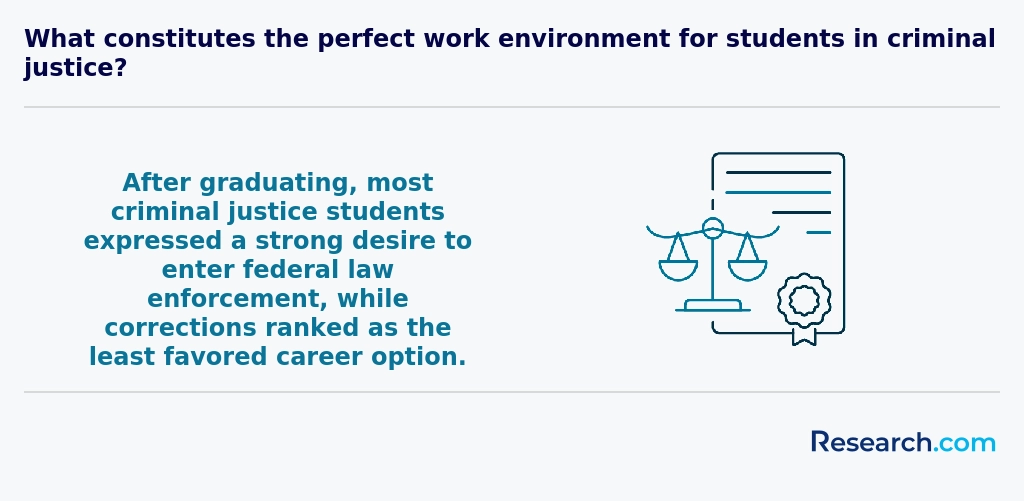
Graduates pursuing an online homeland security degree in the West find diverse career opportunities across public safety and cybersecurity sectors. Positions include emergency management coordinators, who design disaster preparedness plans and lead response efforts, and transportation security officers employed by agencies such as the TSA. Border security roles are also prominent, focusing on surveillance and immigration control vital to the region's security needs.
Cybersecurity professionals with homeland security training are in high demand, particularly in tech hubs like California and Washington. Graduates from universities known for homeland security programs often work with government contractors or private firms conducting risk assessments and digital threat mitigation.
Those considering online homeland security careers in the West benefit from the region's emphasis on wildfire and natural disaster response, with public health and intelligence analysis roles also available. Many students from popular Western colleges report satisfaction with their practical experience and career advancement prospects. For those interested, programs like an online bachelor's degree in emergency management provide relevant preparation aligned with regional job markets.
What is the job market for online homeland security degree in the West?
The job market for online homeland security degree graduates in the West is robust, driven by increasing federal and state investment in security and emergency management. Graduates from popular universities and colleges in states like California, Washington, and Oregon often find rewarding roles in emergency management, cybersecurity, and disaster preparedness that align with regional needs such as wildfire mitigation and border security. Those pursuing online programs appreciate the flexibility to balance work and study while entering a market with positive growth projections.
Among students pursuing online homeland security jobs in the West, many highlight the practical experience gained through virtual simulations and case studies involving large metropolitan crises or natural disasters. Salaries typically start around $50,000, increasing to mid-level positions earning between $75,000 and $90,000 annually, reflecting strong demand especially in states with significant homeland security budgets. Institutions in the West offer competitive tuition rates, making career advancement through online education accessible and worthwhile.
For prospective students focused on advancing quickly, options like the fastest emergency management masters online provide accelerated pathways to capitalize on the favorable career outlook for homeland security degrees Western US.
Frequently Asked Questions About homeland security
Online homeland security degree students in the West can enhance their learning by actively engaging with virtual coursework and participating in discussion boards. The Western region hosts prominent homeland security agencies, such as FEMA's regional offices, offering valuable internship and networking opportunities. Students should leverage state-specific resources that address local threats like wildfires and border security challenges.
Utilizing technology tools for simulations and case studies helps develop practical skills. According to the National Center for Education Statistics, online enrollment in security-related programs has grown 15% since 2020, reflecting increasing demand and improved delivery methods.
Connecting with local professionals and joining relevant online forums further enriches understanding and career prospects.
The homeland security field is rapidly evolving, with emerging niches reflecting new threats and technologies. In the Western U.S., cyber threat analysis is gaining prominence as critical infrastructure becomes more digitalized. According to the Bureau of Labor Statistics, cybersecurity-related roles are among the fastest-growing in the region.
Another expanding niche is disaster resilience planning. Western states face unique challenges like wildfires and earthquakes, leading to specialized roles in emergency management focused on these risks. Additionally, biometric and surveillance technology specialist positions are increasing, driven by advancements in AI and data processing.
Students pursuing online homeland security degrees can expect curricula to adapt, incorporating these cutting-edge areas to meet market demands.
Preparing for the job market after completing an online homeland security degree in the West involves strategic planning and skill development. Start by gaining practical experience through internships or volunteer opportunities with local law enforcement or emergency management agencies, which are abundant in Western states like California and Washington. Networking is crucial; attend industry conferences and join professional groups such as the Western States Homeland Security Consortium. According to the U.S. Bureau of Labor Statistics, employment for protective service occupations is expected to grow 5% nationally by 2031, with several Western states showing notable demand. Additionally, acquiring certifications like FEMA's Professional Development Series can enhance your resume.
Employers in the Western US prioritize several key skills when hiring graduates with online homeland security degrees. Critical thinking and risk assessment top this list, as professionals must identify and mitigate threats efficiently. Communication skills, both written and verbal, are essential for coordinating with agencies and drafting reports. Technical proficiency with cybersecurity tools is increasingly important due to rising cyber threats, especially in California and Washington, where tech industries drive demand. According to the Bureau of Labor Statistics, problem-solving and adaptability remain highly valued across Western states. Familiarity with federal and state regulations also strengthens a graduate's employability in this competitive field.
Finding internships in the Western U.S. for homeland security students involves targeted research and networking. Many government agencies, including state offices and local law enforcement, offer internships related to emergency management and security operations. The California Governor's Office of Emergency Services, for example, provides internship opportunities that allow students to gain hands-on experience.
Additionally, students should explore programs through the Department of Homeland Security's (DHS) Student Volunteer Internship Program, which has placements across Western states. The National Security Agency and Federal Emergency Management Agency (FEMA) also have regional offices offering internships.
Building connections via career fairs at local universities online or in person increases prospects. Utilize platforms like USAJOBS for federal internships. According to the Bureau of Labor Statistics, jobs in homeland security are growing by 5% in the West, indicating strong opportunities for practical experience.
An online homeland security degree significantly enhances career mobility and advancement opportunities in the Western United States. According to the Bureau of Labor Statistics, states like California and Washington show steady growth in homeland security roles, such as emergency management specialists, with a projected 8% increase through 2031. Degrees earned online from accredited institutions offer flexibility, allowing professionals to upskill while maintaining employment.
Employers in the West increasingly prefer candidates with formal education credentials. Graduates holding an online homeland security degree often qualify for supervisory and specialized positions in federal, state, or local agencies. Additionally, the degree supports advances into cybersecurity and disaster response sectors, which are rapidly expanding regions.
Studying for an online homeland security degree in the Western United States equips students with versatile skills needed across multiple disciplines. Western programs often integrate courses in emergency management, cybersecurity, law enforcement, and public policy, reflecting the region's diverse security challenges.
The interdisciplinary curriculum prepares learners to collaborate effectively with professionals from various sectors, addressing threats such as wildfires, cyberattacks, and border security. According to the California State University system, nearly 70% of homeland security graduates work in combined roles involving technology and crisis response.
This multi-focused education supports careers in government agencies, private security, and nonprofit organizations, making graduates adaptable and competitive in a dynamic job market.
When choosing between a thesis and a non-thesis online homeland security degree in the West, consider your career goals and learning preferences. Thesis programs require original research and are suited for students interested in advanced roles or graduate studies. Non-thesis options focus more on practical knowledge and often include internships or capstone projects, appealing to professionals seeking immediate workforce entry.
In the Western U.S., universities like Arizona State offer both paths, catering to diverse student needs. According to the National Security Education Center, practical skills gained in non-thesis formats align closely with current regional security demands.
Students should also factor in time commitment, as thesis tracks typically extend study duration.
Students based in the Western United States interested in studying homeland security abroad primarily have access to online programs offered by U.S. institutions with strong ties to international security practices. While direct international enrollment in foreign homeland security degrees remains limited, many universities in California, Arizona, and Washington provide online degrees with global case studies and partnerships.
These programs feature curriculum aligned with U.S. Department of Homeland Security standards while incorporating international perspectives. According to the U.S. News & World Report, over 30 accredited online homeland security bachelor's options are available nationwide, with a notable concentration in Western states offering flexible, remote learning solutions.
Students often choose these programs to combine domestic security knowledge with international policy, benefiting careers in both governmental agencies and private sectors focused on global security challenges.
In the Western United States, part-time jobs that complement a homeland security degree often focus on areas such as emergency management, cybersecurity, and law enforcement support. Many students find opportunities as security analysts, emergency dispatchers, or border patrol assistants. These roles help build practical skills and professional connections while studying online.
The Bureau of Labor Statistics notes that California, Washington, and Oregon lead in homeland security employment, with particularly strong growth in cybersecurity roles. Working part-time in these fields offers hands-on experience with threat assessment and crisis response, essential knowledge for a homeland security professional.
Additionally, internships with local agencies or private security firms offer valuable exposure to real-world security challenges in the West. Such jobs improve resume strength and often accommodate flexible schedules aligned with online coursework.
Online homeland security students in the West benefit from various networking opportunities that support professional growth. Many universities partner with regional agencies like the California Governor's Office of Emergency Services and Washington State's Department of Homeland Security, offering virtual events and guest lectures.
Additionally, students can join national organizations such as the American Society for Industrial Security (ASIS) and the International Association of Emergency Managers (IAEM), which host conferences and webinars accessible online.
Some programs also feature dedicated online forums, mentoring, and internship connections tailored to Western states' specific security challenges, enhancing career prospects through practical engagement.
Alumni networks offer valuable benefits to students pursuing online homeland security degrees in the Western United States. Graduates provide mentorship, career advice, and professional connections that help current students navigate the job market. According to the National Homeland Security Association, Western states like California and Washington employ over 40,000 homeland security professionals, creating a robust regional network.
These networks often share exclusive job postings and internship opportunities tailored to the Western market. They also facilitate virtual events and discussions, allowing students to engage with experts statewide. This connection supports career advancement and broadens understanding of region-specific challenges such as wildfire management and border security.
Customizing your online homeland security degree in the West allows you to align your education with specific career goals. Many Western universities offer elective courses in areas like cybersecurity, emergency management, or intelligence analysis. Selecting these electives helps build skills tailored to desired job roles.
Additionally, some programs provide certificate options or specializations within the degree, which can enhance your expertise in niche fields. For example, programs at California State University and the University of Washington include hands-on projects and partnerships with local agencies that boost practical experience.
According to the U.S. Bureau of Labor Statistics, the Western states show above-average growth in homeland security jobs, making tailored education increasingly valuable for regional opportunities.
Online homeland security students in the Western United States face several challenges. One common issue is balancing coursework with work or family responsibilities, given that many students are adults pursuing degrees part-time. Technical difficulties, such as unreliable internet access in rural areas, can hinder progress. Data from the Western Interstate Commission for Higher Education shows that remote regions struggle with broadband connectivity, impacting online learning quality.
Additionally, students can find it difficult to engage fully due to limited hands-on experiences, which are crucial in homeland security fields. Access to local internships and practical training is less straightforward for fully online learners.
Finally, staying updated with regional security policies and emergency protocols, which vary across Western states, requires proactive effort beyond standard curricula.
With an online homeland security degree, you can pursue several professional certifications that enhance career opportunities in the West. Popular options include the Certified Homeland Protection Professional (CHPP) and the Certified Emergency Manager (CEM), both recognized nationwide. These certifications validate expertise in emergency management and threat assessment. Additionally, the FEMA's Professional Development Series (PDS) offers specialized training preferred by agencies in California, Oregon, and Washington. According to the Western Governors University and FEMA, holders of these credentials often see improved job prospects in government and private sectors focused on disaster response and national security.
Writing a winning application for an online homeland security program in the West requires clear focus and preparation. Start by highlighting your relevant experience, such as military service, law enforcement, or emergency management roles. Admissions committees value practical knowledge paired with academic commitment.
Emphasize your understanding of regional security challenges, including wildfire management and border security along the U.S.-Mexico border, prominent issues in Western states. According to the Department of Homeland Security, these areas receive specific funding and training opportunities that you can cite as motivation.
Strong letters of recommendation from professionals in security or government sectors enhance credibility. Also, clearly articulate your career goals and how the program aligns with Western homeland security needs. Demonstrating awareness of state-specific threats and federal initiatives in the West can make your application stand out.
The homeland security field in the United States is influenced by global challenges such as terrorism, cyber threats, and natural disasters. Professionals with a homeland security degree often collaborate internationally to improve safety standards. According to the National Network of State Teachers of the Year, the U.S. emphasizes integrating global security trends into its curriculum.
In the Western states, online programs often highlight the importance of understanding international policies and risk management strategies. The Department of Homeland Security reports that about 10% of its workforce focuses on international partnerships.
This global perspective helps graduates address threats that cross borders, making their skills highly valuable within both government and private sectors.
Gaining practical experience while studying for an online homeland security degree in the West is essential for career readiness. Many programs encourage students to participate in virtual internships with government agencies such as state emergency management offices or local law enforcement.
Additionally, online students can benefit from simulated exercises and scenario-based training that replicate real-world homeland security challenges. For example, California's Office of Emergency Services often partners with academic programs to provide practical training opportunities.
Networking through professional organizations like the Western States Homeland Security Consortium also allows students to access workshops, webinars, and job shadowing experiences. These hands-on activities help students build skills and professional connections while studying remotely.
Choosing the right concentration within an online homeland security degree program in the West involves evaluating your career goals and regional security needs. Concentrations often include emergency management, cybersecurity, or counterterrorism. For example, California emphasizes cybersecurity due to its tech industry, while states like Washington focus more on disaster preparedness.
Research regional labor market data from sources like the U.S. Bureau of Labor Statistics and state workforce commissions to understand demand. Look for programs offering practical skills aligned with Western homeland security challenges, such as border security along the U.S.-Mexico border.
Accreditation and faculty expertise are also key factors to ensure education quality and relevance.
Top Trending Homeland Security Rankings
References
- Homeland Security Career And Salary Information https://www.criminaljusticedegreeschools.com/careers/homeland-security/
- Internship Database - Clements Center for National Security https://www.clementscenter.org/internship-database/
- Redefining Homeland Security: A New Framework for DHS To Meet Today’s Challenges - Center for American Progress https://www.americanprogress.org/article/redefining-homeland-security-new-framework-dhs-meet-todays-challenges/
- Homeland Security Professional Opportunities for Student Workforce to Experience Research https://orise.orau.gov/dhseducation/hs-power/default.html
- Federal Alumni Network • FedSupport Hub https://fedsupport.org/the-civil-service/federal-alumni-network/
- Types of Homeland Security Degrees | Compare Schools https://www.criminaljusticeprograms.com/specialty/homeland-security-degrees/
- Alumni https://www.nsa.gov/Alumni/
- Choosing a bachelor's in homeland security | edX https://www.edx.org/resources/how-to-choose-a-bachelors-in-homeland-security
- Homeland Security Requirements (Degrees, Jobs & Salary) https://www.allcriminaljusticeschools.com/federal-law-enforcement/homeland-security/
- Pardon Our Interruption https://www.aiuniv.edu/degrees/criminal-justice/bachelors-homeland-security