
2027 Most Valuable Healthcare Degree Programs Ranking in Billings

Co-Founder and Chief Data Scientist
Choosing the right healthcare degree program in Billings can be overwhelming. That's why the Research.com team of data scientists created the 2027 Most Valuable Healthcare Degree Programs Ranking in Billings. This ranking helps students like you identify programs that offer real value and career potential.
Reading this article will give you clear insights to make an informed choice. Pursuing a healthcare degree opens doors to rewarding opportunities and personal growth. Exploring your options confidently is the first step toward a successful future in healthcare.
Key benefits of getting healthcare degree in Billings
- Salary for healthcare degree graduates: Graduates in Billings can earn competitive wages, such as $43,350 annually for Medical Assistants and $60,790 for Patient Care Technicians, boosting financial stability early in their careers.
- Potential career paths: A healthcare degree opens diverse opportunities, from hands-on patient care roles to quality improvement coordinators, reflecting the strong local demand for skilled professionals.
- Benefits of online healthcare degrees: Earning a degree online in Billings offers flexibility to balance work and study, as shown by successful graduates who appreciate learning at their own pace without compromising quality.
- Key benefits of getting healthcare degree in Billings
- What can I expect from healthcare degree in Billings?
- Where can I work with healthcare degree in Billings?
- How much can I make with healthcare degree in Billings?
- 2027 Most Valuable Healthcare Degree Programs Ranking in Billings
- Key Findings
- How long does it take to complete healthcare degree in Billings?
- Why Billings, MT is an Ideal Hub for Healthcare Education
- What's the difference between online and on-campus healthcare degree?
- Future Trends in Healthcare Careers and Education
- What is the average cost of healthcare degree in Billings?
- Return on Investment (ROI) for Healthcare Degrees in Billings, MT
- What financial aid is available to healthcare degree students in Billings?
- Expanding Your Career Horizons
- What are the prerequisites for enrolling in healthcare degree program in Billings?
- Licensing and Certification Requirements for Healthcare Graduates in Billings, MT
- What courses are typically in healthcare degree programs in Billings?
- What types of specializations are available in healthcare degree programs in Billings?
- How do you choose the best healthcare degree in Billings?
- What career paths are available for healthcare degree students in Billings?
- What is the job market for healthcare degree in Billings?
- Top Trending Healthcare Rankings
- See What Experts Have To Say About Studying Healthcare
What can I expect from healthcare degree in Billings?
The average cost of a healthcare degree in Billings is often more affordable than many expect, especially when weighed against the promising returns graduates consistently report. Students at Montana State University Billings, a leader in local healthcare education, frequently share how their tuition investment translated into real-world skills and job readiness, thanks to strong program structures blending classroom learning with clinical rotations at institutions like Billings Clinic.
Many graduates describe a sense of empowerment knowing their financial commitment led directly to career opportunities in nursing, healthcare administration, or allied health fields. Compared to large metropolitan areas, Billings' lower tuition and living costs create a favorable environment for students to pursue degrees without excessive debt, alleviating a common source of stress for aspiring healthcare professionals.
By financially grounding their education locally, students build a sustainable foundation for entering a growing healthcare market. This trade-off between manageable costs and career-relevant experiences challenges the usual notion that top nursing or healthcare programs require steep expenses far from home.
Where can I work with healthcare degree in Billings?
Graduates with healthcare degrees from Billings' colleges often find themselves at the forefront of a dynamic job market, working in renowned local institutions like the Billings Clinic. Imagine starting your nursing career there, sharing the same halls as hundreds of dedicated professionals, each driven by the impact they make daily. These employers appreciate the hands-on training and real-world skills honed at Billings-area schools, turning fresh graduates into sought-after hires.
Others find fulfillment in specialized roles at places like St. Vincent Healthcare, where respiratory therapists or radiologic technologists are essential to patient recovery. The city's healthcare growth-over 12% job increase in recent years-means that career progression from entry-level to advanced positions is a tangible goal, not just a hope.
Beyond hospitals, many graduates thrive in outpatient clinics, private practices, or public health agencies in Yellowstone County. Those with a passion for innovation may discover rewarding paths in health technology firms emerging around Billings, combining healthcare insight with data expertise, perfect for today's tech-savvy students.
How much can I make with healthcare degree in Billings?
Graduates from healthcare programs in Billings often find themselves pleasantly surprised by their earning potential. For example, medical assistants from local colleges typically start with a mean annual wage around $43,350, equating to roughly $20.84 per hour. This entry-level access to healthcare jobs is an encouraging stepping stone for many who are passionate about patient care.
Those who choose to specialize further, like patient care technicians, enjoy higher wages, with a mean annual salary near $60,790 and hourly wages over $29. This can make balancing tuition costs with living expenses more feasible while gaining hands-on clinical experience.
Graduates focusing on technical roles such as health information technicians or clinical research coordinators generally earn comparable salaries around $43,380 annually. This allows them to work behind the scenes in vital healthcare infrastructure while still building a rewarding career.
For those ambitious graduates who aim higher, careers as quality improvement coordinators offer substantial financial rewards, with mean wages over $103,000. Local programs in Billings have seen alumni advance into these roles, reflecting the growing healthcare demand and providing motivation to students pursuing advanced credentials.
2027 Most Valuable Healthcare Degree Programs Ranking in Billings
How do we rank schools?
Investing in your education is a significant decision that can shape your future, and the Research.com team understands the importance of making informed choices. To assist prospective students in Billings, we have meticulously crafted the "2027 Most Valuable Healthcare Degree Programs Ranking in Billings." Our commitment to quality, credibility, and accuracy is reflected in the extensive research and analysis conducted to compile this ranking.
We utilized the following reputable data sources to ensure a comprehensive evaluation of healthcare programs:
By exploring this ranking, readers will gain valuable insights into the most valuable healthcare degree programs available in Billings, empowering them to make informed decisions about their educational and career paths. For more details on our methodology, please visit our Research.com methodology page.

# 2 position
Montana State University Billings
Master of Science in Health Sciences

# 3 position
Montana State University Billings
Bachelor of Science in Health Administration
Key Findings
- Healthcare degrees in Billings cost between $10,000 and $25,000 per year depending on the institution and program.
- Montana State University Billings offers healthcare degrees like nursing, medical laboratory science, and public health with clinical experience included.
- Starting salaries for healthcare graduates average around $50,000 per year, with registered nurses earning about $57,000 annually.
- Experienced healthcare professionals in Billings can earn $70,000 or more, especially in specialized or managerial roles.
- The healthcare job market in Billings is growing at about 10% over the next decade, driven by demand for nurses and allied health workers.
- Many programs have national accreditation and clinical partnerships with local hospitals for practical training and networking.
How long does it take to complete healthcare degree in Billings?
Completing a healthcare degree in Billings often surprises students who expect a linear path. For example, associate degrees in nursing or medical assisting usually take about two years at local community colleges, offering a quick launch into the workforce. Graduates often share how this timeframe felt intense yet rewarding, propelling them quickly into hands-on roles.
Many Bachelor of Science in Nursing (BSN) students at Montana State University Billings describe their four-year journey as a blend of rigorous coursework and real-world clinical experiences. This duration allows them to build confidence and competence gradually, preparing for diverse healthcare environments.
Those pursuing master's degrees emphasize the delicate balance of another two years of study and practice, which transforms them into effective leaders or specialized clinicians. The commitment may feel challenging, but graduates reflect on the empowerment gained.
Doctoral candidates, often facing three to six years of advanced study, highlight the unique demands and fulfillment of reaching the highest professional levels in Billings, shaping healthcare through expertise and innovation.
Why Billings, MT is an Ideal Hub for Healthcare Education
Billings, MT provides a unique environment for aspiring healthcare professionals by combining a supportive community, diverse clinical opportunities, and affordable living with access to top-tier education. The city's robust healthcare ecosystem offers students a practical setting for internships, mentorship, and real-world experiences that bridge academic knowledge with professional practice. Local institutions collaborate with leading hospitals and clinics, ensuring that students gain early exposure to modern technologies and innovative patient care techniques. Moreover, Billings’ community focus on health initiatives and proactive wellness programs creates an immersive learning atmosphere where future healthcare leaders can make a significant impact. For example, many students benefit from partnerships with renowned institutions, such as the valuable healthcare school in montana, which not only boast high-quality curricula but also a commitment to student success and career readiness. This blend of academic excellence and community engagement equips graduates with the skills and confidence needed to excel in a competitive healthcare job market while staying rooted in a city known for its warm and supportive healthcare network.
What's the difference between online and on-campus healthcare degree?
Choosing between an online or on-campus healthcare degree in Billings often comes down to how you prefer to learn and engage with your studies. Graduates from institutions like Montana State University Billings recall the challenge of balancing flexible online schedules with the occasional isolation from peers, while others cherish the tight-knit community formed through face-to-face classes and hands-on labs on campus.
Online programs offer the freedom to study amid life's demands, turning kitchen tables into classrooms. Yet, those on-campus moments-like practicing clinical skills in simulation labs at local colleges-create an irreplaceable energy and confidence. Imagine collaborating in a study group at City College of Billings, where spontaneous conversations spark new ideas, a dynamic sometimes lost in digital formats.
Cost often influences these choices too. While online tuition competes closely with on-campus rates averaging $7,000 per year for in-state students, in-person students also invest emotionally in campus resources and direct faculty mentorship, which many find invaluable when the pressure of clinical hours grows intense.
Future Trends in Healthcare Careers and Education
The healthcare industry is evolving rapidly-with innovations like telehealth, digital record management, and precision medicine reshaping patient care and administrative processes. Prospective students in Billings, MT, should consider these emerging trends when selecting a healthcare degree program, as future job roles will increasingly demand strong technical skills and adaptability. Staying ahead of these changes can set you up for long-term success in a dynamic field, where interdisciplinary expertise and continuous learning are essential. By aligning your studies with these developments, you not only enhance your employability but also position yourself to lead meaningful change in patient care and health management. For instance, those exploring options at a valuable healthcare school in montana can benefit from programs that integrate contemporary practices with real-world applications. Embracing a forward-thinking approach now can ensure that your education remains relevant and that you are well-prepared to tackle the challenges and opportunities that lie ahead in the healthcare landscape.
What is the average cost of healthcare degree in Billings?
The average healthcare degree cost in Billings challenges many assumptions about affordability. While newcomers to healthcare education might expect sky-high fees, the reality shows that local public institutions can offer a surprisingly accessible pathway. For instance, graduates from Montana State University Billings have shared how their total expenses-including tuition, fees, and additional requirements-often align closer to a median in-state total cost around $7,280, a figure that feels manageable for many residents aiming to enter the healthcare field.
Still, those looking beyond public universities should prepare for a significantly higher price tag. Private colleges in Billings often raise the financial stakes, pushing median total costs much higher, sometimes over $37,000. Graduates from these programs recount the balance between the burden of cost and the enriching professional opportunities the degrees provide. Many emphasize that scholarships and financial aid become essential tools for transforming these educational investments into achievable goals.
Reflecting on the total cost of healthcare programs Billings students face, additional expenses like clinical supplies or certification exams can subtly but steadily increase the financial commitment. Yet, the passion and determination these students exhibit reinforce the belief that the investment is worthwhile-especially given Billings' evolving job market eager for qualified healthcare professionals.
For those comparing regional options, examining nursing program costs Minnesota can offer useful insights, especially through resources like the nursing program costs Minnesota guide, providing practical perspectives on managing expenses effectively.
Return on Investment (ROI) for Healthcare Degrees in Billings, MT
Investing in a healthcare degree demands weighing tuition costs against expected career earnings. On average, an associate degree in health information technology costs $12,000–$15,000 and yields a Patient Care Technician salary of $55,860 per year, achieving payback in under 4 years. A bachelor’s degree, averaging $40,000–$60,000 in total tuition, opens doors to registered nursing roles with median salaries of $75,000–$85,000, shortening the breakeven to around 3–4 years. Graduate programs, costing $30,000–$50,000, lead to advanced practice roles-like nurse practitioners earning $110,000+-and recoup investment in under 2 years. When comparing alternatives, certificate programs such as medical billing and coding can cost under $5,000 and still command salaries of $41,260, offering a swift ROI. Aspiring students should also explore our most affordable online medical billing and coding courses for cost-effective entry into healthcare administration. Key ROI considerations:
- Total Cost vs. Median Salary: Calculate breakeven by dividing total tuition by annual net income gain.
- Career Growth Potential: Factor in projected salary increases and demand in Billings, MT.
- Opportunity Cost: Account for lost wages during full-time study versus part-time or online formats. A thorough ROI analysis ensures you select a program that maximizes both professional fulfillment and long-term financial return.
What financial aid is available to healthcare degree students in Billings?
Many students pursuing healthcare degrees at institutions like Montana State University Billings find that financial aid is both a lifeline and a complex puzzle. Federal aid through FAFSA remains the backbone, offering need-based Pell Grants up to $7,395 annually and accessible federal student loans with manageable terms. One graduate recalls how federal work-study not only eased financial stress but also provided valuable clinical experience.
Beyond federal programs, state scholarships from the Montana University System reward both merit and need, especially for nursing and allied health students. Local healthcare providers such as Billings Clinic and St. Vincent Healthcare frequently support students with scholarships or tuition reimbursement tied to post-graduation employment. These opportunities transform education costs from overwhelming barriers into stepping stones.
Private scholarships, often awarded based on unique personal backgrounds or first-generation college status, offer another layer of relief. Graduates often emphasize that early engagement with financial aid advisors at their Billings colleges illuminated paths they hadn't considered, highlighting how combining grants, loans, and work-study reshaped what seemed financially impossible into achievable dreams.
Expanding Your Career Horizons
In this rapidly evolving healthcare landscape, a healthcare degree is just the first step toward a successful career. Many professionals boost their employability and earning potential by pursuing supplementary certifications and advanced degrees that complement their core studies. For example, students passionate about dietary health can gain specialized expertise through programs like the master in nutrition online, which provides in‐depth training and opens doors to emerging opportunities in preventive care and wellness. Beyond advancing in nutrition, certifications in healthcare administration, clinical research, or public health can further enhance a graduate's profile. Participation in workshops, industry seminars, and networking events keeps professionals updated on cutting-edge trends and best practices. Additionally, many institutions offer career services and mentorship programs, guiding students through resume building, interview preparation, and tailored job search strategies. By embracing continuous learning and professional development, graduates not only refine their skills but also reinforce their commitment to quality patient care and community well-being. This proactive approach ensures long-term success and adaptability in a dynamic healthcare environment.
What are the prerequisites for enrolling in healthcare degree program in Billings?
To enroll in a healthcare degree program in Billings, students must first clear academic hurdles that extend beyond the usual high school diploma or GED. Graduates from popular local colleges often recall how submitting transcripts showing strong backgrounds in biology, chemistry, and algebra was their first step toward acceptance. These subjects form the foundation for understanding complex healthcare concepts, making it crucial to excel in them early on.
Many programs emphasize more than just grades. For example, some graduates vividly remember how their hands-on volunteer experiences at Billings clinics showcased their passion and gave them a confident edge in the admissions process. These programs often require proof of real-world engagement, such as healthcare-related jobs or shadowing hours, which deepen understanding and commitment.
Applicants should also be prepared for additional requirements like background checks and immunization records, especially for nursing or clinical tracks. These elements reflect the rigorous standards in Billings, ensuring students are ready not just academically but also professionally and ethically for the healthcare environment.
Licensing and Certification Requirements for Healthcare Graduates in Billings, MT
Graduates pursuing clinical roles-including registered nurses, medical assistants, and health information technicians-must obtain state-specific licenses or certifications before entering the workforce in Billings, MT. To become a Registered Nurse (RN), for example, you must: 1. Graduate from an accredited nursing program approved by the Montana Board of Nursing. 2. Submit an application and background check to the Board. 3. Pass the NCLEX-RN exam with a score that meets state standards. 4. Complete continuing education units (CEUs) every two years to maintain licensure. For allied health professions such as medical assisting or health information management, certification bodies like the American Association of Medical Assistants (AAMA) or the American Health Information Management Association (AHIMA) require successful completion of an accredited program plus a national exam. Employers in Billings Clinic and St. Vincent Healthcare often prefer-or even mandate-certified candidates, citing better patient safety and data accuracy. Beyond entry-level credentials, many professionals seek specialty certifications (e.g., Certified Emergency Nurse or Registered Health Information Administrator). To fulfill certification renewals and CEU requirements affordably, graduates can compare continuing education options-one popular resource is Cheapest Online Healthcare Degree Programs Ranking in Moon Township, PA-which offers flexible, low-cost courses recognized by national boards. Understanding these licensing pathways not only ensures compliance with Montana regulations but also boosts employability and salary potential across Billings’s diverse healthcare settings.
What courses are typically in healthcare degree programs in Billings?
Healthcare degree programs in Billings challenge students to engage deeply with courses that anchor their understanding in both science and real-world healthcare practice. Graduates from institutions like Rocky Mountain College or Montana State University Billings often reflect on how core classes such as anatomy, physiology, and microbiology were not just theories but keys to unraveling the complexities of human health. Hands-on skills in patient care and nursing fundamentals bring these lessons to life, especially when paired with clinical rotations at Billings Clinic or St. Vincent Healthcare.
Many students describe the moment they realize healthcare ethics and law courses fundamentally reshape their perspective-suddenly, they're not just caregivers but responsible advocates navigating Montana's unique medical landscape. Electives in mental health and gerontology resonate powerfully here, with aging populations making these topics deeply personal and urgently relevant. Meanwhile, classes in healthcare administration equip future leaders to tackle system challenges specific to Billings, inspiring a sense of purpose beyond the classroom.
What types of specializations are available in healthcare degree programs in Billings?
Healthcare degree specializations in Billings reflect the city's unique healthcare landscape, blending rural needs with urban demands. Graduates from popular colleges here often speak about how programs like Nursing-covering everything from registered nursing (RN) to niche areas like pediatric and geriatric care-prepared them for real-world challenges in local clinics. The hands-on clinical rotations at Billings Clinic deeply embed practical skills, fostering confidence and resilience.
Beyond direct patient care, Billings healthcare degree program options include Health Information Management, where students grapple with evolving healthcare technology and data security, essential for managing electronic health records critical in Montana's healthcare system. Some graduates find the focus on public health particularly inspiring, as it empowers them to tackle rural health disparities and aging population issues encountered throughout the state.
Medical Laboratory Science and Physical Therapy also rank highly, providing pathways to vital specialist roles. For those drawn to innovative career routes, exploring np programs in california reviews can broaden perspectives while keeping the core Billings experience intact, revealing the versatility of healthcare education beyond state lines.
How do you choose the best healthcare degree in Billings?
Choosing the best healthcare degree in Billings demands more than just scanning program lists. Graduates from Montana State University Billings often reflect on how understanding their career goals clarified which path to take-be it nursing or healthcare administration-each leads to distinct opportunities yet requires different commitments. Affordability also shapes decisions; many find that affordable healthcare degrees Billings Montana programs balance cost with quality, making education accessible without overwhelming debt.
One graduate recalled juggling evening classes and family life, highlighting how local colleges offer flexible schedules that matter when real life never pauses. Hands-on clinical training at places like Billings Clinic changed another student's perspective, turning textbook knowledge into confident care. Additionally, reflecting on job market realities is vital-healthcare roles in Billings grow steadily, rewarding those prepared with relevant skills.
Exploring specialized fields is key; for example, researching nurse practitioner degrees delaware industry demand helped one student understand broader trends, encouraging a more strategic choice tailored to Billings' unique healthcare landscape.
What career paths are available for healthcare degree students in Billings?
Graduates pursuing a healthcare degree in Billings find themselves at a crossroads of opportunity that defies simple expectations. Nursing roles like Registered Nurses (RNs) and Licensed Practical Nurses (LPNs) continue to dominate, driven by the region's aging population and growing healthcare facilities, yet the scope extends far beyond. Medical assisting offers a dynamic blend of clinical and administrative tasks, making it appealing for those seeking hands-on patient interaction plus organizational roles. Many graduates from institutions popular for healthcare studies in Billings report a sense of fulfillment working in healthcare administration, where they influence operations and improve patient experiences across local hospitals.
Exploring Billings healthcare degree job opportunities reveals specialized allied health paths such as radiology technicians and respiratory therapists, roles described by graduates as both technically demanding and deeply rewarding. Students often share how programs at local colleges equip them with practical skills and adaptability, preparing them to thrive in evolving sectors. For those questioning the full potential of such degrees, especially in Montana's competitive job market, this reflection highlights healthcare careers not just as jobs but as meaningful, sustainable vocations.
Investing in a program at a valuable healthcare school in montana brings graduates into contact with local employers like Billings Clinic and St. Vincent Healthcare, opening doors to roles that blend community impact with career growth. Choosing healthcare in Billings means embracing diverse paths that challenge traditional career assumptions while promising real-world success.

What is the job market for healthcare degree in Billings?
The healthcare job opportunities in Billings are shaped by a dynamic blend of steady local demand and an expanding national sector. Graduates from popular Billings colleges often share that their degrees translate into stable roles at facilities like Billings Clinic and St. Vincent Healthcare, where registered nurses and health services managers find both meaningful work and competitive wages reflecting Montana's broader market. This reality challenges the common notion that smaller cities offer limited pathways in healthcare.
One graduate describes transitioning smoothly into a physical therapy position, illustrating how Billings' aging population directly drives growth in rehabilitation services. Prospective students weighing their education options find Billings' competitive tuition rates attractive, fitting within the national average for healthcare degrees. Some even explore flexible paths such as a master in nutrition online, further expanding their career possibilities without relocating.
Considering the Billings healthcare degree employment outlook means recognizing a robust sector where clinical and administrative roles flourish side by side, offering rewarding career trajectories grounded in community impact and professional growth.
Frequently Asked Questions About healthcare
Healthcare degree students in Billings can maximize their learning by combining classroom study with practical experience. Billings offers access to several hospitals like Billings Clinic and St. Vincent Healthcare, which provide clinical internships and externships. Gaining hands-on skills in these settings helps students apply theoretical knowledge effectively.
Engaging with local professional healthcare organizations also benefits students by expanding networks and offering mentorship opportunities. Additionally, students should leverage online resources and continuing education programs available through Montana universities to stay updated on industry trends.
According to the Montana Department of Labor, healthcare jobs in Billings are projected to grow by 15% through 2030, emphasizing the importance of strong practical training.
The healthcare field is evolving rapidly, with several emerging niches gaining prominence. In Billings, Montana, areas like telehealth and health informatics are expanding as providers embrace technology to improve patient care. Telehealth services have increased by over 30% statewide since 2020, facilitating remote consultations especially in rural locations.
Another growing niche is geriatric care, driven by Montana's aging population. The U.S. Census Bureau reports an expected 15% rise in residents over 65 by 2030, increasing demand for specialized healthcare professionals.
Additionally, behavioral health specialties, including substance abuse counseling and psychiatric nursing, are becoming essential due to rising mental health awareness.
Preparing for the job market after completing a healthcare degree in Billings requires strategic planning and local awareness. Billings, Montana, has a growing healthcare sector, providing opportunities particularly in nursing, allied health, and administration. Graduates should focus on gaining relevant certifications, such as Registered Nurse (RN) licensure or Certified Medical Assistant credentials, which are often required to practice professionally.
Internships and clinical placements within Billings clinics or hospitals, like Billings Clinic, offer valuable hands-on experience and networking chances. According to the Montana Department of Labor, healthcare jobs in the region are projected to grow faster than the average for all occupations through 2030.
Additionally, graduates should consider attending local job fairs and using resources from Billings-based career centers to connect with employers familiar with the regional healthcare needs.
Employers in Billings highly value healthcare graduates who demonstrate strong communication skills. Clear and compassionate communication is essential for patient care and teamwork, making it a top requirement.
Critical thinking and problem-solving abilities are also crucial. Healthcare workers often face unpredictable situations, so employers expect graduates to make quick, informed decisions.
Technical proficiency with electronic health records (EHR) systems is increasingly important. According to the Montana Department of Labor, familiarity with EHR software enhances job prospects in Billings' healthcare sector.
Additionally, employers seek graduates with cultural awareness and adaptability to serve Billings' diverse population effectively.
Finding internships in Billings related to healthcare degrees involves leveraging local healthcare facilities and educational institutions. Billings is home to several major healthcare providers such as Billings Clinic and St. Vincent Healthcare, which regularly offer internship programs for students pursuing healthcare careers. Contacting their human resources or education departments early can provide updated internship opportunities.
Additionally, Montana State University Billings has partnerships with local hospitals and clinics that facilitate internships for healthcare students. Visiting the university's career services or healthcare department can help identify openings suited to specific degrees.
The Montana Department of Labor and Industry offers resources and listings for healthcare internships statewide, including Billings. Their website provides detailed postings and labor market information useful for students.
Networking through local healthcare events and joining professional organizations like the Montana Healthcare Association can also increase your chances of securing an internship relevant to your degree.
Obtaining a healthcare degree in Billings significantly enhances career mobility and advancement opportunities within the region. Healthcare jobs in Billings are projected to grow by approximately 15% from 2020 to 2030, according to the Montana Department of Labor & Industry. This growth is fueled by an aging population and increasing demand for healthcare services.
With a relevant degree, graduates can enter various fields, including nursing, medical technology, and health administration. Advanced degrees often lead to higher positions, such as management roles or specialized clinical practice.
Employers in Billings tend to value formal education, certifications, and practical experience equally. Therefore, pursuing continuing education or advanced certifications alongside a degree can further accelerate career progress.
Studying for a healthcare degree in Billings provides strong preparation for interdisciplinary roles by emphasizing collaboration across various medical fields. Local programs often incorporate clinical experiences at Billings Clinic and St. Vincent Healthcare, exposing students to real-world team-based patient care. According to the Montana Department of Labor, healthcare occupations in Billings frequently require professionals to work alongside nurses, therapists, and social workers, making interdisciplinary skills essential.
Curricula in Billings healthcare degrees typically include courses on communication, ethics, and healthcare systems, fostering collaboration skills. This comprehensive training aligns with national trends that highlight teamwork as vital in improving patient outcomes.
When choosing between a thesis and a non-thesis healthcare degree program in Billings, consider your career goals and learning preferences. Thesis programs emphasize research, requiring students to design and complete an original study. This path suits those aiming for roles in research, academia, or advanced clinical positions. Non-thesis programs focus more on coursework and practical skills, often appealing to professionals seeking quicker entry or advancement in healthcare practice.
The University of Montana Western and Montana State University Billings offer both options, reflecting broader U.S. trends. According to the Bureau of Labor Statistics, local healthcare jobs are expected to grow by 15% through 2030, underscoring demand for practical skills.
Evaluate time commitment, required resources, and your interest in research versus applied learning before deciding. Consulting academic advisors and local healthcare employers in Billings can also provide useful insight.
Students based in Billings interested in studying healthcare abroad have several pathways to consider. Many U.S. healthcare programs, including those in Montana, encourage participation in international exchange programs or study abroad opportunities affiliated with their institutions.
Although Billings itself does not host universities with direct overseas campus branches, students enrolled at nearby institutions such as Montana State University Billings can access partner programs in countries like Ireland, the United Kingdom, and Australia. These programs often provide clinical experience and exposure to different healthcare systems, which is valuable for career development.
Students should verify accreditation standards and ensure courses abroad align with U.S. licensing requirements. According to the U.S. Department of Education, international study can enhance practical skills while enriching cultural competencies critical in healthcare professions.
Students pursuing healthcare degrees in Billings have various part-time job options that can effectively complement their education. Positions such as medical assisting, patient care technician, or pharmacy technician offer valuable hands-on experience related to clinical environments. These roles help build practical skills alongside academic knowledge.
Additionally, Billings hosts several hospitals and healthcare centers, including St. Vincent Healthcare and Billings Clinic, where students can find part-time internships or support roles. According to Montana Department of Labor & Industry, healthcare support occupations are projected to grow by 14% in the region through 2030, indicating increasing opportunities for students.
Volunteer work in local nursing homes or clinics also enhances learning while boosting a resume with relevant experience.
Healthcare students in Billings have access to a variety of networking opportunities that can enhance their education and career prospects. Local institutions like Rocky Mountain College and Montana State University Billings often host healthcare-related events, including guest lectures and career fairs.
Billings is home to St. Vincent Healthcare, one of Montana's largest hospitals, which offers internships and clinical placements. These experiences provide students with valuable connections to practicing professionals in the field.
Professional organizations such as the Montana Nurses Association and local chapters of national healthcare groups also offer networking events and continuing education workshops in Billings, fostering collaboration and mentorship.
Alumni networks offer significant advantages for healthcare degree students in Billings by connecting them to experienced professionals in the local medical community. These networks provide mentorship opportunities, which can be crucial for navigating internships and clinical placements. According to the Montana University System, active alumni connections in healthcare fields increase job placement rates by up to 20% within one year of graduation in the Billings area.
Additionally, alumni events and networking forums help students gain insights into current healthcare trends and local employer needs. Strong alumni ties can lead to referrals for positions in Billings hospitals, clinics, and public health organizations. This localized support system strengthens students' career prospects in a competitive job market.
Customizing your healthcare degree program in Billings begins with choosing a school that offers flexible curricula aligned with your career goals. Many institutions allow you to select elective courses, focusing on specialties such as nursing, health administration, or medical technology. This flexibility enables you to build skills relevant to specific roles in local healthcare sectors.
Billings, home to major medical centers like St. Vincent Healthcare, demands diverse healthcare professionals. Tailoring your education with internships or clinical rotations at these facilities can provide valuable hands-on experience.
Additionally, some programs offer certificate add-ons or combined degrees to enhance qualifications. Exploring accredited online or hybrid options can further customize your learning pace and format.
Healthcare students in Billings face several challenges common across the United States, alongside some local factors. A significant issue is balancing heavy coursework with clinical rotations, which demand long hours and high emotional resilience. According to the Montana Office of Public Instruction, healthcare programs in Montana, including Billings, experience limited clinical placement opportunities due to a shortage of supervising professionals, creating bottlenecks in training schedules.
Another challenge includes rising tuition and associated costs for healthcare education, which can exceed $20,000 annually for some programs in Billings. This financial burden often requires students to seek loans or part-time employment, impacting study time. Additionally, healthcare students must keep pace with rapidly evolving medical technologies and regulations, requiring continuous learning beyond traditional classes.
Finally, students may face the stress of high-stakes licensing exams essential for certification and employment in Billings' competitive healthcare job market. These challenges underscore the need for strong support systems and effective time management strategies specific to healthcare education in this region.
With a healthcare degree in Billings, you can pursue several professional certifications that enhance career opportunities and earning potential. Common certifications include Certified Medical Assistant (CMA), Registered Health Information Technician (RHIT), and Certified Nursing Assistant (CNA). These credentials are nationally recognized and often required by healthcare employers.
Billings, home to a growing healthcare sector, particularly values certifications in nursing and health information management. The Montana Department of Labor projects a 12% job growth for healthcare roles in the Billings area through 2030, increasing demand for certified professionals.
Additional certifications like Certified Professional in Healthcare Quality (CPHQ) or Licensed Practical Nurse (LPN) are attainable with further specialization. These certifications improve job prospects in Billings' hospitals and clinics, including Billings Clinic and St. Vincent Healthcare.
Crafting a winning application for a healthcare program in Billings starts with thorough research on local institutions, such as Montana State University Billings. Understanding program prerequisites and competitive GPA requirements is essential; many healthcare programs seek applicants with at least a 3.0 GPA. Highlighting relevant experience, like volunteering at Billings Clinic or local healthcare facilities, can strengthen your application by demonstrating commitment. Clear, concise personal statements that align your goals with the program's mission improve your chances significantly. Additionally, securing strong letters of recommendation from healthcare professionals or professors who can attest to your skills is highly beneficial.
Admissions committees in Billings value applicants who show both academic capability and practical dedication. Including detailed descriptions of your experiences and how they relate to healthcare in the Billings community helps your application stand out. According to recent data from the Bureau of Labor Statistics, healthcare jobs in the Billings area have grown steadily, reflecting the need for qualified professionals, which makes articulating your motivation for contributing meaningful. Stay organized, meet deadlines, and consider contacting admissions advisors for guidance specific to each program.
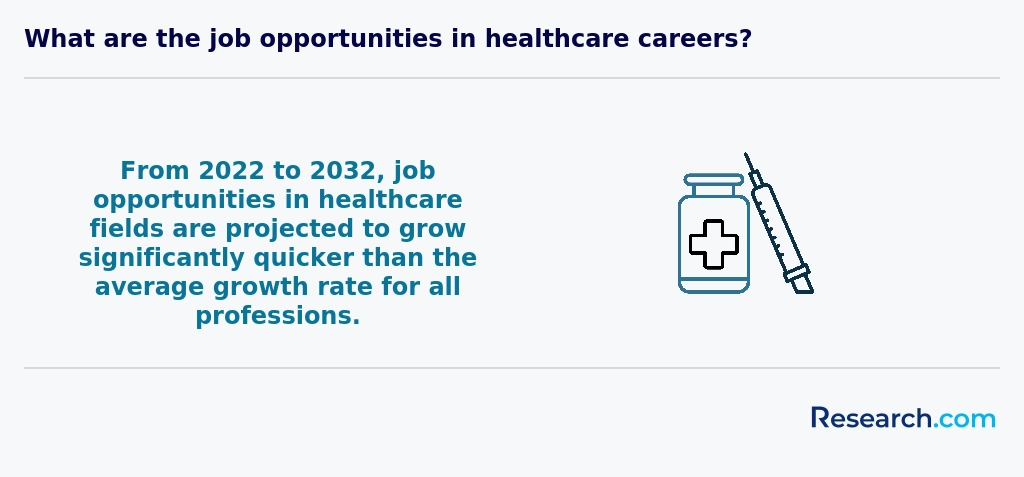
Healthcare careers in Billings align with broad global trends emphasizing the importance of skilled professionals to address aging populations and chronic diseases. Worldwide, the healthcare sector is rapidly expanding, with the US Bureau of Labor Statistics projecting a 16% growth in healthcare occupations from 2021 to 2031, faster than average for all jobs.
In Billings, Montana, healthcare employment reflects this trend, supported by local hospitals and clinics. The region's healthcare workforce needs are amplified by its rural setting, demanding flexible education paths such as nursing and allied health degrees that prepare graduates for diverse roles.
Globally, healthcare education emphasizes cultural competence and technological fluency. US programs, including those in Billings, increasingly integrate these skills to meet international standards and improve patient outcomes in multicultural environments.
Gaining practical experience while studying for a healthcare degree in Billings is crucial for career readiness. Many local institutions, such as Montana State University Billings, offer clinical rotations and internships as part of their programs. These provide hands-on training in hospitals, clinics, and long-term care facilities in the area.
Billings's healthcare sector includes facilities like Billings Clinic and St. Vincent Healthcare, both of which collaborate with educational institutions to provide real-world experience. According to the Montana Department of Labor, internships and clinical placements increase graduate employment rates by over 20% statewide.
Students can also explore volunteer opportunities or part-time work in healthcare settings to enhance their skills and professional networks while completing their studies.
Choosing the right concentration within a healthcare degree program in Billings involves understanding local industry demands and your career goals. Billings, part of Yellowstone County, has a growing healthcare sector, with jobs expected to increase by 15% through 2030, according to the Montana Department of Labor & Industry.
Start by researching concentrations offered locally, such as nursing, health administration, or medical laboratory sciences. Consider the types of employers nearby, including Billings Clinic and St. Vincent Healthcare, which frequently hire specialized professionals.
Additionally, review program accreditation and job placement rates. Many programs in Billings align with national standards, which is crucial for licensure and employment.
Finally, evaluate your personal interests and strengths; hands-on clinical roles demand different skills than administrative paths. Aligning these with local job trends maximizes your success.
Related Healthcare Rankings for Nearby Cities
- 2027 Most Valuable Healthcare Degree Programs Ranking in Denver
- 2027 Most Valuable Healthcare Degree Programs Ranking in Colorado Springs
- 2027 Most Valuable Healthcare Degree Programs Ranking in Sioux City
- 2027 Most Valuable Healthcare Degree Programs Ranking in Omaha
- 2027 Most Valuable Healthcare Degree Programs Ranking in Minneapolis
- 2027 Most Valuable Healthcare Degree Programs Ranking in Wichita
- 2027 Most Valuable Healthcare Degree Programs Ranking in Phoenix
- 2027 Most Valuable Healthcare Degree Programs Ranking in Tempe
- 2027 Most Valuable Healthcare Degree Programs Ranking in Oakland
- 2027 Most Valuable Healthcare Degree Programs Ranking in San Francisco
Top Trending Healthcare Rankings
See What Experts Have To Say About Studying Healthcare
Read our interview with Healthcare experts

References
- Best Healthcare colleges in Billings https://www.universities.com/find/billings/best/healthcare
- How to Create a Healthcare Career Roadmap https://www.ihire.com/resourcecenter/jobseeker/pages/how-to-create-a-healthcare-career-roadmap
- Global Health Perspectives https://globalhealthperspectives.com/
- The impact of postgraduate education on career advancement in healthcare https://sets.com.ua/journals/vol-3-no-2-2024/the-impact-of-postgraduate-education-on-career-advancement-in-healthcare
- Live Courses - Billings Clinic Continuing Medical Education https://billingsclinic.cloud-cme.com/default.aspx
- Career Opportunities in Healthcare Without a Medical Degree https://www.just-medical.ch/en/blog/medical-careers-without-formal-education
- 5 Concentrations for a Bachelor’s of Healthcare Administration - Healthcare Administration Degree Programs https://www.healthcare-administration-degree.net/lists/5-concentrations-for-a-bachelors-of-healthcare-administration/
- Medical Bill Help from Advanced Care Hospital Of Montana – Dollar For https://dollarfor.org/medical-debt-help-billings-advanced-care-hospital-of-montana/
- Expanding experiential learning through simulation https://www.pagethink.com/insights/unlocking-potential-expanding-experiential-learning-through-simulation
- Alumni Reconnect - Poznan University of Medical Sciences https://pums.edu.pl/alumni-friends/alumni-reconnect/


