
2027 Most Affordable Healthcare Degree Programs Ranking in the Midwest

Co-Founder and Chief Data Scientist
Choosing the right healthcare degree program can feel overwhelming, especially when balancing quality and affordability. Our 2027 Most Affordable Healthcare Degree Programs Ranking in the Midwest was created by the Research.com team of data scientists to guide you through this important decision.
This article highlights affordable options that don't compromise on quality, helping you pursue a meaningful career in healthcare without breaking the bank.
Whether you're just starting or considering a career change, exploring these programs can set you on a rewarding path with confidence and clarity.
Key benefits of getting healthcare degree in the Midwest
- Salary for healthcare degree graduates: Graduates can expect competitive pay in the Midwest, with roles like Patient Care Technicians earning a mean annual wage of $60,790 and Medical Assistants earning about $43,350 per year.
- Career paths: A healthcare degree opens doors to various roles, from Clinical Research Coordinator positions to Health Information Technician careers, offering diverse opportunities for growth and impact.
- Online degree benefits: Completing a healthcare degree online, as seen at popular Midwest universities, provides flexibility and convenience, allowing students to balance studies with work or family commitments effectively.
- Key benefits of getting healthcare degree in the Midwest
- What can I expect from healthcare degree in the Midwest?
- Where can I work with healthcare degree in the Midwest?
- How much can I make with healthcare degree in the Midwest?
- 2027 Most Affordable Healthcare Degree Programs Ranking in the Midwest
- Key Findings
- How long does it take to complete healthcare degree in the Midwest?
- Accreditation and Licensure
- What's the difference between online and on-campus healthcare degree?
- Financial Aid and Scholarship Opportunities for Healthcare Students in the Midwest
- What is the average cost of healthcare degree in the Midwest?
- Financial Aid and Scholarship Opportunities for Healthcare Programs
- What financial aid is available to healthcare degree students in the Midwest?
- Financial Aid and Scholarship Opportunities for Healthcare Degrees in the Midwest
- What are the prerequisites for enrolling in healthcare degree program in the Midwest?
- Financial Aid and Scholarship Opportunities for Midwest Healthcare Students
- What courses are typically in healthcare degree programs in the Midwest?
- What types of specializations are available in healthcare degree programs in the Midwest?
- How do you choose the best healthcare degree in the Midwest?
- What career paths are available for healthcare degree students in the Midwest?
- What is the job market for healthcare degree in the Midwest?
- Top Trending Healthcare Rankings
- See What Experts Have To Say About Studying Healthcare
What can I expect from healthcare degree in the Midwest?
Students pursuing healthcare degrees in the Midwest often find that the average cost of their education is surprisingly affordable compared to other regions. Graduates from public universities in states like Indiana or Missouri commonly share how manageable tuition fees made it possible to focus fully on their studies without overwhelming financial stress. For example, attending a well-known Midwestern state university often means paying less for high-quality programs than at private institutions elsewhere, allowing students to invest more in hands-on clinical experiences rather than worrying about large debt.
These affordable tuition rates empower students to gain invaluable real-world skills-whether through nursing rotations in respected hospitals or public health projects in urban and rural communities-without the heavy burden of excessive costs. Many graduates recall the encouragement of their advisors who emphasized that cost-efficient education does not mean compromising on excellence. Instead, Midwestern schools often blend accessible fees with robust healthcare networks that strengthen students' career readiness and long-term success.
Where can I work with healthcare degree in the Midwest?
Graduates with a healthcare degree from well-known Midwestern institutions like the University of Michigan or Ohio State University find themselves stepping into a world full of vibrant opportunities. Whether working in bustling urban hospitals in Chicago or nurturing patient care at outpatient clinics in suburban Minneapolis, they bring valuable skills that communities truly rely on. One graduate shared how their clinical practicum in a large Cleveland hospital shaped their confidence in providing compassionate, hands-on care while collaborating with diverse healthcare teams.
Many alumni pursue rewarding roles in public health agencies across Indiana and Wisconsin, tackling important challenges like rural health disparities and community education. Others thrive in long-term care settings, where their work deeply impacts elderly residents' quality of life, reflecting the region's growing need for geriatric specialists.
Healthcare administration graduates explore dynamic paths managing complex systems in hospitals or insurance firms, embracing leadership that drives innovation. These diverse career journeys-from direct patient care to policy and management-offer a fulfilling way to make a difference in the Midwest's health landscape.
How much can I make with healthcare degree in the Midwest?
Graduates from healthcare programs at popular Midwest universities often find rewarding job opportunities with competitive salaries. For example, Medical Assistants typically earn around $43,350 annually, providing a solid starting point for students passionate about patient care. Those stepping into roles as Patient Care Technicians enjoy higher wages near $60,790 per year, reflecting a rewarding balance of responsibility and community impact. Health Information Technicians earn close to $43,380, combining technical skills with healthcare knowledge to support medical teams effectively.
Clinical Research Coordinators, another exciting career path, see similar mean wages of about $43,350, showing that research roles are viable for those intrigued by advancing medical science. Meanwhile, ambitious graduates aiming for leadership or specialized roles can target positions like Quality Improvement Coordinators, earning impressive median salaries of $103,150 annually, signifying strong growth and advancement potential in the region.
Many graduates from institutions such as the University of Michigan or Ohio State University describe their transition into the workforce as inspiring, motivated by the region's supportive healthcare environment and plentiful job options. These salary levels not only reflect steady financial stability but also the opportunity to make a meaningful difference in vibrant Midwest communities.
2027 Most Affordable Healthcare Degree Programs Ranking in the Midwest
How do we rank schools?
Investing in your education is a significant decision that can shape your future, and the Research.com team understands the importance of making informed choices. To assist prospective students in the Midwest, we have meticulously crafted the "2027 Most Affordable Healthcare Degree Programs Ranking in the Midwest." Our commitment to quality, credibility, and accuracy is reflected in the extensive research and analysis conducted to compile this ranking.
We utilized the following reputable data sources to ensure a comprehensive evaluation of healthcare degree programs:
By exploring this ranking, readers will gain valuable insights into the most affordable healthcare degree programs available in the Midwest, empowering them to make well-informed decisions about their educational investments. For more details on our methodology, please visit our Research.com methodology page.


# 4 position
City Vision University
Bachelor of Science in Health Sciences

# 5 position
Mayo Clinic College of Medicine and Science
Master of Science in Health Sciences

# 6 position
Mayo Clinic College of Medicine and Science
Doctor of Philosophy in Biomedical Sciences

# 8 position
Dakota State University
Master of Science in Health Informatics and Information Management

# 11 position
Central Methodist University-College of Graduate and Extended Studies
Bachelor of Science in Nursing

# 12 position
Central Methodist University-College of Graduate and Extended Studies
Master of Science in Nursing



# 20 position
Sinte Gleska University
Bachelor of Science in Health Sciences

Key Findings
- In-state tuition for public healthcare programs in the Midwest ranges from $8,000 to $15,000 per year, while private institutions charge between $20,000 and $35,000 annually.
- Additional costs like fees, textbooks, and clinical materials are not usually included in tuition estimates.
- Healthcare jobs are growing steadily in Midwest states like Ohio, Illinois, and Minnesota, especially for nurses, health services managers, and allied health professionals.
- Starting salaries for entry-level nurses range from $55,000 to $65,000 annually, with mid-level and advanced professionals earning between $75,000 and $90,000.
- Experienced healthcare workers can expect salaries between $90,000 and $120,000, particularly in leadership or specialized roles.
- Many Midwest schools offer financial aid and scholarships linked to service commitments with local hospitals to lower education costs.
How long does it take to complete healthcare degree in the Midwest?
Completing a healthcare degree in the Midwest can be an inspiring journey tailored to your goals and timeline. Graduates from community colleges across Illinois and Ohio often celebrate finishing their associate degrees in about 2 years, stepping confidently into rewarding healthcare roles without the burden of excessive costs. Many find value in certificate programs lasting as little as 6 months to 1 year-perfect for those eager to start quickly as medical assistants or pharmacy technicians.
At respected universities like the University of Michigan and the University of Minnesota, bachelor's degree students experience an empowering 4-year path, with some accelerating their studies to finish in 2 to 3 years thanks to prior credits or healthcare work experience. This flexibility fuels their motivation, knowing their time investment aligns with career advancement.
For those pursuing master's or doctoral degrees in specialized fields such as nurse practitioner or physical therapy, programs range from 2 to 7 years, blending rigorous academics with meaningful clinical practice in vibrant Midwest communities. Graduates speak of transformative experiences, feeling fully prepared to make impactful differences in healthcare.
Accreditation and Licensure
Before enrolling, verify that your program holds regional and professional accreditation-this ensures quality standards and eligibility for licensure exams.
- Regionally accredited colleges maintain academic rigor and credit transferability.
- For nursing: look for CCNE or ACEN accreditation.
- For allied health: seek CAAHEP or JRCERT approval.
- State board approval: confirm the program meets your state’s licensing requirements.
Graduates must pass national or state licensure exams (e.g., NCLEX-RN for registered nurses) to practice legally. Check application deadlines, required clinical hours and exam eligibility with your state board. To find accredited programs with accessible admissions, explore the easiest nursing schools to get into.
What's the difference between online and on-campus healthcare degree?
Choosing between online and on-campus healthcare degrees in the Midwest unlocks unique opportunities tailored to your lifestyle and goals. On-campus programs at renowned universities like the University of Michigan or Ohio State University immerse you in vibrant classrooms, hands-on labs, and trusted local clinical settings. Graduates often cherish the instant guidance from professors and the deep connections formed with peers in bustling campus environments. Imagine walking through a hospital corridor nearby, learning directly from experienced mentors-this first-hand experience shapes confident healthcare professionals.
Meanwhile, online degrees from respected institutions such as the University of Illinois or Indiana University offer incredible flexibility without sacrificing quality. Working adults and rural students delight in balancing study with career and family, enjoying tuition consistent with in-state rates while saving on commuting costs. Though clinical hours require proactive scheduling at local facilities, graduates feel empowered mastering time management and independence, enhancing their resilience in healthcare roles.
Both paths beautifully prepare you for success, whether you thrive in dynamic campus communities or embrace adaptable, self-driven learning-all within the supportive Midwest healthcare education landscape.
Financial Aid and Scholarship Opportunities for Healthcare Students in the Midwest
Pursuing a healthcare degree in the Midwest can be made more affordable by leveraging a diverse array of financial aid sources. First, completing the Free Application for Federal Student Aid (FAFSA) is essential, as it unlocks federal grants-such as the Pell Grant-and low-interest Direct Loans. Many Midwestern states also offer need-based grants; for example, the Illinois MAP Grant and the Ohio College Opportunity Grant provide awards up to several thousand dollars per year. Prospective students should submit state aid applications by each state’s priority deadline to maximize their funding potential. In addition to federal and state aid, merit-based scholarships are abundant in the region. Universities like the University of Wisconsin-Madison and Ohio State University award scholarships for academic achievement, leadership, and community service. Healthcare departments often reserve funds for students entering high-demand fields such as nursing, health informatics, and healthcare administration. Interested applicants should consult university scholarship offices and departmental websites early in the admissions cycle to identify criteria and deadlines. Private organizations and professional associations also offer targeted scholarships for healthcare majors. The Midwest Healthcare Executives Association and state nursing foundations frequently award funds to students demonstrating financial need and academic excellence. Employer tuition reimbursement is another viable option: many hospital systems and outpatient clinics in metropolitan areas like Chicago and Minneapolis sponsor part-time employees through degree completion programs. Students can compare program affordability and funding packages via resources such as the Affordable Online Doctorate in Healthcare Degree Programs Ranking in Missouri, which highlights cost-effective pathways and scholarship opportunities. Finally, consider alternative funding strategies such as graduate assistantships, work-study positions, and healthcare fellowships. These roles not only offset tuition costs but also provide valuable hands-on experience. Early communication with financial aid advisors and faculty mentors can uncover specialized grants-such as research stipends for health policy projects-that may otherwise go unnoticed. By proactively exploring all available financial aid avenues, Midwest healthcare students can significantly reduce their out-of-pocket expenses and graduate with manageable debt.
What is the average cost of healthcare degree in the Midwest?
The average total cost of earning a healthcare degree in the Midwest is approximately $42,608, with in-state students typically paying around $20,640. These figures reflect a balance between quality education and regional affordability, making the Midwest an encouraging place for aspiring healthcare professionals. Graduates from well-known institutions like the University of Michigan and Ohio State University often share stories of manageable tuition combined with valuable hands-on clinical experiences, highlighting the real-world benefits of investing in education here.
Many students find that affordable healthcare degree programs in the Midwest allow them to focus on what truly matters-their passion for helping others. For example, community colleges and public universities in states such as Illinois and Michigan provide competitive tuition rates that align with these averages, enabling students to pursue nursing, health administration, or allied health degrees without overwhelming debt.
In addition to tuition, it's important to consider other costs like textbooks, certification exams, and clinical fees. For students motivated by a career in healthcare, these additional expenses are a worthwhile investment in their future. To explore more options, prospective learners can look into the fastest online healthcare programs in michigan, which offer flexible paths to graduation with costs tailored to individual needs.
Choosing a healthcare degree in the Midwest today means embracing an affordable yet rewarding educational journey that sets the stage for a meaningful and impactful career.

Financial Aid and Scholarship Opportunities for Healthcare Programs
Securing financial support is a critical step when pursuing an affordable healthcare degree in the Midwest. Prospective students should explore a variety of funding avenues, including federal and state grants, scholarship programs, work-study options, and even private loans. Start by researching grants like the Pell Grant, as well as institution-specific scholarships designed to reward academic excellence and community service. Many Midwestern schools have dedicated financial aid offices that offer personalized guidance to help demystify the application process and maximize available opportunities. Additionally, students considering flexible degree formats might want to explore options such as the fastest online healthcare programs in michigan, which occasionally offer unique scholarship packages and lower tuition rates compared to traditional on-campus programs. Overall, understanding financial aid resources not only alleviates monetary concerns but also sets the stage for a more focused and successful academic journey.
What financial aid is available to healthcare degree students in the Midwest?
Many healthcare students in the Midwest find hope through accessible financial aid that makes their dreams achievable. Graduates from schools like the University of Michigan and Ohio State University often share how Pell Grants and Federal Supplemental Educational Opportunity Grants (FSEOG) lifted the burden of tuition fees, allowing them to fully focus on their studies and clinical training.
State scholarships, such as those offered in Illinois, Ohio, and Michigan, provide targeted support for healthcare students, especially those from low- and moderate-income families. For instance, students at the University of Illinois have benefited from need-based grants that reduce tuition costs significantly, turning aspirations into reality.
Many also tap into scholarships from organizations like the Health Resources and Services Administration (HRSA), which inspire commitment by rewarding those ready to serve underserved communities. Work-study programs and assistantships at Midwestern institutions offer more than financial relief-they deliver invaluable hands-on experience.
Working professionals pursuing healthcare degrees often share how employer-sponsored tuition reimbursement programs from local hospitals empower them to advance their careers without daunting debt.
Financial Aid and Scholarship Opportunities for Healthcare Degrees in the Midwest
Navigating the financial aspects of healthcare education is as important as choosing the right program, and many institutions in the Midwest offer a variety of scholarships, grants, and loan programs to ease the burden of tuition costs. Prospective students should begin by exploring federal aid options such as FAFSA, as well as state-specific grants that cater to healthcare disciplines. Additionally, numerous universities provide merit-based and need-based scholarships specifically for healthcare students, which can significantly lower overall expenses. For those looking to supplement their education with practical skills at a low cost, institutions often recommend checking out opportunities like a free medical billing and coding course to gain industry-relevant certifications. Furthermore, financial planning seminars, peer advising sessions, and workshops offered by college financial aid offices can equip students with essential budgeting strategies and loan management tips, ensuring that the pursuit of their degree does not compromise their financial stability. This proactive approach not only improves short-term affordability but also lays a strong foundation for future financial success in the rapidly evolving healthcare sector.
What are the prerequisites for enrolling in healthcare degree program in the Midwest?
To enroll in a healthcare degree program in the Midwest, you'll need to meet several achievable and clear prerequisites that set you up for success. Graduates from universities like the University of Iowa and the University of Minnesota often recall how strong foundations in biology, chemistry, and math not only prepared them for demanding coursework but also built their confidence as future healthcare professionals.
Most programs ask for a high school diploma or equivalent with solid grades in science and math, plus completion of key college courses such as anatomy, physiology, microbiology, and statistics. These requirements ensure you are ready for the fast-paced learning ahead.
Many students also share how gaining healthcare experience, whether through volunteering or obtaining certifications like CNA, helped them connect with patients and deepen their motivation. Submitting heartfelt letters of recommendation and personal statements further allows you to showcase your passion and resilience to admissions committees across the Midwest.
This thoughtful preparation makes pursuing a healthcare degree in the Midwest both inspiring and attainable, offering you a supportive path to a rewarding career.
Financial Aid and Scholarship Opportunities for Midwest Healthcare Students
Navigating the cost of a healthcare degree in the Midwest can be made significantly easier through targeted financial aid and scholarship options. Federal aid, including Pell Grants and Federal Direct Loans, forms the backbone of many students’ funding plans. To begin, fill out the FAFSA (Free Application for Federal Student Aid) as early as October 1 to maximize eligibility for grants and subsidized loans. Beyond federal sources, many Midwestern institutions offer merit-based scholarships for high-achieving applicants and need-based grants for students demonstrating financial hardship. State programs in Illinois, Ohio, Michigan, and Minnesota provide additional assistance, such as the Michigan Tuition Incentive Program or the Ohio College Opportunity Grant, which can offset in-state tuition. Private organizations-ranging from hospital foundations to professional associations like the American Health Information Management Association-award scholarships based on academic excellence, leadership, and community service. For allied health students, including those pursuing a physical therapy assistant track, exploring specialized funding can yield substantial savings. For instance, prospective PTAs can consult our Best Online Associate in Physical Therapy Assistant Programs to identify affordable programs that offer dedicated scholarship packages. Many online programs bundle reduced tuition with institutional grants, further lowering out-of-pocket costs. To optimize your aid package:
- Research deadlines for institutional scholarships and departmental awards.
- Maintain a strong GPA and gather robust letters of recommendation.
- Leverage volunteer or clinical experience to qualify for service-based scholarships that require community engagement. By combining federal dollars, state grants, institutional scholarships, and private awards, Midwest healthcare students can minimize debt and focus on building the skills that lead to a rewarding career in patient care and healthcare administration.
What courses are typically in healthcare degree programs in the Midwest?
Healthcare degree programs in the Midwest offer a rich, hands-on learning experience that excites many aspiring healthcare professionals. Typical courses include human anatomy and physiology, microbiology, and chemistry, giving students a deep understanding of the human body and diseases. Graduates from well-known Midwest universities often share how learning these fundamentals made clinical work more meaningful and manageable.
Students also dive into healthcare-specific topics like medical terminology, health ethics, and healthcare policy. These courses prepare them to communicate clearly and navigate complex healthcare systems, essential skills for working in Midwestern hospitals or clinics. Many describe how simulation labs and patient care techniques helped them build confidence before stepping into real-world settings.
Public health courses reflect the unique challenges of Midwest healthcare, like rural access and chronic disease management. Internships in community health organizations provide invaluable experience, inspiring students with the opportunity to make a positive impact in their own neighborhoods, something graduates from popular colleges in the region passionately highlight as a career-defining moment.
What types of specializations are available in healthcare degree programs in the Midwest?
Healthcare degree specializations Midwest students choose are as diverse as the region's healthcare needs, offering exciting pathways for passionate individuals. Graduates from renowned programs at colleges across the Midwest often recall how nursing tracks-ranging from nurse practitioner to nurse anesthetist-allowed them to develop hands-on expertise crucial for patient care in urban hospitals or rural clinics. Many find inspiration in Health Information Management, mastering medical coding and electronic health records to transform patient data into life-saving insights.
Public Health concentrations empower students to tackle real challenges like community wellness and disease prevention, with graduates from top Midwest universities stepping into vital roles in health education and environmental health sectors. Those pursuing Healthcare Administration gain leadership skills to manage complex healthcare systems, often sharing stories of shaping policies that impact thousands. The region's strong Physical Therapy and Occupational Therapy programs prepare graduates to make tangible differences in recovery and rehabilitation journeys.
For those interested in diagnostic science, Medical Laboratory Science offers a compelling career by supporting patient care through advanced testing and analysis. Midwest healthcare programs concentration options are rich and varied, reflecting the vibrant healthcare labor market. Students can also enrich their education with a free medical billing and coding course, providing valuable credentials to complement their degrees.
How do you choose the best healthcare degree in the Midwest?
Choosing the best healthcare degree in the Midwest means focusing on quality and value. Graduates from well-known universities in this region often highlight how accreditation and strong clinical partnerships helped them build confidence and real-world skills. Midwest schools commonly balance rigorous curriculum with practical experiences, making programs both affordable and enriching. Considering the best affordable healthcare degrees Midwest offers means exploring institutions that blend excellent education with manageable tuition, often supported by scholarships and financial aid that reduce stress.
Flexibility is essential, especially for those juggling work or family. Many programs in the Midwest provide hybrid or online options, much appreciated by students who need to tailor their studies around life commitments. Graduates frequently share stories of how flexible scheduling enabled them to complete their education successfully while gaining invaluable hands-on experience in local healthcare settings.
When assessing top healthcare programs Midwest cost and quality, remember that good programs emphasize strong employment outcomes. The Midwest's diverse job market means plenty of opportunities for new graduates. For a deeper dive into excellent options, consider looking at the Best Online Associate in Physical Therapy Assistant Programs available, combining affordability and career-readiness.
What career paths are available for healthcare degree students in the Midwest?
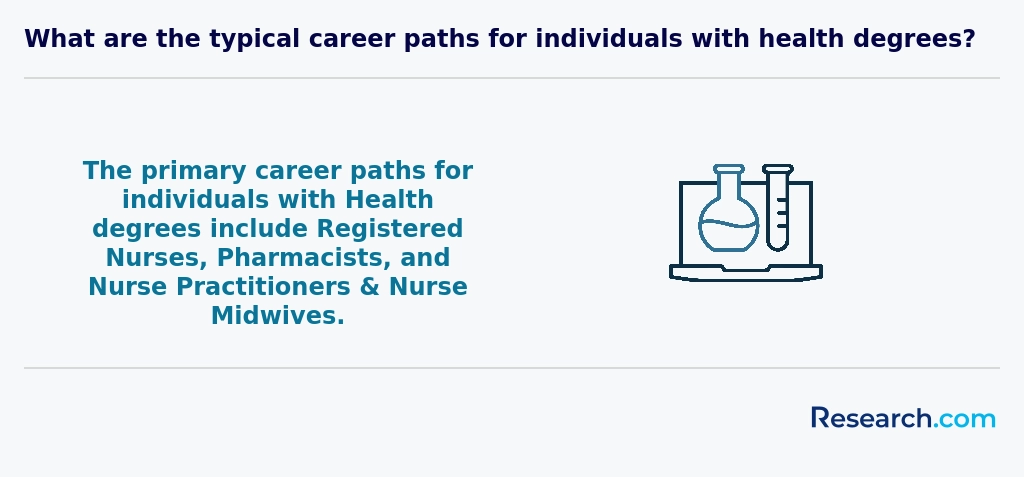
Graduates with a healthcare degree in the Midwest find fulfilling career paths that truly make a difference in their communities. Whether working as registered nurses in bustling hospitals around Chicago or advancing healthcare administration in Detroit's dynamic medical centers, these roles offer rewarding experiences. Many graduates from well-known universities in the Midwest embrace opportunities in physical therapy, helping patients regain strength after injuries amid the region's active population. Others step into medical laboratory technology, providing crucial diagnostic support essential to effective treatments throughout the area.
Those passionate about community impact often pursue public health roles, contributing to programs that promote wellness and prepare for future health challenges. Choosing to study in the Midwest means access to a supportive environment where healthcare careers in the Midwest grow alongside state investments and aging populations. Affordable tuition and streamlined licensing pathways encourage students who want to turn their compassion into a lifelong profession.
For students eager to advance, exploring options like the Affordable Online Doctorate in Healthcare Degree Programs Ranking in Missouri provides a clear path for continued growth and expertise.
What is the job market for healthcare degree in the Midwest?
The healthcare job market in the Midwest is vibrant and full of promise for graduates who have invested in a healthcare degree. Many graduates from well-known universities and colleges in the region find themselves stepping into fulfilling roles such as registered nurses, physical therapists, and healthcare technologists with confidence, knowing the demand for their skills is strong. This steady growth reflects the Midwest healthcare degree employment outlook, fueled by an expanding network of hospitals and clinics eager to hire dedicated professionals. Students often share how the practical experiences gained during their studies translate directly into job readiness, making them competitive candidates right after graduation.
Midwest healthcare job opportunities in the Midwest come with the added benefit of a lower cost of living, which allows graduates to enjoy a balanced lifestyle. Salaries are competitive, and many appreciate that educational expenses are more affordable compared to other regions. Those aiming to enter this field should consider exploring the fastest online bachelor degree programs for working adults to accelerate their path to success while managing personal commitments effectively.
Frequently Asked Questions About healthcare
Healthcare degree students in the Midwest can maximize their learning experience by actively engaging in clinical placements and internships, which are often supported by partnerships between universities and local hospitals. These practical experiences allow students to apply classroom knowledge in real-world settings, enhancing skills and professional networks. According to the Health Resources and Services Administration, the Midwest has a growing demand for healthcare professionals, making hands-on training vital for career readiness.
Students should also take advantage of interprofessional education programs, increasingly common in Midwestern colleges. These programs foster collaboration among future nurses, physicians, and allied health workers, reflecting modern healthcare team dynamics.
Additionally, utilizing regional healthcare data from sources such as the Midwest Rural Health Research Center can provide students with context-specific insights, enhancing their understanding of local health challenges and resources.
The healthcare field in the Midwest is rapidly evolving, with several emerging niches offering promising career opportunities. One key area is telehealth, which has grown significantly due to increased demand for remote care. According to the Midwestern Governors Association, telehealth usage in the region doubled between 2020 and 2023.
Another growing niche is geriatric care, driven by the aging population. The U.S. Census Bureau estimates that by 2030, 20% of Midwest residents will be over 65, raising the need for specialized healthcare services.
Additionally, healthcare informatics is expanding as facilities adopt advanced data management systems to improve patient outcomes. Professionals with degrees in health information technology are increasingly sought after.
Finally, mental health services continue to be a critical growth sector, with increasing investments aimed at addressing regional shortages in mental health professionals.
Preparing for the job market after completing a healthcare degree in the Midwest involves several strategic steps. Graduates should take advantage of local healthcare networks, as the region has a growing demand for healthcare professionals. According to the U.S. Bureau of Labor Statistics, states like Illinois and Ohio are expected to see a 15% increase in healthcare jobs by 2030.
Internships and clinical rotations during studies are critical, providing real-world experience and professional connections. Additionally, obtaining relevant certifications-such as Registered Nurse (RN) or Certified Medical Assistant (CMA)-can significantly improve employability.
Networking through Midwestern professional organizations and attending job fairs can open doors. Finally, staying informed about regional healthcare trends helps candidates target their job search effectively and meet employer expectations.
Employers in the Midwest prioritize a combination of technical and interpersonal skills for healthcare degree graduates. Clinical proficiency, including patient care and medical technology knowledge, ranks as essential. According to the Illinois Board of Higher Education, 78% of healthcare employers emphasize hands-on experience through internships or clinical rotations.
Communication skills are also critical. Effective collaboration with patients and healthcare teams improves outcomes and patient satisfaction. The Midwest Healthcare Employers Association reports that 65% of job vacancies list communication as a key requirement.
Additional valued skills include critical thinking, adaptability to fast-paced environments, and cultural competence given the region's diverse population. Graduates excelling in these areas are highly competitive for jobs across hospitals and clinics throughout the Midwest.
Finding internships in the Midwest for healthcare degree students involves a few key steps. Start by exploring local hospitals, clinics, and public health organizations, which often offer internships tailored to healthcare students. Institutions such as Mayo Clinic in Minnesota and Cleveland Clinic in Ohio provide numerous opportunities each year.
University career centers are invaluable resources, offering internship listings and networking events. Additionally, state workforce agencies publish healthcare internship openings, with some backed by federal programs like the Health Resources and Services Administration (HRSA).
Online platforms such as Handshake and Symplicity also list internships specifically for healthcare students in the Midwest region.
Obtaining a healthcare degree in the Midwest greatly enhances career mobility and advancement opportunities. The region's growing healthcare industry, fueled by an aging population and expanding rural health services, demands qualified professionals. According to the U.S. Bureau of Labor Statistics, healthcare occupations in the Midwest are projected to grow by over 15% from 2020 to 2030, faster than many other sectors.
Graduates with degrees in nursing, health administration, or allied health fields often find diverse job roles ranging from clinical positions to management. Advanced credentials can lead to higher salaries and leadership roles, reflecting the region's emphasis on skilled healthcare workers.
Midwestern states like Ohio, Illinois, and Minnesota offer strong networks of hospitals and healthcare providers, which provide essential clinical experience and professional connections for students. This results in smoother transitions into the workforce and greater chances for promotion within healthcare systems.
Studying for a healthcare degree in the Midwest offers extensive preparation for interdisciplinary roles, crucial in today's collaborative medical environment. Many programs emphasize teamwork between nursing, public health, pharmacy, and social work professionals.
Midwestern universities often partner with local hospitals and clinics, providing hands-on experience in settings where multiple disciplines intersect. For example, the University of Minnesota highlights integrated clinical placements aiding students in understanding diverse healthcare roles.
The Midwest's healthcare workforce needs have driven curricula that build communication and coordination skills, essential for working on interdisciplinary teams. According to the Midwestern Higher Education Compact, over 45% of healthcare jobs in the region require collaboration across specialties, making such training vital.
Choosing between a thesis and a non-thesis healthcare degree program in the Midwest depends on your career goals and interests in research. Thesis programs typically require original research, which suits students planning to pursue doctoral studies or research careers. Many Midwest universities offering healthcare degrees, such as the University of Minnesota or Ohio State University, provide these options.
Non-thesis programs focus more on practical skills and coursework, ideal for professionals aiming to enter clinical or administrative roles quickly. According to the National Center for Education Statistics, about 60% of healthcare graduate students in the Midwest opt for non-thesis tracks due to time constraints and career focus.
Cost and program length also vary; thesis programs often take longer and may offer research assistantships, while non-thesis paths may lead to faster workforce entry.
Students in the Midwest interested in studying healthcare abroad have several avenues to explore. Many Midwest universities offer established study abroad programs in countries known for advanced medical training, such as the United Kingdom, Australia, and Canada. These programs often include clinical rotations and research opportunities aligned with U.S. accreditation standards.
According to the Institute of International Education, about 10% of U.S. healthcare students participate in study abroad experiences, with a growing interest from Midwest institutions. Schools like the University of Michigan and Ohio State University provide partnerships facilitating such exchanges.
Financial aid and scholarships for these programs are sometimes available, reducing barriers for Midwest students seeking global healthcare education exposure.
Part-time job opportunities in the Midwest that complement healthcare degree education often include roles such as medical scribe, certified nursing assistant (CNA), pharmacy technician, and patient care technician. These positions provide practical experience critical to understanding clinical environments and patient interactions.
According to the U.S. Bureau of Labor Statistics (2023), healthcare support roles in the Midwest are expected to grow by approximately 11%, indicating steady demand. Working part-time in hospitals, clinics, or long-term care facilities allows students to apply their academic knowledge in real-time, enhancing skills and resumes.
Additionally, jobs in medical billing and coding or health information technology offer exposure to administrative aspects of healthcare, which is valuable as healthcare systems digitize records across the region.
Healthcare students in the Midwest benefit from numerous networking opportunities through well-established programs and professional organizations. Many universities host annual healthcare career fairs connecting students with hospital systems and clinics, vital in a region where approximately 14% of U.S. healthcare jobs are concentrated, according to the U.S. Bureau of Labor Statistics. Additionally, state chapters of national organizations like the American Medical Student Association and the National Student Nurses' Association frequently hold regional conferences. These events encourage students to build professional relationships and explore internships within Midwest healthcare hubs such as Chicago and Minneapolis.
Local healthcare institutions also sponsor mentorship programs linking students with practicing professionals. For example, the Midwest Healthcare Alliance fosters collaborations across educational institutions, supporting students in attending workshops and networking sessions. These opportunities are essential in the Midwest's diverse healthcare landscape, enhancing job prospects and practical skills before graduation.
Alumni networks play a crucial role in supporting healthcare degree students in the Midwest by providing valuable career connections and mentorship opportunities. Many Midwestern universities maintain active alumni groups that facilitate job placements in local hospitals, clinics, and healthcare organizations, where over 1.2 million healthcare jobs are expected to grow by 12% through 2030, according to the U.S. Bureau of Labor Statistics.
These networks also offer internships and shadowing experiences, helping students gain practical insights into the regional healthcare landscape. Access to experienced professionals expands students' understanding of various healthcare roles, fostering stronger employment prospects.
Moreover, alumni groups often host workshops and networking events that build communication and leadership skills essential for success in healthcare careers.
Customizing a healthcare degree program in the Midwest allows students to align education with specific career goals. Many universities offer elective courses, concentrations, or minors focused on areas such as public health, health informatics, or healthcare administration. According to the National Center for Education Statistics, about 60% of Midwest institutions provide such flexible options.
Students can also benefit from clinical placements or internships with regional hospitals and healthcare providers to gain practical experience. Institutions often collaborate with local healthcare systems, which can enhance networking and job opportunities after graduation. Additionally, online and hybrid program formats offer greater scheduling flexibility.
Overall, tailoring coursework and practical experiences helps students meet regional healthcare industry demands and prepares them for roles in a growing job market.
Healthcare students in the Midwest face several distinct challenges as they pursue their degrees. Clinical placement availability is a common hurdle, with rural areas often lacking sufficient sites for hands-on training. According to the American Association of Colleges of Nursing (2023), this shortage affects approximately 30% of nursing students in the region.
Additionally, many Midwest students encounter financial barriers. The Midwestern Higher Education Compact (2022) reports that average healthcare program costs remain high compared to regional income levels, leading to significant student debt.
Balancing rigorous coursework with work or family commitments poses another frequent difficulty, especially for non-traditional students. These factors combined create a demanding environment for aspiring healthcare professionals in the Midwest.
Healthcare degrees in the Midwest open doors to various professional certifications that enhance career prospects. Graduates often pursue certifications such as Certified Nursing Assistant (CNA), Registered Nurse (RN), and Licensed Practical Nurse (LPN), which are critical for clinical roles. For specialized fields, credentials like Certified Medical Assistant (CMA) or Certified Health Education Specialist (CHES) are common choices. According to the Bureau of Labor Statistics, the Midwest has seen a 12% growth in healthcare occupations from 2020 to 2030, increasing demand for certified professionals.
Additional certifications include Certified Professional Coder (CPC) for administrative roles and credentials in healthcare management. Many universities facilitate exam preparation for these certifications within their healthcare programs.
Writing a winning application for a healthcare program in the Midwest begins with thorough research on the specific schools you're interested in. Programs often look for applicants with strong academic records, especially in science and math courses. Many healthcare programs here require a minimum GPA of 3.0 for competitive admission.
Highlight your relevant experience, such as volunteer work or internships in healthcare settings, to demonstrate commitment. According to the American Association of Medical Colleges, healthcare roles in the Midwest continue growing, increasing admissions competition.
Be sure your personal statement clearly explains your motivation and how you plan to contribute to the Midwest healthcare community. Letters of recommendation from professors or healthcare professionals can strengthen your application by providing credible endorsements.
Lastly, carefully follow each program's instructions to avoid errors that could disqualify you. Attention to detail reflects professionalism and readiness for rigorous study.
Healthcare careers are seen globally as essential and rapidly growing fields, reflecting aging populations and advancing medical technologies. In the US, including the Midwest, demand for healthcare professionals is expected to grow 16% from 2021 to 2031, according to the Bureau of Labor Statistics. This growth outpaces many other industries, highlighting stable job prospects.
Midwestern states are home to some of the nation's leading healthcare education programs, contributing to a skilled workforce that supports both local and international health needs. Given the global shortage of nurses and allied health workers identified by the World Health Organization, Midwestern graduates often find opportunities worldwide.
International perspectives increasingly value American healthcare degrees, especially those grounded in evidence-based practice and technology. For Midwest students, pursuing such degrees offers access to rigorous training and the potential for diverse career paths in a global context.
Gaining practical experience while studying for a healthcare degree in the Midwest is vital for developing skills that employers seek. Many Midwestern universities partner with local hospitals, clinics, and community health centers to offer internships and clinical rotations. For example, institutions in Illinois and Ohio provide structured clinical practice opportunities, ensuring students meet state licensing requirements.
Additionally, voluntary and paid internships in urban and rural areas are common, helping students understand diverse patient populations. According to the Association of American Medical Colleges, approximately 65% of Midwestern healthcare students complete at least one clinical placement before graduation. Simulation labs available at many schools also allow practice in controlled settings.
Students should actively seek programs accredited by bodies like the Commission on Accreditation of Allied Health Education Programs (CAAHEP), which emphasize hands-on learning. Securing practical experience not only enhances learning but also improves job prospects after graduation.
Choosing the right concentration within a healthcare degree program in the Midwest requires careful consideration of both your interests and regional healthcare needs. Popular focuses include nursing, public health, health administration, and medical technology, each offering different career paths and growth prospects.
Midwestern states like Illinois and Ohio report significant demand for registered nurses and healthcare managers, according to the U.S. Bureau of Labor Statistics. Researching local job markets and projected growth can help align your concentration with employment opportunities.
Additionally, consider program accreditation and clinical placement options, which influence education quality and hands-on experience. Connecting with academic advisors and current professionals in your field of interest provides valuable insights into the best fit for your goals and the Midwest healthcare landscape.
Top Trending Healthcare Rankings
See What Experts Have To Say About Studying Healthcare
Read our interview with Healthcare experts

References
- Explore Healthcare Admin Degree Concentrations https://www.baypath.edu/news/bay-path-university-blogs/post/explore-healthcare-admin-degree-concentrations/
- Trends and opportunities in healthcare across emerging markets - Inizio https://inizio.com/insights/trends-and-opportunities-in-healthcare-across-emerging-markets/
- What are the top 10 skills that'll get you a job when you graduate? https://targetjobs.co.uk/careers-advice/skills-for-getting-a-job/what-are-top-10-skills-thatll-get-you-job-when-you-graduate
- Tuition at Every Medical School in the United States (Updated in 2025) - Shemmassian Academic Consulting https://www.shemmassianconsulting.com/blog/medical-school-tuition
- Admissions https://catalog.il.midwestern.edu/admissions-6
- Career Programs at Midwestern Career College | Healthcare, Business, IT & ESL https://mccollege.edu/programs/
- The Value of Healthcare Organization Alumni Associations https://consultqd.clevelandclinic.org/the-value-of-healthcare-organization-alumni-associations
- The Healthcare Student’s Guide to Internships | EduMed.org https://www.edumed.org/resources/student-online-guide-to-internships/
- Employability Skills Matrix for the Health Sector https://www.skillsforhealth.org.uk/resources/employability-skills-matrix/
- Trade School Career Training Programs in St. Louis, MO https://www.midwestinstitute.edu/programs/


