2027 Most Affordable Healthcare Degree Programs Ranking in Auburn

Co-Founder and Chief Data Scientist
Choosing the right healthcare degree program in Auburn can feel overwhelming. To make this easier, the Research.com team of data scientists created the 2027 Most Affordable Healthcare Degree Programs Ranking in Auburn. This ranking helps you compare affordable options based on real data.
Reading this article will guide you toward programs that fit both your budget and career goals. Pursuing a healthcare degree opens doors to rewarding and stable opportunities. Let this ranking inspire your next step toward a meaningful future in healthcare.
Key benefits of getting healthcare degree in Auburn
- Salary for healthcare degree graduates: Graduates in Auburn can expect competitive salaries such as $43,350 annually for Medical Assistants and $60,790 for Patient Care Technicians, offering financial stability early in their careers.
- Potential career paths: Healthcare degree holders from Auburn universities often work as Health Information Technicians or Clinical Research Coordinators, providing diverse options for professional growth and making a real impact in healthcare services.
- Benefits of online degrees: Earning a healthcare degree online in Auburn allows students to balance work and study with flexible schedules, while still preparing effectively for rewarding roles like Quality Improvement Coordinator, which offers an impressive mean wage of $103,150.
- 2027 Most Affordable Healthcare Degree Programs Ranking in Auburn
- What can I expect from healthcare degree in Auburn?
- Where can I work with healthcare degree in Auburn?
What can I expect from healthcare degree in Auburn?
When diving into a healthcare degree in Auburn, the price tag often hovers between $10,000 and $25,000 per year, depending on whether you attend Auburn University or opt for local community colleges. Graduates recall balancing tuition costs alongside part-time work and scholarships, feeling the thrill of investing in their futures at a fraction of big-city expenses.
The nursing program at Auburn University, accredited and reputable, tends to lean toward the higher end, yet many find that the combination of quality education and strong clinical opportunities makes every dollar worthwhile. Others tapping into health certificates or associate degrees at nearby community colleges enjoy flexible schedules and more budget-friendly fees, sparking hope in those juggling family and work.
Imagine walking the halls of East Alabama Medical Center for clinical rotations, knowing your tuition has fueled such invaluable real-world learning. The tangible payoff isn't just in saved pennies but in growing confidence and serendipitous connections born from Auburn's distinct blend of affordability and hands-on experience.
Where can I work with healthcare degree in Auburn?
Imagine stepping out of Auburn's nursing or allied health program straight into the bustling halls of East Alabama Medical Center, where graduates transform knowledge into lifesaving action daily. Here, roles burst beyond the bedside-registered nurses, radiologic technologists, and specialized practitioners weave together expertise and compassion in a high-energy environment.
Other graduates find themselves thriving in outpatient clinics or urgent care centers, balancing fast-paced patient care with Auburn's growing call for primary health services. Picture yourself as a dental hygienist working close to campus, or a physical therapist helping local families regain strength and joy.
For those drawn to community impact, jobs in skilled nursing facilities and assisted living homes offer meaningful interaction with Auburn's aging population-certified nursing assistants and healthcare administrators play pivotal roles in residents' well-being.
Students from Auburn University's health science programs often land research coordinator roles, diving into groundbreaking clinical studies that ripple far beyond Alabama, while others shape public health around town, turning education into action.
Picture yourself stepping out of Auburn's healthcare programs, diploma in hand, ready to dive into rewarding careers where numbers meet compassion. Graduates from Auburn University and nearby colleges often find themselves landing roles like Medical Assistants or Clinical Research Coordinators, earning around $43,350 a year-enough to enjoy Auburn's cozy charm while starting their professional journey.
If you crave a career with a bit more muscle, imagine joining the ranks of Patient Care Technicians raking in roughly $60,790 annually. This salary doesn't just cover bills; it opens doors to local dining, weekend adventures, and yes-those famous Auburn football games.
Then there are bold career crossroads like stepping into a Quality Improvement Coordinator position, commanding an impressive $103,150 a year. These professionals shape healthcare's future-an inspiring path for graduates who dream big beyond typical roles.
All told, Auburn graduates enjoy competitive wages that blend well with the city's economic vibe. With solid paychecks supporting passion-driven work, choosing healthcare here becomes more than a degree-it becomes a lifestyle full of purpose and promise.
- The average tuition for healthcare degrees in Auburn ranges from $8,500 to $12,000 per year for in-state students, with out-of-state tuition often exceeding $20,000 annually.
- Additional costs such as fees and supplies may increase the total expenses for healthcare programs.
- Entry-level salaries for healthcare graduates in Auburn typically range from $50,000 to $60,000 per year.
- Experienced healthcare professionals in Auburn earn median salaries between $70,000 and $90,000 annually depending on their field.
- The local job market is growing, with increasing demand for registered nurses, medical technologists, and healthcare administrators due to an aging population and expanded healthcare coverage.
- Graduates usually find employment within six months, supported by strong connections between local healthcare providers and educational institutions.
Picture this: a healthcare student in Auburn dives into an Associate degree, clocking roughly two years of hands-on practice and classroom hustle, often dreaming of that first nursing shift or medical assistant role. At Auburn University, the journey for a Bachelor of Science in Nursing stretches to about four years, weaving together lectures and real-world clinical hours that can sometimes feel like a backstage pass to saving lives.
Graduates from Auburn's College of Nursing often recall the balance of late-night study marathons and heartbeat-syncing clinical rotations. For those chasing advanced mastery, a Master of Science in Nursing usually asks for another two years-sometimes more if balancing work and classes. Meanwhile, earning a Doctor of Nursing Practice or Physical Therapy degree in this town typically takes three to four years, a span filled with research, internships, and evolving expertise.
These timelines aren't just numbers; they mirror the rhythm of ambition, passion, and Auburn's unique educational pulse.
Understanding the return on investment (ROI) for a healthcare degree in Auburn, AL is essential for making a financially sound decision. To gauge ROI, compare the total program cost-including tuition, fees, and living expenses-with expected entry-level and mid-career salaries. For instance, an associate degree costing approximately $25,000 can be recouped within one year if graduates secure a Patient Care Technician position with an average salary of $55,860. Similarly, a bachelor’s degree investment of $80,000 may break even within two to three years, given median starting salaries around $65,000 for registered nurses. When projecting long-term ROI, consider salary growth and specialty certifications. Healthcare Administration graduates who pursue certifications such as the Certified Healthcare Financial Professional (CHFP) often see salary increases exceeding 15% within five years. Likewise, nurses who complete a Bachelor of Science in Nursing (BSN) and then specialize can command salaries upwards of $80,000 annually, accelerating payback on their initial investment. Calculating your personal payback period: 1. Sum total educational expenses (tuition + fees + textbooks + living costs). 2. Subtract available financial aid and scholarships. 3. Divide the net cost by your expected annual net salary (after taxes and benefits). This formula helps set realistic timelines for debt repayment and wealth accumulation. For students exploring flexible, affordable online pathways, see Affordable Online Healthcare Degree Programs Ranking in San Diego, CA to benchmark costs and ROI against comparable programs nationwide. By proactively evaluating ROI, you can choose a healthcare degree that not only aligns with your passion but also delivers lasting financial benefits.
Imagine juggling a full workweek while sipping coffee in your favorite Auburn café, accessing lectures for your healthcare degree from Auburn University without ever stepping on campus. That's the online experience-flexible, self-paced, and perfect for those balancing family or jobs. Graduates often recall the relief of skipping rush-hour traffic and saving on housing costs, all while keeping their feet firmly planted in their hometown.
Now picture walking through the buzzing halls of Auburn's university, the scent of antiseptic from clinical labs mingling with eager chatter. On-campus students thrive on face-to-face mentorship and hands-on labs-vital for mastering healthcare's tactile skills. Many share stories of real-world practice at local hospitals, where a single shift can transform textbook knowledge into lifesaving action.
The online route shines for those craving convenience and personalized pacing, while the on-campus path immerses students in sensory-rich, practical training. Auburn's health programs mirror this split-tuition aligns with national averages, but on-campus learners embrace extra lab fees and in-person clinical placements, adding texture to their education story.
The healthcare education landscape is rapidly evolving, driven by advancements in technology, an increasing focus on telehealth, and a commitment to personalized medicine. In Auburn, AL, educational institutions are embracing innovative teaching methods-such as virtual simulation labs, remote clinical experiences, and integrated data analytics-ensuring that graduates are well-prepared for a dynamic career in healthcare. Emerging trends include the growing emphasis on interprofessional education, which promotes collaboration across disciplines, as well as flexible learning formats that blend online and on-campus experiences. For example, students interested in specialized fields can explore opportunities like the best online sonography programs in florida, which not only expand technical competence but also offer a pathway to leadership roles in patient care. By staying informed about these developments, prospective healthcare professionals in Auburn can make strategic decisions that enhance both their academic journey and career prospects in an ever-changing healthcare environment.
Embarking on a healthcare degree journey in Auburn, the average total cost hovers around $51,558, painting a clear financial picture for hopeful students. Graduates from Auburn's renowned institutions often recall balancing tuition, which for in-state learners averages roughly $12,890, with the vivid experience of late-night study sessions and practical labs-moments that make every dollar feel like an investment in a future filled with hope and healing.
Consider the typical scene on campus: healthcare students gathered in study groups, sharing stories of textbooks cracked open alongside community clinic hours that deepen their passion beyond classrooms. This real-world immersion is part of what makes affordable healthcare degree programs Auburn 2027 buzzy with promise. The numbers aren't just figures; they're stepping stones to life-saving careers, illustrated by the success of those who once sat where you sit now, eyes bright with possibility.
Of course, costs extend beyond tuition to essentials like clinical equipment and living expenses, crafting a financial mosaic that can feel daunting but also attainable with proper planning. Financial aid and scholarships often ease this path, lightening the load and fueling dreams. For those looking to compare or explore specialized paths, programs like the best BSN programs miami offer compelling alternatives that enrich understanding of the healthcare education market beyond Auburn's borders.
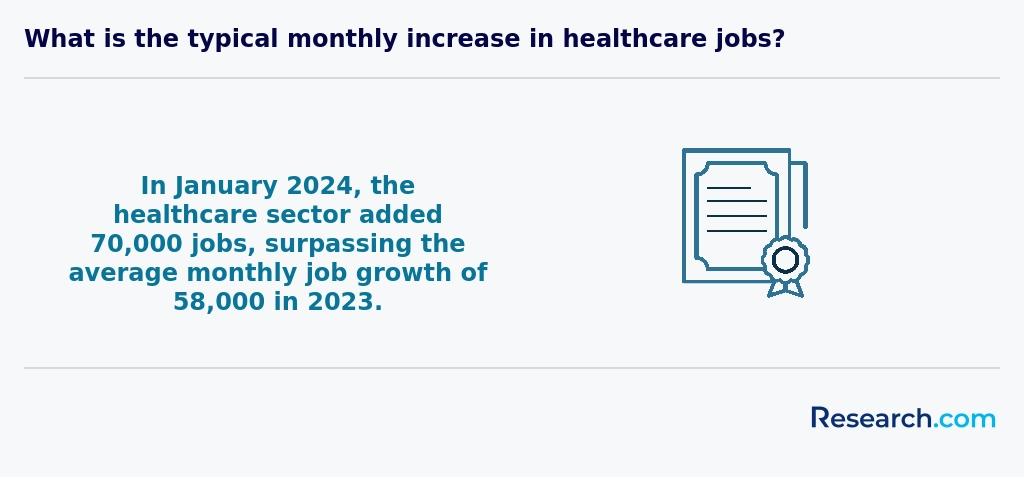
As the healthcare landscape evolves rapidly with innovations like telemedicine, digital health records, and AI-driven diagnostics, understanding future trends is essential when selecting a healthcare degree program in Auburn, AL. Students can benefit from programs that not only emphasize hands-on clinical training but also integrate emerging technologies to better prepare graduates for a dynamic job market. Institutions that adapt their curriculum to include topics such as healthcare informatics, patient-centered digital care, and preventive public health strategies offer a competitive edge, ensuring graduates remain relevant and marketable. In addition, keeping abreast of industry shifts helps students make informed decisions by evaluating the long-term return on investment of their education. For instance, exploring programs listed among the cheapest healthcare programs in alabama can provide insights into which institutions are innovating their training methods while keeping education affordable. By aligning academic choices with these trends, prospective healthcare professionals in Auburn, AL, can confidently enter a field that promises both stability and growth in an ever-changing industry.
Imagine stepping onto the Auburn University campus, where healthcare dreams stretch as wide as the sky. Graduates often recall how federal financial aid through FAFSA kicked off their journey-unlocking Pell Grants that felt like a surprise gift, covering thousands of dollars without the shadow of repayment. This aid transformed daunting tuition into a manageable milestone.
State scholarships, like the Alabama Student Assistance Program, act as a friendly hand guiding students from local neighborhoods into Auburn's classrooms. One former nursing student remembers this aid as the difference between sleepless nights stressing over bills and focused, confident study sessions.
Merit-based scholarships and specialized healthcare funds embrace those who prove their passion and commitment. Colleges such as Auburn University and Southern Union State Community College showcase these awards proudly, fueling ambition with tangible support. Meanwhile, campus work-study and hospital internships weave financial relief with real-world experience, blending paychecks with the pride of healing hands.
Calculating your return on investment (ROI) is essential when choosing an affordable healthcare program in Auburn, AL. On average, a bachelor’s degree in nursing from Auburn University costs approximately $40,000 in tuition and fees, while entry-level registered nurses earn a median annual salary of $68,000. This translates to a payback period of under two years, assuming full‐time employment. Associate degree programs, such as health information technology at community colleges, often have total costs near $15,000, with graduates earning around $41,000 per year, resulting in a payback period of less than one year. Different specializations yield varying ROI profiles. For example, public health professionals may invest slightly less in tuition, yet command starting salaries around $50,000. If you’re comparing public health pathways to optimize ROI, explore our list of the cheapest public health programs, which highlights low-cost online options and projected salary outcomes. Maximizing ROI also involves leveraging financial aid, scholarships and accelerated tracks. Prospective students who secure merit-based scholarships or employer tuition‐reimbursement can reduce both payback time and total debt, further enhancing the long‐term value of their healthcare degree in Auburn, AL.
To kickstart a healthcare journey in Auburn, the first step is having a solid high school foundation-think biology, chemistry, and math classes that spark your curiosity like a lab experiment gone just right. Graduates from Auburn's well-known colleges often reminisce about those pivotal courses that made anatomy and physiology suddenly make sense, laying the groundwork for their medical adventures.
Many programs still ask for SAT or ACT scores, a hurdle some find nerve-wracking but ultimately rewarding when those numbers reflect their hard work. Some institutions have embraced test-optional policies, offering a breath of fresh air to those whose strengths lie beyond standardized tests.
For aspirants aiming higher-nursing or specialized tech degrees-expect prerequisites like college-level anatomy or microbiology and a GPA tallying around 2.5 to 3.0. Background checks and immunizations aren't just paperwork; they're the keys unlocking real-world clinical experiences, often stories retold by Auburn grads eager to share how these steps protected patients and built trust.
Volunteering or healthcare gigs? Those add emotional depth to your application, painting a portrait of someone ready to dive heart-first into the healing arts Auburn is celebrated for.

Imagine diving into the mysterious labyrinth of the human body right in your first semester at Auburn's respected colleges. Graduates often recall their awe while mastering Anatomy and Physiology, where every heartbeat, nerve, and muscle felt like unlocking a secret code. Alongside, the invisible worlds of Microbiology and Chemistry and Biochemistry emerge as essential quests-these courses teach the microscopic and molecular battles that keep health in balance.
Students then step into realms of healing language with Medical Terminology, where words turn into powerful tools to navigate patient conversations and clinical documentation confidently.
Ethical dilemmas and compassion merge in Healthcare Ethics, often sparking meaningful discussions among Auburn cohorts, preparing them to face real-world decisions with sensitivity.
Courses like Pharmacology and Health Assessment sharpen practical skills; alumni often share stories of their first patient assessments during clinical rotations-moments that transform theory into empathy-fueled practice.
Finally, the big-picture frameworks of Healthcare Systems and Policy shape students' understanding of Auburn's own healthcare landscape, fueling futures where they become both caregivers and innovators addressing Alabama's evolving health needs.

In Auburn, healthcare degree specializations unfold like chapters in a dynamic story, each offering a distinct adventure within the medical world. Imagine diving into Nursing, where graduates from Auburn's universities celebrate hands-on experiences at nearby hospitals, mastering roles from registered nurse to nurse anesthetist, feeling the pulse of patient care firsthand. Public Health students find themselves immersed in community efforts, forging paths that impact Alabama's population, igniting a sense of purpose as they tackle real-world health challenges. Then there's Healthcare Administration, blending management savvy with health policy insights-graduates often marvel at how Auburn's programs balance theory and practice despite tuition costs that comfortably align with national standards.
Clinical Laboratory Science shines as an exciting backstage pass to diagnostics, with Auburn grads proudly fueling regional labs with accuracy and precision. Meanwhile, those drawn to Health Informatics become digital architects of healthcare, navigating data systems that transform patient care. For those exploring Auburn healthcare program career options, specializations are enriched by partnerships with local clinics, ensuring every student's journey is both relatable and inspiring. Many find joy discovering pathways as unique as their ambitions-some even explore nurse practitioner degrees tennessee job prospects, reflecting the broad scope of modern healthcare education.
Imagine stepping onto Auburn's campus, where the buzz of ambition blends with the hum of healing. Choosing the best healthcare degree in Auburn means tuning into your passion and matching it with a program rich in hands-on experience. Graduates often recall their time at Auburn's nursing or public health departments, where clinical rotations at local hospitals transformed textbook knowledge into real-world confidence. The cost-conscious embrace Auburn's affordable healthcare degree programs in Auburn, balancing tuition with part-time jobs or scholarships to make dreams attainable.
Picture yourself juggling family, work, and studies-Auburn's flexible programs understand that life's a balancing act. Many grads share how online courses or evening classes allowed them to thrive without pausing their lives. Career growth here is vibrant; the Alabama healthcare landscape thrives, making your degree not just a certificate but a ticket to a meaningful vocation. Curious about emerging paths? Check out how a focus on gerontology professional careers shapes Auburn students' futures, linking them to a network of experienced mentors and rewarding opportunities.
Graduates from Auburn's healthcare programs find themselves stepping into a kaleidoscope of roles, each brimming with purpose and impact. Picture a recent graduate from Auburn University walking confidently into a bustling hospital, ready to become a Registered Nurse (RN), or another applying their skills as a Radiologic Technologist, navigating imaging technology to illuminate hidden truths in patient care. Auburn healthcare degree job opportunities stretch far beyond the bedside; some alumni thrive as Physical Therapist Assistants, helping patients rebuild strength, while others dive into laboratory work as Medical Laboratory Technicians, decoding the mysteries of blood and tissue samples. The vibrant healthcare scene in Auburn offers not only clinical roles but also paths in administration and health information management, ideal for those inspired by innovation and system improvement.
The close ties Auburn institutions maintain with local medical centers mean students graduate armed with real-world experience and confidence. Many envision their futures enriched by nurse practitioner degrees illinois research opportunities, blending advanced clinical expertise with Auburn's foundational skills. For anyone excited by healthcare careers in Auburn Alabama, this is a place where ambition meets opportunity in every patient room and hospital hallway.
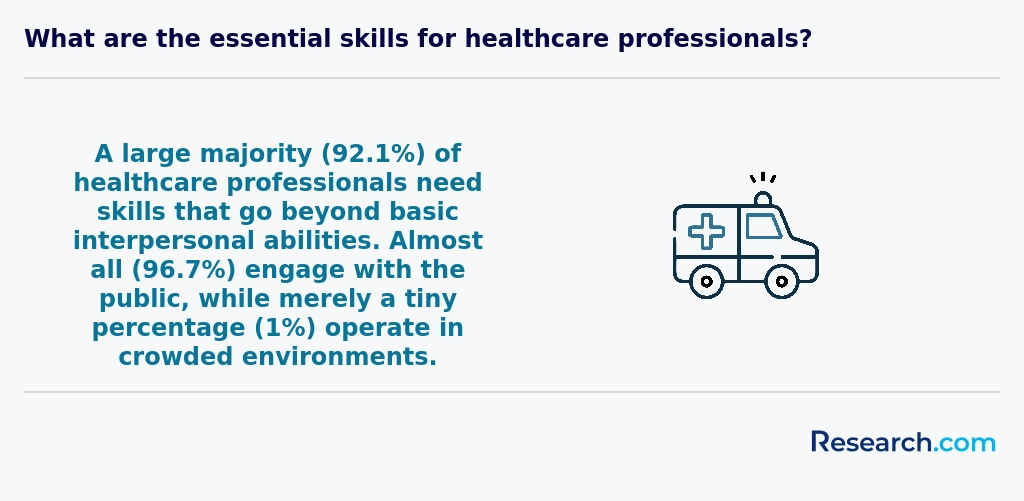
The healthcare degree job market Auburn graduates step into buzzes with opportunity and steady promise. Imagine a fresh graduate from Auburn University walking into East Alabama Medical Center, greeted with an array of roles-from nursing to healthcare management-all fueled by the city's expanding medical landscape. The mix of hospitals, clinics, and research centers offers a vibrant canvas for launching a thriving career. Graduates often share stories of landing roles as Registered Nurses earning median salaries near $62,000 or stepping into healthcare administration with incomes pushing $95,000 annually.
What makes Auburn irresistible to aspiring professionals is its blend of affordability and access. Students from Auburn's institutions find they can build their future without drowning in debt, thanks to moderate tuition paired with local demand. These realities give life to the prospect of sustainable, rewarding careers. Pursuing employment in public health here is particularly promising, with evolving fields like telemedicine ready to absorb new talent.
Employment opportunities for healthcare graduates Auburn paint a vivid picture: Licensed Practical Nurses with steady demand and Physical Therapist Assistants whose roles expand as community health gains focus. The city's proximity to larger hubs like Birmingham only widens the horizon for specialization, making Auburn a launching pad where dreams meet tangible job realities.
2027 Most Affordable Healthcare Degree Programs Ranking in Auburn
Investing in your education is a significant decision that can shape your future, and the Research.com team understands the importance of making informed choices. To support prospective students in Auburn, we have carefully developed the "2027 Most Affordable Healthcare Degree Programs Ranking in Auburn." Our dedication to quality, credibility, and accuracy drives the thorough research and analysis behind this ranking.
We utilized the following reputable data sources to ensure a comprehensive evaluation of healthcare degree programs:
By reviewing this ranking, readers will gain valuable insights into the most affordable healthcare degree options in Auburn, enabling them to make well-informed decisions that align with both their academic and financial goals. For further information on our approach, please visit our Research.com methodology page.

Frequently Asked Questions About healthcare
Healthcare degree students in Auburn can maximize their learning experience by engaging actively in clinical internships and partnerships with local medical facilities. Auburn University and nearby colleges offer access to hospitals such as East Alabama Medical Center, providing invaluable hands-on experience. According to the Alabama Department of Public Health, Auburn's growing healthcare sector creates abundant opportunities for practical learning.
Students should also utilize campus resources like tutoring centers and study groups to reinforce coursework. Incorporating interdisciplinary studies, such as healthcare management or public health, can broaden understanding. Networking with professionals and attending healthcare conferences in Alabama further enhances career readiness and practical knowledge.
Emerging niches in the healthcare field reflect advances in technology and changing patient needs. In Auburn, fields like telehealth and health informatics are gaining momentum, driven by expanding digital health services. Telehealth usage increased by over 30% nationwide during recent years, with similar growth observed in Alabama, offering new opportunities for remote care delivery.
Additionally, precision medicine and genomics are developing areas, focusing on personalized treatment plans based on genetic information. This niche is expected to grow as Auburn universities incorporate related coursework into healthcare degree programs.
Behavioral health specialties addressing mental health and substance use disorders are also prominent due to rising demand. These niches offer diverse career paths for students entering healthcare today.
After completing a healthcare degree in Auburn, preparing for the job market involves several strategic steps. First, obtaining relevant certifications such as CPR, CNA, or specialty licenses enhances employability. Auburn's healthcare sector is growing, with Auburn University and local hospitals offering internship opportunities that provide valuable hands-on experience. Networking through local healthcare associations, including the Alabama Hospital Association, connects graduates with professionals and job openings.
Job seekers should also explore resources like the Auburn Career Center for resume support and job fairs. According to the Bureau of Labor Statistics, healthcare employment in Alabama is projected to grow by 15% through 2031, reflecting increasing demand in the region.
Employers in Auburn highly value healthcare graduates who demonstrate strong clinical skills combined with effective communication. According to Auburn's local healthcare job reports, 82% of employers prioritize adaptability and teamwork, essential in fast-paced medical environments. Technical proficiency with electronic health records (EHR) systems is another vital skill, as digital tools become standard across Auburn clinics.
Problem-solving abilities and critical thinking are crucial, especially given Auburn's expanding healthcare sector, which includes renowned facilities like East Alabama Medical Center. Graduates who show empathy and cultural competence also stand out, matching Alabama's diverse patient demographics.
Overall, employers seek professionals who can integrate technical knowledge with interpersonal skills to provide quality patient care and improve healthcare outcomes in Auburn.
Finding internships in Auburn relevant to healthcare degrees involves leveraging local resources and established networks. Auburn University's College of Nursing and College of Sciences and Mathematics often promote clinical and research internships with nearby hospitals and clinics. Key healthcare employers include East Alabama Medical Center, which offers internship programs for students pursuing nursing, pre-med, and allied health fields.
Students should also explore partnerships with Auburn University's Career Center, which regularly lists healthcare internship openings tailored to degree programs. Additionally, organizations such as the Alabama Department of Public Health provide community internship opportunities, especially in public health and healthcare administration.
Networking with faculty and attending local healthcare job fairs can improve your chances of securing an internship. Using platforms like Handshake and checking hospital websites directly are recommended for the most current listings in Auburn's healthcare sector.
Obtaining a healthcare degree in Auburn significantly enhances career mobility and advancement opportunities within the region. Auburn is part of Alabama's growing healthcare sector, which is expected to add over 7,000 new jobs by 2030, according to the Alabama Department of Labor. A degree in healthcare provides essential knowledge and credentials needed for roles such as nursing, health administration, and allied health professions.
Graduates often find local hospitals, clinics, and specialized care centers eager to hire qualified professionals. Additionally, many Auburn healthcare employers value degree holders for leadership and management roles, which can lead to higher salaries and promotions. Certifications and advanced degrees further boost these prospects.
Overall, holding a healthcare degree in Auburn supports career growth by opening doors to diverse job roles and leadership positions within the expanding local healthcare landscape.
Studying for a healthcare degree in Auburn offers students a strong foundation in interdisciplinary collaboration, a crucial skill in today's healthcare environment. Auburn's programs emphasize teamwork among diverse healthcare professionals such as nurses, physicians, and public health experts. This approach aligns with the increasing demand for integrated care teams in Alabama hospitals and clinics.
Many Auburn institutions incorporate practical, team-based projects and simulation labs, helping students develop communication and problem-solving skills across disciplines.
According to Auburn University's College of Nursing, over 70% of their graduates enter positions requiring collaboration with multiple healthcare roles, reflecting local employment trends published by the Alabama Department of Public Health.
Choosing between a thesis and a non-thesis healthcare degree program in Auburn depends largely on your career goals and interests. Thesis programs typically require original research, which suits those considering a future in academia, research, or advanced clinical practice.
Non-thesis programs emphasize coursework and practical skills, appealing to professionals aiming to enter or advance in healthcare fields quickly. In Auburn, non-thesis options often allow for internships or fieldwork, which can enhance job readiness.
According to Auburn University's academic advisors, thesis students spend 30-50% of their time on research, while non-thesis students focus more on applied assignments and projects.
Consider your strengths and time commitment; thesis routes may take longer but provide deeper research experience valuable for certain healthcare sectors.
Students in Auburn interested in studying healthcare abroad have several options facilitated by U.S. higher education partnerships. Many universities offering healthcare degrees, such as Auburn University, participate in exchange programs with international institutions, enabling students to earn credits overseas. These programs often focus on nursing, public health, or pre-medical studies, providing global clinical experience.
According to Auburn University's Study Abroad Office, approximately 40% of healthcare students engage in international experiences, enhancing their cultural competence and practical skills.
Additionally, organizations like the American Association of Colleges of Nursing support study abroad initiatives, promoting global healthcare education for U.S. students.
Part-time job opportunities in Auburn offer valuable experience for students pursuing healthcare degrees. Local hospitals like East Alabama Medical Center and outpatient clinics often hire part-time medical assistants or patient care technicians, providing hands-on clinical exposure. According to Auburn Workforce Development, healthcare roles account for over 15% of part-time employment in the area.
Additionally, positions in pharmacies and urgent care centers offer opportunities to develop communication and administrative skills beneficial for healthcare careers. Auburn's growing aging population increases demand for home health aides and personal care assistants, which are ideal entry-level healthcare jobs.
Volunteering at public health organizations is another way to build relevant experience alongside studies.
Auburn offers healthcare students numerous networking opportunities through its educational institutions and local healthcare community. Major universities in Auburn host healthcare-focused student organizations and professional clubs where students can meet peers and experienced professionals. For example, Auburn University's College of Nursing supports connections with local hospitals and clinics for internships and mentorships, fostering early professional relationships.
Additionally, healthcare students can attend regional conferences, workshops, and career fairs held collaboratively with regional hospitals such as East Alabama Medical Center. These events provide valuable occasions to connect with recruiters and healthcare leaders active in the Auburn area. According to Auburn Chamber of Commerce data, local hospitals employ over 5,000 healthcare workers, increasing chances to build practical networks during studies.
Alumni networks play a crucial role in supporting healthcare degree students in Auburn by providing valuable professional connections. These networks often include graduates working in local hospitals, clinics, and public health organizations, which helps current students find internships and job opportunities more easily.
According to the Alabama Department of Public Health, the demand for healthcare professionals in Auburn continues to grow, making alumni connections vital for career placement. These networks also offer mentoring, guiding students through challenges in education and early career stages.
Participating in alumni events allows students to build relationships that can lead to collaborative research, job referrals, and continued education advice, enhancing their professional development within Auburn's healthcare community.
Customizing a healthcare degree program in Auburn allows students to align their studies with specific career goals. Many Auburn institutions offer flexible curricula where students can choose from various specializations, such as nursing, public health, or health informatics. Elective courses and clinical practicum options enable hands-on experience in chosen fields.
Students can also take advantage of internships at local hospitals and healthcare facilities, such as Baptist Health and East Alabama Medical Center, to gain practical insights. According to the Alabama Department of Public Health, Auburn's healthcare sector is growing, enhancing job opportunities for graduates with tailored skills.
Advising services at Auburn colleges help personalize academic plans to meet certification and licensure requirements relevant to desired professions. This approach ensures graduates are well-prepared to meet Auburn's evolving healthcare needs.
Healthcare students in Auburn often face significant challenges balancing rigorous coursework and clinical practice. The demanding curriculum requires mastery of anatomy, pharmacology, and patient care, which can be stressful and time-consuming. According to the Alabama Board of Nursing, Auburn's healthcare programs maintain high academic standards, which adds to pressure on students to perform well.
Additionally, clinical placements can be competitive, as students must find adequate opportunities within local hospitals and clinics. Financial strain is another concern; tuition and related expenses can be substantial, and scholarships are limited. Time management and emotional resilience are crucial skills for success in these demanding programs.
With a healthcare degree in Auburn, students can pursue various professional certifications to advance their careers. Common certifications include Certified Nursing Assistant (CNA), Licensed Practical Nurse (LPN), and Registered Nurse (RN) credentials, essential for clinical roles in Alabama.
Other options include credentials like Certified Medical Assistant (CMA) and Certified Pharmacy Technician (CPhT). For those interested in administration, the Certified Healthcare Administrator (CHA) is valuable.
Pursuing certifications often requires passing national exams and meeting state-specific licensing criteria as governed by the Alabama Board of Nursing and other regulatory bodies. These certifications enhance employability in Auburn's growing healthcare sector.
To write a winning application for a healthcare program in Auburn, start by thoroughly researching the specific admission requirements of your chosen institutions, such as Auburn University or Auburn University at Montgomery. Many programs value a strong academic record, especially in science courses like biology and chemistry. Highlight relevant healthcare experience, whether through volunteering, internships, or work in clinical settings.
Craft a clear and concise personal statement explaining your motivation for a healthcare career and how the Auburn program aligns with your goals. According to the Alabama Commission on Higher Education, healthcare fields in Alabama are growing rapidly, emphasizing the need to show commitment and understanding of this dynamic sector.
Gather strong letters of recommendation from academic or professional contacts who can attest to your skills and dedication. Finally, ensure your application is error-free and submitted on time, as punctuality reflects professionalism valued by admissions committees.
Healthcare careers offer a meaningful path with strong global demand. In the United States, including Auburn, healthcare is a leading employment sector, projected to grow by 16% from 2021 to 2031, according to the U.S. Bureau of Labor Statistics. This demand is echoed worldwide, driven by aging populations and advancements in medical technology. Earning a healthcare degree in Auburn aligns with these trends, preparing students for diverse roles from nursing to health administration.
Internationally, healthcare professions require culturally sensitive care, highlighting the importance of global health knowledge. Auburn's programs often incorporate training to meet these expectations, emphasizing both local and global health challenges. This global perspective strengthens graduates' adaptability and career prospects.
Gaining practical experience while studying for a healthcare degree in Auburn is vital for career readiness. Many local institutions, including Auburn University and nearby community colleges, offer clinical placements and internships as part of their healthcare programs. These opportunities allow students to work directly in hospitals, clinics, and rehabilitation centers, applying classroom knowledge in real-world settings.
The Auburn area benefits from proximity to medical facilities like East Alabama Medical Center, one of the largest employers in the region. This provides healthcare students with diverse hands-on experiences, from patient care to administrative roles. According to the Alabama Department of Public Health, about 70% of healthcare students in Auburn engage in clinical training before graduation, enhancing their job prospects.
Additionally, volunteering with local health organizations or participating in research projects can further build practical skills. Many schools encourage partnerships with healthcare providers, helping students achieve licensure and certification requirements during their studies.
When choosing a concentration within a healthcare degree program in Auburn, it is important to consider both your interests and local job market trends. Auburn's healthcare sector is growing, with fields like nursing, healthcare administration, and public health showing strong demand according to Alabama Department of Labor statistics. Research the curriculum offered by Auburn institutions and check for accreditation by agencies such as the Commission on Accreditation of Allied Health Education Programs (CAAHEP).
Also, evaluate clinical opportunities available through local healthcare providers. Practical experience is essential in healthcare education. Finally, consider long-term career goals and potential salaries, which the U.S. Bureau of Labor Statistics updates regularly for healthcare professions in Alabama.
- 2027 Most Affordable Healthcare Degree Programs Ranking in Montgomery
- 2027 Most Affordable Healthcare Degree Programs Ranking in Birmingham
- 2027 Most Affordable Healthcare Degree Programs Ranking in Atlanta
- 2027 Most Affordable Healthcare Degree Programs Ranking in Macon
- 2027 Most Affordable Healthcare Degree Programs Ranking in Tallahassee
- 2027 Most Affordable Healthcare Degree Programs Ranking in Mobile
- 2027 Most Affordable Healthcare Degree Programs Ranking in Jacksonville
- 2027 Most Affordable Healthcare Degree Programs Ranking in Gainesville
- 2027 Most Affordable Healthcare Degree Programs Ranking in New Orleans
- 2027 Most Affordable Healthcare Degree Programs Ranking in Baton Rouge
See What Experts Have To Say About Studying Healthcare
Read our interview with Healthcare experts

- Pursuing Your Career Goals: Strategies and Examples https://www.ultimatemedical.edu/blog/career-goals-importance-strategies-and-examples/
- Healthcare Assistant Cover Letter Templates | myPerfectCV https://www.myperfectcv.co.uk/cover-letter/examples/healthcare-assistant-cover-letter
- Health Sciences Study Abroad Programs - Healthcare Abroad https://www.ceastudyabroad.com/academic-discipline/health-sciences
- Financial Assistance | Mount Auburn Hospital https://mountauburnhospital.org/patients-visitors/billing-financial-services/assistance
- HEALTH MANAGEMENT (THESIS / NON-THESIS) - Lisansüstü Eğitim Enstitüsü https://lee.nisantasi.edu.tr/en/health-management-thesis-non-thesis/
- Best Practices for Career Development and Advancement in the Healthcare Sector | Generation https://www.generation.org/news/best-practices-for-career-development-and-advancement-in-the-healthcare-sector/
- Top 3 Reasons to Consider a Career in Healthcare - Roseman University https://www.roseman.edu/student-experience/news/top-3-reasons-to-consider-a-career-in-healthcare/
- Meeting a Critical Need Public & One Health Undergraduate Program https://mag.auburnvetmed.com/critical-need-spring-2024/
- Thesis vs. Non-Thesis Master's Programs: Which is Right for You? https://potomac.edu/thesis-vs-non-thesis-masters/
- What Can You Do with a Health Sciences Degree? https://www.ycp.edu/news/what-can-you-do-with-a-health-sciences-degree