
2027 Fastest Online Healthcare Degree Programs Ranking in Montana

Co-Founder and Chief Data Scientist
Choosing the right healthcare degree program can feel overwhelming, especially with so many options available online. This article introduces the 2027 Fastest Online Healthcare Degree Programs Ranking in Montana, developed by the Research.com team of data scientists.
Designed to help Montana students make informed decisions, the ranking highlights the fastest programs that combine quality education with flexibility.
Pursuing a healthcare degree opens doors to rewarding careers that make a real difference. Reading this article will guide you toward programs that fit your goals and lifestyle.
Key benefits of getting online healthcare degree in Montana
- Graduates with healthcare degrees in Montana can earn competitive salaries, such as $43,350 annually for Medical Assistants and Clinical Research Coordinators, up to $60,790 for Patient Care Technicians, and as much as $103,150 for Quality Improvement Coordinators.
- Healthcare degree holders from Montana State University have diverse career options including clinical support, patient care, health information technology, and quality management, offering many paths to grow and succeed locally.
- Completing a healthcare degree online through the University of Montana offers flexibility and convenience, making it easier to balance studies with work or family, while still gaining valuable skills recognized by employers across the state.
- Key benefits of getting online healthcare degree in Montana
- What can I expect from online healthcare degree in Montana?
- Where can I work with online healthcare degree in Montana?
- How much can I make with online healthcare degree in Montana?
- 2027 Fastest Online Healthcare Degree Programs Ranking in Montana
- Key Findings
- How long does it take to complete online healthcare degree in Montana?
- What's the difference between online and on-campus healthcare degree?
- What is the average cost of online healthcare degree in Montana?
- What financial aid is available to online healthcare degree students in Montana?
- What are the prerequisites for enrolling in online healthcare degree program in Montana?
- What courses are typically in online healthcare degree programs in Montana?
- What types of specializations are available in online healthcare degree programs in Montana?
- How do you choose the best online healthcare degree in Montana?
- What career paths are available for online healthcare degree students in Montana?
- What is the job market for online healthcare degree in Montana?
- Related Healthcare Rankings for Nearby States
- Top Trending Healthcare Rankings
- See What Experts Have To Say About Studying Healthcare
What can I expect from online healthcare degree in Montana?
The average cost of an online healthcare degree in Montana varies but generally remains more affordable than many out-of-state options. Graduates from institutions like Montana State University or the University of Montana have reported that in-state tuition significantly reduces expenses, making it possible to pursue quality education without overwhelming debt. Many students appreciate the balance between cost and value, especially since these programs often qualify for state-specific financial aid and scholarships aimed at healthcare fields.
While tuition fees can differ based on the program level and specialization, a typical range for an online healthcare degree might fall between $6,000 and $15,000 per year for residents. Graduates emphasize that this investment feels worthwhile because the degrees align with accredited standards-crucial for licensing and job readiness in Montana's healthcare system.
Students juggling family or work appreciate the flexibility to learn asynchronously at Montana's colleges, paying manageable tuition while gaining clinical experience locally. This approach fosters confidence and enthusiasm, reinforcing the decision to study healthcare within the state's supportive educational environment.
Where can I work with online healthcare degree in Montana?
Graduates with online healthcare degrees from Montana institutions such as the University of Montana or Montana State University often find themselves employed in a variety of settings across the state's healthcare landscape. Many start their careers in hospitals like Billings Clinic or Providence Montana, where roles range from nursing to health administration. These environments offer hands-on experience that graduates frequently describe as both challenging and rewarding.
Beyond hospitals, outpatient care centers and nursing homes provide opportunities for those seeking work-life balance while still making a meaningful impact. Graduates often mention the fulfillment of supporting elderly patients in long-term care facilities, aligning with Montana's growing senior population.
Some alumni choose public health agencies or community clinics, especially those interested in rural health issues. Working with county health departments or the Montana Department of Public Health and Human Services allows them to address critical care gaps, an aspect that many find deeply gratifying.
Furthermore, administrative positions in healthcare management or health information technology appeal to graduates valuing stability and growth potential, with salaries reflecting their expertise and experience.
How much can I make with online healthcare degree in Montana?
Graduates holding an online healthcare degree in Montana can reasonably expect varied earnings depending on their chosen career path. For instance, medical assistants typically earn around $43,350 annually, while patient care technicians report a higher average wage near $60,790. These figures reflect data from the U.S. Bureau of Labor Statistics and align with experiences shared by recent graduates from Montana State University's online health programs, who appreciate the relatively quick entry into the workforce these roles offer.
Health information technicians, another common career for online degree holders, earn about $43,380 annually. On the other end of the spectrum, those working as quality improvement coordinators, often requiring more advanced education or experience, earn significantly more-about $103,150 per year, according to the latest reports. Graduates from the University of Montana note this role's appeal for those seeking both leadership opportunities and a rewarding salary in a stable healthcare sector.
While salaries in Montana may not always peak as high as in large metropolitan areas, many graduates find fulfillment in the meaningful impact they have on their communities. The state's growing demand for healthcare professionals means that flexible learners earn solid wages while supporting rural healthcare needs, often complemented by location-based bonuses. This balance of earnings and community service creates a positive career outlook for online healthcare degree holders.
2027 Fastest Online Healthcare Degree Programs Ranking in Montana
How do we rank schools?
Investing in your education is a significant decision that can shape your future, and the Research.com team understands the importance of making informed choices. To assist prospective students in Montana, we have meticulously crafted the "2027 Fastest Online Healthcare Degree Programs Ranking in Montana." Our commitment to quality, credibility, and accuracy is reflected in the rigorous research and analysis conducted to compile this ranking.
We utilized the following reputable data sources to ensure a comprehensive evaluation of healthcare degree programs:
By exploring this ranking, readers will gain valuable insights into the fastest online healthcare degree programs available in Montana, empowering them to make well-informed decisions about their educational paths. For more information on how we created this ranking, please visit our Research.com methodology page.

# 2 position
Montana State University Billings
Master of Health Administration

# 3 position
Montana State University Billings
Bachelor of Health Administration
Key Findings
- Online healthcare degrees in Montana offer flexibility, especially valuable for working adults in rural areas with limited on-campus access.
- Tuition for public institutions ranges from about $7,000 to $12,000 per year, while private schools may charge over $15,000 annually.
- The healthcare job market in Montana is projected to grow nearly 15% over the next decade, driven by an aging population and high demand.
- Entry-level salaries for healthcare graduates start around $45,000, with median wages ranging from $60,000 to $85,000 depending on the field and experience.
- Most online programs in Montana are accredited and include virtual clinical or practicum components to meet licensure and hands-on training requirements.
How long does it take to complete online healthcare degree in Montana?
Completing an online healthcare degree in Montana depends largely on the program level and individual pace. Graduates from programs at institutions like the University of Montana often report associate degrees taking about two years of full-time study, providing the fundamental skills needed for entry-level healthcare roles. This timeframe fits well for those eager to enter the field quickly while maintaining work-life balance.
Bachelor's degrees, common among aspiring registered nurses or public health professionals at colleges such as Montana State University, generally require around four years. However, many students appreciate the flexibility of accelerated tracks or credit for previous experience, allowing completion in as little as three years. Such options resonate with working adults aiming to advance without sacrificing current employment.
Graduate degrees, such as the MSN or MPH offered online in Montana, usually range from 1.5 to 3 years, depending on full- or part-time enrollment. Several graduates have found that part-time study, though longer in duration, provides the necessary balance to manage work and family alongside education, which is crucial in a demanding healthcare career.
What's the difference between online and on-campus healthcare degree?
Online and on-campus healthcare degrees in Montana mainly differ in delivery and experience. Graduates from the University of Montana's online programs often highlight how the flexibility allows them to balance work and family commitments, accessing lectures on their own schedule. In contrast, students at Montana State University's on-campus programs value face-to-face interactions with professors and peers, which foster immediate support and hands-on learning during labs and clinical sessions.
Both formats require local clinical placements to develop practical skills. For an online student living in a rural Montana town, arranging these in-person experiences near home ensures licensure requirements are met without relocating. Meanwhile, on-campus students typically complete clinicals at affiliated hospitals in Missoula or Bozeman, benefiting from established campus partnerships.
Cost differences are less about tuition-which ranges from $8,000 to $12,000 annually-and more about associated expenses. Online learners avoid commuting and housing costs, but need strong self-discipline to thrive without structured class times. On-campus learners enjoy immediate access to campus resources but manage fixed schedules and travel time.
What is the average cost of online healthcare degree in Montana?
The average cost of an online healthcare degree in Montana tends to center around a median total tuition of about $27,602. This figure is especially relevant for students attending well-known institutions like Montana State University or the University of Montana, where graduates often reflect on balancing affordability with quality education. Many graduates recall how managing tuition costs alongside additional expenses such as textbooks, lab fees, and technology investments required careful financial planning.
Students pursuing Montana online healthcare degree tuition fees typically experience rates ranging from $300 to $600 per credit hour for bachelor's and master's degrees. These costs accumulate with degree requirements of approximately 120 to 140 credit hours for undergraduates and 30 to 40 for graduate programs. The financial burden may feel daunting initially, yet many find motivation in the prospect of joining a growing healthcare field after completion.
Montana residents frequently benefit from significant tuition savings, often paying 20 to 30 percent less than out-of-state learners. This incentive makes pursuing an online healthcare degree locally more accessible and encourages many to choose community colleges for associate degrees or certifications, where rates often fall below $150 per credit hour. Such pathways resonate with students who appreciate a practical entry point into healthcare while managing costs effectively.
Understanding the financial landscape also involves exploring scholarships, financial aid, or employer tuition reimbursement programs, which many students successfully utilize to lessen expenses. Graduates often emphasize how these resources made the investment feel worthwhile and achievable.
For those weighing career options, examining top paying master's degrees in healthcare can add perspective on the long-term value of such an educational investment, transforming initial costs into promising returns.
What financial aid is available to online healthcare degree students in Montana?
Students pursuing online healthcare degrees in Montana have access to a range of financial aid options that can ease the burden of tuition. Graduates from schools like the University of Montana highlight the importance of applying for federal aid through FAFSA, which opens doors to Pell Grants and subsidized loans, providing essential support without immediate repayment obligations.
State-specific scholarships such as the Montana University System's Governor's Postsecondary Scholarship also play a significant role. These awards, alongside programs like the Montana Frontier Nursing Service Scholarship, often reflect a commitment to serving rural healthcare needs, aligning well with Montana's geography and healthcare demands.
Some healthcare programs at colleges offer institutional aid based on merit or professional experience, which past students found motivating and rewarding. Employer tuition reimbursement is another avenue, especially for those already working in healthcare roles, making education more attainable without compromising income.
While student loans remain an option, thoughtful consideration is necessary to avoid long-term debt challenges. Federal loans, with generally better terms, are preferred to private alternatives by many Montana students navigating these decisions.
What are the prerequisites for enrolling in online healthcare degree program in Montana?
Enrolling in an online healthcare degree program in Montana typically starts with having a high school diploma or GED, a requirement shared by most programs at institutions like the University of Montana or Montana State University. Graduates often recall how this foundational credential gave them confidence as they tackled challenging subjects such as biology and chemistry, which are essential in healthcare studies.
Applicants usually must provide official transcripts verifying prerequisite coursework, particularly in anatomy or physiology, which helps ensure readiness for more advanced topics. For example, students entering bachelor's level online nursing programs often found that their prior academic records eased the transition into rigorous healthcare curricula.
Those pursuing specialized degrees, such as Registered Nurse to BSN pathways, are commonly required to hold an active nursing license and relevant clinical experience. Graduates frequently express a sense of accomplishment in balancing these professional credentials with their studies, aided by flexible online formats offered by colleges like Carroll College.
Reliable internet and access to technology are also essential, as students emphasize how uninterrupted connectivity was crucial for engaging with digital lectures and clinical simulations. While standardized tests are less common prerequisites, their occasional inclusion at select Montana institutions reflects varying program expectations.
- High school diploma or GED certificate
- Official transcripts demonstrating prerequisite coursework
- Relevant degrees or certifications for advanced programs
- Active professional licenses when required
- Reliable computer and internet access
What courses are typically in online healthcare degree programs in Montana?
Online healthcare degree programs in Montana typically include a blend of foundational and specialized courses tailored to the state's unique healthcare environment. Graduates from universities like the University of Montana often highlight how courses in anatomy, physiology, and medical terminology provide crucial baseline knowledge, helping them confidently interpret complex medical information in their daily practice.
Healthcare administration and policy classes address Montana's rural healthcare challenges, giving students practical insights into managing small clinics or adapting care for remote communities. One graduate reflected on how studying public health and epidemiology made them more aware of disease patterns affecting wide-open, sparsely populated areas, which differs significantly from urban settings.
Hands-on clinical procedures remain a cornerstone, even in online formats, with required internships or rotations offering real patient interaction. Many students appreciate this blend, as it bridges theory with practice and technology, especially since healthcare informatics courses equip them to navigate electronic records and telemedicine-key tools in Montana's evolving healthcare system.
What types of specializations are available in online healthcare degree programs in Montana?
Online healthcare degree specializations Montana students frequently pursue focus on areas essential to the state's unique healthcare environment. Nursing remains a top choice, with graduates praising programs at universities like the University of Montana for offering flexible RN to BSN tracks that fit their busy lives. These programs often emphasize practical skills in family nursing or gerontology, which reflect Montana's demographic trends, including a significant elderly population.
Other popular specializations include Health Administration and Public Health, which prepare students to tackle challenges in rural healthcare management or community health promotion. Graduates from colleges such as Montana State University report feeling equipped to address workforce shortages in these fields firsthand.
Healthcare Informatics and Allied Health Professions also appear frequently in Montana healthcare degree program options online, appealing to students eager to combine tech skills with healthcare expertise. The appeal of such programs is often tied to their potential in improving remote healthcare delivery across Montana's vast rural areas.
Students looking for cost-effective options appreciate the availability of the cheapest associate degree online, which can be a stepping stone into these in-demand fields.
How do you choose the best online healthcare degree in Montana?
Choosing the best online healthcare degree in Montana often means balancing accreditation, cost, and program focus. Graduates from Montana State University praise how its accredited programs align well with rural health needs, enhancing employment prospects. However, not all programs focus equally on local healthcare challenges like elderly care or community health services, which are critical in Montana's landscape.
Cost is another factor to weigh carefully. While some find Montana's tuition rates affordable, others suggest comparing financial aid options and total expenses, including fees and textbooks. Students who have succeeded often emphasize flexibility, favoring programs with asynchronous classes that accommodate working professionals or parents.
Graduates also highlight the importance of practical experience. Programs linked to local hospitals or health systems tend to offer better internship and job placement opportunities, fostering confidence for career entry. For those seeking affordable options beyond Montana, exploring the cheapest online doctoral programs could provide additional pathways.
Considering these aspects thoughtfully allows prospective students to select online healthcare degrees in Montana that truly fit their ambitions and real-life circumstances while maximizing future success.
What career paths are available for online healthcare degree students in Montana?
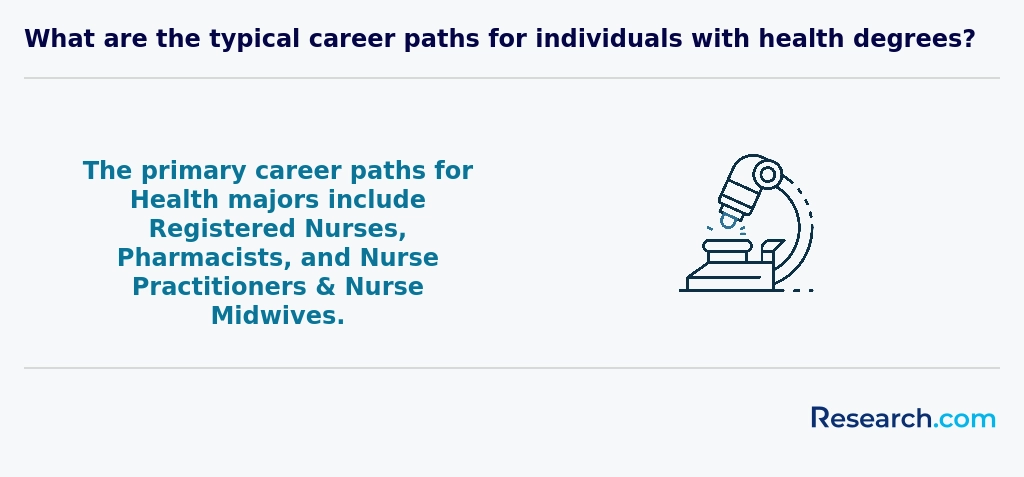
Graduates of online healthcare degree programs in Montana often find themselves exploring diverse career paths, reflecting the state's growing need for healthcare professionals. For instance, some pursue roles as Registered Nurses (RNs), especially valued in rural communities where healthcare access is limited. Others advance towards healthcare administration or medical and health services management, overseeing clinics or hospital operations. Students from popular Montana institutions report feeling empowered by such roles, which blend leadership with care delivery. However, it's important to acknowledge that these careers may require additional certifications or experience beyond the degree itself.
Additionally, many online degree holders work as public health educators or health informatics specialists, where they help improve community health or manage patient data systems. These paths illustrate how Montana's healthcare degree job opportunities extend beyond traditional clinical roles. Graduates appreciate how online programs from colleges in Montana equip them to respond to local healthcare challenges while providing flexibility. For those weighing costs against outcomes, resources highlighting the cheapest online masters might prove valuable when considering further education.
What is the job market for online healthcare degree in Montana?
The online healthcare job market in Montana shows promising potential, driven by the state's growing demand for healthcare professionals. Graduates from institutions like the University of Montana and Montana State University often share how flexible online programs allowed them to balance work, family, and study, especially in rural areas. These degrees open doors to roles in hospitals and rural clinics, addressing the healthcare needs of the state's dispersed communities. Montana's employment outlook for healthcare fields, including nursing and health services management, aligns with national growth trends, making the investment in an online healthcare degree worthwhile.
However, some graduates note that success depends greatly on securing jobs in urban centers like Billings or Missoula, where opportunities are more abundant. Those in remote areas might face challenges due to fewer local positions, highlighting the importance of networking and targeted job searches. Online degree holders appreciate that accreditation is critical, as Montana employers seek credible qualifications.
For students considering advanced education, exploring options such as a phd without dissertation can be an attractive path to further enhance career prospects in healthcare leadership or specialized fields.
Frequently Asked Questions About healthcare
Students pursuing online healthcare degrees in Montana can maximize their learning by actively engaging with their coursework and taking advantage of available resources. Many Montana schools provide access to virtual libraries, tutoring, and career services that support student success. Networking with local healthcare professionals through internships or volunteer opportunities enhances practical experience. Montana's Department of Labor and Industry reports that healthcare is a fast-growing sector in the state, emphasizing the value of up-to-date skills.
Time management and setting a consistent study schedule are essential, especially for working adults. Joining online study groups or discussion forums encourages collaboration and deeper understanding. Montana's focus on rural healthcare creates unique opportunities for students to connect learning with community needs, strengthening their career readiness.
The healthcare field in Montana is growing with several emerging niches attracting online degree students. One prominent area is telehealth, which has expanded rapidly due to Montana's vast rural regions needing improved access to medical services. According to the Montana Department of Public Health, telehealth appointments increased by over 50% between 2020 and 2023.
Another growing specialty is healthcare informatics, focusing on managing health data to improve patient outcomes. As hospitals and clinics in Montana adopt advanced electronic health records, professionals skilled in data analytics are in high demand.
Additionally, gerontology is a critical yet expanding niche, reflecting Montana's aging population. The U.S. Census Bureau reports that Montana's residents aged 65 and older are expected to increase by 25% by 2030, boosting demand for specialized elder care.
Graduates with an online healthcare degree in Montana should focus on building relevant skills and professional connections to enter the job market effectively. According to the Montana Department of Labor & Industry, healthcare occupations are projected to grow by 16.4% from 2020 to 2030, making networking and practical experience crucial. Internships, even if virtual, provide hands-on learning and can improve employment chances. Additionally, obtaining certifications like CPR or specialized credentials related to your degree can enhance your resume.
Joining Montana-based professional healthcare organizations helps with networking and job leads. Tailoring your resume to highlight remote work skills is also important, given the rise in telehealth jobs statewide.
Employers in Montana's healthcare sector highly value graduates with strong clinical skills and practical experience. According to the Montana Department of Labor & Industry, proficiency in patient care, medical technology, and electronic health record (EHR) systems ranks among the top skills in demand. Communication skills are also essential, as healthcare professionals must effectively interact with patients and multidisciplinary teams.
Critical thinking and problem-solving abilities are sought after, especially given Montana's rural healthcare challenges. Adaptability and cultural competency are increasingly important to serve diverse communities. Data from the U.S. Bureau of Labor Statistics highlights a growing need for professionals skilled in telehealth and digital tools, reflecting nationwide trends impacting Montana.
Finding internships in Montana relevant to a healthcare degree involves connecting with local healthcare providers and educational institutions. Many hospitals and clinics in Montana, including Billings Clinic and St. Peter's Health, offer internship programs that provide practical experience.
The Montana Department of Labor & Industry website lists healthcare internship opportunities, which can be specifically filtered by region and healthcare specialization. Networking through your online degree program's career services is also essential, as many programs collaborate with Montana medical centers for placements.
According to the Montana Hospital Association, healthcare employment in the state is projected to grow 16% by 2030, increasing internship demand in fields like nursing and health administration. Students can also explore virtual internships due to Montana's rural setting, which help bridge geographic challenges.
Obtaining an online healthcare degree in Montana significantly enhances career mobility and advancement. The state's healthcare sector is growing, with a 16% projected job increase by 2030 according to the Montana Department of Labor & Industry. Online degrees offer flexibility, enabling working professionals to upskill without relocating. This flexibility is crucial in rural areas where access to traditional programs can be limited.
Employers in Montana's healthcare industry increasingly recognize accredited online programs, which helps graduates compete for higher-paying roles. Advanced qualifications often lead to leadership positions or specialized clinical roles.
Additionally, online healthcare education aligns with licensing requirements for many professions in Montana, facilitating professional progression within the state.
Studying for an online healthcare degree in Montana offers a unique preparation for interdisciplinary roles by focusing on collaboration across medical, administrative, and social service fields. Montana's programs emphasize teamwork skills essential for managing healthcare in rural and frontier areas, where professionals often address diverse patient needs simultaneously.
The state's education system aligns with guidelines from the Montana Board of Regents and national healthcare accrediting bodies, ensuring coursework integrates clinical knowledge with leadership and communication training. According to the Montana Department of Labor & Industry, more than 25% of healthcare jobs require cross-functional collaboration.
This approach equips graduates to work effectively in teams that include nurses, physicians, social workers, and public health professionals, improving overall patient care outcomes in the state's growing healthcare sector.
Choosing between a thesis and a non-thesis healthcare degree program in Montana depends largely on your career goals and learning preferences. Thesis programs typically require original research, appealing to students interested in advanced clinical roles or doctoral studies. Montana's healthcare industry, with its rising demand for skilled professionals, offers many online programs tailored to research-driven learners.
Non-thesis options focus on practical skills and coursework, ideal for those prioritizing immediate employment in Montana's healthcare system, such as nurse practitioners or health administrators. According to the Montana Department of Labor & Industry, healthcare occupations are projected to grow by 16% through 2030, emphasizing applied expertise.
Carefully assess your interests, time availability, and future plans when choosing your program type.
Students based in Montana interested in studying healthcare abroad face limited options through traditional online degree programs due to accreditation and licensing restrictions. Most U.S. institutions require clinical practice hours be completed domestically, which can complicate fully online international study. However, Montana students can explore study-abroad partnerships or exchange programs offered by some universities that combine online coursework with international clinical experiences.
According to the Montana University System, healthcare degrees often emphasize in-person training for professions like nursing or respiratory therapy, limiting fully remote international study options.
State data from the Montana Department of Labor shows a growing demand for healthcare workers, encouraging many students to consider online programs accredited by the Commission on Collegiate Nursing Education or the Council on Accreditation for healthcare specialties within the U.S.
Montana offers various part-time job opportunities that align well with healthcare degree education. Positions such as medical assistants, pharmacy technicians, and certified nursing assistants (CNAs) are often available and provide hands-on experience valuable to students.
According to the Montana Department of Labor & Industry, healthcare support roles in the state are expected to grow by over 15% from 2020 to 2030, reflecting strong demand. Working in these roles allows students to apply theoretical knowledge from their online programs in real-world settings.
Hospitals, clinics, and long-term care facilities in cities like Billings and Missoula often seek part-time staff with relevant healthcare knowledge. This practical exposure can enhance resumes and improve job prospects after graduation.
Online healthcare students in Montana benefit from several networking opportunities despite studying remotely. Many universities offering online healthcare degrees include virtual career fairs and alumni networks, connecting students with local healthcare employers. The Montana Hospital Association and the Montana Nurses Association often host events, both online and in-person, providing valuable contacts within the state's healthcare sector.
Students can also join professional groups such as the Montana Public Health Association, which offers webinars and regional meet-ups tailored to healthcare professionals. According to the U.S. Bureau of Labor Statistics, Montana's healthcare employment is growing steadily, increasing chances for online students to network into local job markets. These combined resources help bridge the gap between online learning and professional engagement.
Alumni networks provide significant benefits to online healthcare degree students in Montana by fostering professional connections that can enhance career growth. These networks offer access to mentorship opportunities, where experienced graduates support current students navigating the healthcare industry. Montana's healthcare workforce saw a growth rate of 10% between 2018 and 2028, according to the U.S. Bureau of Labor Statistics, highlighting expanding job opportunities for network participants.
Furthermore, alumni events and online platforms help students stay informed about local job openings in hospitals, clinics, and public health organizations. Networking through these connections often leads to referrals, which can improve employment prospects for Montana-based graduates.
Montana's online healthcare degree programs offer flexibility to align education with your career goals. Many schools allow customization through elective courses, concentrations, or specializations like public health, health informatics, or nursing administration. This focus helps tailor your skills to meet local industry demands.
Given Montana's rural population, programs emphasize training for community health and telemedicine. You can select courses that prepare you for roles in these growing areas. Additionally, schools often partner with Montana healthcare providers, enabling clinical experiences relevant to the state's healthcare landscape.
Review program accreditation and course options carefully to ensure your degree matches your professional objectives and satisfies licensure requirements.
Online healthcare students in Montana encounter several challenges. One key issue is limited access to clinical placement sites. Montana's rural geography means fewer healthcare facilities near many students, complicating required hands-on training. According to the Montana Health Care Workforce Institute, rural counties face ongoing provider shortages, making partnerships for practicums competitive.
Technical difficulties also pose barriers. Reliable high-speed internet is not universally available across the state, affecting students' ability to attend synchronous sessions and access digital resources consistently.
Additionally, balancing coursework with professional or family responsibilities remains challenging, especially for adult learners already working in healthcare.
With an online healthcare degree in Montana, you can pursue several professional certifications that enhance your career prospects. Popular certifications include Certified Nursing Assistant (CNA), Registered Nurse (RN), and Licensed Practical Nurse (LPN), each requiring state-specific licensing.
For those interested in administration, certifications like Certified Healthcare Administrator (CHA) or Certified Medical Manager (CMM) are valuable options. Additionally, Montana's growing telehealth sector opens pathways for certifications in telemedicine and health informatics.
According to the Montana Department of Labor, healthcare occupations are among the fastest growing in the state, increasing demand for certified professionals. Obtaining these certifications often requires passing exams from accredited bodies such as the National Healthcare Association or the American Nurses Credentialing Center.
To write a winning application for an online healthcare program in Montana, start by thoroughly researching the specific program requirements and accreditation status. Highlight your relevant healthcare experience or education to demonstrate your commitment to the field. Montana's healthcare sector is growing, with a projected 15% increase in jobs through 2030, according to the U.S. Bureau of Labor Statistics, so emphasizing your understanding of local healthcare needs can be advantageous. Ensure your personal statement addresses your career goals and why online learning fits your lifestyle. Strong letters of recommendation and a clear resume outlining healthcare-related skills can further strengthen your application.
The global outlook on healthcare careers emphasizes the rising demand for skilled professionals across multiple specialties, a trend reflected within the United States and Montana specifically. According to the U.S. Bureau of Labor Statistics, healthcare occupations are projected to grow 16% from 2021 to 2031, a rate much faster than the average for all jobs.
Montana faces unique challenges such as rural healthcare shortages, which increases the need for qualified practitioners trained through flexible online healthcare degree programs. Institutions in Montana often tailor curricula to address both local and international health concerns, ensuring graduates are prepared for global health trends and mobility.
Globally, healthcare careers offer diverse opportunities in public health, nursing, and allied health, with the U.S. remaining a top destination for advanced training. For Montana students, pursuing an online degree can facilitate access to this expanding field while accommodating their geographic or personal constraints.
Gaining practical experience while pursuing an online healthcare degree in Montana is essential for career readiness. Many programs require clinical practicums or internships, which students complete at approved local healthcare facilities. Montana has partnerships with hospitals and clinics across urban and rural areas, allowing students to gain hands-on experience close to home.
Students can also explore volunteer opportunities in Montana's healthcare system to build skills and professional networks. According to the Montana Department of Labor, healthcare roles are growing faster than average, emphasizing the importance of practical training.
Advisors typically help online students arrange placements that meet program and state licensing requirements.
Choosing the right concentration in an online healthcare degree program in Montana begins with evaluating your career goals and local job market demands. Montana's Department of Labor highlights growing opportunities in nursing, healthcare administration, and public health. Focusing on these areas can increase your chances of employment after graduation.
Consider your prior experience and interests. For example, if you enjoy patient care, nursing or clinical specialties might be a good fit. If you prefer management, healthcare administration offers leadership roles.
Review program accreditation and curriculum rigor carefully. Accredited programs ensure quality education and better licensing prospects. Online options in Montana often partner with local hospitals, providing practical experience even remotely.
Finally, investigate Montana's specific healthcare workforce data and growth projections. This insight helps tailor your concentration to industry needs for greater long-term success.
Related Healthcare Rankings for Nearby States
- 2027 Fastest Online Healthcare Degree Programs Ranking in Idaho
- 2027 Fastest Online Healthcare Degree Programs Ranking in North Dakota
- 2027 Fastest Online Healthcare Degree Programs Ranking in South Dakota
- 2027 Fastest Online Healthcare Degree Programs Ranking in Washington
- 2027 Fastest Online Healthcare Degree Programs Ranking in Oregon
- 2027 Fastest Online Healthcare Degree Programs Ranking in Utah
- 2027 Fastest Online Healthcare Degree Programs Ranking in Nebraska
- 2027 Fastest Online Healthcare Degree Programs Ranking in Minnesota
- 2027 Fastest Online Healthcare Degree Programs Ranking in Colorado
- 2027 Fastest Online Healthcare Degree Programs Ranking in Iowa
Top Trending Healthcare Rankings
See What Experts Have To Say About Studying Healthcare
Read our interview with Healthcare experts

References
- Online Healthcare & Medical Certification Training Programs https://medcerts.com/programs/healthcare/
- Pursuing Your Career Goals: Strategies and Examples https://www.ultimatemedical.edu/blog/career-goals-importance-strategies-and-examples/
- Online Master’s Programs in Montana: Compare Schools https://www.onlinemastersdegrees.org/best-programs/montana-mt/
- Online Colleges in Montana | OEDb.org https://www.oedb.org/montana/
- Highest-Paying Healthcare Degrees Online | EduMed.org https://www.edumed.org/articles/highest-paying-healthcare-degrees/
- How a Strong Alumni Network Can Benefit Students https://www.pacificu.edu/blog/how-strong-alumni-network-can-benefit-students
- Niche Markets in Healthcare: How to Find & Target https://nechayadvisors.com/blog/niche-markets-in-healthcare
- The Role of Interdisciplinary Studies in Medical Career Training https://georgia-med.com/the-role-of-interdisciplinary-studies-in-medical-career-training.html
- Global Health Perspectives https://www.denvercollegeofnursing.edu/students/global-health-perspectives.html
- Challenges for Medical Students - Health Action Research Group https://www.healthactionresearch.org.uk/mental-health/challenges-for-medical-student/


