
2027 Best Online Doctorate in Healthcare Degree Programs Ranking in the Northeast

Co-Founder and Chief Data Scientist
Are you considering advancing your career in healthcare with a doctorate degree? This article presents the 2027 Best Online Doctorate in Healthcare Degree Programs Ranking in the Northeast, developed by the Research.com team of data scientists. It's designed to help you make an informed choice about which programs truly stand out.
Exploring this ranking can save you time and effort by highlighting top-quality options suited for your goals. Earning a healthcare doctorate opens doors to new opportunities, leadership roles, and the chance to make a real difference in your community.
Key benefits of getting online healthcare degree in the Northeast
- Graduates with healthcare degrees in the Northeast can earn strong salaries, such as Program Directors making around $129,330 annually or Healthcare Services Researchers earning about $112,380 per year.
- Career paths often include leadership roles like Chief Development Officer or Research Director, with many alumni from universities like Boston University finding rewarding opportunities in healthcare management and research.
- Online healthcare degrees from schools such as Northeastern University offer flexible schedules and accessibility, allowing students to balance work and study while gaining the same valuable skills as traditional programs.
- Key benefits of getting online healthcare degree in the Northeast
- What can I expect from online healthcare degree in the Northeast?
- Where can I work with online healthcare degree in the Northeast?
- How much can I make with online healthcare degree in the Northeast?
- 2027 Best Online Doctorate in Healthcare Degree Programs Ranking in the Northeast
- Key Findings
- How long does it take to complete online healthcare degree in the Northeast?
- What's the difference between online and on-campus healthcare degree?
- What is the average cost of online healthcare degree in the Northeast?
- Student Support and Community Engagement
- What financial aid is available to online healthcare degree students in the Northeast?
- Expert Insights and Frequently Asked Questions
- What are the prerequisites for enrolling in online healthcare degree program in the Northeast?
- Accreditation and Licensure Requirements
- What courses are typically in online healthcare degree programs in the Northeast?
- What types of specializations are available in online healthcare degree programs in the Northeast?
- How do you choose the best online healthcare degree in the Northeast?
- What career paths are available for online healthcare degree students in the Northeast?
- What is the job market for online healthcare degree in the Northeast?
- Top Trending Healthcare Rankings
- See What Experts Have To Say About Studying Healthcare
What can I expect from online healthcare degree in the Northeast?
The average cost of an online healthcare degree in the Northeast typically ranges from $20,000 to $50,000, depending on the program and institution. Graduates from well-known universities like those in Massachusetts or New York often recall balancing their coursework with work, appreciating how the flexible online format made this achievable without sacrificing quality. These programs frequently provide access to accredited courses that emphasize both theory and hands-on practice, which is crucial when investing in your education.
Many students find that the cost is balanced by financial aid opportunities and scholarships aimed specifically at healthcare learners in the Northeast. This helps to ease the financial commitment and supports career growth. Imagine studying nursing or healthcare administration through a program that partners with top regional hospitals, offering practicum experiences close to home, all while managing your budget effectively.
Choosing a program accredited by recognized bodies such as CAHME or CCNE ensures your investment translates into real career opportunities across hospitals and public agencies throughout the Northeast. This is not just a degree; it's a step toward meaningful impact and professional fulfillment.
Where can I work with online healthcare degree in the Northeast?
With an online healthcare degree in the Northeast, you're stepping into a world brimming with opportunity. Graduates from schools like Northeastern University and the University of Pennsylvania often find themselves thriving in major hospital networks such as Massachusetts General Hospital or NewYork-Presbyterian. Imagine working in bustling clinical settings or handling essential healthcare management tasks, all while knowing your online education prepared you for these demanding roles.
Many graduates carve out careers in healthcare administration across vibrant metro areas like Boston and Philadelphia. The region's projected 20% growth in medical management jobs means you could be leading public health initiatives or managing outpatient facilities, often with roles in government agencies like New York State's Department of Health.
Others with a passion for biotech or health informatics gravitate toward the booming pharmaceutical hubs around Cambridge or New Jersey, collaborating with cutting-edge research firms. And for those inspired to educate or serve communities, universities and nonprofits eagerly welcome professionals skilled in healthcare outreach and program coordination. Your online degree, combined with real-world experience, makes these dynamic career paths within reach.
How much can I make with online healthcare degree in the Northeast?
Graduates from online healthcare programs in the Northeast, including those from institutions like Boston University and the University of Pennsylvania, often step into roles that offer strong financial rewards. For example, becoming a Program Director in Healthcare can bring a mean annual wage of approximately $129,330, reflecting leadership opportunities in clinical or administrative settings.
Many graduates find rewarding careers as Healthcare Services Researchers or Research Directors, with salaries around $112,380 per year. This aligns with roles supporting medical innovation and evidence-based care, prevalent in prominent research hubs such as Harvard Medical School or Johns Hopkins University.
For those drawn to strategic roles, Chief Development Officer positions provide a competitive mean wage near $95,600 annually, balancing the demands of healthcare management with community impact.
These earnings demonstrate the Northeast's value on advanced healthcare expertise, encouraging graduates to pursue higher education with confidence, knowing their skills meet growing regional needs. Remember, the network and practical training from well-established programs here further boost your career trajectory and earning potential in this vibrant medical landscape.
2027 Best Online Doctorate in Healthcare Degree Programs Ranking in the Northeast
How do we rank schools?
Investing in your education is a significant decision that can profoundly impact your career and future, and the Research.com team recognizes the importance of providing trustworthy guidance. To support prospective students seeking advanced healthcare degrees in the Northeast, we have carefully developed the "2027 Best Online Doctorate in Healthcare Degree Programs Ranking in the Northeast." Our dedication to quality, credibility, and accuracy is demonstrated through thorough research and data analysis.
We utilized the following reputable data sources to ensure a comprehensive evaluation of online healthcare doctoral programs:
By consulting this ranking, readers will obtain valuable insights into the most reputable and effective online healthcare doctorate programs in the Northeast, empowering them to make informed educational choices. For further information on how this ranking was created, please visit our Research.com methodology page.


# 12 position
Penn State University Park
Doctor of Nursing Practice - Leadership




Key Findings
- Online healthcare degrees in the Northeast cover fields like healthcare administration, nursing, public health, and health informatics.
- Total tuition costs range from $20,000 to $45,000, with public universities offering cheaper rates for in-state students.
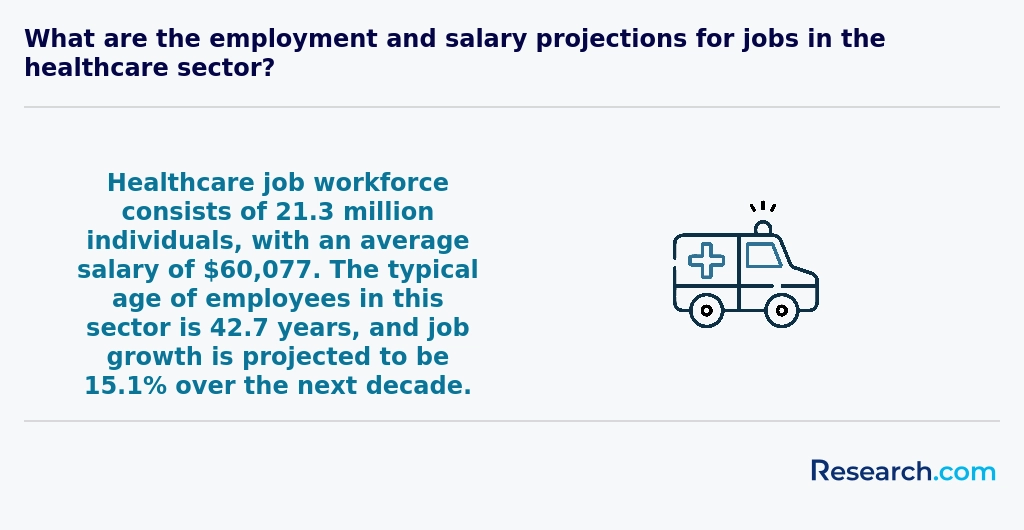
- Healthcare jobs in the Northeast are expected to grow by about 15% over the next decade, driven by an aging population.
- Starting salaries for entry-level healthcare graduates range from $50,000 to $65,000, depending on the location and specialization.
- Experienced healthcare managers and advanced practitioners typically earn between $80,000 and $110,000 annually.
- Graduates must meet state licensing and certification requirements, so program accreditation is important.
How long does it take to complete online healthcare degree in the Northeast?
Completing an online healthcare degree in the Northeast often fits within a clear timeframe, though it varies widely based on your goals and lifestyle. For instance, undergraduates enrolled full-time at schools like Northeastern University typically finish their Bachelor of Science degrees in about four years. Yet, many students balancing work and family opt for part-time study, stretching their journey to six years or more without losing momentum or motivation.
Graduate programs offer even greater flexibility. Those pursuing a Master of Health Administration online at the University of Massachusetts often complete their studies within two years, but accelerated tracks let driven professionals finish in just 12 to 15 months. This option is a gamechanger for those eager to step into leadership roles quickly while managing their busy lives.
Doctoral degrees, meanwhile, demand patience but reward perseverance. Graduates from programs like Doctor of Nursing Practice (DNP) or PhDs in Healthcare Policy typically invest three to six years, tailoring their path to include clinical hours and rigorous research. The Northeast's emphasis on flexible scheduling means these students can thrive despite demanding careers.
Remember, many students have found success by leveraging transfer credits and choosing programs at universities known for supportive online learning environments. This approach can significantly reduce completion time and lessen financial pressure, making your healthcare ambitions achievable and fulfilling.
What's the difference between online and on-campus healthcare degree?
Choosing between online and on-campus healthcare degrees in the Northeast really comes down to your lifestyle and goals. Online programs, like those offered by the University of Massachusetts or Rutgers University, give you the freedom to study from home while managing work or family obligations. Many graduates appreciate how they can fit coursework around their busy schedules and complete clinical hours locally, which makes learning feel achievable without uprooting their lives.
On the other hand, students who choose traditional on-campus paths enjoy the energizing atmosphere of campus life-access to labs, libraries, and face-to-face mentorship. These immersive experiences often lead to deeper connections with peers and faculty, which can open doors during clinical placements and future job searches. Graduates often recall how structured class times helped them stay focused and motivated.
Both routes meet rigorous accreditation standards in the Northeast, guaranteeing employers recognize your degree. Ultimately, the choice reflects your personal rhythm: seek flexibility and independence, or immersion and direct engagement. Either way, your dedication will shape a rewarding healthcare career.
What is the average cost of online healthcare degree in the Northeast?
The average cost of an online healthcare degree in the Northeast typically falls around a median total of $38,106, with notable differences depending on residency status. For many students, the median in-state total cost is approximately $25,905, while out-of-state learners often invest close to $28,545. These figures reflect tuition, fees, and necessary materials, painting a clear financial picture for aspiring healthcare professionals.
Graduates from popular institutions in the Northeast often share that though costs seem significant, the investment feels worthwhile as they witness their expanded career opportunities and the positive impact on their communities. One graduate from a well-known state university remarks how manageable tuition combined with employer support created a realistic path to earning their degree without overwhelming debt.
Understanding the total tuition and fees for online healthcare doctorate Northeast programs is crucial because these advanced degrees often come with additional expenses like clinical placement fees and technology costs. Yet, many students find encouragement knowing that financial aid, scholarships, and employer tuition reimbursement are widely accessible, especially in states like New York, Massachusetts, and Pennsylvania where the healthcare sector actively supports education.
For those exploring options, it's beneficial to consult resources highlighting the best institutions to attend. Several graduates recommend checking out in demand healthcare schools in the region, where programs combine quality education with competitive pricing tailored to online learners' needs.
Student Support and Community Engagement
Online healthcare programs in the Northeast not only deliver a robust academic curriculum but also prioritize a supportive and engaging virtual environment. Dedicated student support services-from academic advising and tutoring to career counseling and technical assistance-play a crucial role in guiding students through the rigorous journey of an online healthcare degree. Institutions are increasingly investing in interactive platforms that foster collaboration among peers, secure mentorship with experienced faculty, and facilitate seamless communication through virtual discussion boards and group projects. This robust support network ensures that students remain engaged, resilient, and capable of balancing academic demands with personal and professional responsibilities. Furthermore, many programs offer specialized webinars and networking events that connect graduates with industry professionals, enriching their practical understanding of the healthcare landscape and opening doors to real-world opportunities. Prospective students are encouraged to evaluate both the quality of academic offerings and the extent of available support services, ensuring their chosen program aligns with their career ambitions and lifestyle needs. For a broader perspective on managing educational expenses while maximizing support benefits, consider exploring resources on online pharmacy school cost.
What financial aid is available to online healthcare degree students in the Northeast?
When pursuing an online healthcare degree in the Northeast, it's essential to tap into the many financial aid resources that make your goal achievable. Graduates from schools like Boston University or the University of Pennsylvania often share that Pell Grants can significantly ease tuition costs-these grants, awarded based on financial need, can provide up to $7,395 annually without the burden of repayment.
Many students highlight state-specific aid as a game-changer. For instance, residents of New York benefit from the Tuition Assistance Program (TAP), which can cover up to $5,665 yearly, easing the pathway at institutions such as Columbia University's online healthcare programs.
Beyond grants, institutional scholarships play a vital role. Some universities set aside funds especially for healthcare students committed to underserved areas or rural health careers, boosting both morale and finances.
Working professionals at major Northeast hospitals often experience employer tuition reimbursement firsthand, allowing them to balance work and study while reducing education expenses-inspiring stories show how this support creates real opportunities for advancement.
Lastly, competitive NIH grants and fellowships offer advanced students vital support for both tuition and living expenses, transforming dreams into reality for those seeking to deepen their clinical or research expertise in healthcare.
Expert Insights and Frequently Asked Questions
Prospective students often have lingering questions before committing to an online healthcare degree journey. This section addresses some of the most common queries while sharing expert insights that can guide you through making a confident decision in such a competitive field. Q: What distinguishes an online healthcare degree in the Northeast from traditional on-campus programs? A: Online programs typically offer greater flexibility by accommodating work schedules and personal commitments, while still maintaining rigorous academic standards. They also leverage innovative e-learning technologies and provide ample opportunities for virtual networking and hands-on experiences during clinical practicums. Q: How important is accreditation for an online healthcare program? A: Accreditation is critical-it not only ensures the quality of the curriculum and faculty but also impacts eligibility for financial aid and post-graduate licensing. Researching and choosing nationally recognized accredited institutions is a vital step in your educational journey. Q: What career support resources should I expect from these programs? A: Many online programs offer dedicated career services, including internship placement assistance, resume reviews, and networking events, which are instrumental in facilitating smooth transitions from academic settings to professional roles. These opportunities often align with trends highlighted by in demand healthcare schools that maintain strong industry connections. Q: Are there emerging trends in healthcare education that I should be aware of? A: Yes, the healthcare field is rapidly evolving with advancements in technology and data analytics. Programs are increasingly incorporating telemedicine, health informatics, and digital patient care management into their curricula, preparing graduates to be agile in an ever-changing industry. By addressing these FAQs and expert insights, prospective students can gain a clearer picture of what to expect and how to align their educational pursuits with long-term career goals. This comprehensive approach not only builds confidence but also empowers you with the critical information needed to succeed in the competitive world of online healthcare education.
What are the prerequisites for enrolling in online healthcare degree program in the Northeast?
To embark on an online healthcare degree in the Northeast, you'll first need a solid academic foundation. Graduates from programs at well-known universities like those in New York or Massachusetts often started with a high school diploma or equivalent for associate degrees, while bachelor's and doctoral candidates completed relevant undergraduate studies. This progression sets the stage for success in competitive, accredited programs.
Standardized tests like the SAT or ACT are still common for many undergraduate admissions, though some schools now offer test-optional paths, making access easier. For graduate studies, expect to face exams like the GRE, but rest assured, persistence often leads to great opportunities, as many Northeastern students have found.
Hands-on experience adds real value. Several programs call for clinical hours, giving you a chance to work in hospitals or clinics, just like former students from prominent Pennsylvania colleges have done, deepening their understanding and confidence before entering the field.
Don't forget practical tools: steady internet and a capable device are essential, as virtual labs and interactive lessons form the heart of these programs. Sharing these experiences, many graduates have found that embracing these challenges equips them well for a fulfilling healthcare career.

Accreditation and Licensure Requirements
Choosing an accredited online doctorate in healthcare ensures your degree is recognized by employers, licensing boards, and professional associations.
- Regional accreditation confirms overall academic quality and transferability of credits.
- Programmatic accreditation from bodies like the Commission on Collegiate Nursing Education (CCNE) or the Council on Education for Public Health (CEPH) verifies specialized curriculum standards.
- Review your state’s board of nursing or public health licensure requirements early to align coursework and clinical hours.
- Confirm eligibility for certification exams (e.g., CNL, DNP) upon graduation to advance your professional credentials.
If you’re weighing cost alongside accreditation, explore our guide to the cheapest online nursing programs for budget-friendly, quality options.
What courses are typically in online healthcare degree programs in the Northeast?
When pursuing an online healthcare degree in the Northeast, you'll engage with courses designed to build real-world skills that resonate throughout the region's vibrant healthcare environment. Graduates from top programs at institutions like Boston University or the University of Pennsylvania often highlight foundational courses such as Healthcare Systems, which unpack the complexities of delivery models seen in prominent Northeastern hospital networks. This course helps you understand how care is structured from New York City to Philadelphia, making your learning directly applicable to where you live and work.
Courses in Health Policy and Management bring laws and regulations from states like Massachusetts and Pennsylvania to life, guiding students to confidently navigate healthcare's administrative landscape. Meanwhile, Healthcare Ethics is indispensable, especially here where diverse urban populations mean more nuanced patient care decisions. Past graduates frequently recall using case studies inspired by real city hospitals to practice patient-centered decision-making.
Research Methods and Healthcare Informatics equip you with data skills critical for evidence-based success, reflecting the Northeast's leadership in technology-driven care. Public Health Fundamentals complete the picture, preparing you to promote prevention and wellness in densely populated communities. These courses combine to empower you to lead and innovate in the region's dynamic healthcare workforce.
What types of specializations are available in online healthcare degree programs in the Northeast?
If you're exploring online healthcare specializations in the Northeast, you'll find a rich variety tailored to both emerging and established fields. Many graduates from well-known Northeastern colleges share how specializations like Healthcare Administration empowered them to step confidently into leadership roles, managing complex facilities with an eye on policy and finance. Public Health remains a popular path, especially given the region's role in community health initiatives during recent health crises, offering rewarding opportunities to influence population well-being.
Nursing Leadership and Education tracks are also highly sought after, enabling registered nurses to advance into teaching and administration through flexible online Doctor of Nursing Practice programs. Meanwhile, Health Informatics blends healthcare with cutting-edge technology, perfect for those passionate about data-driven improvement; students often benefit from the Northeast's advanced health IT infrastructure.
Clinical Research in this region is unbeatable, thanks to partnerships between universities and local hospitals that bring real-world experience to online learning. For those concerned about cost, exploring online pharmacy school cost can help navigate financial decisions as you embark on your healthcare doctorate degree specializations Northeast.
How do you choose the best online healthcare degree in the Northeast?
When choosing the best online healthcare degree in the Northeast, focusing on accreditation is essential. Graduates from well-known institutions like those in New York or Massachusetts often emphasize how regional accreditations ensured their degrees met professional standards, opening doors to licensure and meaningful employment. Additionally, finding a program with flexible schedules, especially asynchronous classes, helped many balance work and studies effectively.
Cost is a real concern too. Many students share how understanding tuition ranges-typically between $10,000 and $25,000 annually-guided them in selecting schools that offered both quality and affordability. Exploring financial aid or scholarships can make a big difference; for instance, experts point towards excellent affordable healthcare degree options Northeast that can ease financial burdens while maintaining high standards.
Specialization choices also matter. Graduates highlight how programs offering concentrations in healthcare administration or public health, popular fields in this region, aligned closely with their career goals. Furthermore, programs with strong local clinical placement connections gave them hands-on experience within the Northeast's healthcare market. To explore affordable paths, check out Low Cost Online Healthcare Degree Programs Ranking in Texas.

What career paths are available for online healthcare degree students in the Northeast?
Graduates with an online healthcare degree in the Northeast find a wealth of opportunities waiting for them, from healthcare administration to advanced nursing roles. Many alumni from well-known institutions like Northeastern University or Boston College step confidently into management roles, overseeing hospital operations or shaping policy, encouraged by the region's robust healthcare infrastructure. This demand reflects the Northeast's unique landscape, where an aging population and dense healthcare networks create real-world challenges that need skilled professionals.
Others choose paths in nursing, advancing from Registered Nurses to Nurse Practitioners or Clinical Nurse Specialists, responding directly to the urgent need for specialized care in states like New York and Massachusetts. Through their programs, graduates gain hands-on skills that make them indispensable in local clinics and larger health systems.
Public health careers also call to many, offering roles in government and nonprofit sectors focusing on pressing community health issues. For those excited by technology, health informatics stands out, especially as Northeast institutions embrace digital record systems, making data-driven care a reality.
For those still exploring options, consider the top online associate's degree in 6 months to jumpstart your journey toward these vibrant healthcare career opportunities in Northeast US.
What is the job market for online healthcare degree in the Northeast?
The job market for online healthcare degree graduates in the Northeast is robust and promising, fueled by strong demand across cities like Boston, New York, and Philadelphia. Graduates from reputable institutions often find opportunities in fields such as nursing, health administration, and public health, benefiting from salaries that reflect the region's high cost of living and healthcare infrastructure. For those pursuing healthcare degree employment outlook Northeast reveals steady growth, especially for roles like nurse practitioners and healthcare managers, who can earn median salaries exceeding $100,000 in many metropolitan areas.
Many graduates report that their online programs from well-known Northeast colleges equipped them with both the knowledge and flexibility needed to balance work and study. This flexibility is crucial for adult learners aiming to advance their careers without pausing their income. The rising telehealth sector also opens remote positions, broadening job opportunities. Students seeking guidance may explore the easiest masters degree canada paths to find manageable yet impactful programs that launch rewarding careers in healthcare.
Frequently Asked Questions About healthcare
Online healthcare degree students in the Northeast can maximize their learning by leveraging regional healthcare resources and technology. Many programs partner with local hospitals and clinics, offering virtual internships and practicums that provide practical experience relevant to Northeast populations. According to the Bureau of Labor Statistics, healthcare employment in the Northeast is expected to grow by 13% through 2030, highlighting demand for well-trained professionals.
Students should actively participate in online discussions and form study groups to enhance comprehension and networking opportunities. Utilizing library resources from institutions like the University of Pennsylvania or Boston University can provide access to research specific to regional healthcare trends.
Additionally, balancing coursework with time management tools and seeking mentorship from faculty familiar with Northeast healthcare policies can deepen understanding and career readiness.
The healthcare field is rapidly evolving, especially in the Northeast, where emerging niches offer promising career opportunities. One key area is telehealth, which has grown significantly due to increased demand for remote care. According to the Northeast Telehealth Resource Center, telehealth visits increased by over 50% between 2020 and 2023.
Another growing niche is healthcare data analytics. With the rise of electronic health records, the need for professionals skilled in analyzing health data to improve patient outcomes is expanding. The Bureau of Labor Statistics projects a 31% growth for health data analysts nationally through 2031.
Additionally, personalized medicine, including genomics, is gaining traction as institutions in the Northeast invest in tailored treatments. These niches require specialized training often available in online healthcare degree programs offered by regional universities.
Graduates with online healthcare degrees in the Northeast should begin preparing for the job market by gaining relevant clinical experience through internships or local healthcare facilities, as practical skills remain essential. According to the U.S. Bureau of Labor Statistics, healthcare employment in the Northeast is projected to grow by 15% from 2022 to 2032, exceeding the national average.
Networking is critical; joining regional healthcare associations like the Massachusetts Healthcare Executives Forum or New York State Health Care Association can open doors. Additionally, obtaining certifications such as Certified Healthcare Administrator can improve job prospects.
Familiarity with state-specific healthcare regulations and electronic health records systems is increasingly valued by employers in this region.
Employers in the Northeast prioritize a strong combination of technical and interpersonal skills in healthcare degree graduates. According to recent data from the Bureau of Labor Statistics and regional healthcare reports, proficiency in electronic health records (EHR) management is essential, reflecting the increasing digitization of patient care.
Critical thinking and problem-solving abilities are also highly valued, as healthcare settings demand quick, informed decisions. Communication skills, both written and verbal, are crucial for effective teamwork and patient interactions.
Additionally, cultural competency stands out due to the Northeast's diverse population. Understanding different cultural backgrounds improves patient outcomes and workplace collaboration.
Finally, leadership and project management skills are increasingly sought after, preparing graduates for roles that require overseeing teams or initiatives within healthcare organizations.
Finding internships in the Northeast for healthcare degree students involves strategic research and networking. Many hospitals and healthcare systems, such as Mass General Brigham in Massachusetts and NewYork-Presbyterian in New York, offer structured internship and residency programs. According to the Bureau of Labor Statistics, the Northeast hosts approximately 15% of the nation's healthcare workforce, increasing opportunities for practical experience.
Students should consult career services of their online programs, which often connect learners with regional healthcare facilities. Additionally, professional organizations like the Northeast Healthcare Workforce Network provide valuable internship listings relevant to healthcare fields.
Utilizing state health department websites can reveal local public health internship openings. Early application and tailored resumes highlighting healthcare competencies also enhance placement chances.
Obtaining an online healthcare degree can significantly enhance career mobility and advancement opportunities in the Northeast. The region's robust healthcare sector, encompassing states like New York, Massachusetts, and Pennsylvania, has a growing demand for qualified professionals.
According to the U.S. Bureau of Labor Statistics, healthcare employment in the Northeast is projected to grow by over 15% through 2030, faster than many other sectors. Holding an advanced degree often qualifies candidates for leadership roles, specialized positions, and higher salaries.
Online programs provide flexibility, allowing working professionals to upskill without interrupting their careers, which is crucial in competitive Northeastern markets. Additionally, many institutions align curricula with state licensure and certification requirements, aiding graduates in meeting regional workforce standards.
Studying for a healthcare degree online in the Northeast uniquely prepares students for interdisciplinary roles by emphasizing collaboration across medical, administrative, and technological fields. Many programs integrate coursework in public health, informatics, and policy, reflecting the diverse healthcare landscape of this region, home to major medical hubs like Boston and New York City.
The Northeast has a high density of healthcare institutions, prompting degree programs to offer real-world case studies and partnerships that enhance teamwork skills. According to the U.S. Bureau of Labor Statistics, healthcare employment in the Northeast grew by 12% from 2019 to 2023, increasing demand for professionals who can work across disciplines.
This regional focus ensures graduates are prepared to lead in environments requiring coordination between physicians, nurses, IT experts, and administrators, addressing complex healthcare challenges effectively.
Choosing between a thesis and a non-thesis healthcare degree program in the Northeast depends largely on your career goals and learning preferences. Thesis programs typically focus on research skills, preparing students for academic or research-oriented roles. They often require original research and can take longer to complete.
Non-thesis options, common in many online programs, emphasize practical knowledge and applied skills, ideal for professionals targeting leadership or clinical roles.
In the Northeast, healthcare employment is projected to grow by 15% through 2030 (Bureau of Labor Statistics), increasing demand for diverse skill sets.
Consider your schedule, career path, and interest in research before deciding.
Students in the Northeast seeking healthcare degrees abroad have limited options due to accreditation and licensing requirements specific to the United States. Most online healthcare programs targeting these students remain domestic to ensure compliance with state regulations and federal financial aid eligibility. However, some institutions offer international clinical experiences or partnerships with foreign universities to enrich their curricula. According to the Commission on Accreditation of Allied Health Education Programs (CAAHEP), these opportunities still require students to complete core coursework through U.S.-based institutions. Students should verify accreditation status and licensure reciprocity before pursuing programs with international components.
Part-time job opportunities that complement healthcare degree education in the Northeast often include roles such as medical scribe, patient care assistant, and pharmacy technician. These positions offer practical experience and help build relevant skills alongside academic learning.
Healthcare support occupations in the Northeast have grown by 8% from 2019 to 2023, according to the U.S. Bureau of Labor Statistics, reflecting increased demand. Medical scribes assist physicians by documenting patient visits, improving clinical workflow, while patient care assistants provide direct support to patients in clinics and hospitals.
Pharmacy technicians working part-time gain insight into medication management, an essential aspect of many healthcare careers.
Online healthcare students in the Northeast benefit from various networking opportunities despite remote learning. Many schools partner with regional healthcare organizations and hospitals, allowing students to attend virtual seminars, conferences, and workshops. For example, institutions often connect students with the New England Healthcare Institute, which provides forums for professional interaction. Additionally, healthcare programs frequently incorporate interactive platforms where students collaborate on projects and engage with faculty and alumni.
Local chapters of national healthcare associations, such as the American Public Health Association Northeast Chapter, also welcome online students, offering access to events and networking. According to a 2023 report by the U.S. Bureau of Labor Statistics, the Northeast has one of the highest healthcare employment rates, fostering strong industry connections for graduates.
Alumni networks play a crucial role in supporting online healthcare degree students in the Northeast by offering professional connections and career resources. Graduates from programs in this region can access a network of peers working in diverse healthcare settings, including major hospitals and research centers.
These networks facilitate mentorship and job referrals, which is vital as the Northeast healthcare sector is a major employment hub, representing nearly 18% of the national healthcare workforce, according to the Bureau of Labor Statistics (2023). Networking helps students discover local internships and employment opportunities that align with regional healthcare trends.
Additionally, many universities in the Northeast provide online alumni platforms that encourage knowledge sharing and ongoing education, boosting graduates' career growth in a competitive market.
Customizing an online healthcare degree in the Northeast allows students to align education with specific career paths. Many universities offer elective courses tailored to specialties like healthcare administration, nursing leadership, or health informatics. Students can choose concentrations that match regional industry demands, such as aging populations or biotech growth.
Flexible scheduling and part-time options help working professionals balance education with employment. In the Northeast, where healthcare employment grew 7% from 2019 to 2023 (Bureau of Labor Statistics), focusing on high-demand areas increases job prospects.
Furthermore, some programs provide opportunities for research projects or internships in local healthcare organizations, enhancing practical experience along with academic learning.
Online healthcare students in the Northeast often face challenges related to balancing rigorous coursework with professional and personal responsibilities. Many students juggle employment in demanding healthcare roles, which can interfere with their study schedules. According to a 2023 report by the National Center for Education Statistics, approximately 60% of graduate students in healthcare programs work part-time or full-time.
Another common issue is gaining access to quality clinical placements required for licensure, as competition in urban Northeast areas can be intense. Students also report technical difficulties related to online platforms, alongside the limited availability of in-person support services compared to traditional settings.
Networking opportunities are often harder to access virtually, impacting career development. Finally, tuition costs in the Northeast are among the highest in the US, adding financial pressure to students already managing other commitments.
With an online healthcare degree in the Northeast, you can pursue several valuable professional certifications that enhance your career prospects. Common certifications include Certified Professional in Healthcare Quality (CPHQ), Certified Health Education Specialist (CHES), and Registered Health Information Technician (RHIT). These credentials are recognized nationally and valued by employers across the region.
According to the National Commission for Certifying Agencies, these certifications often require a healthcare degree and relevant experience. Online programs in the Northeast typically prepare students to meet these standards.
The demand for certified healthcare professionals in the Northeast has grown steadily, driven by expanding healthcare services and aging populations, as reported by the Bureau of Labor Statistics. This trend increases opportunities for certification holders in hospitals, public health organizations, and insurance companies.
Applying to an online healthcare program in the Northeast requires careful preparation to stand out among many candidates. Start by thoroughly researching programs accredited by bodies such as the Commission on Collegiate Nursing Education (CCNE) or the Council on Education for Public Health (CEPH), ensuring recognition and quality education.
Focus your personal statement on your commitment to healthcare, highlighting any local healthcare experience or understanding of the Northeast's unique health challenges, like opioid addiction rates or aging populations, according to data from the Northeast Public Health Association.
Strong recommendations from healthcare professionals familiar with your skills enhance your application's credibility.
Lastly, accurately present all required documents, including transcripts and test scores, and meet all deadlines to avoid disqualification.
The global demand for healthcare professionals continues to grow, influenced by aging populations and advancements in medical technology. In the United States, particularly in the Northeast, healthcare careers are highly valued due to strong regional healthcare infrastructure and research institutions.
According to the Bureau of Labor Statistics, healthcare occupations are projected to grow 13% from 2021 to 2031, faster than average for all jobs. The Northeast states, including New York and Massachusetts, offer robust opportunities in hospitals, research facilities, and public health organizations.
Internationally, healthcare careers emphasize cultural competence and adaptability, skills increasingly integrated into U.S. online healthcare degree programs. This global perspective prepares students for diverse patient populations and collaborative work environments.
Students pursuing online healthcare degrees in the Northeast can gain practical experience through clinical placements and internships, which are often required components of accredited programs. Many institutions partner with regional healthcare providers, including hospitals and clinics in states like New York, Massachusetts, and Pennsylvania, to facilitate local hands-on training.
The Health Resources and Services Administration reports that the Northeast hosts over 25% of the nation's healthcare jobs, providing ample opportunities for supervised practice. Additionally, some programs offer virtual simulations and telehealth practicums to enhance skills when in-person options are limited.
State boards typically oversee clinical requirements ensuring students meet licensure qualifications while studying remotely.
Choosing the right concentration within an online healthcare degree program in the Northeast requires understanding both personal career goals and regional healthcare demands. The Northeast has a high concentration of hospitals and research centers, making specialties like healthcare administration, public health, and nursing leadership particularly relevant.
According to the Northeast Regional Healthcare Workforce Report (2023), healthcare management roles are expected to grow by 12% through 2028. Students should evaluate concentrations that align with these growth areas to maximize job prospects.
It is also wise to consider program accreditation and state licensure requirements, which vary among Northeastern states.
Finally, reviewing faculty expertise and alumni outcomes from specific concentrations can offer valuable insights.
Top Trending Healthcare Rankings
See What Experts Have To Say About Studying Healthcare
Read our interview with Healthcare experts

References
- Online Medical Assistant Program With Financial Aid https://www.stepful.com/post/online-medical-assistant-program-with-financial-aid
- Is an Online Degree the Same as a Traditional Degree | Online Degree https://www.cambridgehealth.edu/online-degrees/get-an-online-degree/is-an-online-degree-the-same-as-a-traditional-degree/
- Networking and Mentorship During Clinical Rotations https://rotatingroom.com/blog/medical-students-the-importance-of-networking-mentorship-during-your-clinical-rotations
- The impact of postgraduate education on career advancement in healthcare https://sets.com.ua/journals/vol-3-no-2-2024/the-impact-of-postgraduate-education-on-career-advancement-in-healthcare
- Healthcare Degrees https://teach.com/online-ed/healthcare-degrees/
- Best Healthcare Degrees & Programs | Accredited Schools Online https://www.accreditedschoolsonline.org/healthcare/degrees/
- Health Information Technology - Northeast Iowa Community College https://www.nicc.edu/academics/programs/health-information-technology/
- Career Opportunities in Healthcare Without a Medical Degree https://www.just-medical.ch/en/blog/medical-careers-without-formal-education
- Different Careers in the Medical & Healthcare Industry https://www.onlinedegree.com/career/medical-healthcare/
- Financial Assistance Policy https://www.nghs.com/financial-assistance


