
2027 Fastest Online Fine Arts Degree Programs Ranking in the South

Co-Founder and Chief Data Scientist
Choosing the right fine arts degree program can feel overwhelming, especially when balancing speed and quality. This article introduces the 2027 Fastest Online Fine Arts Degree Programs Ranking in the South, created by the Research.com team of data scientists to guide you through the best options available.
By exploring this ranking, you'll gain valuable insights into programs that combine fast completion times with strong artistic foundations. Pursuing a fine arts degree can open doors to exciting creative careers and personal growth, making this resource a helpful starting point for your educational journey.
Key benefits of getting online fine arts degree in the South
- Salary benefits: Graduates with a fine arts degree can earn competitive salaries, such as $71,420 annually for illustrators and $109,630 for animators, making it a promising career path.
- Career paths: For example, a fine arts graduate from the University of Georgia in the South might pursue roles in graphic design, animation, or art therapy, enjoying a broad range of creative opportunities.
- Online degree advantages: Earning a fine arts degree online from schools like the Savannah College of Art and Design allows flexibility in scheduling, enabling students to balance work and study while gaining valuable skills at their own pace.
- 2027 Fastest Online Fine Arts Degree Programs Ranking in the South
- What can I expect from online fine arts degree in the South?
- Where can I work with online fine arts degree in the South?
What can I expect from online fine arts degree in the South?
The average cost of pursuing an online fine arts degree in the Southern United States is notably accessible, with in-state tuition rates at public universities often hovering around $9,000 per year. This affordability makes quality education in institutions such as the University of North Carolina at Greensboro or the Savannah College of Art and Design feel within reach for many aspiring artists.
Graduates frequently reflect on how this manageable tuition allowed them to fully engage with art without the heavy burden of debt. They often describe balancing their studies with work or family responsibilities, appreciating how the financial aspect didn't overshadow their creative growth. For example, a graduate from UNC Greensboro highlighted the ease of investing in their art education while maintaining a freelance graphic design job, knowing their tuition fees were reasonable compared to traditional on-campus costs.
Such affordability paired with robust programs encourages students to immerse themselves in digital portfolios and virtual critiques, fostering a community that nurtures both skill and confidence. The cost-effectiveness of Southern online fine arts degrees invites a focus on passion and practical learning, making artistic dreams feel attainable.
Where can I work with online fine arts degree in the South?
Graduates with an online fine arts degree from institutions like the University of Texas at Austin or Florida State University often find themselves thriving in diverse creative roles throughout the South. Many step confidently into careers as professional artists-painters, sculptors, or illustrators-working within vibrant communities where their talents are in steady demand. For example, graduates share stories of finding rewarding commissions in Texas' bustling arts scene or joining collaborative projects in Atlanta's rich cultural environment.
Others embrace teaching, inspired by their own educational journeys. They become art educators in schools around Georgia or community instructors in New Orleans, where specialized training from online programs equips them to engage students deeply. The fulfillment here comes not just from art itself, but from nurturing creativity in others.
Fine arts graduates also carve unique paths in the South's entertainment and cultural sectors, contributing to film and media production or serving in curatorial roles at museums like the High Museum of Art in Atlanta. Freelance opportunities abound too, with artisans tapping into the region's growing markets and tourism, often reflecting a profound sense of independence and pride in their craft.
Graduates with an online fine arts degree in the South can anticipate a diverse range of earnings based on their chosen field and experience. For instance, those stepping into graphic design roles typically see mean annual wages around $64,700. Illustrators, another popular path among Southern fine arts alumni from universities like the Savannah College of Art and Design or the University of North Carolina School of the Arts, earn close to $71,420 on average.
Many graduates find success in animation, where salaries rise impressively to about $109,630 per year, reflecting the growing demand for digital creatives in hubs like Austin and Charlotte. Art therapy is also gaining traction, with mean wages near $75,660, offering fulfilling and stable career options.
Reflecting on the experiences of fine arts graduates from Southern colleges, the key to earning potential often lies in blending creativity with technical skills and networking within vibrant cultural centers. These paths illuminate how a Southern fine arts degree, especially earned online, opens opportunities with rewarding pay in both traditional and emerging art careers.
- Tuition for online fine arts programs in the Southern US ranges from $8,000 to $15,000 per year for in-state students, generally more affordable than other regions.
- Entry-level salaries for fine arts graduates in the South average around $36,000 annually, increasing to about $52,000 with experience and specialization.
- Southern cities like Atlanta, Miami, Charlotte, and Nashville offer steady job opportunities in graphic design, multimedia art, illustration, and teaching.
- Employment in arts-related fields in the South is projected to grow by approximately 4% over the next decade, matching national growth rates.
- Accreditation by agencies like NASAD is important for quality education and better job prospects in online fine arts programs.
- Many Southern schools provide hybrid online formats combining remote study with on-site workshops or exhibitions for practical experience.
Completing an online fine arts degree in the South often aligns with traditional timelines, but flexibility is a key advantage. Many graduates from institutions like the University of North Carolina's online program share how balancing work and life led them to extend their studies beyond the typical four years. Their journeys reflect a nuanced reality where part-time pacing stretches to five or six years, yet still feels rewarding and manageable.
Some motivated students at schools such as Florida State University discover accelerated paths, packing extra courses and summer sessions into three years or less. This option suits those eager to dive into their creative careers sooner while maintaining quality learning experiences.
Community college graduates pursuing associate degrees online often complete their programs in about two years, appreciating the faster route to gainful employment or transfer opportunities toward a bachelor's.
Overall, the Southern region's adaptable online offerings allow students to tailor durations to personal needs, blending ambition with life's demands-making the fine arts degree both accessible and fulfilling.
Succeeding in an online Fine Arts degree requires a strategic approach to balancing creativity, technical skill, and professional development. Start by creating a personalized study schedule that accommodates both coursework and creative projects while also allowing time for self-reflection and portfolio development. Engage actively in virtual discussions, group projects, and live workshops to build connections with peers and industry experts. Establishing a mentor relationship with an experienced faculty member can provide insightful feedback and career guidance that extends beyond the digital classroom. Additionally, take advantage of digital resources and software tools to refine your techniques and broaden your artistic skill set. For instance, exploring programs like the fastest online fine arts program in florida can offer you a competitive edge with its emphasis on innovative learning methods and industry partnerships. Finally, always prioritize building a robust, diverse portfolio that encapsulates your artistic journey-an essential asset when stepping into the competitive art world.
The difference between online and on-campus fine arts degrees in the South often centers on how students experience their craft and community. Graduates from studios at renowned Southern institutions like Savannah College of Art and Design frequently recall the energizing atmosphere of on-campus life-the hands-on access to studios, the tactile feedback during sculpture classes, and spontaneous gallery visits that fuel creativity. This immersion builds confidence through face-to-face critiques and direct mentorship.
In contrast, Southern students pursuing online fine arts degrees appreciate the flexibility vital for balancing work or family. A graduate from an online program reflects on how digital critiques and video demonstrations allowed them to refine their painting techniques despite living hours away from major art schools in Atlanta or New Orleans. The convenience of studying from home reduced costs and stress, making education achievable without sacrificing daily responsibilities.
Ultimately, choosing between formats means weighing these lived experiences. While on-campus offers vibrant physical interaction, online programs deliver a tailored, accessible path that resonates with many Southern students' real-life rhythms and commitments.
Finding a budget-friendly online Fine Arts degree in the South requires strategic research. Begin by comparing published tuition and mandatory fees-public institutions often offer substantially lower in-state rates. Next, examine the average net price after scholarships and grants; some programs report net costs well below the regional median. Look for additional savings through fixed-rate tuition plans, residency-based discounts and art-specific awards that can reduce out-of-pocket expenses. To benchmark cost-effective models, prospective students can consult curated affordability rankings. For example, the Cheapest Fine Arts Degree Programs Ranking in Nevada highlights accredited institutions with some of the country’s lowest tuition rates and transparent net price data. While focused on Nevada, this ranking serves as a best-practices example: seek Southern programs that offer clear cost disclosures, generous financial aid packages and locked-in tuition rates to ensure your Fine Arts education delivers both quality and value.
The average cost of an online fine arts degree in the South often surprises students with its variability. While many graduates from universities in states like Texas, Georgia, and Florida find that in-state tuition and fees hover around $48,000 for the entire program, out-of-state students may face costs closer to $53,640 or more. These figures reflect the true investment required when pursuing online fine arts degree tuition fees southern US, including both public and private institutions.
Graduates recall how public universities offered more affordable pathways, allowing in-state learners to access quality education without overwhelming debt. For instance, those who enrolled in well-known Southern programs could budget roughly $12,000 to $20,000 annually when factoring in tuition plus the necessary art supplies and technology fees, which vary by school. Private colleges often presented higher sticker prices but also came with rich opportunities for specialized scholarships.
Many students found encouragement by exploring financial aid options unique to fine arts disciplines. Scholarships from regional boards can cover significant portions of tuition, sometimes as much as half the total cost, lifting the burden considerably. Some graduates even recommend visiting program pages like the fastest online fine arts program in florida for insights and early application opportunities.
Florida offers a dynamic environment for online Fine Arts education, blending innovation with a strong artistic culture. This section delves into emerging trends, practical success tips, and unique opportunities available for students pursuing online Fine Arts degrees in the Sunshine State. Florida’s diverse art community is increasingly leveraging technology to offer immersive virtual learning environments, interactive critique sessions, and robust networking opportunities with seasoned professionals. Students benefit from a curriculum that balances traditional artistic techniques with modern digital tools, ensuring comprehensive skill development. Moreover, the state’s institutions are continually updating their strategies to meet current market demands, making it easier to transition from online studies to a flourishing career in the arts. For aspiring artists seeking excellence, exploring the fastest online fine arts program in florida can be a great start. In addition, students are encouraged to take advantage of virtual workshops, online exhibitions, and collaborative projects that not only enrich their portfolios but also build lasting industry connections. With a focus on flexibility, affordability, and quality instruction, Florida’s online Fine Arts programs are designed to set you up for both academic and professional success.
Students pursuing online fine arts degrees in the South often rely on a blend of financial aid options that provide crucial support throughout their studies. Many graduates recall the relief of receiving federal aid like Pell Grants, which can cover up to $7,395 annually, easing the burden of tuition costs ranging from $7,000 to $15,000 per year at popular schools such as the University of North Carolina or Florida State University. Applying for FAFSA opened doors to both Pell Grants and Federal Supplemental Educational Opportunity Grants, a step that many advise as essential early on.
Besides federal help, institutional scholarships have been a beacon for numerous art majors. Graduates from Southern universities often mention merit-based awards recognizing their portfolios and state grants available to residents of Georgia or Texas, which significantly lessen tuition demands. Adding private scholarships from regional arts councils or organizations like the Scholastic Art & Writing Awards further lightens financial strain.
Work-study programs, tied to artistic skills, also offer meaningful income and experience. Many find payment plans valuable, creating flexibility while juggling creative commitments and online coursework.
In today’s rapidly evolving artistic landscape, online Fine Arts education is embracing innovative learning models and emerging technologies that are reshaping both the curriculum and the career opportunities available. Students are discovering how advancements in digital media, virtual reality, and interactive platforms are not only enhancing the creative learning experience but also increasing the demand for tech-savvy artists who can blend traditional techniques with modern tools. For instance, many leading online programs now incorporate modules on digital animation, 3D modeling, and interactive design, preparing graduates for dynamic roles in media and the creative industries. One remarkable example is the fastest online fine arts program in florida, which has been recognized for integrating cutting-edge digital practices with robust artistic fundamentals. Experts also note that the shift toward flexible, skill-based learning is a response to the growing need for lifelong learners in a competitive job market. As educators and industry professionals continue to collaborate on curriculum development, online Fine Arts programs are expected to offer even more tailored experiences, such as project-based learning, mentorship opportunities from renowned artists, and access to global creative communities. This forward-thinking approach not only enriches the academic journey but also ensures graduates are well-equipped to meet the challenges and seize the opportunities of an increasingly digital creative economy.
Official transcripts and a minimum GPA, usually around 2.5, are commonly requested, reflecting your academic preparedness. While some programs at universities like those in Texas or Georgia are moving toward test-optional policies, letters of recommendation from art instructors remain a valued insight into your skills and drive.
Personal statements offer a meaningful chance to share your unique story and commitment to fine arts. Many students find this reflection deeply rewarding, helping them connect with their goals and the artistic communities at Southern colleges.
Financial planning is crucial, as tuition for public Southern universities ranges from $8,000 to $15,000 annually, with private options often higher. Preparing for these costs alongside portfolio supplies can feel daunting but ultimately fuels the rewarding experience of pursuing art in this vibrant region.

Graduates from respected Southern institutions often reflect on how their online fine arts programs blended foundational courses with creative practice in ways that felt both inspiring and practical. At universities well-known in the South, students typically engage deeply with Art History and Appreciation, which brings to life the stories behind famous artworks and cultural movements, enriching their creative perspective.
Hands-on skill-building courses like Drawing and Painting Techniques or Sculpture and 3D Art are structured to help students practice consistently, even from home studios. Many alumni speak to the satisfaction of developing portfolios through Studio Practices courses, where project feedback from professors fosters growth much like an in-person setting.
- Digital Arts and Design courses equip learners with industry-standard tools, empowering them to create modern, professional work ready for the digital marketplace.
- Theory-oriented classes like Aesthetics and Criticism sharpen analytical thinking, helping students evaluate their own work and others' thoughtfully.
These thoughtfully designed courses reflect the South's commitment to accessible, quality education that balances flexibility with comprehensive training, allowing students to thrive creatively while managing busy lives.
Online fine arts degree programs in the South offer a variety of specializations that truly reflect the region's vibrant artistic heritage and growing cultural scenes. Graduates from popular universities often highlight how studio art tracks, with a strong focus on painting, drawing, and sculpture, helped them build solid technical skills while staying connected through digital critiques. Many find this path ideal for those seeking to become professional artists or gallery managers in Southern art hubs.
Southern online fine arts degree concentrations also include graphic design, which remains one of the most sought-after fields due to its applicability across industries from advertising to digital marketing. Students appreciate programs that teach essential tools and principles, such as typography and UX design, preparing them well for expanding job markets.
Beyond these, specializations in digital media, animation, and art education offer engaging options. Graduates often mention how these programs connect creative artistry with technical expertise, and empower them to teach or work in multimedia productions. For those considering the creative path, exploring a graphic design bachelor degree can be particularly rewarding in this dynamic Southern context.
Choosing the best online fine arts degree program in the South means prioritizing regionally accredited schools that meet rigorous standards, such as those overseen by SACSCOC. Graduates from well-established Southern universities often praise the flexibility of online curricula that balance classic disciplines with modern digital arts, allowing them to pursue their passions while managing work or family. For many, finding a program that supports portfolio development through virtual studios and networking opportunities with faculty who have real-world art experience has been invaluable.
Considering cost is equally important. Affordable online fine arts degrees southern states offer can vary widely-from public institutions charging in-state tuition rates to private colleges with higher fees. Graduates recall budgeting not only for tuition but also for required materials and software, which can add up. Those interested in cost-effective options might explore rankings like the Cheapest Fine Arts Degree Programs Ranking in Nevada for perspective on affordability trends.
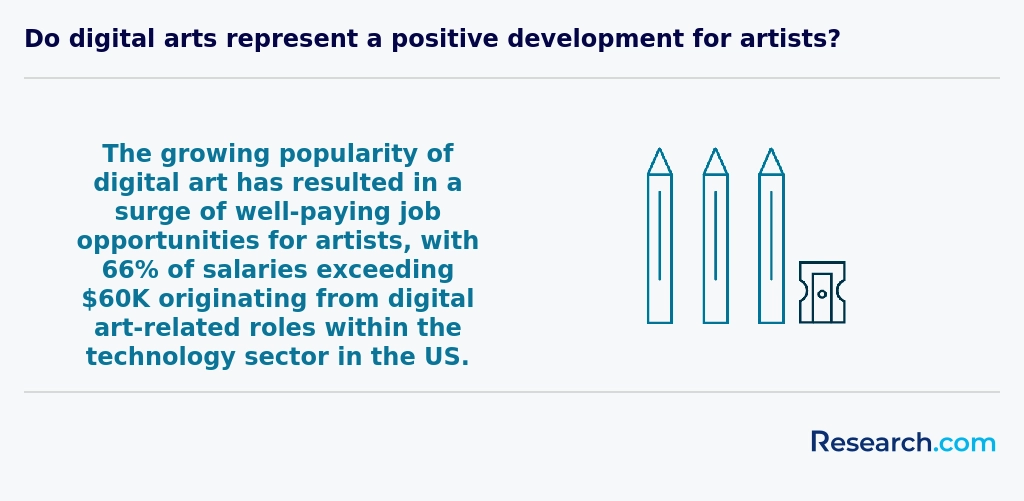
Graduates with an online fine arts degree in the South find a rich landscape of career paths waiting to be explored. Many pursue roles as professional artists, illustrators, or graphic designers, benefiting from the region's strong creative industries. Alumni from well-known Southern institutions often share how cultivating a diverse portfolio during their studies helped them secure roles in vibrant cultural hubs like Atlanta and Austin, where demand for artistic talent continues to grow. Opportunities also abound in arts administration and curation, as museums and galleries in Southern states expand their teams, blending creative vision with organizational skills.
Teaching remains a rewarding avenue. Fine arts graduates in Southern states frequently follow licensure paths through online programs to become certified art educators, nurturing the next generation while enjoying meaningful careers. Digital and multimedia art fields also captivate online fine arts degree holders in the South, as these sectors grow rapidly. Many find success by combining artistic skills with emerging technologies, reflecting the evolving job market. For those considering cost-effective options to begin this journey, exploring the top online associate's degree in 6 months can be a strategic first step toward diverse fine arts careers in the South.
The job market for graduates holding an online fine arts degree in the South offers a blend of steady opportunity and unique regional advantages. Many graduates from institutions like the Savannah College of Art and Design or the University of North Texas find themselves employed in cities such as Austin and Atlanta, where the growing arts communities provide fertile ground for creative careers. The South regional job market for fine arts graduates blends traditional roles like gallery curation and art education with newer avenues, including digital media and freelance projects fueled by expanding technology sectors and tourism.
Graduates often share how internships and local exhibitions helped them build networks essential to breaking into competitive fields. Tuition rates in Southern colleges tend to be more affordable compared to national averages, making an online fine arts degree a financially viable path. Those exploring options should also consider programs focused on developing digital skills, which enhance job prospects in this evolving market. For those seeking less demanding alternatives in graduate studies, exploring easy master degrees can be a practical step toward career growth.
2027 Fastest Online Fine Arts Degree Programs Ranking in the South
Investing in your education is a significant decision that can shape your future, and the Research.com team recognizes the importance of making well-informed choices. To support prospective students in the South, we have carefully developed the "2027 Fastest Online Fine Arts Degree Programs Ranking." Our dedication to quality, credibility, and accuracy is demonstrated through thorough research and analysis in compiling this ranking. We utilized the following reputable data sources to ensure a comprehensive evaluation of fine arts programs:
By reviewing this ranking, readers will gain valuable insights into the most efficient and high-quality online fine arts degree programs available in the South, empowering them to make confident educational decisions. For a deeper understanding of how this ranking was created, please visit our Research.com methodology page.

# 2 position
Full Sail University
Master of Media Design


# 10 position
Full Sail University
Bachelor of Computer Animation


# 13 position
Judson College
Bachelor of Music



Frequently Asked Questions About fine arts
Online fine arts degree students in the South can enhance their education by actively engaging with digital studio courses and virtual critiques, which are increasingly offered by Southern institutions. Schools like the University of North Texas emphasize interactive online platforms that simulate real-time feedback, crucial for artistic growth. Students should take advantage of regional art networks and virtual gallery tours to stay connected with the Southern art scene. According to the National Endowment for the Arts, participation in local and online exhibitions boosts career opportunities. Furthermore, balancing coursework with community involvement through internships or collaborations with Southern art organizations deepens practical skills and professional connections.
The fine arts field is evolving rapidly, with several emerging niches capturing the interest of students pursuing online degrees in the South. One growing area is digital arts, which combines traditional creativity with technology, including animation and virtual reality. According to the National Endowment for the Arts, Southern states showed a 15% increase in digital arts employment from 2019 to 2023.
Another promising niche is art therapy, where artists use creative processes to support mental health. The American Art Therapy Association reports increased demand for professionals especially in regions like Florida and Georgia. Eco-art is also gaining traction, focusing on environmental themes, reflecting the South's growing commitment to sustainability in art education.
After completing an online fine arts degree in the South, graduates should focus on building a strong portfolio showcasing diverse and high-quality work. According to the National Endowment for the Arts, employers in creative fields prioritize portfolios over formal resumes.
Networking is crucial; joining regional art organizations like the South Arts Consortium can connect artists to exhibitions and job opportunities. Internships and freelance projects during or after study also improve practical experience and employability.
Understanding the local market is key. The Southern states have a growing art scene, with cities such as Atlanta and Nashville supporting emerging artists with galleries and grants.
Soft skills like communication and digital proficiency are equally important for success in today's competitive job market.
Employers in the South consistently seek graduates with fine arts degrees who demonstrate strong creative and technical skills. Proficiency in digital tools such as Adobe Creative Suite and 3D modeling software is highly valued.
Communication abilities, including presenting artistic concepts clearly, are essential. Many Southern employers prioritize adaptability and critical thinking, as the arts sector evolves rapidly with technology.
According to the National Endowment for the Arts, Southern states show growing demand for artists who can engage diverse communities while collaborating across disciplines.
Moreover, portfolio quality remains a key hiring factor, showcasing originality and refined techniques developed through online fine arts programs.
Finding internships in the South for fine arts students often begins with leveraging university career centers, even for online learners. Many Southern institutions maintain partnerships with regional galleries, museums, and arts organizations to provide internship opportunities.
Students should also explore local cultural hubs such as Atlanta, Nashville, and New Orleans, where arts funding and programs are growing. For example, Georgia's arts and culture sector contributes over $8 billion annually, supporting numerous internship openings (South Arts, 2023).
Professional associations like the Southeastern College Art Conference (SECAC) offer networking events and job boards specifically for fine arts internships. Additionally, using platforms such as Handshake and Internship.com with filters tailored to Southern states can help locate relevant positions.
Persistence and early outreach to potential supervisors in fine arts settings greatly improve chances of securing internships in this competitive field.
Obtaining an online fine arts degree in the South can significantly enhance career mobility and advancement opportunities. Many Southern states have growing arts communities, supported by local galleries, theaters, and cultural institutions, where a degree from an accredited program is increasingly valued. According to the National Endowment for the Arts, the South has seen a 7% rise in arts-related jobs over the past five years, indicating expanding employment prospects.
Graduates with online fine arts degrees benefit from flexible learning combined with skills development, making them attractive to employers seeking versatile artists. Additionally, online programs often incorporate internships and networking opportunities within Southern cities, facilitating entry into competitive creative fields. This combination supports geographic and occupational mobility across the region's varied arts sectors.
Studying for a fine arts degree online in the South offers unique opportunities to engage in interdisciplinary learning. Many Southern universities emphasize collaboration between fine arts and fields like technology, business, and communication. This approach equips students with skills to navigate diverse professional environments.
According to the National Center for Education Statistics, Southern institutions award over 30% of the nation's fine arts degrees, many incorporating cross-disciplinary coursework. Programs often include digital media, marketing, or art therapy components, broadening career paths beyond traditional studio art roles.
Such training prepares graduates for roles in education, entertainment, design, and more, blending creativity with practical expertise.
Choosing between a thesis and a non-thesis fine arts degree program in the South depends largely on your career goals and learning preferences. Thesis programs typically require a substantial research or creative project and are well-suited for students aiming to pursue doctoral degrees or careers in academia. Non-thesis options often focus more on practical skills and coursework, making them ideal for professionals seeking to enter or advance in the art industry efficiently.
According to the Southern Association of Colleges and Schools Commission on Colleges, several Southern universities offer flexible online fine arts programs that cater to diverse student needs. Consider if you prefer independent research or hands-on practice when deciding.
Tuition and program length can also vary; thesis tracks may take longer due to project requirements. Review each program's curriculum and support services carefully to ensure it fits your schedule and budget.
Students in the South seeking to study fine arts abroad while enrolled in online degree programs have several avenues available. Many Southern universities partner with international institutions to offer exchange programs or study-abroad opportunities integrated into their online fine arts curricula.
According to the Institute of International Education, Southern institutions like the University of North Carolina and Florida State University provide access to art programs in Europe and Latin America. These programs often emphasize cultural immersion and practical experience in renowned art capitals such as Paris, Florence, or Mexico City.
Furthermore, students can take advantage of virtual international collaborations, gaining global perspectives without traditional travel, augmented by on-site short-term residencies during summer or winter breaks. This hybrid approach supports Southern students balancing local commitments with global exposure.
Part-time job opportunities in the South that complement a fine arts degree include working as a museum or gallery assistant, where students gain firsthand experience with art curation and public engagement. Many cultural institutions in southern states like Georgia and North Carolina offer flexible roles suitable for students. Additionally, freelance graphic design and illustration are popular options, supported by the growing creative economy reported by the Southern Economic Development Council. Art tutoring and teaching assistant positions at local community centers provide practical teaching experience. These roles not only enhance skills but also strengthen resumes for future art-related careers in the region.
Online fine arts students in the South benefit from numerous networking opportunities tailored to their unique needs. Many Southern universities offer virtual events, including gallery showings and artist talks, that allow students to connect with peers and professionals across the region. According to the Southern Arts Federation, more than 60% of Southern institutions engage students in collaborative online projects, enhancing professional networks.
Regional organizations such as the South Arts Regional Arts Organization provide additional platforms for virtual workshops and exhibitions focused on Southern artists. These connections help students build portfolios and gain exposure.
Additionally, online forums and social media groups dedicated to Southern fine arts offer important informal networking channels, where students share resources and job leads.
Alumni networks play a vital role in supporting students pursuing online fine arts degrees in the South. These networks connect current students with graduates who have shared experiences and professional insights, fostering mentorship opportunities. According to the Southern Regional Education Board, schools in this region report stronger career placement rates when active alumni communities assist students.
Through events, workshops, and online forums, alumni offer guidance on portfolio development and creative career paths. For example, alumni from Southern art programs often share regional job market trends and opportunities in galleries, museums, and design firms.
Such connections can also lead to internships or freelance projects, helping students build practical experience while studying online.
Customizing an online fine arts degree program in the South allows students to align their studies with specific career goals. Many Southern universities offer flexible curricula where students choose concentrations such as graphic design, digital media, or traditional studio arts.
Students can select electives that enhance skills relevant to fields like art education, gallery management, or multimedia production. According to the National Center for Education Statistics, institutions in states like Georgia and North Carolina provide online fine arts programs with varied specialization options.
Internships and capstone projects often tailored to Southern art markets offer practical experience, fostering stronger career readiness.
Online fine arts students in the South often face challenges related to limited access to specialized art materials and studio spaces. Many programs require hands-on practice that is difficult to replicate virtually, which can impact skill development. According to the National Center for Education Statistics (NCES), Southern states have fewer accredited fine arts programs offering fully online degrees compared to other regions, limiting options for students seeking local recognition.
Additionally, broadband connectivity is an issue in parts of rural South, affecting reliable access to online classes and digital resources. Students may also experience fewer networking opportunities with local art communities, which are vital for career growth.
With an online fine arts degree, graduates in the South can pursue professional certifications that enhance their careers in teaching, curation, and administration. One common certification is the State Teacher Certification for Art Education, required for those aiming to become licensed art teachers in public schools across southern states. This certification usually involves passing pedagogy exams and fulfilling state-specific criteria.
Additionally, certificates in Museum Studies or Art Therapy can complement a fine arts degree, opening paths in galleries and therapeutic practices. According to the National Endowment for the Arts, southern states saw a 5% growth in arts-related jobs in recent years, highlighting opportunities for certified professionals.
Writing a winning application for an online fine arts program in the South requires clear focus on both artistic skill and academic readiness. Most Southern universities offering online fine arts degrees value a strong portfolio showcasing diverse abilities, including drawing, painting, or digital media. According to the National Center for Education Statistics, applicants who submit well-curated portfolios have a 30% higher chance of acceptance.
Applicants should also highlight their motivation for studying arts online, emphasizing time management and self-discipline. Southern schools often require personal statements explaining your artistic goals and how the region's rich cultural heritage influences your work.
Letters of recommendation from art instructors or professionals familiar with your work strengthen your application. Finally, make sure to meet all deadlines and technical requirements, as many Southern programs use a competitive rolling admission process.
The global perspective on a fine arts career highlights the growing importance of creativity combined with digital skills. In the U.S., including the South, fine arts graduates are increasingly valued in sectors like animation, graphic design, and multimedia arts.
According to the National Endowment for the Arts, Southern states have seen a 6% growth in arts-related employment since 2019. This reflects a broader trend where fine arts professionals contribute to advertising, entertainment, and education worldwide.
Internationally, fine arts careers often demand adaptability and technological literacy. Therefore, online fine arts degrees in the South emphasize both traditional techniques and contemporary tools to prepare students for global opportunities.
Students pursuing an online fine arts degree in the South can gain valuable practical experience through various regional opportunities. Many Southern universities partner with local galleries, theaters, and museums, allowing students to intern or collaborate on projects remotely. According to the National Endowment for the Arts, Southern states invested over $150 million in arts education programs in 2022, supporting these collaborations. Additionally, students can participate in virtual exhibitions and workshops hosted by arts organizations like the Southern Arts Federation. Engaging in community-based art projects and freelancing for local businesses are also effective ways to build a professional portfolio while studying online.
Choosing the right concentration within an online fine arts degree program in the South involves understanding your artistic goals and the regional job market. Common concentrations include studio art, graphic design, and art education, each offering distinct career paths. For example, the Southern states have seen a 10% growth in demand for digital art professionals over the past five years, according to the U.S. Bureau of Labor Statistics.
Consider programs accredited by the National Association of Schools of Art and Design (NASAD) to ensure quality education. Research the faculty's expertise and available resources, such as virtual studios or galleries. Lastly, evaluate if the concentration aligns with your intended industry, whether it is commercial art, education, or fine art curation.
- 404 – Seite nicht gefunden https://www.gostudent.org/en-gb/blog/what-jobs-can-you-get-with-a-fine-arts-degree
- BA Hons Fine Art Enrolment Form https://www.oca.ac.uk/courses/ba-fine-art/
- Fine Art Courses & Degrees https://www.open.edu.au/study-online/art-design/fine-art
- Challenges in Undergraduate Art Education - Arts Education Partnership https://www.aep-arts.org/challenges-in-undergraduate-art-education/
- Apply - FINE ARTS WORK CENTER in Provincetown https://fawc.org/apply/
- Jobs | Academy of Fine Art https://academy-of-fine-art.com/en/jobs-en/
- How to Network as an Artist - AGI Fine Art Blog https://agifineart.com/advice/the-art-of-reputation-how-to-network-if-youre-an-emerging-artist/
- MFA Statement of Purpose: The Artist Statement + Academic Goals Hybrid https://gradpilot.com/news/mfa-statement-of-purpose-artist-statement-guide
- Careers in Fine Art https://www.artcenter.edu/academics/undergraduate-degrees/fine-art/careers-in-fine-art.html
- Looking for opportunities in fine arts? Use networking skills to build connections https://learn.rumie.org/jR/bytes/looking-for-opportunities-in-fine-arts-use-networking-skills-to-build-connections/


