
2027 Most Valuable Fine Arts Degree Programs Ranking in Richardson

Co-Founder and Chief Data Scientist
If you're considering pursuing a fine arts degree in Richardson, this article is here to guide you. The 2027 Most Valuable Fine Arts Degree Programs Ranking in Richardson, developed by the Research.com team of data scientists, offers clear insights to help you choose the best program for your goals.
Getting a fine arts degree can open doors to creativity and career opportunities. Reading this ranking will provide you with reliable information, making your decision easier and more confident.
Key benefits of getting fine arts degree in Richardson
- Fine arts degree graduates in Richardson can expect competitive salaries, with roles like Animator earning an average annual wage of $109,630 and Illustrators making around $71,420, reflecting strong financial potential.
- Career paths include Graphic Artist, Illustrator, and Art Therapist, offering creative and rewarding opportunities for graduates from local colleges like the University of Texas at Dallas.
- Online fine arts degrees provide flexible learning schedules, allowing graduates from institutions like Texas A&M University-Commerce to balance work and study while gaining valuable skills without commuting.
- 2027 Most Valuable Fine Arts Degree Programs Ranking in Richardson
- What can I expect from fine arts degree in Richardson?
- Where can I work with fine arts degree in Richardson?
What can I expect from fine arts degree in Richardson?
The average cost of pursuing a fine arts degree near Richardson varies but often falls between $5,000 and $15,000 per year at local institutions like Collin College or the University of Texas at Dallas. Graduates frequently reflect on the value beyond tuition-highlighting immersive studio experiences and community projects that transform classrooms into creative laboratories. Many point out how this investment fuels not only technical growth but also deep personal expression, enabling them to merge traditional skills with digital innovation.
One graduate recalls long hours in dynamic studio spaces, surrounded by peers and mentors pushing boundaries across mediums. Their journey involved critiques that sharpened both skill and resilience, directly preparing them for real-world artistic challenges. Another emphasizes how accessible cultural hubs in Dallas enhanced their learning, creating an energetic feedback loop between classroom theory and practical exhibition opportunities.
While the cost might seem significant, students often find that the collaborative environment and professional readiness cultivated in Richardson's fine arts programs make the financial commitment a meaningful step toward diverse creative careers in a flourishing art scene.
Where can I work with fine arts degree in Richardson?
Graduates from Richardson's well-regarded fine arts programs often find their creative talents weaving through diverse career paths that challenge the typical narrative of where an artist "should" work. Rather than confining themselves to studios, many alumni engage deeply with the city's vibrant gallery scene or step into pivotal roles at nearby institutions, such as the Dallas Museum of Art, where curators and exhibit designers craft immersive cultural experiences.
Others discover fulfillment nurturing creativity in classrooms within the Richardson Independent School District, translating their passion into art education. These positions marry the joy of mentorship with professional artistry, proving that a fine arts degree extends far beyond making personal masterpieces.
Commercial sectors further expand possibilities: graphic designers and multimedia artists thrive in Richardson's advertising firms, transforming ideas into visual narratives that resonate. Graduates reflect on how art and technology blend here uniquely, fueling both economic and personal growth.
Meanwhile, arts administration roles at places like the Eisemann Center offer graduates a chance to shape community culture through event planning and fundraising-an unexpected yet rewarding arena where creativity drives impact.
Graduates from fine arts programs in Richardson often face the question: how much can I realistically earn? Data shows that many paths are open, each with distinct financial outcomes. For instance, graphic artists in the area can expect mean annual wages around $64,700, reflecting the region's growing tech and media influence. These salaries align well with experiences shared by local graduates who find rewarding positions combining creativity and digital skills at Richardson's popular institutions like the University of Texas at Dallas.
Art teachers from Richardson's colleges report average salaries near $70,740 annually, drawing from stable school district roles that blend passion with steady income. Meanwhile, illustrators with fine arts degrees see average earnings around $71,420, often fueled by portfolios built during college years and connections within Richardson's vibrant arts community.
Those who blend creativity with technical mastery, such as animators working in Richardson's technology sector, can surpass expectations with mean wages of $109,630. Stories from recent alumni reveal how this blend opens doors to lucrative, fulfilling careers, reflecting a positive balance of artistic passion and financial reward.
- Annual tuition for fine arts programs in Richardson ranges from $12,000 to $20,000 for in-state students, excluding materials and living costs.
- Starting salaries for fine arts graduates average around $38,000 per year, with established professionals earning about $55,000 annually.
- The job market is stable but competitive, with opportunities in galleries, design firms, advertising, and education, supported by nearby Dallas.
- Many programs include internships and partnerships with local arts organizations to improve job prospects.
- Financial aid and scholarships are available to help reduce education costs for fine arts students in Richardson.
Completing a fine arts degree in Richardson typically demands a commitment of four years for a Bachelor of Fine Arts (BFA), reflecting the experience of many graduates from nearby institutions like the University of Texas at Dallas. These students often recall the balance between rigorous studio work and academic study, with each semester building skills that feel both challenging and deeply rewarding. The path feels intense but purposeful, as every credit hour contributes to a growing artistic portfolio.
Pursuing a Master of Fine Arts (MFA) extends this journey by two to three years, allowing graduates to refine their craft and prepare for professional or academic careers. Many describe the MFA phase as transformative, a time of focused creativity and personal growth that goes beyond technical skill to explore artistic identity.
Factors such as part-time enrollment or internships, common in fine arts programs in Richardson, can stretch this timeline but enrich learning with hands-on experience, making the journey more meaningful despite a lengthened period of study.
The vibrant campus life in Richardson, TX, goes far beyond academic instruction, offering a rich tapestry of events, networking opportunities, and cultural experiences that significantly influence a student's creative journey. Students immerse themselves in collaborative projects, art exhibitions, and community workshops that help cultivate an authentic artistic identity. From engaging in student-run galleries to attending local festivals and seminars, the everyday environment fosters innovation and a deep appreciation for the fine arts culture. Moreover, exploring local resources and student organizations can reveal insights into how learning extends outside the classroom. For additional perspectives on living the artistic lifestyle, consider checking out valuable fine arts schools in texas that emphasize a balance between rigorous academics and enriching extracurricular experiences. The comprehensive campus experience uniquely positions students to build lasting relationships, master hands-on skills, and gain inspiration that shapes their creative and professional futures.
Choosing between online and on-campus fine arts degrees in Richardson often comes down to how you want to experience creativity itself. Graduates from Richardson's art colleges recall the vibrant energy of physically shaping clay in well-equipped studios, sharing contagious excitement during gallery walks, and spontaneous critiques that sharpened their craft instantly. That tactile immersion, being surrounded by peers and instructors face-to-face, cannot be fully replicated online.
Conversely, many online students cherish the freedom to learn at their own pace, fitting art into busy lives without uprooting themselves. Virtual critiques and digital workshops offer flexibility, letting students engage creatively despite distance. Yet, some feel a subtle longing for the effortless social sparks ignited only within live studio sessions at places like Richardson's key art schools.
This contrast challenges the notion that art education is either purely "hands-on" or "remote." Instead, Richardson's hybrid models hint at a nuanced future, where digital convenience and physical collaboration coexist in meaningful ways.
A thriving campus life plays a pivotal role in molding well-rounded Fine Arts professionals. Engaging in extracurricular activities-from art club workshops to community exhibitions-can greatly enrich your educational experience in Richardson, TX. By participating in local art festivals, gallery tours, and creative meetups, students not only hone their craft but also build lasting relationships with peers, mentors, and industry professionals. Many institutions foster environments where collaborations and mentorship programs are key to real-world learning, providing insights into emerging trends in visual arts and design. Furthermore, staying connected with the on-campus community and local arts organizations can pave the way for invaluable networking opportunities and internships. For a broader perspective on how academic experiences translate into professional success, consider exploring the valuable fine arts schools in texas, which emphasize a balance between academic rigor and community engagement. Integrating these experiences into your journey may not only boost your portfolio but also open doors to a fulfilling career in the arts.
The average cost of a fine arts degree in Richardson hovers around $14,644 for in-state students, reflecting a more affordable path through community colleges and public universities. However, for out-of-state students or those attending private institutions, total expenses can escalate sharply, reaching approximately $55,668. Graduates from popular local institutions, such as Collin College or the University of Texas at Dallas, often recall balancing the excitement of immersive studio work with the reality of managing costs that include mandatory fees for supplies and specialized art equipment.
These figures push students to think beyond mere tuition-fine arts programs entail additional financial layers that contribute to the total expenses for fine arts programs Richardson students must prepare for. The vivid, tactile nature of these courses means budgeting for studio fees, materials, and sometimes unexpected extra costs, which alumni describe as both a challenge and a vital part of their artistic development.
Many students find that leveraging scholarships, federal grants, and work-study programs makes a remarkable difference in affordability. Those mindful of costs often explore pathways that balance quality education with budget-conscious decisions, such as starting at community colleges and then transferring. Exploring funding options can open doors, as one graduate emphasized the personal relief and opportunity brought by financial aid, transforming what seemed an overwhelming expense into an achievable dream.
Exploring various options carefully is crucial in understanding the average cost of fine arts degree in Richardson, where the financial journey shapes not only academic choices but the creative freedom students experience. For those committed to this path, resources like the best online programs for libraryscience show that strategic planning can lead to success both artistically and financially.
As the Fine Arts landscape rapidly evolves, staying abreast of emerging trends can help students and graduates align their skills with future opportunities. One significant development is the expansion of digital art platforms and non-fungible tokens (NFTs), which have created new marketplaces for visual artists to monetize original work through blockchain technology. Augmented reality (AR) and virtual reality (VR) installations are also gaining traction, providing immersive experiences that blend traditional techniques with cutting-edge technology. These innovations often require interdisciplinary collaboration-an artist may team up with software developers, marketers, and gallery curators to bring large-scale projects to life. Sustainability and community-centered art are other growing areas of focus. Eco-friendly materials and public art initiatives have become central to many programs’ curricula, reflecting a global push toward environmental responsibility and social engagement. Students who master these approaches can lead local art projects, such as murals and interactive exhibits, that foster public dialogue and cultural awareness in Richardson and beyond. The demand for skilled animators and motion-graphics designers continues to rise, driven by the entertainment, advertising, and gaming industries. Many graduates explore careers in animation, leveraging Fine Arts training to craft compelling narratives and characters. As streaming services and mobile gaming expand, the need for original content creation only intensifies, opening doors for artists with both creative vision and technical proficiency. Looking ahead, Fine Arts graduates equipped with digital literacy, sustainability awareness, and collaborative experience will be well-positioned to meet the evolving demands of the art world. Embracing these trends not only enhances employability but also underscores the dynamic role of art in shaping cultural and technological innovation.
Financial aid for fine arts students in Richardson often extends beyond just federal loans and grants. Graduates from local colleges reflect on how federal Pell Grants, with awards up to $7,395, eased their financial stress, allowing them to focus on developing portfolios rather than juggling jobs.
State-specific supports like the Texas Educational Opportunity Grant and the Texas Tuition Promise Fund turn abstract financial planning into achievable goals, making tuition costs feel less daunting. These programs resonate deeply with students attending Richardson's prominent fine arts institutions, as they translate into tangible relief during critical semesters.
Campus scholarships based on artistic merit further personalize aid, rewarding unique creative talents. Graduates recall how winning these scholarships became a validation of their artistic journey, fostering confidence and a sense of belonging within the Richardson art community.
Work-study roles, often linked to art departments or local galleries, not only alleviate expenses but also offer practical experience; this dual benefit enriches students' resumes while nurturing their passion.
For those who envision careers in arts education or community arts, loan forgiveness programs provide an often-overlooked safety net, encouraging commitment to public service without the weight of overwhelming debt.
Ensuring that a Fine Arts degree program in Richardson, TX is properly accredited is essential for academic credibility, transferability of credits, and eligibility for federal financial aid. Prospective students should look for regional accreditation by the Southern Association of Colleges and Schools Commission on Colleges (SACSCOC), which validates the overall institutional quality and adherence to rigorous academic standards. In addition, specialized accreditation from the National Association of Schools of Art and Design (NASAD) indicates that a program meets industry-specific benchmarks for faculty expertise, curriculum breadth, and facility resources. Accredited programs often offer streamlined processes for credit transfers, which can be invaluable for students who begin at a community college or wish to pursue advanced degrees. Employers and graduate schools frequently prefer candidates from accredited institutions, as this accreditation signals a commitment to high educational standards. Verification is simple: students can review accreditation status on official university websites or consult the U.S. Department of Education’s Database of Accredited Postsecondary Institutions and Programs. While accreditation confirms program quality, affordability remains a key factor in decision-making. For a broader perspective on cost-effective options within the region, consider exploring the Most Affordable Fine Arts Degree Programs Ranking in the South. By combining accreditation verification with cost analysis, students can confidently select a program that offers both academic rigor and financial value.
To enroll in a fine arts degree program in Richardson, you must go beyond just having a high school diploma. Graduates from local colleges often recall how assembling a portfolio was transformative, turning scattered sketches into a compelling narrative of their artistic journey. This portfolio-whether filled with paintings, sculptures, or digital designs-speaks louder than test scores, revealing your unique vision and technical flair.
Many Richardson fine arts programs also invite you to step into an interview or audition room, where your passion truly comes alive. It's here that your commitment transcends paper qualifications and finds its voice. Some graduates describe this moment as exhilarating yet nerve-wracking, a chance to directly share their artistic purpose with faculty.
Standardized tests like the SAT or ACT are increasingly optional, yet submitting strong scores can still open doors. Letters of recommendation from art mentors provide invaluable proof of your dedication, adding personal insight beyond grades.
Remember, financial readiness matters. While public institutions in Texas offer more affordable tuition, many encourage seeking scholarships tailored to visual and performing arts, easing the burden for aspiring creatives in Richardson.
Ultimately, the real prerequisite is embracing your artistry with intention and perseverance, building a portfolio and experiences that authentically reflect your creative identity.
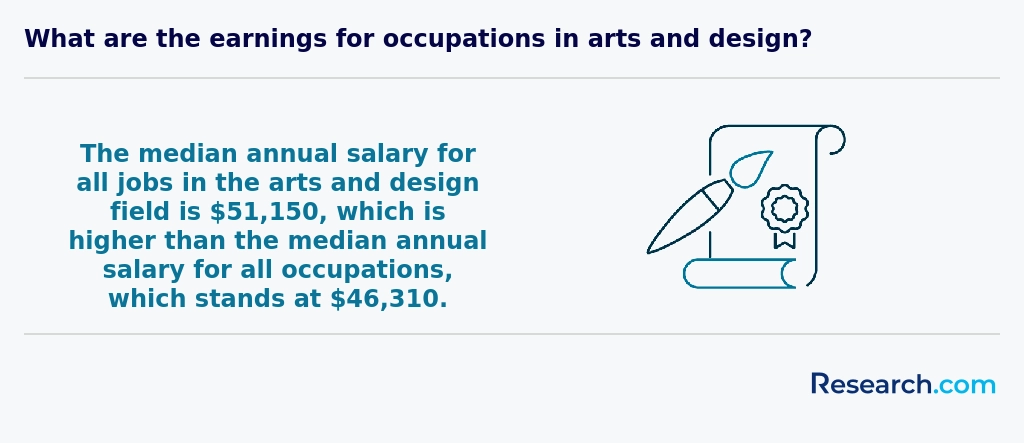
Students pursuing fine arts degrees in Richardson immerse themselves in courses that blend tactile creativity with intellectual rigor. Graduates often reflect on how foundational classes in drawing and painting became their playground for mastering visual storytelling, while hands-on sculpture and 3D design courses challenged them to bring abstract concepts into tangible forms. In universities around Richardson, learners experience how art history and theory courses deepen their appreciation by connecting their craft to global traditions and critical thought.
Many alumni remember the thrill of digital arts and graphic design classes, where mastering cutting-edge software feels like acquiring a new language to express modern ideas. Meanwhile, photography courses infuse them with both technical skill and an artist's eye for capturing moments, reflecting the vibrancy of a city that bridges tradition and innovation.
Hands-on portfolio development, emphasized by colleges near Richardson, turns scattered projects into coherent narratives ready for professional arenas. This curriculum doesn't just shape artists; it shapes confident creators ready to redefine what art means in a rapidly evolving world.

The fine arts degree specializations in Richardson challenge the notion that art education must fit a single mold. Graduates from well-known colleges here often share how their chosen focus-be it studio art's tactile intimacy, graphic design's digital vibrancy, or photography's blend of precision and creativity-shaped their unique artistic vision. In Richardson, the rich diversity from traditional painting and sculpture to cutting-edge digital arts and animation feels deliberately designed to inspire students to rethink what art can be.
One fine arts student described how exploring graphic design at a local university unlocked unexpected opportunities in advertising and media, merging creativity with market realities. Others found meaning in art education or the critical perspectives in art history, which you can explore further by reviewing the history degree requirements. These specializations embody the best fine arts fields to study in Richardson, revealing that the true value lies in choosing a path that resonates personally while preparing for an evolving professional landscape.
Choosing the best fine arts degree in Richardson means looking beyond general reputation and asking how a program fits your unique creative journey. Graduates from local institutions often reflect on how a curriculum that balances studio practice with cultural engagement enriched their growth-whether through hands-on exhibitions or Dallas's vibrant arts scene just minutes away. It's not simply about courses, but about immersion in spaces where creativity thrives, such as updated studios or community collaborations.
Financial considerations are unavoidable. Many students gravitate towards affordable fine arts colleges near Richardson, like Collin College, where tuition is manageable without sacrificing quality. Alumni emphasize weighing extra costs like materials, which can quietly accumulate, and exploring scholarships to ease that burden. The right degree closely aligns with your career goals, especially in a city offering both traditional gallery paths and emerging media roles.
Finally, understanding your post-degree trajectory sharpens the choice. Richardson graduates often find success in galleries, design firms, and education, fueled by practical training and local networks. For those wanting to expand their academic skill set alongside artistic ambition, considering affordable master's programs in child development can complement creative talents and open alternative career doors.

The spectrum of fine arts degree career options Richardson graduates explore often transcends traditional roles. Many find themselves thriving as professional artists exhibiting in vibrant local galleries, fueled by the region's dynamic arts community. Others leverage their creativity in graphic design within advertising firms or corporate marketing, where Richardson's proximity to Dallas opens lucrative opportunities. Graduates from institutions like the Art Institute of Dallas share stories of shifting seamlessly into illustration for publishing and digital media, blending art with contemporary technology. Fine arts degree career options Richardson can also lead to fulfilling roles in art education, where alumni inspire future artists in public schools or community studios,.
Richardson fine arts job opportunities extend into museum curation and arts administration, engaging creative minds in public outreach and exhibition design. Multimedia production and animation fields attract graduates who embrace both artistic flair and technical skill. Remarkably, some even pivot toward an online phd in education administration, proving how adaptable a fine arts foundation can be. This diversity challenges the notion that art limits career paths, illustrating how fine arts opens doors to rich, varied futures.
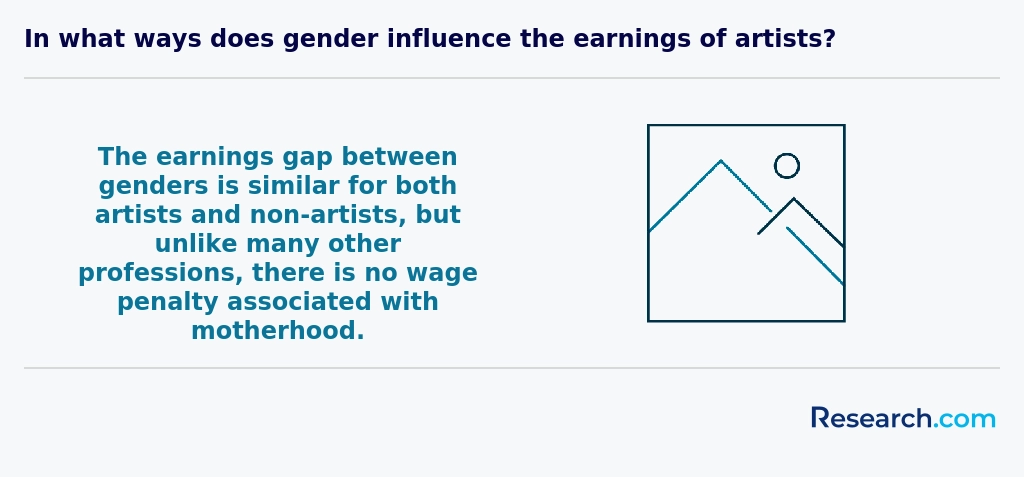
The job market for fine arts degree holders in Richardson is one where creativity must meet adaptability. Graduates from local colleges often find that success hinges on blending traditional fine arts skills with digital proficiency to meet demands in technology and telecommunications sectors. For many, this combination transforms their passion into viable careers, especially as the Richardson fine arts career outlook 2027 suggests moderate growth tied to the wider Dallas-Fort Worth metro area's creative economy.
Graduates describe opportunities at nearby galleries and cultural centers as vital stepping stones-venues where local art thrives and where connections spark future projects. The exposure to public and private school systems also offers avenues for art educators passionate about nurturing young talent. This local network enriches the job market for fine arts degree job opportunities in Richardson, illustrating how versatility plays a key role in carving out rewarding positions.
Financial considerations often influence career paths. With education costs around $22,000 annually, Richardson's affordability encourages students to explore options like flexible online teaching degrees, allowing them to balance practical income potential with creative pursuits.
2027 Most Valuable Fine Arts Degree Programs Ranking in Richardson
Investing in your education is a significant decision that can shape your future, and the Research.com team understands the importance of making informed choices. To assist prospective students in Richardson, we have meticulously crafted the "2027 Most Valuable Fine Arts Degree Programs Ranking in Richardson." Our commitment to quality, credibility, and accuracy is reflected in the extensive research and analysis conducted to compile this ranking.
We utilized the following reputable data sources to ensure a comprehensive evaluation of fine arts programs:
By exploring this ranking, readers will gain valuable insights into the most valuable fine arts degree programs available in Richardson, helping them make well-informed decisions about their educational paths. For more details on our methodology, please visit our Research.com methodology page.

Frequently Asked Questions About fine arts
Fine arts degree students in Richardson can maximize their learning experience by actively engaging with local art communities and campus resources. Richardson is home to several colleges offering robust fine arts programs, supported by access to galleries and creative spaces. Students should seek internships or volunteer opportunities at nearby cultural centers, such as the Richardson Civic Art Society, to gain practical experience.
Additionally, participating in campus exhibitions and collaborative projects enhances both skill development and networking. According to the National Endowment for the Arts, students involved in extracurricular art activities show higher rates of academic success. Leveraging faculty mentorship and attending workshops can further refine technical skills and artistic perspectives.
The fine arts field in Richardson is evolving, with several emerging niches gaining attention among students and educators. One growing area is digital arts, where traditional skills merge with technology to create interactive media, animation, and virtual reality experiences. According to the Texas Workforce Commission, demand for digital artists in the Dallas-Fort Worth metroplex, which includes Richardson, is expected to grow by 15% over the next decade.
Another niche is community-engaged art, focusing on public installations and collaborative projects that address social issues. This trend reflects a broader national increase in socially conscious art practices. Additionally, fine arts programs increasingly incorporate conservation and restoration specialties, preparing students for careers safeguarding cultural heritage. These evolving areas provide varied paths for Richardson students seeking relevant and innovative fine arts careers.
After completing a fine arts degree in Richardson, preparing for the job market involves practical steps tailored to the creative industries. Building a strong portfolio showcasing your best work is essential, as 75% of hiring managers in art-related fields prioritize portfolios over resumes (National Endowment for the Arts, 2023).
Networking with local art communities and galleries in Richardson can open doors to freelance opportunities. Joining organizations such as the Dallas Arts District strengthens connections. Additionally, internships and part-time roles in nearby cities like Dallas and Plano increase experience and marketability.
Finally, developing digital skills-such as proficiency in Adobe Creative Suite-and maintaining an active online presence through platforms like Behance or Instagram helps reach wider audiences and potential employers.
Employers seeking fine arts degree graduates in Richardson typically emphasize a blend of creative and technical skills. Strong proficiency in various artistic media, including digital design and traditional techniques, remains essential. According to the National Association of Schools of Art and Design, adaptability in multiple art forms significantly increases job prospects.
Communication skills are also highly valued, as artists must effectively present concepts to clients or collaborators. Employers in Richardson often look for graduates skilled in project management and teamwork, reflecting a growing trend toward interdisciplinary collaboration within creative industries.
Additionally, knowledge of art software like Adobe Creative Suite is important, with local galleries and design firms citing it as a critical skill. According to the Texas Workforce Commission, employment for fine arts professionals in the Dallas-Fort Worth area, including Richardson, is projected to grow 4% over the next decade, reinforcing the demand for versatile and technically adept graduates.
Finding internships in Richardson relevant to a fine arts degree involves exploring opportunities within the city's vibrant arts community and nearby Dallas. Many students connect with local galleries, art studios, and cultural centers that offer internships focused on visual arts, design, and creative media. The University of Texas at Dallas, located in Richardson, provides career services that list internship openings and host networking events for fine arts students.
Online platforms like Handshake and the Texas Workforce Commission also feature local internships. While Richardson may have fewer fine arts-specific internships than larger cities, regional museums such as the Dallas Museum of Art offer programs accessible to students in Richardson. Engaging with professional associations, like the College Art Association, can further aid in discovering paid and unpaid internships beneficial for a fine arts career.
A fine arts degree in Richardson offers valuable skills that can significantly enhance career mobility. Graduates develop creativity, critical thinking, and technical expertise, qualities highly sought after in diverse industries including design, marketing, and digital media. According to the U.S. Bureau of Labor Statistics, artistic occupations in the Dallas-Fort Worth metro area, which includes Richardson, are projected to grow by 7% through 2030.
Local employers in entertainment, advertising, and education often prefer candidates with formal fine arts training. Additionally, Richardson's proximity to Dallas' vibrant arts scene provides networking opportunities that can lead to career advancement. Fine arts graduates may also pursue roles in arts administration or teaching, where progression often depends on specialized qualifications.
Overall, a fine arts degree equips students in Richardson with versatile skills and credentials that foster upward professional movement in a competitive job market.
Studying for a fine arts degree in Richardson offers valuable preparation for interdisciplinary roles by fostering a blend of creative and technical skills. Many local institutions emphasize collaborations across art, technology, and design fields, reflecting the evolving demands of the US job market.
Programs often include courses in digital media, visual communication, and interactive design, equipping students to work alongside professionals in marketing, tech, and education sectors. According to the National Endowment for the Arts, individuals with fine arts backgrounds demonstrate strong problem-solving and critical-thinking abilities, essential in interdisciplinary settings.
Additionally, Richardson's proximity to the Dallas-Fort Worth metroplex provides access to internships and partnerships that connect fine arts students to real-world projects, further enhancing their adaptable skill sets.
Choosing between a thesis and a non-thesis fine arts degree in Richardson depends largely on your career goals and learning preferences. A thesis program involves conducting original research or a significant creative project, which is ideal if you aim for academic, research, or advanced artistic careers. Non-thesis programs typically emphasize coursework and practical skills, suitable for students seeking immediate employment in studios, galleries, or commercial art fields.
In Richardson, fine arts students often find non-thesis paths offer more flexibility with internships and professional networking, crucial in creative industries. According to the National Center for Education Statistics, about 60% of fine arts graduates in Texas opt for non-thesis tracks for faster workforce entry. Meanwhile, thesis programs may better prepare graduates for graduate studies or specialized roles.
Considering faculty expertise, project resources, and your time availability will also guide this decision. Local schools typically provide advising to help match programs with individual goals and industry demands in Richardson's art community.
Students based in Richardson who wish to study fine arts abroad have several pathways available, given the growing emphasis on international experience in US fine arts education.
Many universities in Texas, including those near Richardson, offer study abroad programs in collaboration with institutions in Europe, Asia, and other cultural hubs. These programs often include semester exchanges, internships, and workshops focused on fine arts disciplines.
The University of Texas at Dallas, located close to Richardson, reported in 2023 that approximately 12% of its arts students participate in study abroad programs annually, offering opportunities in countries like Italy, France, and Spain-renowned for their rich artistic heritage.
Financial aid and scholarships for study abroad in fine arts are increasingly available, with institutions encouraging global learning to enhance students' creative development and cultural perspective.
Students pursuing fine arts degrees in Richardson can benefit from several part-time job opportunities that complement their education. Positions such as gallery assistants or art handlers provide practical experience with artworks and exhibitions, which is valuable for resumes. Local galleries and community art centers often seek part-time staff, offering exposure to curatorial practices.
Additionally, Richardson's public schools and recreation centers sometimes hire art tutors or instructors for after-school programs. These roles help develop teaching skills and deepen artistic knowledge. Freelance graphic design or commissioned artwork can also supplement income while enhancing portfolios.
According to the U.S. Bureau of Labor Statistics and local job listings, arts-related part-time roles in Richardson have grown by approximately 5% over recent years, reflecting a growing community engagement with the arts.
Fine arts students in Richardson have access to varied networking opportunities that enhance their career prospects. Local colleges often organize exhibitions and workshops where students connect with practicing artists and gallery owners. Richardson's proximity to Dallas further expands these chances through large-scale art events and professional organizations.
The Dallas Art Dealers Association hosts regular events accessible to Richardson students, facilitating introductions to collectors and curators. According to the National Endowment for the Arts, Texas supports over 21,000 art-related jobs, emphasizing the importance of local networking.
Moreover, Richardson's community centers and public art programs encourage collaboration and portfolio reviews, crucial for emerging artists. Engaging in these platforms enables students to build relationships that can lead to internships, commissions, or exhibitions in the region.
Alumni networks provide vital support for fine arts degree students in Richardson by connecting them to established professionals in the arts community. These networks often offer mentorship, helping students refine skills and navigate the competitive creative industry. According to the Texas Higher Education Coordinating Board, Richardson's arts graduates benefit from a 25% increase in job placement rates when actively engaged with alumni. Networking events, gallery exhibitions, and workshops organized by alumni groups create opportunities for students to showcase their work and gain real-world exposure. Such connections enhance career prospects and foster collaboration, essential for success in the fine arts field.
In Richardson, students pursuing a fine arts degree can tailor their programs by selecting specialized courses aligned with their career goals, such as painting, sculpture, digital media, or art history. Many institutions offer electives and studio options that allow for focused skill development. Internships and community partnerships in the Dallas-Fort Worth area provide practical experience and networking opportunities. According to the National Center for Education Statistics, around 15% of fine arts students in Texas engage in internships to enhance employability. Additionally, Richardson's proximity to museums and galleries supports customized learning through hands-on exposure and local artistic collaborations.
Fine arts students in Richardson often encounter several key challenges throughout their degree programs. One of the most common difficulties is balancing creative work with academic requirements, as fine arts curricula demand both technical skill development and theoretical understanding.
Another challenge is accessing sufficient resources and studio space. While schools in Richardson typically provide facilities, high demand can limit availability, affecting students' ability to complete projects on time.
Financial pressure is also significant. According to the National Endowment for the Arts, funding for arts education has declined nationally, which influences local scholarships and grants available to Richardson students.
Networking and career placement pose additional hurdles, since the local art market is smaller compared to larger metropolitan areas, requiring students to be proactive in building industry connections early.
With a fine arts degree, graduates in Richardson can pursue several professional certifications to enhance their credentials. One common option is obtaining teaching certification for K-12 art education, which requires passing state exams and completing an accredited teacher preparation program. This certification allows graduates to teach art in public schools across Texas.
Additionally, artists may seek certification from professional organizations such as the National Board for Certification in Occupational Therapy if they combine fine arts with therapy practices. Certification in graphic design software, like Adobe Certified Expert (ACE), is also valued for careers in digital arts.
According to the Texas Education Agency, nearly 25% of fine arts graduates in the Dallas-Fort Worth metro area pursue teaching certification, reflecting strong local demand.
Writing a winning application for a fine arts program in Richardson begins with thorough research of local institutions offering these degrees, such as the University of Texas at Dallas. Applicants should carefully review specific program requirements and deadlines to ensure all materials are submitted on time. A strong portfolio showcasing diverse and original work is essential, as it demonstrates technical skills and creativity valued by admissions committees.
Beyond art samples, a compelling personal statement is crucial. It should clearly express your artistic vision, motivations, and how the Richardson program aligns with your goals.
Letters of recommendation from art instructors or professionals familiar with your work add credibility.
Lastly, some programs require interviews or auditions; preparing thoughtfully for these can set you apart.
Globally, a fine arts career is recognized for its creative potential but often faces challenges related to economic stability. In the United States, including Richardson, fine arts graduates contribute significantly to cultural industries, which, according to the National Endowment for the Arts, employ over 5 million people nationwide. Art markets in cities like New York and Los Angeles influence global trends, yet artists from smaller cities such as Richardson increasingly access international platforms through digital channels.
Fine arts careers may vary widely, combining traditional studio work with roles in design, education, and multimedia. The US Bureau of Labor Statistics forecasts a 4% growth in arts-related jobs through 2031, reflecting evolving global demand for creative professionals. Awareness of international art movements and global cultural exchange enhances career prospects for Richardson students.
Gaining practical experience while studying for a fine arts degree in Richardson is essential for career readiness. Many local institutions partner with nearby galleries and studios in the Dallas-Fort Worth metroplex, providing students opportunities to exhibit their work publicly. Internships at these venues, as well as with design firms and art nonprofits, allow hands-on learning beyond the classroom.
Students can also participate in community art projects and events such as the Richardson Arts Festival, which often welcomes student artists. According to the National Endowment for the Arts, about 60% of fine arts students nationally secure internships before graduation, a trend reflected locally.
Additionally, Richardson schools often offer courses that integrate real-world projects, fostering practical skill development in collaboration with industry professionals.
Choosing the right concentration within a fine arts degree program in Richardson begins with understanding your personal strengths and interests. Fine arts encompass diverse fields such as painting, sculpture, digital media, and performance arts. Researching local institutions like the University of Texas at Dallas can help since they offer specific concentrations aligned with industry trends.
Analyzing job prospects in the Dallas-Fort Worth metroplex is also crucial. For example, digital arts and graphic design show faster-than-average employment growth, according to the Bureau of Labor Statistics. This data can guide you toward concentrations with better career opportunities.
Additionally, consider the faculty expertise and available facilities at Richardson colleges. Visiting campuses and speaking with advisors will provide clearer insight. Accreditation and alumni success rates further indicate program quality, ensuring your concentration choice aligns with long-term goals.
- 2027 Most Valuable Fine Arts Degree Programs Ranking in Dallas
- 2027 Most Valuable Fine Arts Degree Programs Ranking in Denton
- 2027 Most Valuable Fine Arts Degree Programs Ranking in Houston
- 2027 Most Valuable Fine Arts Degree Programs Ranking in San Antonio
- 2027 Most Valuable Fine Arts Degree Programs Ranking in Memphis
- 2027 Most Valuable Fine Arts Degree Programs Ranking in Kansas City
- 2027 Most Valuable Fine Arts Degree Programs Ranking in New Orleans
- 2027 Most Valuable Fine Arts Degree Programs Ranking in Columbia
- 2027 Most Valuable Fine Arts Degree Programs Ranking in Mobile
- 2027 Most Valuable Fine Arts Degree Programs Ranking in Saint Louis
- Internships https://www.mfa.org/working-at-the-mfa/internships
- Application writing tips for individual artists https://www.affta.ab.ca/funding/help-and-resources/resources-individual-artists/application-writing-tips-individual-artists
- Arts and Culture | Richardson, TX https://www.cor.net/our-city/richardson-arts-online
- Certificate of Fine Arts | CFA Programs - New York Academy of Art https://nyaa.edu/continuing-studies/certificate-of-fine-arts/
- BA Hons Fine Art Enrolment Form https://www.oca.ac.uk/courses/ba-fine-art/
- Is a thesis always mandatory in a master's degree program? - EFMU: The Euler-Franeker Memorial University and Institute https://euler.euclid.int/is-a-thesis-always-mandatory-in-masters-degree-program/
- Standards & Guidelines » CAA Guidelines https://www.collegeart.org/standards-and-guidelines/guidelines/mfa
- Fine Arts Major https://catalog-2024-2025.aup.edu/undergraduate-requirements/major-requirements/fine-arts-major
- Jim Richardson Memorial Theatre Scholarship Fund https://www.fastweb.com/college-scholarships/scholarships/154778-jim-richardson-memorial-theatre-scholarship-fund
- Challenges in Undergraduate Art Education - Arts Education Partnership https://www.aep-arts.org/challenges-in-undergraduate-art-education/


