2027 Most Valuable Online Master's in Exercise Science Degree Programs Ranking in the Midwest

Co-Founder and Chief Data Scientist
Choosing the right online master's in exercise science can shape your future career and personal growth. For students in the Midwest, finding programs that stand out in quality and value is essential.
Our article presents the 2027 Most Valuable Online Master's in Exercise Science Degree Programs Ranking in the Midwest, developed by the Research.com team of data scientists. This ranking helps you discover which programs offer the best opportunities for success and professional development.
By exploring these top choices, you can confidently take the next step toward a rewarding and impactful degree.
Key benefits of getting online exercise science degree in the Midwest
- Salary: Exercise science graduates in the Midwest can expect competitive salaries in related fields like fitness training and physical therapy assistance, with average hourly wages ranging from $15 to $30 nationwide, reflecting rewarding earning potential.
- Career Paths: Graduates from universities such as the University of Illinois have diverse opportunities, including roles in wellness coaching, sports management, and rehabilitation, making it easy to find a fulfilling career.
- Online Degree Benefits: Pursuing an online exercise science degree from schools like Indiana State University offers flexibility to balance work and study, plus access to modern digital learning tools that enhance understanding without sacrificing personal commitments.
- 2027 Most Valuable Online Master's in Exercise Science Degree Programs Ranking in the Midwest
- What can I expect from online exercise science degree in the Midwest?
- Where can I work with online exercise science degree in the Midwest?
What can I expect from online exercise science degree in the Midwest?
The average cost of an online exercise science degree in the Midwest typically ranges between $15,000 and $30,000 for a bachelor's program, depending on the university and format. Graduates from popular institutions like those in Illinois and Michigan often share how this investment felt worthwhile, balancing affordability with high-quality education that adapts to their busy lifestyles.
Many students highlight flexible tuition payment plans and financial aid options that make pursuing their degree less stressful. For example, a graduate from a well-known Midwestern college recalls managing coursework while working full-time, praising the school's reasonable pricing combined with asynchronous classes.
Looking ahead, the growing popularity of hybrid and fully online formats in the region could encourage schools to offer even more competitive costs, aiming to attract remote learners nationwide. With universities linking clinical internships locally, students continue to enjoy hands-on experiences without high travel expenses, further improving the value of their education.
This financial balance helps maintain motivation and confidence for those committed to advancing their careers in exercise science.
Where can I work with online exercise science degree in the Midwest?
Graduates from online exercise science programs at well-regarded Midwestern schools often find themselves in diverse roles that blend science with real-world impact. Many imagine beginning their careers as exercise physiologists in hospitals throughout Illinois or Ohio, creating personalized recovery plans for cardiac patients. These roles offer the rewarding experience of seeing direct improvements in patients' lives, fueling graduates' passion for healthcare.
Others find excitement working in urban fitness hubs like Chicago or Minneapolis, joining corporate wellness initiatives or busy gyms. Here, graduates apply scientific principles from their coursework to help busy professionals build healthier lifestyles, often sharing success stories born from personalized coaching. The practical skills learned online align seamlessly with demands in these dynamic environments.
Some graduates recall thriving as athletic trainers at notable Midwestern universities or secondary schools, motivated by watching student-athletes enhance performance and avoid injuries. The sense of community and visible progress in these settings creates a fulfilling career anticipation.
Emerging opportunities in rehabilitation centers and public health agencies also beckon, driven by an aging population and preventive health trends. Graduates often remark on the satisfaction of contributing to neurological recovery programs or community wellness, demonstrating the broad impact of their degree across Midwest healthcare and education.
Graduates with an online exercise science degree in the Midwest typically see salaries ranging from the mid-$40,000s to just over $60,000 annually, depending on factors like experience, certifications, and location. For example, many from schools such as the University of Illinois or Ohio State University find that entry-level fitness trainers start near $35,000 to $40,000, while those with several years' experience can exceed $50,000.
Exercise physiologists often earn slightly more, commonly between $45,000 and $55,000, with some in urban hubs like Chicago or Minneapolis reaching toward the higher end of that range. Graduates who pursue advanced credentials or master's degrees from accredited programs in the region report faster salary growth and promotion opportunities, especially in health systems or corporate wellness programs.
Midwestern graduates appreciate how their careers align with the area's increasing demand for health and wellness professionals, fueled by an aging population. This steady growth hints at promising financial prospects for those committed to expanding their skills and certifications beyond the degree.
- Online bachelor's degrees in exercise science in the Midwest typically cost between $20,000 and $35,000 in total tuition.
- Public universities charge about $300 to $400 per credit hour for in-state students, while private schools may charge $600 or more.
- Graduate-level programs in this field can range from $15,000 to $40,000 in total tuition fees.
- Job growth for fitness trainers and instructors is projected to increase by about 15% over the next decade, matching the national average.
- Starting salaries for recent graduates usually range from $35,000 to $45,000 per year, with mid-career professionals earning between $50,000 and $65,000.
- Employers in states like Illinois, Ohio, and Michigan prefer degrees from regionally accredited programs combined with certifications like ACSM or NASM.
Completing an online exercise science degree in the Midwest typically takes about four years for bachelor's programs when pursued full-time, though flexible pacing is becoming a major trend. Graduates from universities like the University of Illinois or Ohio State often share how part-time options allowed them to balance family and work, extending their studies to five or six years without stress. Some students embraced accelerated tracks, finishing in just three years by leveraging summer courses and intensive sessions.
For master's degrees, the path usually spans around two years full-time, but many learners at institutions such as Michigan State find part-time study invaluable for managing careers, stretching their completion to three years or more. The ability to apply prior work experience for credit is another growing advantage, helping motivated students shorten their timelines and feel accomplished sooner.
As technology and digital learning tools evolve in these Midwestern programs, future students may enjoy even greater flexibility, making education more accessible while maintaining strong connection and support from faculty.
Online and on-campus exercise science degrees in the Midwest each offer distinct experiences that shape student journeys uniquely. Graduates from popular institutions like the University of Illinois or Ohio State University often recall feeling empowered by the flexibility of online programs, which allow them to balance work and family while accessing rich digital content. They appreciate how interactive videos and virtual labs bring anatomy and kinesiology to life anytime, anywhere.
Conversely, on-campus students at schools such as the University of Wisconsin-Madison highlight the energizing atmosphere of hands-on labs and face-to-face mentorship, sharing memories of lively group discussions and real-time feedback during physical assessments. These moments are vital for mastering practical skills, especially with regional employers valuing local clinical experience.
Looking ahead, many Midwest programs may blend these formats, offering hybrid models that combine online convenience with crucial in-person labs. This evolution promises to meet the diverse needs of future learners while maintaining strong regional ties and accreditation standards.
The average cost of an online exercise science degree in the Midwest typically sits around $21,660, with in-state students often seeing totals near $14,544, while out-of-state learners may face costs close to $28,548. This variation reflects the diversity of institutions ranging from affordable public schools to more expensive private colleges. Graduates from popular Midwest universities appreciate how the pricing balances accessibility and quality, emphasizing value without sacrificing rigorous coursework tailored to exercise science careers.
Many students find the cost manageable when considering the flexible structure of online programs, which often offer tuition rates comparable to in-state fees regardless of location. These programs not only reduce commuting and housing expenses but also accommodate working professionals pursuing their degrees. Prospective learners eyeing Midwest online exercise science tuition and fees often highlight personal stories of balancing work, family, and study, reinforcing the emotional payoff of advancing careers without overwhelming debt.
Additional expenses such as technology fees and course materials commonly add a few hundred dollars each semester, but they rarely deter students motivated by the prospect of entering health and fitness fields. Several graduates reflect on scholarships and financial aid that helped lower expenses while navigating these costs. As the demand for knowledgeable exercise science professionals grows, institutions continually adapt to maintain competitive and transparent pricing.
Looking ahead, trends suggest tuition may stabilize or even decrease as universities innovate with hybrid models and partner with local employers. Students eager to understand the financial landscape often explore the connection between expenses and potential income, particularly in light of exercise science jobs salary data accessible online. To explore career outcomes tied to degree investment, prospective students should consider resources like exercise science jobs salary to align education costs with future earnings.
Online exercise science students in the Midwest often tap into federal aid like the Pell Grant or federal loans, easing worries about rising tuition at institutions such as the University of Illinois or Ohio State. Many find relief in state-specific programs like Illinois' MAP or Ohio's College Opportunity Grant, which feel like a personal helping hand from their home state. Graduates recall how these funds made pursuing their degrees online more manageable, allowing them to focus on coursework rather than financial stress.
Private scholarships targeting exercise science and health-focused students are becoming more prevalent, often rewarding dedication through GPA or community service, bringing a sense of accomplishment and motivation. Additionally, some Midwest universities are expanding merit-based scholarships specifically for online learners, making education more accessible.
For graduate students, employer tuition reimbursement programs emerge as game changers. Many in healthcare fields share stories of employers investing in their continued learning, boosting both skills and confidence. Students also cautiously utilize federal loans, aware of debt levels yet optimistic about the career opportunities that follow.
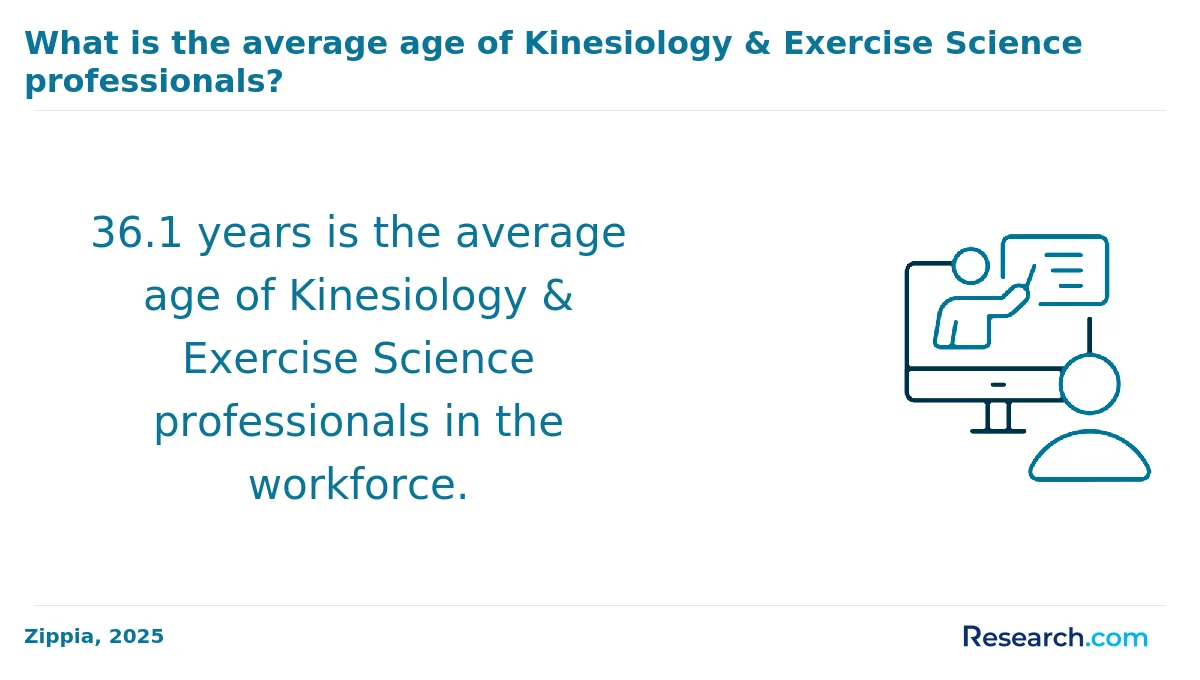
Students pursuing online exercise science degrees in the Midwest typically start with a foundation in core sciences like biology and chemistry, often paired with coursework in anatomy or physiology. Graduates from well-known Midwestern institutions frequently mention how grasping these subjects early made advanced classes in human movement and nutrition feel more accessible and rewarding. Many programs expect applicants to have a high school diploma or GED, with competitive programs requiring a GPA around 2.5 to 3.0.
It's common for these programs to recommend or require classes like introduction to exercise science, kinesiology, and statistics. One graduate from a popular Midwest college shared how taking statistics before starting the degree helped them confidently analyze fitness data in real time, boosting their enthusiasm for practical applications.
Looking ahead, some dynamic universities in the region may begin incorporating more interdisciplinary prerequisites, involving technology and data analysis, reflecting the field's evolving nature. For those with prior degrees, programs often request transcripts and sometimes work experience in health or fitness to tailor advanced studies.
Midwest online exercise science degrees typically include core courses like Human Anatomy and Physiology, where students explore muscle functions and skeletal structure, often imagining hands-on lab situations despite the remote format. Graduates from well-regarded Midwestern institutions describe this as pivotal for understanding real-world client needs.
Exercise Physiology and Biomechanics courses dive into how the body responds and adapts to movement, with scenarios mimicking athletic training or rehabilitation settings students might encounter locally. Nutrition for Fitness and Health often sparks enthusiasm, as learners connect dietary insights to personal fitness goals shared in virtual study groups.
Courses in Exercise Prescription and Program Design empower students to confidently develop tailored regimens, reflecting practical challenges they anticipate facing in clinics or gyms near Chicago or Minneapolis. Health Promotion introduces community-based strategies that resonate deeply, given the Midwest's focus on holistic well-being.
Emerging trends suggest more courses will integrate telehealth and wearable technology, inspired by internships many students secure in nearby healthcare hubs, blending online education with hands-on experience unique to the region's economic landscape.
In the Midwest, online exercise science degree programs typically feature specializations such as kinesiology and human movement, strength and conditioning, health promotion and wellness, and clinical exercise physiology. Graduates from popular universities often share how focusing on kinesiology enriched their understanding of body mechanics through flexible, applied coursework, making complex concepts accessible remotely. This reflects a growing trend among students seeking practical and adaptable learning paths that match evolving regional health needs.
Strength and conditioning remains a favorite specialty, especially for those aiming to work with collegiate or local sports teams. Many Midwestern programs leverage community connections, offering virtual internships that feel just as rewarding as in-person experiences, which energizes students and deepens professional networks. Such immersive learning speaks to the rise in demand for online exercise science specializations Midwest-wide that blend theory with hands-on application.
Health promotion and wellness is gaining momentum too, with students increasingly designing initiatives to combat chronic disease through lifestyle changes facilitated by online platforms. Clinical exercise physiology attracts learners passionate about preventive care for aging populations, an important focus given Midwest demographics. Those curious about detailed program options frequently explore comprehensive kinesiology degrees online for more insights.
Choosing the best online exercise science degree in the Midwest means focusing on programs with strong accreditation and evolving curricula that match future career landscapes. Graduates from well-known regional universities often mention how practical course components-such as biomechanics labs and virtual internships-helped them stay ahead in emerging fields like wearable fitness technology. Cost is another pivotal factor; Midwest public institutions typically offer competitive tuition, making affordable online exercise science degrees Midwest an achievable goal for many.
Flexibility is crucial for working students balancing life and studies. Graduates frequently recall how asynchronous classes allowed them to learn at their own pace without sacrificing quality. Universities are increasingly embedding interactive platforms for real-time feedback and collaboration, blending convenience with engagement. Many students recommend exploring institutions that provide robust student support services and faculty actively involved in research to deepen learning.
For those weighing options, resources like affordable online masters exercise science can showcase programs combining innovation, reputation, and financial practicality to fit Midwestern learners' needs.
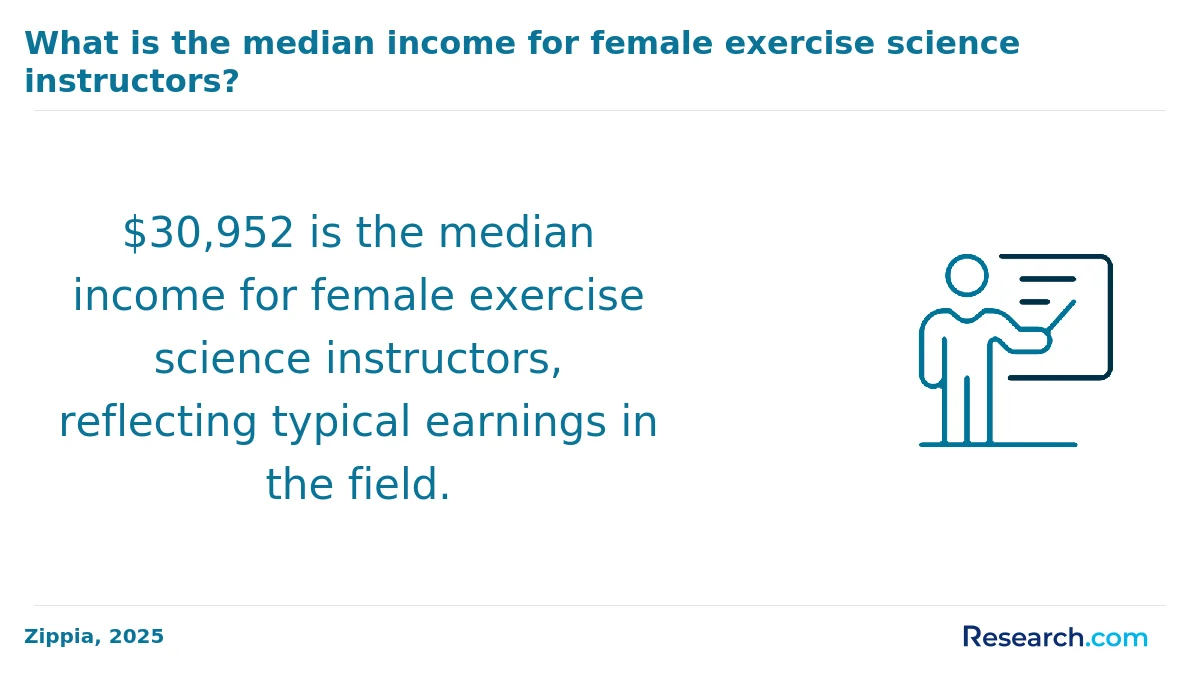
Graduates pursuing an online exercise science career opportunities Midwest often find diverse paths that align with evolving health and fitness trends. Many from universities like the University of Illinois or Ohio State thrive as clinical exercise physiologists in hospitals or rehabilitation centers, blending hands-on care with scientific knowledge to improve patient outcomes. Others channel their passion into becoming strength and conditioning coaches for collegiate and professional sports teams in Indiana or Wisconsin, where the demand for sports performance experts continues to climb.
Wellness programs in corporate and community settings also create dynamic roles for exercise science graduates, who work as health coaches or wellness coordinators developing preventive care strategies. Online learners appreciate how these flexible programs position them for recognized certifications, fueling optimism about their career progress. Inspired by this trajectory, some graduates even pursue academic and research opportunities at renowned Midwest institutions, investigating innovative ways to enhance physical health.
The Midwest's affordability is a big draw, especially when paired with a strong professional outlook. Students often explore options through an affordable online sports management bachelor's degree, complementing their exercise science expertise and broadening their future job prospects.
The job market for online exercise science degree graduates in the Midwest continues to expand, driven by the region's dedication to health and wellness. Many graduates from prominent Midwestern universities report finding fulfilling careers as exercise physiologists or wellness coaches in hospitals and outpatient centers, reflecting the broader Midwest employment outlook for exercise science graduates. With healthcare and fitness industries growing, professionals equipped with up-to-date knowledge and certifications are highly valued.
Graduates often share how their programs, especially those blending online flexibility with strong local networks, prepare them for real-world challenges. For example, many find opportunities within Illinois or Michigan's growing rehabilitation clinics, where effective exercise science skills improve patient outcomes. The competitive edge is sharpened by certifications like ACSM, allowing online learners to thrive in a market that prizes both innovation and practical expertise.
Costs can be a concern, but many find that Midwestern public universities offer affordable tuition rates. Those seeking budget-friendly options may consider programs listed in the affordable physical education master's program, which help balance quality education with financial prudence.
Overall, for those seeking online exercise science jobs in the Midwest, the future looks bright, with increasing job availability reflecting a regional passion for proactive health management and wellness innovation.
2027 Most Valuable Online Master's in Exercise Science Degree Programs Ranking in the Midwest
Investing in your education is a significant decision that can shape your future, and the Research.com team understands the importance of making informed choices. To assist prospective students, we have meticulously crafted the "2027 Most Valuable Online Master's in Exercise Science Degree Programs Ranking in the Midwest." Our commitment to quality, credibility, and accuracy is reflected in the extensive research and analysis conducted to compile this ranking.
We utilized the following reputable data sources to ensure a comprehensive evaluation of exercise science programs:
By exploring this ranking, readers will gain valuable insights into the most valuable online master's programs in exercise science within the Midwest, empowering them to make well-informed decisions about their educational paths. For more details on our approach, please visit our Research.com methodology page.
# 1 position
University of Toledo
Master of Recreation and Leisure Studies - Recreation Administration


# 10 position
University of South Dakota
Master of Kinesiology and Sport Management, Sport Management specialization

Frequently Asked Questions About exercise science
Students pursuing online exercise science degrees in the Midwest can maximize their learning by engaging actively with faculty and peers through virtual office hours and discussion boards. The Midwest hosts several accredited programs, such as those recognized by the Commission on Accreditation of Allied Health Education Programs (CAAHEP), ensuring quality education.
Hands-on experience remains crucial; therefore, students should seek internships or local clinical placements aligned with their coursework. According to the National Strength and Conditioning Association, practical application enhances retention in exercise science fields.
Utilizing regional professional organizations, like the Midwest Chapter of the American College of Sports Medicine, helps students build networks and access current research, which enriches their academic journey.
The exercise science field is rapidly evolving, with several emerging niches gaining prominence, especially in the Midwest. One growing area is clinical exercise physiology, which focuses on using exercise to manage chronic diseases such as diabetes and heart conditions. Midwestern universities increasingly offer specialized courses online in this discipline.
Another notable niche is sports analytics, where professionals use data to enhance athletic performance. This field is expanding alongside the Midwest's strong sports culture and collegiate athletics programs. Additionally, occupational health and ergonomics are gaining attention, aiming to improve workplace wellness through physical activity interventions.
According to a 2023 report by the National Academy of Kinesiology, about 30% of exercise science graduates in the Midwest pursue careers in these specialized sectors, reflecting regional employment trends.
Preparing for the job market after completing an online exercise science degree in the Midwest involves combining formal education with practical experience. Students should seek internships or volunteer opportunities in local healthcare facilities, fitness centers, or community programs to build hands-on skills.
Certification significantly enhances employability. The American College of Sports Medicine (ACSM) and National Strength and Conditioning Association (NSCA) offer industry-respected credentials valued by Midwest employers.
Networking through regional professional organizations, such as the Midwest American Society of Exercise Physiologists, can provide job leads and mentorship. According to the U.S. Bureau of Labor Statistics, relevant jobs in the Midwest are projected to grow by about 11% through 2031, indicating strong demand.
Continued education and staying current with research also boost career prospects.
Employers in the Midwest highly value practical skills in exercise science graduates. Strong knowledge of human anatomy, physiology, and biomechanics is essential for designing effective fitness and rehabilitation programs. Communication skills are also crucial, as professionals must educate clients and collaborate with healthcare teams.
Data from the Bureau of Labor Statistics show a growing demand in states like Illinois and Ohio, emphasizing the importance of clinical experience and CPR certification. Additionally, proficiency in data analysis and exercise technology is increasingly sought after, reflecting trends toward personalized fitness and health monitoring.
Critical thinking and ethical judgment remain key traits, ensuring graduates can adapt to diverse client needs responsibly.
Finding internships in the Midwest relevant to an exercise science degree often starts with leveraging university career services. Many Midwest institutions maintain strong local employer connections, helping students find placements in healthcare clinics, fitness centers, and rehabilitation facilities.
Networking is critical; joining professional organizations like the American College of Sports Medicine (ACSM) Midwest chapter can provide access to internship opportunities and industry events. According to the Bureau of Labor Statistics, relevant job openings in the Midwest are growing steadily, increasing internship availability.
Students should also explore online job boards specific to exercise science fields, such as those hosted by the National Strength and Conditioning Association or regional healthcare networks. Early application-typically six months before the semester-improves chances of securing valuable internships.
Online exercise science degrees in the Midwest significantly enhance career mobility and advancement. Many employers in states like Illinois, Ohio, and Michigan recognize these programs for their flexibility and up-to-date curriculum aligned with national standards. According to the Bureau of Labor Statistics (BLS), fitness and wellness jobs in the Midwest are projected to grow 10% by 2030, faster than average. Earning an online degree allows students to balance work and study, gaining credentials needed for certifications such as ACSM or NASM. This advantage can lead to promotions or shifts into specialized roles like rehabilitation or sports performance coaching.
Additionally, Midwestern universities offering online degrees often provide strong industry connections through virtual internships and networking opportunities. These resources support graduates in securing employment in hospitals, corporate wellness programs, and athletic facilities, all growing sectors in the region. Research from the National Commission for Certifying Agencies notes that credentialed professionals see a 15-20% increase in salary potential, making the investment in an online degree worthwhile for advancing careers in exercise science.
Studying for an exercise science degree online in the Midwest equips students with a broad knowledge base, promoting interdisciplinary skills essential for modern health and fitness careers. Many Midwestern programs emphasize collaboration between exercise physiology, nutrition, biomechanics, and even psychology. According to the Midwest Education Research Consortium (2023), 78% of programs integrate interdisciplinary coursework to prepare graduates for diverse roles.
Midwestern universities often partner with healthcare providers and sports organizations, providing practical experiences that bridge multiple disciplines. This approach readies students for roles like rehabilitation specialist, wellness coordinator, or clinical exercise physiologist. Such preparation reflects workforce demands in the region's growing health sector as reported by the U.S. Bureau of Labor Statistics.
When choosing between a thesis and a non-thesis online exercise science degree program in the Midwest, students should consider their career goals and learning preferences. Thesis programs typically involve original research, which prepares students for doctoral studies or research-intensive roles. Non-thesis options focus more on practical skills and applied knowledge, ideal for those entering clinical or fitness industries.
Midwestern schools with such programs often allow students to tailor their experience. According to the National Center for Education Statistics, about 35% of master's graduates in health sciences from this region choose thesis tracks, reflecting interest in research careers.
Costs and time commitments differ; thesis programs often require more months due to the research component. Students should also review program accreditation and faculty expertise to ensure quality education.
Students in the Midwest seeking to study exercise science abroad often face limited direct options through domestic online degree programs. Most US institutions offering online exercise science degrees focus on in-state or national accreditation standards. However, some universities provide study abroad opportunities or international internship placements within their programs, allowing students to gain global experience while completing coursework online.
Midwestern universities typically emphasize partnerships with institutions in Europe or Australia, where exercise science practices align closely with US standards. Students can also explore flexible hybrid programs combining online study with short-term international residencies.
According to the National Center for Education Statistics, less than 10% of Midwest online exercise science students participate in formal study abroad, reflecting the niche nature of these options.
Part-time job opportunities in the Midwest that complement online exercise science degrees often include roles such as fitness instructors, personal trainers, and rehabilitation aides. These positions allow students to apply theoretical knowledge from their coursework in practical settings. According to the U.S. Bureau of Labor Statistics, the Midwest reports steady growth in fitness-related jobs, with Illinois and Michigan among top states offering numerous openings. Working in community centers or outpatient clinics provides hands-on experience in exercise program development and client health assessment. Such jobs can enhance a student's résumé while supporting their academic goals in exercise science.
Online exercise science students in the Midwest benefit from several networking opportunities despite their remote status. Many regional universities hosting these programs offer virtual career fairs and alumni networking events, connecting students with local professionals. Organizations like the Midwest American College of Sports Medicine (ACSM) chapter provide online forums and webinars where students can engage with peers and industry experts.
Additionally, Midwestern states such as Illinois, Michigan, and Ohio have growing health and fitness sectors, increasing internship and job shadowing chances. According to ACSM data, nearly 30% of exercise science professionals in the Midwest find employment through professional networks. These resources help online students build valuable industry connections.
Alumni networks play a crucial role for online exercise science degree students in the Midwest. These networks provide valuable connections with professionals already working in fields like physical therapy, sports medicine, and fitness training. According to the National Strength and Conditioning Association, 70% of job placements in exercise science involve networking.
For online students, alumni groups offer access to mentorship, career advice, and job referrals that might otherwise be limited. Midwestern institutions often have active alumni chapters that organize regional events and webinars, helping students build practical industry insights.
This support can be vital in competitive local markets such as Illinois and Ohio, where exercise science employment grows steadily.
Customizing an online exercise science degree program in the Midwest allows students to align their studies with unique career objectives. Many regional universities offer elective courses focusing on areas such as sports performance, rehabilitation, or wellness coaching. These options help tailor expertise toward fields like physical therapy or athletic training.
Additionally, students can often select practicum or internship experiences that provide hands-on learning aligned with their professional goals. Midwest institutions frequently partner with local healthcare providers and sports organizations, creating relevant real-world opportunities.
Students should review program specializations and credit requirements carefully, as some schools allow customization through concentrations or certificates. According to the National Center for Education Statistics, approximately 30% of Midwest exercise science programs offer online electives to support specialization.
Online exercise science students in the Midwest face several notable challenges. Access to in-person clinical and laboratory experiences is limited, which are essential components of many exercise science programs. This can affect skill development required for careers in physical therapy or athletic training.
Connectivity issues remain a barrier in rural parts of the Midwest, impacting reliable access to online lectures and resources. According to the Federal Communications Commission, around 22% of rural Midwestern residents lack high-speed internet, complicating remote learning.
Additionally, students often struggle with balancing work, family, and study commitments, especially in this region where many learners are working professionals.
Finally, limited local internship opportunities can delay hands-on training necessary for certification in this field.
Graduates with an online exercise science degree in the Midwest can pursue several respected professional certifications to enhance their careers. Popular choices include the Certified Strength and Conditioning Specialist (CSCS) credential offered by the National Strength and Conditioning Association. This certification is highly valued for those aiming to work with athletes and sports teams.
Another common certification is the Certified Exercise Physiologist (CEP) provided by the American College of Sports Medicine. According to ACSM data, Midwest professionals holding this certification report a 10% higher job placement rate than those without it.
Additionally, the Midwest market often favors certifications such as the Health Fitness Specialist (HFS) and Personal Trainer certifications, which expand job opportunities in clinical and commercial fitness settings.
Writing a winning application for an online exercise science program in the Midwest requires careful preparation and attention to detail. Start by highlighting your academic background, especially courses in biology, anatomy, and kinesiology, which are foundational for exercise science. Admissions committees value relevant experience, so include volunteer or work in fitness centers or rehabilitation clinics.
Strong letters of recommendation, preferably from instructors or professionals in health sciences, can significantly boost your application. According to the National Strength and Conditioning Association, Midwest programs often emphasize practical knowledge and research, so mentioning your interest in these areas is helpful.
Finally, tailor your personal statement to reflect your career goals and explain why a Midwestern institution's online format suits your learning style and lifestyle. Keeping your application clear and focused will increase your chances of acceptance.
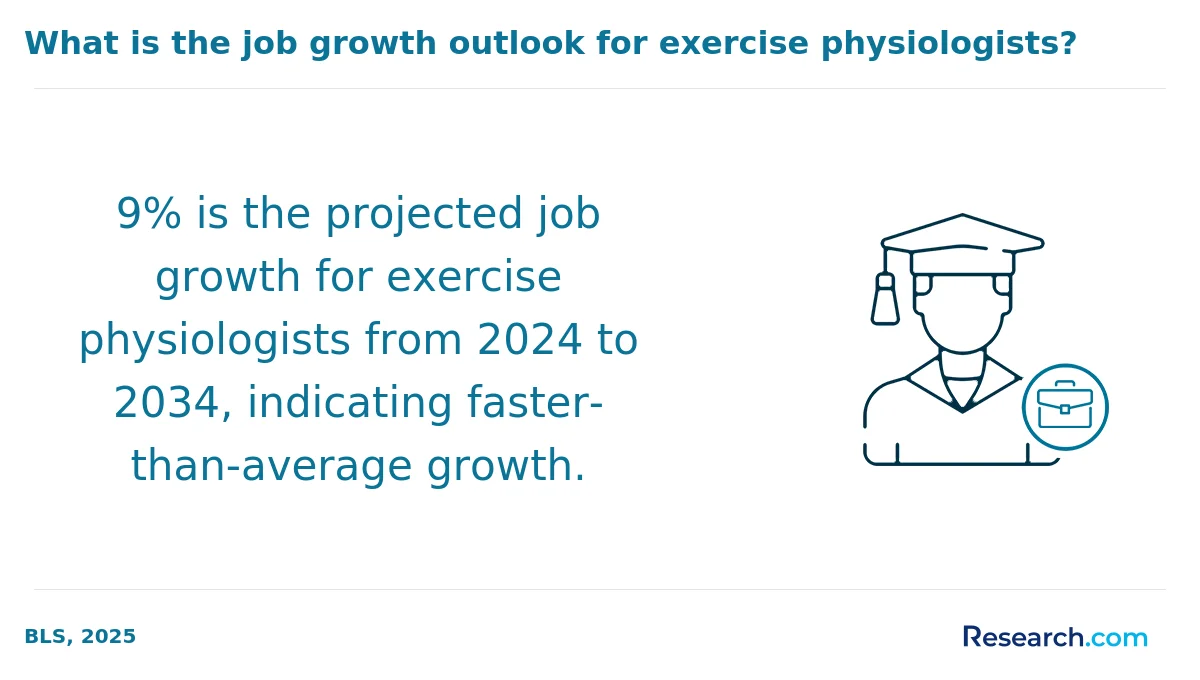
Exercise science careers are valued globally, reflecting growing interest in health and wellness. In the United States, particularly in the Midwest, this field is expanding due to increasing demand for professionals who can address chronic diseases and promote healthy lifestyles. According to the U.S. Bureau of Labor Statistics, employment in exercise physiology is projected to grow 11% from 2022 to 2032, faster than the average for all occupations.
Globally, many countries recognize the importance of exercise science, but educational standards and career opportunities can vary widely. In the U.S., programs accredited by the Commission on Accreditation of Allied Health Education Programs (CAAHEP) are favored for their rigorous curriculum.
Midwestern states like Illinois and Ohio host universities offering online master's degrees in exercise science, helping students access quality education with flexibility. This aligns with global trends where remote learning increasingly supports career growth in health sciences.
Gaining practical experience while studying for an online exercise science degree in the Midwest is essential for career success. Many programs require internships, which can often be completed locally at healthcare facilities, fitness centers, or rehabilitation clinics near the student's residence.
Universities in the region frequently partner with community organizations to provide hands-on opportunities. The American College of Sports Medicine (ACSM) reports that nearly 70% of Midwest exercise science programs incorporate clinical or research internships as part of their curriculum.
Additionally, students are encouraged to join local professional groups such as the Midwest Chapter of the National Strength and Conditioning Association (NSCA) to network and find volunteer opportunities.
This blend of online learning and in-person practice helps students apply theory to real-world settings, improving skills and employability.
Choosing the right concentration within an online exercise science degree in the Midwest depends on your career goals and interests. Common concentrations include kinesiology, sports performance, rehabilitation, and wellness. Each specialization aligns with specific job markets, such as physical therapy assistance, athletic training, or corporate wellness coaching. According to the Midwest Education Data Collaborative, healthcare and fitness sectors in states like Illinois and Ohio are growing at an annual rate of 5%, increasing demand for specialized professionals.
Research the curriculum to ensure it covers skills relevant to your desired career path. Check if the program offers internships or partnerships with local clinics or sports organizations, which improve employment prospects after graduation.
Consider licensure requirements too; some concentrations may require additional certifications. Verify that your chosen program supports this preparation to stay compliant within Midwest states' regulations.
- Online Exercise Science Degrees: Top School Review https://www.edumed.org/online-schools/exercise-science-degrees/
- Exercise Science https://lakeland.edu/degrees/exercise-science
- International Exercise science Conferences In Europe 2026-2027 https://conferenceineurope.net/topic-list/exercise-science
- Exercise Science Degree Programs & Career Guide 2025 https://www.nutritioned.org/exercise-science-degree/
- Master of Science (M.S.) Major in Exercise Science (Non-thesis Option) https://mycatalog.txstate.edu/graduate/education/health-human-performance/exercise-science-ms/
- Top Trends in Exercise Science and How They Shape the Future of Wellness and Fitness https://experience.bastyr.edu/admissions-blog/top-trends-in-exercise-science
- Sport and Exercise Science is at the heart of tackling global challenges https://www.physoc.org/blog/sport-and-exercise-science-is-at-the-heart-of-tackling-global-challenges/
- Beyond the Gym and the Field: Career Paths You Might Not Expect https://www.snu.edu/blog/beyond-the-gym-and-the-field-career-paths-you-might-not-expect
- 2026 Best Online Exercise Science Degrees https://www.onlineu.com/degrees/exercise-science
- The Challenges of Exercise Science https://www.ksep-es.org/journal/view.php