2027 Most Affordable Online Exercise Science Degree Programs Ranking in the Midwest

Co-Founder and Chief Data Scientist
Choosing the right exercise science degree can shape your future while fitting your budget. This article introduces the 2027 Most Affordable Online Exercise Science Degree Programs Ranking in the Midwest, created by the expert Research.com team of data scientists. Their research helps you discover quality programs worth considering without overspending.
Whether you're starting fresh or advancing your career, this guide offers valuable insights and encouragement. Pursuing an exercise science degree opens doors to rewarding health and fitness careers. Explore your options confidently and take the next step toward a fulfilling journey.
Key benefits of getting online exercise science degree in the Midwest
- Salary for exercise science degree graduates: Graduates often find jobs in fitness training or rehabilitation, earning around $40,000 to $50,000 annually in the Midwest, matching general U.S. career averages in this field.
- Career paths overview: A graduate from the University of Michigan with an exercise science degree might work as a physical therapy assistant, personal trainer, or wellness coach, offering diverse and rewarding job options.
- Benefits of an online degree: Earning an exercise science degree online from a respected school like Ohio State University allows flexibility for busy students and working professionals, making education more accessible without sacrificing quality.
- 2027 Most Affordable Online Exercise Science Degree Programs Ranking in the Midwest
- What can I expect from online exercise science degree in the Midwest?
- Where can I work with online exercise science degree in the Midwest?
What can I expect from online exercise science degree in the Midwest?
If you're eyeing an online exercise science degree in the Midwest, you'll find that schools like the University of Illinois or Ohio State offer tuition that often feels surprisingly manageable. Graduates from these programs share stories of balancing studies and life, relieved by tuition costs that tend to be lower compared to coastal institutions, often ranging between $8,000 and $15,000 per year for online learners. This affordability opens doors for many who might worry about breaking the bank while pursuing their passion.
Students marvel at how this financial accessibility pairs with quality education-imagine studying biomechanics and kinesiology online, then applying that knowledge during an internship arranged by your Midwest university, all without the heavy burden of sky-high tuition. The support services, from virtual libraries to career advising, make every dollar feel well spent. It's a journey filled with enthusiasm and confidence, fueled by investment-both financial and personal-that resonates well beyond graduation.
Where can I work with online exercise science degree in the Midwest?
Graduates with an online exercise science degree in the Midwest discover a world of exciting career paths waiting just around the corner. Imagine collaborating with healthcare teams in bustling Chicago hospitals or crafting personalized rehab plans alongside physical therapists in Minneapolis. These roles, familiar to alumni from schools like the University of Michigan, blend science with real human impact.
Others find their niche in outpatient rehab centers, helping patients bounce back from sports injuries or surgeries. Midwest facilities value the practical know-how gained through accredited online programs, opening doors for roles as exercise specialists or rehab assistants.
Fitness enthusiasts thrive in dynamic environments-from leading group workouts in Indianapolis gyms to designing wellness workshops at companies in Columbus. It's a hands-on journey where theory meets passion, and graduates from Ohio State University often share stories of energizing community wellness initiatives that boost both health and morale.
The adventure continues in corporate wellness programs at major Midwest firms, where exercise science skills translate into promoting vibrant, healthier workplaces. Everywhere, there's a pulse of opportunity energized by your degree.
Graduates from online exercise science programs at popular Midwest schools often find themselves entering a dynamic job market where earnings spark a sense of hopeful adventure. While specific salary data from the Bureau of Labor Statistics is unavailable for many roles, general figures reveal inspiring glimpses into what lies ahead. For example, exercise physiologists nationwide earn a median annual wage of around $52,600, a figure that reflects promising opportunities in cities like Chicago or Columbus, where graduates embark on careers in bustling hospitals or rehabilitation centers.
Many alumni from institutions known for strong exercise science curricula in the Midwest have embraced their journey from classrooms to clinical settings, securing salaries that range from $40,000 at entry-level positions to between $65,000 and $70,000 with experience. Certified professionals who deepen their expertise often reach $75,000 or more, especially in vibrant urban hubs.
Meanwhile, others take paths as fitness trainers or wellness coaches, where earnings vary but the joy of impacting lives keeps spirits soaring. This landscape invites you to explore your passion fully, knowing that your degree unlocks diverse and rewarding income possibilities right here in the Midwest.
- Online exercise science degrees in the Midwest typically cost between $15,000 and $30,000, depending on the school and program length.
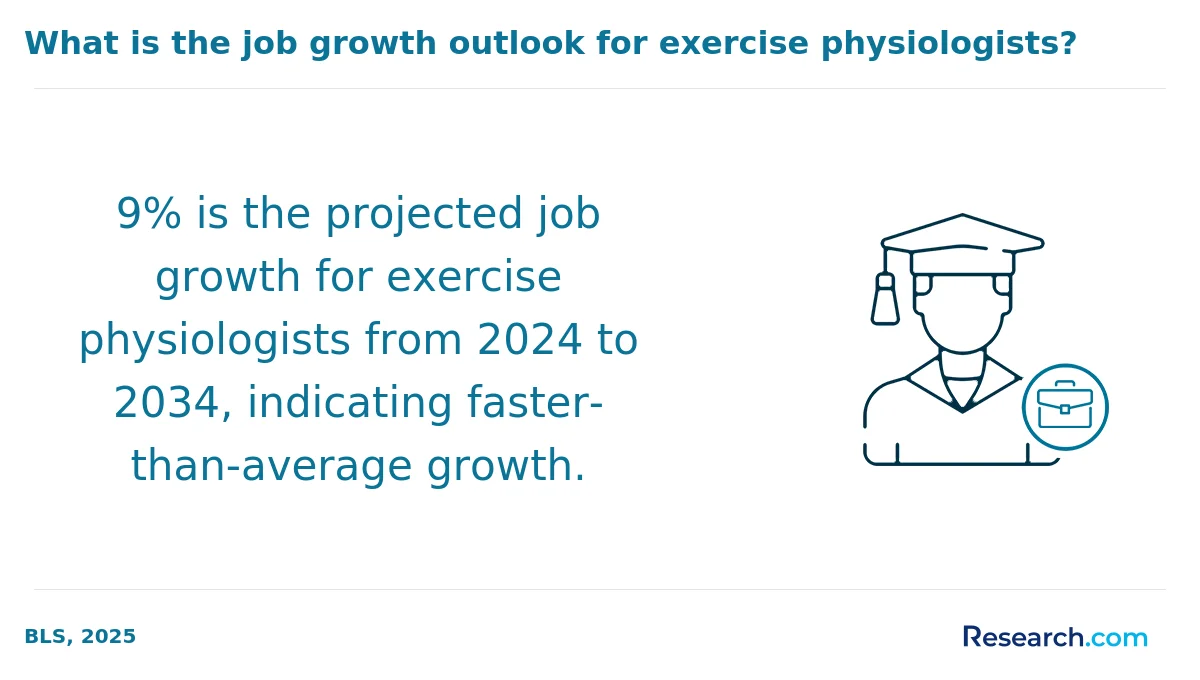
- The job market for exercise science graduates in the Midwest is growing, with a projected 10% increase in exercise physiologist positions over the next decade.
- Starting salaries range from $40,000 to $50,000 annually, rising to $55,000 to $70,000 with experience.
- Many programs include internships or hands-on learning to build practical skills and local industry connections.
- Accreditation from CAAHEP or ACSM is important for ensuring program quality and better job prospects.
- Midwest universities often provide online student support services such as academic advising and career counseling.
Completing an online exercise science degree in the Midwest sparks a thrilling journey that usually unfolds over two to four years, depending on your pace and program choice. Imagine diving into courses from a university in Illinois or Ohio while balancing life's rhythm-full-time students often embrace a lively four-year path enriched with hands-on virtual labs and instructor support. Meanwhile, many graduates cherish the freedom of part-time tracks, extending their adventure to five or even six years, fitting studies around work, family, or personal goals.
Some explorers start with associate degrees, unlocking foundational knowledge in about two years before transferring to well-known Midwestern colleges to pursue bachelor's studies. These practical steps allow travelers on this educational quest to customize their route.
Enrolling in programs from popular institutions often means transfer credits and accelerated classes help speed things up, making the expedition feel both flexible and empowering.
Choosing between online and on-campus exercise science degrees in the Midwest opens a world of unique experiences. On-campus students at places like the University of Illinois revel in hands-on labs and direct access to state-of-the-art fitness centers, soaking up the energy of real-time coaching and group workouts. They share stories of invigorating gym sessions and immediate professor feedback, which brings theory thrillingly to life.
Meanwhile, online learners at Indiana University embrace flexibility like a secret superpower, fitting studies around work or family while still mastering the same core curriculum. These students often describe a sense of independence and adventure-logging in after hours, engaging with virtual labs, and connecting with peers across the Midwest without ever commuting.
Both paths spark passion-whether it's the lively buzz of on-campus labs or the quiet triumph of balancing life and study online. With Midwest programs maintaining rigorous accreditation and quality, the choice becomes a personal journey shaped by lifestyle and learning style, inviting students to explore their best fit with confidence.
Curious about the average cost of online exercise science degree Midwest programs? Many students find that in-state tuition at popular Midwestern universities, such as those well-known for their exercise science departments, hovers around $13,872. This figure often reflects a more affordable path, allowing learners to pursue their passion without overwhelming financial burden. Graduates recall feeling excited and empowered by this balance of quality education and accessible pricing.
For those coming from out-of-state, the journey can be a bit pricier, with median total costs reaching approximately $25,689. Still, many discover online options provide the flexibility to balance studies with work or family life, making the investment feel well worth it. The Midwest affordable online exercise science tuition helps open opportunities for a broad range of students eager to advance their careers without relocating.
Beyond tuition, technology fees and materials add a manageable layer of expense, ensuring a smooth online learning experience that replicates on-campus engagement. Many graduates mention how this practical aspect of the Midwest online exercise science degrees allowed them to dive into hands-on projects and interactive labs from home, stirring excitement about their futures.
Financial aid, scholarships, and employer assistance often lighten the financial load, making the dream of a degree even more attainable. Those curious about job opportunities with exercise science degree find that the upfront cost aligns well with the promising career rewards that follow.
Diving into an online exercise science degree in the Midwest, many students find a treasure trove of financial aid options waiting to be discovered. Federal aid, accessed through the FAFSA, acts like a reliable compass, guiding students toward Pell Grants that can shave off up to $7,395 from tuition bills. Graduates from programs at schools such as the University of Illinois or Michigan State recall how this grant lightened their financial journey, letting them focus on mastering biomechanics and kinesiology instead of stressing over costs.
State-specific programs add another layer of support. Picture a committed Ohio student tapping into state grants tailored for residents, easing the path toward a degree without juggling excessive debt. Similarly, institutional scholarships available at flagship Midwestern universities often reward both merit and need, opening doors for motivated students pulling late nights studying human anatomy.
On top of grants and scholarships, federal student loans offer access to funds with manageable interest rates-around 5.5% in 2024-helping students spread out costs thoughtfully. Many also discover employer tuition assistance programs as unexpected allies, transforming job roles into stepping stones toward their exercise science ambitions.
Such a blend of resources creates a vibrant financial mosaic, inviting learners across the Midwest to embark confidently on their academic adventure.
Many programs, including popular public universities in Illinois and Indiana, look for applicants boasting a GPA around 2.75 or higher. This wasn't just a number to those graduates; it was a badge of readiness to embrace the challenge of exercise science coursework.
Picture a student prepping for anatomy or chemistry classes, recalling how completing those core subjects early on made the leap to online learning feel like a natural next step. While some schools might request SAT or ACT scores, many in the Midwest have eased these demands, allowing students to dive in more freely.
Finally, being technically prepared-having steady internet and a device ready for virtual labs and lively discussions-is essential. Local practicum experiences often seal the deal, blending online study with real-world adventure in health and fitness training.
Exercise Physiology classes spark curiosity by explaining how your heart races or muscles recover after physical effort-knowledge that turns everyday movements into intriguing science. Kinesiology dives into the mechanics of motion, making students feel like explorers discovering how we move with grace and precision.
Many cherish the hands-on vibe from Exercise Testing and Prescription courses, imagining themselves crafting personalized fitness plans that truly transform lives. Nutrition lessons reveal the power of food in fueling performance and recovery, inspiring fresh perspectives on health. Wrap all this with Health Promotion and Research Methods, and you get a vibrant curriculum that feels deeply connected to both science and real-world impact.
Diving into online exercise science specializations Midwest programs means unlocking a range of exciting paths tailored to unique passions. Many graduates from popular Midwest colleges cherish focusing on kinesiology, exploring human movement mechanics during their day-to-day challenges, like understanding how simple shifts in walking patterns can prevent injuries. Those drawn to working directly with athletes often choose sports medicine and athletic training, where practical experiences simulate the thrill of game-day readiness and injury recovery.
Others find joy in the rising field of health and wellness coaching, where they guide clients through lifestyle transformations, sparking real moments of triumph in chronic disease prevention. Midwest universities also offer specializations in exercise physiology, ideal for students fascinated by the body's inner workings under stress, and the chance to contribute in rehabilitation settings. Exploring Midwest exercise science degree concentrations feels like a personal journey where each course brings hands-on learning vividly to life, preparing students for careers that resonate deeply.
For those curious about career prospects, checking out kinesiology degree jobs offers insight into the rewarding opportunities ahead.
When choosing the best online exercise science degree Midwest students often find themselves balancing quality and affordability while seeking a program that sparks their passion for health and movement. Graduates from popular Midwest colleges often highlight the value of programs accredited by agencies like the Commission on Accreditation of Allied Health Education Programs (CAAHEP), which ensures their credentials open doors in any fitness or therapy career.
Imagine diving into biomechanics courses with peers from a top university, while keeping costs manageable-affordable exercise science programs Midwest can range widely, but choosing one with transparent tuition and manageable fees can transform your entire experience. Graduates frequently mention how hands-on internships, arranged even for distance learners, create memorable moments that build confidence and skills critical to their futures.
Exploring specializations, from nutrition to rehabilitation, helps students chart unique career paths, and strong student support services felt like lifelines to many navigating remote study. Looking ahead, these adventurous learners know that connecting with highest paying exercise science careers starts with smart program choices grounded in solid education and real-world experience.
The Midwest boasts exciting possibilities for those with an online exercise science degree, inviting graduates to immerse themselves in roles like fitness trainers or exercise specialists at vibrant gyms and wellness centers. Many graduates from renowned Midwest universities find joy in guiding community members toward healthier lives, often combining their degree with certifications from the American College of Sports Medicine or the National Strength and Conditioning Association to boost their careers.
Others venture into rehabilitation, becoming exercise physiologists who craft personalized recovery plans in hospitals or clinics, transforming patients' lives after surgeries or managing chronic conditions. The region's growing demand for such experts reflects a rewarding career path full of purpose and steady growth.
For those curious about broader horizons, health promotion and wellness coaching in corporate or public health arenas offer opportunities to ignite behavioral change and foster thriving communities. Some graduates even use their degree as a stepping stone to dynamic fields like physical or occupational therapy.
Students exploring their future often compare their paths to those outlined in sports management degree careers, discovering unexpected intersections and new passions along the way in their journey through Midwest jobs with exercise science degree online.
The job market for online exercise science degree holders in the Midwest is vibrant and expanding, fueled by a surge in health awareness and a growing need for wellness expertise. Graduates from popular Midwest institutions often find themselves drawn into diverse roles, from designing rehab programs in bustling Chicago hospitals to leading corporate wellness initiatives in Minneapolis. This dynamic landscape invites adventurous students to explore opportunities that blend digital skills with hands-on care, perfectly suited for those pursuing an online exercise science degree job outlook Midwest.
Many graduates share stories of how their training connected them with rehabilitation centers and fitness facilities across Illinois and Michigan, places eager for professionals who can innovate with telehealth and remote coaching. The salary ranges between $40,000 and $55,000 in these areas reflect promising returns on investment, encouraging new learners to dive into this field.
Those curious about physical education career pathways can also explore related options by reviewing resources on phys ed teacher jobs, illustrating how exercise science skills open multiple doors.
Imagine yourself energizing community health programs or becoming a pivotal member of a sports medicine team-this is the reality for many who embraced the Midwest employment opportunities exercise science graduates enjoy, a truly exciting frontier for up-and-coming professionals.
2027 Most Affordable Online Exercise Science Degree Programs Ranking in the Midwest
Investing in your education is a significant decision that can shape your future, and the Research.com team understands the importance of making informed choices. To assist prospective students in the Midwest, we have meticulously crafted the "2027 Most Affordable Online Exercise Science Degree Programs Ranking in the Midwest." Our commitment to quality, credibility, and accuracy is reflected in the extensive research and analysis conducted to compile this ranking.
We utilized the following reputable data sources to ensure a comprehensive evaluation of exercise science programs:
By exploring this ranking, readers will gain valuable insights into the most affordable and high-quality online exercise science degrees in the Midwest, empowering them to make well-informed decisions about their educational journey. For more details on our methodology, please visit our Research.com methodology page.


# 4 position
University of Toledo
Master of Recreation and Leisure Studies - Recreation Administration


# 6 position
University of South Dakota
Master of Kinesiology and Sport Management, Sport Management specialization


Frequently Asked Questions About exercise science
Online exercise science degree students in the Midwest can maximize their learning by actively engaging with both digital course materials and practical experiences. Many accredited Midwest programs, such as those in Illinois and Ohio, offer virtual labs and simulation tools to replicate hands-on training, essential for mastering biomechanics and kinesiology.
Students should also seek local internships or partnerships with fitness centers and healthcare facilities to apply theoretical knowledge. According to the National Strength and Conditioning Association, practical experience improves employment prospects by up to 30% in this field.
Additionally, participating in online study groups and using Midwest-specific industry resources enhances understanding of regional health trends and job markets.
The exercise science field is evolving rapidly, with several emerging niches gaining importance, especially for students in the Midwest pursuing online degrees. One prominent area is sports analytics, where professionals analyze data to improve athletes' performance and prevent injuries. According to the Midwest Sports Analytics Conference 2023, demand in this niche is growing by 12% annually.
Another rising field is clinical exercise physiology, focusing on designing exercise programs for patients with chronic diseases. The American College of Sports Medicine highlights a 15% growth rate nationally in this specialization, mirrored in Midwest healthcare settings.
Additionally, wellness coaching and behavioral health integration have expanded with increased focus on holistic health. This suits online learners aiming to address modern health challenges through evidence-based exercise science.
Preparing for the job market after completing an online exercise science degree in the Midwest involves strategic steps tailored to regional employment trends. Graduates should pursue certifications such as the Certified Exercise Physiologist (CEP) through the American College of Sports Medicine, highly recognized across Midwestern states. Additionally, gaining practical experience via internships or affiliations with local fitness centers enhances employability.
Networking is essential; joining regional professional organizations like the Midwest Chapter of the National Strength and Conditioning Association can provide valuable connections. According to the Bureau of Labor Statistics, health and wellness-related jobs in the Midwest are expected to grow by 11% through 2030, signaling opportunities for well-prepared graduates.
Employers in the Midwest prioritize several key skills when hiring graduates with online exercise science degrees. Strong knowledge of human anatomy, physiology, and biomechanics is essential for effective assessment and program design. Communication skills are equally important, as professionals must clearly explain exercise protocols to diverse clients.
Data from the National Strength and Conditioning Association highlights that Midwest employers also value expertise in wearable technology and fitness software, reflecting growing tech integration in the field. Critical thinking and problem-solving abilities help address individual client needs, enabling tailored fitness plans.
Additionally, practical experience through internships or clinical placements improves job prospects, with many employers favoring candidates who demonstrate hands-on skills alongside academic knowledge.
Finding internships in the Midwest related to exercise science begins with exploring local universities and community colleges that offer health and fitness programs. Many institutions connect students with hospitals, rehabilitation centers, and fitness facilities for hands-on experience. The Midwest boasts several health-focused organizations, including the American College of Sports Medicine's regional chapters, which often list internship opportunities.
Online students should utilize their school's career services and internship databases. Networking through professional groups on LinkedIn and attending local health fairs can also provide leads. According to the Bureau of Labor Statistics, internships increase job placement rates for exercise science graduates by about 20% nationally.
An online exercise science degree can significantly enhance career mobility and advancement in the Midwest by providing flexible access to accredited programs tailored to regional industry needs. According to the National Center for Education Statistics, online enrollment in health-related fields has grown steadily, reflecting demand for remote learning options. Graduates from these programs are often qualified for roles such as fitness trainers, rehabilitation specialists, and wellness coordinators, positions expected to grow by 11% in the Midwest through 2030 per the U.S. Bureau of Labor Statistics.
The degree offers updated curricula aligned with Midwestern healthcare and sports organizations, improving job readiness. Employers in states like Illinois, Ohio, and Michigan increasingly recognize online credentials from reputable institutions, boosting promotion opportunities and salary growth. Additionally, networking offered through virtual platforms connects students to local professional groups, aiding career advancement without requiring relocation.
Studying for an exercise science degree in the Midwest equips students with skills applicable across multiple health and science disciplines. Programs emphasize a blend of biology, physiology, nutrition, and biomechanics, fostering interdisciplinary knowledge. This broad foundation prepares graduates for roles involving collaboration with medical professionals, physical therapists, and wellness coaches.
Midwestern universities often partner with local hospitals and clinics, providing students with practical experiences in diverse healthcare settings. According to the National Commission for Certifying Agencies, over 60% of exercise science graduates in this region enter multidisciplinary fields within two years of degree completion.
This integration helps students adapt to dynamic work environments and meet evolving industry demands.
When choosing between a thesis and a non-thesis online exercise science degree in the Midwest, consider your career goals. Thesis programs often suit students aiming for research roles or doctoral studies, as they emphasize original research and a comprehensive writing project. Non-thesis options focus more on practical skills and coursework, ideal for those pursuing careers in fitness, health promotion, or clinical settings.
According to the National Center for Education Statistics, many Midwestern universities offer both formats. Programs like those at the University of Nebraska and Michigan State provide flexibility tailored to student preferences.
Cost and duration may also differ; thesis tracks can take longer due to research requirements. Review program curricula carefully and consult advisors to align your choice with your professional objectives.
Students in the Midwest who want to study exercise science abroad face some unique challenges. Most U.S. universities, including many in the Midwest, offer online programs primarily focused on domestic education and accreditation standards. As a result, there are limited fully online exercise science degree options provided by international institutions that Midwestern students can easily access.
Many Midwestern students seeking global exposure often consider study-abroad programs through their home universities. These typically combine some online coursework with short-term travel abroad, allowing students to gain international experience without fully enrolling in a foreign university.
According to the National Center for Education Statistics, only about 2% of exercise science students nationally participate in formal study-abroad programs, reflecting limited availability. Midwest institutions like the University of Illinois and Ohio State University occasionally offer exchange programs focused on health sciences, but these are rare and usually on-campus based.
For purely online international degrees in exercise science, options remain scarce due to differences in curriculum and accreditation, making them less practical for Midwest students who need regionally recognized credentials.
Part-time job opportunities in the Midwest that complement an online exercise science degree include roles like fitness trainers, wellness coaches, and physical therapy aides. These positions provide practical experience aligned with academic coursework. The U.S. Bureau of Labor Statistics notes that the Midwest region sees steady growth in fitness trainer jobs, with an expected increase of around 12% from 2020 to 2030.
Working in local gyms or rehabilitation centers enables students to apply exercise science principles in real-world settings. Additionally, roles such as group fitness instructors or strength and conditioning assistants help develop communication and leadership skills, both crucial for a career in exercise science.
Online exercise science students in the Midwest benefit from diverse networking opportunities despite remote study. Many universities partner with local healthcare facilities, sports teams, and rehabilitation centers to offer virtual internships and networking events. For example, schools often connect students with the Midwest Society for Exercise Physiology, where members share industry insights and job openings.
In addition, regional conferences such as the Midwest American College of Sports Medicine annual meeting provide online or hybrid attendance options, enabling students to engage with professionals and researchers. LinkedIn groups dedicated to Midwest exercise science professionals also serve as active platforms for networking and job leads.
Alumni networks play a crucial role for online exercise science degree students in the Midwest by providing valuable professional connections. Graduates often find job leads, internships, and mentorship opportunities through these networks, which can be especially important in specialized fields like exercise science.
Midwestern institutions frequently report that active alumni groups help students access regional healthcare facilities, sports teams, and rehabilitation centers for practical experience. This support can accelerate career advancement in areas such as physical therapy, athletic training, and wellness coaching.
Furthermore, involvement in alumni networks fosters continuous learning via workshops and seminars, keeping students updated on industry trends and certification changes. According to the National Strength and Conditioning Association, nearly 60% of exercise science professionals in the Midwest attribute career growth to alumni connections.
Customizing an online exercise science degree in the Midwest allows students to align their education with specific career goals, such as becoming a fitness trainer, physical therapist assistant, or sports coach. Many Midwestern universities offer elective courses and concentration options in areas like kinesiology, nutrition, or rehabilitation. Students can often choose internships or practicum experiences locally, enhancing hands-on skills relevant to their intended profession.
According to the National Consortium for Physical Education and Recreation for Individuals with Disabilities, practical experience is crucial for job readiness.
Furthermore, some programs provide flexible scheduling and certificate add-ons, enabling tailored learning paths.
Online exercise science students in the Midwest often face challenges related to limited access to hands-on training, which is essential for skill development in this field. Many programs require in-person internships or lab work, creating scheduling conflicts for remote learners. According to the American College of Sports Medicine, practical experience is crucial for certification exams, adding pressure on online students to find local opportunities.
Additionally, students may encounter technological barriers such as unreliable internet in rural areas, which affects participation in live lectures or virtual labs.
Lastly, navigating accreditation and transferring credits between institutions can complicate degree completion. Midwest students must carefully evaluate programs to ensure proper recognition by employers and licensing boards.
Graduates of online exercise science degrees in the Midwest can pursue several professional certifications to enhance their career prospects. Popular options include the Certified Strength and Conditioning Specialist (CSCS) from the National Strength and Conditioning Association (NSCA) and the American College of Sports Medicine's (ACSM) Certified Exercise Physiologist credential. These certifications are widely recognized across fitness and rehabilitation settings.
Many Midwestern states require additional licensure or certifications for roles in clinical exercise physiology or physical therapy assistance. According to the Bureau of Labor Statistics, the region shows steady growth in health-related professions, increasing demand for certified experts. Pursuing these certifications can significantly improve job opportunities and salary potential.
To write a winning application for an online exercise science program in the Midwest, start by demonstrating your passion for health and fitness clearly. Admissions committees value applicants who show a genuine interest through personal statements and relevant experiences. Highlight any volunteer work, internships, or certifications like CPR or personal training.
Include strong letters of recommendation from academic or professional sources familiar with your commitment and skills. According to the National Strength and Conditioning Association, practical experience significantly boosts admission chances.
Maintain a competitive GPA, ideally above 3.0, as Midwestern universities often use this as a benchmark for acceptance to reputable online programs.
Finally, tailor each application to the school's specific online curriculum and mention how it aligns with your career goals in exercise science.
The global perspective on an exercise science career recognizes the field's growing importance in health and wellness worldwide. Exercise science professionals address physical fitness, rehabilitation, and chronic disease prevention, with demand rising in many countries. In the US, including the Midwest, the Bureau of Labor Statistics projects a 15% growth for related occupations like exercise physiologists by 2031, faster than average.
Midwestern states host several accredited online programs, supplying qualified experts to meet this demand locally and globally. Globally, countries increasingly value evidence-based exercise programs, which highlights the importance of comprehensive US curricula. This trend suggests that graduates from Midwestern online degrees may find diverse job opportunities internationally.
Students pursuing an online exercise science degree in the Midwest can gain practical experience through internships, clinical placements, and partnering with local fitness centers or healthcare facilities. Many Midwestern universities maintain relationships with hospitals, rehabilitation clinics, and sports teams to offer hands-on opportunities.
According to the National Strength and Conditioning Association (NSCA), over 60% of exercise science programs in the Midwest integrate internship components to enhance experiential learning. Online students may arrange these opportunities near their residences with school assistance.
Additionally, certification programs like the ACSM Certified Exercise Physiologist often require supervised practical hours, which can be completed locally while studying remotely.
When choosing a concentration within an online exercise science degree in the Midwest, consider your career goals first. Popular options include kinesiology, sports performance, and health promotion. According to the National Academy of Kinesiology, demand for specialists in rehabilitation and wellness is growing steadily in Midwestern states like Illinois and Ohio.
Look into programs accredited by the Commission on Accreditation of Allied Health Education Programs (CAAHEP) or the Council on Academic Accreditation. These ensure quality education aligned with industry standards.
Review job placement rates and internship opportunities offered through Midwestern universities, as practical experience is crucial. The Bureau of Labor Statistics notes a 10% growth rate for exercise physiologists nationally, with the Midwest showing competitive salaries ranging from $45,000 to $60,000 annually.
- Master of Science (M.S.) Major in Exercise Science (Non-thesis Option) https://mycatalog.txstate.edu/graduate/education/health-human-performance/exercise-science-ms/
- Exercise Science https://lakeland.edu/degrees/exercise-science
- Online Exercise Science Degrees: Top School Review https://www.edumed.org/online-schools/exercise-science-degrees/
- Online Exercise Science Program https://stmary.edu/online-programs/exercise-science.html
- What does a career in Exercise Science look like? https://www.lmc.edu/about/news-center/articles/2025/what-does-a-career-in-exercise-science-look-like.htm
- Exercise Physiology Personal Statement Examples and Tutoring https://vincekotchian.com/personal-statements/exercise-physiology-personal-statements/
- Online Bachelor's in Exercise Science https://online.maryville.edu/online-bachelors-degrees/exercise-science/
- Study Health & Exercise Science Abroad https://worldstrides.com/en-us/higher-ed/academics/health-exercise-science
- Exercise science: What exactly is it? https://www.scienceforsport.com/exercise-science/
- Exercise Science | York College of Pennsylvania https://www.ycp.edu/academics/programs/exercise-science