2027 Easiest Online Master's in Exercise Science Degree Programs Ranking in the Midwest

Co-Founder and Chief Data Scientist
Are you considering advancing your career in exercise science but want a straightforward path? This article presents the 2027 Easiest Online Master's in Exercise Science Degree Programs Ranking in the Midwest, thoughtfully created by the Research.com team of data scientists. It's designed to help you navigate and select programs that fit your goals and lifestyle.
Finding the right online program can ease your journey toward a rewarding degree. An exercise science degree opens doors to meaningful work improving health and wellness. Read on to discover options that balance quality and convenience.
Key benefits of getting online exercise science degree in the Midwest
- Salary: Exercise science graduates in the Midwest can expect competitive salaries, with personal trainers earning around $20 per hour and physical therapists often making over $35 per hour, reflecting strong job market demand.
- Career paths: Graduates from institutions like the University of Illinois have diverse options, including roles in physical therapy, fitness training, and health promotion, offering rewarding and stable careers.
- Online degree benefits: Earning an exercise science degree online from a school such as Ohio State allows flexible scheduling and the ability to balance work or family, making education accessible without sacrificing quality.
- 2027 Easiest Online Master's in Exercise Science Degree Programs Ranking in the Midwest
- What can I expect from online exercise science degree in the Midwest?
- Where can I work with online exercise science degree in the Midwest?
What can I expect from online exercise science degree in the Midwest?
The average cost of pursuing an online exercise science degree in the Midwest usually dances between $300 and $600 per credit hour, creating a budget-friendly spectrum for eager learners. Imagine a graduate from Indiana University juggling family life and work, then logging into a well-crafted online platform that feels less like a classroom and more like a vibrant community. For them, the affordability combined with flexible pacing means no sacrifices on quality or experience.
Another graduate from the University of Illinois recalls mastering biomechanics and nutrition through interactive assignments that sparked a true passion for movement science, all without the stress of traditional fees that weigh down many on-campus programs. Tuition here aligns with Midwestern values-accessible yet rigorous, offering a pathway that blends cutting-edge virtual labs with real-world applications.
These programs embody a practical, cost-conscious approach, allowing students to invest wisely in their futures while enjoying the supportive atmosphere Midwestern schools cultivate for online learners.
Where can I work with online exercise science degree in the Midwest?
With an online exercise science degree earned from Midwestern powerhouses like the University of Illinois or Ohio State, graduates step into a playground of vibrant career paths. Imagine designing rehab programs in bustling Chicago hospitals or coaching an aging fitness group in Detroit's community centers, where every session boosts lives and sparks joy.
These degrees open doors to clinics where physical therapy assistants are superheroes helping patients sprint back from injury. One graduate shares how collaborating with outpatient rehab teams in Michigan sparked a passion for creating personalized recovery journeys, turning theory into heartfelt impact.
Others find their rhythm in the corporate wellness scene, guiding office workers across Minneapolis to healthier lives with movement tailored to desk-bound days. The Midwest's aging population creates a growing demand for specialists who know how to blend science and empathy.
Graduates from schools like Indiana University often move into higher education, blending research and teaching to inspire new generations. Their stories reveal a thrilling fusion of human movement science and real-world application, rooted deeply in the heartland's health landscape.
Imagine graduating from a Midwest university-like the University of Illinois or Michigan State University-with your online exercise science degree in hand, ready to tackle the fitness world. Although exact salary data from the Bureau of Labor Statistics is missing, general nationwide figures give us a clear picture: fitness trainers and instructors typically earn about $42,000 per year. For many graduates stepping into the gym floors or wellness centers of Chicago or Minneapolis, this starting point feels like a launchpad for upward mobility.
Those who push further, earning a master's and snagging certifications like Certified Strength and Conditioning Specialist, often find their paychecks swelling to between $45,000 and $65,000-especially in clinical or sports-focused roles. Picture working in a bustling rehab facility or a pro-athlete training center in Columbus, where $70,000 yearly salaries aren't out of reach. These earnings don't just pay bills-they fuel ambitions and spark pride in Midwest grads shaping healthier communities.
- Online exercise science degrees in the Midwest typically take 2 to 4 years to complete, with options for full-time or part-time study.
- Tuition costs for in-state students range from $7,000 to $15,000 per year, which is generally lower than the national average.
- Starting salaries for graduates are about $42,000 to $48,000 annually, increasing to $55,000 to $65,000 with five to ten years of experience.
- The job market in this field is expected to grow by around 10% by 2030, matching the national employment growth rate.
- Licensing often requires certifications from organizations like ACSM or NSCA, with many programs including exam preparation.
Imagine a student balancing family life in Ohio while pacing through community college online courses, wrapping up an associate degree in just two years-ready to leap into health-related careers or transfer to bigger universities for a bachelor's. Meanwhile, others chasing a master's at places like Iowa State savor the journey, stretching their studies over three to four years part-time, juggling internships and clinical hours like a seasoned trainer managing reps.
Transfer credits act like power-ups, shaving semesters off your path. Meanwhile, accelerated tracks and year-round schedules are like interval training for your education, speeding up progress. These personalized paces reflect the vibrant Midwestern spirit-adaptable, determined, and in tune with real life's demands.
Earning specialized certifications not only validates your expertise but also expands job opportunities and potential earnings. Here are the most valued credentials for exercise science graduates:
- ACSM Certified Clinical Exercise Physiologist (CEP): Focuses on program design and patient care in clinical settings.
- NSCA Certified Strength and Conditioning Specialist (CSCS): Ideal for working with athletes on performance enhancement.
- ACE Certified Health Coach (CHC): Equips you to guide clients through behavior change and wellness planning.
- NASM Certified Personal Trainer (CPT): A solid entry-level certification for personal training and small-group instruction.
Each certification has its own prerequisites, exam requirements, and renewal processes. Research eligibility criteria and study materials early to align your preparation with your career goals. For insights into related allied health roles, see our guide on medical assistant programs.
Imagine juggling family dinners while logging into a University of Illinois online lecture - that's the pulse of online exercise science degrees in the Midwest. Graduates from these programs often celebrate the freedom to pause a complex kinesiology video between bedtime stories, blending study with life's rhythm. Yet, in contrast, on-campus learners at places like Michigan State University thrive in vibrant labs where laughter echoes alongside heart-rate monitors and resistance bands. They savor tactile moments - feeling muscle contractions or tweaking posture in real-time with peers.
Midwest programs mirror the region's pragmatic spirit: online paths trim costs tied to housing and campus fees, easing financial stress without sacrificing accreditation rigor. The hands-on lab hours? Online students coordinate local internships that transform neighborhood gyms into practical classrooms, while their in-person counterparts dive into university clinical spaces.
Whether it's proximity to Lakeshore trails or a digital dashboard tracking progress, both routes forge professionals ready to energize Midwest health and wellness - just with different beats and backdrops.
Paying for an online exercise science degree in the Midwest can feel like navigating a maze of numbers, but here's the vibrant truth: the median total cost lands around $21,660. Imagine a graduate from a well-known public university weaving through virtual classes, balancing work and life, all while investing about $14,544 if they qualify as an in-state student. This affordable option lights a beacon of hope for many Midwestern learners, where flexible online options bloom alongside quality education.
Private universities in the Midwest, on the other hand, tip the scales higher, with costs reaching about $28,548 for out-of-state students. Picture someone motivated and determined, enrolling in an online program at a private institution-knowing the price tag may be higher, but appreciating the tailored experience and resources they receive in return. Many graduates feel the weight of this investment paid off through rich connections and career boosts that follow.
These programs aren't just numbers stacked on a page; they're stepping stones that graduates remember fondly as gateways to their passion for health and movement science. Those curious about the options may find it illuminating to explore the easiest online kinesiology degree programs offered in the region-these pathways often come with clear, balanced costs and strong support systems helping to ease the financial journey.
Imagine a graduate from a well-known Midwest university, energized by the discovery of federal aid unlocked through FAFSA-Pell Grants paired with Federal Direct Loans make the dream of an exercise science degree not just possible but financially manageable. This mix of grants and flexible loans often forms the financial backbone for many pursuing their passion online.
State grants are another beacon in the heartland, with Illinois and Michigan residents often catching a lucky break through scholarships tailored specifically for them, easing tuition hurdles. Picture a student from Illinois tapping into these resources-state funds blending seamlessly with school-provided merit scholarships designed to reward dedication to exercise science.
Institutional scholarships from colleges like those in the Big Ten network often feel like a golden ticket, with needs-based and merit-based awards that celebrate individual ambition. And beyond college walls, organizations such as the American College of Sports Medicine step in, offering tough-to-get scholarships that fuel focused research, pushing learners to new heights.
Finally, many Midwest employers cheer you on with tuition reimbursement, transforming workplaces into allies in education. For students balancing work and study, this kind of support feels like a well-timed high-five on the journey to becoming an exercise science expert.
- Federal grants and loans via FAFSA
- State grants and scholarships in Midwest states
- Institutional scholarships from colleges and universities
- Professional organization scholarships like ACSM
- Employer tuition reimbursement programs
If you’re exploring career paths in health and fitness, these complementary programs can broaden your skill set and job opportunities:
- medical assistant programs offer accelerated training for clinical support roles and hands-on patient care
- Physical therapy assistant certificates prepare you to assist licensed therapists with patient rehabilitation
- Nutrition science programs focus on diet planning, performance fueling and public health strategies
- Health coaching certifications teach behavior-change techniques to design effective wellness plans
Diving into an online exercise science degree in the Midwest often starts with holding a bachelor's degree from an accredited school-think majors like kinesiology, biology, or health sciences, just like many grads from universities like the University of Illinois or Ohio State embrace. Imagine a student juggling work and family in Iowa who, with a solid 3.0 GPA in biology, finds the path to graduate study surprisingly clear.
Many programs ask for foundational knowledge in anatomy and physiology, akin to the muscle mapping exercises these students loved during undergrad. Some may even require you to brush up on these subjects beforehand-picture late-night review sessions fueled by coffee and determination. Letters of recommendation and a heartfelt statement of purpose become your voice, sharing your unique journey and fitness passion with admissions committees.
Standardized tests like the GRE sometimes feel optional, offering relief to busy Midwesterners balancing jobs and studies. Meanwhile, graduates recall how practical experience in local gyms or rehab centers, though not always mandatory, often tipped the scales in their favor-transforming theory into real-world confidence in programs across the region.
Imagine diving into the workings of your own body through anatomy and physiology, feeling like a detective unraveling the blueprint of human movement. Midwest grads from schools like the University of Iowa often describe the thrill of mastering these courses online-turning abstract diagrams into a living, breathing map of muscle and bone.
Exercise physiology brings this to life further; you explore how your heart races during a jog or how muscle fibers ignite during a workout. It's science that mirrors your own daily sweat sessions, connecting theory to each push-up or sprint you perform.
Courses in biomechanics enable you to decode the physics behind a perfect golf swing or the subtle foot strike in a marathon, skills cherished by graduates of Ohio State's online program. Meanwhile, nutrition and health behavior classes empower students to design eating plans that fuel real Midwestern winters and busy lives.
From kinesiology and motor learning to mastering exercise testing and prescription, these courses shape you into a fitness innovator ready to craft personalized routines for diverse clients. Hands-on internships or capstones often bring learning home-literally-by enabling local practical experience, a highlight for many at Michigan State University.
Research methods and statistics complete this energetic journey, giving you tools to question, analyze, and contribute to the ever-growing field of exercise science across the Midwest. It's a curriculum that fits lives on farms, in cities, and everywhere between, all delivered with the flexibility only online study can offer.
Diving into online exercise science degree in the Midwest means stepping into a realm of exciting specializations, each crafted to shape your future in unique ways. Imagine honing your skills in Sports Performance and Conditioning, where graduates from Illinois State describe the thrill of transforming athletes' raw potential into championship-level strength and agility. Or picture yourself designing Health and Wellness Promotion strategies that spark real community change, echoing the passion felt by University of Nebraska alumni who built corporate wellness programs from their living rooms.
Midwest online master's exercise science concentrations also include Clinical Exercise Physiology - where you help patients manage chronic diseases, blending empathy with science, something many grads find deeply rewarding. Physical Rehabilitation beckons those who love hands-on recovery stories, while Biomechanics and Movement Science invites you to unravel the mysteries of human motion, much like research-driven students at regional universities.
These diverse paths make the Midwest a hotspot for specialized online study, with accessible tuition and a solid community. Curious about the kinesiology degree cost? It's part of what makes these programs so attractive.
Imagine scrolling through programs at popular Midwest colleges, where graduates rave about how flexible schedules allowed them to juggle family and work while diving deep into kinesiology and biomechanics. Choosing the best online exercise science degree in the Midwest means tuning into not just accreditation from bodies like the Higher Learning Commission but also the heartbeat of a program's curriculum that aligns with your unique passions. Affordable Midwest online exercise science programs often balance cost with quality, offering scholarships or flat tuition rates that make budgeting feel less like guesswork and more like strategy.
Think of yourself navigating virtual labs or landing remote internships that transform theory into muscle memory, mirroring success stories from students who've thrived in these digital classrooms. Pay attention to faculty whose experience fuels classes with real-world intensity-those certified by ACSM spark enthusiasm and elevate your learning. And while you explore, keep an eye on what comes next: graduates finding exciting roles tied to the highest paying careers in exercise science, turning dreams into tangible futures.
Graduates with an online exercise science degree in the Midwest often find themselves steering their careers toward vibrant roles rooted in real human stories. Imagine customizing workout plans as a fitness trainer in bustling Chicago gyms or guiding a retiree's recovery as a physical therapy assistant in rural Iowa, where community ties run deep. Many graduates from popular Midwest colleges describe the joy of directly impacting lives through tailored rehabilitation programs, fueled by the region's rising demand for health professionals.
The Midwest exercise science degree job opportunities extend beyond traditional routes. Picture yourself as an exercise physiologist in Minneapolis clinics, enhancing heart health with science-backed routines. Some graduates channel their passion into schools or corporate wellness programs, creating vitality within their communities. Others delve into research or coaching, building bridges between science and sport. For those curious about expanding horizons, there's even a sports management career path that complements their expertise.
Graduates of online exercise science degrees in the Midwest often find themselves stepping into a vibrant ecosystem of health and wellness careers. Imagine a recent graduate from a Midwestern university, energized by their studies, walking into a bustling rehabilitation clinic in Chicago or joining a wellness coaching team in Minneapolis. The region's aging population and active urban centers fuel a demand for skilled professionals who can blend science with empathy.
This Midwest exercise science career outlook shines especially bright for those emerging from reputable programs, where affordable tuition-often between $300 and $500 per credit hour-makes pursuing a degree accessible without uprooting life. Graduates frequently land roles in hospitals, fitness companies, or collegiate athletic programs, embodying the intersection of education and community impact.
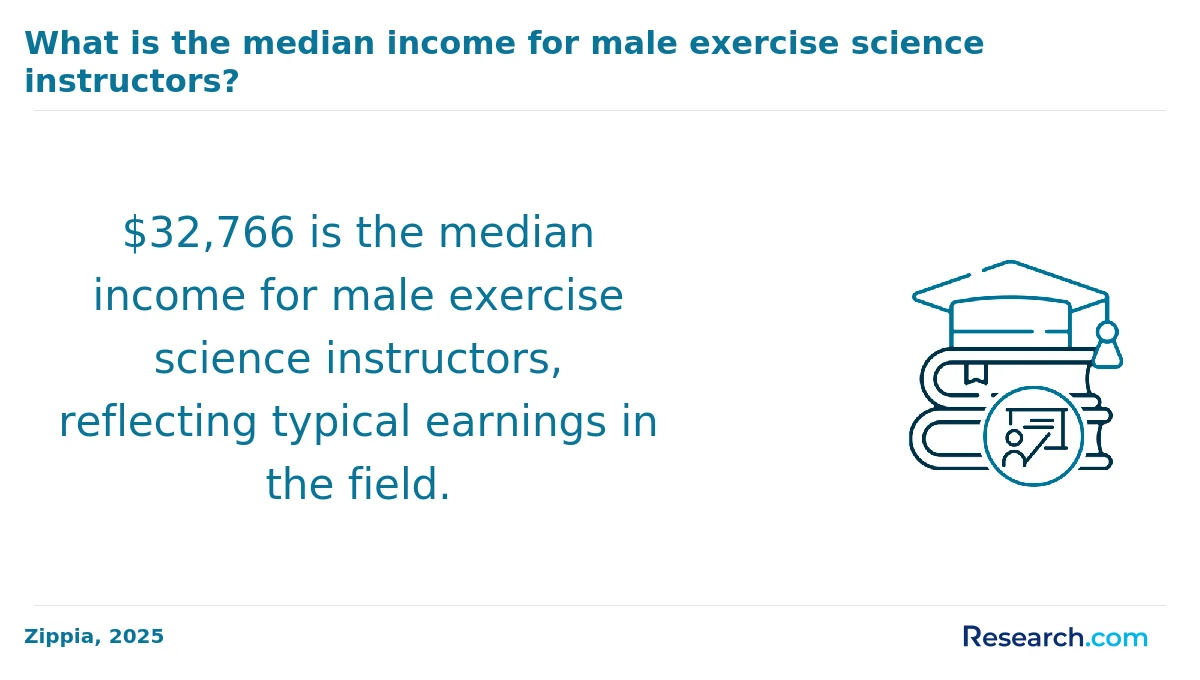
Online exercise science jobs Midwest have a unique advantage: the ability to connect across cities without relocation. This flexibility empowers students to thrive in their home states while preparing for lucrative careers backed by growing industry needs and competitive salaries-like the median $56,000 annual wage in Illinois.
For those curious about related career paths, insights into pe teacher salary also enrich understanding of opportunities grounded in physical education and exercise science.
2027 Easiest Online Master's in Exercise Science Degree Programs Ranking in the Midwest
Investing in your education is a significant decision that can shape your future, and the Research.com team understands the importance of making informed choices. To assist prospective students in the Midwest, we have meticulously crafted the "2027 Easiest Online Master's in Exercise Science Degree Programs Ranking in the Midwest." Our commitment to quality, credibility, and accuracy is reflected in the extensive research and analysis conducted to compile this ranking.
We utilized the following reputable data sources to ensure a comprehensive evaluation of exercise science programs:
By exploring this ranking, readers will gain valuable insights into the most accessible online master's degree programs in exercise science in the Midwest, helping them make informed and confident educational decisions. For more details on our methodology, please visit our Research.com methodology page.
# 1 position
University of Toledo
Master of Recreation and Leisure Studies - Recreation Administration


# 9 position
University of South Dakota
Master of Kinesiology and Sport Management, Sport Management specialization


Frequently Asked Questions About exercise science
Students pursuing online exercise science degrees in the Midwest can enhance their learning by engaging actively with course materials and faculty. Midwestern universities often provide access to virtual labs and simulation tools that help bridge theoretical and practical knowledge. According to the National Strength and Conditioning Association, practical experience is crucial for mastering exercise science concepts.
Networking with local health and fitness professionals through internships or online forums also enriches understanding and career opportunities. Many programs from accredited Midwestern institutions align curricula with regional workforce needs, increasing student employment prospects.
Consistent time management and joining study groups improve retention and motivation.
The exercise science field is expanding into several emerging niches that appeal to students pursuing online degrees in the Midwest. One fast-growing area is wearable technology and data analytics, where professionals use devices to monitor and improve physical performance. According to the Midwest Healthcare Technology Report (2023), demand for specialists in this niche is projected to grow by 18% through 2028.
Another notable area is telehealth fitness coaching, accelerated by recent shifts toward remote healthcare services. Midwest universities are integrating this into their curricula to prepare graduates for virtual client management.
Additionally, the specialization in geriatric exercise science is gaining traction due to the aging population, especially in states like Ohio and Michigan. The Bureau of Labor Statistics highlights a 16% growth in roles focused on senior health and mobility support through 2030.
After completing an online exercise science degree in the Midwest, preparing for the job market involves several strategic steps. First, gaining relevant certifications such as the Certified Exercise Physiologist (CEP) or Certified Strength and Conditioning Specialist (CSCS) enhances employability. Employers in states like Illinois and Ohio often prefer candidates with these credentials, according to the Midwest Regional Healthcare Employment Report (2023).
Next, practical experience is crucial. Internships or part-time work with local health clubs, rehabilitation centers, or university athletic departments help build applied skills. Networking through professional associations like the Midwest Chapter of the American College of Sports Medicine can increase job opportunities.
Additionally, mastering soft skills such as communication and client management benefits career growth. The Bureau of Labor Statistics projects a 10% growth in exercise science-related jobs from 2022 to 2032, emphasizing the need for well-prepared graduates.
Employers in the Midwest seek exercise science graduates with a combination of strong scientific knowledge and practical skills. Key abilities include understanding human anatomy, physiology, and kinesiology to design effective fitness programs. Communication skills are crucial, as professionals must educate and motivate clients.
Data from the National Strength and Conditioning Association shows that about 70% of employers prioritize certification in areas like personal training or strength conditioning.
Additionally, familiarity with data analysis and exercise technology is increasingly important to track and improve client outcomes. Problem-solving and adaptability also rank highly, reflecting the diverse needs in Midwest healthcare and sports settings.
Finding internships in the Midwest for exercise science students involves a mix of research, networking, and utilizing university resources. Many Midwestern institutions provide internship placement assistance through their career centers.
Students should explore partnerships with local hospitals, rehabilitation centers, fitness facilities, and sports teams, as these organizations often offer hands-on internship opportunities. According to the National Strength and Conditioning Association, more than 40% of exercise science internships in this region are linked to healthcare and sports organizations.
Online students can also access virtual career fairs and LinkedIn groups focused on Midwest healthcare and fitness industries. Additionally, checking job boards like Handshake and contacting local chapters of professional organizations such as the American College of Sports Medicine can provide leads.
Flexible internship options that complement online learning are increasingly common, with some offering remote or hybrid experiences to accommodate students outside campus areas.
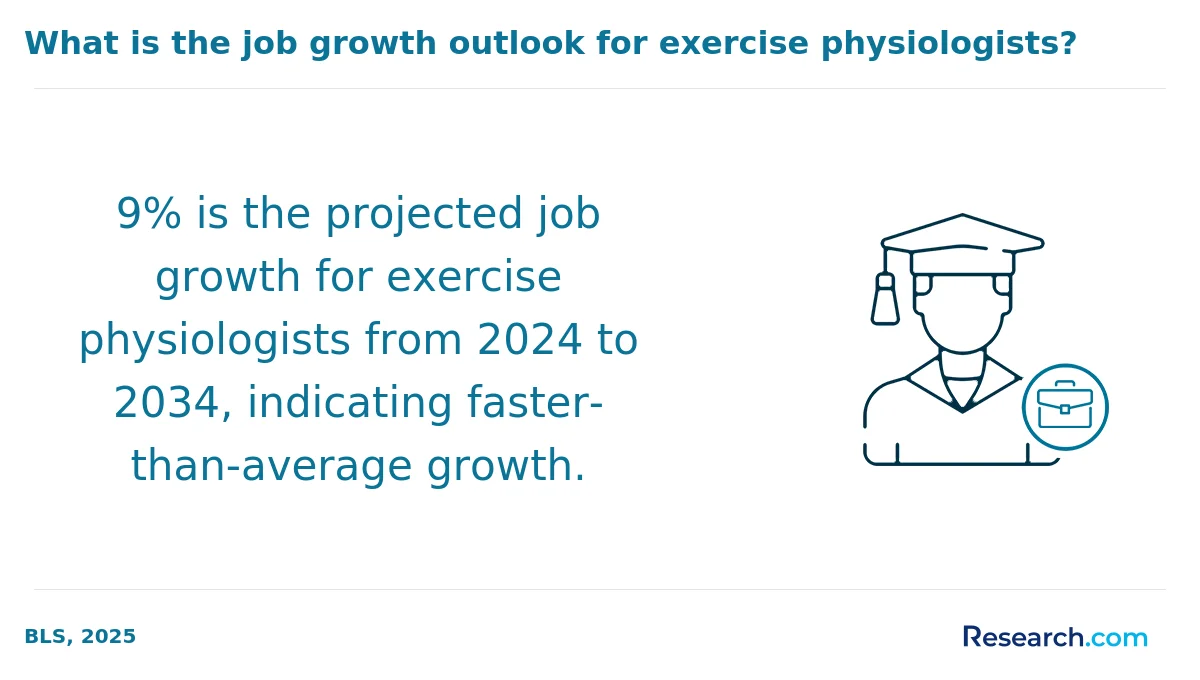
Obtaining an online exercise science degree in the Midwest can significantly enhance career mobility and advancement opportunities. The region hosts a growing health and wellness industry, with a projected job growth rate of about 10% for exercise physiologists and related professions through 2030, according to the U.S. Bureau of Labor Statistics.
Graduates from accredited online programs gain practical skills recognized by employers, helping them qualify for roles in clinical settings, sports performance, and corporate wellness. Many Midwest employers also prefer candidates with master's degrees for leadership or specialized positions, making online graduate education a valuable asset.
Additionally, earning a degree online allows professionals to continue working while advancing their education, which can accelerate promotions and salary increases within established careers.
Studying for an exercise science degree online in the Midwest equips students with skills applicable across various fields such as healthcare, sports management, and rehabilitation. Midwestern programs often emphasize interdisciplinary learning by integrating courses in biology, nutrition, and kinesiology, fostering a broad understanding of human movement and health.
Many universities in states like Illinois, Ohio, and Michigan collaborate with local hospitals and fitness centers, providing students with practical experience that enhances teamwork and communication skills. According to the National Center for Education Statistics, Midwestern institutions award over 3,000 exercise science degrees annually, reflecting strong regional growth.
This comprehensive approach prepares graduates to work effectively with diverse professionals, making them valuable in interdisciplinary roles that require both scientific knowledge and applied skills.
Choosing between a thesis and a non-thesis online exercise science degree program in the Midwest depends largely on your career goals. Thesis programs emphasize research skills and typically prepare students for doctoral studies or research-intensive roles. Non-thesis options focus more on practical skills and coursework, which can be ideal for professionals aiming for applied roles like coaching or wellness management.
Midwestern universities offering these tracks report that about 40% of exercise science graduate students select thesis options, reflecting strong interest in research careers (Midwest Higher Education Data, 2023). Cost and time commitment also differ: thesis programs often require an additional semester. Evaluate your long-term professional plans carefully before deciding.
Students in the Midwest seeking to study exercise science abroad face limited direct options, as most international programs require on-site attendance. However, many Midwestern universities partner with global institutions, allowing students to engage in study-abroad semesters or joint research projects. The Midwest, home to established exercise science programs such as those at the University of Illinois and University of Michigan, increasingly offers hybrid models combining online coursework with international experiences. According to the National Center for Education Statistics, about 10% of Midwestern students participate in some form of study abroad, often supplementing their degrees with specialized global knowledge.
Part-time job opportunities that complement an exercise science degree in the Midwest often focus on applied settings such as fitness centers, rehabilitation clinics, and community health programs. Positions like personal trainers, fitness instructors, or physical therapy aides provide hands-on experience relevant to academic studies. According to the Bureau of Labor Statistics, the Midwest has a steady demand for fitness trainers, projecting a 10% growth through 2032, which aligns well with student schedules.
Additionally, jobs in wellness coaching or working with local sports teams as assistants offer practical exposure to exercise physiology and client management. These roles enhance understanding of human movement and health promotion while students pursue online coursework.
Some universities in the region also support internships or part-time roles in research labs focused on kinesiology and biomechanics, giving direct insight into scientific aspects of exercise science. Such opportunities can be valuable for students aiming to enter clinical or academic careers.
Online exercise science students in the Midwest benefit from several networking opportunities designed to connect them with professionals and peers. Many Midwestern universities offering online degrees encourage students to join regional chapters of organizations like the American College of Sports Medicine (ACSM), which frequently hosts conferences and workshops in states such as Illinois, Ohio, and Michigan.
In addition, Midwestern schools often partner with local fitness centers and healthcare facilities to provide virtual internships, fostering real-world connections even for remote learners. Universities may also offer alumni networks and online forums where students share job leads and industry insights.
According to ACSM data, members in the Midwest have higher participation rates in networking events compared to other U.S. regions, showing strong regional engagement.
Alumni networks play a crucial role for online exercise science degree students in the Midwest by providing valuable connections within the fitness and healthcare industries. These networks often offer mentorship, job leads, and professional development opportunities, which can be vital in a competitive job market. According to the National Strength and Conditioning Association, Midwestern states like Illinois and Michigan have growing demand for exercise science professionals, making these connections even more important.
Many university alumni associations organize events and workshops tailored to exercise science graduates, enhancing practical knowledge and career readiness. Additionally, peer support via these networks fosters a sense of community despite remote learning environments.
Customizing an online exercise science degree in the Midwest often begins with selecting elective courses that align with your career goals. Many universities in the region allow students to tailor their studies through specialized tracks such as sports performance, rehabilitation, or wellness coaching. For example, Missouri and Illinois institutions typically offer options in clinical exercise physiology or health promotion.
Additionally, students can often engage in virtual internships or research projects that enhance practical experience. According to the National Center for Education Statistics, around 35% of Midwest online exercise science programs include experiential learning components.
Choosing schools with strong industry connections in cities like Chicago or Minneapolis can also facilitate networking and job placement after graduation.
Online exercise science students in the Midwest commonly face challenges related to access to quality practical experiences. Exercise science programs require hands-on labs and internships, which can be difficult to arrange locally due to fewer nearby clinical or athletic facilities. According to the American College of Sports Medicine, 35% of Midwest programs report limited local partnerships for internships, affecting students' fieldwork opportunities.
Technical issues and inconsistent internet access also pose hurdles, especially in rural areas where broadband coverage can be spotty. The Federal Communications Commission notes that about 22% of rural Midwestern residents lack reliable high-speed internet, complicating participation in live lectures and virtual labs.
Finally, balancing work, family, and study responsibilities is a typical challenge, as many students pursuing online degrees are working professionals aiming to upskill while managing existing commitments.
Graduates with an online exercise science degree in the Midwest can pursue several respected professional certifications to advance their careers. Popular options include the Certified Exercise Physiologist (EP-C) offered by the American College of Sports Medicine (ACSM) and the Certified Strength and Conditioning Specialist (CSCS) from the National Strength and Conditioning Association (NSCA). Both credentials are recognized nationally and valued by employers in healthcare and fitness industries.
Other certifications often sought after include the Certified Personal Trainer (CPT) and Group Fitness Instructor credentials. These certifications enable professionals to work in a variety of settings such as hospitals, wellness centers, and sports clubs across Midwest states like Illinois, Ohio, and Michigan.
According to the Bureau of Labor Statistics, exercise physiologist jobs in the Midwest are projected to grow by 11% through 2030, reflecting strong regional demand for certified experts. Candidates typically need a bachelor's degree and must pass rigorous exams. Credentials enhance credibility and open doors to higher-paying roles.
Applying to an online exercise science program in the Midwest requires careful preparation to stand out. Begin by showcasing your academic background, especially courses related to biology, kinesiology, or health sciences. Many Midwestern universities value a strong GPA, often above 3.0, as a baseline.
Highlight relevant experience, such as internships or certifications like the ACSM Certified Personal Trainer. Including clear career goals aligned with exercise science demonstrates your commitment. According to the National Strength and Conditioning Association, practical experience is a key factor in admissions decisions.
Strong letters of recommendation from professors or professionals familiar with your skills can significantly boost your application. Finally, tailor your personal statement to reflect your understanding of the Midwest's growing demand for exercise science professionals, supported by regional employment trends from the Bureau of Labor Statistics.
Exercise science careers are increasingly valued worldwide due to rising health awareness. In the U.S., especially in the Midwest, the field is growing steadily, supported by a 19% projected employment increase through 2031, according to the Bureau of Labor Statistics. Globally, professionals focus on prevention, rehabilitation, and performance, often collaborating across health disciplines.
Midwestern universities align their online exercise science programs with these global trends, preparing graduates for diverse roles-from personal training to research. The international demand for exercise science expertise highlights the profession's relevance and growing influence in public health and sports industries.
Gaining practical experience while studying for an online exercise science degree in the Midwest is essential for skill development and career readiness. Many universities in the region partner with local healthcare facilities, gyms, and rehabilitation centers to offer internships and clinical practicum opportunities.
Students can engage in hands-on work under professional supervision, fulfilling program requirements and gaining valuable real-world experience.
Additionally, organizations such as the National Strength and Conditioning Association (NSCA) often have chapters in Midwest states that provide workshops and networking events valuable for students.
According to the Midwest Academy of Health Sciences, approximately 70% of exercise science programs in the region require a minimum of 300 practicum hours before graduation.
Choosing the right concentration within an online exercise science degree program in the Midwest depends on your career goals and interests. Common concentrations include sports performance, rehabilitation, and wellness coaching. Research from the National Athletic Trainers' Association shows that demand for rehabilitation specialists in the Midwest has grown 12% over the past five years. Consider your preferred work setting-clinical, educational, or fitness industry-when selecting a focus.
Look for programs accredited by the Commission on Accreditation of Allied Health Education Programs (CAAHEP), as these meet rigorous academic standards. Check if the curriculum offers remote practicums or partnerships with local health facilities, adding practical experience. Finally, review job market data from the U.S. Bureau of Labor Statistics for your state to align your concentration with growth opportunities.
- Upcoming Exercise Science Conferences in USA 2026 https://www.allconferencealert.com/usa/exercise-science
- An Exploratory Study of Physical Activity Patterns ... https://thesportjournal.org/article/an-exploratory-study-of-physical-activity-patterns-of-college-students-at-a-midwest-state-university-in-the-united-states/
- Online Exercise Science Degree Completion Program https://stmary.edu/online-programs/exercise-science.html
- Exercise Science Program at Lakeland University https://lakeland.edu/degrees/exercise-science
- Online Exercise Science Degrees https://mycollegeguide.org/online-exercise-science-degrees/
- 2026 Best Online Exercise Science Degrees https://www.onlineu.com/degrees/exercise-science
- Exercise Science Major (BA, BS) https://www.hamline.edu/academics/undergraduate/exercise-science
- Popular Exercise Science Programs in Illinois [2026] https://www.healthschoolguide.net/xercise-science-programs-illinois/
- Online Exercise Science Degrees: Top School Review https://www.edumed.org/online-schools/exercise-science-degrees/
- Exercise science Conferences in Europe 2026-2027 https://conferenceineurope.net/topic-list/exercise-science