2027 Online BS in Business Administration Admissions with A Working Adult Returning After a Layoff: What to Check
Audited and Verified:
Our Editorial and Data Verification Process
Research.com uses government datasets, official education statistics and primary institutional information to support its career and degree guides. Our review process checks factual accuracy, occupational definitions, source dates and the requirements associated with the credentials discussed.
How This Article Was Fact-Checked
Our editorial team verifies salary estimates, employment projections, education requirements and program information against original data providers and official organizations. Salary figures are checked against the relevant occupational definitions and reporting periods. Information about licensure, accreditation and required in-person training is reviewed separately.
Fact-checked and verified on:

Co-Founder and Chief Data Scientist
A layoff can make finishing a bachelor's degree feel urgent, but enrolling before you know which credits count - or whether classes fit a new job search - can create another financial setback. This guide is for adults considering an online BS in Business Administration while unemployed, recently rehired, or working in a different role. It explains how to check admission eligibility, obtain a usable degree audit, compare schedules and costs, and decide whether the degree supports your next career move. The goal is a completion plan you can sustain, not simply an acceptance letter.
Key Things You Should Know
- Ask for separate decisions on admission, admission to the business major, and how prior credits apply to graduation requirements; acceptance alone does not settle your completion timeline.
- Before committing money, verify institutional accreditation, required live attendance, remaining courses, aid eligibility, and the total cost under a realistic work schedule.
- A business degree can support a career change or advancement, but the best option depends on your prior credits and target role - not an advertised completion date or an occupation-wide salary.
What Is an Online BS in Business Administration for Returning Adults?
An online BS in Business Administration is an undergraduate degree covering business functions such as accounting, management, marketing, finance, and operations. For a returning adult, it may serve as a degree-completion route: previous college work can potentially fulfill requirements while remaining courses are taken online. "Online" describes delivery, not a promise that classes are self-paced.
The BS may be useful if a bachelor's degree is a barrier to roles you already have relevant experience for. It may be less direct than targeted training if your next job mainly requires a specific software skill or industry credential. Compare your target employers' requirements with career advancement study options in business administration, rather than assuming every general business degree offers the same route forward.
What Admission Requirements Apply to Adults Returning After a Layoff?
A layoff and an enrollment gap do not, by themselves, establish whether you qualify. Schools set their own rules for previous college work, minimum academic standing, and entry to the business major. Some admit students to the university before they have completed business prerequisites. Review business administration admissions coursework and credit requirements as preparation for questions about the particular program - not as a substitute for its current catalog.
These decisions occur at different stages. Keeping them separate prevents an admission offer from being mistaken for a graduation plan.
| Decision | What the school may review | What you need in writing |
| University admission | Prior transcripts, academic standing, and application materials | Admission status and any conditions |
| Business-major admission | Required GPA or introductory, math, accounting, or economics courses, if applicable | Unmet major-entry requirements and when they must be finished |
| Transfer evaluation | Course content, grades, credit units, recency rules, and institutional policies | Credits accepted and the requirements each credit satisfies |
| Graduation audit | Business core, general education, electives, concentration, and residency rules | Remaining courses under your applicable catalog |
Request official transcripts from every college attended, including courses from an unfinished degree. If an accounting or quantitative course is disputed, ask the transfer office whether a syllabus would support an equivalency review or appeal. An AA, AS, or AAS may transfer differently, and credits accepted as electives may not replace business-core courses. Obtain the degree audit from the registrar or advising office before choosing a start date; ask when the remaining required courses are offered.
How Can You Verify Online Business Degree Accreditation?
Check the institution's accreditation status with the accreditor and the U.S. Department of Education's accreditation database, matching the institution's exact name and campus where relevant. Then confirm that the online BS is an authorized offering of that institution. Institutional accreditation matters for federal aid eligibility and can affect how other schools evaluate credits, although it does not guarantee transfer.
Business-school accreditation is a separate question. If a school advertises AACSB, ACBSP, or IACBE accreditation, check the accreditor's directory for its scope and whether the program you plan to enter is covered. Neither institutional nor business accreditation proves that a particular student will graduate or find work.
Application fees are a smaller concern than accreditation and total completion cost, but they can matter while income is disrupted. You can compare accredited online colleges without application fees while independently verifying each school's current status and degree offering.
Choose a format for the schedule you may have after reemployment, not only the time available during a layoff. Asynchronous courses can allow more control over when you study, yet still impose weekly deadlines, timed exams, or group meetings. Live online classes offer scheduled interaction but may conflict with interviews, shifts, or caregiving.
Ask for sample course schedules and policies on proctoring, presentations, group projects, campus visits, leave, and changes from full-time to part-time enrollment. Also ask whether an essential course is offered often enough to keep you progressing if you reduce your course load. An accelerated calendar can shorten the wait for a new term without reducing the work required in each course.
Compare schedule fit alongside tuition when reviewing budget-friendly online business schools. A lower-priced program can become harder to finish if required meetings or infrequent courses clash with a new job.
Expect a mix of general education and a business core that may include financial and managerial accounting, economics, marketing, finance, management, operations, statistics or analytics, business law, and a capstone. Exact requirements differ. For a returning student, the useful question is not just what the catalog lists, but which requirements previous courses already satisfy and which have prerequisites that delay later courses.
Choose electives around a plausible next role. Prior experience coordinating staff or customers might pair well with HR or operations coursework; a move into analytics may demand more quantitative preparation than a general business core supplies. If HR is the target, compare the actual HR degree coursework and entry requirements with the BS's available HR courses. An elective is not automatically a formal concentration, and neither course of study replaces employer-required experience.
There is no reliable personal completion estimate until a school applies your credits to a degree audit and maps the remaining courses to actual term offerings. A large transfer award may still leave sequential business courses or institutional residency requirements. Part-time study may better protect income and job-search time, even if it extends the calendar.
For each school, compare remaining required credits × applicable tuition rate, then add mandatory fees, books, software, proctoring or travel costs, and expected borrowing costs. Ask whether tuition is charged by credit, course, or term. Do not treat an advertised per-credit price as your total degree cost. Budget-conscious online business administration education is most useful as a shortlist; your evaluated remaining requirements determine the meaningful comparison.
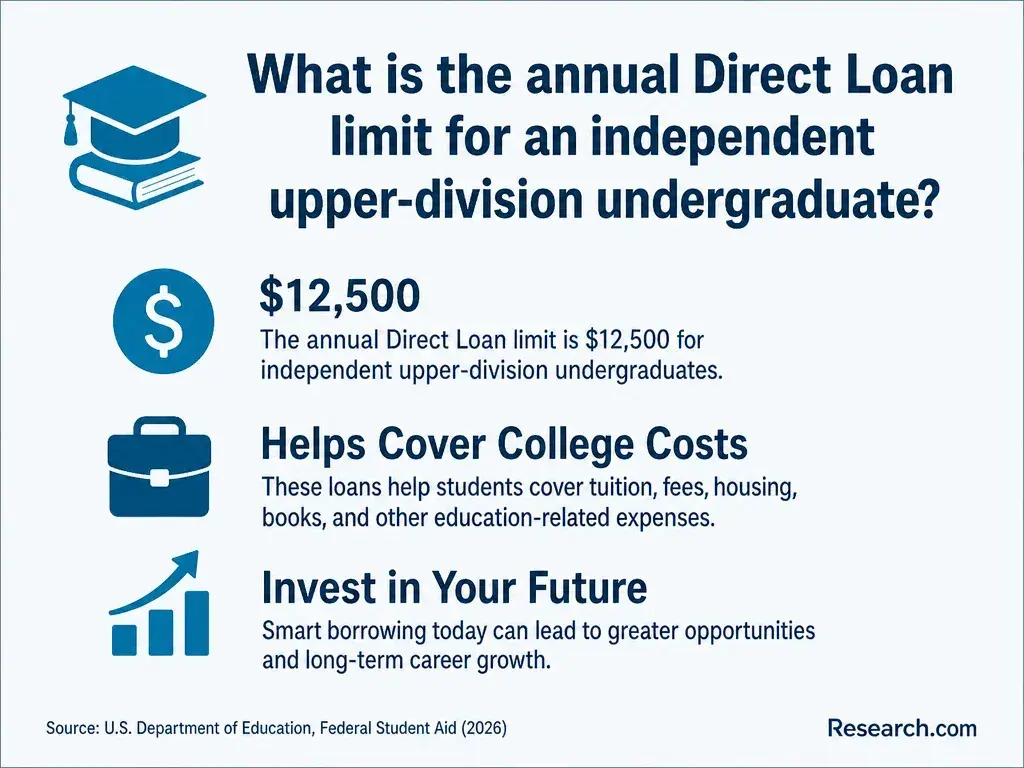
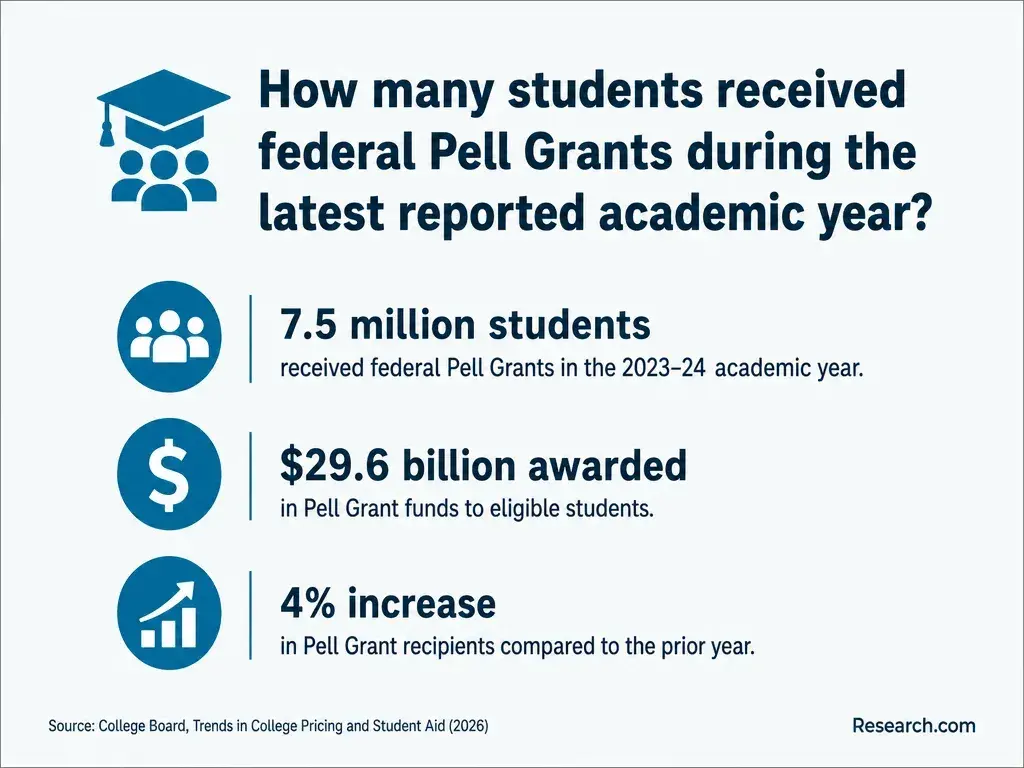
If the layoff reduced household income, contact the financial-aid office about a possible professional judgment review of the information used for aid. Approval and any change in aid are not guaranteed. Confirm aid eligibility at your planned enrollment intensity, satisfactory academic progress rules, loan terms, and refund deadlines before paying a deposit.
Start with the responsibilities you held before the layoff. Experience with scheduling, purchasing, customer issues, reporting, or team coordination can support applications for operations, procurement, HR, marketing, or project-coordination work. The degree may help meet a bachelor's requirement, while examples of completed work show what you can actually do.
A substantial switch into supply chain or another specialized function may require technical coursework, relevant projects, or an entry-level bridge role. Compare those requirements with shorter bachelor's pathways in supply chain management if that is your specific goal. A general business BS is not automatically the quickest route, and a shorter advertised pathway depends on accepted credits and course availability. Supervisory and specialist roles generally require more than graduation alone.
There is no single salary for BS in Business Administration graduates: pay depends on the occupation, location, industry, and prior experience. For context, the U.S. Bureau of Labor Statistics reports a $82,320 median annual wage for logisticians in May 2025. That is an occupation-wide median, not a starting salary or a forecast of what a returning student will earn.
Use a target occupation and local job postings - not a broad "business graduate" earnings claim - when judging whether tuition is worthwhile. Someone weighing supply chain roles can compare supply chain education costs and career prospects, then check whether employers seek general business preparation, specialized coursework, or prior logistics experience.
Outlook is reported for occupations, not for everyone with a business degree. The Bureau of Labor Statistics projects 7% employment growth for project management specialists from 2025 to 2035. That indicates projected demand for the occupation nationally; it does not measure openings for newly graduated applicants or guarantee a job in a particular area.
If project work is your goal, compare postings with your existing evidence of planning, budgets, stakeholder communication, and delivery. A general BS may fit someone who needs broad business preparation, while lower-priced project management degrees may warrant comparison if employers consistently request deeper project coursework. Weigh either route against your transfer audit and the time you need to return to work.
Which Certifications Strengthen a Business Administration Career?
A certification can help document a specific skill, but it is separate from an academic degree or concentration. Before paying for one, read target job postings and the certifying organization's current eligibility rules, including experience, exams, and renewal requirements. A project management, HR, analytics, or software credential is most useful when it addresses a skill gap for a role you can realistically pursue.
For an HR transition, compare a certification's requirements with your prior responsibilities and with HR bachelor's transfer policies. If employers require a bachelor's degree you have not finished, a certification alone may not remove that barrier. If you already meet the degree requirement, targeted training and relevant work examples may be more direct than another broad program.
Other Things You Should Know About Business Administration
Possibly. State rules and your availability for suitable work control eligibility. Check with your state unemployment agency before enrolling, and report education as required.
Be brief and accurate. If asked, state that the position ended in a layoff, then focus on your academic readiness and the work you want to pursue. Do not describe a layoff as a voluntary departure.
Yes, if the program accepts professional references. Choose someone who can describe your responsibilities and reliability, and confirm the school's reference requirements before asking.
Not necessarily. You can request transcripts and a transfer evaluation while job searching. Delay an enrollment commitment if the remaining cost or required class schedule would be unsustainable under the work hours you expect.
- .14 Evaluation and Review Process for Transfer of Courses and Credits. | Library of Maryland Regulations https://regs.maryland.gov/us/md/exec/comar/13B.06.02.14
- Paying For College | The Ohio Department of Higher Education https://highered.ohio.gov/wps/portal/gov/odhe/students/pay-for-college
- 7 Options if You Didn't Receive Enough Financial Aid | studentaid.gov https://studentaid.gov/articles/financial-aid-not-enough/
- Cost of Attendance (Budget) | 2025-2026 Federal Student Aid Handbook https://fsapartners.ed.gov/knowledge-center/fsa-handbook/2025-2026/vol3/ch2-cost-attendance-budget
- Accreditation in the U.S. | ed.gov http://www.ed.gov/laws-and-policy/higher-education-laws-and-policy/college-accreditation/accreditation-in-the-us
- State Authorization and Program Availability | UofL Online | Information Technology Services https://online.louisville.edu/resources/compliance/state-authorization
- How Do Transfer Credits Work When You Go Back to School? | Whitworth Online https://online.whitworth.edu/news-articles/how-do-transfer-credits-work-when-you-go-back-to-school/
- Reconnect - The City University of New York https://www.cuny.edu/admissions/reconnect/
- State Approvals | UMSL https://www.umsl.edu/oiec/regulations/state-approvals.html
- Transfer Credit Evaluation | Undergraduate Admissions | The Pennsylvania State University https://www.psu.edu/resources/credit/transfer-credit-evaluation