2027 Best Online Exercise Science Degree Programs Ranking in Texas

Co-Founder and Chief Data Scientist
Choosing the right exercise science degree program can shape your future in health and fitness. If you're a student in Texas exploring online options, this article is here to guide you.
The 2027 Best Online Exercise Science Degree Programs Ranking in Texas was developed by the Research.com team of data scientists to help you make an informed decision. By reviewing this ranking, you'll discover top programs that blend quality education with flexibility.
Investing in an exercise science degree opens doors to rewarding careers focused on wellness and movement. Let's explore your best choices together.
Key benefits of getting online exercise science degree in Texas
- Exercise science graduates in Texas can pursue careers such as fitness trainers or physical therapy aides, where the average hourly wage in the US ranges from $15 to $25, providing a rewarding and stable income.
- Graduates from Texas universities like the University of Texas often find diverse career paths including sports coaching, rehabilitation, and wellness program coordination, opening many doors to impactful and fulfilling jobs.
- Completing an online exercise science degree from schools like Texas Tech University offers flexibility to balance work and study, making education more accessible without sacrificing quality or support.
- 2027 Best Online Exercise Science Degree Programs Ranking in Texas
- What can I expect from online exercise science degree in Texas?
- Where can I work with online exercise science degree in Texas?
What can I expect from online exercise science degree in Texas?
The average cost of an online exercise science degree in Texas generally ranges between $10,000 and $25,000 for the entire program, depending on the institution and residency status. For example, graduates from Texas A&M University's kinesiology program have noted the affordability combined with quality instruction as a significant benefit. Many students benefit from in-state tuition rates and financial aid opportunities, which help reduce the overall expense.
Students at the University of Texas system emphasize the value of blending theoretical knowledge with local practicums, which not only enriches learning but also optimizes cost-effectiveness by minimizing travel and housing expenses. The availability of scholarships and flexible payment plans at these institutions further eases financial burdens.
Despite the cost, graduates express positive emotions about the investment, recognizing that hands-on internships and comprehensive coursework covering anatomy, biomechanics, and nutrition prepare them well for stable career paths in health promotion and fitness industries.
Where can I work with online exercise science degree in Texas?
Graduates with an online exercise science degree from Texas institutions such as Texas A&M or the University of Texas often find diverse career paths across clinical, fitness, and wellness sectors. Many enter physical therapy clinics as assistants or rehabilitation specialists, playing vital roles in patient recovery under the oversight of the Texas Department of Licensing and Regulation.
Others work in fitness centers and wellness programs, leveraging Texas's top ranking for employment of fitness trainers, according to 2023 U.S. Bureau of Labor Statistics data. For example, graduates have shared how working as personal trainers in vibrant urban centers like Dallas and Houston allows them to directly impact clients' health goals, fueling their passion for fitness coaching.
Corporate wellness roles are increasingly prevalent in cities such as Austin, where graduates contribute by designing employee health initiatives. Higher education and sports organizations also offer positions in athletic training and sports performance, reflecting Texas's strong collegiate sports culture and demand for conditioning experts.
Public health agencies and community recreation programs benefit from these professionals by integrating exercise science expertise into initiatives addressing obesity and chronic disease statewide.
Graduates with an online exercise science degree in Texas generally find salary ranges influenced by their career paths and locations. While specific salary data from the BLS is unavailable for many roles, general figures indicate that exercise science graduates typically start with salaries between $30,000 and $45,000 annually. For example, graduates from popular Texas schools such as the University of Texas at Austin or Texas Tech University often secure entry-level positions near $40,000.
Experienced professionals working in urban centers like Dallas or Houston can expect salaries upwards of $50,000, reflecting regional demand and cost of living. Many graduates transition into roles like fitness trainers or wellness coaches, where earnings commonly range from $30,000 to $60,000 depending on certifications and clientele.
Graduates who pursue additional certifications-such as Certified Strength and Conditioning Specialist (CSCS)-or advanced degrees often unlock higher earning potential. This makes post-graduate education a valuable investment for those aiming to stand out in Texas's competitive health and fitness markets.
- Tuition for online exercise science degrees in Texas ranges from about $7,000 to $20,000 per year at public universities, while private schools may charge over $25,000 annually.
- Texas employed more than 33,000 fitness trainers and instructors recently, with job growth expected to increase by 13% through 2030.
- Starting salaries for exercise science graduates in Texas typically range from $40,000 to $45,000 per year, with experienced professionals earning $60,000 to $70,000 or more.
- Online programs often include preparation for certifications like Certified Exercise Physiologist (CEP) and American College of Sports Medicine (ACSM) to improve job prospects.
- Students should verify that their online degree is accredited and recognized by professional bodies to qualify for licensure and certification exams.
Online exercise science degrees in Texas generally take between two and four years to complete, depending on the degree level and enrollment pace. Bachelor's programs at well-known Texas schools, popular among graduates, average around 120 to 130 credit hours, typically finished in four years by full-time students. These timelines align closely with traditional on-campus programs, reassuring many that the online path does not delay their career plans.
Several Texas universities offer flexible options, allowing students to accelerate progress by transferring relevant credits or taking an increased course load. For example, some part-time students, balancing work and family, may take five or more years but appreciate the program's adaptability. Associate degrees usually require about 60 credit hours and take around two years online, serving as a foundation for those aiming to advance further.
Graduate-level kinesiology degrees in Texas, pursued online, generally require about 30 to 36 credit hours over two years full-time. Graduates value the hybrid models many programs use, blending virtual lectures with essential in-person internships, which enhance practical skills without extending overall duration significantly.
On-campus exercise science programs in Texas, such as those at the University of Texas at Austin, emphasize face-to-face instruction and hands-on lab work, where students engage directly in fitness assessments and biomechanical testing. Graduates often recall the value of real-time feedback from instructors and the camaraderie built through in-person collaboration with peers in campus facilities.
Conversely, online degrees, offered by institutions like Texas Tech University, deliver lectures digitally, requiring students to manage their schedules independently while accessing video demos and virtual simulations. Many online students appreciate this flexibility as working professionals balancing jobs and family life in Texas.
Both formats mandate practical experience; accredited online programs coordinate local internships or lab placements, ensuring students attain essential hands-on skills. However, online learners may face additional travel for these in-person components, contrasting with the immediate access on-campus students enjoy.
Tuition costs in Texas public universities for exercise science range from $9,000 to $12,000 annually for in-state students, with online programs sometimes offering competitive or reduced fees. Networking opportunities also differ, as on-campus students benefit from structured events in Texas' health sectors, while online students often build connections through virtual communities or local organizations.
To stand out in Texas’s competitive exercise science field, graduates often pursue the following credentials:
- ACSM Certified Exercise Physiologist (requires a bachelor’s degree plus supervised practicum)
- NSCA Certified Strength and Conditioning Specialist (CSCS) for advanced athletic training
- ACSM Certified Personal Trainer (CPT) for one-on-one and group programming
- AACVPR Board Certified Clinical Exercise Physiologist for cardiac rehabilitation
- Texas Physical Therapist Assistant license (for those combining exercise science with PTA roles)
Many graduates also expand into related allied health settings by completing a certified medical assistant program, boosting their clinical experience and employability.
The average cost of an online exercise science degree in Texas varies notably between in-state and out-of-state students, with median total costs reported at approximately $20,772 for in-state and $52,434 for out-of-state learners. These figures reflect tuition fees, technology charges, books, materials, and possible certification exam expenses that students often face throughout their studies. For example, graduates from popular Texas universities, such as the University of Texas or Texas A&M, have shared that while the initial tuition investment is substantial, the return on career opportunities justifies the expense, especially when combined with scholarships or employer tuition assistance programs.
Texas public institutions often offer more affordable tuition rates for residents, making these programs financially attractive for local students pursuing an online exercise science degree. Given the typical 120-credit hour requirement for a bachelor's degree, students can anticipate total tuition costs hovering around the median figures. Online students also appreciate flexible scheduling, which supports balancing coursework with work or family commitments, enhancing their overall educational experience and satisfaction.
Some students report that private universities in Texas can price above the median, but they benefit from smaller class sizes and additional resources. Financial aid effectively reduces net expense, and programs sometimes offer locked tuition rates through mechanisms like the Texas Guaranteed Tuition Plan. Prospective students interested in the affordability and accessibility of online kinesiology studies might also consider reviewing easy kinesiology degrees that align with their budget and academic goals.
Understanding the average cost of online exercise science degree in Texas helps students plan realistically and identify opportunities to optimize their educational investment.
After earning an online exercise science degree in Texas, securing industry-recognized credentials can boost employability and credibility. Key certifications and licensure include:
- American College of Sports Medicine (ACSM) Certified Personal Trainer: requires a bachelor’s degree (or 600 hours of supervised experience) and passing a proctored exam
- National Strength and Conditioning Association (NSCA) Certified Strength and Conditioning Specialist (CSCS): ideal for athletic training roles; eligibility tied to a relevant degree and CSCS exam
- American Council on Exercise (ACE) Certified Exercise Physiologist: focuses on clinical and wellness populations; degree plus ACE exam required
- Texas State Licensure: athletic trainers must obtain a license from the Texas Board of Physical Therapy Examiners; other exercise science roles typically don’t require state licensure
- Allied health pathways: some graduates explore roles like medical assisting through a certified medical assistant program
Maintain and renew credentials by completing 20–30 continuing education credits (CECs) every two to three years, ensuring your skills stay current and competitive.
Students pursuing online exercise science degrees in Texas typically access a mix of federal, state, and institutional financial aid to manage costs, which range from $7,000 to $15,000 annually. Federal aid through FAFSA includes Pell Grants-up to $7,395 for the 2023-2024 year-federal loans, and work-study programs, which many graduates from Texas universities found crucial in reducing tuition burdens.
State programs like the Texas Tuition Equalization Grant support attendees of private Texas colleges, while the Texas Educational Opportunity Grant helps those at public institutions. For example, graduates from popular schools such as the University of Texas at Arlington have praised these programs for making their studies more affordable.
Merit-based scholarships at institutions like Texas Tech University reward academic excellence, often combined with residency criteria. Working professionals often benefit from employer tuition reimbursement, making it possible to balance jobs and education. Many students also supplement funding through private scholarships found on platforms like Fastweb, helping them stay motivated and financially secure throughout their degree.
To enroll in an online exercise science degree in Texas, students must hold a high school diploma or an equivalent credential like a GED. Popular programs at Texas universities request a minimum GPA of around 2.5, though more competitive schools may require higher academic standing. Graduates from these programs often recall the importance of completing foundational science courses-biology, chemistry, and anatomy-during high school to build the necessary background for the rigorous curriculum.
Many students appreciate Texas institutions' flexibility with standardized tests; numerous schools have adopted test-optional admissions policies, reflecting changes post-COVID-19. Transfer students find that submitting college transcripts with completed general education or relevant prerequisites (like kinesiology or physiology) is crucial for smooth program entry.
Graduates speak positively about the emphasis on prior health or fitness experience, which some universities recommend to better prepare students for certification exams like the ACSM's CEP. Students studying remotely also emphasize ensuring reliable internet access and necessary software to stay fully engaged with their Texas-based online programs.
Online exercise science degrees in Texas commonly include courses such as Human Anatomy and Physiology, which provide essential knowledge about the body's structure and function. Graduates from popular institutions like Texas A&M and the University of Texas emphasize how this foundational understanding helped them confidently approach fitness training and rehabilitation.
Exercise Physiology is another core course, teaching students the body's response to physical activity at cellular and systemic levels. Learners often describe applying this knowledge to tailor exercise plans effectively in real-world settings. Biomechanics courses explore movement mechanics, equipping students with skills to improve athletic performance and prevent injury, an area many Texas graduates find rewarding when working with clients.
Nutrition, kinesiology, exercise testing, and prescription courses round out the curriculum. These subjects enable students to create comprehensive health and wellness programs. Research Methods in Exercise Science develops analytical skills, preparing students to engage with evidence-based practices crucial in a competitive job market.
Online exercise science degree specializations Texas programs typically offer focused tracks such as Sports Performance and Conditioning, Exercise Physiology, Health and Wellness Coaching, Rehabilitation and Injury Science, and Nutrition and Kinesiology. These specializations provide graduates from institutions like the University of Texas at Austin and Texas Tech University with practical skills tailored to roles in athletic training, clinical research, wellness program design, and rehabilitation support.
Graduates often express satisfaction with how these concentrations align with their career goals, allowing them to apply knowledge in real-world settings such as fitness centers and healthcare clinics. For example, those concentrating in Rehabilitation and Injury Science report opportunities to work alongside physical therapists in Texas's growing healthcare market, reflecting local demand trends captured in Texas exercise science program concentration options.
Students also appreciate the curriculum flexibility, often choosing electives that deepen expertise in biomechanics or nutrition. This is critical given the importance of understanding both movement and diet, which is reflected in detailed tuition comparisons available for the kinesiology degree tuituion cost. Such specialization empowers graduates to meet rising workforce needs in Texas's vibrant fitness and health sectors.
To choose the best online exercise science degree in Texas, focus first on accreditation by bodies like CAAHEP or SACSCOC to ensure educational quality and certification eligibility. Graduates from Texas public colleges often highlight how accredited programs helped them confidently pursue credentials like the Certified Exercise Physiologist recognized statewide. Cost also matters; affordable exercise science degrees Texas online range widely with tuition from about $7,000 to over $20,000 annually. Comparing in-state versus out-of-state rates and available scholarships can make a significant financial difference. Curriculum is key-look for programs with robust science courses such as anatomy and kinesiology, paired with practical virtual labs or local internships tailored to Texas regulations.
Graduates frequently praise faculty expertise and support services at popular universities for enriching their learning journey. Additionally, retention rates near 60%-70% in Texas health sciences indicate strong program quality. Considering career placement is crucial, and some students found local job opportunities through university connections and state resources. Those researching the highest paying job with exercise science degree note that thorough program selection impacts long-term outcomes.
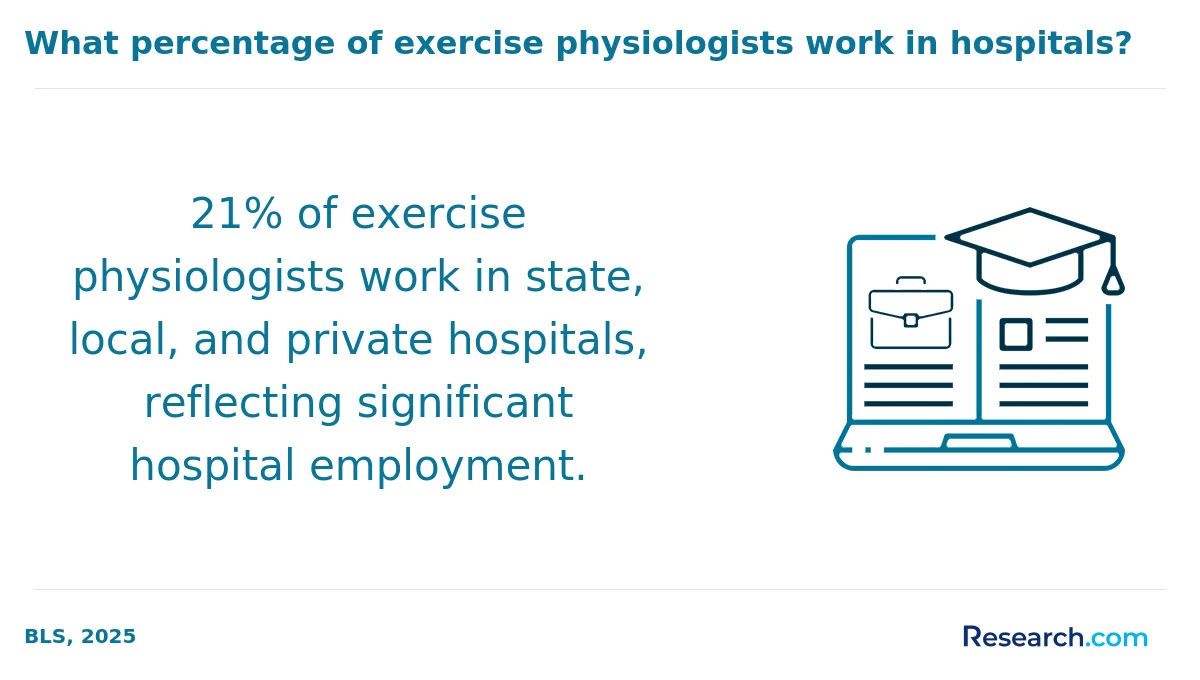
Graduates with an online exercise science degree in Texas find diverse career paths within health, fitness, and rehabilitation sectors. For example, many become fitness trainers or personal trainers, earning around $44,000 annually, working in gyms or independently to craft personalized fitness plans. Exercise physiologists represent another specialization, designing recovery programs for chronic disease patients; Texas professionals in this role typically earn $50,000 to $65,000, benefiting from the state's rising healthcare demand. Strength and conditioning coaches, often employed by sports clubs or schools, are another promising avenue, popular among graduates from Texas colleges known for strong exercise science curricula.
Students at these institutions often pursue further certification to become physical therapy assistants or advance into graduate fields like physical or occupational therapy. Public health and wellness coordination also emerges as a viable path, with roles supporting community health initiatives vital in Texas's ongoing efforts to reduce obesity-related illnesses. Many online exercise science careers Texas graduates report fulfilling work environments and steady job growth, further supported by resources exploring types of jobs in sports management.
The job market for online exercise science degree graduates in Texas remains robust, driven by expanding healthcare and fitness sectors across the state. Graduates from popular institutions like the University of Texas at Austin and Texas A&M University frequently find roles in rehabilitation centers, corporate wellness programs, and sports organizations. These jobs not only offer competitive salaries, often ranging from $40,000 to $70,000, but also provide meaningful opportunities to impact public health amid rising chronic diseases.
Employment projections indicate a 15% growth for fitness trainers and instructors from 2020 to 2030, faster than the national average. This outlook benefits those seeking online exercise science jobs in Texas, especially when combined with certifications such as the Certified Exercise Physiologist (CEP).
Many graduates share how practical experiences during their studies prepared them to navigate urban job markets like Houston and Dallas, where demand is notably high. For students balancing work and study, understanding physical education teacher requirements can offer additional pathways to expand career options.
2027 Best Online Exercise Science Degree Programs Ranking in Texas
Investing in your education is a significant decision that can shape your future, and the Research.com team understands the importance of making informed choices. To assist prospective students in Texas, we have meticulously crafted the "2027 Best Online Exercise Science Degree Programs Ranking in Texas." Our commitment to quality, credibility, and accuracy is reflected in the extensive research and analysis conducted to compile this ranking.
We utilized the following reputable data sources to ensure a comprehensive evaluation of exercise science programs:
By exploring this ranking, readers will gain valuable insights into the top online exercise science degree programs in Texas, empowering them to make well-informed decisions about their academic and professional futures. For more details on our methodology, please visit our Research.com methodology page.


Frequently Asked Questions About exercise science
Students pursuing online exercise science degrees in Texas can enhance their learning by actively engaging with virtual labs and simulations, which provide practical experience despite the remote format. Texas ranks highly in healthcare and wellness industries, offering ample local internship and networking opportunities for hands-on learning that complements online coursework. Utilizing campus resources, such as career services and academic advising offered remotely, also supports student success. According to the Texas Higher Education Coordinating Board, programs with strong clinical partnerships improve graduate outcomes significantly. Time management and consistent communication with instructors are crucial, ensuring students stay on track and clarify complex topics efficiently.
The exercise science field is evolving with several emerging niches that attract students pursuing online degrees in Texas. One key growth area is sports analytics, where professionals use data to optimize athletic performance and reduce injury risks. According to the Texas Workforce Commission, demand for specialists in this field is expected to grow by 12% over the next decade. Another rising niche is rehabilitation sciences, focusing on recovery techniques for physical injuries and chronic conditions. Additionally, wellness and preventive health roles are expanding, emphasizing exercise programs for aging populations and chronic disease management, reflecting Texas's increasing focus on public health initiatives.
After completing an online exercise science degree in Texas, preparing for the job market involves several strategic steps. First, gaining relevant certifications, such as Certified Strength and Conditioning Specialist (CSCS) or American College of Sports Medicine (ACSM) credentials, can significantly boost employability. Texas employers often prefer candidates who hold recognized certifications alongside their degrees.
Internships and practical experience remain crucial, even for online students. Texas offers a variety of healthcare and fitness organizations where graduates can apply their skills in real-world settings. Networking through local professional groups or state chapters of national organizations like ACSM can connect job seekers to opportunities.
According to the Texas Workforce Commission, employment for fitness trainers and instructors is projected to grow by 17% from 2020 to 2030, faster than average. Staying informed about these trends can help graduates target in-demand roles. Additionally, polishing soft skills such as communication and client management improves job prospects in this competitive field.
Employers in Texas highly value exercise science graduates who possess strong knowledge of human anatomy, physiology, and kinesiology. These core scientific skills enable professionals to assess and design effective exercise programs.
Additionally, proficiency in data analysis and the use of fitness technology is increasingly important. According to the Texas Higher Education Coordinating Board, graduates with skills in interpreting biometric data and operating health monitoring tools have a competitive advantage.
Communication skills also rank high, as exercise science professionals often work closely with clients and healthcare teams. Being able to clearly explain exercise routines and motivate clients is essential.
Finally, practical experience gained through internships or certifications, such as CPR or personal training, is frequently sought after by Texas employers in this field.
Finding internships in Texas relevant to an exercise science degree involves researching local healthcare facilities, fitness centers, and universities offering related programs. Many Texas universities, such as The University of Texas at Austin and Texas A&M, maintain partnerships with local clinics and sports teams for internship opportunities.
The Texas Workforce Commission reports growing job prospects in healthcare and wellness, highlighting the importance of gaining practical experience. Websites like Handshake and Indeed often list internship openings specific to exercise science in Texas.
Students should also contact program advisors at their online schools, as they often have exclusive internship listings or connections. Networking with professional organizations such as the Texas Chapter of the American College of Sports Medicine can also be valuable.
In Texas, earning an online exercise science degree can significantly enhance career mobility and advancement. As the healthcare and fitness industries grow, professionals with specialized knowledge in exercise science are increasingly in demand. According to the Texas Workforce Commission, occupations related to kinesiology and fitness training are projected to grow 10% by 2030, faster than the average for all jobs.
With an online degree, students gain flexible access to accredited programs, allowing working adults to upskill without relocating. This flexibility supports career changes or promotions within Texas's diverse urban and rural job markets.
Graduates often qualify for roles in physical therapy assistance, wellness coaching, and sports management, fields that offer clear pathways for advancement through certification and experience.
The degree also meets educational requirements for certification exams from organizations like the American College of Sports Medicine, bolstering professional credentials essential in Texas's competitive job landscape.
Studying exercise science online in Texas equips students with a broad skill set essential for interdisciplinary roles in health and wellness fields. Texas programs often include coursework in kinesiology, nutrition, physiology, and biomechanics, preparing graduates to collaborate across medical, fitness, and rehabilitation sectors.
Texas has a growing demand for professionals who can work in diverse environments such as sports medicine clinics, physical therapy centers, and corporate wellness programs. According to the Texas Workforce Commission, employment in related occupations is expected to grow 12% by 2030, highlighting the need for versatile expertise.
Additionally, many Texas programs emphasize research methods and communication skills, enabling students to contribute effectively to multidisciplinary teams. This comprehensive foundation helps graduates adapt to evolving workplace demands, ensuring their relevance in multiple professional contexts.
When choosing between thesis and non-thesis online exercise science degree programs in Texas, consider your career goals. Thesis programs emphasize research and typically prepare students for doctoral studies or research positions. Non-thesis options focus more on practical skills and are suited for those aiming to enter the workforce immediately in fitness, rehabilitation, or coaching roles.
In Texas, universities offering exercise science degrees often require about 30-36 credit hours for both options, but thesis programs include a significant research component. The Texas Higher Education Coordinating Board notes that about 40% of exercise science graduate students pursue thesis tracks when interested in academic or clinical research.
Time commitment is another factor: thesis programs may take longer due to research and writing demands. Non-thesis programs usually consist of more coursework and can often be completed faster, which may benefit working professionals.
Students based in Texas seeking to study exercise science abroad face several challenges due to the U.S. higher education system's structure. Most accredited online exercise science programs recognized in Texas are offered by domestic institutions. Currently, international universities rarely provide fully online exercise science degrees accessible to Texas residents, mainly because of accreditation and licensing requirements.
Texas students wanting global experience often enroll in hybrid programs with study-abroad components or pursue certificates from international schools separately. According to the Texas Higher Education Coordinating Board, approximately 12% of Texas students engage in study abroad, but this is uncommon for online exercise science majors.
For those interested, alternatives include exchange programs or partnerships between Texas universities and foreign institutions, although these are mostly limited to on-campus students rather than fully online learners.
Students pursuing online exercise science degrees in Texas can benefit from part-time jobs that align with their academic focus. Common opportunities include working as fitness trainers or wellness coaches in gyms, community centers, or corporate wellness programs. These roles provide practical experience in exercise prescription and client interaction.
Another relevant option is serving as rehabilitation aides or physical therapy assistants in hospitals and outpatient clinics. These positions offer firsthand exposure to musculoskeletal health and patient care techniques.
According to the Texas Workforce Commission, the health and fitness sector in Texas is projected to grow by 11% from 2022 to 2032, reflecting increasing demand for qualified exercise professionals.
Additionally, roles in health education or research assistance at universities allow students to engage with current studies in exercise science, enhancing their academic and professional portfolios.
Online exercise science students in Texas have several networking opportunities through statewide professional organizations such as the Texas Alliance for Health, Physical Education, Recreation and Dance (TAHPERD). These groups host events, workshops, and conferences that provide valuable connections with peers and industry experts. Additionally, many Texas universities offering online programs facilitate virtual career fairs and alumni networks tailored to exercise science students.
The large health and fitness industry in Texas supports internships and volunteer opportunities at prominent medical centers and sports organizations, helping students build practical connections. According to the Texas Workforce Commission, jobs in health-related fields are expected to grow 19% by 2030, increasing networking demand.
Alumni networks play a vital role for students pursuing online exercise science degrees in Texas. These networks connect current students with graduates who have firsthand experience in the Texas exercise science job market. According to the Texas Higher Education Coordinating Board, strong alumni connections can improve employment outcomes by up to 20% through referrals and mentorship.
Members often share industry insights, job openings, and continuing education opportunities, which are crucial in a competitive field like exercise science. Texas-based alumni can guide students on state-specific certifications and licensures required for roles in fitness training, rehabilitation, and wellness.
Furthermore, alumni events and online groups foster professional relationships that may lead to internships and collaborative research opportunities, enhancing practical skills alongside academic knowledge.
Customizing an online exercise science degree program in Texas to fit your career goals involves selecting electives and specializations aligned with your interests. Many Texan universities offer concentrations in areas such as sports performance, rehabilitation, or health promotion. Choosing courses in kinesiology, nutrition, or biomechanics can deepen your expertise in specific fields.
Additionally, practical experiences like virtual internships and research projects may be available online to enhance your resume. Since Texas has a growing sports medicine industry, aligning your studies with state workforce needs can improve job prospects. Always review program flexibility and available resources to tailor your education efficiently.
Online exercise science students in Texas often face practical challenges due to the hands-on nature of the field. Many programs require in-person labs, internships, or clinical experience that can be difficult to coordinate remotely. According to the Texas Higher Education Coordinating Board, balancing these practical requirements with online coursework is a frequent concern.
Technical issues also pose obstacles. Reliable internet access and suitable technology are essential for streaming lectures and submitting assignments. Rural areas in Texas, where internet connectivity lags behind urban centers, can limit some students' participation.
Finally, time management remains critical. Students juggling work, family, and studies must adapt to the self-discipline required by asynchronous learning formats prevalent in online degrees.
With an online exercise science degree in Texas, graduates can pursue several recognized professional certifications to advance their careers. Popular certifications include the Certified Strength and Conditioning Specialist (CSCS) offered by the National Strength and Conditioning Association (NSCA) and the Certified Exercise Physiologist (CEP) credential from the American College of Sports Medicine (ACSM).
Additionally, Texas graduates often seek certification as a Personal Trainer through ACSM or the National Academy of Sports Medicine (NASM). These certifications improve job prospects and salary potential in clinical, fitness, and rehabilitation settings.
Texas workforce data from the U.S. Bureau of Labor Statistics highlights growing demand for certified exercise science professionals, with employment expected to increase by 11% through 2030 in related health fields.
Writing a winning application for an online exercise science program in Texas requires careful preparation. Start by researching programs that are accredited and recognized by bodies like the Commission on Accreditation of Allied Health Education Programs (CAAHEP). Texas sees growing demand for exercise science professionals, with the Bureau of Labor Statistics projecting a 10% growth in related jobs statewide by 2030.
Highlight your academic achievements, particularly in biology, physiology, and kinesiology courses. Be sure to provide a clear statement of purpose explaining your career goals and why Texas online programs suit your needs. Including relevant volunteer or work experience in fitness or health sectors strengthens your case.
Lastly, ensure your letters of recommendation come from educators or professionals familiar with your dedication to exercise science. Following these steps enhances your chances of admission into competitive Texas programs.
Exercise science is increasingly recognized worldwide as a vital field that supports health, fitness, and rehabilitation. Globally, professionals with exercise science degrees contribute to areas like sports performance, physical therapy, and wellness programs.
In the U.S., including Texas, demand for exercise science careers is strong. The U.S. Bureau of Labor Statistics projects a 13% growth in related jobs, such as fitness trainers and physical therapist assistants, from 2022 to 2032.
Texas benefits from a large population focused on health and sports, making it an ideal location to study and work in exercise science. Online degrees from Texas universities prepare students to meet both local and international industry standards.
Overall, the global perspective values exercise science as a multidisciplinary career with roles spanning healthcare, research, and sports, supported by growing employment opportunities in Texas and beyond.
Gaining practical experience while studying for an online exercise science degree in Texas is essential for career readiness. Many Texas universities offering these programs require internships or practicum placements as part of the curriculum, connecting students with local fitness centers, rehabilitation clinics, or sports teams.
Students can also pursue certification opportunities such as the Certified Exercise Physiologist (CEP) through the American College of Sports Medicine (ACSM), which often requires supervised practical hours. Texas has a growing demand for exercise science professionals, reflected in the rising number of internship sites across metropolitan areas like Houston and Dallas, according to the Texas Workforce Commission.
Networking through local professional organizations and volunteering with community health initiatives are additional ways to build hands-on skills while studying online.
Choosing the right concentration within an online exercise science degree in Texas depends on your career goals and interests. Exercise science programs often offer tracks such as kinesiology, sports performance, rehabilitation, or wellness coaching. The Texas Workforce Commission highlights growing demand for health and fitness professionals, especially in therapeutic and clinical settings.
Consider concentrations aligned with Texas's employment opportunities. For example, rehabilitation and physical therapy assistance are prominent due to an aging population. Review curriculum details to ensure courses match your desired skill set.
Additionally, confirm the program's accreditation and consider schools with strong ties to Texas healthcare facilities for internships or practical experience.
- 2027 Best Online Exercise Science Degree Programs Ranking in Kansas
- 2027 Best Online Exercise Science Degree Programs Ranking in Missouri
- 2027 Best Online Exercise Science Degree Programs Ranking in Alabama
- 2027 Best Online Exercise Science Degree Programs Ranking in Florida
- 2027 Best Online Exercise Science Degree Programs Ranking in Kentucky
- 2027 Best Online Exercise Science Degree Programs Ranking in Illinois
- 2027 Best Online Exercise Science Degree Programs Ranking in Ohio
- 2027 Best Online Exercise Science Degree Programs Ranking in Pennsylvania
- 2027 Best Online Exercise Science Degree Programs Ranking in New York
- Exercise Science Personal Statement https://www.bartleby.com/essay/Exercise-Science-Personal-Statement-C472C7B1E4BB40CB
- Online Bachelor's in Exercise Science https://online.maryville.edu/online-bachelors-degrees/exercise-science/
- Exercise Science Program Alumni | NCWU https://ncwu.edu/academics/majors-minors/exercise-science/exs-alumni/
- Exercise science: What exactly is it? https://www.scienceforsport.com/exercise-science/
- Exercise Science | York College of Pennsylvania https://www.ycp.edu/academics/programs/exercise-science
- Exercise Science Jobs | Career Information https://www.nutritioned.org/exercise-science-jobs/
- Exercise Science Degree Program in Texas | HSU https://www.hsutx.edu/academics/undergraduate-majors-minors/exercise-science-degrees/
- Sports and Exercise Science Personal Statement https://www.personalstatementservice.com/blog/examples/sports-and-exercise-science-personal-statement
- Study Health & Exercise Science Abroad https://worldstrides.com/en-us/higher-ed/academics/health-exercise-science
- Sport & Exercise Science Internships | Intern Abroad HQ https://www.internhq.com/fields/sport-and-exercise-science/