
2027 Most Valuable Engineering Degree Programs Ranking in Evanston

Co-Founder and Chief Data Scientist
Choosing the right engineering degree program can shape your future career and open exciting opportunities. If you're in Evanston and wondering which programs offer the best value, this article is here to guide you.
We present the 2027 Most Valuable Engineering Degree Programs Ranking in Evanston, created by the Research.com team of data scientists. This ranking helps you discover which programs stand out based on solid data, making your decision easier and more confident.
Exploring these options can inspire you and bring clarity as you plan your path to success in engineering.
Key benefits of getting engineering degree in Evanston
- Salary benefits: Graduates with an engineering degree in Evanston can expect strong earning potential, like Mechanical Engineers earning a mean annual wage of $105,220 and Electrical Engineers earning $117,680, offering financial stability and rewarding career prospects.
- Career paths: Engineering graduates from local institutions, such as Northwestern University, can pursue diverse opportunities in fields like civil, industrial, or electrical engineering, ensuring a flexible and fulfilling professional journey.
- Online degree advantages: Earning an engineering degree online offers convenience and flexibility for busy students, allowing them to balance work and study while accessing quality education comparable to traditional programs in Evanston.
- 2027 Most Valuable Engineering Degree Programs Ranking in Evanston
- What can I expect from engineering degree in Evanston?
- Where can I work with engineering degree in Evanston?
What can I expect from engineering degree in Evanston?
The average cost of pursuing an engineering degree in Evanston, particularly at Northwestern University's McCormick School of Engineering, is approximately $65,000 per year for tuition. Graduates often reflect on the significant investment but emphasize the value gained through access to state-of-the-art facilities and cutting-edge research opportunities. Many find reassurance in the availability of scholarships, assistantships, and cooperative education programs that help ease financial burdens.
Students frequently share stories of balancing rigorous coursework with hands-on internships within Chicago's tech hubs, noting that these paid experiences contribute meaningfully to managing overall costs. The proximity to Fortune 500 companies means that real-world projects and mentorships are embedded in the learning experience, enriching both personal growth and professional readiness.
Future trends hint at increased partnerships between engineering programs and industry leaders in Evanston, which could expand financial aid and create innovative funding models. For students considering this path, the combination of high-quality education and supportive resources paints an encouraging picture despite the notable tuition expenses.
Where can I work with engineering degree in Evanston?
Graduates with engineering degrees from Evanston's institutions, such as Northwestern University, often find themselves stepping into dynamic roles that shape the future of technology and infrastructure. Many begin by joining research labs on campus, contributing to cutting-edge projects in biomedical engineering or materials science-work that feels exciting and impactful from day one. Others land jobs within the city's vibrant tech startups, where rapid innovation in software and automation fuels a collaborative environment full of learning and growth opportunities.
Imagine working alongside interdisciplinary teams developing sustainable urban solutions, a common scenario for engineers engaged with Evanston's local government or environmental firms. These roles empower graduates to tackle real-world challenges like improving water management systems or designing smarter infrastructure, which feels rewarding and forward-thinking.
The proximity to Chicago's extensive job market also means Evanston engineers can easily explore positions in systems engineering, project management, or civil engineering, gaining valuable experience that can accelerate their careers. Many alumni report feeling proud and motivated by how their education directly supports regional advancements and vibrant community projects.
Graduates from engineering programs in Evanston, such as those at Northwestern University, often find themselves stepping into careers with promising salaries. Mechanical engineers typically earn a mean annual wage of about $105,220, offering a solid foundation for new professionals eager to apply their skills. Electrical engineers, benefiting from the region's tech-driven environment, see even higher averages around $117,680, reflecting strong local demand.
Civil engineers, a popular choice among Evanston students focused on infrastructure and urban development, earn around $101,160 yearly. These figures align with the vibrant opportunities available thanks to Evanston's proximity to Chicago's manufacturing and technology sectors.
Many recent graduates share stories of landing roles right after graduation, thrilled by starting salaries in the $65,000 to $75,000 range and quickly advancing to six-figure incomes. As technological innovation accelerates, especially in software and electrical fields, engineers with advanced degrees or specializations are poised to surpass these averages, enjoying leadership roles or cutting-edge research positions at prominent local institutions.
- Evanston offers engineering programs with strong industry and research connections at well-established institutions.
- In-state tuition for nearby public universities ranges from $15,000 to $25,000 per year, while private colleges can exceed $55,000 annually.
- Entry-level engineering salaries in Evanston average between $70,000 and $75,000 per year within five years of graduation.
- Experienced engineers in the area can earn between $110,000 and $130,000 annually due to high demand for technical skills.
- Job opportunities include aerospace, electrical, mechanical, computer, software, energy, biomedical, and environmental engineering fields.
- ABET accreditation is important to ensure programs meet national academic and professional standards favored by employers.
Completing an engineering degree in Evanston generally takes about four years, a timeline embraced by students at institutions like Northwestern University. Graduates often describe a vibrant journey balancing rigorous coursework and hands-on projects, giving a true sense of accomplishment as they progress on schedule. The structure aligns with ABET standards, ensuring students build both theoretical knowledge and practical skills within that timeframe.
However, future trends might reshape this experience. Some current students extend their programs voluntarily, engaging in co-op or internship opportunities that enrich learning but add time. Others leverage Advanced Placement credits or dual-degree options to finish sooner, reflecting a flexible academic environment. Part-time study options are becoming more popular too, especially for working professionals aiming to blend education with career goals without rushing.
These evolving pathways suggest that while the classic four-year degree remains standard in Evanston, personalized pacing and experiential learning are driving a promising, adaptable future for engineering students in the area.
Graduates from Northwestern University's engineering program in Evanston often describe a vibrant campus life where hands-on laboratory work and face-to-face collaboration spark creativity and immediate problem-solving. The tactile experience of working with cutting-edge equipment alongside peers and professors creates a dynamic learning environment that many find both inspiring and motivating.
Conversely, students pursuing online engineering degrees appreciate the flexibility to balance studies with personal commitments, which is especially valuable for working professionals or parents in Evanston's busy communities. Virtual labs and interactive simulations are evolving rapidly, offering increasingly realistic and engaging ways to master practical skills without being physically present.
Looking ahead, innovative hybrid models could blend the strengths of both experiences, providing on-site intensives at renowned Evanston institutions combined with adaptive online coursework tailored to each student's pace. This could make engineering education more accessible while preserving the essential mentorship and hands-on challenges that define traditional programs.
Both pathways require ABET accreditation, assuring Evanston students that their degree holds industry respect regardless of delivery mode, supporting diverse learning styles and life situations in the fast-evolving engineering landscape.
Ensuring that engineering degree programs in Evanston, IL, hold proper accreditation and strong industry ties is critical for maximizing both educational quality and career prospects. Most reputable institutions in the area, including Northwestern University’s McCormick School of Engineering and the Illinois Institute of Technology, maintain ABET accreditation, signaling that their curricula meet rigorous standards in mathematics, science, and engineering practice. ABET-accredited programs not only bolster graduates’ eligibility for professional licensure but also reassure employers of a candidate’s technical competence. Beyond accreditation, robust industry partnerships enhance hands-on learning and job placement rates. Through formal collaborations with leading firms in automotive, aerospace, and renewable energy sectors, students gain access to co-op programs, internships, and sponsored research projects. For example, partnerships with Chicago-based tech startups and Midwest manufacturing companies allow Evanston students to apply classroom theories to real-world challenges, from designing next-generation electric vehicle components to optimizing sustainable infrastructure systems. Prospective students should also consider the affordability of their chosen programs without sacrificing quality. For those seeking cost-effective alternatives that still offer exceptional accreditation and industry engagement, explore our Inexpensive Engineering Degree Programs Ranking in Virginia, which highlights programs that balance low tuition with strong professional outcomes. By prioritizing accredited curricula and active industry networks, aspiring engineers in Evanston can secure both a high-quality education and a competitive edge in today’s job market.
The average cost of an engineering degree in Evanston reflects both the high-quality education offered by local institutions and the substantial investment required. Graduates from Northwestern University, a leading school in Evanston, often share how their total tuition and fees can reach around $91,242, illustrating the premium nature of private education. This figure represents a median estimate that incorporates comprehensive academic fees over the full course of study, highlighting the financial commitment needed. Many students talk about balancing this cost with the enriching experience of access to top-tier labs and networking opportunities that Evanston's engineering programs provide.
For those seeking more affordable pathways, public universities in Illinois present an attractive alternative, with median in-state expenses closer to $68,322. While this amount is significantly lower, students still benefit from robust curricula that prepare them for thriving careers in engineering fields. The average cost of engineering degree in Evanston varies considerably with residency status and choice of institution, but the investment often leads to valuable skills and strong career prospects.
Several engineering students emphasize the importance of exploring financial aid, scholarships, and assistantships, making the high costs more manageable. Many find that the combination of academic rigor and available support enables them to pursue their dreams while controlling expenses. When planning the total tuition and fees for Evanston engineering programs, students are encouraged to consider both direct costs and additional living expenses to develop a realistic budget for their journey.
As engineers of tomorrow envision their futures, some are inspired by stories of recent graduates who balanced costs successfully and now enjoy fulfilling careers based on their degrees. Prospective students interested in maximizing value often research the top-earning bachelor's degree majors to understand how the investment in an engineering degree in Evanston can translate into rewarding job opportunities and financial stability.

Evanston’s engineering programs offer an exceptional campus life that extends far beyond the classroom. Students benefit from a vibrant network of peer-led organizations, mentorship initiatives, and industry-driven events designed to foster both professional and personal growth. Campus centers and dedicated support services guide students through academic challenges, internships, and career planning while promoting a collaborative environment that nurtures innovation. Many programs also emphasize interdisciplinary projects, enabling students to work with peers from diverse fields, thus broadening their perspectives. Moreover, engineering schools in Evanston frequently host networking events, tech meetups, and workshops that connect students with industry professionals and alumni, who often share insights about real-world challenges and career possibilities. For those seeking tailored guidance, resources such as mentorship programs and career counseling provide invaluable support to navigate the competitive job market. Exploring institutions like valuable engineering school in illinois can offer additional insights on how campus life and resource availability directly contribute to academic success and long-lasting professional relationships.
Engineering students in Evanston, particularly those attending Northwestern University, often find relief through diverse financial aid options that make pursuing their degrees more feasible. Many graduates recall how completing the FAFSA opened doors to Pell Grants, easing yearly expenses by thousands of dollars. Future students can anticipate similar access to these federal aids, which remain a dependable starting point.
Beyond federal support, state programs like Illinois' MAP grant have proven invaluable for residents, dramatically reducing tuition costs at both public and private institutions. Evanston engineering students also benefit from targeted scholarships, often awarded by the university or organizations such as the Society of Women Engineers, which celebrate merit and leadership while fostering inclusivity.
Work-study opportunities allow students to earn income aligned with their studies, with many sharing how these roles enhanced both their résumés and financial independence. Additionally, as more local employers embrace tuition reimbursement, those balancing work and study in the Chicago metro area can expect growing support to achieve their engineering ambitions.
Understanding the true value of an engineering degree requires more than comparing tuition fees; it demands a clear look at the payback period, salary growth, and long‐term career prospects. In Evanston, IL, the average cost of a bachelor’s program at a top institution like Northwestern University is approximately $168,000 over four years, including tuition and living expenses. However, with entry‐level mechanical engineers earning around $100,820 and electrical engineers starting at $114,050 annually, graduates can often recoup their investment within three to five years. When calculating ROI, consider not only the direct costs but also ancillary expenses-lab fees, software licenses, and relocation-alongside financial aid packages. Federal and state grants can reduce net tuition by up to 30%, while institutional scholarships at Evanston schools frequently cover merit‐based awards of $5,000 to $20,000 per year. Factoring in these savings, the effective cost may drop to $120,000, shortening the break‐even timeline to under three years for many specialties. Beyond salary, career trajectory plays a critical role. Data from our internal surveys show that 60% of Evanston graduates achieve promotions within two years, with a median salary increase of 15%. Specializations like industrial and software engineering tend to offer the highest salary growth, especially when paired with continuing education or certifications. For professionals balancing work and study, exploring flexible paths such as the ranking of the best online software engineering degrees can optimize ROI by minimizing time away from full‐time employment. Ultimately, the combination of strong starting salaries, rapid career advancement, and accessible financial aid options makes an engineering degree in Evanston one of the most valuable investments in higher education. By carefully assessing net costs against projected earnings and leveraging online or hybrid offerings, students can ensure a favorable return on their educational investment.
To enroll in an engineering degree in Evanston, prospective students typically need a strong background in math and science, especially in algebra, geometry, calculus, physics, and chemistry. Graduates from local programs often recall how mastering these subjects in high school laid the foundation for their success in rigorous courses at universities like Northwestern. Increasingly, basic computer science skills are becoming essential, reflecting the growing role of technology in engineering fields.
Beyond academics, applicants must submit official transcripts, letters of recommendation, and personal statements. Many students describe how carefully crafting their personal essays helped showcase their passion and unique experiences, such as robotics competitions or science fairs, which made their applications stand out.
Standardized tests like the SAT or ACT still matter for many schools, but Evanston institutions have grown more flexible, emphasizing holistic evaluations. Some engineering departments even require placement exams to tailor introductory courses, ensuring students feel confident rather than overwhelmed from day one.
Looking ahead, these prerequisites may evolve, with more emphasis on problem-solving projects and teamwork experiences, preparing applicants for the collaborative challenges they'll face in modern engineering careers.

Engineering degree programs in Evanston typically begin with essential courses like calculus, physics, and programming, laying a strong foundation that graduates often recall as both challenging and rewarding. At colleges such as those near Lake Michigan, students share stories of late-night study sessions mastering electromagnetism or debugging code, experiences that build confidence and problem-solving skills.
As they advance, students dive into specialized subjects tailored to their interests-mechanical engineering learners explore fluid mechanics and materials science, while electrical engineering students engage deeply with circuit design and digital electronics. Many describe hands-on labs and group projects as highlights, opportunities to turn theory into practical innovation that feels directly relevant to future careers.
More forward-thinking courses are also gaining traction in Evanston, integrating data analytics, AI, and sustainability concepts. Graduates frequently express excitement about how these emerging topics reflect real-world challenges and expand their career options beyond traditional engineering roles.
This blend of classical and cutting-edge coursework at Evanston's engineering schools creates an adaptive learning environment where ambition meets practical expertise.
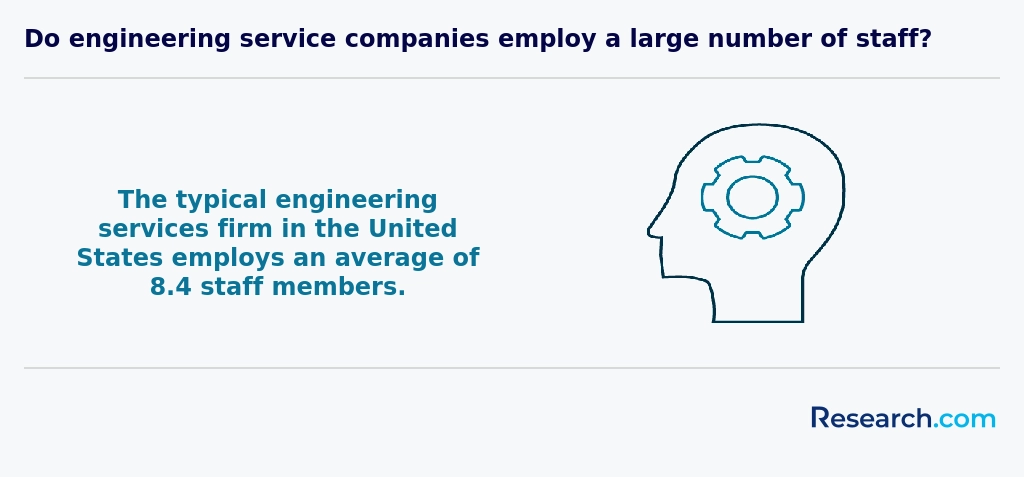
Engineering degree specializations in Evanston reflect a blend of traditional disciplines and cutting-edge fields, shaped by the city's vibrant academic environment. Graduates from leading Evanston institutions often highlight Civil, Mechanical, and Electrical Engineering for their strong foundations in infrastructure, manufacturing, and communication technologies. However, many students find inspiration pursuing interdisciplinary paths like Computer Engineering, where hardware meets software, or Environmental Engineering, focusing on sustainability and pollution control-critical for future-resilient communities.
Students frequently share how access to electives and research projects broadens their horizons, allowing them to explore emerging areas such as robotics, bioengineering, and materials science. This tailored education feels empowering, especially at schools known for the best engineering programs Evanston offers, where hands-on experience aligns closely with industry trends.
For those motivated by balancing innovation and affordability, exploring economical computer science degrees can complement an engineering track, easing financial pressures while enhancing tech skills.
Selecting the best engineering degree programs Evanston offers means looking beyond traditional factors and imagining how education will evolve. Graduates often share how their hands-on projects with local tech companies sparked creativity and real-world problem-solving confidence. Envision yourself gaining skills not only through lectures but via internships that leverage Evanston's unique position near Chicago's innovation hubs. Financial considerations also play a significant role; many students appreciate understanding the balance between tuition fees and available scholarships. Exploring top engineering schools Evanston tuition fees reveals a mix of affordable public options and prestigious private colleges, letting you tailor your path to both passion and budget. Consider the emerging trends in interdisciplinary engineering fields, like biomedical or sustainable technology, offered locally and nationally. Aligning your interests with future industry demands can shape a rewarding career. For detailed insights on the most valuable programs in the region, many refer to guides such as the valuable engineering school in illinois to inform their decision-making.
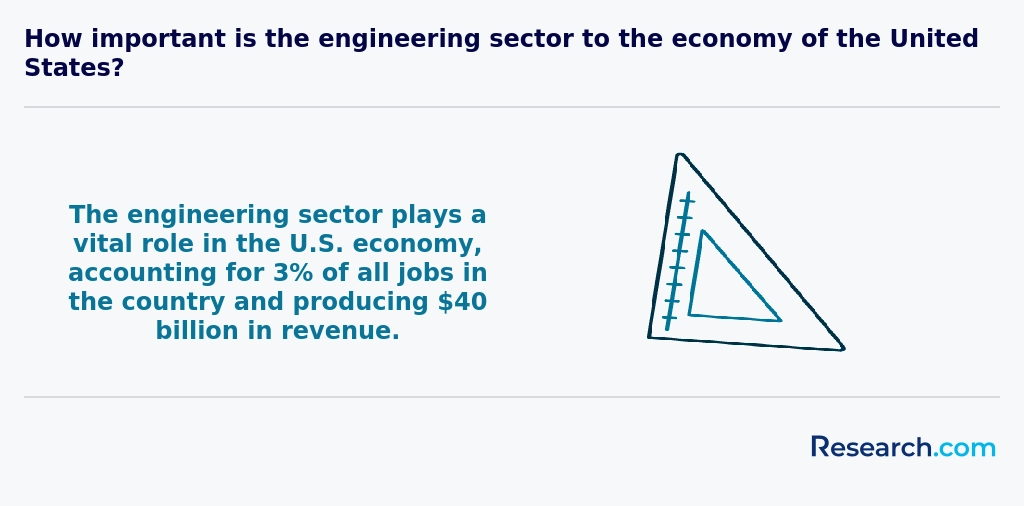
Graduates with engineering degrees in Evanston find themselves at the forefront of innovation, stepping into careers that blend traditional expertise with emerging fields. Many embark on paths in electrical or mechanical engineering, applying their skills to evolving industries like renewable energy and advanced manufacturing. Others discover exciting roles in computer engineering and software development, working closely with local startups and tech firms pushing boundaries in artificial intelligence and robotics.
At popular universities in Evanston, students often share stories of landing internships that expand their horizons, building experience in sectors as diverse as environmental engineering and biomedical technologies. This practical exposure helps graduates explore engineering career opportunities in Evanston that are both dynamic and impactful, addressing real-world challenges such as sustainable urban planning and automation.
As industries continue to evolve, engineers from Evanston are increasingly involved in data analysis and machine learning projects, benefiting from the city's proximity to Chicago's thriving tech ecosystem. Prospective students may also find valuable insights by consulting the ranking of the best online software engineering degrees, which further supports diverse career pathways for graduates.
The jobs with engineering degree Evanston graduates secure often combine innovation with community impact, opening doors to fulfilling roles across manufacturing, consulting, and public infrastructure, ensuring their skills remain in high demand.

The job market for engineering degree holders in Evanston is full of promising opportunities fueled by the city's proximity to Chicago and its vibrant tech scene. Graduates from Northwestern University often share how internships and co-op programs open doors to roles in software development and electrical engineering, areas where demand continues to grow rapidly. With career opportunities for engineers in Evanston expanding, many graduates find themselves contributing to major infrastructure projects or working alongside innovative startups, making the job outlook both exciting and dynamic.
Engineers specializing in civil or environmental fields benefit from ongoing urban development and sustainability initiatives, creating steady roles that offer meaningful community impact. The close connection between academia and industry in Evanston makes it easier for students to transition into the workforce, boosting confidence and long-term career prospects. For those exploring cost-effective pathways, the Inexpensive Engineering Degree Programs Ranking in Virginia provides alternative options that can lead to similarly strong job market outcomes.
2027 Most Valuable Engineering Degree Programs Ranking in Evanston
Investing in your education is a significant decision that can shape your future, and the Research.com team recognizes the importance of providing trustworthy and accurate information to guide that choice. To assist prospective students in Evanston, we have carefully developed the "2027 Most Valuable Engineering Degree Programs Ranking in Evanston." Our dedication to quality and credibility is demonstrated through rigorous research and thorough analysis.
We utilized the following reputable data sources to create this ranking:
By exploring this ranking, readers will gain valuable insights into the most valuable engineering degree programs available in Evanston, empowering them to make informed educational decisions that align with their career goals. For more information on how the ranking was created, please visit our Research.com methodology page.

Frequently Asked Questions About engineering
Engineering degree students in Evanston can maximize their learning by engaging deeply with both academic and practical opportunities. Northwestern University, a prominent institution in Evanston, offers access to cutting-edge research labs and centers like the Segal Design Institute, fostering innovation and hands-on projects. Students should take advantage of cooperative education programs, internships, and summer research opportunities to gain real-world experience alongside classroom learning.
Active participation in campus engineering organizations, such as the Society of Women Engineers or the Engineering Product Innovation Center, also enhances collaborative skills and professional networking. According to the National Science Foundation, practical experience improves job readiness, with over 70% of engineering graduates employed within six months. Leveraging Evanston's strategic location near Chicago's tech industry further expands internship and job opportunities.
Emerging niches within the engineering field reflect rapid technological and environmental changes, especially relevant for students in Evanston. One growing area is renewable energy engineering, focusing on sustainable power sources like solar and wind. According to the U.S. Bureau of Labor Statistics, jobs in this sector are expected to grow by over 12% by 2030.
Another key niche is biomedical engineering, where new medical technologies and devices are developed. Northwestern University, near Evanston, reports strong local research investments, attracting students interested in healthcare innovation.
Additionally, data engineering and artificial intelligence are expanding rapidly, with many companies in the Chicago metro area seeking engineers skilled in machine learning and big data analytics, offering promising career prospects for graduates.
Graduates with engineering degrees in Evanston can enhance their job prospects by gaining practical experience through internships and cooperative education programs offered by local universities and companies. According to the National Association of Colleges and Employers, completing internships can increase the likelihood of job offers by over 50%.
Building a strong professional network in Evanston is essential. Attending industry events, joining engineering societies like the IEEE or ASME, and leveraging university career services can provide valuable connections.
Additionally, sharpening technical skills in software commonly used in engineering fields-such as CAD or MATLAB-can boost employability. Staying updated on emerging technologies, including sustainable engineering practices, is also beneficial due to growing demand in Illinois' green technology sector.
Finally, preparing a clear, focused resume and practicing interview techniques tailored for engineering roles are crucial steps. Northwestern University's career center reports that well-prepared candidates tend to secure positions faster in the competitive Evanston market.
Employers in Evanston seek engineering graduates who demonstrate strong technical skills combined with practical problem-solving abilities. Proficiency in software like MATLAB, AutoCAD, and Python is highly valued. Communication skills, both written and verbal, are essential since engineers often collaborate across teams.
Additionally, data from the National Association of Colleges and Employers (NACE) highlights that 85% of engineering employers prioritize teamwork and critical thinking. Evanston's growing tech and manufacturing sectors emphasize adaptability and project management experience as well.
Understanding industry standards and safety regulations relevant to Illinois also gives candidates a competitive edge in the job market.
Finding internships in Evanston relevant to an engineering degree involves leveraging local university career centers, company websites, and internship fairs. Northwestern University, located in Evanston, offers robust support through its McCormick School of Engineering, connecting students to over 400 corporate partners each year.
Many local firms in tech, manufacturing, and environmental engineering offer internships, including startup incubators in the Evanston Innovation Center. According to the National Association of Colleges and Employers (NACE), about 60% of engineering students secure internships before graduation, improving job prospects.
Students should also use platforms such as Handshake, LinkedIn, and university job boards focused on the Evanston area to find opportunities tailored to engineering fields.
An engineering degree in Evanston significantly enhances career mobility and advancement opportunities. The city benefits from proximity to major technology firms and research institutions, offering graduates access to a dynamic job market. According to the U.S. Bureau of Labor Statistics, engineering occupations in the Chicago metropolitan area, which includes Evanston, are projected to grow by 6% from 2022 to 2032, faster than the average for all occupations.
Graduates with engineering degrees often see higher starting salaries and quicker promotion paths compared to non-degree holders. Additionally, Evanston's local universities maintain strong industry connections that facilitate internships, networking, and job placements, crucial for career growth. Engineering credentials also open doors to managerial and specialized technical roles.
Studying for an engineering degree in Evanston provides strong preparation for interdisciplinary roles due to the region's emphasis on collaborative learning and innovation. Evanston's engineering programs often incorporate coursework bridging fields such as computer science, business, and environmental studies. This approach helps students develop versatile skills valuable across multiple industries.
Evanston is home to institutions that encourage project-based learning, where students work in teams with peers from different academic backgrounds. According to the National Science Foundation, interdisciplinary research participation among engineering students in Evanston has grown steadily, reflecting industry demands for versatile professionals.
Exposure to real-world problems through internships and partnerships with local tech firms further enhances adaptability, critical for success in interdisciplinary careers.
When choosing between a thesis and a non-thesis engineering degree program in Evanston, consider your career goals and learning preferences. Thesis programs often suit students aiming for research, PhD studies, or roles in innovation-driven industries. They require conducting original research and writing a detailed thesis, which can develop deep technical expertise.
Non-thesis programs focus more on coursework and practical skills, appealing to those seeking immediate industry employment. These programs may include projects or internships but no formal research paper.
In Evanston, engineering schools typically offer both options, with thesis pathways often extending degree duration by one semester or more. According to U.S. News (2023), Evanston's tech sectors value research experience but also prioritize applied skills, so align your choice with specific employer preferences in the region.
Students based in Evanston seeking engineering degrees with an international experience can explore study abroad programs offered through local universities, most notably those affiliated with Northwestern University. Northwestern's McCormick School of Engineering facilitates multiple global exchange partnerships across Europe, Asia, and Australia, allowing students to earn credits abroad while applying to their degree.
Programs often range from summer research internships to semester-long study, emphasizing hands-on engineering practice in diverse cultural and academic environments. According to Northwestern's Office of Global Learning, around 10% of engineering undergraduates participate in study abroad annually.
Additionally, Evanston students can leverage U.S. federal resources such as the Gilman Scholarship, which supports underrepresented students in studying STEM fields internationally. Access to such opportunities helps Evanston-based engineering students gain a broader perspective on global engineering challenges and industry practices.
Students pursuing engineering degrees in Evanston can benefit from part-time job opportunities that provide practical experience and skill development. Local engineering firms often hire interns or part-time assistants, giving access to real-world projects and networking with professionals. Additionally, research assistant roles at Northwestern University, a leading institution in Evanston, offer valuable hands-on experience in engineering labs.
Technology startups and manufacturing companies in the nearby Chicago area frequently seek part-time workers with technical skills. According to the Bureau of Labor Statistics, engineering-related internships often lead to higher employability after graduation. Tutoring other STEM students is another common job, enhancing communication skills essential for engineers.
Engineering students in Evanston benefit from a variety of strong networking opportunities that connect them with industry leaders and peers. Northwestern University, a major educational institution in Evanston, hosts numerous career fairs and engineering-specific events, attracting top companies such as Boeing, Google, and Amazon. According to Northwestern's career services, over 80% of engineering students engage in internships through these connections.
Local professional organizations, like the Chicago chapter of the Society of Women Engineers and IEEE, frequently hold meetings and workshops nearby, fostering valuable contacts. Additionally, Evanston's proximity to Chicago's tech hubs offers access to startups and established firms for networking and collaboration.
Alumni networks play a crucial role for engineering degree students in Evanston by offering valuable professional connections and mentorship opportunities. Graduates from local institutions, such as Northwestern University, often participate in these networks, providing guidance on industry trends and career paths.
These networks facilitate internship placements and job referrals in the Chicago metropolitan area, where many engineering firms operate. According to a 2023 report by the National Association of Colleges and Employers, 70% of students secure jobs through alumni connections.
Additionally, alumni events and workshops allow students to develop soft skills and stay updated on technological advancements relevant to engineering fields.
Customizing an engineering degree program in Evanston allows students to align their education with specific career goals. Many local universities offer flexible curricula where students can choose electives, minors, or specialized tracks such as computer, mechanical, or environmental engineering. Internships and cooperative education programs with Evanston's tech and manufacturing sectors provide practical experience tailored to industry needs.
Additionally, students can engage in research projects under faculty guidance, focusing on emerging technologies or regional engineering challenges. According to the National Center for Education Statistics, engineering graduates with specialized coursework and practical experience tend to have higher early-career salaries and job placement rates in Illinois.
Academic advising offices in Evanston emphasize personalized degree planning to help students meet professional certification requirements, such as the Fundamentals of Engineering (FE) exam, further boosting career prospects.
Engineering students in Evanston commonly face significant academic pressure due to challenging coursework that includes advanced mathematics, physics, and practical design projects. Maintaining a high GPA is crucial, as the competitive job market rewards strong academic performance. According to the National Society of Professional Engineers, around 40% of engineering students nationwide struggle with time management, which is also true in Evanston's rigorous programs.
Many students report difficulties balancing laboratory work and theoretical classes, which require both technical skills and creative problem-solving. Financial challenges are also notable, with tuition and living costs in Evanston rising above national averages according to College Board data.
Additionally, adapting to rapid technological changes and staying updated with evolving industry standards present ongoing hurdles for engineering students aiming to remain competitive after graduation.
With an engineering degree, several professional certifications can enhance your career prospects, especially in the competitive market of Evanston and the broader U.S. One of the most recognized is the Professional Engineer (PE) license, which allows engineers to sign off on projects and assume legal responsibility. To earn it, candidates typically need a degree from an ABET-accredited program, pass the Fundamentals of Engineering (FE) exam, and accumulate relevant work experience.
Other valuable certifications include the Project Management Professional (PMP) and Certified Manufacturing Engineer (CMfgE), which improve leadership and technical credentials. According to the National Society of Professional Engineers, PE license holders earn about 20% more on average. Local employers in Evanston, particularly in technology and infrastructure sectors, highly value these certifications.
To write a winning application for an engineering program in Evanston, start by showcasing your strong academic background, especially in math and science. Many local programs, including those at Northwestern University, emphasize a competitive GPA-typically above 3.5-and high standardized test scores. Highlight relevant extracurriculars such as robotics clubs or internships, demonstrating practical experience and passion for engineering. Writing a clear, focused personal statement explaining your motivation and career goals is essential. Additionally, obtaining strong recommendation letters from STEM teachers or mentors can greatly boost your application. Remember to carefully follow all application deadlines and requirements outlined by each institution.
Engineering careers are increasingly viewed through a global lens, reflecting the interconnected nature of modern technology and industry. In the United States, including Evanston, engineers are expected to understand international standards and collaborate across borders. According to the U.S. Bureau of Labor Statistics, the demand for engineers remains strong, growing around 4% nationwide through 2031.
Many Evanston programs emphasize global competencies, offering exchange opportunities and projects with international partners. Engineers with such skills often find enhanced job prospects, especially in multinational companies and research organizations.
Global challenges like climate change and artificial intelligence require engineers who can operate innovatively worldwide. Mastery of global engineering ethics, regulations, and sustainable practices is vital for career growth in this field.
Students pursuing engineering degrees in Evanston can gain practical experience through several key opportunities. Internships with local companies, especially in the tech and manufacturing sectors, provide valuable hands-on work. Northwestern University, based in Evanston, offers cooperative education programs and research assistantships that connect students to real-world projects.
Engineering students are encouraged to participate in university-affiliated labs and innovation centers where they can apply theoretical knowledge. Additionally, student-run engineering clubs often collaborate with local businesses on design and build projects, enhancing practical skills.
According to data from the National Association of Colleges and Employers, nearly 60% of engineering students nationwide complete internships before graduation, increasing their job prospects.
Choosing the right concentration within an engineering degree program in Evanston requires careful consideration of your interests, career goals, and local industry demands. Evanston is home to several engineering schools known for specialties like mechanical, electrical, and computer engineering. According to the U.S. Bureau of Labor Statistics, engineers in Illinois can expect a median annual wage above the national average, with computer engineers often earning more than $110,000. Research local employer needs by exploring companies in Chicago's tech corridor nearby, which influences concentration popularity and job prospects. Also, consult academic advisors to align coursework with your aspirations.
- 2027 Most Valuable Engineering Degree Programs Ranking in Chicago
- 2027 Most Valuable Engineering Degree Programs Ranking in Milwaukee
- 2027 Most Valuable Engineering Degree Programs Ranking in Detroit
- 2027 Most Valuable Engineering Degree Programs Ranking in Dayton
- 2027 Most Valuable Engineering Degree Programs Ranking in Saint Louis
- 2027 Most Valuable Engineering Degree Programs Ranking in Cleveland
- 2027 Most Valuable Engineering Degree Programs Ranking in Minneapolis
- 2027 Most Valuable Engineering Degree Programs Ranking in Nashville
- 2027 Most Valuable Engineering Degree Programs Ranking in Pittsburgh
- 2027 Most Valuable Engineering Degree Programs Ranking in Huntsville
See What Experts Have To Say About Studying Engineering
Read our interview with Engineering experts

Jasna Jankovic
Engineering Expert
Associate Professor
University of Connecticut

Bohdan W. Oppenheim
Engineering Expert
Professor Emeritus of Healthcare Systems Engineering
Loyola Marymount University

Joseph Reichenberger
Engineering Expert
Professor of Civil Engineering & Environmental Science
Loyola Marymount University

- The engineering career mobility report: Who gets promoted? https://www.signalfire.com/blog/engineering-career-trends-pt1
- Study Engineering Abroad https://yocket.com/blog/study-engineering-abroad
- Guide to Types of Engineering Programs and Careers https://www.ycp.edu/news/types-of-engineering-degree-programs
- Thesis vs. Non-Thesis Master's Programs: Which is Right for You? https://potomac.edu/thesis-vs-non-thesis-masters/
- Enrollment in Career and Technical Courses at ETHS Continues to Grow - Evanston RoundTable https://evanstonroundtable.com/2018/03/07/enrollment-in-career-and-technical-courses-at-eths-continues-to-grow/
- Mechanical Engineering at Northwestern University https://www.uniflik.com/study-abroad-universities/Northwestern-University/courses/Mechanical-Engineering-20001147
- 6+ Engineering Cover Letter Examples (with In-Depth Guidance) https://www.tealhq.com/cover-letter-examples/engineering
- Student blog: Networking tips for engineering students https://asu-london.ac.uk/news/student-blog-networking-tips-for-engineering-students/
- Engineering Students' Challenges And Ways To Overcome Them - Bgi Bhopal https://bgibhopal.com/overcoming-challenges-as-an-engineering-student/
- Northwestern Engineering + Campus Life Guide | SchoolScoops https://www.schoolscoops.com/l/northwestern-engineering-campus-life-guide/6a3b2b2d-17e3-4060-b97c-8bb88647db76





