2027 Most Affordable Engineering Degree Programs Ranking in Saint Paul

Co-Founder and Chief Data Scientist
Choosing the right engineering degree program in Saint Paul can be overwhelming. This article introduces the 2027 Most Affordable Engineering Degree Programs Ranking in Saint Paul, created by the Research.com team of data scientists.
It's designed to help you make an informed decision by highlighting programs that combine quality education with affordability. Earning an engineering degree opens doors to exciting career opportunities and personal growth.
Explore this ranking to find the best fit for your goals and budget, making your educational journey both smart and rewarding.
Key benefits of getting engineering degree in Saint Paul
- Engineering graduates in Saint Paul can expect strong salaries, with Electrical Engineers earning around $117,680 annually and Mechanical Engineers about $105,220, showing great earning potential in the local job market.
- Graduates from universities like the University of St. Thomas often find diverse career paths available, ranging from civil and industrial engineering to advanced roles in technology and project management.
- Completing an engineering degree online through institutions such as Saint Paul College offers flexibility and accessibility, making it easier to balance work and study while gaining respected qualifications.
- 2027 Most Affordable Engineering Degree Programs Ranking in Saint Paul
- What can I expect from engineering degree in Saint Paul?
- Where can I work with engineering degree in Saint Paul?
What can I expect from engineering degree in Saint Paul?
The average cost of pursuing an engineering degree in Saint Paul often surprises students who expect high expenses typical of private institutions. Public universities here offer engineering programs averaging around $10,000 per year in in-state tuition-an accessible investment for many. Graduates from these local schools frequently reflect on how this affordability allowed them to focus less on debt and more on immersing themselves in hands-on lab work, internships, and cooperative education opportunities offered in partnership with industry leaders in Saint Paul's tech and manufacturing sectors.
Imagine a student at the University of Minnesota-Twin Cities diving into software engineering projects during the day and collaborating with 3M or Ecolab on internships by summer. This practical exposure, combined with manageable tuition costs, shapes a learning experience that feels both challenging and rewarding without overwhelming financial stress.
Such affordability in Saint Paul's engineering education isn't just a number-it redefines what it means to prepare for a competitive job market while balancing economic realities. This balance encourages a focus on growth, innovation, and real-world skills rather than just worrying about finances.
Where can I work with engineering degree in Saint Paul?
Graduates from engineering programs at institutions like the University of St. Thomas and Hamline University in Saint Paul often find themselves immersed in dynamic career landscapes far broader than traditional expectations. Many discover roles in manufacturing hubs, where mechanical and industrial engineering degrees translate into hands-on product design and quality assurance projects-imagine collaborating on innovations in factories that power the Twin Cities economy.
Others with electrical or software engineering backgrounds step into thriving tech startups and established companies, diving into automation or embedded systems development. These environments foster excitement as graduates apply classroom theories to real-world challenges, driving innovation in looming sectors.
Engineering students also share stories of landing opportunities with aerospace giants near Saint Paul, contributing to cutting-edge materials science research and defense technologies. Meanwhile, civil and environmental engineers engage with city infrastructure projects, shaping the very streets and water systems that their communities depend on.
The emerging biomedical field, supported by medical device firms and research institutes, invites fresh engineers to innovate in healthcare technology, blending science and empathy. Such diverse paths reveal that studying engineering in Saint Paul unlocks career doors powered by local industry, creativity, and impact.
Graduates from engineering programs in Saint Paul often find themselves entering a rewarding financial landscape. For example, a mechanical engineering graduate from the University of St. Thomas might start with an average salary of about $105,220 annually according to the latest BLS data, providing a solid foundation just as they launch their careers. Similarly, electrical engineering graduates can anticipate an even higher mean salary of around $117,680, reflecting the regional industries' robust demand for technical expertise in electronics and power systems.
Consider a civil engineering graduate from Hamline University who steps into roles supporting local infrastructure projects and earns approximately $101,160 per year. These figures challenge the notion that early-career engineering jobs are anything less than lucrative in Saint Paul, especially when paired with the city's growing economy and competitive industries.
Graduates often share that securing internships while studying not only builds skills but boosts confidence to command salaries near these averages. The prospect of earning $100,000+ right out of college is not just a number-it's the launching pad for an exciting professional journey in a city that values engineering innovation and expertise.
- Saint Paul offers accredited engineering programs in civil, mechanical, electrical, and software engineering that meet ABET standards.
- Yearly tuition for public universities ranges from $9,000 to $15,000 for in-state students, while private schools can cost over $30,000 per year.
- The total cost for a four-year engineering degree, including fees and living expenses, typically ranges between $50,000 and $100,000.
- Starting salaries for engineering graduates average around $65,000 annually, with mid-career salaries rising to between $90,000 and $110,000.
- The local job market shows steady demand in software, civil, and mechanical engineering fields, with growth projected to meet or exceed the national average.
- Students have access to internships and co-op programs through local businesses and government agencies, enhancing job prospects after graduation.
Completing an engineering degree in Saint Paul usually takes about four years, mirroring the typical Bachelor of Science timeline at institutions like the University of Minnesota. Graduates often describe a balanced journey of challenge and growth, fueled by a well-structured curriculum of 120 to 130 credit hours. The sense of accomplishment from finishing on time is powerful, especially when students see their hard work reflected in hands-on projects and internships offered by local universities.
Yet, this timeline is not set in stone for everyone. Some students choose part-time enrollment to juggle work or family, extending their studies beyond four years. Others embrace co-op programs, gaining invaluable real-world experience but adding one or two extra semesters. Choosing a demanding field like chemical or electrical engineering can also stretch your time but enrich your expertise.
Saint Paul's engineering students often share how timely graduation not only boosts confidence but also makes financial sense, given tuition costs around $15,000 annually for in-state attendees. The prospect of finishing promptly often drives a focused, motivated mindset that resonates deeply in this thriving academic community.
After earning your bachelor’s degree in engineering, many Saint Paul graduates choose to enhance their qualifications and career prospects through graduate studies or professional certificates. Pursuing a master’s degree can deepen your expertise in specialized areas like industrial, mechanical, or electrical engineering, and open doors to leadership roles or research positions. For those balancing work and study, consider flexible online pathways such as the best online masters in industrial engineering program, which offershands-on projects, virtual labs, and mentorship from industry experts. Graduate programs in Minnesota often span one to two years, with coursework covering advanced topics like systems optimization, supply chain management, and data analytics. Many institutions also provide professional certificates-shorter, skill-focused credentials that build competencies in areas such as project management, Six Sigma, or renewable energy systems. These certificates can be earned alongside full-time work and help you stay current with evolving industry standards. Before applying, review each program’s admission requirements, such as minimum GPA, relevant work experience, and prerequisite coursework. Look for institutions that offer research opportunities, assistantships, or tuition support to offset costs. By strategically choosing a graduate path-whether a master’s degree or specialized certificate-you’ll position yourself for higher earning potential, greater job security, and roles that drive innovation in Saint Paul’s vibrant engineering community.
Choosing between online and on-campus engineering degrees in Saint Paul is more than a convenience decision-it shapes your entire learning experience. Graduates from the University of Minnesota recall the energy of bustling labs and face-to-face mentorship that on-campus study uniquely provides. Here, the hands-on access to workshops and collaboration spaces fuels confidence and skill-building in ways digital platforms can't fully replicate.
Conversely, those who pursued online options value the freedom to juggle work and family, finding a rhythm in their coursework that traditional schedules couldn't offer. Yet, they often highlight moments when occasional in-person labs or exams-sometimes held locally-remind them that engineering demands tangible practice beyond screens.
Saint Paul's rising tuition and housing costs add another layer to this choice. While on-campus students face notable expenses, online learners find savings yet cautiously navigate limited networking with local firms. Reflecting on these differences invites a deeper question: which environment truly nurtures your growth as an engineer in this vibrant metro area?
The average cost of an engineering degree in Saint Paul typically centers around a median total of $62,761. This figure reflects the cumulative tuition expenses that many local students encounter when pursuing engineering at well-regarded institutions such as the University of Minnesota, Twin Cities campus, or other specialty colleges in the area. In fact, graduates often describe balancing the tuition cost with a rich campus experience, access to cutting-edge labs, and supportive academic communities that justify the investment.
Students who qualify as in-state residents may find their total expenses more manageable, with median costs closer to $49,312. These lower in-state costs make engineering degrees more attainable for local students, encouraging a strong connection between Saint Paul's engineering programs and the community's economic growth. Even so, future engineers must consider that this figure does not include additional fees, housing, or materials, often adding substantially to students' financial planning.
Exploring how current engineering students stretch their budgets reveals practical avenues for managing expenses, such as applying for scholarships or participating in work-study programs. Many also seek out organizations that specifically support engineering majors. For those weighing options, it is worth consulting resources on the affordable engineering schools in minnesota to find programs that align with financial goals without compromising quality.
Understanding the average cost of engineering degree in Saint Paul invites reflection not only on tuition but on the overall value these programs deliver. Graduates frequently share a sense of pride and achievement, recognizing that their investment is a stepping stone toward careers filled with innovation and impact.
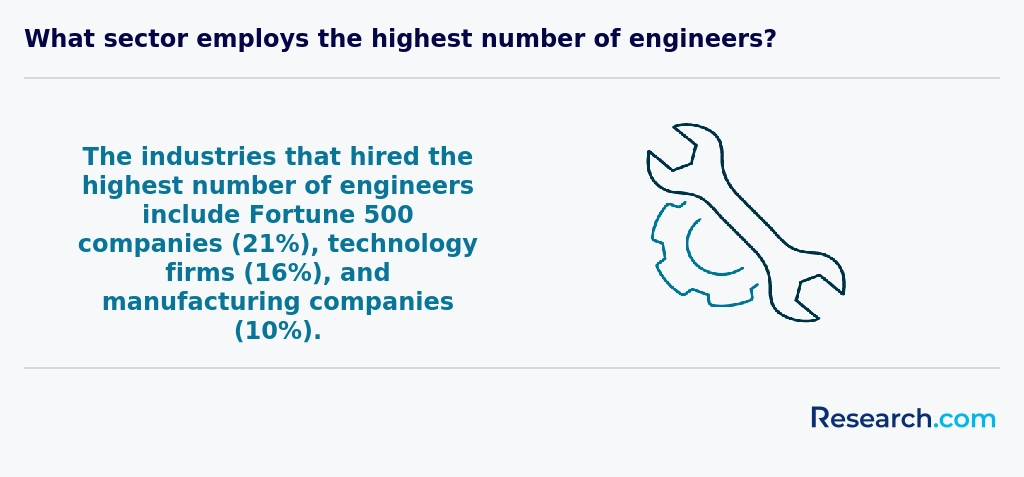
Calculating the return on investment (ROI) of an engineering degree involves comparing total educational costs against projected earnings. In Saint Paul, MN, the average in-state tuition for a bachelor’s program is approximately $40,000–$50,000, while out-of-state students may pay up to $70,000. When you factor in living expenses (around $15,000 per year) and fees, the total cost over four years can range from $100,000 to $140,000. By contrast, entry-level salaries for engineering graduates in Saint Paul begin around $65,000–$75,000 annually, with Mechanical Engineers averaging $100,820 and Electrical Engineers $114,050. Assuming a starting salary of $70,000 and a modest 3% annual salary growth, most graduates can expect to recoup their investment in roughly 3–5 years. Securing paid internships or co-op positions-common at institutions like the University of St. Thomas-can further shorten this payback period by offsetting costs early. To maximize ROI:
- Leverage scholarships and grants to reduce upfront costs.
- Pursue work-study and on-campus employment to gain experience while covering living expenses.
- Choose programs with strong industry partnerships, as these often lead to higher starting salaries and quicker job placement. For students exploring affordability metrics across regions, check out the Most Affordable Engineering Degree Programs Ranking in Massachusetts to compare ROI benchmarks and financial strategies used by peers in neighboring states.
Many engineering students in Saint Paul find financial aid not just a necessity but a lifeline, transforming anxiety into hope. Graduates recall how applying for the Free Application for Federal Student Aid (FAFSA) unlocked access to Federal Pell Grants that lightened their tuition burden by thousands without repayment worries. Those attending institutions like the University of Minnesota Twin Cities often emphasize how Minnesota State Grants provided vital support tailored to local residents, bridging gaps that federal aid alone couldn't cover.
Scholarships from professional bodies such as the Society of Women Engineers have empowered students-especially from underrepresented groups-to pursue their ambitions with confidence. Work-study roles within Saint Paul community colleges allowed many to blend earning with practical engineering experience, making education feel more attainable and purposeful.
Even federal Direct Subsidized Loans, often viewed negatively, become tools for responsible students to manage costs while focusing on their studies, knowing interest accrues only after graduation. For those aiming at engineering success, exploring every avenue of aid transforms daunting tuition expenses into realistic, manageable goals.
Recent insights from industry professionals and academic experts underscore the evolving landscape of engineering education in Saint Paul, MN. Experts note that the combination of innovative curriculum design and strong partnerships with local industries has been a game-changer, not only in enhancing academic rigor but also in aligning programs with emerging market needs. For example, several leading engineers emphasize that hands-on projects combined with real-time problem-solving scenarios offer students a significant competitive advantage in today's dynamic sector. Furthermore, industry trends suggest that sustainable design and renewable energy solutions will play an increasingly critical role in shaping the next generation of engineering challenges and opportunities. This forward-looking perspective is particularly valuable for prospective students who are evaluating their educational investments, as it provides a clearer picture of future market demands and technological advancements. To discover more about how current data and expert opinions shape program rankings, you can review our detailed list of affordable engineering schools in minnesota. Overall, these expert insights not only enhance the credibility of the available educational resources but also empower students to make a more informed decision about their academic and professional future.
To enroll in an engineering degree program in Saint Paul, students must go beyond just meeting basic academic requirements-they need a solid foundation in math and science that mirrors real classroom experiences at local institutions. Graduates from Saint Paul-based colleges often recall how calculus classes and physics labs became the backbone of their preparation, proving indispensable for tackling the rigorous engineering curriculum.
High school students aiming for these programs typically need advanced coursework in algebra, geometry, and calculus. It's not enough to pass these classes; excelling in them builds confidence and readiness for the technical challenges ahead. Science subjects like chemistry and physics with lab components also sharpen problem-solving skills essential in engineering.
Standardized test scores like the SAT or ACT still matter at many Saint Paul universities, especially math scores that exceed national averages. Many successful engineering students highlight how their strong performance in these tests opened doors and solidified their passion. Additionally, letters of recommendation and personal statements are often the elements that allow applicants to show genuine enthusiasm and a clearer sense of purpose-things that textbooks alone cannot teach.
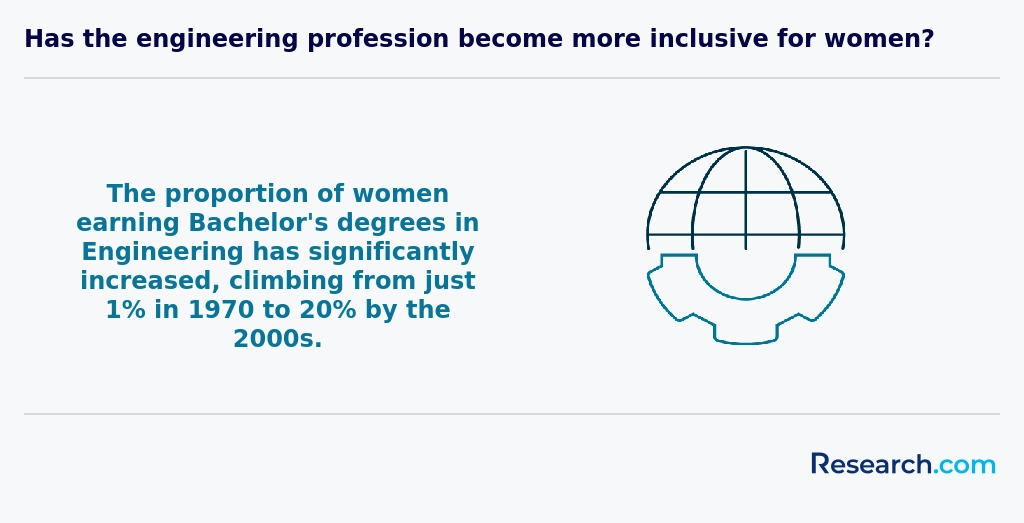
Engineering students in Saint Paul soon realize that their journey begins with mastering core subjects like calculus, physics, and chemistry-foundations that feel abstract until applied in real-world contexts. At the University of Minnesota Twin Cities, for example, graduates recount how early exposure to computer programming transformed their approach to problem-solving, turning theoretical algorithms into tangible design tools.
As the curriculum progresses, students navigate specialized courses based on their discipline. Mechanical engineering students grapple with thermodynamics and fluid mechanics, often relating classroom concepts to hands-on projects, like designing small engines or testing materials, which spark genuine excitement and confidence. Electrical engineering students dive into circuit analysis and signal processing, gaining skills that feel immediately relevant when creating functional electronic prototypes in campus labs.
Beyond technical expertise, courses in statistics, engineering ethics, and technical communication challenge students to think critically about their professional roles, encouraging a mindful approach rather than just technical competence. Saint Paul's engineering programs don't just build engineers-they shape innovators ready to engage thoughtfully and creatively with complex challenges.
Engineering degree specializations in Saint Paul are far from one-dimensional. Graduates from local universities often describe their study experience as a balancing act between traditional fields like Civil and Mechanical Engineering and newer disciplines shaped by regional industry demands. For example, civil engineers contribute directly to the growing infrastructure projects throughout the Twin Cities, experiencing the tangible impact of their work in city bridges and roads. Meanwhile, mechanical engineering students find themselves drawn to Minnesota's manufacturing hubs, where designing innovative machinery sparks a deep sense of purpose.
Saint Paul engineering program concentration options also include Electrical Engineering and Environmental Engineering, areas born from the necessity to harmonize technology with sustainability. Former students have shared how projects on water quality and pollution gave their coursework real-world weight, inspiring a connection to the community. Another frequent choice is Computer Engineering, where the challenge of melding software and hardware development aligns perfectly with job growth trends in the region's tech sector.
For those seeking to push boundaries, options like biomedical or industrial engineering are accessible, with some colleges offering pathways that reflect national trends. Prospective students interested in tailoring their focus can explore offerings such as a best online masters in industrial engineering program, blending flexibility and expertise to meet evolving career goals.
Choosing the best engineering degree in Saint Paul demands more than just picking a reputable school; it calls for a deep reflection on how certain programs align with your personal career vision. Graduates from local universities often share how hands-on internships with Minnesota's thriving tech and manufacturing sectors transformed theoretical knowledge into tangible skills-something no textbook alone can guarantee. For those weighing options, it's crucial to prioritize ABET-accredited programs, as this certification validates the quality and industry relevance of your education.
Cost often becomes the primary concern, but students who dive deeper realize that understanding total expenses-including living costs and materials-is key to avoiding surprises. Saint Paul's engineering degrees strike a balance between affordability and quality, demonstrated through comprehensive course offerings that cater to diverse interests like environmental or software engineering. To explore financial options thoroughly, consult resources such as the Most Affordable Engineering Degree Programs Ranking in Massachusetts.
Ultimately, immersing yourself in faculty research projects and examining job placement rates spotlight what sets top engineering programs Saint Paul cost-wise and value-wise. Graduates recall how accessing cutting-edge labs and networking locally made all the difference in their early careers, proving that a degree's worth transcends just tuition fees.

Graduates with an engineering degree in Saint Paul find themselves at the crossroads of diverse career paths that challenge traditional expectations. Civil engineers, for example, transform urban landscapes by designing vital infrastructure projects that many graduates from the University of Minnesota take pride in, knowing their work directly impacts community growth. Mechanical engineers often thrive in local manufacturing hubs, experiencing the satisfaction that comes from contributing to heavy machinery or automotive innovations.
Many who pursue Saint Paul engineering degree job prospects discover opportunities beyond conventional roles. Environmental engineers tackle pressing climate issues by developing sustainable solutions that resonate personally with those eager to make a difference. Software and computer engineers increasingly find themselves at the heart of Minnesota's expanding tech scene, coding for startups and legacy firms alike. Students reflect on how internships and cooperative education programs offered by popular colleges sharpen their skills in real-world settings, making their transition into these varied fields seamless. For prospective students seeking best college majors for jobs, the engineering career opportunities in Saint Paul hold surprising breadth and promise.
The job market for engineering degree holders in Saint Paul is both dynamic and promising, reflecting the city's diverse industrial base and commitment to innovation. Graduates from well-regarded local universities often find themselves in competitive positions within manufacturing, civil infrastructure, and technology sectors. This steady demand proves rewarding, as many report salaries ranging from $85,000 to $95,000, slightly above the national average. Those pursuing engineering degree job opportunities Saint Paul discover a landscape that values practical skills alongside academic credentials, where projects rooted in sustainable development and urban growth bring real impact to daily life.
Students have shared experiences of hands-on internships with companies like 3M and collaborations through Minnesota's Department of Employment and Economic Development, which enhance employability. For prospective students, balancing education costs and market prospects is vital; several institutions offer programs that make the return on investment tangible, particularly when combined with certification programs that pay well. The interplay of affordability and opportunity challenges the typical hesitancy about engineering careers in mid-sized cities.
2027 Most Affordable Engineering Degree Programs Ranking in Saint Paul
Investing in your education is a significant decision that can impact your future career and personal growth. The Research.com team recognizes the importance of making well-informed choices, which is why we have carefully developed the "2027 Most Affordable Engineering Degree Programs Ranking in Saint Paul." Our dedication to quality, credibility, and accuracy is demonstrated through rigorous research and thorough analysis.
We utilized the following reputable data sources to ensure a comprehensive evaluation of engineering degree programs:
By exploring this ranking, readers will gain valuable insights into the most affordable engineering degree options in Saint Paul, empowering them to make informed decisions about their education and financial investment. For more information on how this ranking was compiled, please visit our Research.com methodology page.


Frequently Asked Questions About engineering
Engineering students in Saint Paul can maximize their learning experience by actively engaging with local internship opportunities. The Twin Cities area hosts numerous companies in sectors like manufacturing, electronics, and software, providing practical experience that complements classroom knowledge.
Participating in university-affiliated research projects also enhances understanding. For example, the University of Minnesota offers engineering students access to cutting-edge labs and faculty-led studies, enriching their technical skills.
Joining professional organizations such as the Minnesota Society of Professional Engineers helps students network and stay updated on industry trends. Additionally, attending Saint Paul workshops and career fairs increases exposure to local employers actively seeking engineering talent. According to the Minnesota Department of Employment and Economic Development, engineering-related jobs in the Twin Cities are projected to grow, making real-world experience vital for success.
Emerging niches within engineering reflect evolving technology and societal needs, especially relevant for students seeking degrees in Saint Paul. Areas like renewable energy engineering are gaining traction, as Minnesota pushes toward sustainable energy goals. According to the U.S. Bureau of Labor Statistics, jobs in environmental and civil engineering related to green infrastructure are expected to grow faster than average through 2030.
Another developing field is biomedical engineering, with Saint Paul's proximity to healthcare hubs supporting innovation in medical devices and healthcare technology. Data from the Minnesota Department of Employment shows increasing demand in this area, bolstered by collaborations between local universities and hospitals.
Additionally, software and systems engineering tied to artificial intelligence and cybersecurity represent strong growth sectors nationally and locally, reflecting industry needs in the Twin Cities metro area.
Preparing for the job market after earning an engineering degree in Saint Paul involves focusing on relevant skills and local opportunities. According to the Minnesota Department of Employment and Economic Development, STEM jobs, including engineering, are projected to grow by 8% through 2030 in this region. Students should enhance their technical skills, such as CAD software and programming, while also developing soft skills like communication and teamwork, highly valued by local employers.
Internships and cooperative education programs offered by Saint Paul-area colleges provide practical experience and networking, which increase employment chances. Additionally, joining professional organizations like the Minnesota Society of Professional Engineers can connect graduates with mentors and job leads.
Employers in Saint Paul highly value engineering graduates who demonstrate strong technical skills, including proficiency in computer-aided design (CAD) and data analysis. According to a 2023 report by the Minnesota Department of Employment and Economic Development, 85% of local engineering firms seek candidates skilled in software relevant to their specific industry.
Beyond technical abilities, communication and teamwork are essential. Employers report that nearly 70% of successful hires show strong collaboration skills, vital for project-based work prevalent in Saint Paul's engineering sector.
Problem-solving and adaptability abilities are also prioritized. The fast-evolving technological landscape requires engineers who can innovate and respond to new challenges efficiently, as emphasized by local industry surveys.
Finding engineering internships in Saint Paul involves leveraging local university resources and industry connections. Many institutions, including the University of Saint Thomas and Hamline University, offer dedicated career services that connect students with engineering employers in the Twin Cities area. Saint Paul's proximity to major companies in sectors like manufacturing and technology provides diverse opportunities.
The Minnesota Department of Employment and Economic Development reports steady growth in engineering-related jobs, enhancing internship availability. Students should attend career fairs, join engineering student organizations, and utilize online platforms such as Handshake, which is popular in Minnesota universities.
Building relationships with local companies like 3M or Ecolab through networking events can increase internship chances. Additionally, exploring Saint Paul's city government and nonprofit engineering projects offers practical experience options for students looking to strengthen their resumes.
Obtaining an engineering degree in Saint Paul significantly enhances career mobility and advancement opportunities. The city's strong manufacturing and technology sectors, including companies like 3M and Ecolab, create demand for skilled engineers. According to the U.S. Bureau of Labor Statistics, engineers in the Minneapolis-Saint Paul metropolitan area enjoy a median annual wage approximately 10% higher than the national average for engineering roles. This wage premium reflects employers' preference for degree holders when considering promotions and broader responsibilities.
Furthermore, local employers often prioritize candidates with accredited engineering degrees, as these credentials meet industry standards. Graduates benefit from professional networks and internship opportunities provided by Saint Paul's universities, improving job placement rates.
Studying for an engineering degree in Saint Paul equips students with a strong foundation in technical skills while encouraging collaboration across multiple disciplines. Local institutions integrate courses in technology, business, and environmental science, reflecting the city's diverse industrial landscape.
Many programs emphasize teamwork and project-based learning, which mirror real-world engineering challenges. According to the Minnesota Department of Employment and Economic Development, Saint Paul's employers increasingly seek engineers comfortable with interdisciplinary communication, especially in fields like manufacturing and urban infrastructure.
Additionally, partnerships with local industries provide students opportunities for internships and applied learning experiences. These experiences help future engineers adapt to roles that require knowledge beyond traditional engineering, such as data analysis and regulatory compliance.
When choosing between a thesis and a non-thesis engineering degree program in Saint Paul, students should consider their career goals and learning preferences. Thesis programs typically require original research and a written document, which benefits those interested in pursuing a PhD or careers in research and development.
Non-thesis options focus more on coursework and practical skills, suited for students aiming to enter the workforce quickly or advance in industry roles. According to the Minnesota Office of Higher Education, several Saint Paul universities offer both formats, with tuition rates ranging from $10,000 to $18,000 annually for in-state students.
Additionally, thesis students often gain mentorship from faculty, while non-thesis students may engage in internships or projects to build experience. Evaluating time commitment is also key; thesis paths often take longer to complete.
Students based in Saint Paul seeking engineering degrees abroad have multiple pathways through U.S. institutions offering study abroad programs. Universities such as the University of Minnesota Twin Cities, located near Saint Paul, provide engineering students with exchange programs and partnerships in countries including Germany, Japan, and Spain. These programs often include summer research internships or semester-long exchanges.
According to NAFSA: Association of International Educators, approximately 11% of U.S. engineering undergraduates participate in study abroad, highlighting growing interest. Saint Paul students can access scholarships and grants to help cover costs, including federal funding like the Gilman Scholarship.
Careful planning is advised to ensure credits transfer back to home institutions in Saint Paul for degree completion. Coordination with academic advisors is essential to align foreign coursework with degree requirements.
Saint Paul offers diverse part-time job opportunities that can effectively complement an engineering degree education. Many students find internships or co-op positions at local firms specializing in manufacturing, technology, and infrastructure development. Companies like 3M, headquartered nearby in the Twin Cities, often provide part-time roles in research and development or quality assurance.
Additionally, the growing tech startup scene in Saint Paul creates openings for roles in software engineering, CAD modeling, and systems analysis. According to the Saint Paul Department of Planning and Economic Development, engineering employment in the region is projected to grow by 5% over the next decade, emphasizing the availability of related work.
Positions in university labs and municipal public works also offer practical experience and flexible hours, making them suitable for students balancing coursework. These roles enable hands-on application of engineering principles while building professional networks critical for future employment.
Engineering students in Saint Paul benefit from a variety of networking opportunities to advance their careers. The city hosts several professional organizations such as the Minnesota Society of Professional Engineers, which offers networking events, workshops, and mentorship programs tailored for engineering disciplines.
Local universities, including the University of Minnesota's Twin Cities campus nearby, provide student chapters of national groups like the Society of Women Engineers and the Institute of Electrical and Electronics Engineers. These groups connect students with industry professionals and potential employers.
Additionally, Saint Paul's proximity to the Twin Cities' robust engineering sector allows students to attend job fairs and industry conferences throughout the year. According to the Minnesota Department of Employment and Economic Development, the region employs over 40,000 engineering professionals, creating a strong local network.
Alumni networks play a significant role in supporting engineering degree students in Saint Paul. These networks offer access to experienced professionals who graduated from local universities, such as the University of St. Thomas and Minnesota State University, Mankato's satellite programs. Alumni often provide mentorship, helping current students navigate academic challenges and career planning. Research from the National Association of Colleges and Employers shows that 85% of jobs are filled through networking, highlighting the practical benefits for students connected to active alumni groups. Additionally, alumni networks facilitate internships and job opportunities within Saint Paul's growing engineering sector, especially in manufacturing and technology industries.
Customizing an engineering degree program in Saint Paul allows students to align their education with specific career goals in a competitive job market. Many local institutions offer flexible curricula, including elective courses, specialized tracks, and internship opportunities tailored to industries prominent in the region, such as manufacturing and technology.
Students can choose concentrations like civil, mechanical, or electrical engineering to match career interests. Additionally, partnerships with Saint Paul businesses enable practical experience and networking, vital for future employment. Academic advisors can help design a personalized study plan, combining technical knowledge with soft skills development to meet evolving industry demands.
Engineering students in Saint Paul often face challenges related to rigorous coursework and time management. The demanding nature of STEM classes requires strong analytical skills and consistent study habits. According to the National Survey of Student Engagement, engineering students report spending over 30 hours per week on academic work.
Another common issue is access to hands-on experience. While Saint Paul benefits from proximity to industries like manufacturing and technology, securing internships can be competitive. Local institutions encourage practical learning, but limited spots mean some students must seek opportunities farther away.
Finally, financial pressures remain a concern. Tuition costs for engineering programs in Minnesota average around $10,000 per year for in-state students, plus expenses for materials and specialized software. Balancing work, study, and personal obligations requires effective planning and support.
With an engineering degree earned in Saint Paul, graduates can pursue several key professional certifications that enhance career opportunities. One of the most recognized is the Professional Engineer (PE) license, which requires passing the Fundamentals of Engineering (FE) exam, gaining relevant work experience, and passing the PE exam. This license is essential for engineers who want to offer services directly to the public.
Other certifications include the Certified Manufacturing Engineer (CMfgE) and Project Management Professional (PMP). Local employers in Saint Paul often value these credentials, especially in industries like manufacturing and construction. According to the National Society of Professional Engineers, obtaining a PE license can increase earnings by up to 20% nationwide.
Writing a successful application for an engineering program in Saint Paul requires careful preparation and attention to detail. Start by researching the specific requirements of schools like the University of St. Thomas or Hamline University, as each program may differ. Highlight your academic achievements, especially in math and science, since engineering programs strongly prioritize these areas. Official transcripts and strong letters of recommendation are essential components.
Prepare a clear personal statement that explains your motivation and career goals related to engineering. Demonstrating knowledge about current engineering challenges in Minnesota can set you apart. According to Minnesota State's recent reports, the demand for engineers is growing 4% annually, showing strong local opportunities.
Many programs also require standardized test scores; check each school's policy since some have become test-optional. Finally, submitting your application well before deadlines improves your chances of admission and scholarship consideration.
Engineering careers are highly valued worldwide for their role in innovation and economic development. In the United States, including Saint Paul, engineers are essential in sectors like manufacturing, technology, and infrastructure. Globally, engineers face increasing demand due to rapid urbanization and technological advancements.
According to the U.S. Bureau of Labor Statistics, employment of engineers in the U.S. is projected to grow about 6% from 2021 to 2031. Saint Paul's growing tech and manufacturing industries contribute to strong local opportunities, reflecting broader global trends emphasizing sustainability and digital transformation.
Internationally, engineering expertise is recognized as a key driver of progress, with many countries encouraging STEM education and workforce development. For students in Saint Paul pursuing engineering degrees, this means their skills will remain relevant both nationally and globally.
Gaining practical experience while studying for an engineering degree in Saint Paul is essential for career readiness. Many local universities, including the University of St. Thomas and Hamline University, offer cooperative education (co-op) and internship programs with Twin Cities companies. These opportunities allow students to apply classroom knowledge in real-world settings, which enhances learning and employability.
Additionally, Saint Paul's strong presence in industries like manufacturing, healthcare technology, and environmental engineering provides numerous local internships. According to the Minnesota Department of Employment and Economic Development, engineering internships in the metro area have grown by 8% over the past five years, reflecting increasing industry demand for practical skills.
Students can also participate in university-sponsored research projects or join engineering clubs, which frequently collaborate with local businesses to solve practical problems. These experiences build teamwork and technical skills sought by employers in Minnesota and nationwide.
Choosing the right concentration within an engineering degree program in Saint Paul involves considering your interests, career goals, and job market trends. Saint Paul hosts several institutions offering diverse engineering options such as civil, mechanical, electrical, and software engineering. According to the U.S. Bureau of Labor Statistics, areas like software and electrical engineering show strong growth prospects nationwide, which also reflects locally due to Minnesota's growing tech sector.
Research available concentrations at Saint Paul schools to see their curriculum and internship opportunities. Talking to advisors and industry professionals can help clarify which fields align with your skills and future demand.
- 2027 Most Affordable Engineering Degree Programs Ranking in Minneapolis
- 2027 Most Affordable Engineering Degree Programs Ranking in Milwaukee
- 2027 Most Affordable Engineering Degree Programs Ranking in Chicago
- 2027 Most Affordable Engineering Degree Programs Ranking in Saint Louis
- 2027 Most Affordable Engineering Degree Programs Ranking in Detroit
- 2027 Most Affordable Engineering Degree Programs Ranking in Dayton
- 2027 Most Affordable Engineering Degree Programs Ranking in Fayetteville
- 2027 Most Affordable Engineering Degree Programs Ranking in Cleveland
- 2027 Most Affordable Engineering Degree Programs Ranking in Fort Collins
- 2027 Most Affordable Engineering Degree Programs Ranking in Nashville
See What Experts Have To Say About Studying Engineering
Read our interview with Engineering experts

Joseph Reichenberger
Engineering Expert
Professor of Civil Engineering & Environmental Science
Loyola Marymount University


Bohdan W. Oppenheim
Engineering Expert
Professor Emeritus of Healthcare Systems Engineering
Loyola Marymount University

- Know more about thesis vs non- thesis: what is the difference? https://studyfans.com/en/blogs/816
- The engineering career mobility report: Who gets promoted? https://www.signalfire.com/blog/engineering-career-trends-pt1
- Saint Paul College - Study Minnesota : Study Minnesota https://studyminnesota.us/schools/saint-paul-college/
- All STEM Placements/Internships | Gradcracker - Careers for STEM Students https://www.gradcracker.com/search/all-disciplines/engineering-work-placements-internships
- 6+ Engineering Cover Letter Examples (with In-Depth Guidance) https://www.tealhq.com/cover-letter-examples/engineering
- Study Engineering Degree Careers and Salary in Europe in Europe - 2026 - StudyinEurope.eu https://www.studyineurope.eu/engineering/engineering-degree-careers-salary-europe/
- Tuition and incidental fees - Saint Paul University https://ustpaul.ca/en/financial-services/tuition-and-incidental-fees-2/
- Guide to Types of Engineering Programs and Careers https://www.ycp.edu/news/types-of-engineering-degree-programs
- Julie Mowatt https://www.nspe.org/career-growth/pe-magazine/may-2019/survey-provides-global-perspective-engineering
- targetjobs https://targetjobs.co.uk/careers-advice/engineering/what-can-i-do-engineering-degree