2027 Most Affordable Engineering Degree Programs Ranking in Kansas

Co-Founder and Chief Data Scientist
Choosing the right engineering degree program in Kansas can feel overwhelming, but it doesn't have to be. This article features the 2027 Most Affordable Engineering Degree Programs Ranking in Kansas, created by the Research.com team of data scientists to help you make an informed decision.
By exploring this ranking, you'll discover quality programs that offer great value without breaking the bank. Pursuing an engineering degree opens doors to exciting careers and personal growth, making it a smart investment in your future.
Key benefits of getting engineering degree in Kansas
- Engineering graduates in Kansas can expect competitive salaries, with Mechanical Engineers earning around $105,220 annually and Electrical Engineers making approximately $117,680, offering strong financial stability.
- A graduate from the University of Kansas with an engineering degree can explore diverse career paths, including civil, industrial, and mechanical engineering roles that support Kansas's growing infrastructure and manufacturing sectors.
- Online engineering degrees, such as those offered by Kansas State University, provide flexibility and accessibility, allowing graduates to balance work and study while gaining respected qualifications that open doors to promising careers.
- 2027 Most Affordable Engineering Degree Programs Ranking in Kansas
- What can I expect from engineering degree in Kansas?
- Where can I work with engineering degree in Kansas?
What can I expect from engineering degree in Kansas?
Engineering students in Kansas often find their degree journeys both challenging and rewarding, with tuition costs that feel surprisingly manageable compared to national averages. For example, graduates from Kansas State University recall paying in-state tuition between $10,000 and $13,000 per year, a figure that eases concerns about overwhelming debt while allowing them to focus on hands-on experiences and internships.
A student immersed in Wichita State's aerospace program might appreciate the balance of practical training and affordable education-knowing that their investment supports direct connections with industry leaders in the "Air Capital of the World." These experiences sharpen skills without the financial strain many anticipate in top-tier engineering paths elsewhere.
The affordability is further enhanced by scholarships aimed at STEM, lessening the gap between aspiration and access. Graduates often express relief and pride, recognizing that finishing an accredited program in Kansas does not mean compromising quality for cost. Instead, it primes them for promising careers while keeping education financially realistic.
Where can I work with engineering degree in Kansas?
Graduates with an engineering degree in Kansas find themselves stepping into vibrant career landscapes often shaped by the state's unique industries. Imagine starting your professional journey in Wichita, where aerospace giants like Spirit AeroSystems beckon mechanical and aerospace engineers alike. Many alumni from Kansas State University share how their hands-on projects prepared them to thrive in these high-tech environments, fueling excitement about contributing to cutting-edge aircraft design.
Or picture the satisfaction of working in Kansas's manufacturing sector, improving processes and developing products that power local economies. Graduates from the University of Kansas often recount how internships helped them apply classroom innovation to real-world machinery and chemical production challenges.
For those drawn to agriculture's pulse, engineering careers here are deeply intertwined with advancing irrigation and farm equipment, areas where the state's agricultural programs cultivate both passion and purpose.
Energy engineering graduates ride the wave of Kansas's leadership in wind power, blending sustainability with technology. That blend of traditional and renewable sectors invites engineers to make tangible environmental impacts, a common aspiration among students as they transition to professionals.
Graduates from engineering programs at institutions like the University of Kansas or Kansas State University often find themselves entering the workforce with promising salaries that sometimes surpass local expectations. For example, mechanical engineers can anticipate a mean annual wage around $105,220, while electrical engineers in Kansas, especially those joining vibrant hubs like the Kansas City metropolitan area, can target mean salaries near $117,680. These figures reflect strong regional demand and industry growth.
Consider a graduate in civil engineering embarking on infrastructure projects statewide; the mean annual wage is approximately $101,160. Industrial engineers optimizing operations in Kansas' manufacturing sectors enjoy mean salaries near $103,150. These amounts demonstrate that a degree in engineering here is not just an academic achievement but a pathway to solid financial stability.
Many graduates acknowledge that the numbers only tell part of the story. Starting with an engineering degree in Kansas often means entering a community rich in opportunity, where salary growth correlates with experience, certifications, and local industry connections at places like Wichita State University. The numbers inspire hope-engineering careers here can be both rewarding and financially fulfilling.
- Kansas offers accredited engineering programs at public and private institutions, including the University of Kansas and Kansas State University.
- In-state tuition at public universities ranges from $8,000 to $12,000 per year, while private schools often exceed $20,000 annually.
- Early-career engineers in Kansas earn starting salaries of about $65,000 to $70,000 per year, with median salaries growing to $85,000 to $95,000 over time.
- Major employers like Spirit AeroSystems and Koch Industries provide job opportunities in manufacturing, aerospace, energy, and agriculture technology sectors.
- Engineering programs often include internships and co-op options, and obtaining a Professional Engineer (PE) license is possible in Kansas.
The common belief that an engineering degree in Kansas takes exactly four years doesn't always capture the full story. Many graduates from the University of Kansas and Kansas State University reflect on how their journey extended into a fifth year, especially when balancing demanding internships or cooperative education programs. These practical experiences are invaluable but often add time, showing that completion isn't just about rushing through credits.
For full-time students, the structured Bachelor of Science in Engineering programs typically require around 120 to 130 credit hours, designed to fit within four years. Yet, personal choices like taking summer courses or part-time study can shift that timeline in unexpected ways. Consider a student who took extra courses in the summer to graduate early versus another who embraced deeper learning through co-op placements, extending their studies but enhancing their readiness for real-world challenges.
These scenarios remind prospective engineers that duration is flexible-shaped by curriculum, work experience, and individual goals. Understanding this dynamic prepares you not only academically but emotionally for an evolving educational journey in Kansas.
Prospective students often ask whether an engineering degree in Kansas delivers sufficient long-term value to justify its upfront costs. By examining tuition, fees, living expenses, average debt at graduation, and entry-level salaries, you can quantify your engineering degree ROI in Kansas and plan accordingly. • Average Total Cost vs. Starting Salary – In-state tuition plus fees at Kansas public universities typically range from $25,000–$40,000 for a four-year bachelor’s program. – Graduates report median education debt between $20,000 and $30,000. – With median entry-level salaries of $95,000 for Mechanical Engineers and $105,000 for Electrical Engineers, many students recoup tuition costs within three to four years of full-time employment. • Break-Even Analysis – Assuming a $25,000 debt financed at 4.5% over 10 years, monthly payments average $259. With an annual salary of $100,820, this represents just 3.1% of gross income. – By year five, cumulative earnings exceed total costs plus interest-highlighting engineering as a resilient investment despite market fluctuations. • Comparative ROI Insights – Kansas graduates benefit from lower living expenses compared to coastal metros, accelerating debt repayment. – For students weighing regional options, see our companion ranking of affordable programs in neighboring states: Most Affordable Engineering Degree Programs Ranking in Arkansas. • Strategies to Maximize ROI – Enroll in in-state or online programs to leverage reduced tuition rates. – Pursue internships and co-ops early; many lead to signing bonuses that offset tuition costs. – Apply for merit-based scholarships and work-study positions to minimize loan principal. By understanding the interplay between program costs, financial aid, and projected earnings, Kansas engineering students can optimize their educational investment-and embark on a financially rewarding career with confidence.
Choosing between an online or on-campus engineering degree in Kansas often hinges on more than just convenience versus tradition. Graduates from Kansas State University recall the energizing campus labs where complex machinery buzzed, making abstract theories tangible through hands-on projects with peers-a dynamic difficult to replicate online. Conversely, those who pursued online or hybrid routes described the freedom to balance evening study sessions with full-time jobs, appreciating how the University of Kansas's online offerings fit their busy lives without sacrificing accreditation quality.
It's not merely about location; it's about how you connect with the material and your community. On-campus students gain instant access to workshops and face-to-face mentoring, forging relationships that often spark career opportunities. Meanwhile, online students leverage digital collaboration tools to engage across distances, thriving through disciplined self-motivation and strategic time management.
In Kansas, both paths require ABET accreditation for industry recognition, but they demand distinct mindsets and lifestyles. Understanding this can transform your educational choice from a logistical decision into a meaningful step aligned with your personal and professional aspirations.
The average cost of an engineering degree in Kansas presents a nuanced picture that goes beyond simple tuition figures. For in-state students attending public universities-renowned for their solid engineering programs-the median total cost hovers around $11,221. This figure represents a significant saving compared to private institutions, yet it remains only a part of the journey. Graduates from popular Kansas institutions often recall balancing lab fees, textbook expenses, and living costs, reminding prospective students that budgeting must take into account more than just tuition fees.
Those pursuing affordable engineering programs Kansas tuition fees must weigh how fees, supplies, and materials contribute to overall expenses. Many students find ways to optimize their costs through summer classes or transfer credits, which can reduce both time and dollars spent. Reflecting on the stories of recent graduates, the investment feels worthwhile when considering the quality of education and career opportunities that emerge.
Financial aid plays a pivotal role in bringing down the net price. Engineering students in Kansas have access to merit-based scholarships and institutional support designed especially for STEM fields, alleviating some financial pressure and opening doors for many who might otherwise hesitate. For those seeking options beyond traditional campuses, exploring the cheapest online engineering schools in kansas offers alternative pathways to education that can further stretch educational budgets.
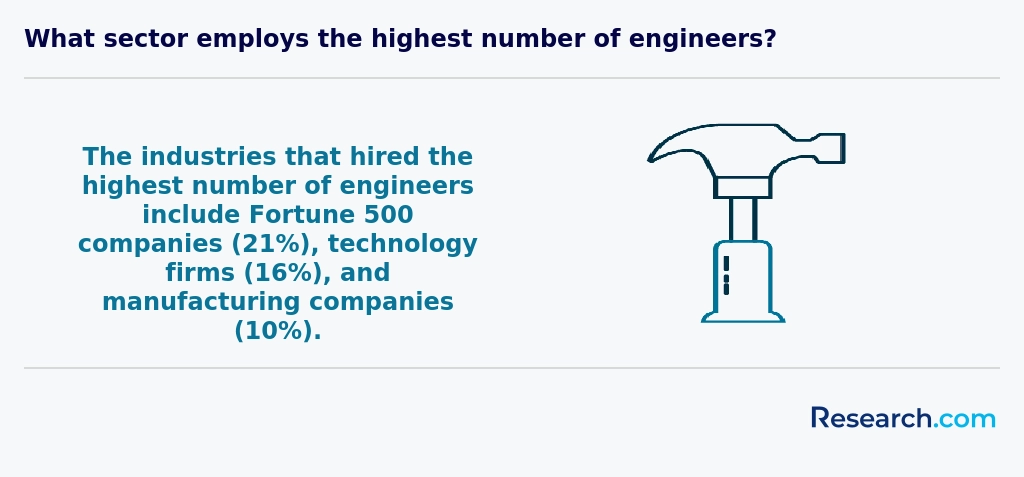
Kansas engineering programs go beyond classroom instruction by offering robust professional development and career services designed to bridge the gap between academic study and industry success. From dedicated career centers at the University of Kansas and Kansas State University to specialized workshops, students benefit from:
- Career Fairs and Employer Connections: Annual engineering career expos attract regional and national employers, providing on-campus interviews for roles in aerospace, manufacturing, and technology sectors.
- Mentorship and Alumni Networks: Structured mentorship programs pair undergraduates with alumni working in fields such as civil infrastructure and renewable energy, fostering guidance on career progression and professional etiquette.
- Skills Workshops and Certifications: Resume-building sessions, mock interviews, and industry software tutorials equip students with competitive profiles-whether they aim for a role in process optimization or need clarity on the difference between software developer vs software engineer to target the right job title.
- Internship and Co-op Coordination: Career services offices maintain partnerships with local companies, ensuring access to paid internships and cooperative education positions that often convert to full-time offers.
- Graduate School Advising: For those pursuing advanced degrees, advisors facilitate preparation for the GRE, application strategies, and research placements, reinforcing Kansas’s commitment to lifelong learning. By leveraging these career-focused resources, Kansas engineering students graduate not only with technical expertise but also with the professional acumen and industry connections essential for a successful transition into the workforce.
Financial aid for engineering students in Kansas often feels like a hidden lifeline rather than just another checkbox. Graduates from Kansas State University recall the relief when industry-sponsored scholarships, sometimes exceeding $5,000 per year, bridged the gap between their ambition and reality. This aid, combined with state programs like the Kansas Comprehensive Grant, which can award up to $3,000, often turns overwhelming tuition into a manageable investment.
Federal aid remains the foundation-Pell Grants, offering up to $7,395 annually for low-income students, and work-study programs open doors to hands-on experience while easing financial stress. Imagine balancing classes and earning through paid internships with local engineering firms; many students describe this as transformative, fostering confidence and independence.
Applying early is crucial. Those who tap into multiple streams-from federal, state, to university-specific scholarships-often share a common theme: persistence pays off. Their stories reveal that engineering in Kansas isn't just about numbers; it's about seizing opportunities designed to fuel passion and reduce financial uncertainty.
To step into an engineering program in Kansas, you must first prove a solid academic foundation, especially in math and science. Graduates from the University of Kansas often recall how mastering Algebra, Geometry, and Physics in high school was not just a requirement but a confidence booster that helped them tackle challenging coursework later.
For many, having a GPA above 3.0 feels like a minimum checkpoint, but at selective institutions like Kansas State University, aspiring engineers push even harder, knowing their STEM subjects must shine to stand out among peers. This rigorous preparation triggers a sense of achievement early on, setting the tone for the demanding journey ahead.
While test scores like ACT or SAT once felt like gatekeepers, recent shifts to test-optional policies leave room for personal statements and recommendation letters to reveal real passion. Students sharing stories of extracurricular projects in robotics or coding competitions often find these experiences become the heart of their applications, illustrating their genuine dedication beyond numbers.
Finally, some programs ask for completed college-level courses such as Calculus I or Physics, which can feel like a stepping stone and a confidence checkpoint for transfer students aiming to prove their readiness in Kansas' competitive engineering landscape.
In today’s fast-paced educational landscape, succeeding in an online engineering degree demands a unique blend of self-discipline, effective time management, and proactive engagement with both digital resources and faculty. Students enrolled in remote programs can enhance their learning experience by creating a dedicated study space, leveraging cutting-edge online collaboration tools, and actively participating in virtual labs and discussion forums. Establishing a structured study schedule and setting clear academic goals are essential for maintaining consistency, while regular feedback from instructors helps fine-tune problem-solving approaches and deepen conceptual understanding. Additionally, prospective students interested in pursuing flexible and cost-effective options can explore the cheapest online engineering schools in kansas, which offer a balanced mix of affordability and academic excellence. By integrating these strategies, online learners in Kansas can not only excel academically but also build a robust foundation for future professional success in the engineering field.
Engineering students in Kansas quickly realize that their coursework is far from abstract theory-it's a practical toolkit for solving real problems. At schools like the University of Kansas and Kansas State University, graduates describe tackling core subjects such as calculus and differential equations as mastering the language of engineering. These fundamentals underpin their understanding of forces in statics and dynamics, essential when designing bridges or vehicles that must withstand stress and motion.
Thermodynamics classes open doors to the complex world of energy systems, where students might imagine innovating more efficient heating solutions for Midwest homes. Materials science sparks curiosity about why certain metals bend without breaking, knowledge that directly influences manufacturing choices in Kansas's industrial sectors.
Laboratory sessions offer hands-on challenges-wiring circuits for electrical engineering projects or creating detailed models through computer-aided design-that transform theory into tangible skills. Graduates often recall these experiences as both demanding and deeply rewarding, reflecting teamwork and creativity cultivated specifically in Kansas's accredited programs.
Engineering degree specializations in Kansas span a broad spectrum, reflecting both the state's industrial backbone and emerging technologies. Graduates from institutions like the University of Kansas or Kansas State University often highlight how Civil Engineering programs anchor them in practical infrastructure projects, while Mechanical Engineering students thrive designing automotive and robotics systems relevant to local manufacturing hubs. The state's strong aerospace sector also drives specialized curricula in aerospace engineering, preparing students for careers with major regional companies.
Learners pursuing Electrical and Computer Engineering remark on the excitement of working with evolving telecommunications and computing technologies, gaining hands-on experience that makes theoretical concepts come alive. This diversity ensures students find niches that resonate deeply, whether it's chemical processes tied to Kansas's energy industries or sustainable environmental engineering reflecting the state's agricultural priorities. Exploring these areas challenges conventional ideas, especially when comparing the nuanced difference between software developer vs software engineer found within computer-related fields here. The availability of these Kansas affordable engineering programs specializations creates a fertile ground for both discovery and purposeful career paths.
Choosing the best engineering degree in Kansas requires more than just picking a school with a strong reputation. Graduates from Wichita State University often share how their hands-on experience with aerospace projects connected them directly to local industries, turning theoretical knowledge into real-world confidence. This kind of engagement is crucial when weighing programs because Kansas's diverse manufacturing and tech sectors demand practical skills alongside academic achievement. For students considering cost alongside quality, exploring the top engineering programs Kansas cost can vary dramatically, especially between in-state and out-of-state tuition. Many find that scholarships and financial aid, especially those aimed at STEM students, significantly ease the burden, allowing them to focus on learning rather than debt.
Financial planning is essential because engineering degrees typically involve additional expenses for labs and technology. One way to understand affordability is by consulting the Most Affordable Engineering Degree Programs Ranking in Arkansas, which offers perspective on comparable Midwest schools. Embracing this pragmatic view helps align your ambitions with a degree that's both affordable and promising for high-demand careers in Kansas's energy, aerospace, and agriculture technology fields.
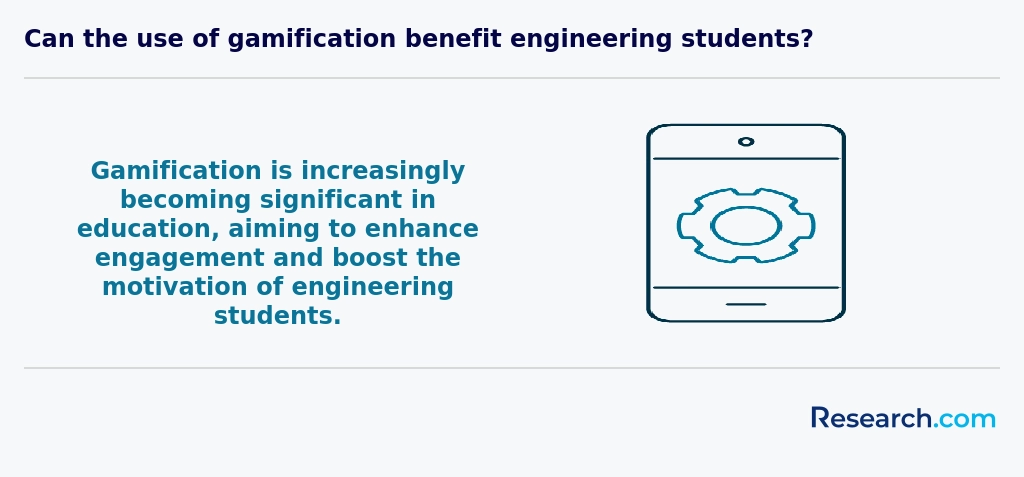
Engineering graduates from universities like Kansas State University and the University of Kansas find themselves immersed in a dynamic job market shaped by the state's unique industrial landscape. Visionary students often uncover career paths that challenge traditional roles-from aerospace engineering supporting Boeing's innovations to civil engineers helping Kansas maintain its vital infrastructure. These graduates experience firsthand the tangible impact of their work, whether optimizing manufacturing efficiencies for agriculture-based companies or advancing sustainable energy projects fueled by the state's leadership in wind power.
What's striking is how careers for engineering graduates in Kansas transcend textbook expectations. A recent graduate shared how hands-on projects at a local college bridged classroom theory with real-world manufacturing demands, fostering a profound sense of purpose. Others forge ahead in environmental fields, integrating urban planning with technical expertise to create smarter, resilient Kansas communities. This melding of technical skills and local relevance makes the prospect of engineering career opportunities in Kansas both pragmatic and inspiring.
Given these robust, varied prospects, many turn to the best accelerated degree college options for working adults to fast-track their skills while engaging with Kansas institutions known for adaptive programs supporting diverse learners.
The engineering job opportunities in Kansas offer a unique blend of steady demand and practical accessibility that surprises many aspiring engineers. Graduates from Kansas State University and the University of Kansas often highlight how local industries, especially in cities like Wichita and Overland Park, provide hands-on roles that allow them to apply classroom learning immediately. With major aerospace companies anchoring Wichita's economy, many mechanical and industrial engineers find themselves contributing to cutting-edge projects on day one. This real-world exposure fosters a strong sense of accomplishment and optimism among recent grads.
Kansas engineering degree employment outlook remains promising due to the state's diverse industrial base. While salaries average around $85,000 annually, slightly below the national figure, this is balanced by lower living costs and affordable tuition rates at public Kansas universities. Many students value the practical internships arranged by their schools, which connect them directly to employers, making career transitions smoother. For those considering graduate studies, exploring the easiest masters degree programs can offer swift advancement without excessive financial strain.
2027 Most Affordable Engineering Degree Programs Ranking in Kansas
Investing in your education is a significant decision that can shape your future, and the Research.com team understands the importance of making informed choices. To assist prospective students in Kansas, we have meticulously crafted the "2027 Most Affordable Engineering Degree Programs Ranking in Kansas." Our commitment to quality, credibility, and accuracy is reflected in the extensive research and analysis conducted to compile this ranking.
We utilized the following reputable data sources to ensure a comprehensive evaluation of engineering degree programs:
By exploring this ranking, readers will gain valuable insights into the most affordable engineering degree programs available in Kansas, empowering them to make well-informed decisions about their educational investment. For more details on our methodology, please visit our Research.com methodology page.


Frequently Asked Questions About engineering
Engineering students in Kansas can enhance their learning by combining classroom studies with hands-on experiences. Many universities in the state, such as Kansas State University and the University of Kansas, offer cooperative education programs and internships that connect students with local industries. According to the Kansas Board of Regents, nearly 60% of engineering students participate in experiential learning opportunities, which improve job readiness.
Joining professional organizations like the Kansas Society of Professional Engineers also helps students network and access mentorship. Utilizing campus resources such as tutoring centers and research labs further deepens understanding.
Finally, staying informed about industry trends and technological advances through conferences and workshops can expand practical skills and career prospects.
The engineering field in Kansas is rapidly evolving, with several emerging niches gaining attention. One notable area is renewable energy engineering, driven by Kansas' strong wind energy sector. The state ranks among the top U.S. producers of wind power, creating demand for engineers specializing in wind turbine design and sustainable energy systems.
Another growing niche is biomedical engineering, supported by advancements in healthcare technology and increasing collaboration between universities and medical institutions in Kansas. This field focuses on designing medical devices and improving patient care technologies.
Additionally, cybersecurity engineering is becoming vital due to rising digital threats, with Kansas universities expanding programs to prepare engineers skilled in protecting infrastructure and data.
Students pursuing engineering degrees in Kansas benefit from these expanding disciplines, offering promising career opportunities.
Graduates with engineering degrees in Kansas can take several effective steps to prepare for the job market. Building relevant experience through internships or cooperative education programs during studies is crucial. According to the Kansas Department of Labor, the state is seeing steady growth in engineering jobs, especially in aerospace and manufacturing.
Networking with local professional organizations like the Kansas Society of Professional Engineers helps students connect with industry leaders. Additionally, obtaining the Fundamentals of Engineering (FE) certification is often the first step toward becoming a licensed engineer, enhancing employability.
Continuing education and staying updated on emerging technologies, such as renewable energy and automation, is essential to remain competitive.
Employers in Kansas highly value engineering graduates who have strong problem-solving skills and a solid foundation in mathematics and science. According to the Kansas Department of Labor, about 72% of engineering job postings emphasize the need for effective analytical abilities. Communication skills are also critical, as engineers often work in teams and must clearly explain technical concepts to non-engineers.
Technical proficiency with software tools like AutoCAD, MATLAB, and programming languages is often required, especially in fields like mechanical and electrical engineering. Additionally, practical experience through internships or cooperative education programs significantly enhances job prospects in Kansas engineering markets.
Adaptability and project management skills are increasingly sought after as many companies focus on innovation and lean manufacturing techniques. Employers expect graduates to be ready for continuous learning to keep up with evolving technologies.
Finding internships relevant to an engineering degree in Kansas involves leveraging local industry connections and university resources. Many Kansas-based companies in aerospace, manufacturing, and technology sectors, such as Spirit AeroSystems and Garmin, offer internships for engineering students. According to the Kansas Department of Labor, engineering-related internships have increased by 12% over the past five years, signaling growing opportunities.
Students should explore career services at universities like the University of Kansas and Kansas State University, which maintain employer partnerships and job boards. Additionally, joining professional organizations like the Kansas Society of Professional Engineers can provide networking and internship leads.
Online platforms such as Handshake and internships.com also list local engineering internships. Early application and tailored resumes are crucial due to competitive placement.
In Kansas, earning an engineering degree significantly enhances career mobility and advancement opportunities. According to the U.S. Bureau of Labor Statistics, the state's engineering sector is growing steadily, driven by industries like aerospace, manufacturing, and agriculture technology. Graduates with a degree often see higher starting salaries and faster promotion rates compared to those without formal qualifications. Engineering degrees also open doors to specialized roles requiring licensure, such as Professional Engineer (PE) certification, which is highly valued by Kansas employers.
Access to internships and co-op programs at Kansas universities further supports career advancement by connecting students with local industries early.
Studying for an engineering degree in Kansas prepares students for interdisciplinary roles by integrating core engineering principles with practical experiences across various fields. Many universities in Kansas, such as Kansas State University and the University of Kansas, emphasize project-based learning, encouraging collaboration between engineering, business, and technology disciplines.
According to the American Society of Engineering Education (ASEE), Kansas engineering programs often incorporate coursework in data analysis, communications, and management, essential for teamwork in diverse professional environments. Additionally, industry partnerships and internships provide exposure to real-world challenges, helping students develop skills beyond traditional engineering.
This blended approach equips Kansas graduates to work effectively with professionals from different sectors, meeting the growing demand for versatile engineers in today's job market.
Choosing between a thesis and a non-thesis engineering degree program in Kansas depends on your career goals and learning style. Thesis programs typically focus on original research, which suits students aiming for a PhD or research-based careers in industry or academia. Non-thesis options often emphasize coursework and practical skills, ideal for those seeking immediate employment in engineering roles.
Kansas State University and the University of Kansas offer both options across various engineering disciplines, with thesis students usually completing a significant research project. According to the Kansas Board of Regents, thesis programs may take longer but can provide stronger preparation for technical leadership roles.
Consider your time commitment and interest in research when deciding. You can consult academic advisors at your chosen institution for tailored guidance.
Students based in Kansas who wish to study engineering abroad have several pathways available through their home institutions. Many Kansas universities, including the University of Kansas and Kansas State University, offer structured study abroad programs specifically designed for engineering majors. These programs often partner with reputable universities in countries like Germany, the United Kingdom, and Australia, where engineering programs are well respected.
Such opportunities typically range from one semester to a full academic year and can include internships or cooperative education experiences abroad, allowing students practical exposure in global industries. According to the Institute of International Education, roughly 10% of U.S. engineering students participate in study abroad programs, a growing trend Kansas students can access through tailored advising.
Financial aid and scholarships, including Gilman and Fulbright programs, are available to Kansas engineering students seeking international study, helping to offset costs. Students should consult their university's engineering department and study abroad office for specific program details and eligibility criteria.
Part-time job opportunities in Kansas can greatly complement engineering degree education by providing practical experience alongside academic learning. Many students find positions as engineering interns or research assistants at universities such as the University of Kansas or Kansas State University, gaining hands-on skills in labs or projects.
Additionally, Kansas hosts numerous manufacturing and engineering firms, particularly in aerospace and automotive sectors, offering part-time roles in technical support or quality assurance. According to the Kansas Department of Labor, engineering-related part-time openings have increased by 8% in recent years, reflecting steady industry demand.
Roles in CAD drafting, software testing, and data analysis also align well with engineering studies, allowing students to develop relevant technical competencies. These positions help build resumes and create valuable professional networks within the Kansas engineering community.
Engineering students in Kansas benefit from numerous networking opportunities through universities, professional organizations, and industry events. Kansas State University and the University of Kansas host engineering career fairs where students connect with recruiters from regional and national companies. According to the Kansas Chamber of Commerce, these events attract over 100 employers annually, including firms in aerospace, manufacturing, and technology sectors.
Students can join chapters of professional bodies such as the Society of Women Engineers (SWE) and the American Society of Civil Engineers (ASCE), both active in Kansas. These organizations offer workshops, mentorship programs, and local conferences.
Additionally, the Kansas Department of Commerce supports initiatives that link engineering students with internships and cooperative education, helping to build professional relationships before graduation.
Alumni networks are valuable resources for engineering degree students in Kansas. These networks connect students with graduates who have experience in local industries such as aerospace, manufacturing, and technology. According to the Kansas Board of Regents, strong alumni ties often lead to increased internship and job opportunities within the state's top engineering firms.
Networking through alumni also provides mentorship, exposing students to real-world challenges and industry trends. The University of Kansas reports that nearly 70% of engineering graduates find employment through alumni connections or referrals.
This ongoing support helps students build professional relationships early, boosting their career prospects in Kansas's competitive engineering sector.
Students pursuing engineering degrees in Kansas have several options to customize their programs to align with career goals. Many universities, such as Kansas State University and the University of Kansas, offer specialized tracks or concentrations within engineering majors like civil, mechanical, or electrical engineering. These allow students to focus on specific industries or skills.
Additionally, students can choose elective courses tailored to emerging technologies, such as renewable energy or robotics, to enhance expertise. Internships and cooperative education programs often available in Kansas provide practical experience and networking opportunities in local industries.
Some institutions also support interdisciplinary study, enabling students to combine engineering with business or computer science courses, which can broaden career options. Academic advisors play a key role in helping tailor degree plans, ensuring students can meet licensure requirements and industry expectations effectively.
Engineering students in Kansas face several typical challenges during their studies. One major hurdle is managing a heavy workload, as engineering programs often require rigorous coursework in math, science, and specialized technical subjects. Students must balance demanding classes with labs and projects, which can be time-consuming and stressful.
Another challenge is access to updated resources and technology. While Kansas universities have made strides in improving facilities, some students report limited availability of cutting-edge equipment compared to larger research institutions nationally. Additionally, internships and co-op opportunities may be fewer, due to Kansas' smaller industrial base in certain engineering sectors, affecting real-world experience.
Financial constraints also impact many students, with the average in-state tuition for public universities in Kansas around $10,000 per year, excluding living costs, according to the Kansas Board of Regents. This can lead to work-study balance issues or student debt concerns. Finally, retention rates in engineering throughout the state mirror national trends, with approximately 40-50% of students changing majors or dropping out, often due to academic pressure or uncertain career paths.
With an engineering degree in Kansas, graduates can pursue several professional certifications to enhance their careers. The most recognized is the Professional Engineer (PE) license, granted by the Kansas Board of Technical Professions. Candidates must pass the Fundamentals of Engineering (FE) exam, gain relevant work experience, and then pass the PE exam in their engineering discipline. This certification allows engineers to offer services directly to the public.
Additionally, certifications like Certified Manufacturing Engineer (CMfgE) or Project Management Professional (PMP) can complement an engineering degree.
Obtaining these credentials often leads to higher salaries and better job opportunities. According to the U.S. Bureau of Labor Statistics, Kansas engineers with PE licenses tend to earn approximately 15% more than non-licensed peers.
To write a winning application for an engineering program in Kansas, begin by highlighting your strong foundation in math and science, which are critical for admission. Kansas universities like Kansas State and the University of Kansas look for applicants with coursework in calculus, physics, and chemistry. Including relevant extracurricular activities or internships boosts your profile.
Be sure to submit a clear, concise personal statement explaining your passion for engineering and career goals. According to the National Center for Education Statistics, Kansas engineering programs admitted about 1,200 new students in 2022, emphasizing competition.
Strong letters of recommendation from STEM teachers can significantly strengthen your application. Also, pay attention to application deadlines and requirements specific to each Kansas institution.
The global perspective on an engineering career remains strong, reflecting high demand for skilled professionals across multiple industries. In the United States, including Kansas, engineering graduates often benefit from a robust job market, with the U.S. Bureau of Labor Statistics projecting a 7% growth in engineering jobs between 2021 and 2031. Kansas hosts several reputable engineering programs that align with international standards, preparing students for global competitiveness in fields such as aerospace, civil, and mechanical engineering.
Internationally, engineering roles increasingly require interdisciplinary skills and familiarity with emerging technologies. According to the National Society of Professional Engineers, engineers educated in the U.S. are often sought after worldwide for their practical training and innovation-driven curriculum. This global recognition can open doors to careers abroad or with multinational companies based in Kansas.
Gaining practical experience during an engineering degree in Kansas is essential for career readiness. Many universities in Kansas, such as Kansas State University and the University of Kansas, offer cooperative education (co-op) programs. These programs combine classroom learning with paid work experience at local engineering firms or industries. According to the National Association of Colleges and Employers (NACE), nearly 60% of engineering students nationwide complete internships, which improve employment prospects.
Students can also participate in research projects guided by faculty, often funded by the National Science Foundation or state grants. Additionally, joining engineering clubs and attending career fairs hosted by Kansas universities provides networking opportunities and hands-on practice with engineering challenges.
Choosing the right concentration within an engineering degree program in Kansas involves understanding your interests and the local job market. Kansas offers diverse engineering fields, including mechanical, civil, electrical, and aerospace, reflecting strong regional industries like manufacturing and aviation. According to the Kansas Department of Labor, mechanical and aerospace engineering jobs have steady growth, with aerospace engineers earning a median annual wage above $110,000 in the state.
It is essential to assess your strengths in math and science, as well as consider practical experience opportunities. Many Kansas universities provide internships and co-op programs linked to regional employers, which can guide your decision.
Researching program curricula and talking with current students or faculty at Kansas institutions can clarify differences between concentrations. Additionally, accreditation by ABET ensures quality education relevant to professional engineering standards nationwide. Understanding these factors can help you align your education with career goals in Kansas's engineering sectors.
- 2027 Most Affordable Engineering Degree Programs Ranking in Colorado
- 2027 Most Affordable Engineering Degree Programs Ranking in Arkansas
- 2027 Most Affordable Engineering Degree Programs Ranking in Minnesota
- 2027 Most Affordable Engineering Degree Programs Ranking in New Mexico
- 2027 Most Affordable Engineering Degree Programs Ranking in Mississippi
- 2027 Most Affordable Engineering Degree Programs Ranking in Alabama
- 2027 Most Affordable Engineering Degree Programs Ranking in Florida
- 2027 Most Affordable Engineering Degree Programs Ranking in Montana
- 2027 Most Affordable Engineering Degree Programs Ranking in Arizona
- 2027 Most Affordable Engineering Degree Programs Ranking in New Jersey
See What Experts Have To Say About Studying Engineering
Read our interview with Engineering experts


Bohdan W. Oppenheim
Engineering Expert
Professor Emeritus of Healthcare Systems Engineering
Loyola Marymount University

Jasna Jankovic
Engineering Expert
Associate Professor
University of Connecticut

- Executive Search and Outplacement Services for the Engineering, Architecture, Construction, and Manufacturing Industries https://www.davron.net/stand-out-niche-engineering-job-market/
- WHAT EMPLOYERS ARE LOOKING FOR – Career Connections Center | Milwaukee School of Engineering https://www.msoecareerconnections.com/channels/what-employers-are-looking-for/
- Thinking of studying abroad as an engineering major https://talk.collegeconfidential.com/t/thinking-of-studying-abroad-as-an-engineering-major/1788476
- Bachelor of Science: Mechanical Engineering https://catalog.umkc.edu/colleges-schools/science-engineering/mechanical-engineering/bachelor-of-science-mechanical-engineering/
- 18529 mechanical engineering English-speaking jobs in Poland https://englishjobs.pl/jobs/mechanical_engineering
- Engineering Students' Challenges And Ways To Overcome Them - Bgi Bhopal https://bgibhopal.com/overcoming-challenges-as-an-engineering-student/
- 6+ Engineering Cover Letter Examples (with In-Depth Guidance) https://www.tealhq.com/cover-letter-examples/engineering
- Networking for engineers: your questions answered https://targetjobs.co.uk/careers-advice/engineering/networking-engineers-your-questions-answered
- All STEM Placements/Internships | Gradcracker - Careers for STEM Students https://www.gradcracker.com/search/all-disciplines/engineering-work-placements-internships
- Engineering Education | Role of Interdisciplinary Studies in Modern Engineering https://www.thestudentpocketguide.com/2024/07/student-life/education-career/engineering-education-interdisciplinary-studies-modern-engineering/