
2027 Most Valuable Engineering Degree Programs Ranking in Logan

Co-Founder and Chief Data Scientist
Choosing the right engineering degree program can shape your future career and success. This article introduces the 2027 Most Valuable Engineering Degree Programs Ranking in Logan, developed by the Research.com team of data scientists. It's designed to help you make an informed decision when selecting an engineering program that fits your goals and interests.
Exploring this ranking will give you clarity on which programs offer strong value and opportunities. Pursuing an engineering degree opens doors to exciting and rewarding possibilities in a growing field.
Key benefits of getting engineering degree in Logan
- Engineering graduates in Logan can enjoy strong earning potential, with Mechanical Engineers earning a mean annual wage of $105,220 and Electrical Engineers earning $117,680 on average.
- Many career paths are available, from civil projects to industrial innovation, offering graduates exciting opportunities to contribute to local infrastructure or manufacturing advancements.
- Online engineering degrees provide flexibility for busy students in Logan, allowing them to balance work and studies while earning a respected credential from well-known universities.
- 2027 Most Valuable Engineering Degree Programs Ranking in Logan
- What can I expect from engineering degree in Logan?
- Where can I work with engineering degree in Logan?
What can I expect from engineering degree in Logan?
The average cost of pursuing an engineering degree in Logan is notably affordable, especially at Utah State University, the region's leading institution for engineering education. In-state tuition offers significant value, allowing students to invest in their future without overwhelming debt. Graduates often share how this financial accessibility enabled them to focus fully on hands-on learning and research opportunities rather than worrying about excessive expenses.
Many students find that scholarships and assistantships tailored specifically for engineering majors further reduce the financial burden, making a high-quality education within reach. Imagine walking through state-of-the-art labs at USU, confident that your tuition is supporting cutting-edge projects and personalized mentorship without compromising your budget.
This balance of strong academics and reasonable cost empowers students to gain practical experience while building connections with local tech and manufacturing industries. The supportive environment in Logan inspires students to thrive, knowing they are prepared for a successful engineering career ahead.
Where can I work with engineering degree in Logan?
Graduates with an engineering degree in Logan find themselves welcomed by a vibrant job market fueled by Logan's unique location near major economic hubs like Salt Lake City and Ogden. Many recent engineering alumni from Utah State University have stepped confidently into manufacturing roles, designing innovative products or optimizing processes for local companies in Cache County. This hands-on experience brings their classroom knowledge to life, creating a fulfilling career path in a growing industry.
Civil and construction engineers often join teams working on exciting regional infrastructure projects-imagine contributing to upgrading roads or improving water systems right where you live. The strong partnerships between local firms and the Utah Department of Transportation offer engineers meaningful roles that impact everyday community life.
Environmental engineers in Logan thrive by supporting sustainable initiatives, collaborating with nonprofits and government agencies on clean water and renewable energy projects. Meanwhile, those passionate about technology find plenty of opportunities in Logan's buzzing startup scene, especially around Utah State University, where innovation is constantly nurtured. Graduates enter fields like automation and aerospace, energized by the chance to develop cutting-edge solutions.
Graduates with an engineering degree from universities in Logan, such as Utah State University, are stepping into a market where their skills are highly valued and well compensated. Mechanical engineers can anticipate a mean annual wage around $105,220, while electrical engineers often earn even more, with an average salary near $117,680. Civil engineers, another popular field among Logan students, typically see mean earnings of $101,160, demonstrating strong demand for this expertise locally.
Imagine starting your career with peers who enjoy salaries that steadily grow as they gain experience and certifications. These figures reflect not only the value of your education but also the thriving industries surrounding Logan, including manufacturing and technology firms eager to hire talented engineers.
Graduates feel inspired knowing their Logan education equips them to pursue rewarding roles offering solid financial independence. The balance of competitive pay and lower living costs in this vibrant region empowers new engineers to build their futures with confidence.
- Engineering programs in Logan, Utah, cover civil, mechanical, electrical, and computer engineering disciplines and combine theory with practical experience.
- In-state tuition for a bachelor's degree in engineering at Utah State University ranges from $7,000 to $9,000 per year, while out-of-state tuition is about $22,000 annually.
- Entry-level engineers in Logan earn an average starting salary of around $65,000, increasing to about $90,000 or more after five to ten years.
- The local job market is supported by industries like manufacturing, aerospace, and technology, with steady employment growth expected in engineering fields.
- Many local universities offer internships and cooperative education programs to provide hands-on experience and improve job prospects.
- Engineering programs in Logan are ABET-accredited, ensuring education quality that meets national standards for licensure and professional recognition.
Completing an engineering degree in Logan is an exciting journey that typically takes about four years of full-time study. Students at institutions like Utah State University experience a well-structured program designed to build a strong foundation in math, physics, and engineering principles, allowing them to gain confidence and skills year after year. Many graduates feel empowered knowing their degree is ABET-accredited, ensuring high academic standards and excellent career prospects.
Some students choose to balance work or internships alongside their studies, which can extend the journey to five or six years. These valuable hands-on experiences deepen understanding and open doors to future opportunities, making the extra time well worth it. For those driven to accelerate their growth, Logan's schools offer combined bachelor's and master's pathways completed in as little as five years, helping ambitious learners fast-track their careers with passion and purpose.
Seeing graduates proudly walk across the stage within four to five years fills the community with optimism, showing that determination and smart planning make success in engineering entirely achievable right here in Logan.
Graduates weighing the cost of an engineering degree in Logan, UT, should examine net gains and payback periods to make data-driven decisions. On average, a four-year bachelor’s program at Utah State University carries total tuition and fees of approximately $40,000 for in-state students and $110,000 for out-of-state students. With starting salaries ranging from $95,000 to $115,000 across core disciplines, most in-state students recover their investment in just under three years, while out-of-state graduates break even in roughly four years. Beyond salary, other factors influence ROI: • Average Student Debt: Logan engineering graduates carry an estimated mean debt of $25,500, 20% below the national average for STEM majors, thanks to local scholarships and work-study opportunities. • Payback Period: At an average post-graduation salary of $100,000, the in-state payback period is 2.9 years; out-of-state students see a 4.1-year horizon. • Lifetime Earnings Premium: Over a 20-year career, Logan-based engineers earn an average cumulative premium of $850,000 compared to non-STEM peers, reflecting strong local industry partnerships and high job placement. For students seeking even lower tuition without sacrificing program quality, the Inexpensive Engineering Degree Programs Ranking in Washington offers a valuable benchmark of comparable, cost-effective alternatives.
Choosing between online and on-campus engineering degrees in Logan means embracing two rewarding paths tailored to your lifestyle and goals. On-campus programs at universities like Utah State University offer hands-on experiences in cutting-edge labs where graduates recall the excitement of building real-world projects alongside passionate peers and supportive faculty. These moments bring engineering concepts to life, fueling confidence and practical skills that employers value highly.
Meanwhile, online programs provide remarkable flexibility, perfect for driven students balancing work or family. Graduates praise the ability to manage their own schedules while engaging with virtual labs and live sessions, proving that quality engineering education in Logan can adapt to any routine. The challenge of navigating self-paced learning fosters resilience and independence, strengthening abilities that shine in professional environments.
Both options in Logan uphold strong accreditation, ensuring your degree opens doors. Whether attending vibrant campus events or logging in from home, you're joining a community committed to innovation and success in engineering.
Logan’s engineering programs distinguish themselves through robust industry partnerships and structured internship or co-op pathways that bridge classroom learning with real-world engineering challenges. Utah State University’s Engineering Career Fair, for example, attracts over 100 regional and national employers each year, offering students direct access to internship positions in sectors such as renewable energy, advanced manufacturing, and aerospace. These collaborations not only enhance technical skills but also foster professional networks-students frequently transition from summer internships to full-time roles with partner companies. Cooperative education (co-op) options allow students to alternate semesters of academic study with paid work terms, ensuring continuous engagement with industry projects. Graduates often cite their co-op experiences as pivotal: one Mechanical Engineering student secured a placement with a local automotive supplier, where they optimized production processes and returned to campus with a deeper understanding of lean manufacturing principles. Similarly, Electrical Engineering students have joined power utility co-ops to design smart grid solutions, contributing to community sustainability initiatives. To maximize hands-on learning early in their careers, many underclassmen explore resources on which engineering is the easiest to start with, helping them select introductory internships that align with their strengths and long-term goals. Faculty-led research projects further complement these internships by offering grant-funded opportunities in cutting-edge fields like biomedical device development and environmental remediation. Collectively, Logan’s emphasis on industry integration ensures graduates step into the workforce not only with theoretical knowledge but with proven problem-solving achievements and professional confidence.
The average cost of engineering degree programs in Logan is both accessible and manageable, making it an exciting opportunity for aspiring engineers. At Utah State University, the median total tuition and fees for completing an engineering degree are approximately $34,992. For in-state students, this amount can be even more affordable, with median costs around $9,228. These figures reflect a comprehensive investment in a high-quality education that prepares graduates for dynamic and rewarding careers.
Many graduates from Logan's top engineering programs recall balancing their rigorous studies with real-world projects and internships that enriched their learning journey. The financial commitment, while significant, is offset by the value of technical expertise gained and the vibrant community supporting their success. By carefully budgeting for tuition and supplemental expenses, students find themselves equipped to thrive both academically and personally. For those exploring flexible options, pursuing an engineering degree online through recognized programs in Logan can also reduce overall costs while maintaining excellent standards.
Considering the total tuition and fees for engineering degrees Logan offers, students feel motivated knowing they are investing wisely in their futures. The cost is competitive compared to national averages and reflects Logan's commitment to affordable, quality education. As a result, engineering students leave prepared and inspired, ready to contribute meaningfully to innovative industries and growth opportunities awaiting them.

Engineering students in Logan find inspiring financial support options that truly make education accessible and empowering. Graduates from Utah State University often share how federal aid, like the Pell Grant, which offers up to $7,395 annually, lightened their financial load and allowed them to focus on their passion for innovation without overwhelming debt.
Many rely on Federal Direct Loans with fixed interest rates, providing predictable repayment and peace of mind. State programs such as the Utah Educational Savings Plan and targeted scholarships further boost confidence by rewarding Utah residents who excel academically.
University-based merit and departmental scholarships, tailored to engineering students, recognize dedication and leadership, often encouraging recipients to push their boundaries. Likewise, external scholarships from professional organizations offer inclusive opportunities, fostering a supportive community for diverse talents.
These aids together create a network of encouragement in Logan, where students confidently pursue breakthroughs, knowing their education is supported every step of the way.
Engineering success isn’t only built in the classroom-it's also fostered through a vibrant, supportive campus environment. In Logan, UT, engineering students enjoy an engaging campus culture that combines modern facilities with a wealth of extracurricular opportunities. Many institutions host dedicated innovation labs, student-run engineering clubs, and regular career fairs where you can network with industry professionals and alumni. These experiences not only enrich your educational journey but also help build lasting relationships that prove invaluable when stepping into the professional world. Additionally, campus centers and mentoring programs offer guidance on balancing academics with personal growth, ensuring that you develop the soft skills critical for leadership. If you’re exploring options, consider checking out our insights on a valuable engineering school in utah to learn more about how their campus life supports student success.
Meeting the prerequisites for an engineering degree in Logan opens the door to an exciting journey of innovation and discovery. Graduates from Utah State University often recall how having a solid background in higher-level math like calculus and geometry shaped their confidence in tackling challenging courses. This foundation, paired with strong skills in physics and chemistry, fuels the ability to solve real-world engineering problems with creativity and precision.
Many Logan colleges expect applicants to hold a high school diploma or GED, showcasing dedication and readiness for this rewarding path. Alongside academic records, submitting official transcripts, letters of recommendation, and personal statements helps bring your story to life, demonstrating your passion and commitment just like successful peers have done.
Some students share how preparing for the SAT or ACT math sections boosted their analytical thinking, which became a key asset during their studies. If you've taken Advanced Placement courses, these can provide valuable credit, helping you move faster toward your goals. Logan's supportive academic community is ready to welcome you and encourage your growth every step of the way.

Engineering students in Logan, especially those at renowned institutions like Utah State University, embark on a journey packed with exciting and rewarding coursework. In the first year, passionate learners dive into essential subjects like Calculus I and II, General Chemistry, and Physics with labs, building a strong foundation that fuels their confidence and curiosity. Many students recall how hands-on computer programming and engineering design basics opened their eyes to real-world problem-solving early on.
As they progress, the curriculum becomes thrillingly diverse. They tackle dynamic courses such as Statics, Thermodynamics, and Electrical Circuits, which bring classroom theory to life through labs and projects. Students often describe how challenging fluid mechanics or materials science awaken their creative thinking and innovation.
In their final year, learners focus on their dream specialties-whether that's Embedded Systems, Structural Analysis, or Capstone Design Projects that push collaboration and leadership, reflecting the vibrant industry connections Logan offers. Graduates celebrate how these experiences prepare them to confidently shape the future in Utah's growing tech and engineering sectors.

Students pursuing an engineering degree in Logan enjoy access to a wide array of specializations designed to fit diverse interests and career goals. Popular options like Civil Engineering equip graduates from local universities with skills to design vital infrastructure, inspiring pride as they contribute to community development. Many students find themselves drawn to Mechanical Engineering, where hands-on projects and collaboration spark creativity in automotive or aerospace innovations right on campus. The Logan engineering program concentration options extend to Electrical Engineering, aligning perfectly with Utah's growing tech realms, boosting confidence in graduating engineers ready to shape future energy and electronics markets.
Emerging fields such as Environmental Engineering attract driven students passionate about sustainability, while innovative programs in Software Engineering encourage digital pioneers to thrive in tech startups. Biomedical Engineering blends healthcare and technology, opening doors to impactful careers. Graduates from various Logan institutions often share how these specializations empowered their success, reflecting the vibrant, opportunity-rich environment for those eager to excel. For example, many combine their engineering skills with pursuits like a bachelor of computer science, expanding their versatility even further.
Choosing the best engineering degree in Logan means focusing on programs that combine strong academics with real-world opportunities. Graduates from Utah State University often share how hands-on experiences in well-equipped labs and local industry internships gave them confidence and practical skills. This approach makes a degree not just a credential, but a pathway to exciting careers in civil, mechanical, electrical, and computer engineering fields.
Cost is an important factor when exploring affordable engineering colleges Logan Utah offers. With tuition rates around $9,000 annually for in-state students, plus access to scholarships and financial aid, Logan makes engineering education accessible. Many alumni highlight how supportive faculty and research opportunities sparked their innovation and growth, keeping motivation high throughout their studies.
For those interested in computer engineering, consider researching programs alongside reputable online computer science schools to enhance your skillset. Aligning your degree with career goals and industry demand will empower you to thrive in today's engineering landscape, starting right here in Logan.
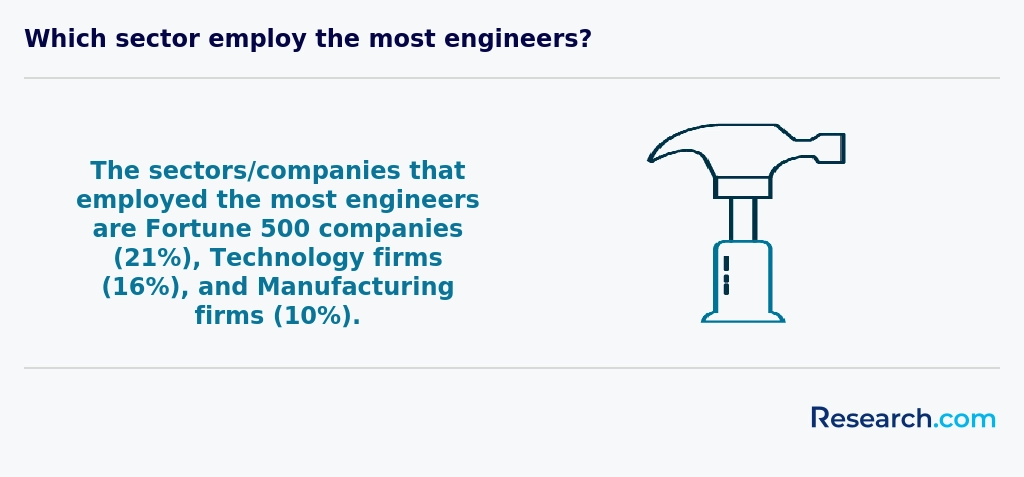
Graduates with an engineering degree in Logan discover a world of exciting career paths fueled by the region's dynamic industries. From civil engineering roles supporting Logan's growing infrastructure projects to mechanical engineering positions in manufacturing and renewable energy, opportunities abound. Many graduates from Utah State University and other local colleges feel inspired stepping into roles where they design innovative machinery or contribute to environmental solutions, sparking a sense of pride and purpose.
For those passionate about technology, software engineering careers flourish within Logan's thriving tech startups, offering a vibrant environment for creativity and growth. Electrical engineering graduates find themselves at the forefront of telecommunications and power generation, energized by hands-on experiences. Industrial engineering also plays a key role in optimizing production within Logan's manufacturing sector, making graduates valuable problem-solvers in local businesses.
Students aiming to build rewarding engineering careers in Logan Utah often choose programs that blend strong academic foundations with real-world exposure. Many graduates highlight how enrolling in programs at a valuable engineering school in utah further enhances their job prospects and confidence as they launch into diverse industries.

The engineering job opportunities in Logan are thriving thanks to the city's dynamic tech and manufacturing growth, coupled with the strong support from Utah State University. Graduates often share stories of landing roles in design, product development, and quality control shortly after finishing their degrees, energized by Logan's welcoming and innovative environment. The steady demand in fields like mechanical, civil, electrical, and software engineering creates bright pathways for new engineers eager to apply their skills locally.
Early career engineers in Logan enjoy a salary outlook that balances well with the city's affordable living costs. Many graduates find salaries ranging from $65,000 to $85,000, which supports a comfortable lifestyle and encourages continued professional growth. The experience of studying engineering here, combined with the local job market, makes Logan an ideal place to launch an engineering career with confidence.
Students exploring their options may also want to consider which engineering is the easiest to fit their interests and strengths, enabling them to excel and enjoy rewarding job prospects in this vibrant city.
2027 Most Valuable Engineering Degree Programs Ranking in Logan
Investing in your education is a significant decision that can shape your future, and the Research.com team understands the importance of making informed choices. To assist prospective students in Logan, we have meticulously crafted the "2027 Most Valuable Engineering Degree Programs Ranking in Logan." Our commitment to quality, credibility, and accuracy is reflected in the extensive research and analysis conducted to compile this ranking.
We utilized the following reputable data sources to ensure a comprehensive evaluation of engineering degree programs:
By exploring this ranking, readers will gain valuable insights into the most valuable engineering degree programs available in Logan, helping them make well-informed decisions about their educational investment. For more details on our methodology, please visit our Research.com methodology page.

Frequently Asked Questions About engineering
Engineering students in Logan can maximize their learning by actively engaging with local institutions like Utah State University, which offers accredited ABET engineering programs. Participating in hands-on projects and internships through partnerships with nearby industries provides practical experience crucial for career readiness. According to the U.S. Bureau of Labor Statistics, engineering roles in Utah are expected to grow by 6% through 2030, underscoring the importance of applied skills.
Joining student organizations and networking events helps build connections with professionals and peers, enhancing problem-solving capabilities. Utilizing Logan's resources, such as research labs and technology centers, fosters innovation and teamwork in real-world settings.
Emerging niches within the engineering field in Logan reflect national and local industry trends, driven by technology and environmental concerns. One rapidly growing area is renewable energy engineering, where professionals focus on solar, wind, and sustainable power systems. Utah's expanding clean energy initiatives have increased demand for engineers skilled in these technologies.
Another notable niche is biomedical engineering, combining healthcare and technology to develop advanced medical devices and diagnostic tools. Utah's healthcare sector growth supports opportunities in this discipline.
Cybersecurity engineering is gaining prominence due to rising digital threats. Logan's increasing focus on data protection elevates the need for engineers specialized in secure systems design.
Finally, environmental engineering remains critical as Logan addresses water quality and resource management challenges in a semi-arid region.
Graduates with engineering degrees in Logan should begin preparing for the job market early by gaining practical experience through internships or cooperative education programs. Local companies in Logan and northern Utah often seek candidates with hands-on skills, so building a strong resume with relevant work experience is essential. According to the U.S. Bureau of Labor Statistics, engineering employment in Utah is projected to grow by 7% from 2022 to 2032, reflecting a stable demand.
Networking plays a crucial role; attending local career fairs and joining professional organizations like the Utah Engineers Council can connect students with potential employers. Additionally, developing soft skills such as communication and teamwork will enhance employability in multidisciplinary engineering roles.
Certifications like the Fundamentals of Engineering (FE) exam, often the first step toward Professional Engineer licensure, are important credentials to pursue. Utilizing Logan's nearby resources, including Utah State University's career services and alumni network, can also provide targeted support for engineers transitioning into the workforce.
Employers in Logan prioritizing engineering graduates consistently seek strong problem-solving skills. These allow graduates to tackle complex technical challenges effectively, a key demand in local industries such as manufacturing and aerospace. According to data from the Utah Department of Workforce Services, over 70% of engineering job postings emphasize analytical thinking.
Technical proficiency in software such as AutoCAD, MATLAB, and SolidWorks is also vital. Logan's growing tech landscape, including companies connected to Utah State University, often requires familiarity with these tools for design and simulation tasks.
In addition, communication skills are highly valued. Engineers must explain their ideas clearly to multidisciplinary teams, helping projects succeed. Employers highlight teamwork and adaptability as essential attributes in surveys by the National Association of Colleges and Employers.
Finding internships in Logan relevant to an engineering degree involves leveraging local resources and established networks. Utah State University, located in Logan, offers strong career services and cooperative education programs that connect students with internships in fields like civil, mechanical, and electrical engineering.
Additionally, the Cache Valley area hosts several manufacturing and technology companies that regularly offer internships. It is advisable to visit company websites and local job boards such as Utah's Department of Workforce Services for openings.
Networking through faculty, professional organizations like the American Society of Civil Engineers, and career fairs held on campus can significantly improve your chances.
According to Utah State University's 2023 career outcomes report, over 65% of engineering students secured internships before graduation, demonstrating the effectiveness of these channels.
In Logan, obtaining an engineering degree significantly enhances career mobility and advancement opportunities. The city's strong ties to industries such as manufacturing, aerospace, and technology create a demand for skilled engineers. According to the U.S. Bureau of Labor Statistics, engineers in Utah, including Logan, see an average salary increase of around 10% within five years of starting their career. This reflects the region's growth and need for specialized technical roles.
Graduates with an engineering degree benefit from local employers prioritizing candidates with formal education and applied skills. Additionally, professional licensure, such as the Professional Engineer (PE) certification, often accelerates promotions and leadership roles. Universities in Logan provide practical experience and networking, further supporting career growth. Overall, an engineering degree positions individuals for sustained advancement in Logan's evolving job market.
Engineering degree programs in Logan emphasize interdisciplinary learning to prepare students for diverse roles in today's job market. Curricula often integrate courses from fields like computer science, business, and environmental studies, reflecting the collaborative nature of modern engineering projects. According to Utah State University, a leading Logan institution, over 30% of engineering graduates enter positions requiring cross-disciplinary expertise.
Students engage in team-based projects simulating real-world scenarios, fostering skills in communication and problem-solving across various industries. Local industries, including manufacturing and renewable energy, often partner with universities, offering internships that expose students to interdisciplinary challenges. This approach equips graduates to adapt and innovate in evolving technical environments effectively.
When choosing between a thesis and a non-thesis engineering degree program in Logan, consider your career goals first. Thesis programs typically involve original research, preparing students for further study or research-based roles. Non-thesis options focus more on coursework and practical skills, suited for those aiming to enter industry directly.
At Utah State University in Logan, about 40% of engineering master's students opt for thesis programs, especially in fields like mechanical and civil engineering, according to recent university data. Thesis tracks may take longer, often 2 to 3 years, while non-thesis programs can be completed in around 1.5 to 2 years.
Funding opportunities also differ; thesis students often access research assistantships, which can reduce tuition costs. Finally, consider workload and interest in research when making your decision.
Students based in Logan seeking to study engineering abroad have several pathways through U.S. higher education partnerships and exchange programs. Many universities in Utah, including those near Logan, participate in programs like the National Student Exchange (NSE) and international study abroad agreements, which facilitate engineering coursework overseas while earning U.S. credits.
Popular destinations often include European countries known for strong engineering traditions, such as Germany and the Netherlands. These programs provide access to different engineering specializations and global industry perspectives.
Additionally, federal data from the Institute of International Education (IIE) indicates that engineering is among the top fields chosen by American students studying abroad, reflecting strong interest and support for these opportunities.
Students should consult their local university's study abroad office and engineering department for specific partnerships and eligibility criteria.
Logan offers various part-time job opportunities that can effectively complement an engineering degree education. Students often find roles as engineering interns or lab assistants within local companies and Utah State University's engineering departments. According to the Utah Department of Workforce Services, internships in fields such as mechanical, civil, and electrical engineering are particularly common in Logan.
Additionally, many engineering students secure positions in technical support or CAD drafting services, providing practical experience with industry tools. Part-time roles in manufacturing firms or renewable energy projects around Cache Valley can enhance skills in real-world engineering applications.
These jobs not only help in applying theoretical knowledge but also improve employability post-graduation by fostering professional networking and practical expertise.
Engineering students in Logan benefit from a variety of robust networking opportunities that support career development. Utah State University, the primary institution in Logan offering engineering degrees, hosts regular industry events and career fairs, connecting students with local and regional employers.
Students can join chapters of national organizations such as the Society of Women Engineers and the Institute of Electrical and Electronics Engineers. These groups facilitate professional connections, mentorship, and workshops. Additionally, Logan's proximity to Utah's growing tech and manufacturing sectors enables internships and collaborative projects.
Local meetups and engineering competitions further enhance student networks by fostering peer interaction and skill development, increasing job prospects after graduation.
Alumni networks play a crucial role for engineering students in Logan by offering valuable connections and resources. These networks provide mentorship opportunities from experienced graduates, helping students understand industry expectations and advance their careers. According to the Utah State University Alumni Association, over 10,000 engineering alumni actively engage with current students, facilitating internships and job placements.
Participation in alumni events allows students to build professional relationships and gain insights into emerging technologies and trends. Networking through alumni can increase access to local engineering firms prevalent in Logan, such as those in the aerospace and manufacturing sectors. This support system often leads to higher employment rates among graduates, backed by data from the Utah Department of Workforce Services.
In Logan, students can customize their engineering degrees by selecting specialized tracks or minors that align with specific career goals. Many local universities offer options such as mechanical, electrical, or civil engineering, along with emerging fields like renewable energy and software engineering. Elective courses allow for deeper focus in areas like robotics or environmental systems. Some programs also provide internships and co-op opportunities with nearby industries, enhancing practical experience and job readiness.
Academic advisors in Logan's institutions help tailor course plans based on students' interests and market demands. According to the U.S. Bureau of Labor Statistics, engineers in Utah have seen a 7% growth rate, emphasizing the importance of relevant skills.
Engineering students in Logan often face a rigorous workload that demands strong time management skills. Courses in subjects like thermodynamics, calculus, and materials science require complex problem-solving, which can be overwhelming without proper study strategies. According to the Utah State University College of Engineering, many students report challenges balancing lab work, projects, and exam preparation simultaneously.
Financial pressure is another common issue. While tuition in Logan is generally lower than national averages, engineering programs often require costly textbooks and software. Many students rely on scholarships and part-time jobs to manage expenses, which can add to their stress.
Additionally, students sometimes struggle with limited access to internships or local industry connections compared to bigger cities, impacting practical experience opportunities needed for career growth.
With an engineering degree in Logan, graduates can pursue various professional certifications to advance their careers. One of the most recognized credentials is the Professional Engineer (PE) license, which requires passing the Fundamentals of Engineering (FE) exam, gaining relevant work experience, and passing the PE exam. This license allows engineers to legally offer their services to the public and is highly valued in Utah's engineering job market.
Additionally, certifications like Certified Manufacturing Engineer (CMfgE) and Project Management Professional (PMP) complement engineering skills and increase employability.
Local employers often prefer candidates with such certifications, and Utah's Department of Workforce Services reports growing demand for certified engineers in the region.
Writing a winning application for an engineering program in Logan requires clear demonstration of academic excellence and relevant skills. Start with a strong personal statement highlighting your passion for engineering and specific interests within the field. Emphasize any hands-on experience, such as internships or projects related to engineering, as these are highly valued.
Ensure your application includes competitive standardized test scores; while some Logan institutions have test-optional policies, strong SAT or ACT results can still enhance your profile. Maintaining a solid GPA, particularly in math and science courses, is essential.
Letters of recommendation from teachers or professionals who understand your technical abilities can provide a significant boost. According to the U.S. Department of Education, engineering programs prioritize well-rounded applicants with both theoretical and practical background.
Finally, research specific Logan schools' requirements and tailor your application to reflect their values and curriculum focus, increasing your chances of acceptance.
Engineering careers in Logan reflect a broader national and global demand for skilled professionals. According to the U.S. Bureau of Labor Statistics (BLS), engineering jobs are expected to grow about 7% from 2021 to 2031, which aligns with increasing technological advancements worldwide.
Logan's proximity to research institutions like Utah State University supports a focus on areas such as civil, mechanical, and electrical engineering. Graduates from these programs often find opportunities linked to global industries including renewable energy and aerospace.
The global perspective highlights the importance of adaptability and continuous learning, as engineers often collaborate on international projects requiring knowledge of diverse regulations and technologies.
Students pursuing an engineering degree in Logan can gain valuable practical experience through several avenues. Many local institutions, such as Utah State University, offer cooperative education (co-op) programs that alternate classroom study with paid work in engineering fields. These programs allow students to apply theoretical knowledge in real-world settings.
Internships are widely available at Logan-area companies specializing in manufacturing, aerospace, and technology, giving students hands-on exposure. Additionally, participation in engineering clubs and competitions helps develop critical skills.
According to the U.S. Bureau of Labor Statistics, engineering internships significantly improve job placement rates.
Choosing the right engineering concentration in Logan involves understanding your interests, local industry demands, and academic strengths. Logan's region emphasizes agricultural, environmental, and mechanical engineering due to its economic base and nearby research institutions.
Researching current job market data is helpful. For example, Utah's Department of Workforce Services projects steady growth in civil and mechanical engineering roles by 2027. Aligning your concentration with these trends can improve employability.
Speak with academic advisors and attend university open houses in Logan. They offer insights on course content, internship opportunities, and research facilities. These experiences clarify which specialization suits your skills and goals.
- 2027 Most Valuable Engineering Degree Programs Ranking in Denver
- 2027 Most Valuable Engineering Degree Programs Ranking in Colorado Springs
- 2027 Most Valuable Engineering Degree Programs Ranking in Davis
- 2027 Most Valuable Engineering Degree Programs Ranking in Tempe
- 2027 Most Valuable Engineering Degree Programs Ranking in Riverside
- 2027 Most Valuable Engineering Degree Programs Ranking in Portland
- 2027 Most Valuable Engineering Degree Programs Ranking in Berkeley
- 2027 Most Valuable Engineering Degree Programs Ranking in San Francisco
- 2027 Most Valuable Engineering Degree Programs Ranking in Santa Cruz
- 2027 Most Valuable Engineering Degree Programs Ranking in Los Angeles
See What Experts Have To Say About Studying Engineering
Read our interview with Engineering experts


Bohdan W. Oppenheim
Engineering Expert
Professor Emeritus of Healthcare Systems Engineering
Loyola Marymount University

Jasna Jankovic
Engineering Expert
Associate Professor
University of Connecticut

- Challenges, difficulties and barriers for engineering higher education https://www.jotse.org/index.php/jotse/article/view/1696/645
- Engineering Internships: Find 1037 Engineering Intern Jobs https://internshala.com/internships/engineering-internship/
- WHAT EMPLOYERS ARE LOOKING FOR – Career Connections Center | Milwaukee School of Engineering https://www.msoecareerconnections.com/channels/what-employers-are-looking-for/
- Engineering work experience | This is Engineering https://thisisengineering.org.uk/become-an-engineer/work-experience/
- How to Study Abroad as an Engineering Major https://www.semesteratsea.org/study-abroad-engineering-major/
- Welcome to Logan, UT https://www.loganutah.gov/government/departments/public_works/engineering/Engineering_Docs.php
- Study Engineering Degree Careers and Salary in Europe in Europe - 2026 - StudyinEurope.eu https://www.studyineurope.eu/engineering/engineering-degree-careers-salary-europe/
- Top 5 Demanding Engineering Fields in 2025: Future-Proof Your Career - MEC https://mailamengg.ac.in/top-5-demanding-engineering-fields-2025/
- Department of Mechanical Engineering Technology https://www.okanagancollege.ca/technologies/mechanical-engineering
- Know more about thesis vs non- thesis: what is the difference? https://studyfans.com/en/blogs/816


