
2027 Best Online Engineering Degree Programs Ranking in Washington

Co-Founder and Chief Data Scientist
Are you considering pursuing an engineering degree online in Washington? This article presents the 2027 Best Online Engineering Degree Programs Ranking in Washington created by the Research.com team of data scientists. It is designed to guide you through the top options based on data-driven analysis.
Choosing the right program can shape your future career and open doors to exciting opportunities. Reading this ranking will help you make an informed decision with confidence, knowing you're investing in a degree that matches your goals and lifestyle.
Engineering offers rewarding challenges and the chance to build the world around us-explore the best programs available to start your journey today.
Key benefits of getting online engineering degree in Washington
- Engineering graduates in Washington can expect strong salaries; for example, electrical engineers earn a mean annual wage of $117,680, while mechanical engineers earn about $105,220, providing financial stability and rewarding career prospects.
- Graduates from popular Washington universities pursue diverse careers like civil, industrial, or mechanical engineering, working in construction, manufacturing, or technology sectors that drive innovation and community growth.
- Online engineering degrees offer flexible schedules and accessibility, allowing students to balance work and study efficiently, as seen with graduates from top Washington online programs who advance their careers without relocating.
- 2027 Best Online Engineering Degree Programs Ranking in Washington
- What can I expect from online engineering degree in Washington?
- Where can I work with online engineering degree in Washington?
What can I expect from online engineering degree in Washington?
The average cost of an online engineering degree in Washington can vary, but many students appreciate how affordable these programs are compared to traditional on-campus options. Graduates from universities such as the University of Washington and Washington State University frequently highlight the savings they experienced thanks to reduced tuition rates for in-state learners and eliminated commuting expenses.
For example, online programs often range between $10,000 and $25,000 in total tuition, a price point that feels manageable for students balancing work and family. Many learners find this financial accessibility empowering, allowing them to pursue their dreams without overwhelming debt.
Beyond cost, these programs deliver high value by integrating real-world engineering challenges and career support. Graduates enthusiastically share how the combination of affordability and quality education helped them quickly gain meaningful employment in thriving local sectors like aerospace and technology, fueling their confidence and future success.
Where can I work with online engineering degree in Washington?
Graduates with an online engineering degree from programs like those at the University of Washington or Washington State University find themselves stepping into vibrant, high-demand career paths throughout the state. Imagine joining the ranks at Boeing, where aerospace engineers design cutting-edge aircraft, or contributing your skills to Microsoft and Amazon's trailblazing technology projects that shape the future of cloud computing and AI.
Many graduates embrace roles in civil or environmental engineering, working on dynamic renewable energy projects that power Washington's commitment to sustainability. Picture helping develop innovative solar or wind energy systems that transform communities while protecting the planet.
Others thrive in manufacturing hubs, optimizing production lines and enhancing product quality for companies fueling the state's $60 billion output. With state licensure, engineers unlock even greater opportunities in public infrastructure, designing safer roads or smarter utilities for Washington's growing cities.
These diverse paths show how an online engineering degree here is a gateway to exciting, impactful work, fostering pride, growth, and real-world contribution across Washington's industries.
Graduates with an online engineering degree in Washington can look forward to rewarding salary opportunities that reflect the state's vibrant tech and manufacturing industries. For example, mechanical engineers earn an average annual wage of about $105,220, while electrical engineers typically bring in around $117,680. Civil engineers also enjoy strong earnings, with mean wages near $101,160. These figures inspire confidence for students pursuing programs at institutions like the University of Washington or Washington State University, where alumni have successfully transitioned into well-paying roles in Seattle's booming markets.
Many graduates share how their online degree helped them secure jobs with competitive salaries right from the start. Imagine joining a leading aerospace company or renewable energy firm with a starting salary well within the $65,000 to $75,000 range, then quickly advancing to mid-career wages exceeding $110,000. Washington's focus on innovation and green technology ensures that engineers with updated skills and professional credentials can enjoy a prosperous and fulfilling career.
- Washington employs over 86,000 engineers, showing strong demand across various industries.
- Online engineering bachelor's tuition ranges from $30,000 to $50,000, with public universities generally charging less for in-state students.
- Entry-level engineering salaries start around $70,000, rising to $105,000-$120,000 for mid-career professionals.
- Engineering job growth in Washington is expected at 6% to 8% over the next decade, driven by aerospace and tech sectors.
- Most online engineering programs in Washington are ABET-accredited, ensuring industry-recognized curriculum standards.
- Support services like virtual labs, career counseling, and flexible scheduling are commonly available for online students.
Completing an online engineering degree in Washington typically takes about four years for full-time students, mirroring the national standard. Imagine a motivated student at the University of Washington navigating a blend of core engineering courses and electives, steadily progressing toward their goal with the flexibility of online classes. This timeline empowers learners to balance work, family, and study commitments seamlessly.
Some graduates share how transferring credits from community colleges, like Seattle Central College, accelerated their journey-shortening their degree completion by up to half. This pathway inspires hope for students wanting to leverage previous college experience and fast-track their careers with confidence and dedication.
For those pursuing a master's in engineering, the experience is equally rewarding, often completed in two years full-time or within five years through part-time schedules, accommodating busy professionals across the state. The combination of accredited programs and supportive faculty ensures every student's unique situation is respected, transforming dreams into reality with persistence and enthusiasm.
Choosing between an online and on-campus engineering degree in Washington opens exciting possibilities tailored to your lifestyle. Imagine studying engineering at the University of Washington from your favorite coffee spot, balancing coursework around your job or family. Online programs offer incredible flexibility, allowing you to learn at your own pace while accessing the same accredited degree highly respected statewide and beyond.
On the other hand, attending an on-campus program like Washington State University immerses you in dynamic labs and energizing face-to-face collaborations. Graduates often describe the vibrant campus atmosphere, spontaneous study groups, and hands-on workshops that light up their learning experience. Both paths share ABET accreditation, ensuring your degree holds strong value in the job market.
Many Washington engineering students embrace lively online discussions and virtual teamwork, bridging distance with technology. Whether tuning into video calls or participating in digital projects, the modern online format fosters meaningful connections just like on campus. Tuition costs are comparable, but online learners save on commuting and housing, making this journey both rewarding and accessible wherever you are in Washington.
The average cost of an online engineering degree in Washington generally centers around a median total of $36,000. Many students find this investment worthwhile, especially those attending renowned institutions like the University of Washington or Washington State University. Graduates often share how balancing affordability with quality education allowed them to pursue their career goals without overwhelming financial stress. Exploring the average cost of online engineering degree Washington programs reveals a broad spectrum, particularly between public and private options, but this figure serves as a helpful benchmark for budgeting and planning.
Students pursuing an online engineering degree tuition fees Washington can expect to encounter additional expenses beyond tuition, such as technology fees, materials, and software requirements. However, these costs are often offset by scholarships, grants, and financial aid opportunities tailored to engineering students. Many find that the flexible pace of online learning, combined with support services from popular universities and colleges across Washington, creates an inspiring and manageable pathway to earning their degree.
Washington's engineering programs rank competitively on the national stage, offering students a rewarding experience that pairs technical skill-building with affordability. Prospective learners may discover even more options and financial support by exploring resources from top accredited online colleges, which can guide informed decisions for those passionate about engineering careers.
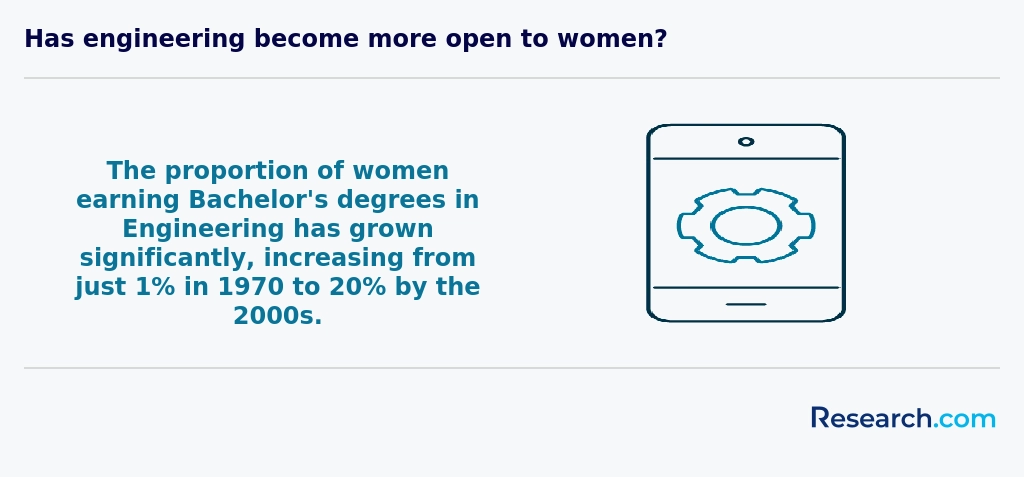
Students pursuing online engineering degrees in Washington have access to a wealth of financial aid options that make their educational journey more achievable and inspiring. For example, graduates from the University of Washington often share how federal Pell Grants, offering up to $7,395 annually, helped ease their tuition burdens. Many begin by completing the FAFSA, unlocking these crucial funds.
The Washington College Grant plays a vital role, generously awarding up to $5,250 each year to eligible online engineering learners at institutions like Washington State University. Such state-specific aid transforms dreams into reality, proving that studying engineering remotely in Washington is within reach.
Institutional scholarships, often based on merit or financial need, reward dedication and perseverance. Online engineering students celebrate receiving these from their universities, empowering them to focus fully on mastering their craft.
Working professionals treasure employer tuition assistance programs, blending work and study seamlessly. With Washington's booming tech and manufacturing sectors, this support frequently covers significant tuition costs, fueling the next wave of industry leaders.
Finally, private scholarships from national groups like the Society of Women Engineers fuel passion and ambition with targeted aid, helping students feel supported every step of the way.
Enrolling in an online engineering degree in Washington opens the door to exciting possibilities, provided you meet a few key prerequisites that many students have successfully navigated. Most programs, including those at well-known institutions like the University of Washington and Washington State University, require a high school diploma or equivalent, and strong preparation in math-algebra, geometry, and even calculus-to build a solid foundation. Graduates often share how mastering these subjects early gave them confidence to tackle complex engineering challenges.
Many students also find that having a good grasp of physics and chemistry boosts their understanding of engineering concepts, making coursework more rewarding. For bachelor's applicants, submitting transcripts and sometimes SAT or ACT scores showcases readiness, with a GPA around 3.0 helping to secure admission at competitive schools.
On the technical side, reliable internet and familiarity with computers are essential in Washington's online environment, empowering students to engage fully in virtual labs and simulations. Graduate programs raise the bar, expecting an accredited bachelor's degree and a compelling statement of purpose, along with professional experience that enriches learning. This structured path ensures that motivated learners are well-equipped to succeed and thrive in their engineering journeys.
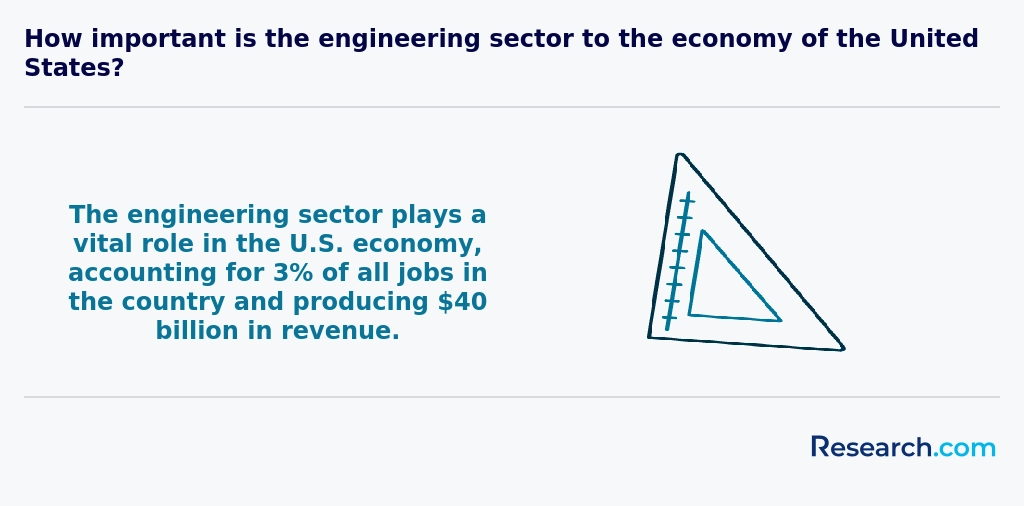
Washington's online engineering degrees offer an inspiring blend of foundational and specialized courses that truly equip students for success. Graduates from prominent institutions like the University of Washington often share how core subjects such as calculus, physics, and chemistry provided a solid base for tackling real-world challenges, from designing sustainable bridges to optimizing renewable energy systems.
After mastering the essentials, students dive into focused classes like statics and dynamics, materials science, and thermodynamics, which bring engineering concepts to life through engaging virtual labs and simulations. Learners at schools like Washington State University find hands-on experience with electrical circuits and software programming invaluable, sparking creativity and confidence in cutting-edge fields like robotics and data analytics.
Many appreciate the practical approach in courses on engineering design and project management, helping them collaborate effectively and lead projects that can transform communities. The rich curriculum in Washington's accredited programs genuinely motivates students, making every lesson a step closer to their engineering dreams.
Students pursuing an online engineering degree in Washington can choose from inspiring specializations tailored to the state's vibrant industries. Mechanical engineering is a standout, connecting learners to the aerospace sector around Seattle, where graduates find rewarding roles designing aircraft systems influenced by giants like Boeing. Civil engineering focuses on shaping Washington's evolving urban landscapes, addressing real challenges in transportation and sustainable infrastructure, a perfect pathway for those excited to impact communities.
Electrical engineering aligns with Washington's tech hubs, fueling careers in power systems and telecommunications, while environmental engineering speaks to a passion for protecting the state's stunning natural beauty through sustainable projects. Software engineering offers thrilling opportunities to innovate in the heart of the tech world, with students from the University of Washington and Washington State University often expressing pride in their cutting-edge skill sets.
Choosing an online degree means flexibility without sacrificing quality, especially when programs are ABET-accredited. Many graduates share how these specializations open doors in dynamic fields, offering hope and excitement for what lies ahead. For guidance on costs and options, exploring the most affordable online colleges for working adults in Washington helps align ambitions with resources in pursuing the best engineering majors online Washington offers.
Choosing the best online engineering degree in Washington means focusing on programs that combine strong accreditation, flexibility, and industry relevance. Graduates from well-known institutions in Washington often share how ABET-accredited programs gave them confidence in the quality and rigor of their education, opening doors to roles in aerospace and software companies thriving in the state.
Many students appreciate the balance that online formats offer, especially when pursuing affordable engineering programs Washington state provides. Being able to manage studies alongside work or family commitments helped these learners stay motivated and complete their degrees successfully at their own pace. Schools in this region often offer tailored academic advising, which former students highlight as a key factor in overcoming challenges and staying on track.
When exploring options, also consider specialization opportunities aligned with Washington's engineering economy, such as environmental or aerospace engineering. Reflecting on tuition, some graduates found exceptional value by researching the cheapest online bachelor's degree options available, which made their educational journey more manageable without sacrificing quality.
Real-world career outcomes matter. Washington's engineering graduates frequently secure positions at major tech firms and public agencies, a testament to choosing programs that emphasize strong post-graduation support and relevant coursework. Their success stories illustrate why selecting the right program here can truly elevate your future.

Graduates with an online engineering degree in Washington enjoy a vibrant array of career paths fueled by the state's robust industries in aerospace, technology, and manufacturing. Those finishing their studies at institutions like the University of Washington or Washington State University often find themselves thriving as mechanical, software, or aerospace engineers within dynamic companies across Seattle and beyond. These graduates share inspiring stories of contributing to cutting-edge projects, from designing innovative aircraft components to developing sustainable energy solutions, reflecting the strong demand for versatile engineering skills.
The region also offers rewarding roles in civil and environmental engineering, where graduates actively improve public infrastructure and advance green technologies. Washington's commitment to clean energy opens doors for environmental engineers eager to make a tangible impact. Exploring engineering degree job opportunities Washington offers can lead students to creative, fulfilling careers that align with their passion for solving real-world challenges.
Many students enhance their credentials by pursuing dual degree programs, positioning themselves competitively in this thriving job market while gaining practical experience and connections.
The job market for online engineering degree holders in Washington is vibrant and filled with promise. Graduates from well-known institutions like the University of Washington and Washington State University often share stories of landing roles with tech giants and aerospace leaders thanks to their flexible online studies. These success stories emphasize how the engineering career opportunities Washington state offers are fueled by a diverse industrial base that needs skilled professionals in fields like software, mechanical, and electrical engineering.
Many online engineering students appreciate how their programs balance theory with hands-on projects, making it easier to transition into challenging roles. The region's growing acceptance of remote and hybrid work models opens even more doors, helping graduates feel confident in their future. With average salaries around $102,000 and strong demand supported by companies like Boeing and Amazon, the online engineering job prospects in Washington are truly encouraging. For detailed insights into career paths, consulting the trade school careers list and salaries can also inspire your journey.
2027 Best Online Engineering Degree Programs Ranking in Washington
Investing in your education is a significant decision that can shape your future, and the Research.com team understands the importance of making informed choices. To assist prospective students in Washington, we have meticulously crafted the "2027 Best Online Engineering Degree Programs Ranking in Washington." Our commitment to quality, credibility, and accuracy is reflected in the extensive research and analysis undertaken to compile this ranking.
We utilized the following reputable data sources to ensure a comprehensive evaluation of engineering programs:
By exploring this ranking, readers will gain valuable insights into the best online engineering degree programs in Washington, enabling them to make confident and informed decisions about their educational paths. For more details on our methodology, please visit our Research.com methodology page.


# 3 position
Bellingham Technical College
Bachelor of Operations Management

Frequently Asked Questions About engineering
Students pursuing online engineering degrees in Washington can enhance their learning by actively engaging with faculty and peers through virtual office hours and discussion boards. Participating in online study groups helps reinforce complex concepts and builds essential teamwork skills relevant to engineering careers.
Utilizing local resources like libraries and industry events also broadens practical understanding. Since Washington is home to major tech companies such as Boeing and Microsoft, students should explore internships and cooperative education opportunities to gain real-world experience.
Consistently dedicating time to hands-on projects and online simulations improves mastery of engineering principles. According to the Washington State Workforce Training and Education Coordinating Board, engineering occupations are projected to grow by nearly 8% through 2030, increasing practical skills demand.
The engineering landscape is evolving rapidly, with several emerging niches shaping future opportunities. In Washington, growing industries emphasize areas like renewable energy engineering, fueled by the state's commitment to clean energy. According to the Washington State Employment Security Department, jobs in green technology are projected to grow by over 10% through 2030.
Another key niche is biomedical engineering, supported by Seattle's robust healthcare and biotech sectors. This specialty focuses on developing medical devices and technologies, offering promising career paths for engineers.
Additionally, software and systems engineering related to autonomous vehicles and smart infrastructure are gaining traction, reflecting national trends in technological innovation.
Graduates with an online engineering degree in Washington should focus on building a strong professional network before entering the job market. Organizations like the Washington State Society of Professional Engineers offer valuable opportunities for connection and mentorship. Additionally, obtaining or preparing for the Fundamentals of Engineering (FE) exam is crucial, as it is often the first step toward licensure in Washington.
Enhancing soft skills such as communication and teamwork can increase employability in the state's competitive tech sector. According to the Washington State Employment Security Department, engineering jobs are expected to grow by 9% through 2030, signaling solid demand.
Internships and cooperative education experiences-even virtual ones-help graduates gain practical skills and improve resumes. Utilizing Washington's Workforce Training & Education Coordinating Board resources also aids in job search strategies and local labor market insights.
Employers in Washington seeking engineering graduates prioritize both technical and soft skills, reflecting the state's diverse engineering industry. According to the Washington State Employment Security Department, expertise in computer-aided design (CAD), proficiency in programming languages like Python and MATLAB, and strong analytical skills are highly valued. Additionally, project management and teamwork abilities are essential, as many engineering roles require collaboration across disciplines.
Communication skills remain critical, with employers expecting graduates to clearly convey complex ideas. Problem-solving aptitude, adaptability to new technologies, and knowledge of sustainable practices also rank prominently in job listings throughout Washington's tech and manufacturing sectors.
Finding internships in Washington relevant to an online engineering degree requires a strategic approach. Start by exploring local resources such as the Washington State Department of Commerce, which highlights opportunities in key industries like aerospace, software, and clean energy where engineering skills are in demand. According to the U.S. Bureau of Labor Statistics, Washington employed over 100,000 engineers in 2023, showcasing a strong job market.
Networking through university career centers and online platforms such as LinkedIn can connect students to internships offered by companies like Boeing and Microsoft. Additionally, statewide programs like the Washington STEM Internship provide structured placements that enhance practical experience.
Engaging with professional organizations like the Society of Women Engineers (SWE) Pacific Northwest section can also open internship doors. Finally, students should monitor job boards tailored to engineering, including those hosted by universities and state employment portals.
An online engineering degree can significantly enhance career mobility and advancement for professionals in Washington. The state's robust technology and manufacturing sectors, including giants like Boeing and Microsoft, demand skilled engineers, making education critical for career growth. According to the Washington State Employment Security Department, engineering occupations are projected to grow 5% through 2030, indicating steady job opportunities.
Completing an accredited online program allows working professionals to gain relevant skills without pausing their careers. This flexibility helps them pursue promotions or switch to specialized fields like civil, electrical, or software engineering. Additionally, many local employers recognize online degrees accredited by ABET, improving graduates' prospects.
Furthermore, engineers in Washington with bachelor's degrees earn a median annual wage around $87,000, while advanced qualifications often correlate with leadership roles and salary increases. Thus, an online engineering degree can serve as a practical path for career advancement and geographic flexibility within Washington's diverse economy.
Studying for an engineering degree online in Washington equips students for interdisciplinary roles by emphasizing collaboration across fields. Washington's engineering programs incorporate coursework in computer science, environmental science, and business, reflecting the state's leading industries like aerospace, software, and clean energy.
Many universities in Washington encourage project-based learning, where students solve real-world problems requiring knowledge from multiple disciplines. For example, a mechanical engineering student might work alongside IT peers on automation solutions, mirroring workplace dynamics.
According to the Washington State Employment Security Department, interdisciplinary skills boost employability, with 15% job growth expected in engineering-related roles by 2030.
Choosing between a thesis and a non-thesis online engineering degree in Washington depends on your career goals and learning preferences. A thesis program involves conducting original research and writing a detailed dissertation, ideal for students aiming for a research career or pursuing a PhD.
Non-thesis programs typically focus on coursework and practical applications, making them suitable for those seeking industry roles or professional advancement. According to the National Center for Education Statistics, many Washington engineering schools offer both options tailored to diverse student needs.
Consider your time commitment as thesis programs generally require more time and critical thinking, while non-thesis paths are quicker and more flexible. Also, contacting Washington engineering departments can help clarify local requirements and outcomes.
Students in Washington seeking to study engineering abroad have several practical options through US-based institutions offering online partnerships with foreign universities. Many universities facilitate exchange or dual-degree programs that combine remote coursework with short-term stays overseas. This hybrid model is ideal for those balancing work or family commitments.
Washington State enrolls a growing number of engineering students in such programs, reflecting a national trend where 30% of online engineering students utilize international study components (National Science Foundation, 2022).
Additionally, accredited online degrees from Washington universities often include global project collaborations, helping students gain international experience without full relocation. Accreditation by ABET ensures courses meet rigorous standards recognized worldwide, which is crucial for career mobility.
Resources like the Washington Student Achievement Council provide guidance on credit transfer and study abroad support tailored for engineering fields.
Students pursuing online engineering degrees in Washington have several part-time job options that align well with their studies. Positions such as engineering interns, CAD drafters, and laboratory assistants are commonly available, offering hands-on experience that reinforces classroom learning. According to the Washington State Employment Security Department, internships and technical assistant roles in aerospace and software sectors are prominent due to the state's strong tech industry.
Part-time roles in manufacturing firms or government research labs also provide valuable exposure to engineering processes. These opportunities not only develop practical skills but can enhance resumes and professional networks.
Many workplaces in Washington, especially near Seattle and Spokane, actively seek students with engineering backgrounds for flexible roles that accommodate class schedules, supporting both education and career advancement simultaneously.
Online engineering students in Washington have several valuable networking opportunities despite the remote format. Many universities provide virtual career fairs and online professional workshops tailored to engineering disciplines. For example, Washington State University hosts yearly online events connecting students with local industry professionals and alumni.
Washington's strong tech economy, including major companies like Boeing and Microsoft, means online students can leverage local professional groups such as the Puget Sound Engineering Council and the IEEE Seattle Section. These organizations offer virtual meetups, webinars, and mentoring programs.
Additionally, LinkedIn and other online platforms serve as important networking tools, helping students join Washington-specific engineering communities to build connections and find job leads after graduation.
Alumni networks play a crucial role for online engineering degree students in Washington by fostering professional connections. These networks often provide access to job opportunities within Washington's thriving tech and aerospace industries, where engineering talent is in high demand. According to the Washington State Employment Security Department, engineering jobs are expected to grow by 9% through 2028, emphasizing the value of such connections.
For online students, alumni groups offer mentorship and guidance that can be essential for career advancement. Many Washington universities maintain active alumni chapters that organize events, webinars, and job fairs accessible remotely.
Access to a strong alumni network can also enhance internships, co-op placements, and industry partnerships, providing practical experience. Therefore, engaging with alumni helps online engineering students build valuable professional relationships within the state's competitive market.
Customizing an online engineering degree in Washington involves selecting specializations that align with your career goals. Many programs offer concentrations such as civil, electrical, or mechanical engineering, allowing students to focus on their desired fields. Additionally, students can often choose electives that build skills in emerging technologies like renewable energy or robotics.
Washington's strong tech and aerospace industries create opportunities for relevant internships and projects within online programs. Accreditation by ABET ensures the curriculum meets industry standards, which is crucial for career advancement.
Lastly, flexible scheduling and part-time options enable working professionals to tailor their studies around job commitments, enhancing educational outcomes.
Online engineering students in Washington often face challenges related to hands-on experience. Engineering programs typically require lab work and practical projects, which can be difficult to complete remotely. While some institutions provide virtual labs or local partnerships, not all students have easy access to these resources.
Another common hurdle is time management. Students balancing jobs or family responsibilities may find the rigorous curriculum demanding without the structured environment of on-campus classes. According to the Washington State Board for Community and Technical Colleges, many online learners struggle with maintaining consistent study habits.
Additionally, networking opportunities may be limited in online formats. Building professional connections is crucial in engineering fields, especially in Washington's tech-driven economy centered around Seattle and Bellevue. Without in-person interaction, students must proactively seek out virtual events and forums to engage with peers and employers.
With an online engineering degree in Washington, graduates can pursue several professional certifications to advance their careers. The most recognized is the Professional Engineer (PE) license, which requires passing the Fundamentals of Engineering (FE) exam, gaining relevant work experience, and then passing the PE exam. This credential is essential for engineers working in public projects or seeking leadership roles.
Washington State supports the PE certification through the Washington State Board of Registration for Professional Engineers. Additionally, specialized certifications like Certified Manufacturing Engineer (CMfgE) or Project Management Professional (PMP) can complement an engineering degree.
According to the National Society of Professional Engineers, over 70% of licensed engineers in Washington hold a PE license, boosting job prospects and salary potential.
When applying to online engineering programs in Washington, start by researching accredited institutions recognized by the Washington Student Achievement Council. Highlighting your strong background in math and science is essential, as engineering programs typically require evidence of proficiency in these areas. Showcasing practical experience through internships, projects, or work in engineering fields can significantly strengthen your application.
Washington's tech industry growth-employing over 90,000 engineers statewide according to the Washington State Employment Security Department-means programs often look for candidates with clear career goals. Tailor your personal statement to explain why you want to study engineering online and how it fits your ambitions.
Include all required documents carefully, such as transcripts, letters of recommendation, and standardized test scores if requested. Follow application deadlines and instructions precisely to demonstrate your professionalism and commitment.
The global perspective on an engineering career highlights its vital role in innovation, infrastructure, and technology advancement. In the U.S., and specifically Washington state, engineers are critical to sectors like aerospace, software, and clean energy. According to the U.S. Bureau of Labor Statistics, engineering jobs in Washington are expected to grow by 5% from 2021 to 2031, reflecting steady demand.
Globally, engineering skills are highly transferable, allowing professionals to work across different countries and cultures. Washington's online engineering degrees prepare students with skills recognized worldwide, making graduates competitive in a connected job market.
Furthermore, engineering fields are increasingly emphasizing sustainable designs and digital skills, aligning with global priorities such as climate change and Industry 4.0.
Gaining practical experience while pursuing an online engineering degree in Washington is essential for career readiness. Many Washington institutions collaborate with local industries to offer virtual internships and cooperative education (co-op) programs. These opportunities allow students to apply classroom knowledge to real-world engineering projects.
The Seattle metropolitan area is a hub for aerospace and technology companies, providing numerous chances for remote internships. According to the Washington State Department of Commerce, over 150,000 jobs are linked to engineering and technology fields in the state.
Students can also join professional organizations like the Washington Society of Professional Engineers to access networking and mentorship programs. Additionally, some online programs include lab kits or simulation software to develop hands-on skills at home.
Choosing the right concentration within an online engineering degree program in Washington depends on your career goals and local industry demands. Washington is a hub for aerospace, software, and renewable energy sectors, making concentrations like mechanical, computer, and environmental engineering especially relevant.
Consider your strengths and interests alongside labor market data. For example, the Washington State Employment Security Department projects 6% growth in computer hardware engineers by 2030, indicating promising opportunities.
Also, explore programs offering flexible specializations aligned with Washington's major employers, such as Boeing or Microsoft. Accreditation by ABET ensures quality education recognized nationwide, important for licensure and jobs.
Lastly, review faculty expertise and research options to match your focus within engineering disciplines.
- 2027 Best Online Engineering Degree Programs Ranking in California
- 2027 Best Online Engineering Degree Programs Ranking in Arizona
- 2027 Best Online Engineering Degree Programs Ranking in Colorado
- 2027 Best Online Engineering Degree Programs Ranking in New Mexico
- 2027 Best Online Engineering Degree Programs Ranking in North Dakota
- 2027 Best Online Engineering Degree Programs Ranking in Kansas
- 2027 Best Online Engineering Degree Programs Ranking in Texas
- 2027 Best Online Engineering Degree Programs Ranking in Missouri
- 2027 Best Online Engineering Degree Programs Ranking in Wisconsin
- 2027 Best Online Engineering Degree Programs Ranking in Illinois
See What Experts Have To Say About Studying Engineering
Read our interview with Engineering experts


Jasna Jankovic
Engineering Expert
Associate Professor
University of Connecticut

Joseph Reichenberger
Engineering Expert
Professor of Civil Engineering & Environmental Science
Loyola Marymount University

- Engineering Dual Degree Program https://www.washcoll.edu/dual-degree/engineering/index.php
- Thesis vs. Non-Thesis Master's Programs: Which is Right for You? https://potomac.edu/thesis-vs-non-thesis-masters/
- Study Engineering Abroad https://yocket.com/blog/study-engineering-abroad
- Networking for engineers: your questions answered https://targetjobs.co.uk/careers-advice/engineering/networking-engineers-your-questions-answered
- Top Schools with Online Engineering Degree Programs https://www.onlineengineeringprograms.com/
- How Do You Decide Which Engineering Career is Right for You? https://www.straighterline.com/blog/which-engineering-career-right-for-you
- 2025 Best Online Engineering Degrees https://www.onlineu.com/degrees/engineering
- Top 10 Emerging Engineering Fields for the Next Decade https://mvit.edu.in/top-emerging-engineering-fields-2030/
- The Rise of the Niche Engineer https://www.sterling-engineering.com/niche-engineer/
- Get experience in engineering with an internship https://gradireland.com/careers-advice/engineering/get-experience-engineering-internship


