2027 Best Engineering Degree Programs Ranking in Pullman

Co-Founder and Chief Data Scientist
Choosing the right engineering degree program in Pullman can feel overwhelming, but we're here to make it easier. This article introduces the 2027 Best Engineering Degree Programs Ranking in Pullman, carefully crafted by the Research.com team of data scientists. It highlights top programs to help you confidently decide where to invest your time and effort.
Engineering degrees open doors to exciting careers and personal growth. By exploring this ranking, you're taking a smart step toward a rewarding future in a field that shapes tomorrow.
Key benefits of getting engineering degree in Pullman
- Salary for engineering degree graduates: Mechanical Engineers in Pullman earn a mean annual wage of $105,220, while Electrical Engineers can expect about $117,680, showing excellent earning potential.
- Career paths: Graduates from Pullman's popular universities often pursue diverse roles in industries like construction, manufacturing, and technology, opening many doors for advancement and specialization.
- Online degree benefits: Earning an engineering degree online from a Pullman institution offers flexibility and convenience, allowing students to balance work and study while gaining the same recognized credentials as traditional programs.
- 2027 Best Engineering Degree Programs Ranking in Pullman
- What can I expect from engineering degree in Pullman?
- Where can I work with engineering degree in Pullman?
What can I expect from engineering degree in Pullman?
The average cost of pursuing an engineering degree at Washington State University in Pullman typically ranges from $12,000 to $25,000 per year for in-state students, making it an accessible investment for many. Graduates often describe their experience as a dynamic blend of challenging coursework and hands-on learning that perfectly balances cost with value.
Students thrive in facilities equipped with modern labs and cutting-edge CAD technology, helping them translate theory into real-world skills without feeling burdened by excessive expenses. Many find internships through WSU's strong ties to local industries, gaining invaluable experience while managing costs effectively. The supportive environment at the Voiland College of Engineering and Architecture inspires confidence, knowing that tuition not only covers classes but also opens doors to mentorship and research opportunities in fields like sustainable energy and robotics.
Overall, the affordability paired with quality education motivates Pullman engineering students to confidently build their futures while maintaining financial peace of mind.
Where can I work with engineering degree in Pullman?
Engineering graduates in Pullman find themselves at the heart of exciting career possibilities that reflect the city's unique blend of education and industry. Many graduates from Washington State University discover rewarding roles in agricultural engineering, working directly with cutting-edge research that impacts local farming and food production. Imagine collaborating on innovative machinery designs that improve sustainability and efficiency on regional farms.
Others thrive in civil and environmental engineering positions with local government or public works, shaping the infrastructure that supports Pullman's growing community. Graduates often share stories of designing water management systems or transportation projects that enhance everyday life, feeling proud to contribute to their city's development.
The proximity to Spokane and the Tri-Cities expands horizons even further. Graduates secure roles in technology and manufacturing companies specializing in aerospace or software development, experiencing vibrant work environments full of innovation and growth opportunities. These career paths highlight how an engineering degree in Pullman opens doors to meaningful, fulfilling jobs where talent truly makes a difference.
Graduates with engineering degrees from institutions like Washington State University in Pullman can look forward to rewarding financial prospects. Entry-level engineers often start with salaries ranging from $60,000 to $70,000 annually, allowing new graduates to confidently step into their careers with stability and optimism.
As experience grows, so do earnings. Mechanical engineers in Pullman, for example, enjoy a mean annual wage of about $105,220, while electrical engineers reach even higher averages around $117,680. Imagine working on cutting-edge projects with support from local research hubs, knowing your skills earn you a competitive salary in the region.
Civil engineers earn an average annual salary near $101,160, and industrial engineers make about $103,150. These figures reflect Pullman's thriving sectors and provide motivation for students envisioning their future roles in industries tied closely to the community's strengths.
Many graduates share how the combination of solid salaries and Pullman's affordable cost of living allows them to enjoy a balanced lifestyle, from pursuing advanced degrees to engaging with community innovation projects. This makes Pullman an inspiring place to launch a successful engineering career.
- In-state tuition for engineering undergraduates at Washington State University averages around $11,000 per year, while out-of-state students pay about $27,000 annually.
- Engineering programs are ABET-accredited, covering disciplines like mechanical, civil, electrical, and computer engineering with specialized tracks.
- Entry-level engineering graduates earn between $60,000 and $70,000 annually, with experienced engineers making $90,000 to $110,000 per year.
- The local job market has strong demand for agricultural engineering, software, electronics, and infrastructure roles.
- Pullman offers moderate living and transportation costs compared to larger US cities, supporting affordable education and career opportunities.
Completing an engineering degree in Pullman is an exciting journey that typically spans about four years. At Washington State University, the heart of engineering education in Pullman, students follow a clear, focused plan that helps them stay on track toward their Bachelor of Science degree. Many graduates recall how aligning with the college's structured curriculum brought a strong sense of accomplishment as they steadily moved through foundational courses in math and science before diving into engaging specialized classes.
For those who fully commit to their studies, four years is an achievable and rewarding timeframe. Students often find motivation in hands-on experiences like internships or co-op programs, which enrich learning and sometimes lengthen the timeline slightly, but leave them better prepared for future success. Even part-time students have shared how flexible paths let them balance life while advancing their education steadily.
Pullman is a place where dedication meets opportunity, and graduates leave proud knowing their effort translates into real-world skills within an inspiring, supportive environment.
Choosing between online and on-campus engineering degrees in Pullman opens exciting paths tailored to your lifestyle. On-campus programs, such as those at Washington State University, immerse you in dynamic labs where hands-on projects turn theory into real-world innovation. Graduates often recall vibrant classroom discussions and collaborative study sessions that spark lasting friendships and networks.
By contrast, online engineering degrees empower you with flexibility, ideal for balancing work or family commitments while pursuing your passion. Many students thrive studying at their own pace, accessing coursework anytime with a laptop and internet, all while staying rooted in Pullman. Some programs even offer virtual labs or occasional campus visits, blending convenience with meaningful practical experiences.
Costs also differ positively: on-campus tuition typically includes added fees for housing and activities, while online options often lower overall expenses without sacrificing accreditation or quality. Whether you seek interactive campus life or adaptable learning, Pullman's engineering options support your ambitions to engineer a bright future.
When considering the average engineering degree cost in Pullman, students find that Washington State University (WSU) offers an accessible path to a quality education. Graduates often reflect on how the total cost can pleasantly align with their expectations, with median total expenses around $44,334, representing a balanced investment in their future. This total includes not just tuition but also textbooks, housing, and essential materials, helping students plan confidently without surprises.
For those living in Pullman or nearby, being an in-state student significantly eases financial pressure, making it more affordable to pursue an engineering degree. Many graduates share stories of thriving in WSU's supportive environment, where hands-on projects and industry connections make every dollar feel well spent. Understanding the total cost of engineering degree programs Pullman helps students visualize a clear path toward success.
Besides tuition, engineering students often budget for specific materials and lab fees, which vary by major. Those passionate about engineering can explore the unique benefits of programs at WSU's Voiland College of Engineering and Architecture, where practical learning is integrated into coursework. For students weighing different fields, comparing an industrial engineering degree vs mechanical engineering may refine their focus while keeping costs manageable.
Inspired by peers who balance financial aid, scholarships, and diligent planning, many students see their engineering degrees in Pullman as a valuable investment. The journey is supported by accessible resources, which help make the dream of becoming an engineer both achievable and rewarding.
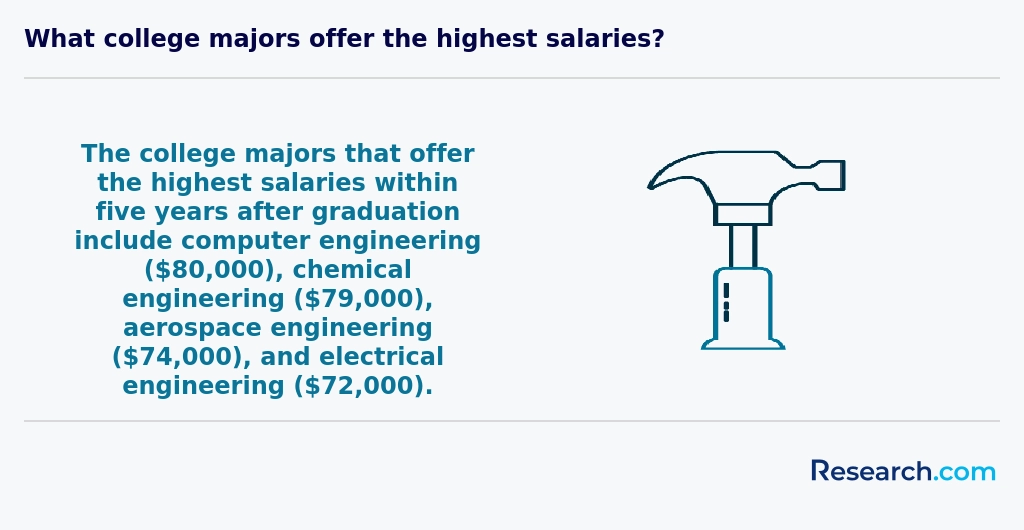
One of the most valuable components of engineering degree programs in Pullman, WA, is the robust network of internships and industry partnerships that bridge classroom learning with real-world experience. Washington State University and neighboring institutions collaborate with regional and national companies-such as Boeing, Schweitzer Engineering Laboratories, and energy startups-to offer semester-long co-op placements, summer internships, and project-based research opportunities. These partnerships not only allow students to apply theoretical knowledge to live engineering challenges but also significantly enhance employability upon graduation. Through the Voiland College Career Center, students can access exclusive internship listings, attend employer-hosted workshops, and participate in on-campus recruitment events. For example, the annual Engineering Career Fair attracts over 80 organizations looking to hire interns for roles in mechanical design, electrical systems, and civil infrastructure projects. Many students report converting their internships into full-time positions, citing early exposure to company culture and mentorship from seasoned engineers as key advantages. Beyond traditional internships, Pullman’s engineering programs frequently partner with federal laboratories-such as the Pacific Northwest National Laboratory-and community initiatives focused on renewable energy and environmental remediation. Participating in these multidisciplinary research teams helps students build problem-solving skills, refine technical expertise, and develop professional networks that endure long after commencement. Prospective students balancing financial considerations can also explore cost-effective alternatives in other regions. To compare tuition and program value, check out our Low Cost Engineering Degree Programs Ranking in Baton Rouge, LA, which highlights budget-friendly options without sacrificing the quality of industry engagement. By leveraging both top-tier internships and strategic partnerships, engineering students in Pullman are well-positioned to launch dynamic, impactful careers.
Engineering students in Pullman have access to a wealth of financial aid opportunities that turn ambitious dreams into reality. At Washington State University (WSU), many students find merit-based scholarships through the Voiland College of Engineering and Architecture, with awards ranging from $1,500 to full tuition waivers. Imagine the relief and excitement of entering college knowing your hard work in high school paved the way for such support.
Federal aid, including Pell Grants and work-study programs, further lightens the financial load. Graduates often recall how these resources provided them with both funds and meaningful engineering experience on campus, making every dollar invested feel impactful.
- Departmental scholarships recognizing leadership and academic excellence;
- Washington State Opportunity Scholarship offering up to $6,000 annually for STEM students;
- Professional organization scholarships like those from the American Society of Mechanical Engineers;
Some students also benefit from employer tuition assistance, blending real-world work with education. This combination of aid avenues inspires many to confidently pursue their engineering careers right here in Pullman.
Pullman’s engineering programs offer extensive research opportunities through state-of-the-art facilities at Washington State University and affiliated centers. Students can access the Microelectronics Research Center for cutting-edge semiconductor projects, the Composite Materials and Engineering Center for advanced materials testing, and the Center for Precision Metrology to hone instrumentation skills. These facilities host interdisciplinary teams, allowing undergraduates and graduates alike to contribute to NSF-funded initiatives and publish in peer-reviewed journals, reinforcing both academic credentials and career prospects. Undergraduate engineers often participate in hands-on research from their first year, collaborating with faculty on projects ranging from renewable energy systems to autonomous robotics. The WSU Power Systems Protection and High Voltage Laboratory, for example, enables students to simulate grid failures and develop robust control algorithms-experience that directly aligns with industry demands and bolsters resumes. For those pursuing electrical disciplines, understanding electrical engineering major requirements is essential before engaging in specialized lab work, ensuring they meet prerequisites for advanced research modules. Beyond campus, the Pullman Regional Research Center partners with local tech firms to host summer internships and co-op programs, giving students real-world exposure to manufacturing lines, environmental monitoring stations, and biomedical device testing. Regular symposiums, hackathons, and journal clubs provide forums for presenting findings and networking with industry leaders. By leveraging these rich research environments, engineering students in Pullman build a strong foundation for innovation-driven careers and graduate studies.
To begin your engineering journey in Pullman, meeting certain prerequisites opens the door to a rewarding future. Graduates from well-known institutions here often reflect on how a strong foundation in mathematics and science, including subjects like calculus, physics, and chemistry, gave them the confidence to excel. Imagine mastering these subjects in high school through challenging courses or Advanced Placement exams - this readiness is exactly what engineering programs in Pullman look for.
Applicants usually submit test scores such as the SAT or ACT, showcasing their analytical skills. Many students recall how achieving a solid SAT math score above 600 helped them stand out and feel equipped for the demanding curriculum at local universities.
Completing a thoughtful application with transcripts and recommendation letters lets you share your passion for engineering. Some programs even encourage interviews or placement tests to better understand your potential. Transfer students often find that excelling in college-level calculus and physics with a GPA above 3.0 paves the way for a smooth transition into Pullman's engineering community.

Engineering students in Pullman immerse themselves in a rich mix of rigorous courses that build confidence and skill. At popular institutions like Washington State University, graduates recall how foundational classes like calculus and physics set the stage for real innovation. These courses challenge students to think critically and solve complex problems, creating a solid analytical mindset essential for any engineer.
Hands-on experiences in mechanical, civil, or electrical engineering deepen this learning through thermodynamics, fluid mechanics, and circuit analysis. Students often share how laboratory work transforms theory into exciting, tangible experiments, where they see principles come alive. Beyond technical mastery, courses in computer programming and project management sharpen teamwork and communication skills-preparing students to thrive in collaborative, real-world projects.
Many graduates describe capstone projects as the highlight of their academic journey, where they combine knowledge and creativity to tackle industry-style challenges. With a focus on ethical engineering and sustainability, the curriculum empowers Pullman engineering students to become not only skilled professionals but innovators ready to make a positive impact in their communities.
- Calculus I, II, and III
- Physics with laboratory
- General chemistry
- Statics and dynamics
- Thermodynamics
- Fluid mechanics
- Electrical circuits and systems
- Materials science
- Computer programming for engineers
- Engineering design and project management
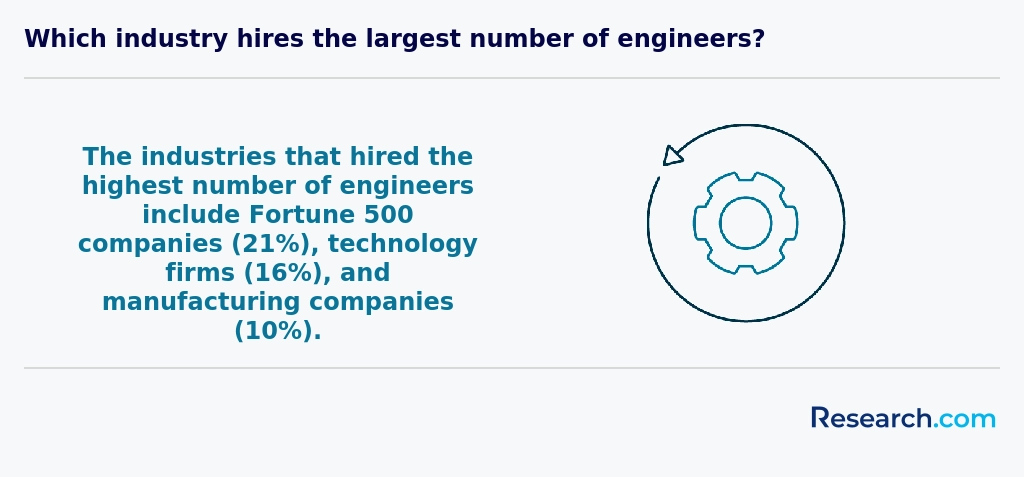
Engineering degree specializations in Pullman offer an inspiring range of opportunities that empower students to make a real difference in their communities and beyond. Studying at Washington State University's Voiland College of Engineering and Architecture, graduates immerse themselves in dynamic fields like Civil Engineering, where they design vital infrastructures shaping the Pacific Northwest's future. Others embrace Mechanical or Electrical Engineering, developing innovative technologies that power industries and improve everyday life.
Pullman's engineering programs uniquely blend academic rigor with hands-on experiences, preparing students for thriving careers. Graduates often share how their time in Computer or Environmental Engineering sparked their passion for solving complex challenges, whether through cutting-edge software or sustainable environmental solutions. Agricultural Engineering, influenced by Pullman's rich farming tradition, also equips students to advance modern agricultural technology.
With such diverse options and strong local industry ties, Pullman stands out among top engineering programs in Pullman Washington. Plus, for those exploring career paths, learning about the best trade school jobs can open even more avenues to success.
Choosing the best engineering degree in Pullman means diving into a world of exciting possibilities at Washington State University, home to the Voiland College of Engineering and Architecture. Many graduates recall how selecting programs like mechanical or electrical engineering aligned perfectly with their passion, driving their success in booming industries. The welcoming campus community and strong faculty support make challenging projects feel achievable, fueling confidence every step of the way.
Affordability plays a vital role too, and with some of the most affordable engineering degrees Pullman WA offers, students find peace of mind knowing quality education doesn't have to come with overwhelming debt. Imagine engaging in internships and cooperative education programs, gaining hands-on experience with local employers who open doors to future careers.
Discover your ideal path by exploring the diverse disciplines available, matching your skills and ambitions with current industry growth. For more insights on career choices, check out helpful resources here, guiding you toward a fulfilling engineering journey.

Graduates of engineering programs in Pullman find themselves stepping confidently into a variety of rewarding career paths. Pullman's strong connection to Washington State University means students quickly become part of hands-on projects that lead to roles in manufacturing and industrial design, where engineers actively shape innovative products. Many celebrate the opportunity to work in construction and infrastructure planning, applying their skills to real-world projects ensuring community safety and growth.
For those passionate about sustainability, the region's focus on renewable energy attracts environmental and electrical engineers eager to make a lasting impact. Research and development positions thrive here, fueled by collaborations with cutting-edge university labs, offering an inspiring environment to push technological boundaries. Additionally, the fast-growing tech sector around Pullman opens exciting job prospects for engineers interested in software and computer engineering, blending creativity with technology.
Choosing Pullman for an engineering degree offers excellent career options for engineers in Pullman Washington, especially with affordable options like the cheapest engineering school in washington, helping students launch their extraordinary journeys.

Engineering graduates from Pullman enjoy a vibrant and steadily growing job market shaped by the region's unique blend of industries. With Washington State University anchoring the educational landscape, graduates often find fulfilling roles in manufacturing, technology, and research sectors. Those pursuing an engineering degree in Pullman experience a community deeply connected to agricultural innovations and cutting-edge technology, opening doors to diverse employment opportunities just outside campus.
Many graduates reflect on their rewarding journeys working with local firms that specialize in machinery and agricultural equipment or contributing to technology companies focused on software and systems engineering. This blend of academic grounding and real-world application makes the Pullman engineering degree career outlook genuinely promising. Entry-level salaries typically range from $60,000 to $75,000, offering confidence to new engineers starting their professional path.
For students planning their future, exploring electrical engineering major requirements at Washington State University is an inspiring first step toward joining this thriving community. Pullman's connection to broader Pacific Northwest markets enhances job prospects further, making engineering job opportunities in Pullman a meaningful and exciting choice for driven students.
2027 Best Engineering Degree Programs Ranking in Pullman
Investing in your education is a significant decision that can shape your future, and the Research.com team understands the importance of making informed choices. To assist prospective students in Pullman, we have meticulously crafted the "2027 Best Engineering Degree Programs Ranking in Pullman." Our commitment to quality, credibility, and accuracy is reflected in the extensive research and analysis conducted to compile this ranking.
We utilized the following reputable data sources to ensure a comprehensive evaluation of engineering programs:
By exploring this ranking, readers will gain valuable insights into the best engineering degree programs available in Pullman, helping them make informed decisions about their educational paths. For more details on our methodology, please visit our Research.com methodology page.

Frequently Asked Questions About engineering
Engineering students in Pullman can maximize their learning by fully engaging with hands-on opportunities offered by local institutions such as Washington State University. The university's Voiland College of Engineering and Architecture provides access to advanced labs and industry-driven projects. Participating in internships with regional technology firms or national labs nearby can greatly enhance practical skills. According to the National Association of Colleges and Employers, cooperative education increases employment chances by over 25%. Joining engineering clubs and attending workshops also fosters collaboration and knowledge sharing. Staying connected with faculty mentors in Pullman helps tailor academic paths to emerging industry trends.
Emerging niches within the engineering field reflect advances in technology and growing market demands. In Pullman, areas such as renewable energy engineering and bioengineering are gaining interest. According to the U.S. Bureau of Labor Statistics, jobs in renewable energy are projected to grow by 10% between 2022 and 2032, highlighting opportunities for engineers focused on solar, wind, and sustainable design.
Additionally, data engineering and artificial intelligence are rapidly expanding fields. Engineering programs in Washington State emphasize these trends, preparing students for careers in automation, machine learning, and big data analysis.
Environmental engineering remains crucial as regulations and awareness about climate change increase, offering roles in pollution control and resource management. Pullman's proximity to research institutions supports growth in these specialties.
Graduates with an engineering degree from Pullman should take proactive steps to enter the job market successfully. Gaining practical experience through internships or cooperative education during studies is essential. According to the National Association of Colleges and Employers, nearly 60% of engineering students secure internships before graduation, which significantly boosts employability.
Networking within Pullman and the broader Washington state engineering community can open doors. Attending local job fairs and industry events hosted by institutions like Washington State University enhances connections with potential employers. Additionally, developing strong technical skills and software proficiency relevant to your engineering discipline is critical.
Consider leveraging university career services, which often provide resume reviews and mock interviews tailored to engineering careers. Staying informed about regional labor market trends in the engineering sector, particularly in Pullman and nearby tech hubs, will help tailor job search strategies effectively.
Employers seeking engineering graduates in Pullman prioritize technical proficiency and practical problem-solving skills. According to recent data from the Bureau of Labor Statistics, strong foundations in mathematics, computer-aided design (CAD), and programming languages like Python and MATLAB are highly valued.
Additionally, teamwork and communication skills rank among the top qualities. Engineering projects often require collaboration across disciplines, so the ability to convey complex ideas clearly is essential.
Local industry reports highlight adaptability and continuous learning as critical, especially with evolving technologies in manufacturing and renewable energy sectors prominent near Pullman.
Understanding regulatory standards and safety protocols is also an expected competency for new graduates entering the workforce.
Finding internships in Pullman relevant to an engineering degree often begins with leveraging resources at Washington State University (WSU), the city's primary higher education institution. WSU's career center offers engineering students access to internship listings, resume workshops, and employer events tailored to various engineering disciplines.
Local industries-including agriculture technology, environmental engineering firms, and construction companies-regularly seek interns. Students benefit from attending networking events and career fairs hosted on campus and in the community.
Additionally, online job boards such as Handshake, heavily used by WSU students, frequently feature internships in Pullman. Research from the National Association of Colleges and Employers (NACE) shows that internships significantly increase job prospects after graduation, highlighting their importance for engineering students.
An engineering degree in Pullman significantly enhances career mobility and advancement opportunities. Graduates from institutions like Washington State University's Voiland College of Engineering benefit from connections to local industries, including technology and manufacturing sectors. According to the U.S. Bureau of Labor Statistics, engineers in Washington State experience a median annual wage of over $90,000, reflecting strong demand and competitive pay.
Possessing an accredited engineering degree often enables professionals to qualify for licenses such as the Professional Engineer (PE), which can lead to higher responsibility roles. Employers in Pullman value graduates with practical skills and internships, facilitating swift career progression.
Overall, engineers in Pullman with formal degrees tend to access more diverse job opportunities, including management and specialized technical fields, fostering long-term advancement.
Studying for an engineering degree in Pullman equips students with strong technical foundations and exposure to interdisciplinary skills. Pullman's engineering programs emphasize collaboration across fields such as computer science, environmental science, and business, reflecting industry demands for versatile professionals.
Washington State University, the primary institution in Pullman, offers hands-on projects and research opportunities that bridge disciplines. About 30% of their engineering research integrates multiple fields, enhancing problem-solving abilities. Students often participate in teams where roles blend engineering with data analysis, communication, and innovation strategies.
This approach prepares graduates to work effectively in diverse roles, adapting to evolving technologies and complex challenges found in today's work environments.
When choosing between a thesis and a non-thesis engineering degree program in Pullman, consider your career goals and interests. Thesis programs focus on research and require a substantial project, ideal if you plan to pursue a PhD or work in research-driven roles. Non-thesis options emphasize coursework and practical skills, suitable for professionals targeting industry positions or certifications.
In Pullman, Washington State University offers both formats, with around 40% of engineering students opting for thesis tracks according to recent university reports. Thesis students often receive more funding opportunities, while non-thesis students usually complete their degrees faster.
Consulting academic advisors and reviewing program requirements can help clarify the best path based on your aspirations.
Students based in Pullman seeking to study engineering abroad have several pathways available through their home institutions and external programs. Washington State University (WSU), located in Pullman, offers exchange programs and partnerships with universities in Europe and Asia, enabling students to gain international experience while earning credits. WSU's Global Campus supports engineering students interested in studying in countries like Germany, South Korea, and the Netherlands, known for strong engineering faculties.
Moreover, the U.S. Department of Education recognizes various study abroad scholarships such as the Gilman Scholarship, which engineering students can use to help finance their overseas education. According to the Institute of International Education's 2022 Open Doors Report, approximately 300 U.S. engineering students studied abroad, emphasizing growing opportunities.
Part-time job opportunities in Pullman that complement engineering degree education include roles in research labs, tutoring, and internships with local tech companies. Washington State University, located in Pullman, offers engineering students access to campus research projects where they can gain hands-on experience. According to WSU's Career Center, many engineering students find work as teaching assistants or tutors, which reinforces their understanding of core subjects.
Internships or lab assistant positions within departments like Mechanical or Electrical Engineering provide practical skills valuable for future careers. Additionally, some students engage with Pullman's small industrial businesses, offering technical support or design assistance.
Engineering students in Pullman have several valuable networking opportunities that enhance their academic and professional growth. Washington State University (WSU), the primary institution offering engineering degrees in the area, hosts career fairs and industry-specific events where students meet professionals from fields like mechanical, electrical, and civil engineering. These events attract regional employers such as Schweitzer Engineering Laboratories and Schweitzer Engineering Laboratories, providing direct connections to internships and jobs.
WSU's College of Engineering also supports student chapters of national organizations, including the American Society of Mechanical Engineers (ASME) and the Society of Women Engineers (SWE). Membership in these groups offers access to conferences, workshops, and mentorship programs.
Local alumni networks and partnerships with research centers further help students expand their contacts. According to WSU's recent career report, over 75% of engineering graduates secured employment through networking efforts while still in school.
Alumni networks provide valuable support to engineering degree students in Pullman by facilitating professional connections and mentorship opportunities. Graduates from local institutions often engage with current students through organized events and online platforms, sharing insights about industry trends and career development.
Research from the National Association of Colleges and Employers highlights that 70% of job placements result from networking, emphasizing the importance of these alumni connections. In Pullman, engineering alumni have established collaborations with regional tech firms and manufacturing companies, increasing internship and employment prospects for students.
Furthermore, alumni often contribute to curriculum development and guest lectures, helping to align academic programs with real-world engineering demands and innovations.
Students pursuing engineering degrees in Pullman can customize their programs through elective courses and specializations offered at local institutions such as Washington State University. These options allow tailoring studies toward fields like mechanical, civil, or electrical engineering, aligning with specific career goals. Programs often include opportunities for undergraduate research and internships with regional industries, enhancing practical experience.
Advising services help students select courses that fit emerging tech trends and job market demands. Additionally, many programs offer flexible schedules, including part-time and online classes, supporting working professionals. According to WSU's 2023 data, engineered graduates reported a 90% employment rate within six months.
Engineering students in Pullman often face rigorous academic workloads as a primary challenge. The demanding curriculum requires strong time management skills to balance coursework, labs, and projects. According to data from the National Center for Education Statistics, engineering programs nationwide have a retention rate of about 60%, reflecting similar hurdles in Pullman.
Another challenge is adapting to practical, hands-on experiences such as internships and research opportunities. Being in a smaller city, students sometimes find fewer local industry connections compared to larger urban centers, which can affect access to internships.
Students also encounter competition for scholarships and funding, crucial for managing rising tuition and living expenses. Navigating these financial obstacles while maintaining academic performance adds pressure.
With an engineering degree in Pullman, graduates can pursue several key professional certifications that enhance career prospects. The most recognized certification is the Professional Engineer (PE) license, which requires passing the Fundamentals of Engineering (FE) exam, gaining relevant work experience, and passing the PE exam. This licensure is vital for engineers seeking leadership roles or government contracts.
Additional certifications include the Certified Manufacturing Engineer (CMfgE) and the Project Management Professional (PMP), which are valued in industries like aerospace and manufacturing prevalent in Washington state. These certifications demonstrate specialized skills and commitment to the field.
According to the National Society of Professional Engineers, licensed engineers earn approximately 20% higher median salaries nationwide, reflecting the value of certification. Pullman's engineering community, including Washington State University resources, supports preparation for these certifications through workshops and exam reviews.
Applying to an engineering program in Pullman requires careful preparation. First, ensure your academic transcript demonstrates strong performance in math and science courses, as these are critical for engineering studies. Many programs recommend a minimum GPA of 3.0 to remain competitive.
Next, craft a clear personal statement that explains your passion for engineering, career goals, and why a program in Pullman fits your ambitions. Mention any relevant experience, such as internships or projects, to highlight your commitment.
Additionally, letters of recommendation from teachers familiar with your technical skills can strengthen your application. Standardized test scores, while increasingly optional, may still play a role and should be submitted if they will improve your chances.
According to Washington State University Pullman's website, applicants with demonstrated leadership and teamwork skills often stand out. Showcasing these attributes in your application can be beneficial.
The engineering profession is increasingly global, with strong demand for graduates in many countries, including the United States. Pursuing an engineering degree in Pullman offers students access to U.S. standards recognized worldwide, supported by accreditation bodies such as ABET. According to the U.S. Bureau of Labor Statistics, engineering jobs are projected to grow 6% from 2021 to 2031, reflecting steady opportunities.
Many engineering graduates from Pullman enter industries with international reach, such as aerospace, manufacturing, and technology. Employers value skills like problem-solving, communication, and cultural awareness, helping graduates compete globally. Pullman's proximity to research institutions also enhances exposure to global innovations.
Gaining practical experience while studying for an engineering degree in Pullman is essential for career readiness. Washington State University, located in Pullman, offers numerous internship opportunities through its engineering department, connecting students with local and regional employers. According to the university's career services, over 70% of engineering students complete at least one internship before graduation.
Students can also participate in cooperative education (co-op) programs, which alternate semesters of classroom study with full-time work in engineering positions. These co-op experiences allow students to apply theoretical knowledge to real-world projects and build professional networks.
Additionally, many engineering courses include hands-on laboratory work and design projects. Students often collaborate on capstone projects that involve solving actual engineering problems, sometimes sponsored by companies. This practical approach helps develop critical skills sought by employers in industries throughout the Pacific Northwest.
Choosing the right concentration within an engineering degree program in Pullman starts with understanding your interests and career goals. WSU Pullman, known for its strong engineering programs, offers various specialties such as mechanical, electrical, civil, and computer engineering. Researching job market trends is crucial; for example, the U.S. Bureau of Labor Statistics projects employment growth of 4-7% in major engineering fields through 2030.
Consider program accreditation by ABET, ensuring educational quality and industry recognition. Visiting campus departments, attending info sessions, and reviewing course offerings can help clarify what each concentration entails. It is also beneficial to explore internship opportunities in Pullman's tech and manufacturing sectors, which support hands-on experience tailored to specific concentrations.
- 2027 Best Engineering Degree Programs Ranking in Seattle
- 2027 Best Engineering Degree Programs Ranking in Portland
- 2027 Best Engineering Degree Programs Ranking in Davis
- 2027 Best Engineering Degree Programs Ranking in San Francisco
- 2027 Best Engineering Degree Programs Ranking in Denver
- 2027 Best Engineering Degree Programs Ranking in Colorado Springs
- 2027 Best Engineering Degree Programs Ranking in Santa Barbara
- 2027 Best Engineering Degree Programs Ranking in Pasadena
- 2027 Best Engineering Degree Programs Ranking in Los Angeles
- 2027 Best Engineering Degree Programs Ranking in Riverside
See What Experts Have To Say About Studying Engineering
Read our interview with Engineering experts


Bohdan W. Oppenheim
Engineering Expert
Professor Emeritus of Healthcare Systems Engineering
Loyola Marymount University

Joseph Reichenberger
Engineering Expert
Professor of Civil Engineering & Environmental Science
Loyola Marymount University

- Mechanical Engineering at Washington State University (Pullman) https://www.uniflik.com/study-abroad-universities/Washington-State-University-(Pullman)/courses/Mechanical-Engineering-20005448
- Engineering Pathways in Poland https://www.nextengineers.org/en/engineering-pathways-poland
- Engineering Educational and Career Goals: 6 Reasons Why Continuing Your Engineering Education Advances Your Career https://www.pdh-pro.com/pe-resources/engineering-educational-and-career-goals-6-reasons-why-continuing-your-engineering-education-advances-your-career/
- Jobs You Can Do With An Engineering Degree - University Centre Peterborough https://www.ucp.ac.uk/blogs/jobs-you-can-do-with-an-engineering-degree/
- Engineering Students' Challenges And Ways To Overcome Them - Bgi Bhopal https://bgibhopal.com/overcoming-challenges-as-an-engineering-student/
- WHAT EMPLOYERS ARE LOOKING FOR – Career Connections Center | Milwaukee School of Engineering https://www.msoecareerconnections.com/channels/what-employers-are-looking-for/
- targetjobs https://targetjobs.co.uk/careers-advice/engineering/what-can-i-do-engineering-degree
- How Do You Decide Which Engineering Career is Right for You? https://www.straighterline.com/blog/which-engineering-career-right-for-you
- Top 5 Demanding Engineering Fields in 2025: Future-Proof Your Career - MEC https://mailamengg.ac.in/top-5-demanding-engineering-fields-2025/
- Engineering https://www.ciee.org/go-abroad/college-study-abroad/programs/subjects-disciplines/engineering