2027 Engineering Management Degree Hiring Strength by State: Where Employers Need Graduates Most

Co-Founder and Chief Data Scientist
Engineering management graduates face a location decision that can shape salary, advancement, and industry access. The U.S. Bureau of Labor Statistics reports a May 2024 median annual wage of $167,740 for architectural and engineering managers, with employment projected to grow 4% from 2023 to 2033.
This guide is for students, recent graduates, and working engineers comparing states for technical leadership careers. You will learn where employer demand is strongest, which states offer better salary value, and how to weigh relocation, industry fit, licensing, hybrid work, and long-term career goals.
Key Things You Should Know
- The strongest engineering management job markets are usually states with large technology, manufacturing, aerospace, energy, infrastructure, defense, semiconductor, or life sciences employers, not simply states with the highest salaries.
- BLS data places the national median annual wage for architectural and engineering managers at $167,740 as of May 2024, making location, industry, and cost of living major factors in real career value.
- The smartest state choice depends on your goal: California and Washington favor tech and systems leadership, Texas and Arizona favor energy and semiconductors, Michigan and Ohio favor advanced manufacturing, and Massachusetts favors life sciences and R&D.
- Which States Have the Strongest Demand for Engineering Management Graduates?
- Which States Offer the Highest Salaries for Engineering Management Professionals?
Which States Have the Strongest Demand for Engineering Management Graduates?
Engineering management hiring strength measures how much employers need professionals who can connect technical execution with business goals. It is not the same as salary. A state can pay well but have a narrow job market, while another state may offer more openings across manufacturing, infrastructure, defense, energy, or technology.
For graduates, the most useful way to compare demand is to look at employment depth, industry diversity, and the number of employers that hire engineering managers.
BLS May 2024 occupational data for architectural and engineering managers, combined with current U.S. industry patterns, points to the following states as especially important markets.
| State or Region | Hiring Strength | Main Demand Drivers | Best Fit for Graduates |
| California | Very strong | Software, aerospace, semiconductors, clean technology, biotech, defense, autonomous systems | Graduates targeting product engineering, systems leadership, R&D management, or large-scale technology programs |
| Texas | Very strong | Energy, aerospace, defense, semiconductors, construction, data centers, manufacturing expansion | Graduates who want broad industry choice, relocation flexibility, and leadership roles in scaling operations |
| Michigan | Very strong | Automotive engineering, electric vehicles, mobility, advanced manufacturing, supplier networks | Graduates interested in manufacturing systems, vehicle platforms, quality leadership, and process improvement |
| Massachusetts | Strong | Life sciences, robotics, medical devices, defense technology, research universities, engineering consulting | Graduates focused on R&D, regulated products, biotech operations, or technical program management |
| Washington | Strong | Cloud infrastructure, aerospace, logistics technology, defense, software platforms | Graduates who want technical leadership roles in software-enabled engineering environments |
| Ohio | Strong | Manufacturing, aerospace suppliers, logistics, industrial automation, infrastructure | Graduates seeking practical operations leadership with a lower cost base than coastal markets |
| Arizona | Growing quickly | Semiconductors, aerospace, battery technology, electronics manufacturing, construction-linked engineering | Graduates who want to enter a fast-expanding market before competition matures |
| Virginia and Maryland | Strong | Defense contracting, federal technology, cybersecurity, infrastructure, systems engineering | Graduates interested in cleared work, government programs, systems integration, or mission-critical engineering |
| North Carolina | Growing | Biomanufacturing, clean energy, advanced manufacturing, research parks, data centers | Graduates who want a balance of growth, affordability, and research-driven employers |
Large markets are useful because they give graduates more chances to switch employers without changing states. That matters in engineering management because advancement often depends on moving from individual contributor work into project leadership, then into program, product, plant, or portfolio management.
A common mistake is assuming that a state with one famous employer is automatically a strong market. A healthier job market has multiple employers in related sectors, so your skills remain valuable if one company slows hiring.
Which States Offer the Highest Salaries for Engineering Management Professionals?
Engineering management salaries are usually highest where technical work is complex, competition for talent is intense, and employers manage high-value products or infrastructure. The BLS May 2024 national median of $167,740 provides a benchmark, but state salaries can vary widely by industry, metro area, seniority, and whether the role manages software, hardware, facilities, manufacturing, or regulated engineering work.
The table below summarizes states where salary signals are typically strong for engineering management professionals. Use it as a comparison tool, not a guaranteed earnings forecast, because compensation depends heavily on employer, experience, degree level, and bonus or equity structure:
| State or Region | Salary Signal | Why Pay Can Be Strong | Decision Note |
| California | High | High-value technology, aerospace, semiconductor, biotech, and venture-backed engineering work | Excellent for upside, but housing and taxes can reduce real take-home value |
| Washington | High | Cloud computing, aerospace, logistics systems, and platform engineering | Strong for technical program management and software-adjacent engineering leadership |
| Massachusetts | High | Life sciences, robotics, medical technology, defense research, and university-linked R&D | Best for graduates comfortable with regulated, research-intensive, or innovation-driven work |
| New York and New Jersey | High in select metros | Infrastructure, utilities, finance technology, pharmaceuticals, engineering consulting, and construction management | Compensation can be strong, but opportunities are more metro-specific |
| Texas | Competitive | Energy, aerospace, semiconductors, construction, data centers, and corporate engineering operations | Often attractive when salary is weighed against no state income tax and broader affordability outside premium metros |
| Colorado | Competitive | Aerospace, defense, renewable energy, software, and technical consulting | Good for specialized engineering leadership, though housing costs can be high near major hubs |
| Virginia and Maryland | Competitive | Defense, federal contracting, cybersecurity, systems engineering, and infrastructure | Clearance eligibility and systems experience can matter as much as degree title |
High salaries are most useful when they come with career mobility. A graduate who joins a state with several employers in the same technical cluster can often build leadership depth faster than someone who takes a single high-paying job in a thin market.
The biggest salary mistake is comparing offers only by base pay. For engineering management roles, total value may include bonuses, equity, relocation support, tuition assistance, professional development budgets, retirement contributions, and the cost of commuting or housing near major engineering sites.
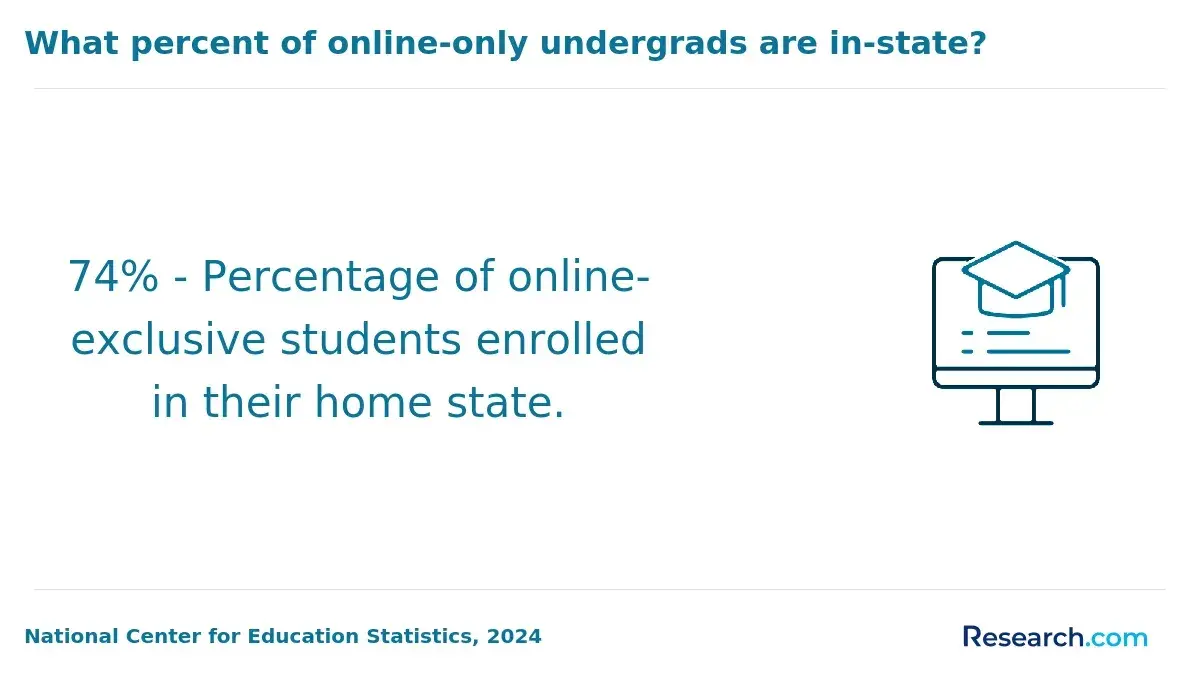
Fast job growth usually appears where employers are expanding technical capacity, not just replacing retirees. Nationally, BLS projects 4% growth for architectural and engineering managers from 2023 to 2033, but state-level opportunity depends on local investment in factories, laboratories, data centers, defense programs, utilities, infrastructure, and energy systems.
Students should distinguish between growth rate and number of jobs. A smaller state can grow quickly but still have fewer openings than a large established market. The table below highlights states where current industry expansion can make engineering management graduates especially relevant:
| State or Region | Growth Pattern | Why It Matters | Best Career Angle |
| Arizona | Fast expansion | Semiconductor fabrication, electronics, aerospace, and construction-linked engineering are expanding employer needs | Manufacturing engineering management, facilities engineering, supply chain engineering, quality systems |
| Texas | Large and expanding | Energy transition, data centers, aerospace, semiconductors, and construction create varied technical leadership roles | Program management, operations leadership, energy systems, industrial project management |
| North Carolina | Growth-oriented | Biomanufacturing, research parks, clean energy, and advanced manufacturing support technical management demand | Bioprocess operations, validation, manufacturing systems, technical project leadership |
| South Carolina and Tennessee | Manufacturing growth | Automotive, battery, logistics, and supplier networks are increasing demand for plant and process leadership | Lean manufacturing, supplier quality, production engineering, automation management |
| Colorado | Specialized growth | Aerospace, defense, renewable energy, and software-linked engineering support higher-skill management roles | Systems engineering management, mission programs, renewable project leadership |
| Florida | Infrastructure and aerospace growth | Space systems, defense, utilities, transportation, and construction-related engineering remain active | Infrastructure program management, aerospace support, facilities engineering |
Fast-growth states can be excellent for new graduates because employers may be building teams, plants, or technical offices from the ground up. That can create faster responsibility growth than a mature market where hierarchy is already established.
However, fast growth has a risk: the role mix may be narrower than headlines suggest. Before relocating, review actual job postings for engineering manager, technical project manager, manufacturing engineering manager, systems engineering manager, and program manager titles in your target metro.
Cost of living can change the real value of an engineering management salary more than many graduates expect. The Bureau of Economic Analysis publishes Regional Price Parities to compare price levels across states and metro areas; its latest releases show that housing-heavy markets can make a high salary feel less powerful than a lower salary in a more affordable state.
The table below shows how to think about salary value by state type. It does not replace a personal budget, but it helps you avoid the common mistake of treating a nominal salary as real purchasing power:
| State Type | Examples | Career Advantage | Cost-of-Living Risk | Best Decision Rule |
| High salary, high cost | California, Washington, Massachusetts, New York metro areas | Strong employer clusters, high-value technical work, stronger upside in some sectors | Housing, commuting, taxes, and childcare can reduce take-home value | Relocate if the role gives rare experience, equity upside, or access to a specialized industry cluster |
| Competitive salary, moderate cost | Texas, North Carolina, Georgia, Ohio, Michigan, Arizona | Good balance of openings, affordability, and career mobility | Popular metros can become expensive quickly | Compare total compensation with rent or mortgage costs in the specific metro, not just the state average |
| Lower cost, narrower market | Some parts of the Midwest, South, and interior states | More affordable lifestyle and potentially less competition | Fewer employers may limit advancement or job switching | Stay local if the employer has a clear promotion path or if remote work expands your options |
| Specialized high-value market | Defense corridors, semiconductor hubs, energy regions, life sciences clusters | Strong demand for niche technical leadership | Jobs may depend on a few large employers or federal contracts | Relocate if your skills match the niche and you can build portable credentials |
For a practical comparison, estimate your after-tax pay, housing, transportation, student loan payment, healthcare premiums, and expected savings rate. Then compare how much career capital the job creates: direct reports, budget authority, product ownership, process ownership, certifications, and exposure to senior leadership.
Relocation usually makes sense when a state offers both immediate role quality and future options. It is less attractive when the salary bump disappears into housing costs and the job does not give you stronger technical or managerial experience.
Engineering management graduates compete best when they can show both technical judgment and business execution. Employers rarely want a manager who only understands schedules; they want someone who can make trade-offs involving design, cost, risk, quality, staffing, and customer needs.
The following skill groups are especially valuable across high-demand states because they transfer across industries and help graduates move from engineering contributor to technical leader:
- Technical systems thinking: Ability to understand dependencies across hardware, software, manufacturing, supply chains, facilities, or infrastructure.
- Project and program management: Skill in scope control, scheduling, budgeting, risk tracking, vendor coordination, and executive reporting.
- Data and analytics: Comfort using dashboards, production metrics, reliability data, quality indicators, cost models, or product performance data to make decisions.
- AI and automation awareness: Understanding where AI tools, robotics, simulation, digital twins, or predictive maintenance can improve engineering workflows without ignoring safety or validation requirements.
- Financial fluency: Ability to discuss return on investment, capital spending, labor planning, unit cost, lifecycle cost, and make-versus-buy decisions.
- People leadership: Coaching engineers, resolving cross-functional conflict, hiring technical talent, and communicating trade-offs to nontechnical stakeholders.
- Quality and compliance mindset: Familiarity with regulated documentation, root-cause analysis, corrective actions, safety processes, and audit readiness where relevant.
Advanced credentials can help when your target roles involve research leadership, faculty-adjacent work, or high-level technical strategy. Engineers considering doctoral study while working can compare flexible PhD programs online, but they should verify accreditation, research expectations, and whether the credential fits industry management roles rather than purely academic goals.
The biggest skill mistake is overemphasizing tools while underdeveloping judgment. Software, AI platforms, and project systems change quickly; the durable advantage is knowing how to lead technical teams through uncertainty, constraints, and risk.
Most engineering management jobs do not require a state license simply because the title includes "manager." However, licensing can matter when the role involves signing or sealing engineering work, overseeing public infrastructure, approving safety-critical designs, or representing engineering judgment to regulators or clients.
The most important distinction is between managing engineering work and practicing licensed professional engineering. A Professional Engineer license is governed by state boards, and requirements can vary by state, discipline, experience, exams, and comity rules for licensed engineers moving across state lines.
Before accepting a role in another state, engineering management graduates should check the following items because they can affect eligibility, promotion, or project responsibility:
- Whether the job requires a PE license: Civil, structural, environmental, public utilities, and infrastructure roles are more likely to involve licensed engineering responsibilities.
- Whether license mobility is needed: Managers overseeing projects in multiple states may need to understand comity, temporary practice rules, or employer procedures for licensed review.
- Whether certification is preferred: PMP, Lean Six Sigma, Certified ScrumMaster, INCOSE systems engineering credentials, or industry-specific quality certifications can strengthen applications even when not legally required.
- Whether the employer requires clearance or compliance training: Defense, aerospace, nuclear, healthcare, and federal contracting roles may impose requirements unrelated to state licensure.
- Whether degree accreditation matters: Some technical roles and PE pathways may depend on ABET-accredited engineering education or board-specific review.
Do not assume that a management degree replaces engineering credentials. For regulated work, employers may still need licensed engineers on the team, and the manager may need enough technical credibility to supervise decisions responsibly.
Remote and hybrid work have widened the map for some engineering management roles, especially technical program management, software-enabled product development, analytics, systems planning, documentation, and cross-site coordination.
However, many engineering management jobs still require physical presence because factories, labs, construction sites, test facilities, utilities, and hardware teams cannot be fully managed from anywhere.
The best remote opportunities usually appear when the engineering output is digital or distributed. The best on-site opportunities usually appear when the work involves equipment, production lines, testing, safety, facilities, or field execution:
| Work Model | Most Common Role Types | State Impact | What Graduates Should Check |
| Fully remote | Technical program management, software product operations, engineering analytics, documentation-heavy systems roles | Can let graduates live in lower-cost states while working for employers in stronger markets | Pay-location policy, travel expectations, promotion visibility, and whether the role has true decision authority |
| Hybrid | Product engineering, systems management, R&D coordination, consulting, corporate engineering operations | Often favors living near major metros or regional hubs | Commute frequency, meeting culture, lab access, and whether leadership expects in-person presence for advancement |
| On-site | Manufacturing, facilities, construction, utilities, testing, plant engineering, hardware integration | State and metro choice matters heavily because the job is tied to physical assets | Relocation support, shift expectations, safety responsibility, site stability, and nearby backup employers |
Remote work can improve affordability, but it can also reduce informal leadership visibility. New graduates who still need mentoring may benefit from hybrid or on-site roles where they can learn how senior managers handle design reviews, production problems, customer escalations, and budget trade-offs.
A common red flag is a remote engineering management job that has high responsibility but unclear authority. If you are accountable for delivery but cannot influence staffing, priorities, technical decisions, or vendor commitments, the role may be stressful without building strong management experience.
Students should compare states using a balanced decision model, not a single ranking. The right state is the one that gives you a strong mix of job availability, salary value, industry fit, learning opportunity, and long-term mobility.
Use the following process to compare states before applying widely or accepting an offer. It is designed to prevent the most common relocation mistakes:
- Define your target role: Decide whether you want manufacturing leadership, technical program management, systems engineering management, product engineering, construction engineering, R&D leadership, or operations management.
- Match the role to state industries: Prioritize states where your target industry has multiple employers, suppliers, research centers, or government buyers.
- Compare actual job postings: Review required experience, degree preferences, certifications, travel, clearance needs, tools, and whether roles are entry-level management or senior leadership.
- Estimate real compensation: Compare salary, bonus, equity, benefits, relocation, taxes, rent, transportation, and student loan payments.
- Assess career mobility: Check whether the state has backup employers in the same field if your first role changes or hiring slows.
- Evaluate learning value: Favor roles that offer ownership of budgets, people, products, processes, customers, or measurable technical outcomes.
- Check licensing and credential fit: Confirm whether PE licensure, security clearance, PMP, Lean Six Sigma, or industry compliance knowledge affects advancement.
- Consider lifestyle durability: Decide whether the location supports your family, housing goals, commute tolerance, healthcare needs, and long-term savings plan.
Some students strengthen their management profile through business study rather than another technical degree. Midcareer engineers comparing executive programs may find an EMBA online useful if they already have substantial engineering experience and want to move into director-level strategy, finance, or operations roles.
The best comparison question is not "Which state is best?" It is "Which state gives my specific background the best chance to become more valuable over the next three to five years?"
The best state depends on your career goal more than any single ranking. A graduate who wants semiconductor operations may make a different choice than someone pursuing biomedical device leadership, defense systems, renewable energy, or software platform management.
Use these goal-based recommendations to narrow your search before applying:
- Choose California if you want maximum exposure to high-value technology, aerospace, biotech, semiconductors, and venture-backed engineering, and you can manage a high cost of living.
- Choose Texas if you want broad opportunity across energy, aerospace, semiconductors, construction, data centers, and corporate engineering operations with a relatively strong affordability profile in many metros.
- Choose Michigan or Ohio if you want advanced manufacturing, automotive, mobility, industrial automation, or supplier leadership with practical operations experience.
- Choose Massachusetts if you want life sciences, robotics, medical devices, defense R&D, or research-driven engineering management.
- Choose Washington if you want cloud infrastructure, aerospace, logistics technology, or software-adjacent engineering leadership.
- Choose Arizona or North Carolina if you want growth markets where semiconductors, biomanufacturing, clean energy, or advanced manufacturing are expanding career pathways.
- Choose Virginia or Maryland if you want defense, federal contracting, cybersecurity-linked systems, or infrastructure program management.
For older or returning students, the best state choice may depend on how quickly they can reskill without pausing work. Those comparing shorter academic pathways can explore a one year degree for seniors alongside certificates, graduate courses, or employer-funded training to see which option fits their timeline and career target.
If you are early in your career, prioritize states with many employers and strong mentoring environments. If you are experienced, prioritize states where your niche expertise commands authority, such as regulated product development, plant transformation, mission systems, energy reliability, or large capital projects.
Engineering management is not one job market. A manager in semiconductor manufacturing may spend the day reviewing yield, equipment uptime, and supplier issues, while a manager in aerospace may focus on systems integration, compliance, and mission requirements. Your best state depends on which industry matches your technical background.
The table below connects major state markets with the industries most likely to hire engineering management graduates. This is useful because employers often prefer candidates whose degree, projects, internships, or prior engineering work match their industry's operating model:
| Industry | States with Strong Fit | Common Engineering Management Roles | What Employers Usually Value |
| Technology and software-enabled systems | California, Washington, Texas, Colorado, Virginia | Technical program manager, product engineering manager, platform operations manager | Systems thinking, agile delivery, cloud infrastructure awareness, stakeholder communication |
| Aerospace and defense | California, Washington, Colorado, Florida, Texas, Virginia, Maryland, Arizona | Systems engineering manager, program manager, test engineering manager | Configuration control, risk management, compliance, security clearance eligibility |
| Advanced manufacturing | Michigan, Ohio, Indiana, Tennessee, South Carolina, Texas, Arizona | Manufacturing engineering manager, plant engineering manager, automation manager | Lean systems, quality management, robotics, production planning, supplier coordination |
| Life sciences and medical technology | Massachusetts, California, North Carolina, New Jersey, Pennsylvania | Validation manager, process engineering manager, device development manager | Regulatory awareness, documentation discipline, quality systems, cross-functional leadership |
| Energy and utilities | Texas, Louisiana, Oklahoma, Colorado, Pennsylvania, California | Project engineering manager, reliability manager, energy systems manager | Safety, asset management, capital project delivery, environmental and regulatory awareness |
| Infrastructure and construction engineering | Texas, Florida, New York, California, Virginia, Georgia | Engineering project manager, construction engineering manager, facilities manager | Budget control, scheduling, permitting awareness, contractor coordination |
If your technical background is strong but your business training is lighter, management-focused graduate study can help you compete for roles that blend finance, operations, and people leadership.
Students comparing business-oriented routes should check whether an online MBA AACSB accredited program offers technology management, analytics, operations, or project leadership electives that align with their target state industries.
Avoid choosing a state because it is broadly "good for engineers." Instead, ask whether it is good for your engineering discipline. Mechanical, electrical, industrial, civil, biomedical, chemical, and software-focused engineering managers often face very different state opportunity maps.
Other Things You Should Know About Engineering Management
Engineering management can be a strong career path for engineers who enjoy leadership, planning, problem-solving, and business decisions. It is best for people who want to guide teams and technical outcomes rather than focus only on individual design or analysis work.
Not always. Many engineering managers move up through engineering experience, project leadership, and employer trust. A master's in engineering management, MBA, or related graduate degree can help when employers expect business, finance, operations, or cross-functional leadership skills.
Relocation makes sense if the state has multiple employers in your target industry, better advancement prospects, and compensation that still works after housing and taxes. Staying local may be better if you already have a strong employer network, a promotion path, or remote access to larger markets.
Common starting points include project engineer, manufacturing engineer, systems engineer, quality engineer, product engineer, process engineer, technical project coordinator, and associate program manager. The best early roles give you measurable ownership of schedules, budgets, technical decisions, or cross-functional delivery.
- Where the Engineers Are https://issues.org/wadhwa-engineers-education/
- Explore Engineering Manager Salaries with an MEM https://engineeringmanagement.org/masters-in-engineering-management-salary/
- How Do Engineer Salaries Compare? | All Engineering Schools https://www.allengineeringschools.com/engineering-careers/article/engineer-salary/
- Some Engineering Jobs Will See Double-Digit Growth Over Next 7 Years https://www.blackdiamondnet.com/blog/some-engineering-jobs-will-see-double-digit-growth-over-next-7-years/
- Forecasts for the Engineering Job Market in 2026 https://www.ssipeople.com/forecasts-for-the-engineering-job-market-in-2026/
- Which Country Pays Engineers Best? The Complete 2026 Salary Comparison https://www.fed-group.ch/en/fed-engineering/job-search/which-country-pays-engineers-best
- What are the Fastest-Growing Fields in Engineering in 2025? https://www.onlineengineeringprograms.com/faq/fastest-growing-engineering-fields
- The 15 employers US engineering students most want to work for https://www.businessinsider.com/top-companies-employers-us-engineering-students-want-to-work-for-2024-6