2027 Engineering Management Degree Bachelor's-Level ROI Report: Best Career Returns Without Graduate School

Co-Founder and Chief Data Scientist
Choosing an engineering management bachelor's degree is really a payback question: can you earn strong returns without going to graduate school? BLS May 2024 data shows architectural and engineering managers had a median wage of $167,740, but most people reach that level through work experience, not an immediate master's degree. This guide is for students, transfers, career changers, and working adults comparing bachelor's-level outcomes. You'll learn which careers, industries, skills, locations, and credentials can produce the strongest financial return.
Key Things You Should Know
- The strongest bachelor's-level ROI usually comes from technical management tracks that combine engineering fundamentals with operations, project delivery, data analysis, budgeting, and people leadership.
- BLS May 2024 median pay was $167,740 for architectural and engineering managers, $122,870 for industrial production managers, and $100,750 for project management specialists, but these are role medians, not guaranteed starting salaries.
- Graduate school is not automatically required for high returns; College Board 2024-25 published tuition and fees averaged $11,610 for in-state public four-year colleges, so controlling undergraduate cost can matter as much as chasing the highest-paying title.
- Which Engineering Management Bachelor's Degree Careers Deliver the Highest ROI Without Graduate School?
- Which Industries Reward Engineering Management Bachelor's Graduates the Most?
Which Engineering Management Bachelor's Degree Careers Deliver the Highest ROI Without Graduate School?
An engineering management bachelor's degree blends technical coursework with management, systems thinking, finance, quality, and operations. The highest-ROI careers are usually not the ones with the most impressive title on day one; they are roles where a bachelor's graduate can enter the workforce, build measurable project experience, and move into management without paying for a graduate degree first.
The table below compares bachelor's-accessible career targets using BLS May 2024 median wage data. Use these figures as occupation-level benchmarks, not promises, because actual pay varies by industry, region, security clearance, technical specialty, and years of experience.
| Career target | BLS May 2024 median pay | Why it can deliver strong bachelor's-level ROI | Is graduate school usually required? |
| Architectural and engineering manager | $167,740 | High ceiling for professionals who progress from engineering, project, product, or technical operations roles into team leadership. | No, but employers usually expect substantial experience. |
| Industrial production manager | $122,870 | Strong fit for graduates who understand manufacturing, quality systems, process improvement, safety, and workforce coordination. | No, though industry certifications can help. |
| Sales engineer | $121,520 | High upside when technical knowledge is paired with client communication, product economics, and proposal work. | No, but technical credibility is essential. |
| Construction manager | $106,980 | Good ROI for graduates who can manage schedules, budgets, contractors, risk, and field coordination. | No, though licensing and credentials vary by role and state. |
| Industrial engineer | $101,140 | Direct bachelor's pathway into process design, efficiency, production systems, and cost reduction. | No for most entry-level roles. |
| Project management specialist | $100,750 | Broad demand across engineering, technology, construction, energy, logistics, and manufacturing. | No, but experience and credentials matter. |
| Operations research analyst | $91,290 | Strong path for students who add analytics, optimization, simulation, and decision science skills. | Sometimes preferred for advanced modeling, but not always required. |
| Logistician | $82,440 | Fast entry into supply chain planning, distribution, inventory, procurement, and operations improvement. | No for many roles. |
The highest ROI path for most bachelor's graduates is a sequence: start in a technical or operations role, document measurable results, then move into project, process, product, plant, or engineering team leadership. A graduate degree may help later, but it is often more valuable after you know which management track you want and whether your employer will help pay for it.
Which Industries Reward Engineering Management Bachelor's Graduates the Most?
Industries matter because the same engineering management skill set can be paid very differently depending on revenue model, risk, regulation, and technical complexity. A graduate working on regulated aerospace systems, semiconductor fabrication, energy infrastructure, or enterprise software may see a different return than someone managing lower-margin operations with limited advancement ladders.
The table below summarizes industries that often reward engineering management bachelor's graduates because they place a premium on technical coordination, cost control, process reliability, and project execution.
| Industry | Why it can reward bachelor's graduates | Best-fit early roles | ROI caution |
| Advanced manufacturing | Employers value production efficiency, quality, lean systems, automation, and safety. | Manufacturing engineer, quality engineer, production supervisor, continuous improvement analyst. | Plant location and shift expectations can strongly affect lifestyle value. |
| Technology and software-enabled products | Technical project coordination, product operations, data analysis, and systems thinking are valuable even without a computer science master's degree. | Technical project coordinator, product operations analyst, solutions engineer, implementation specialist. | Competition can be high, and employers may screen for portfolios or technical tools. |
| Construction, infrastructure, and energy | Large projects need scheduling, cost control, procurement, risk management, and contractor coordination. | Project engineer, field engineer, project controls analyst, assistant construction manager. | Travel, field conditions, and overtime can be significant. |
| Supply chain and logistics | Companies need resilient sourcing, inventory strategy, transportation planning, and analytics. | Logistics analyst, supply planner, operations analyst, procurement analyst. | Entry pay may be lower than engineering management titles, so advancement pace matters. |
| Defense, aerospace, and federal contracting | Complex systems, compliance, documentation, and long-term programs support structured advancement. | Systems engineering associate, program analyst, configuration management analyst, quality specialist. | Security clearance, citizenship requirements, and contract cycles may limit mobility. |
A practical rule is to look for industries where engineering mistakes are expensive, project delays are visible, and operational improvements can be measured. Those environments tend to value people who can translate technical work into cost, schedule, safety, and customer outcomes.
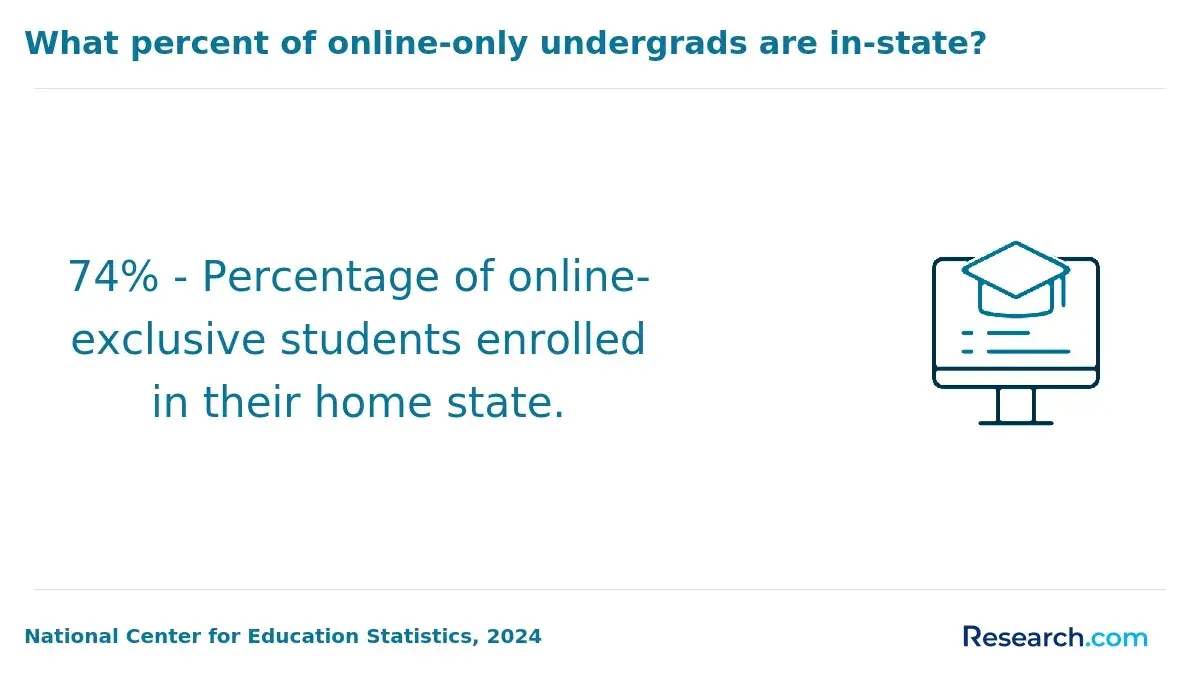
The fastest financial return usually comes from careers that let graduates earn full-time income quickly, build experience that compounds, and avoid immediate graduate-school debt. College Board reported average published 2024-25 tuition and fees of $11,610 at in-state public four-year colleges, which means program cost can significantly change the time it takes to recover the investment.
The following table focuses on entry-friendly paths where a bachelor's graduate can often start building ROI before considering a master's degree. The pay figures are occupation medians, so early-career offers may be lower.
| Entry-level path | Related higher-level target | Relevant BLS May 2024 median benchmark | Why payback can be relatively fast |
| Project coordinator or project engineer | Project management specialist | $100,750 | Experience transfers across construction, technology, manufacturing, and operations. |
| Manufacturing or process engineer | Industrial engineer | $101,140 | Improvements in throughput, waste, quality, and cost can be documented early. |
| Quality engineer or quality analyst | Industrial production manager | $122,870 | Quality systems experience can lead to supervisory and compliance-focused leadership roles. |
| Logistics or supply chain analyst | Logistician | $82,440 | Accessible entry point with advancement into planning, procurement, and operations management. |
| Technical sales associate or applications engineer | Sales engineer | $121,520 | Strong communication and product knowledge can accelerate earnings through commissions or bonuses. |
The common mistake is choosing the role with the highest advertised starting salary without checking whether it builds transferable management capital. A slightly lower starting salary can be the better ROI move if the role gives you budget exposure, cross-functional meetings, customer contact, process metrics, and leadership responsibility.
Location can change ROI in two ways: salary potential and living costs. A high-paying engineering hub may look attractive, but rent, commuting, taxes, and relocation costs can reduce the net gain. A lower-cost manufacturing, logistics, or energy market may produce better take-home ROI if the employer offers solid advancement and the graduate keeps debt low.
Use this comparison to think beyond headline salary. The goal is to identify where your income, expenses, and advancement opportunities work together.
| Location type | Potential advantage | ROI risk | Best fit |
| High-cost technology metros | More product, systems, automation, and technical program roles. | Housing and competition can absorb much of the salary premium. | Graduates targeting technology, software-enabled hardware, product operations, or technical sales. |
| Manufacturing corridors | Strong access to process, quality, production, and plant leadership roles. | Some roles require shifts, plant locations, or limited remote work. | Students who want hands-on operations experience and measurable results quickly. |
| Energy and infrastructure regions | Large projects can create demand for project controls, safety, procurement, and field coordination. | Cyclical demand and travel expectations can vary by employer. | Graduates comfortable with field work and complex project environments. |
| Government and defense markets | Structured career ladders, benefits, and long-term programs may support stability. | Clearance requirements and slower hiring cycles can affect access. | Graduates who value stability, compliance, systems work, and documentation-heavy projects. |
Students should compare net income, not just gross salary. For adult learners and older career changers, time can be the biggest cost; people comparing shorter or transfer-friendly options may also want to review a one year degree for seniors when speed, flexibility, and prior credits are part of the ROI equation.
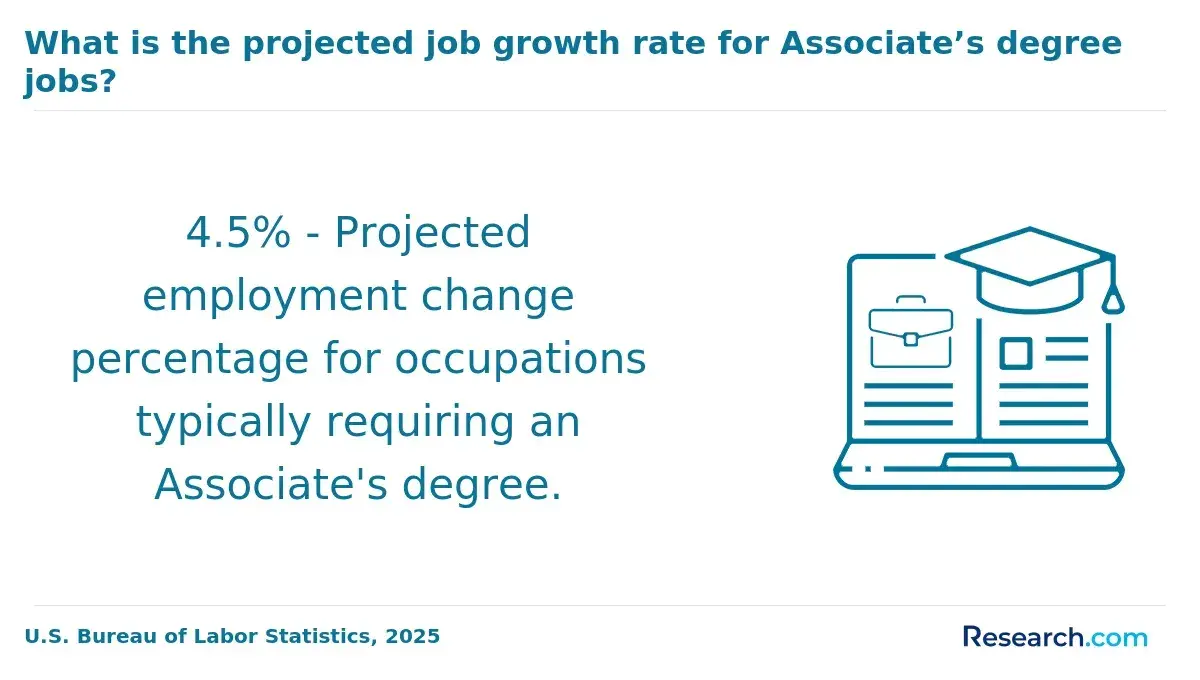
The engineering management bachelor's degree has the highest return when it is paired with marketable skills that employers can see in projects, internships, co-ops, labs, portfolios, and work samples. The most valuable skills sit at the intersection of engineering, data, operations, and leadership.
The list below highlights skill clusters that can improve employability and advancement without requiring graduate school first.
- Project execution: scheduling, budgeting, risk tracking, stakeholder communication, change control, and vendor coordination.
- Data and analytics: Excel modeling, SQL basics, dashboards, statistical thinking, forecasting, and root-cause analysis.
- Process improvement: lean methods, Six Sigma tools, value stream mapping, quality control, and workflow redesign.
- Technical fluency: systems engineering concepts, CAD or simulation exposure, manufacturing processes, software implementation, and automation basics.
- Business communication: writing executive summaries, presenting trade-offs, translating technical issues into cost and schedule impacts, and leading meetings.
- AI-aware operations thinking: understanding where automation, predictive maintenance, digital twins, and AI-assisted planning can improve decisions while still requiring human oversight.
A common red flag is relying on the degree title alone. Employers usually reward evidence: internship results, capstone projects, dashboards, process maps, cost-saving estimates, safety improvements, or examples of cross-functional leadership.
Certifications can raise ROI when they are tied to the job you want and earned at the right time. They are not substitutes for experience, but they can help bachelor's graduates signal readiness for project work, quality systems, supply chain roles, cybersecurity-adjacent operations, or supervisory responsibility.
These certifications are commonly useful for engineering management graduates because they align with bachelor's-level career paths and do not require a graduate degree.
- CAPM or PMP: Best for project coordinators, project engineers, technical program staff, and professionals who manage scope, budgets, timelines, and stakeholders.
- Lean Six Sigma Green Belt or Black Belt: Best for manufacturing, quality, healthcare operations, logistics, and process improvement roles.
- Certified Supply Chain Professional or related supply chain credentials: Best for procurement, planning, inventory, logistics, and supplier management tracks.
- FE exam or EIT status: Best for graduates in engineering-heavy roles where professional engineering licensure may matter later; requirements vary by state.
- Scrum or Agile credentials: Best for technology, product operations, software implementation, and cross-functional technical teams.
- OSHA or safety-related training: Best for construction, manufacturing, energy, and field operations roles where safety performance is central.
The decision point is whether a certification unlocks interviews or advancement now. If your goal is broader executive leadership later, compare the timing and cost of credentials with an online MBA AACSB accredited, but avoid enrolling in a degree program before you know the career outcome you are buying.
Employer type affects ROI because compensation is only one part of the return. Benefits, tuition assistance, bonuses, overtime, stock, travel, career ladders, training budgets, and internal mobility can make two similar salaries produce very different outcomes.
The table below compares common employer environments for bachelor's-level engineering management graduates.
| Employer type | ROI advantage | ROI trade-off | Best-fit graduate |
| Large private companies | Structured training, internal transfers, tuition assistance, and clearer management ladders. | Promotion processes may be slower and more competitive. | Graduates who want stability plus long-term advancement. |
| Mid-sized manufacturers or engineering firms | Early responsibility and visibility to managers can accelerate learning. | Benefits and formal training may vary widely. | Graduates who want hands-on responsibility quickly. |
| Startups and growth companies | Broad exposure to product, operations, customers, and systems under one roof. | Role ambiguity and business risk can be high. | Graduates who learn fast and tolerate uncertainty. |
| Government agencies and public utilities | Stability, benefits, mission-driven work, and predictable ladders may support long-term ROI. | Salary growth may be less aggressive than in high-performing private firms. | Graduates prioritizing security, benefits, and public infrastructure work. |
| Federal contractors and defense firms | Long-term programs, systems work, and compliance experience can be valuable. | Clearance and contract requirements can limit flexibility. | Graduates interested in aerospace, defense, systems engineering, and program management. |
Company size also affects when graduate school makes sense. A large employer that funds an EMBA online may make later graduate study financially attractive, while self-funding a degree before gaining management experience may reduce near-term ROI.
Emerging career paths can improve future ROI because engineering management graduates are trained to connect technical systems with business decisions. The strongest opportunities are likely to favor people who can manage complexity, not just understand one tool.
These paths are worth watching because they align with current employer demand for automation, resilience, digital operations, and technical project leadership.
- AI-enabled operations management: Uses forecasting, automation, and decision-support tools to improve scheduling, maintenance, quality, and resource planning.
- Robotics and automation project coordination: Combines vendor management, safety, process design, and implementation planning.
- Semiconductor and advanced manufacturing operations: Requires quality discipline, capital project coordination, documentation, and workforce planning.
- Energy systems and grid modernization: Supports project controls, asset management, reliability planning, and infrastructure coordination.
- Cyber-physical systems risk management: Connects operational technology, safety, cybersecurity awareness, and compliance.
- Sustainable operations and circular manufacturing: Focuses on waste reduction, lifecycle cost, materials efficiency, and reporting.
The practical move is to add one emerging specialization to a durable core skill set. Most bachelor's graduates do not need a doctorate for these paths, but students aiming for research leadership, university teaching, or advanced technical R&D can compare PhD programs online after they have a clearer target and stronger employer context.
Students should evaluate ROI before enrollment, during the program, and again before deciding on graduate school. The best calculation includes tuition, fees, living costs, debt, time out of the workforce, internship access, employer reputation, and the career path the degree realistically supports.
Use the steps below to make a practical ROI decision instead of relying on a school's marketing language or a single salary number.
- Estimate total undergraduate cost, including tuition, fees, housing, transportation, books, technology, and interest on any loans.
- Compare in-state public, transfer, online, employer-supported, and scholarship options before assuming a higher sticker price means better career outcomes.
- Check accreditation, especially institutional accreditation and any relevant engineering or technology accreditation connected to your target roles.
- Review the curriculum for engineering economics, project management, statistics, operations, quality, data analytics, finance, and leadership coursework.
- Ask programs for internship, co-op, employer partnership, and career placement details by occupation, not just broad employment claims.
- Compare early-career roles with long-term advancement paths, because the best ROI may come from salary growth rather than the highest first offer.
- Calculate the opportunity cost of graduate school by adding tuition plus the income you may delay or reduce while studying.
- Delay graduate school unless it is required for your target role, funded by an employer, needed for licensure or specialization, or clearly linked to a higher-paying advancement path.
A bachelor's degree is usually enough when your target roles are project coordination, process improvement, manufacturing operations, quality, supply chain, technical sales, construction management, or early technical leadership. Graduate school may make sense later for executive leadership, specialized engineering leadership, consulting, research, teaching, or roles where the employer explicitly rewards the credential.
Long-term ROI depends on salary growth, not just first-year pay. Engineering management graduates often grow fastest when they move from individual technical contribution into roles where they own schedule, cost, quality, risk, and team performance.
The table below shows common growth patterns that can lead to strong bachelor's-level returns. These are career pathways, not fixed ladders, because titles vary by employer.
| Starting point | Mid-career direction | Senior direction | Why salary growth can be strong |
| Industrial engineer | Continuous improvement manager | Operations director or plant manager | Cost savings and productivity gains are easy to connect to business outcomes. |
| Project engineer | Project manager | Program manager or portfolio manager | Scope, budget, and stakeholder responsibility increase over time. |
| Quality engineer | Quality systems manager | Director of quality or regulatory operations | Compliance, reliability, and risk reduction become more valuable in regulated sectors. |
| Applications engineer | Sales engineer | Solutions director or technical account leader | Technical credibility plus revenue responsibility can increase compensation potential. |
| Supply chain analyst | Supply chain manager | Director of procurement, planning, or logistics | Inventory, supplier risk, and delivery performance are visible to executives. |
The best salary-growth strategy is to build a portfolio of measurable results. Examples include reducing cycle time, improving on-time delivery, lowering scrap rates, leading a system implementation, managing a vendor transition, or coordinating a capital project. Those outcomes are more persuasive than simply listing courses or job duties.
Other Things You Should Know About Engineering Management
It can be worth it if the program is affordable, accredited, experience-oriented, and connected to roles in project management, operations, manufacturing, quality, supply chain, construction, or technical sales. ROI is strongest when graduates build measurable work experience early.
Architectural and engineering management has one of the highest salary ceilings, with a BLS May 2024 median wage of $167,740. However, it is usually a mid-career or senior role that requires experience, not an immediate entry-level outcome.
Not automatically. Entering the workforce first can help you identify whether you need an MBA, engineering master's, certification, or no graduate degree at all. Graduate school makes more financial sense when it is employer-funded or tied to a specific advancement requirement.
The most valuable skills are project execution, data analysis, process improvement, budgeting, communication, quality systems, and technical fluency. Employers tend to reward graduates who can show measurable results, not just complete coursework.
- Does College Pay Off? A Comprehensive Return On Investment Analysis - FREOPP https://freopp.org/whitepapers/does-college-pay-off-a-comprehensive-return-on-investment-analysis/
- Career Progression Paths in Engineering: From Entry-Level to Leadership Roles https://talent-media.co.uk/career-progression-paths-in-engineering-from-entry-level-to-leadership-roles/
- Why Masters in Engineering Jobs Matter: The Value of an Advanced Engineering Degree https://engineeringmanagement.org/masters-in-engineering-jobs/
- Executive Search and Outplacement Services for the Engineering, Architecture, Construction, and Manufacturing Industries https://www.davron.net/engineering-careers-without-masters-degree/
- Is College Worth it? | Return on Investment Analysis of College Degree https://educationdata.org/college-degree-roi
- Which Engineering Field Pays the Most? Navigating High-Paying Careers - iLearn Engineering® https://www.ilearnengineering.com/online-engineering-courses/which-engineering-field-pays-the-most-navigating-high-paying-careers
- 7 jobs in engineering that pay more than $100k a year https://www.randstadusa.com/job-seeker/high-paying-jobs/engineering/