2027 Engineering Management Degree Schedule Flexibility Report: Online, Hybrid, Evening, Weekend, and Accelerated Options Compared

Co-Founder and Chief Data Scientist
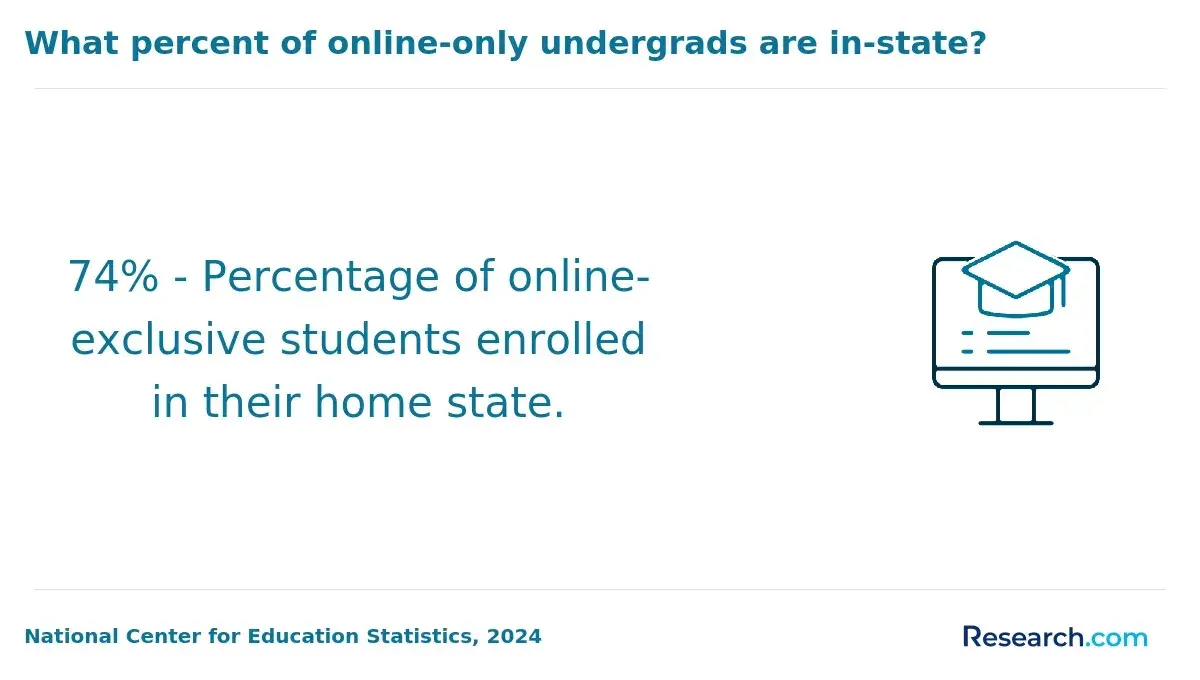
Choosing an engineering management degree schedule is often a bigger decision than choosing the campus. NCES reported in its 2024 education statistics that more than half of U. S. postsecondary students took at least one distance education course in fall 2022, showing how normal flexible study has become.
This guide is for working engineers, technical professionals, caregivers, and career changers comparing online, hybrid, evening, weekend, and accelerated formats. You will learn how each option differs in live attendance, campus visits, pace, workload, cost, and career fit so you can choose a schedule you can realistically finish.
Key Things You Should Know
- Fully online engineering management programs usually offer the most location flexibility, but they are not always self-paced; many still require weekly deadlines, live sessions, proctored exams, or team projects.
- Hybrid, evening, and weekend programs can work well for full-time employees when campus requirements are predictable, but they are risky if labs, residencies, or cohort meetings are scheduled during work hours.
- Accelerated degrees can shorten completion from about 24 months to 12 to 18 months in some graduate programs, but the weekly workload can rise sharply because 7- or 8-week courses compress the same credit expectations into fewer weeks.
- How Do Online, Hybrid, Evening, Weekend, and Accelerated Degree Programs Differ?
- How Flexible Are Fully Online Degree Programs?
How Do Online, Hybrid, Evening, Weekend, and Accelerated Degree Programs Differ?
An engineering management degree combines technical leadership, project management, operations, finance, systems thinking, quality control, risk management, and people management. At the bachelor's level, it may prepare students for early technical management or operations roles. At the master's level, it is often designed for engineers, analysts, project leads, and technical professionals moving toward supervisory or strategic roles.
The main search question is not simply "Can I study engineering management online?" It is "Which schedule will actually work with my job, family responsibilities, commute, learning style, and completion goal?" The table below compares the major formats by attendance, pace, workload, and best fit.
| Format | Typical Attendance Pattern | Typical Pace | Best Fit | Main Trade-Off |
| Fully online | Remote coursework; may be synchronous, asynchronous, or mixed | Part-time, full-time, or accelerated depending on program | Students who need location flexibility or cannot commute regularly | Requires strong self-management and technology reliability |
| Hybrid | Online coursework plus scheduled campus meetings, labs, residencies, or exams | Often fixed by cohort or semester | Students who want in-person networking without attending campus every week | Campus requirements can disrupt work or caregiving schedules |
| Evening | Classes after standard work hours, often one or more nights weekly | Usually semester-based or cohort-based | Local full-time workers with predictable evenings | Long days can reduce study time and family availability |
| Weekend | Friday evening, Saturday, Sunday, or monthly intensive meetings | Often cohort-based | Students who travel for work or cannot attend weeknights | Weekend blocks may conflict with caregiving, rest, or overtime |
| Accelerated | Online, hybrid, evening, or weekend delivery with compressed terms | Faster terms, heavier weekly workload | Students with strong time control and urgency to finish | Less recovery time if work or family demands spike |
Engineering management also overlaps with business degrees, but the scheduling decision is different. For example, an EMBA online may emphasize executive leadership for experienced managers, while engineering management usually keeps a stronger technical operations, product, systems, or engineering project focus.
When comparing formats, separate delivery mode from pace. "Online" tells you where you attend. "Accelerated" tells you how fast courses move. "Evening" and "weekend" tell you when meetings occur. "Self-paced" tells you how much control you have over deadlines. A program can be online but not self-paced, hybrid and accelerated, or evening-based but still full-time.
How Flexible Are Fully Online Degree Programs?
Fully online engineering management programs are usually the most flexible for students who travel, relocate, live far from campus, or manage variable family responsibilities. However, online flexibility depends on course design. A program with live classes every Tuesday at 7 p.m. is very different from one with recorded lectures and weekly assignment windows.
The most important distinction is synchronous versus asynchronous learning. Synchronous courses require students to attend live sessions at set times. Asynchronous courses allow students to watch lectures and complete work within weekly or module-based deadlines. Many programs combine both, especially for group projects, presentations, advising, or capstone work.
Before enrolling, students should verify the specific flexibility features that affect their weekly life. These details are often more important than the word "online" on the program page.
- Ask whether lectures are live, recorded, or both, and whether attendance in live sessions affects grades.
- Confirm whether exams require online proctoring, testing-center visits, webcam monitoring, or fixed exam windows.
- Check whether group projects require meetings across time zones or employer-based project access.
- Find out whether courses open weekly, by term, or on a competency-based schedule with flexible progress.
- Ask whether required orientation, boot camps, labs, presentations, or capstones include any in-person component.
A practical workload estimate is 2 to 3 hours of study per credit hour each week in a traditional term, although compressed courses can require more weekly time. For a 3-credit engineering management course, that often means substantial reading, quantitative work, case analysis, project planning, and team coordination outside lecture time.
Fully online study is usually best for students who can protect regular study blocks and communicate well in digital settings. It is less suitable for students who need face-to-face accountability, struggle with self-directed learning, or have unreliable internet access. The red flag is assuming that online equals easy; the content and assessment standards can be comparable to campus-based courses.
Hybrid engineering management programs can range from mostly online with one short residency to weekly campus meetings. The format can be valuable because engineering management often benefits from live discussion, leadership exercises, simulation work, presentations, and networking with peers from technical backgrounds.
The problem is that "hybrid" is not a standardized term. Students should look for the actual attendance calendar, not just the delivery label. The table below shows common hybrid patterns and what they mean for a working adult's schedule.
| Hybrid Pattern | Campus Requirement | Schedule Impact | Who It May Fit |
| Low-residency hybrid | One to several campus visits per year | Requires travel planning, leave time, and possible lodging | Students who want online coursework with limited in-person networking |
| Monthly intensive | One weekend or block session each month | Predictable but time-heavy during meeting weekends | Professionals with flexible weekends and manageable travel distance |
| Weekly hybrid | Campus class one evening or day each week | Requires regular commuting and backup plans for traffic or work emergencies | Local students who value face-to-face instruction |
| Lab or residency hybrid | Specific in-person labs, workshops, or capstone presentations | May be irregular and tied to course sequence | Students who can plan around a published academic calendar |
Hybrid programs may be a strong middle ground for students who want faculty access and peer relationships but cannot attend campus several days per week. They can also help students who learn better through live discussion, especially in courses involving leadership, negotiation, operations strategy, and technical project decisions.
The main risk is hidden attendance. Some programs advertise online convenience but require in-person orientation, proctored assessments, lab simulations, final presentations, or residency weekends. Students should ask for a written list of every required campus event before paying a deposit.
Accelerated engineering management programs shorten time to completion by using compressed terms, heavier course loads, year-round enrollment, transfer credits, prior learning credit, or cohort sequencing. At the master's level, some students may finish in about 12 to 18 months, while a more traditional part-time schedule may take closer to 24 to 36 months. The exact timeline depends on credits required, prerequisites, capstone structure, and whether the student can take multiple courses at once.
Acceleration is not the same as reduced academic work. A 3-credit course taught over 7 or 8 weeks may cover similar learning outcomes as a full-semester course, but with fewer weeks to absorb quantitative methods, project finance, operations models, and leadership assignments. Students with high work volatility should be cautious because falling behind in a compressed course can be hard to recover from.
The table below compares common acceleration levers and the schedule pressure they create. Use it to identify whether a faster degree is truly workable or just attractive on paper.
| Acceleration Method | How It Shortens the Degree | Schedule Risk | Best Used By |
| 7- or 8-week courses | Students complete more course cycles per year | High weekly workload and quick deadlines | Students with protected study time and strong organization |
| Year-round enrollment | Summer or intersession courses reduce calendar gaps | Less rest between terms | Students who can sustain steady academic effort |
| Transfer credit | Prior approved coursework reduces remaining credits | Credit limits and course equivalency rules vary | Students with recent relevant credits from accredited schools |
| Prior learning or professional credit | Some programs evaluate documented professional learning | Not universally available and may not apply to core courses | Experienced technical professionals with formal training records |
| Cohort lockstep schedule | Courses are sequenced without long registration gaps | Less flexibility to slow down temporarily | Students who prefer structure and predictable planning |
Students planning long-term academic pathways should also consider whether speed now affects readiness later. For example, professionals comparing engineering management master's options with PhD programs online should look beyond completion time and ask whether the program builds research, analytics, and leadership depth needed for future goals.
An accelerated format makes sense when the student has a clear goal, stable support, manageable work hours, and recent academic readiness. It may not make sense during a major job transition, new caregiving responsibility, health issue, or peak work cycle. The better choice is the fastest schedule you can complete well, not the fastest schedule advertised.
Pace determines how much of your life the degree will occupy each week. Delivery format determines where and when you attend. A fully online part-time program may be more manageable than an accelerated online program, while an evening full-time cohort may be more demanding than a hybrid part-time schedule.
Part-time study is often the safest option for full-time workers because it spreads the degree over more terms and reduces weekly academic load. Full-time study can shorten completion but may require reduced work hours, employer support, or strong household backup. Self-paced study can be helpful for students with variable schedules, but only when the program has clear milestones and enough advising to prevent drift.
The comparison below summarizes how pace choices affect workload, completion time, and risk. The ranges are general planning estimates; students should confirm the credit load and term length for each program.
| Pace | Typical Course Load | Schedule Strength | Schedule Risk | Who Should Consider It |
| Part-time | Often one course at a time or a reduced credit load | More compatible with full-time work and caregiving | Longer time to completion and more terms of fees | Working adults who need sustainable progress |
| Full-time | Multiple courses per term | Faster completion and deeper immersion | Higher weekly workload and less flexibility during emergencies | Students with flexible jobs, savings, or employer support |
| Self-paced | Progress based on competency windows or flexible modules | More control over when work gets done | Requires self-discipline and may have minimum progress rules | Students with uneven schedules but strong independent learning habits |
| Cohort-based | Fixed sequence with the same peer group | Predictable calendar and built-in peer accountability | Harder to slow down without leaving the cohort | Students who benefit from structure and networking |
Students should estimate time in weekly blocks, not only credits. Engineering management courses often include team deliverables, spreadsheets, case memos, simulations, technical presentations, and applied projects. A student who can study only in short late-night sessions may prefer asynchronous part-time study over live evening or accelerated formats.
A common mistake is choosing full-time enrollment solely because it appears cheaper or faster. If the workload causes course withdrawals, repeat tuition, or burnout, the faster pace can become more expensive. A sustainable pace that matches your calendar usually offers better completion odds than an ambitious schedule that depends on everything going perfectly.
Working adults and caregivers need a schedule that fits normal weeks and disrupted weeks. The best format is usually the one with the fewest unavoidable conflicts, the clearest attendance rules, and the most realistic workload. Flexibility should be measured by control over time, location, pacing, and make-up options.
Students balancing work, caregiving, or later-career goals may also compare engineering management with broader flexible degree pathways. For example, resources on a one year degree for seniors can help older learners think through accelerated timelines, online readiness, and career-stage goals, even when the exact field differs.
The guidance below matches common student situations with likely schedule fits. Use it as a starting point, then verify the actual calendar and policies at each school.
- Choose fully online asynchronous study if your work hours change, you travel often, or you need to study early mornings, late nights, or around caregiving tasks.
- Choose fully online synchronous study if you want remote access but still need live discussion, faculty interaction, and a fixed weekly rhythm.
- Choose hybrid study if you live within reasonable travel distance and want networking, presentations, or leadership practice in person.
- Choose evening study if you have predictable workdays, reliable transportation, and enough energy after work for class participation.
- Choose weekend study if weeknights are unavailable but you can protect large blocks of weekend time without harming rest or caregiving coverage.
- Choose accelerated study only if you can handle compressed deadlines, have backup support, and are comfortable prioritizing school heavily for a defined period.
Caregivers should pay special attention to attendance penalties, group project scheduling, and exam windows. A program may be flexible in lecture delivery but inflexible about timed assessments or team meetings. Students with children, eldercare duties, or rotating family responsibilities should ask whether instructors offer alternative participation options when emergencies occur.
Employer support can change the decision. A student with tuition assistance, paid study time, or a flexible supervisor may handle a hybrid or accelerated cohort better than a student paying out of pocket while working overtime. The best schedule is not universal; it depends on the support system around the student.
Flexible delivery does not automatically mean lower quality, but students should verify accreditation before enrolling. Institutional accreditation affects transfer credit, federal financial aid eligibility, employer recognition, and graduate school options. Programmatic accreditation may also matter depending on the degree level, engineering discipline, and career goal.
For engineering management, ABET accreditation is more common and often more relevant at the undergraduate engineering or engineering technology level than at the graduate management level. Some master's programs are housed in engineering schools, business schools, or interdisciplinary departments. Students should ask whether the credential is a Master of Engineering Management, Master of Science in Engineering Management, MBA concentration, or another degree type because employers may interpret them differently.
Licensure is another area where assumptions can be risky. Engineering management degrees usually do not replace state requirements for professional engineering licensure. If a student plans to pursue or maintain a PE license, they should check state board rules, undergraduate accreditation, experience requirements, and continuing education expectations. Flexible scheduling does not remove those requirements.
Business-school accreditation can also matter when the program is closer to management or MBA study. Students comparing engineering management with an online MBA AACSB accredited option should compare curriculum depth, accreditation type, employer expectations, and whether they want a technical leadership credential or a broader business credential.
Before applying, students should verify these items directly with official school and accreditor records. Admissions representatives can explain format logistics, but accreditation should be confirmed independently.
- Confirm institutional accreditation through a recognized accreditor listed by the U.S. Department of Education or CHEA.
- Ask whether any programmatic accreditation applies to the specific degree, not just the department or college.
- Check whether online, hybrid, evening, and accelerated students receive the same transcript wording as campus students.
- Ask whether licensure, certification, internship, practicum, or field project requirements vary by state or location.
- Verify whether transfer credits and prior learning credits are accepted before assuming they will shorten the degree.
Schedule format can affect cost, but not always in obvious ways. Online study may reduce commuting and relocation costs, yet add technology, proctoring, or distance-learning fees. Hybrid and weekend formats may preserve local networking but require travel, parking, meals, childcare, or lodging. Accelerated study may reduce total calendar time but can limit how much a student can work while enrolled.
College Board's 2024 Trends in College Pricing and Student Aid reported the following average published tuition and fees for the 2024-25 academic year. These are broad undergraduate price benchmarks, not engineering management program quotes, but they help students understand why total cost varies so widely by institution type.
- $11,610 for in-state students at public four-year institutions
- $30,780 for out-of-state students at public four-year institutions
- $43,350 for students at private nonprofit four-year institutions
Graduate engineering management tuition may be priced per credit, per term, or by cohort, and online rates may differ from campus rates. Students should calculate total program cost using required credits, fees, textbooks, software, travel, and the cost of reducing work hours if necessary.
The table below shows cost factors that commonly differ by schedule format. It is meant to help students ask better financial questions before enrolling.
| Cost Factor | Online | Hybrid | Evening or Weekend | Accelerated |
| Tuition structure | May be per credit, flat-rate, or special online rate | Often similar to campus tuition, but varies | Often campus or professional-program tuition | May charge by credit or cohort package |
| Travel and commuting | Usually lowest unless residencies are required | Moderate to high depending on campus visits | Recurring local transportation costs | Depends on delivery mode |
| Technology and software | Often higher due to online platforms, webcams, and software access | Moderate because both online and campus tools may be used | Varies by course requirements | Can be higher if multiple courses overlap |
| Childcare or eldercare | May be lower if asynchronous, higher if live sessions are fixed | Needed during campus meetings or travel | Often needed during evenings or weekends | May increase because study hours are compressed |
| Lost work time | Usually lower for part-time asynchronous programs | Depends on required campus days | Usually lower if meetings avoid work hours | Can be significant if workload affects availability |
Financial aid eligibility depends on accreditation, enrollment intensity, degree level, and satisfactory academic progress. Federal Student Aid set the 2024-25 Direct Unsubsidized Loan interest rate for graduate and professional students at 8.08%, which makes borrowing cost an important part of the schedule decision. A slower pace may reduce term stress, but a longer enrollment period can also extend fee exposure and delay earnings-related goals.
Students should request a full cost sheet before committing. The most useful version includes tuition, mandatory fees, estimated books and materials, software, residency travel, graduation fees, and any tuition changes expected during the program.
A flexible engineering management program should offer more than convenient class times. Students also need advising, tutoring, technical support, career services, faculty access, clear workload expectations, and outcome transparency. Flexibility without support can leave students isolated, especially in quantitative courses or team-based projects.
The career context matters because many students pursue engineering management to move from technical execution into leadership. The BLS Occupational Outlook Handbook updated in 2024 reported a median annual wage of $167,740 for architectural and engineering managers and projected 6% employment growth from 2023 to 2033. That does not guarantee individual outcomes, but it shows why schedule-conscious professionals may see value in a degree that supports advancement without requiring them to stop working.
Use the following steps to compare programs in a practical, decision-focused way. This process helps prevent choosing a format that sounds flexible but fails in daily life.
- Map your real weekly availability for work, commuting, caregiving, sleep, and study before reviewing program calendars.
- Ask each school for a sample two-term schedule showing live sessions, assignment deadlines, exams, residencies, and group project expectations.
- Compare course length and credit load, especially if courses run in 7- or 8-week sessions.
- Verify whether required courses are available every term and what happens if you skip a term.
- Ask about academic support hours, tutoring availability, library access, career coaching, and technical help outside business hours.
- Review outcome information carefully, including completion rates, career services access, employer partnerships, and alumni roles where available.
- Calculate total cost and time-to-completion under your likely pace, not the fastest advertised pathway.
Students should also watch for red flags that can turn a flexible degree into a scheduling problem. These issues are especially important for working adults and caregivers.
- A program says "online" but requires live attendance several times per week without recorded alternatives.
- Hybrid campus visits are described generally but not listed on a published calendar.
- Accelerated courses are promoted as faster without a clear explanation of weekly workload.
- Required courses are offered infrequently, making schedule changes costly.
- Make-up policies for illness, work travel, military duty, or caregiving emergencies are vague.
- Technology requirements, proctoring fees, travel, childcare, or software costs are missing from cost estimates.
- Admissions staff cannot clearly explain whether the program is synchronous, asynchronous, cohort-based, or self-paced.
AI, automation, and data-driven operations are also changing engineering leadership expectations. A strong program should help students manage technical teams, evaluate systems trade-offs, communicate with nontechnical stakeholders, understand analytics, and lead projects where software, automation, supply chains, and human decision-making intersect. Schedule flexibility helps students enroll; curriculum relevance and support help them benefit from the degree.
The best final test is simple: if your busiest realistic month happened during the program, could you stay enrolled without failing, withdrawing, or damaging your work and family responsibilities? If the answer is no, choose a slower pace, a more asynchronous format, or a program with stronger make-up policies.
Evening and weekend engineering management programs are designed for students who can commute locally but cannot attend during standard business hours. They are often cohort-based, meaning students move through courses together on a fixed calendar. That structure can create accountability and networking, but it may reduce flexibility if a student needs to pause or change pace.
Evening courses can fit a traditional full-time work schedule when class start times are realistic. A 6 p.m. class may be manageable for someone working nearby, but difficult for someone with a long commute, rotating shifts, jobsite travel, or childcare pickup responsibilities. Weekend programs reduce weekday conflicts but can concentrate lectures, group work, and assignments into periods when many students also handle family care or second jobs.
Students comparing evening and weekend formats should focus on repeatability, not just convenience during a normal week. The questions below help reveal whether the schedule can survive busy work seasons, caregiving disruptions, or overtime.
- Ask whether required courses are offered every term or only once per year, because a missed evening course can delay graduation.
- Confirm whether weekend meetings are weekly, biweekly, monthly, or intensive blocks that run all day.
- Check whether attendance is mandatory for participation grades, labs, presentations, or team-based assessments.
- Ask how make-up work is handled for work travel, illness, military duty, or caregiving emergencies.
- Review commute time, parking, meals, and post-class study time as part of the real weekly commitment.
Evening and weekend options are often best for students who want in-person learning while keeping a regular job. They are less ideal for students with unpredictable shifts, frequent travel, or limited control over evenings and weekends. If a program's required courses rotate infrequently, missing one class can create more delay than taking a slower online program.
Other Things You Should Know About Engineering Management
Sometimes, but not always. Cohort-based accelerated programs may require students to follow a fixed sequence, while individually scheduled programs may allow a slower pace. Ask whether changing pace affects financial aid, course availability, tuition, and graduation timing.
Policies vary by program and instructor. Some courses provide recordings or make-up assignments, while others count attendance for participation, labs, presentations, or team work. Students with work travel or caregiving duties should request the attendance and make-up policy in writing.
Yes, especially for synchronous classes, group meetings, office hours, and timed exams. Students outside the school's time zone should confirm whether live sessions are recorded, whether exams have flexible windows, and how teams are assigned.
Many do, especially in part-time online, evening, weekend, or hybrid programs. Full-time work becomes harder in accelerated or full-time study because deadlines are compressed. The safest approach is to compare the program's expected weekly hours with your actual work and family calendar.
- Engineering Management - First cycle degree course https://ing.unipg.it/en/courses/engineering-management/first-cycle-degree-course
- Fastest Online Engineering Degree Programs - Educating Engineers https://educatingengineers.com/degrees/fastest-online-engineering-degree-programs/
- Engineering Management (Postgraduate Diploma, L9, 60 ECTS) - TUS https://tus.ie/courses/engineering-management/
- 2025's Fastest Online Master’s Degrees & Accelerated Programs https://www.onlinemastersdegrees.org/features/fastest-online-masters-degrees/
- One Year Masters in Engineering Management: Accelerate Your Technical Leadership https://engineeringmanagement.org/one-year-mem-accelerated-programs/
- Contents Vol 40 No. 2 https://www.ijee.ie/contents/c400224.html
- 2025 Most Affordable Online Master's Degrees in Engineering Management https://www.onlineu.com/most-affordable-colleges/engineering-management-masters-degrees