2027 Engineering Management Degree Payback Report: Which Programs Deliver the Best Cost-to-Salary Return

Co-Founder and Chief Data Scientist
Engineering management degrees sit at a high-stakes crossroads: technical careers can pay well, but graduate tuition and debt can erase the advantage if the program is poorly matched. The Bureau of Labor Statistics reported a May 2024 median wage of $167,740 for architectural and engineering managers, making the upside real for experienced engineers.
This guide is for students, working engineers, career changers, and managers comparing degree options. You will learn how to judge cost, salary lift, payback time, program format, and alternatives before enrolling.
Key Things You Should Know
- The strongest ROI usually comes from employer-funded, part-time, public, or low-net-cost engineering management master's programs that help experienced technical professionals move into management without leaving the workforce.
- BLS May 2024 wage data place architectural and engineering managers at a median annual wage of $167,740, but that figure reflects management-level roles, not an automatic outcome for every graduate.
- Use simple payback math: divide total out-of-pocket cost by realistic annual salary increase; programs with lower debt, strong employer connections, and relevant leadership experience generally break even faster.
- What Is the Return on Investment of an Engineering Management Degree?
- Which Engineering Management Programs Deliver the Best Cost-to-Salary Return?
What Is the Return on Investment of an Engineering Management Degree?
An engineering management degree combines engineering, business, project leadership, operations, product development, quality systems, finance, analytics, and people management. It is designed for people who want to lead technical teams rather than move fully into nontechnical business roles.
The return on investment is the financial value you receive compared with what you spend. For this degree, ROI depends less on the diploma alone and more on whether it helps you reach a higher-paying role such as engineering manager, program manager, product leader, operations manager, systems lead, or technical director.
A practical ROI calculation should include direct and indirect costs. Tuition is only one part of the equation; fees, books, travel, lost wages, loan interest, and delayed promotions can matter just as much. The basic formula is simple: total program cost divided by the annual salary increase you can reasonably attribute to the degree. If a program costs $30,000 out of pocket and supports a realistic $15,000 annual salary increase, simple payback is about two years before taxes and loan interest.
That example is not a forecast. It shows why two students in the same program can see different returns. A mechanical engineer already managing projects may see faster payback than a student with little technical experience who still needs several years to qualify for management roles.
The table below summarizes how common engineering management degree paths tend to differ for ROI. Use it to identify which level matches your career stage before comparing schools.
| Degree path | Best fit | Typical ROI advantage | Main ROI risk |
| Bachelor's in engineering management | Students who want a technical-business undergraduate path | Can build early exposure to operations, systems, and leadership | May be less specialized than a traditional engineering bachelor's for some technical roles |
| Master's in engineering management or MSEM | Working engineers, analysts, and technical specialists seeking leadership roles | Often the clearest payback path when completed part time while employed | Weak payoff if the student lacks technical experience or the program has limited employer recognition |
| MBA with engineering or technology focus | Engineers moving toward strategy, finance, product, or executive leadership | Broader business mobility than a technical management degree | Higher cost can reduce ROI if the student does not need the broader MBA network |
| Graduate certificate in engineering management | Professionals testing the field or seeking focused skills | Lower cost and shorter timeline than a full degree | May not carry the same hiring signal as a master's degree |
| Doctorate in engineering management or related field | Senior professionals targeting research, academia, consulting, or executive technical leadership | Can support specialized authority and long-term leadership positioning | Longer time commitment and weaker near-term payback for most management roles |
The degree is usually worth considering when you already have technical experience and need formal leadership, finance, project, and systems training to move up. It is less attractive if you are trying to enter engineering for the first time without a technical foundation, because many management jobs still require credibility in engineering work.
Which Engineering Management Programs Deliver the Best Cost-to-Salary Return?
The best cost-to-salary return usually comes from programs that keep total cost low while improving access to technical leadership roles. Because no single federal dataset ranks engineering management programs by verified program-level ROI, students should compare programs using net cost, employer alignment, career outcomes, accreditation, flexibility, and fit with their target role.
The table below shows which types of engineering management programs tend to deliver the strongest payback and when each option becomes less financially attractive.
| Program type | Why it can deliver strong ROI | Best for | When to be cautious |
| Employer-funded part-time master's | Reduces or eliminates tuition cost while preserving full-time income | Working engineers with tuition assistance and a promotion path | If the employer requires a long service commitment that limits mobility |
| Low-cost public online master's | Usually lowers tuition, relocation, and opportunity costs | Students who need flexibility and already have technical work experience | If online students receive limited advising, career support, or project interaction |
| In-state public campus program | Can combine lower tuition with local employer recruiting | Students near engineering, manufacturing, defense, energy, or technology hubs | If commuting or reduced work hours raise the true cost |
| Stackable certificate-to-master's pathway | Lets students test the curriculum before committing to the full degree | Career switchers within technical fields and cost-sensitive learners | If credits do not transfer fully into the degree |
| Premium private or executive-format program | May offer stronger networks, leadership coaching, or executive access | Mid-career professionals whose employers value that brand or cohort | If tuition is high and the student is not already near management level |
A high-ROI program is not always the cheapest program. The best return comes from the lowest net cost that still gives you credible faculty, relevant projects, strong advising, employer recognition, and courses tied to your target industry. A low-price program with weak career support can underperform, while a higher-cost program may be defensible if it has a proven route into promotions, leadership tracks, or a valuable technical network.
For most working engineers, the top ROI profile is a part-time online or hybrid master's from a regionally accredited institution, ideally with employer tuition support and courses in project management, operations, data-driven decision-making, finance for engineers, systems engineering, and organizational leadership.
Students comparing graduate options should ask schools for career outcome data specific to engineering management students, not broad university-wide outcomes. They should also ask whether capstone projects involve real employers, whether online students receive the same career services as campus students, and whether courses are taught by faculty with technical management experience.
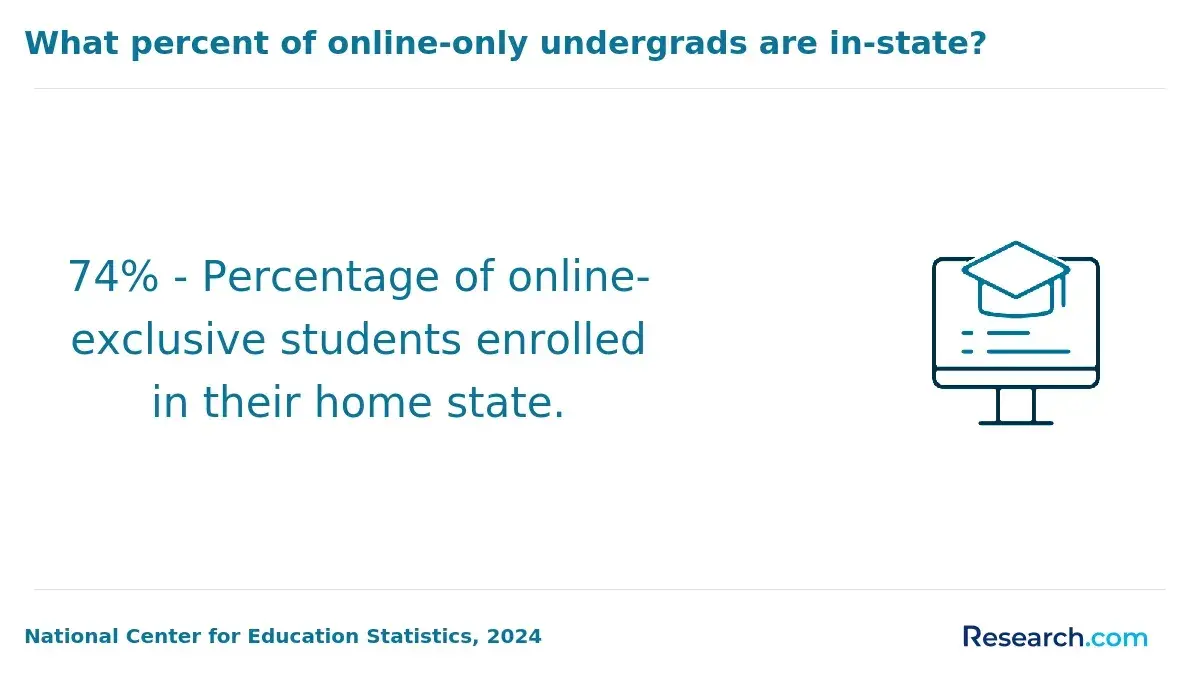
Tuition has a direct effect on payback because every extra borrowed or paid dollar increases the salary lift required to break even. A program with modest salary upside can still be a good investment if the net cost is low; the same salary increase may look weak if the student takes on high debt.
NCES data released in 2024 show average annual graduate tuition and required fees of $12,596 at public institutions and $29,931 at private nonprofit institutions for the 2022-23 academic year. This gap matters because engineering management students are often working adults who can choose among online, hybrid, public, private nonprofit, and employer-sponsored options.
The table below shows the major cost factors that should be included before deciding whether a program is affordable. The goal is to calculate total cost of attendance and net cost, not just advertised tuition.
| Cost factor | Why it affects payback | What to verify before enrolling |
| Tuition rate | The largest direct cost for most students | Per-credit tuition, total credits, and whether online students pay different rates |
| Fees | Can add a meaningful amount beyond tuition | Technology, graduation, program, lab, distance learning, and student service fees |
| Lost income | Full-time study can reduce earnings during the program | Whether part-time enrollment allows you to keep working |
| Employer tuition assistance | Can sharply reduce out-of-pocket cost | Annual limits, grade requirements, reimbursement timing, and service commitments |
| Transfer or stackable credit | Can shorten the degree and reduce tuition | Maximum transferable credits and whether certificates apply to the master's |
| Loan interest | Raises the true cost beyond the tuition bill | Interest rates, origination fees, repayment timeline, and whether interest accrues during school |
Program format can also change ROI. Online programs, such as an EMBA online, often improve payback when they let students avoid relocation and continue earning a salary. Campus programs may be worth the extra cost when they provide access to local employers, labs, classified defense work, leadership residencies, or networking that cannot be replicated online.
Students should not assume that public, private nonprofit, or online status alone determines value. Institution type affects cost, but the better question is whether the program's net price, outcomes, flexibility, and employer relevance match the career goal.
Break-even time is the number of years it takes for increased earnings to equal the cost of the degree. For engineering management, payback can be relatively fast when the student keeps working, receives employer tuition support, and uses the degree to move into a higher-responsibility role soon after graduation.
A simple calculation works well for initial screening. It will not capture every tax or loan detail, but it helps you eliminate programs that require unrealistic salary gains.
- Estimate total out-of-pocket cost, including tuition, fees, books, travel, and loan interest you expect to pay.
- Subtract grants, scholarships, employer reimbursement, military benefits, and transfer-credit savings.
- Estimate your realistic annual salary lift based on target roles, internal promotion ranges, and local job postings.
- Divide net cost by annual salary lift to estimate simple payback time.
- Stress-test the result by using a conservative salary increase, especially if you are changing industries or lack management experience.
For example, a $20,000 net-cost degree that helps support a $10,000 annual salary increase has a simple payback period of about two years. A $70,000 net-cost degree would require a much larger or longer-lasting salary increase to justify the same payback timeline. The math becomes less attractive if the student pauses full-time work to attend school, because lost wages become part of the investment.
The table below shows how enrollment format can change the payback picture. It does not rank formats universally; it shows when each format is financially rational.
| Format | Payback advantage | Payback drawback | Best use case |
| Part-time online | Preserves income and reduces relocation costs | Requires strong self-management and may offer less in-person networking | Working engineers seeking promotion without career interruption |
| Hybrid | Balances flexibility with some face-to-face networking | Travel and scheduling can add hidden costs | Students near employer hubs who want cohort interaction |
| Full-time campus | Can accelerate completion and provide immersive networking | Lost wages can increase true cost sharply | Students with scholarships, savings, or a planned career pivot |
| Executive format | Designed for experienced professionals and leadership networking | Can be expensive if employer support is limited | Mid-career managers with clear advancement potential |
A short payback period is helpful, but it is not the only measure of value. Some students choose engineering management for long-term mobility, leadership confidence, or access to roles that combine technology and business. Those benefits matter, but they should not be used to justify unlimited debt.
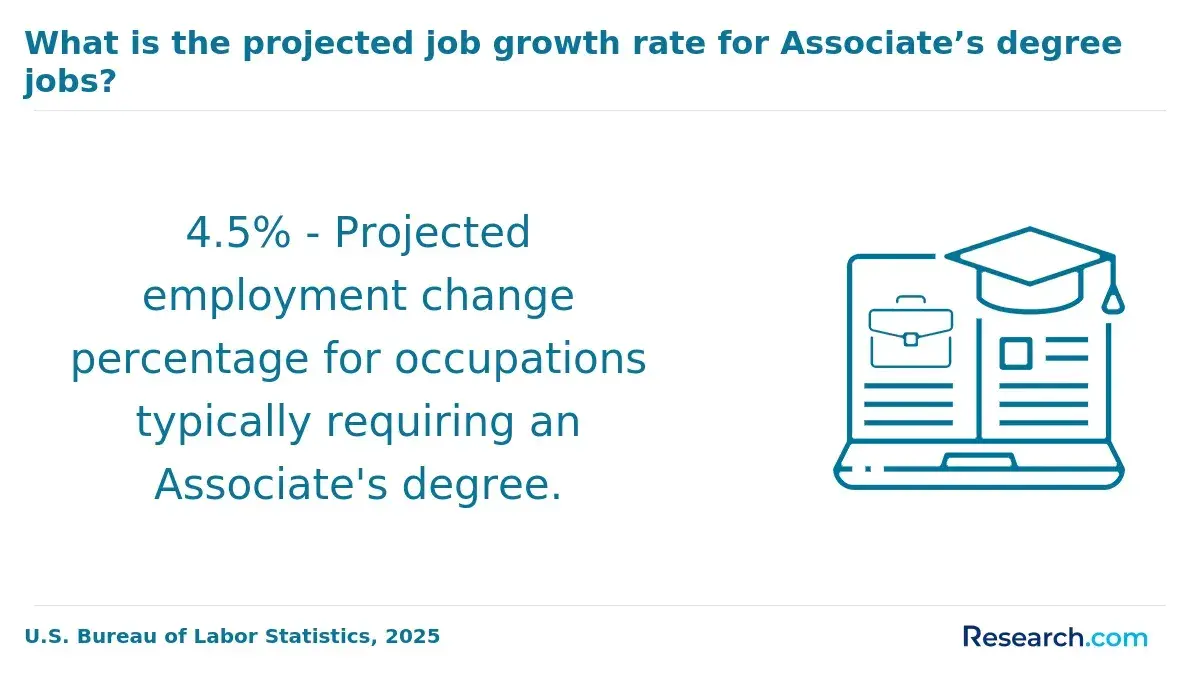
The biggest ROI drivers are not always the factors students notice first. Rankings, campus amenities, and brand familiarity can matter, but payback usually depends on net cost, experience level, employer relevance, program quality, and whether the degree fits the target role.
The most important ROI factors are the ones that change either your cost or your earning power. Review each factor before comparing final offers.
- Prior technical experience: Engineering management degrees usually pay off faster for people who already have engineering, technology, manufacturing, product, quality, or operations experience.
- Net cost after aid: Scholarships, employer reimbursement, military education benefits, and transfer credits can turn an average program into a high-value option.
- Accreditation and institutional credibility: Students should verify regional institutional accreditation; bachelor's-level engineering pathways may also require ABET alignment depending on career goals.
- Curriculum fit: Strong programs include finance, leadership, project management, data analysis, systems thinking, risk, quality, and technical decision-making.
- Employer connections: Capstones, advisory boards, industry partnerships, internships, and alumni networks can improve the practical value of the degree.
- Flexibility: Programs that let students continue working often produce better financial payback than formats requiring a career pause.
- Location and industry mix: Salary upside differs across aerospace, energy, construction, software, manufacturing, logistics, healthcare technology, and defense.
Common mistakes can weaken ROI even when the program itself is reputable. The most damaging mistake is choosing a degree before defining the target role. Engineering management is not the same as civil engineering, software engineering, industrial engineering, an MBA, or a project management certificate, even though the career paths can overlap.
Other red flags include ignoring total cost, assuming online programs always have the same career services as campus programs, choosing a degree without checking transfer-credit rules, relying only on rankings, and believing a degree alone will overcome limited technical experience. Students should also be cautious when schools advertise broad salary outcomes without explaining sample size, graduate experience level, or job function.
Technology trends are also changing the value equation. AI, automation, digital twins, data analytics, and connected manufacturing are increasing demand for managers who understand both technical systems and business risk. Programs that still treat management as generic supervision may be less useful than programs that teach leaders how to manage data-heavy, automated, and cross-functional engineering environments.
Employer demand is central to degree value because engineering management is usually an advancement credential, not just an academic credential. The degree tends to pay off when employers need people who can translate technical work into schedules, budgets, risk decisions, product strategy, and team performance.
The BLS employment projections released in 2024 projected about as-fast-as-average growth for architectural and engineering managers over the 2023-33 period. For students, the key takeaway is that openings are likely to be competitive: employers may value the degree, but they will still look for technical credibility, leadership history, and industry-specific experience.
Demand is strongest when the student's degree connects with real employer needs. Engineering management skills are especially relevant in organizations dealing with complex projects, regulated products, supply-chain risk, infrastructure modernization, cybersecurity-sensitive systems, sustainability goals, and automation.
The table below highlights industries where engineering management training may be especially useful and why employer expectations differ by sector.
| Industry | Why engineering management skills matter | Credential or experience considerations |
| Aerospace and defense | Large technical programs require risk, schedule, quality, and systems coordination | Security clearance, systems engineering, and compliance experience may matter |
| Advanced manufacturing | Automation, robotics, lean systems, and quality control require technical leadership | Operations, process improvement, and safety experience are valuable |
| Energy and utilities | Infrastructure, reliability, sustainability, and capital projects need cross-functional leaders | Regulatory knowledge and field experience can strengthen candidacy |
| Software and technology | Product delivery, platform reliability, and technical program coordination are central | Agile, product, data, and software delivery experience may be expected |
| Construction and infrastructure | Complex projects require budget, design, contractor, and risk management | Licensure, construction experience, and project controls may be important |
| Healthcare technology and biomedical products | Regulated product development requires quality, documentation, and cross-team coordination | Quality systems and regulatory familiarity can improve fit |
Job growth alone should not drive enrollment. A better approach is to review job postings in your target region and count how often employers ask for engineering management, systems engineering, project management, MBA, PMP, Six Sigma, data analytics, or domain-specific experience. This shows whether the degree aligns with the language employers actually use.
Students aiming for research leadership, senior academic roles, or specialized consulting may eventually compare advanced options such as PhD programs online. For most industry management roles, however, a master's degree plus measurable technical leadership experience is usually the more direct ROI path.
Students can improve ROI before they enroll, during the program, and after graduation. The most effective strategy is to treat the degree as a career project with a target role, budget, timeline, and measurable outcomes.
Use the following steps to reduce financial risk and increase the practical value of an engineering management program.
- Define your target role first, such as engineering manager, technical program manager, operations leader, product leader, or systems lead.
- Compare at least three program formats: employer-funded part-time, low-cost online public, and a higher-network campus or executive option.
- Ask each school for engineering management-specific career outcomes, including job titles, industries, employer examples, and how outcomes are collected.
- Calculate total net cost after scholarships, employer assistance, transfer credits, and likely loan interest.
- Verify regional institutional accreditation and any program-specific requirements relevant to your field, especially if your target role is tied to licensed engineering work.
- Choose electives that match the job market you want, such as systems engineering, data analytics, product management, quality, operations, finance, or supply-chain management.
- Use class projects to produce portfolio evidence, such as process-improvement analyses, product roadmaps, risk plans, cost models, or technical leadership case studies.
- Network while enrolled by building relationships with faculty, alumni, classmates, project sponsors, and managers in your current organization.
- Apply for internal stretch assignments before graduation so the degree is paired with visible leadership experience.
- Recalculate payback before accepting loans for the next term, especially if your job, tuition assistance, or promotion timeline changes.
Admissions requirements vary, but master's programs commonly look for a bachelor's degree, transcripts, a resume, statement of purpose, recommendations, and sometimes prerequisite coursework in engineering, math, statistics, or technology. Some programs prefer applicants with professional technical experience because classroom discussions often rely on real project and team examples.
Cost control is especially important for adult learners and later-career students because the payback window may be shorter. Students exploring faster or flexible credentials may also compare options such as a one year degree for seniors when the goal is targeted upskilling rather than a full engineering management master's.
The best students do not wait until graduation to seek ROI. They ask their employer which roles the degree could support, request tuition assistance early, align capstone work with business problems, and document measurable outcomes from projects. That evidence can be more persuasive in promotion discussions than the credential by itself.
Engineering management is not the only path into technical leadership. Similar fields can provide better ROI depending on whether you want deeper engineering expertise, broader business mobility, product leadership, operations authority, or academic research opportunities.
The table below compares common alternatives by career fit and financial trade-off. Use it to decide whether engineering management is the best match or whether a related credential would produce a clearer payoff.
| Alternative | Best fit | ROI strength | When engineering management may be better |
| MBA | Engineers moving into finance, strategy, consulting, product, or general management | Strong if the school network and career services match the target industry | When the student wants to stay closer to technical systems and engineering teams |
| Executive MBA | Experienced managers seeking senior leadership growth while working | Can be strong with employer support and an established leadership path | When the student needs engineering-specific project, systems, or operations depth |
| Systems engineering master's | Professionals leading complex technical architectures and requirements | Strong in aerospace, defense, infrastructure, and regulated technical environments | When people management, finance, and organizational leadership are equally important |
| Industrial engineering master's | Students focused on optimization, operations research, manufacturing, logistics, or process improvement | Strong for analytics-heavy operations roles | When the career goal is broader technical leadership rather than process specialization |
| Project management degree or certificate | Professionals coordinating schedules, budgets, stakeholders, and delivery | Lower-cost option for people who do not need a full technical management degree | When employers expect engineering credibility and technical decision-making |
| Data analytics or business analytics master's | Technical professionals moving into data-driven decision roles | Strong if the target role is analytics-heavy | When the student needs to manage engineering teams, systems, and technical portfolios |
An MBA can produce excellent ROI for engineers who want broader business mobility. Students focused on cost and accreditation may compare an online MBA AACSB accredited pathway, especially if they want business-school recognition and a wider management curriculum.
An executive MBA can be a better fit for experienced managers who already supervise teams, budgets, or business units. If the goal is senior leadership rather than engineering-specific management, an EMBA online option may offer a more relevant peer network and executive curriculum.
Engineering management usually wins on ROI when the student wants to remain in technical environments and needs management training without leaving engineering identity behind. MBA, EMBA, analytics, project management, or systems engineering options may win when the student's target role clearly sits outside engineering team leadership.
An engineering management degree is worth it when it solves a specific career problem: you have technical experience, you want to lead engineering work, and the program's net cost is reasonable compared with the salary lift or promotion access it may support. It is a weaker investment when the student is unclear about the target role, lacks technical foundations, or must borrow heavily without a credible advancement plan.
The best candidates are usually engineers, technologists, analysts, operations professionals, product specialists, or technical project leads who are already trusted for their technical judgment and now need formal leadership and business training. These students can often apply coursework immediately, which improves both learning and payback.
Students should consider a different path if they want licensed engineering practice and still need an ABET-aligned engineering foundation, if they want a general business career outside technical industries, or if a lower-cost certificate would meet the employer's requirement. A degree is not automatically superior to a focused credential when the career goal is narrow.
Before enrolling, ask yourself these decision questions. They are designed to test whether the program connects to a realistic outcome rather than a vague hope for advancement.
- What exact role do I want within two to five years, and do job postings for that role value engineering management training?
- Can I complete the degree while keeping my income, or will lost wages become a major hidden cost?
- What is my net cost after employer assistance, scholarships, transfer credits, and fees?
- Does the curriculum match my target industry, such as manufacturing, software, aerospace, energy, construction, or healthcare technology?
- Will the program help me produce measurable leadership evidence through capstones, projects, internships, or workplace applications?
- Have I compared the degree with an MBA, EMBA, project management credential, systems engineering degree, or analytics program?
- What conservative salary increase would be required to break even, and is that increase realistic in my region and industry?
The bottom line: a high-ROI engineering management degree is usually flexible, accredited, industry-aligned, and affordable after aid. It helps students convert existing technical ability into leadership responsibility. The smartest choice is not necessarily the most famous school; it is the program with the clearest connection between cost, skills, employer demand, and your next career move.
Engineering management graduates can pursue roles that sit between technical execution and organizational leadership. Common job titles include engineering manager, technical program manager, product development manager, operations manager, quality manager, systems engineering lead, manufacturing manager, and project management specialist.
The clearest salary benchmark is the BLS May 2024 median annual wage of $167,740 for architectural and engineering managers. Readers should treat this as a labor-market reference point for management roles, not as a promise attached to graduation. The median reflects workers already employed in the occupation, many of whom have years of engineering experience.
The table below connects common career outcomes with the kind of value an engineering management degree can add. It is intended to help you compare whether the degree supports the role you actually want.
| Career direction | Typical responsibilities | How the degree may help | Experience usually expected |
| Engineering manager | Lead engineering teams, budgets, schedules, hiring, and technical delivery | Adds management, finance, and organizational leadership training | Several years of engineering experience and demonstrated leadership |
| Technical program manager | Coordinate cross-functional technical initiatives, timelines, risks, and stakeholders | Builds systems thinking, project governance, and communication skills | Technical project or product experience |
| Operations or manufacturing manager | Improve production systems, quality, process flow, safety, and cost control | Supports process improvement, analytics, and people management | Engineering, operations, manufacturing, or industrial experience |
| Product or systems lead | Translate technical requirements into product, platform, or systems decisions | Strengthens business-case analysis and technical decision-making | Technical domain expertise and stakeholder management |
| Consultant or technical advisor | Advise organizations on engineering operations, technology adoption, or process change | Improves credibility in both engineering and management conversations | Specialized expertise and measurable project results |
Salary outcomes vary by region, industry, employer size, technical specialty, security clearance requirements, and prior experience. Energy, aerospace, software, advanced manufacturing, biomedical technology, construction, logistics, and defense can all value engineering management skills, but they do not reward the degree in exactly the same way.
Students should evaluate salary potential by comparing the roles they can plausibly reach within two to five years, not only the top management salary they hope to earn someday. A strong payback case usually shows a credible path from current role to next role, then from next role to senior technical leadership.
Other Things You Should Know About Engineering Management
It depends on your goal. Engineering management is usually better for leading technical teams, systems, operations, or engineering projects. An MBA may be better for finance, consulting, corporate strategy, entrepreneurship, or general management outside engineering-heavy environments.
Some graduates move directly into project, operations, or technical leadership roles, but many engineering manager positions require prior engineering or technical experience. The degree is strongest when paired with hands-on technical work and visible leadership responsibility.
Online degrees can be respected when they come from an accredited institution, have the same academic standards as campus programs, and provide strong faculty access, career services, and industry-relevant projects. Employers usually care more about credibility, skills, and experience than delivery format alone.
There is no universal cutoff. A safer approach is to calculate simple payback using net cost and a conservative salary increase. If the degree requires a large salary jump that is not supported by your experience, region, or employer demand, the debt risk may be too high.
- ROI Of College Majors By Early And Mid-Career Salaries | Bankrate https://www.bankrate.com/loans/student-loans/roi-mid-career-by-major/
- Masters in Engineering Management Requirements: Everything You Need to Know https://authory.com/ErinCates/a/Masters-in-Engineering-Management-Requirements-Everything-You-Need-to-Know-a042e88d7bca1448f933a87eb4d386d43
- One Year Masters in Engineering Management: Accelerate Your Technical Leadership https://engineeringmanagement.org/one-year-mem-accelerated-programs/
- Is College Worth It? A Comprehensive Return on Investment Analysis - FREOPP https://freopp.org/whitepapers/is-college-worth-it-a-comprehensive-return-on-investment-analysis/
- What Global Employers Really Think About Online Degrees https://edutech.global/global-employer-view-on-online-degrees/
- What Employers Actually Think About Online Degrees https://www.onlineu.com/magazine/what-employers-think-about-online-degrees
- Why is a Master’s in Engineering Management Worth It? https://online.uottawa.ca/blog/why-is-a-masters-engineering-management-worth-it
- Average Cost of a Master's Degree: 2025 Analysis https://educationdata.org/average-cost-of-a-masters-degree