2027 Engineering Management Degree Earnings by Sector Report: Which Industries Reward Graduates the Most

Co-Founder and Chief Data Scientist
Choosing an engineering management industry can affect your pay, promotion speed, and career stability as much as the degree itself. The U. S. Bureau of Labor Statistics reports a 2024 median annual wage of $167,740 for architectural and engineering managers, making sector choice a high-stakes decision.
This guide is for students, recent graduates, and working engineers comparing industries. You will learn which sectors tend to pay best, where hiring demand is strongest, and how to weigh salary against location, skills, credentials, benefits, and long-term career goals.
Key Things You Should Know
- The strongest pay signals for engineering management graduates appear in scientific research and development, technology-intensive employers, advanced manufacturing, aerospace and defense, and corporate headquarters roles; BLS data places the 2024 median wage for architectural and engineering managers at $167,740.
- Highest pay is not always the best choice: BLS projects 4% employment growth for architectural and engineering managers from 2024 to 2034, so graduates should compare compensation with hiring volume, advancement paths, location, and industry resilience.
- Skills that most often raise earning potential across sectors include program leadership, systems engineering, data analytics, financial modeling, AI-enabled product development, supply chain strategy, and cross-functional communication.
- Which Industries Pay Engineering Management Graduates the Highest Salaries?
- How Do Salary Levels Compare Across Industries for Engineering Management Graduates?
Which Industries Pay Engineering Management Graduates the Highest Salaries?
Engineering management graduates usually earn the most when they sit close to high-value technical decisions: product roadmaps, capital projects, regulated systems, intellectual property, automation, cybersecurity, or large-scale infrastructure. Because no federal dataset tracks salaries by degree title alone, the best benchmark is the BLS category for architectural and engineering managers, combined with industry hiring patterns for technical managers, program managers, operations leaders, and product leaders.
The highest-paying sectors tend to reward a mix of technical depth and business accountability. In practical terms, that means employers pay more when an engineering manager can reduce risk, shorten development cycles, manage expensive teams, or turn technical work into revenue.
The table below ranks major sectors by typical earning strength for engineering management graduates. It is designed to help readers compare where compensation tends to be strongest, not to promise a specific salary outcome.
| Industry sector | Typical earnings position | Why the sector rewards engineering management skills | Best fit for graduates who want |
| Scientific research and development | Very high | Employers pay for managers who can lead advanced engineering, prototypes, patents, labs, and technical commercialization. | Deep technical work, innovation, and long-term specialization |
| Technology and software-intensive companies | Very high | Engineering managers often influence product revenue, platform reliability, AI adoption, cybersecurity, and cloud infrastructure. | Fast promotion cycles, equity potential, and product ownership |
| Aerospace, defense, and space systems | High | Complex systems, federal contracts, compliance, safety, and long development timelines increase the value of experienced technical leaders. | Mission-driven work, security clearance pathways, and large programs |
| Advanced manufacturing and industrial automation | High | Managers who improve throughput, quality, robotics, maintenance, and supply chains can directly affect operating margins. | Operations leadership and plant-to-executive advancement |
| Energy, utilities, and infrastructure | Moderate to high | Grid modernization, renewable integration, asset reliability, and safety-critical operations create demand for disciplined engineering leadership. | Stability, regulated-sector experience, and long-term projects |
| Architecture, engineering, and construction services | Moderate to high | Pay rises for managers who can control budgets, schedules, client relationships, permitting risk, and multidisciplinary design teams. | Client-facing leadership and project delivery |
| Government and public agencies | Moderate | Base salaries may trail private-sector roles, but benefits, pensions, stability, and mission impact can improve total value. | Job security, public infrastructure, and predictable career ladders |
For a salary-first strategy, scientific R&D, technology, aerospace, defense, and advanced manufacturing are usually the strongest starting points. For a stability-first strategy, utilities, government, transportation, and public infrastructure may provide a better total package even when base pay is lower.
How Do Salary Levels Compare Across Industries for Engineering Management Graduates?
Salary levels differ because engineering management is not one job. A graduate may become a manufacturing engineering manager, product manager, technical program manager, systems engineering lead, operations manager, construction project executive, or R&D director. The same degree can therefore produce different earnings depending on revenue model, risk level, location, and how close the role is to profit-generating decisions.
Use the following comparison to understand why two engineering management graduates with similar education can receive very different offers. The table summarizes compensation drivers rather than presenting a universal pay scale, because employer size, region, bonus structure, and experience level can change outcomes significantly.
| Compensation factor | Industries where it is especially important | How it affects earnings | What to check before accepting an offer |
| Revenue ownership | Technology, SaaS, medical devices, product companies | Managers tied to product launches, customer growth, or platform performance often have stronger bonus or equity upside. | Ask whether the role includes bonus targets, stock, profit sharing, or product P&L responsibility. |
| Capital project size | Energy, utilities, construction, infrastructure, manufacturing | Larger budgets usually justify higher pay for leaders who can control cost, schedule, safety, and vendor risk. | Compare project budgets, approval authority, and contractor-management responsibilities. |
| Regulatory and safety risk | Aerospace, defense, healthcare technology, nuclear, transportation | Employers pay for managers who understand quality systems, documentation, safety, and compliance failures. | Look for requirements such as ISO, FAA, FDA, NERC, OSHA, or defense-contracting experience. |
| Technical scarcity | AI, robotics, semiconductor, cybersecurity, battery, space systems | Scarce expertise can raise offers because fewer candidates can manage both the technology and the team. | Evaluate whether the job requires specialized domain knowledge or only general project coordination. |
| Benefits and deferred compensation | Government, utilities, large corporations, defense contractors | Base salary may not show the full value of pensions, retirement matches, health coverage, paid leave, or tuition support. | Calculate total compensation, not only annual salary. |
A common mistake is comparing only base salary. For example, a technology employer may offer higher cash pay and equity but greater volatility, while a public utility may offer lower base pay with stronger retirement benefits and steadier employment. The better choice depends on your risk tolerance, career stage, and whether you value rapid income growth or predictable long-term security.
Students comparing graduate study options should also consider whether they need a technical management degree, an MBA, or a hybrid path. For business-heavy leadership goals, an EMBA online can be a practical comparison point for experienced engineers who want executive-level finance, strategy, and operations training.
The industries that pay the most are not always the industries with the most openings. High-paying R&D or specialized technology roles may be competitive, while manufacturing, engineering services, construction, government contracting, and infrastructure employers often provide broader entry points for new managers.
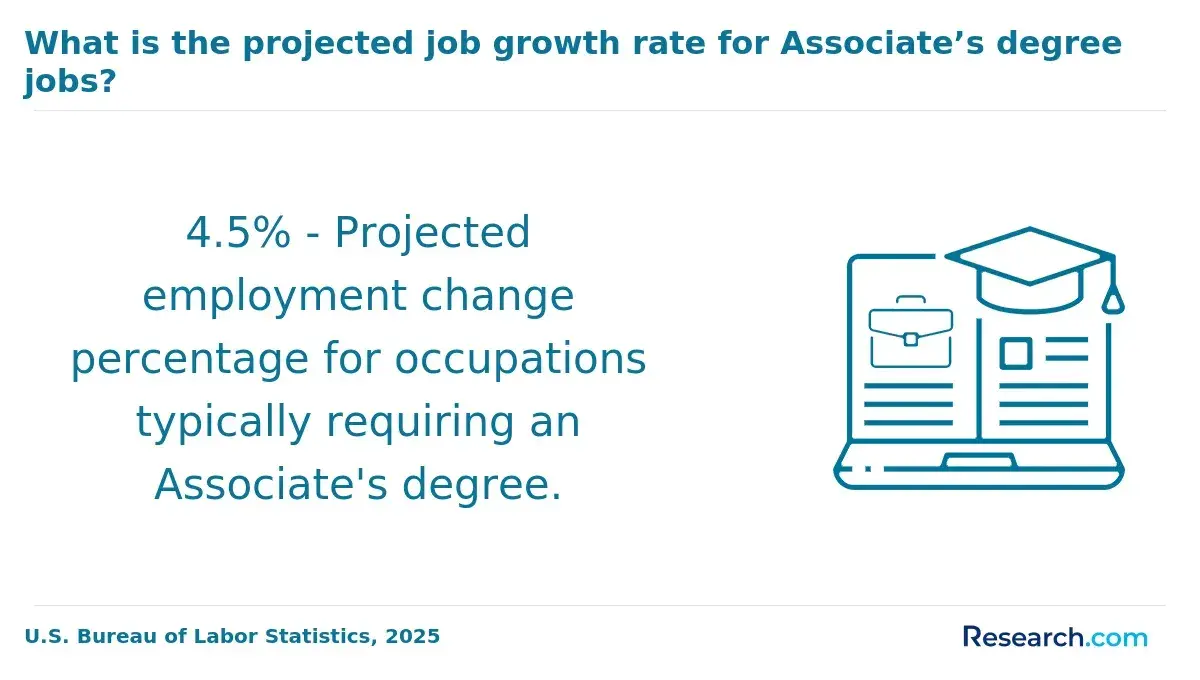
BLS projects 4% growth for architectural and engineering managers from 2024 to 2034, which is about as fast as the average for all occupations. For students, that means the job market is real but selective: employers often prefer candidates who combine engineering experience with budgeting, scheduling, people leadership, and project delivery.
The table below compares hiring strength by sector. Use it to identify where engineering management graduates may find more openings versus where they may find fewer but higher-paying opportunities.
| Industry sector | Hiring volume outlook | Common entry or mid-level roles | Why employers hire engineering management graduates |
| Manufacturing and industrial operations | Strong | Manufacturing engineering manager, operations manager, continuous improvement lead | Employers need leaders who can improve quality, automation, maintenance, cost control, and production reliability. |
| Architecture, engineering, and construction services | Strong | Project manager, engineering project lead, construction engineering manager | Firms need managers who can coordinate technical teams, clients, budgets, schedules, and regulatory requirements. |
| Technology and software-enabled companies | Strong but competitive | Technical program manager, product operations manager, engineering manager | Companies need leaders who can align software, hardware, data, product, security, and customer requirements. |
| Aerospace and defense contractors | Moderate to strong | Systems engineering manager, program manager, quality engineering manager | Large contracts require disciplined technical leadership, documentation, risk control, and stakeholder management. |
| Energy, utilities, and infrastructure | Moderate to strong | Asset manager, reliability engineering manager, grid modernization project manager | Employers need managers who can modernize aging systems while meeting safety and reliability expectations. |
| Scientific research and development | Selective | R&D manager, lab operations manager, technical commercialization lead | Hiring favors candidates with advanced technical expertise, research experience, or specialized industry knowledge. |
| Government and public agencies | Steady | Public works engineering manager, transportation project manager, facilities engineering manager | Agencies need technical managers for infrastructure, procurement, compliance, maintenance, and public safety. |
New graduates often have the best odds in sectors with repeatable project-management needs, such as manufacturing, engineering services, construction, and defense contracting. Highly specialized R&D roles may require several years of engineering experience, a graduate degree, or a strong technical portfolio before management responsibilities become realistic.
Engineering management salaries are highly location-sensitive because industries cluster in specific labor markets. Technology roles may concentrate around major tech hubs, aerospace and defense roles around contractor corridors, energy roles near production or utility centers, and manufacturing roles near industrial regions. A higher offer in a high-cost city may not improve your actual financial position if housing, taxes, and commuting costs absorb the difference.
The most useful way to compare offers is to calculate real compensation. That means adjusting salary for cost of living, benefits, bonuses, equity, relocation support, commute time, remote-work flexibility, and state tax differences.
Use this practical sequence when comparing offers across locations:
- Start with base salary, then add recurring compensation such as annual bonus, equity vesting, shift premiums, profit sharing, and retirement contributions.
- Subtract major location costs, including rent or mortgage changes, state and local taxes, commuting, parking, childcare, and health insurance premiums.
- Adjust for career value by asking whether the location gives you access to stronger employers, larger projects, specialized mentors, or faster promotion opportunities.
- Compare downside risk, including layoffs in cyclical sectors, contract dependence, relocation requirements, and limited local alternatives if the employer changes direction.
A lower nominal salary can be the better decision if it comes with lower living costs, stronger benefits, and a clearer path to leadership. Conversely, a high-cost location can still make sense if it places you in a dense market for technology, defense, biotech, or venture-backed product companies where promotion and job mobility are stronger.
Remote and hybrid work have changed this calculation, especially for technical program management, product operations, systems coordination, and software-adjacent roles. However, sectors such as manufacturing, energy, construction, labs, and utilities still often require on-site leadership because managers must oversee physical assets, safety, equipment, and frontline teams.
The highest-paid engineering managers are rarely promoted for technical knowledge alone. They usually earn more because they can convert engineering work into business results: faster delivery, lower defects, safer operations, stronger margins, better customer outcomes, or reduced operational risk.
Across sectors, the most valuable skills combine engineering judgment, financial discipline, people leadership, and technology fluency. These skills matter because they travel well across industries, making it easier to move from one sector to another without starting over.
- Technical program leadership: Managing scope, schedules, dependencies, risk registers, vendors, and cross-functional teams is valuable in technology, aerospace, construction, manufacturing, and healthcare technology.
- Financial and business analysis: Budgeting, cost modeling, ROI analysis, and capital planning help managers compete for roles with profit-and-loss responsibility.
- Data analytics and performance measurement: Skills in dashboards, forecasting, process metrics, reliability data, and operational KPIs help managers make evidence-based decisions.
- AI and automation literacy: Managers who understand where AI, robotics, machine learning, and automation create business value can lead modernization efforts without overpromising results.
- Systems thinking: The ability to understand dependencies among people, hardware, software, supply chains, regulations, and customers is especially valuable in complex sectors.
- Communication and stakeholder management: Senior managers must translate technical trade-offs for executives, clients, regulators, finance teams, and nontechnical employees.
A common mistake is treating engineering management as a purely administrative career. Employers pay more for managers who can still understand the technical work well enough to challenge assumptions, ask better questions, and protect teams from unrealistic commitments.
Students should build a portfolio of measurable outcomes. Examples include reducing cycle time, improving yield, leading a launch, managing a budget, coordinating a vendor transition, improving safety metrics, or building a data dashboard that changed a decision. These accomplishments often matter more in interviews than course titles alone.
Certifications can increase earning potential when they validate skills that employers already value. They are most useful when tied to a sector-specific responsibility, such as project delivery, quality systems, cybersecurity, safety, supply chain, or executive leadership.
The table below summarizes credentials that may strengthen an engineering management graduate's marketability by industry. Requirements vary by employer, and certifications should be evaluated based on job postings in your target sector.
| Credential or certification | Industries where it is most useful | How it can support earnings | Best timing |
| Project Management Professional | Construction, defense, technology, engineering services, utilities | Signals ability to manage complex projects, stakeholders, budgets, schedules, and delivery risk. | After gaining qualifying project leadership experience |
| Professional Engineer license | Civil, structural, utilities, public infrastructure, consulting | Can be important for signing off on engineering work, supervising regulated projects, or advancing in consulting. | After meeting state education, exam, and experience requirements |
| Lean Six Sigma Green Belt or Black Belt | Manufacturing, healthcare operations, supply chain, logistics | Supports roles focused on quality improvement, waste reduction, process capability, and cost savings. | During early or mid-career operations roles |
| Certified ScrumMaster or agile credentials | Software, product development, data platforms, digital transformation | Helps managers lead iterative product teams and coordinate technical delivery in agile environments. | When moving into software-adjacent or product roles |
| Cybersecurity or cloud certifications | Technology, defense, financial technology, healthcare technology | Can strengthen credibility for managers overseeing secure systems, cloud migration, or technical infrastructure. | When the role involves security, architecture, or platform operations |
| Supply chain certifications | Manufacturing, logistics, aerospace, retail operations, energy | Supports leadership in sourcing, inventory, supplier risk, production planning, and resilience initiatives. | When managing vendors, production networks, or materials flow |
Executive credentials can also matter once a graduate moves beyond team management into strategy, finance, and enterprise leadership. Experienced engineers comparing management education options may look at an online MBA AACSB accredited program if they want a business credential that employers can easily recognize.
The biggest certification mistake is collecting credentials without a target role. A better approach is to review 20 to 30 job postings in your desired industry, record which credentials appear repeatedly, and prioritize only those that remove a real hiring barrier or support a clear promotion path.
Company size can change compensation as much as industry. Large employers often offer higher salary bands, formal bonuses, equity or long-term incentives, tuition assistance, leadership development, and clearer promotion structures. Smaller firms may offer broader responsibility earlier, faster decision-making, and direct exposure to executives, but compensation can be less standardized.
The table below compares how organization type affects earning potential and career trade-offs. Use it to decide whether you want maximum upside, stability, faster responsibility, or mission-driven work.
| Organization type | Earnings pattern | Career advantage | Potential trade-off |
| Large technology company | High base pay with possible bonus and equity upside | Strong product scale, technical specialization, and internal mobility | Competitive hiring, performance pressure, and reorganization risk |
| Large manufacturer or industrial corporation | Competitive salary with structured bonuses and benefits | Clear operations leadership paths and multi-site advancement | May require relocation or on-site leadership |
| Defense contractor or regulated enterprise | Stable compensation with strong benefits and program-based advancement | Large projects, systems complexity, and long-term contracts | Security clearance, compliance, and slower decision cycles may apply |
| Startup or venture-backed company | Variable cash compensation with possible equity upside | Broad responsibility and rapid learning | Higher risk, less predictable benefits, and uncertain equity value |
| Consulting or engineering services firm | Pay often rises with billable responsibility, client ownership, and project size | Exposure to many industries and faster client-facing experience | Utilization pressure and travel may affect work-life balance |
| Government or public agency | Moderate base pay with strong benefits and stability | Public mission, infrastructure impact, and predictable ladders | Salary bands may be less flexible than private-sector offers |
Older or midcareer learners who want to shift into technical management without committing to a long program should compare credential length, transfer policies, and career relevance carefully. Some may also research a one year degree for seniors when speed, flexibility, and applied learning matter more than a traditional campus pathway.
Do not assume a bigger company is always better. A smaller employer can be a smart choice if it gives you direct responsibility for budgets, customers, product decisions, or operations earlier than a large organization would. The key is to confirm that the experience you gain will be recognizable and transferable in your target industry.
Emerging industries can offer strong future earnings when they combine technical scarcity, capital investment, regulatory momentum, and urgent business demand. They can also be risky because funding cycles, policy changes, and market adoption may affect hiring.
The best emerging sectors for engineering management graduates are those where managers must coordinate complex technology, suppliers, safety requirements, and commercialization. These sectors often need leaders who can bring structure to fast-moving technical work.
- AI infrastructure and applied AI systems: Engineering managers who understand data pipelines, model deployment, cloud cost control, safety, cybersecurity, and product integration may find strong opportunities in software, robotics, healthcare, finance, and manufacturing.
- Semiconductors and microelectronics: Domestic manufacturing investment and supply chain resilience have increased the need for leaders in fabrication, process engineering, quality, equipment, and facilities management.
- Battery technology and energy storage: Growth in electric vehicles, grid storage, and renewable integration creates demand for managers who understand materials, manufacturing scale-up, safety, and supplier quality.
- Space systems and advanced aerospace: Commercial space, satellite networks, defense modernization, and autonomous systems create demand for systems engineering and program leadership.
- Climate technology and grid modernization: Utilities, infrastructure firms, and energy companies need managers for transmission, renewables, carbon reduction, resilience, and asset modernization.
- Healthcare technology and medical devices: Aging populations, connected devices, diagnostics, and digital health tools create demand for managers who can balance innovation with quality and regulatory discipline.
These industries can be attractive, but they are not automatically safer or more lucrative than established sectors. A smart strategy is to look for emerging-sector employers with real customers, durable funding, experienced leadership, and a clear path from technical development to revenue or public adoption.
Avoid the mistake of chasing a trend without building durable skills. AI tools, robotics platforms, and energy technologies will change, but systems thinking, project execution, quality management, financial discipline, and cross-functional leadership remain valuable across sectors.
The best industry for an engineering management graduate is the one that fits your income goals, risk tolerance, technical interests, lifestyle needs, and advancement timeline. A high-paying sector can be the wrong choice if you dislike the work, lack the required technical background, or cannot tolerate the volatility. A lower-paying sector can be the right choice if it offers stability, benefits, mission alignment, and a realistic path to senior leadership.
Use the following decision process to compare sectors before choosing internships, electives, graduate programs, or job offers:
- Define your target role first. Decide whether you want to manage products, projects, operations, research teams, plants, infrastructure, systems, or client delivery.
- Compare industry pay with hiring access. A sector with slightly lower compensation but more openings may produce faster career progress than a highly selective sector.
- Check job postings, not just salary reports. Record required tools, certifications, years of experience, industry terms, security clearance needs, and preferred degrees.
- Estimate total compensation. Include base pay, bonus, equity, retirement contributions, health benefits, tuition support, paid leave, relocation, and cost of living.
- Match education to the sector. Technical R&D may reward advanced engineering study, while product or executive tracks may reward finance, strategy, and leadership training.
- Plan for transferability. Build skills that can move across industries, such as data analysis, program leadership, quality systems, budgeting, vendor management, and communication.
- Test the fit early. Use internships, capstone projects, part-time roles, professional associations, informational interviews, and employer site visits to validate assumptions.
Cost should also be part of the decision. Federal Student Aid set the graduate Direct Unsubsidized Loan interest rate at 8.08% for loans first disbursed during the 2024-25 award year, which means students should compare tuition, employer reimbursement, program length, and expected career mobility before borrowing for graduate education.
If your career goal is broader business leadership rather than a technical management specialty, compare engineering management programs with MBA pathways, including flexible and affordable online options. The right choice is the credential that helps you qualify for the roles you actually want, not simply the degree with the highest advertised salary outcome.
Long-term growth depends on more than starting pay. The best industries for advancement usually have layered management structures, recurring capital investment, technical complexity, and clear pathways from team lead to director, vice president, or general manager.
For many graduates, the strongest long-term ROI comes from industries where technical management experience compounds. That means each project builds credibility for larger budgets, larger teams, and broader strategic responsibilities.
The following sectors often provide strong long-term advancement potential for engineering management graduates:
- Technology and software-enabled products: Growth can be fast when managers learn product strategy, cloud systems, AI implementation, cybersecurity, customer success, and platform reliability.
- Aerospace, defense, and space systems: Career ladders can be strong because large programs need systems leaders, program managers, compliance experts, and senior technical directors.
- Advanced manufacturing: Managers can move from process improvement to plant leadership, supply chain strategy, automation leadership, and multi-site operations.
- Energy and utilities: Grid modernization, renewables integration, reliability planning, and infrastructure investment can support stable long-term management careers.
- Healthcare technology and medical devices: Growth can be strong for managers who understand quality systems, product development, regulatory approval, and safety-critical design.
Advanced education can strengthen long-term growth when it matches the sector. A research-heavy career in semiconductors, biomedical engineering, AI systems, or energy technology may eventually benefit from doctoral-level training, and some experienced professionals compare flexible PhD programs online when they want advanced credentials without leaving the workforce.
The main red flag is choosing an industry with a high entry salary but limited upward mobility. Before committing, ask whether the sector has senior engineering manager roles, director roles, technical fellow tracks, operations leadership paths, or executive roles that fit your strengths.
Other Things You Should Know About Engineering Management
It can lead to high-paying roles, especially for graduates who already have engineering experience and move into management of products, systems, projects, plants, or technical teams. BLS reports a 2024 median annual wage of $167,740 for architectural and engineering managers, but actual pay varies by industry, location, employer, and experience.
Manufacturing, engineering services, construction, defense contracting, and technical program management roles often provide practical entry points. Highly specialized R&D, semiconductor, AI, and aerospace roles may pay more over time but can require deeper technical experience or advanced credentials.
Not always. A high salary can come with relocation, long hours, volatility, clearance requirements, or intense competition. Compare total compensation, promotion paths, skill transferability, work-life balance, and whether the work fits your long-term interests.
Certifications are not always required, but they can help when they match the industry. PMP, PE licensure, Lean Six Sigma, agile credentials, cloud certifications, cybersecurity credentials, and supply chain certifications can all be useful depending on the role and sector.
- Engineering And IT Certifications That Can Make You Stand Out From The Pack - 180 Engineering https://180engineering.com/engineering-and-it-certifications-that-can-make-you-stand-out-from-the-pack/
- Engineering Management Certificates: Your Guide to Advancing Your Career https://authory.com/ErinCates/a/Engineering-Management-Certificates-Your-Guide-to-Advancing-Your-Career-a78f96f9a74444673a1a2170dca041ecb
- How will studying engineering management impact your career growth? - BSBI https://www.berlinsbi.com/blog/how-will-studying-engineering-management-impact-your-career-growth
- ROI Of College Majors By Early And Mid-Career Salaries | Bankrate https://www.bankrate.com/loans/student-loans/roi-mid-career-by-major/
- Compensation Management Process: A Guide for Investment Firms https://www.allvuesystems.com/resources/compensation-management-process/
- 10 college majors that have paid off big for mid-career millennials https://www.businessinsider.com/high-paying-college-majors-mid-career-stage-2026-3
- Compensation Trends in Software Engineering | Selby Jennings https://www.selbyjennings.com/en-us/industry-insights/hiring-advice/compensation-trends-in-the-software-engineering-industry
- Engineering Salary Guide | UK 2025 https://www.uniadmissions.co.uk/life-after-uni/engineering-salary-guide/
- Where does an engineers salary usually max out? - Engineering Majors - College Confidential Forums https://talk.collegeconfidential.com/t/where-does-an-engineers-salary-usually-max-out/1791458
- Tips for Increasing Your Engineering Salary https://www.triad-eng.com/tips-for-increasing-your-engineering-salary/