2027 Engineering Management Degree Time-to-Completion Report: How Long Students Actually Take to Finish

Co-Founder and Chief Data Scientist
Engineering management students are usually balancing technical coursework, leadership training, jobs, and family obligations, so the advertised program length often tells only part of the story. The latest BLS wage data places the median annual pay for architectural and engineering managers at $167,740, making graduation timing a real career and ROI decision. This guide is for prospective bachelor's, master's, and returning students who want a realistic timeline. You'll learn what affects completion, how formats compare, and how to choose a pathway that is fast enough without creating avoidable academic or financial risk.
Key Things You Should Know
- Most engineering management bachelor's students should plan for about 4 to 6 years, while master's students commonly finish in 1 to 3 years depending on enrollment load, prerequisites, and capstone requirements.
- The latest federal reporting shows only about two-thirds of first-time, full-time bachelor's students finish within 6 years across all fields, so actual pacing matters.
- The biggest time-savers are early transfer-credit evaluation, predictable course sequencing, year-round scheduling, employer-supported study time, and choosing a program whose required technical and management courses are offered frequently.
- What Is the Actual Time to Complete a Engineering Management Degree?
- Which Factors Have the Greatest Impact on Engineering Management Degree Completion Time?
What Is the Actual Time to Complete a Engineering Management Degree?
The actual time to complete an engineering management degree depends first on the degree level. A bachelor's program usually requires around 120 credits and combines calculus, physics, engineering foundations, operations, project management, finance, quality systems, and leadership. A master's program is usually shorter, often around 30 to 36 credits, and is designed for engineers, technologists, or technical professionals moving into supervisory or strategic roles.
Published program length is the best-case academic design, not a promise. Students can take longer because of prerequisites, work schedules, co-ops, military service, family care, course rotations, or temporary stop-outs. For a realistic plan, compare the school's catalog length with how often required courses are actually offered and whether the program allows fall, spring, summer, and accelerated sessions.
The table below summarizes realistic completion ranges by pathway. Use it as a planning estimate rather than a guarantee, because individual credit loads and transfer decisions can change the timeline significantly.
| Degree pathway | Typical published length | Realistic completion range | Who this timeline usually fits |
| Bachelor's in engineering management, full time | 4 years | 4 to 5 years | Students entering with few transfer credits who can take heavy math, science, engineering, and management loads each term |
| Bachelor's completion program | 2 years after transfer | 2 to 4 years | Students with an associate degree or substantial prior credits that match the major requirements |
| Master's in engineering management, full time | 1 to 2 years | 1 to 2 years | Students who can study intensively and already meet technical prerequisites |
| Master's in engineering management, part time | 2 to 3 years | 2 to 4 years | Working engineers, project leads, manufacturing professionals, and technical managers |
| Doctoral or research-focused pathway | 3 or more years | 3 to 7+ years | Students pursuing faculty, senior research, consulting, or executive technical leadership roles |
For most readers, the practical answer is this: a full-time master's is the shortest common route, a transfer-friendly bachelor's completion program is the fastest undergraduate route, and a traditional first-year bachelor's path is the longest route unless the student brings advanced placement, dual enrollment, or prior college credit.
Which Factors Have the Greatest Impact on Engineering Management Degree Completion Time?
The greatest timeline drivers are not always obvious from a program website. Engineering management sits between technical engineering and business leadership, so delays can come from either side: missing STEM prerequisites, unavailable technical electives, group-based capstones, or management courses that are only offered in certain terms.
Students should evaluate the following factors before enrolling because each one can add a term or more if ignored:
- Prerequisite readiness: Undergraduate students who are not ready for calculus, statistics, physics, or programming may need additional courses before they can begin major requirements.
- Course sequencing: Some engineering courses must be taken in a strict order, so missing one fall-only class can delay the next requirement until the following academic year.
- Capstone timing: Many programs require a final project, design experience, consulting project, or operations-improvement capstone that cannot be completed before core courses are finished.
- Credit-load realism: Taking 15 credits on paper is different from taking 15 credits that include lab work, quantitative modeling, engineering economics, and team deliverables.
- Academic advising quality: Students who self-select electives without confirming degree applicability can accumulate credits that do not move them closer to graduation.
The most common mistake is assuming that "30 credits" or "120 credits" automatically translates into a clean timeline. A better approach is to ask for a term-by-term degree map and verify whether every required course is available in the terms shown on that map.
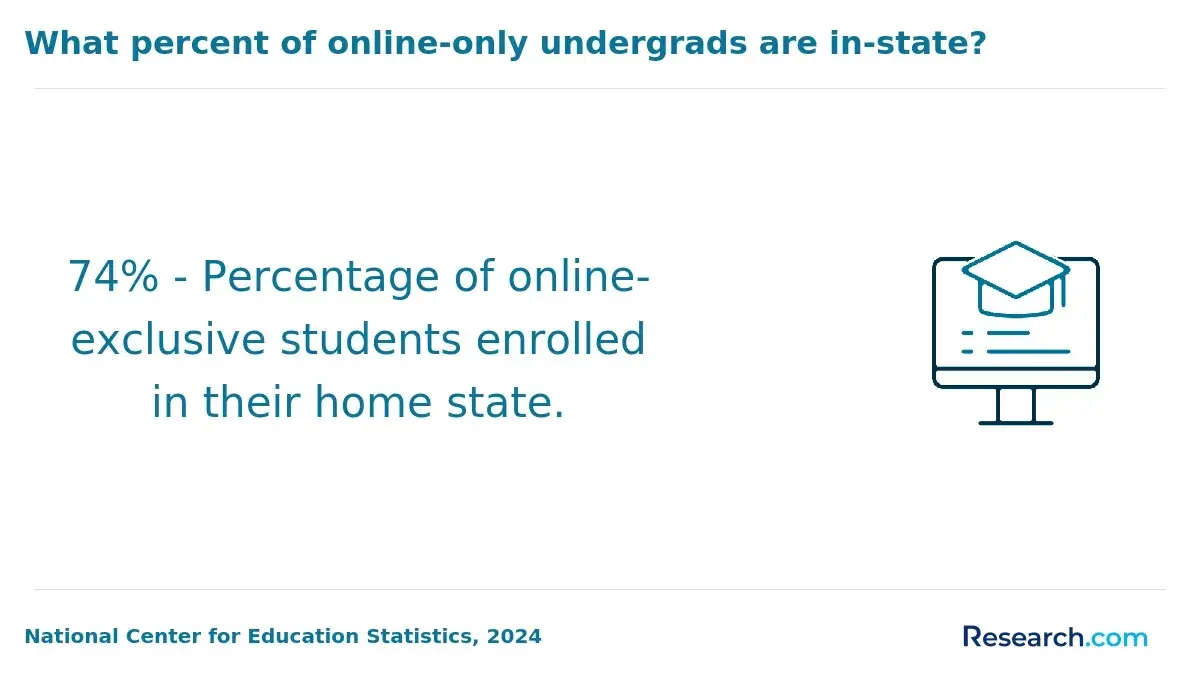
Enrollment status and learning format affect completion in different ways. Full-time enrollment is usually faster, but it can be risky for students who work long hours or support dependents. Online learning can improve scheduling flexibility, but it does not automatically shorten a degree unless the program also offers frequent starts, asynchronous courses, summer options, and enough seats in required classes.
The table below compares common enrollment and format choices. It focuses on the time trade-offs that matter most when choosing a realistic engineering management pathway.
| Option | Likely time impact | Main advantage | Main risk |
| Full-time campus bachelor's | Fastest for first-year undergraduates | Structured course sequence and easier access to labs, faculty, and peer teams | Less flexibility for students who need steady employment |
| Part-time bachelor's | Often extends completion to 6 years or more | More manageable for working adults | Longer exposure to tuition increases and life interruptions |
| Online bachelor's completion | Can be faster for transfer students | Flexible scheduling and potential year-round enrollment | Transfer mismatch can reduce the expected time savings |
| Full-time master's | Often 1 to 2 years | Fast career repositioning for students who can pause or reduce work | Higher short-term opportunity cost if the student leaves the workforce |
| Part-time online master's | Often 2 to 4 years | Strong fit for employed engineers and technical leads | Progress can slow if courses are taken one at a time |
Students who want speed should not ask only whether a program is online or on campus. They should ask how many start dates are available, whether core courses run every term, whether asynchronous sections exist, and whether the school allows students to accelerate temporarily during lighter work periods.
Accelerated engineering management programs can shorten graduation timelines, but they are not automatically better. They work best for students with strong academic preparation, predictable weekly study time, and limited prerequisite gaps. They can be difficult for students managing rotating shifts, heavy travel, caregiving responsibilities, or demanding technical roles.
Acceleration usually comes from one or more design choices. Understanding which mechanism the school uses helps you judge whether the faster timeline is realistic for your schedule.
- Shorter terms: Courses may run in 5-, 7-, or 8-week sessions, allowing students to complete more courses across the calendar year.
- Year-round enrollment: Summer and winter terms reduce idle time between required courses.
- Stacked credentials: Graduate certificates may roll into a master's program, reducing duplication if planned early.
- Integrated bachelor's-to-master's pathways: Some schools let strong undergraduates take graduate courses before completing the bachelor's degree.
- Cohort scheduling: A fixed course sequence can reduce guesswork, though it may be less flexible if a student needs to pause.
Students considering research or executive technical leadership may eventually compare master's-level acceleration with PhD programs online, but doctoral timelines are different because they depend heavily on research milestones, dissertation progress, and faculty supervision.
The best test is not whether the program says "accelerated." Ask whether students with your work schedule commonly complete the program in the advertised time, what happens if you fail or withdraw from a compressed course, and whether the capstone is offered often enough to avoid a final-term delay.
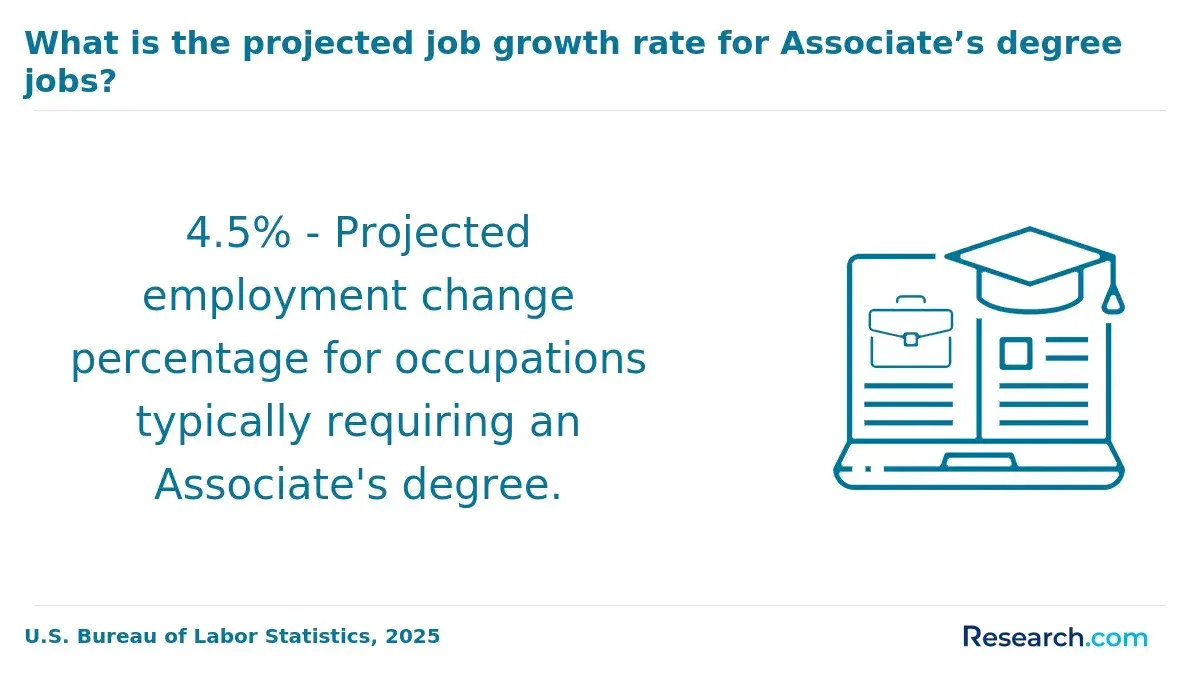
Work, family, health, military, and caregiving responsibilities often determine the actual timeline more than academic ability. Engineering management students are frequently mid-career professionals, which means they may be studying after full workdays while managing project deadlines, travel, or leadership responsibilities.
The latest federal higher education reporting continues to show that many students attend college while working, which matters because time scarcity increases the likelihood of part-time enrollment or temporary stop-outs. For engineering management students, the practical implication is clear: a sustainable pace usually beats an overly aggressive schedule that leads to withdrawal.
Students can reduce delay risk by building a completion plan around real weekly capacity rather than ideal conditions. The following steps help turn a general plan into a workable schedule:
- Estimate weekly study hours for each course and include commuting, labs, team meetings, and exam preparation.
- Identify predictable busy seasons at work before choosing fall, spring, summer, or accelerated terms.
- Protect capstone and group-project terms from major job changes, relocation, or heavy travel when possible.
- Discuss tuition assistance rules with your employer, including grade requirements and annual reimbursement limits.
- Meet with an advisor before reducing your course load so you understand how the change affects prerequisites and graduation timing.
A slower timeline can be the smarter choice if it preserves grades, health, employment, and tuition support. The red flag is not part-time study itself; it is part-time study without a mapped graduation plan.
Completion time affects ROI in two directions. Graduating sooner can reduce time spent paying fees, commuting, buying materials, and postponing advancement. Taking longer can spread tuition across more pay periods and allow students to keep employer benefits or tuition reimbursement. The better value depends on whether the faster path creates extra debt, lost income, or academic risk.
College Board's latest pricing data shows that published tuition and fees continue to vary widely by sector, with public in-state options typically costing far less than private nonprofit options. For engineering management students, this means a slightly longer, lower-cost public or employer-supported program may outperform a faster but much more expensive option.
The table below frames the cost and ROI trade-off without assuming that the shortest program is always best.
| Completion strategy | Potential cost effect | Potential ROI advantage | When it may not make sense |
| Full-time fast completion | May concentrate tuition and reduce work income | Earlier eligibility for promotions, leadership roles, or graduate study | If leaving work creates large opportunity costs or additional borrowing |
| Part-time employer-supported study | May reduce out-of-pocket cost through reimbursement | Allows immediate application of coursework at work | If annual reimbursement caps stretch the program too long |
| Accelerated online program | May reduce living and commuting costs | Can shorten time away from career advancement | If compressed courses increase withdrawal or repeat-course risk |
| Lower-cost traditional program | May reduce debt even if completion takes longer | Can improve net ROI if academic quality and employer recognition are strong | If limited course availability adds avoidable extra terms |
Some students weighing engineering management against business leadership credentials may also compare an online MBA AACSB accredited option. That comparison should focus on career target: engineering management is usually stronger for technical operations leadership, while an MBA may fit broader finance, strategy, or general management goals.
Before choosing the fastest option, calculate total tuition, fees, books, technology costs, travel, lost income, loan interest, and employer reimbursement. Then compare that total with the career move you are realistically trying to make, not with a generic salary average.
Graduation timing can influence career outcomes because engineering management roles often reward both technical credibility and leadership readiness. Common targets include engineering manager, project engineering manager, operations manager, manufacturing manager, systems engineering lead, product development manager, quality manager, and technical program manager.
The latest BLS occupational data reports a median annual wage of $167,740 for architectural and engineering managers. This figure is useful as labor-market context, but it should not be read as an entry-level promise; compensation varies by industry, location, engineering discipline, management scope, and years of experience.
Finishing earlier can help when a student is already performing management-adjacent work and needs the credential to qualify for promotion. Taking longer can make sense when the student is using the degree to build experience gradually, complete employer-funded coursework, or pivot from a technical contributor role into leadership without leaving the workforce.
Students comparing engineering management with executive business pathways may want to evaluate whether an EMBA online better matches their goals. An EMBA may be a stronger fit for senior cross-functional leadership, while engineering management is usually more targeted to technology, systems, production, infrastructure, and engineering-led teams.
The key career question is not "How fast can I finish?" but "Will this timeline let me graduate with the skills, projects, professional network, and work experience employers expect for the role I want?"
Engineering management completion timelines are changing because students and employers are changing. More students want flexible online or hybrid study, more employers expect managers to understand data, automation, AI-enabled workflows, cybersecurity risk, supply-chain resilience, and cross-functional project leadership, and more schools are packaging programs into certificates, stackable credentials, and shorter terms.
These trends can help students finish faster when programs are well designed. For example, asynchronous online courses can reduce scheduling conflicts, and stackable graduate certificates can let students earn a useful credential while progressing toward a master's degree. However, flexibility can also create drift if the student is not following a required sequence.
Current curriculum trends may also affect timing. Programs are increasingly adding analytics, systems thinking, product lifecycle management, sustainability, AI applications, and digital transformation topics. These additions can improve career relevance, but students should check whether new requirements replace older ones or add credits to the degree.
The practical takeaway is that newer formats are most helpful when they combine flexibility with structure. A program with frequent starts, proactive advising, clear course rotations, and integrated capstone planning is more likely to support on-time completion than a flexible program that leaves students to assemble the sequence alone.
Choosing an engineering management degree based on time to completion means balancing speed, cost, academic fit, and career relevance. The best program is not necessarily the shortest; it is the one with the shortest realistic timeline that still fits your preparation, schedule, finances, and target role.
Use the following process before applying or enrolling. It will help you compare programs using actual completion risk rather than marketing language.
- Identify your degree level first: first-time bachelor's, transfer bachelor's completion, master's, certificate-to-master's, or doctoral pathway.
- Request a degree audit or sample plan showing every required course by term, including prerequisites and capstone timing.
- Ask how often each required course is offered and whether online, evening, summer, or accelerated sections are available.
- Confirm transfer-credit rules before enrollment, especially for math, science, engineering, business, and upper-division major courses.
- Compare total cost under at least two timelines, such as full time versus part time or traditional versus accelerated.
- Ask about actual student completion patterns for people with your profile, such as working adults, military students, transfer students, or students entering without an engineering bachelor's degree.
- Review accreditation and employer recognition, including institutional accreditation and any relevant engineering, business, or programmatic quality signals.
- Choose the pace that lets you complete required work consistently instead of relying on perfect work and family conditions.
Red flags include vague transfer policies, required courses offered only once per year, no clear capstone schedule, advisors who cannot explain sequencing, excessive elective freedom without degree-planning support, and online programs that advertise flexibility but publish limited course availability.
A strong program should be able to answer a simple question clearly: "Based on my credits, work schedule, and goals, what is the fastest realistic path to graduation, and what could delay it?" If the answer is specific, documented, and consistent with your life, you are more likely to finish on a timeline that supports both your education and career plans.
Transfer credits can save the most time for bachelor's students and a more limited amount of time for master's students. At the undergraduate level, general education, calculus, statistics, physics, programming, business, and lower-division engineering courses may reduce the number of terms needed. At the graduate level, schools are usually stricter and may limit transfer credit to a small number of previously completed graduate courses.
Returning adult learners should be especially careful here. A student comparing engineering management with broader completion options such as a one year degree for seniors should confirm whether prior credits apply to the major, not just whether the school accepts them as electives.
The table below shows how transfer credit can affect completion time for an undergraduate engineering management pathway. The time savings are most valuable when credits satisfy required categories rather than free electives.
| Transfer-credit position | Possible standing | Estimated remaining time | Key caution |
| 0 to 15 credits | First-year student | About 4 to 5 years full time | Advanced placement may help, but major sequencing still starts early |
| 30 credits | Sophomore-level standing | About 3 to 4 years full time | Credits must include math or science requirements to shorten the engineering sequence |
| 60 credits | Junior-level or associate-degree transfer | About 2 to 3 years full time | Some technical courses may not transfer cleanly from non-engineering programs |
| 90 credits | Senior-level transfer on paper | About 1 to 2 years if requirements align | Upper-division residency and capstone rules can still require multiple terms |
To avoid losing time, request an official transfer evaluation before committing. Then compare it against the degree audit and ask which remaining courses are prerequisites for later courses, which are offered only once per year, and whether any credits transferred as electives instead of degree requirements.
Other Things You Should Know About Engineering Management
A full-time master's in engineering management commonly takes 1 to 2 years. Part-time students, especially working professionals, often take 2 to 4 years depending on course load, prerequisites, and capstone scheduling.
It is possible if you enter with substantial transfer, dual-enrollment, AP, or prior college credit that applies directly to the degree. Without those credits, finishing in under 4 years is difficult because technical courses often follow a strict sequence.
Not always. Online programs can be faster when they offer frequent start dates, asynchronous classes, summer terms, and reliable course availability. If required courses are limited or heavily sequenced, online study may be flexible but not shorter.
The biggest mistake is enrolling without a term-by-term plan. Students should confirm prerequisites, transfer credits, course rotations, capstone timing, and advising support before assuming they can finish within the advertised program length.
- How Many Hours Do Engineering Students Study? https://budapestcollege.hu/how-many-hours-do-engineering-students-study/
- How Long is a Master's in Engineering (MS, MEng) Program? https://www.onlineengineeringprograms.com/faq/how-long-to-earn-masters-in-engineering
- 2025 Most Popular Online Master's Degrees in Engineering Management https://www.onlineu.com/degrees/engineering-management
- Fast-Track or Part-Time? How Long a Master’s in Engineering Really Takes https://engineeringmanagement.org/how-long-does-it-take-to-get-an-mem/
- Rethinking recruitment for graduate engineering programs https://eab.com/resources/blog/adult-education-blog/rethinking-recruitment-for-graduate-engineering-programs/
- Work experience FAQs https://help.ncees.org/article/70-work-experience-faqs
- How long does it take to earn a Master’s in Engineering Management? https://www.topmanagementdegrees.com/how-long-masters-engineering-management/
- working full time and pursuing a MS in engineering https://talk.collegeconfidential.com/t/working-full-time-and-pursuing-a-ms-in-engineering/480926
- Challenges, difficulties and barriers for engineering higher education https://www.jotse.org/index.php/jotse/article/view/1696/645