2027 Fastest Online Master's in Emergency Management Degree Programs Ranking in the Northeast

Co-Founder and Chief Data Scientist
If you're considering advancing your career in emergency management, finding the right online master's program is essential. This article introduces the 2027 Fastest Online Master's in Emergency Management Degree Programs Ranking in the Northeast, carefully crafted by the Research.com team of data scientists.
Our goal is to help you make an informed decision by highlighting programs that combine quality education with flexibility. Earning an emergency management degree can open doors to meaningful work that impacts communities positively. Discover options tailored to your pace and lifestyle, and take a confident step toward your future.
Key benefits of getting online emergency management degree in the Northeast
- The average salary for emergency management professionals in the Northeast typically ranges from $50,000 to $70,000 annually, offering a stable and rewarding career path in public safety and disaster response.
- Graduates from Northeastern universities often find diverse career opportunities, including roles in government agencies, healthcare organizations, and private sector emergency planning, ensuring a flexible and impactful professional journey.
- Completing an online emergency management degree provides the advantage of flexible scheduling and accessibility, allowing students to balance work, family, and studies while gaining valuable skills recognized by employers.
- Key benefits of getting online emergency management degree in the Northeast
- What can I expect from online emergency management degree in the Northeast?
- Where can I work with online emergency management degree in the Northeast?
- How much can I make with online emergency management degree in the Northeast?
- 2027 Fastest Online Master's in Emergency Management Degree Programs Ranking in the Northeast
- Key Findings
- How long does it take to complete online emergency management degree in the Northeast?
- What's the difference between online and on-campus emergency management degree?
- What is the average cost of online emergency management degree in the Northeast?
- What financial aid is available to online emergency management degree students in the Northeast?
- What are the prerequisites for enrolling in online emergency management degree program in the Northeast?
- What courses are typically in online emergency management degree programs in the Northeast?
- What types of specializations are available in online emergency management degree programs in the Northeast?
- How do you choose the best online emergency management degree in the Northeast?
- What career paths are available for online emergency management degree students in the Northeast?
- What is the job market for online emergency management degree in the Northeast?
- Top Trending Emergency Management Rankings
What can I expect from online emergency management degree in the Northeast?
The average cost of an online emergency management degree in the Northeast typically ranges between $15,000 and $30,000, making it an accessible investment for professionals eager to make a real impact. Graduates from respected institutions in the region share inspiring stories of how their education empowered them to confidently handle real-world crises-from coordinating responses to winter storms in Massachusetts to managing urban flooding scenarios common in New York City.
Many students appreciate the flexible pricing alongside part-time and accelerated formats, allowing them to balance studies with careers and family life. The affordable costs combined with comprehensive curricula, which include practical exercises like GIS mapping and crisis communication simulations, enrich their learning journey.
Embracing the strong regional focus, these programs equip students to answer urgent calls for leadership in public safety and disaster resilience. Graduates often express pride in how their degrees enhanced their ability to protect communities across the Northeast's diverse and dynamic environments.
Where can I work with online emergency management degree in the Northeast?
Graduates with an online emergency management degree in the Northeast step into a world of meaningful opportunities across diverse sectors. Many find rewarding careers in government agencies, like state emergency offices in New York and Pennsylvania, where they craft disaster preparedness plans and lead response efforts that protect millions. Alumni from well-known schools such as SUNY and Northeastern University often share how their studies empowered them to coordinate crucial emergency drills in bustling urban centers, making real impacts on community safety.
Federal agencies like FEMA also welcome these graduates to join regional teams focused on disaster recovery and resilience building. The chance to serve your community in times of crisis fuels a strong sense of purpose and fulfillment, inspiring many to pursue leadership roles in incident command and crisis communication.
Beyond the public sector, graduates thrive in hospitals, infrastructure firms, and nonprofits throughout Boston and Philadelphia, ensuring safety and readiness in fast-paced environments. Others contribute their expertise in insurance and risk consulting, turning challenges into solutions that safeguard people's lives and livelihoods.
How much can I make with online emergency management degree in the Northeast?
Graduates from online emergency management degree programs in the Northeast enjoy promising salary prospects that reflect the region's urgent need for disaster preparedness and public safety expertise. For example, starting salaries in smaller cities or rural areas typically range from $55,000 to $70,000, offering a solid foundation for new professionals. With experience and certifications like Certified Emergency Manager (CEM), many graduates from well-known institutions in the region, such as those near Boston or New York, have advanced to roles earning between $90,000 and $115,000 annually.
These figures are supported by the vibrant demand in metropolitan hubs where emergency management is critical. Graduates often find fulfilling careers in state offices or FEMA regional centers, where their skills in crisis response and planning make a meaningful difference. The combination of rigorous online coursework and practical field readiness helps graduates feel confident stepping into these rewarding roles.
Whether you envision working for public safety agencies or private sectors focused on infrastructure protection, an online emergency management degree earned in the Northeast equips you with both the knowledge and the optimistic outlook needed to thrive in this impactful career.
2027 Fastest Online Master's in Emergency Management Degree Programs Ranking in the Northeast
How do we rank schools?
Investing in your education is a significant decision that can profoundly impact your career, and the Research.com team is committed to helping you make the best choice. To support prospective students interested in emergency management, we have carefully developed the "2027 Fastest Online Master's in Emergency Management Degree Programs Ranking in the Northeast." Our dedication to quality, credibility, and accuracy is demonstrated through rigorous research and analysis.
We utilized the following reputable data sources to ensure a comprehensive evaluation of programs:
By reviewing this ranking, readers will gain valuable insights into the fastest online master's programs in emergency management across the Northeast, enabling well-informed educational decisions. For a thorough understanding of how this ranking was created, please visit our Research.com methodology page.
# 1 position
Penn State University Park
Master of Homeland Security - Agricultural Biosecurity and Food Defense Option


Key Findings
- Tuition for online master's programs in emergency management in the Northeast ranges from $20,000 to $35,000, with some public universities offering lower rates for in-state students.
- Entry-level salaries for graduates typically range from $60,000 to $70,000 annually, increasing to $90,000 to $100,000 or more with experience.
- The job market for emergency management professionals in the Northeast is expected to grow by about 6% over the next decade.
- Many online programs in the region align their coursework with FEMA standards to improve career prospects for government roles.
- The Northeast includes states like New York, New Jersey, Massachusetts, and Pennsylvania, where there is high demand for trained emergency management professionals due to frequent hazards.
How long does it take to complete online emergency management degree in the Northeast?
Completing an online emergency management degree in the Northeast is an achievable and rewarding journey, typically designed to fit your lifestyle and ambitions. Graduates from respected institutions like Northeastern University or Rutgers University share how their associate degrees took about two years, offering a strong foundation in disaster preparedness that immediately empowered their community roles.
For those pursuing a bachelor's degree, expect about four years of dedicated study, easily balanced alongside work or family. Imagine the inspiration one master's graduate expressed after completing a program in 18 to 24 months, appreciating the flexible schedule that allowed them to care for loved ones while gaining vital skills to lead regional emergency responses.
Many programs in this region offer part-time and accelerated eight-week terms, perfectly accommodating professionals who balance careers and education. This vibrant flexibility turns challenges into strengths, inspiring students to advance confidently, knowing their education is tailored to real-world demands of the Northeast's dynamic emergency landscape.
What's the difference between online and on-campus emergency management degree?
Conversely, many online learners from institutions such as the University of Massachusetts cherish the freedom to balance their studies with demanding jobs or family life. They thrive on the flexible schedules that let them engage in coursework asynchronously, connecting through video chats and forums without relocating from their hometowns.
Both paths maintain high academic standards, with comparable tuition in the Northeast and accreditation ensuring your degree's value. Online students often save on commuting and housing, making education accessible and affordable. Whether you prefer the vibrant campus energy or the adaptable digital classroom, Northeastern emergency management programs empower you to pursue your passion with confidence and purpose.
What is the average cost of online emergency management degree in the Northeast?
The average cost of an online emergency management degree in the Northeast typically centers around $26,943, making it a worthwhile investment in a thriving and essential career. Graduates from well-known universities in this region often share how their tuition covered not only rigorous academic training but also real-world applications, preparing them to confidently respond to emergencies. Public universities in states like New York and Pennsylvania offer competitive tuition rates for in-state students, usually ranging from $400 to $700 per credit hour, ensuring quality education without overwhelming financial strain.
When exploring northeast online master's emergency management tuition fees, many students find that private institutions, although higher in cost-often between $800 and $1,200 per credit hour-offer extensive resources and personalized support that significantly enhance their learning experience. These programs typically require about 30 to 36 credit hours, so budgeting becomes more manageable when considering scholarships, employer tuition assistance, or financial aid options available to students dedicated to the field.
For those eager to accelerate their career growth, searching for the fastest online emergency management master's degree options can be a smart step. This approach helps students enter the workforce more quickly while balancing costs and educational goals. Many graduates recall balancing coursework with fieldwork and residencies that added invaluable practical insights, making their degree a rewarding and energizing journey.
What financial aid is available to online emergency management degree students in the Northeast?
Students pursuing an online emergency management degree in the Northeast find encouraging financial aid options that lighten the path to success. Many graduates from well-known institutions like SUNY Albany and Northeastern University share how completing the Free Application for Federal Student Aid (FAFSA) unlocked federal loans and grants tailored for their needs, making advanced education achievable without overwhelming debt.
States such as New York and Massachusetts offer inspiring loan forgiveness programs for those dedicating their careers to public safety, helping graduates give back while easing financial worries. Beyond government support, scholarships from organizations like the International Association of Emergency Managers provide welcome relief, empowering students to focus on mastering disaster response skills online.
Employers in the region, motivated by events like Hurricane Sandy, often pitch in through tuition reimbursement programs, showing genuine investment in their employees' growth. This mosaic of aid blends seamlessly to create opportunities where dedication meets financial support, turning dreams of serving communities into reality.
What are the prerequisites for enrolling in online emergency management degree program in the Northeast?
Work experience in emergency services or public safety is highly valued, and many programs seek candidates with one to two years of hands-on involvement. Imagine drawing on your own time working with local government agencies responding to storms or community emergencies-this real-world insight transforms your learning into meaningful leadership.
Some schools may ask for GRE scores but increasingly emphasize your passion and dedication expressed through personal statements and recommendations. Graduates often recall how these narratives helped them showcase their commitment to protecting communities through innovative risk mitigation strategies.
The entire journey uplifts you, combining your past experiences with exciting opportunities to contribute to the Northeast's resilient future.

What courses are typically in online emergency management degree programs in the Northeast?
Online emergency management degree programs in the Northeast feature courses designed to empower students with vital skills for real-world challenges. Graduates from respected universities in this region often describe how courses like Disaster Preparedness and Response taught them to anticipate hurricanes and severe winter storms native to the Northeast's climate.
Core classes such as Risk and Hazard Analysis and Emergency Planning and Policy equip learners to identify regional threats and navigate complex government frameworks, helping them craft resilient community plans. The course on Crisis Communication enhances the ability to share clear, calming information during high-pressure moments-a skill graduates recall practicing through simulations reflecting Northeast emergencies like nor'easters.
Many students appreciate the hands-on use of Geographic Information Systems (GIS) to track evolving weather patterns and allocate resources effectively. The blend of leadership development and public health emergency management courses inspires confidence in managing diverse crises, from coastal flooding to pandemic response, uniquely preparing Northeastern professionals to protect their communities.
What types of specializations are available in online emergency management degree programs in the Northeast?
Online emergency management specializations Northeast programs embrace vital areas that prepare students to confidently face real-world crises. Graduates from popular colleges in the region often share how specializing in Disaster Preparedness and Response empowered them to coordinate rapid aid during harsh winter storms or urban emergencies. Others find Homeland Security especially meaningful, equipping them to protect their communities from evolving threats with skills in risk assessment and counterterrorism.
Public Health Emergency Management is another impactful track, focusing on managing disease outbreaks-a vital expertise highlighted during recent health crises. Crisis Communication specialists learn how to keep the public informed and calm, proving essential during unpredictable events. Environmental Risk Management resonates deeply with students mindful of the Northeast's climate challenges, training them to foster sustainable emergency plans that truly make a difference.
For those inspired by the potential to serve their communities with expert knowledge, exploring these online masters degree emergency management options offers a powerful path forward. Discover more about these specialized emergency management degrees Northeast programs and find your perfect fit at online masters degree emergency management.
How do you choose the best online emergency management degree in the Northeast?
Selecting the best online emergency management degree in the Northeast means focusing on programs that prepare you for the unique challenges of this region, from hurricanes to winter storms. Graduates from well-known universities in the area often highlight how courses blending theory with practical case studies helped them confidently manage real-world disasters.
Look for degrees that provide strong regional relevance and flexibility, so you can study at your own pace while balancing work or family commitments. Many students appreciate programs that offer connections to FEMA or local emergency operations centers, which enrich learning and open doors to career opportunities.
When considering affordable emergency management master's programs Northeast residents trust, tuition costs are important-but value is key. For a list of excellent affordable options, check out cheapest homeland security online degrees.
Graduates often share that faculty expertise and career support services made a significant impact, helping them jumpstart their emergency management careers with confidence and community backing.
What career paths are available for online emergency management degree students in the Northeast?
Graduates with an online emergency management degree in the Northeast unlock a wide array of fulfilling career paths. Many find themselves thriving as emergency management directors, orchestrating disaster response efforts and collaborating with local and federal agencies to safeguard communities. Others become disaster recovery specialists, aiding neighborhoods to rebuild stronger after hurricanes or winter storms common to the region. Popular universities and colleges in the Northeast equip students with real-world skills, empowering graduates to confidently take on roles that blend strategy with compassionate leadership, perfectly capturing the spirit of emergency management careers Northeast.
Alongside traditional roles, there are growing opportunities as risk analysts and public safety officials who design and execute emergency response plans, ensuring resilience across urban and rural settings. Graduates often share how their education helped them adapt quickly during crises, inspired by the Northeast's dynamic environment. For many, this degree is a gateway to joining healthcare or utilities sectors, where they foster safety and continuity. Interested students exploring pathways can discover the fastest masters degree in homeland security to accelerate their journey.
What is the job market for online emergency management degree in the Northeast?
The job market for online emergency management degree graduates in the Northeast is thriving, fueled by the region's unique challenges like hurricanes, floods, and severe winter storms. Graduates from well-known institutions in this area often share that their education equipped them with practical skills through internships and scenario-based learning, making them confident and ready to tackle real-world emergencies. These graduates find rewarding opportunities within local government agencies, hospitals, and private firms focused on risk management, demonstrating the wide range of emergency management career opportunities Northeast students can explore.
Many students feel motivated knowing their degree leads to competitive salaries, often ranging between $70,000 and $95,000, which reflects the high demand for skilled professionals. The flexibility of online programs allows students to balance work and study, helping them advance in their careers while gaining invaluable experience. Those interested in related fields sometimes complement their path with law enforcement degrees online, enhancing their prospects in public safety and disaster response roles.
Frequently Asked Questions About emergency management
Online emergency management degree students in the Northeast can maximize their learning by actively engaging with course material and regional case studies. The Northeast faces unique hazards such as hurricanes, winter storms, and flooding, so focusing on local emergency response strategies improves practical skills. According to FEMA, collaboration with local agencies through virtual internships or volunteer opportunities enhances real-world understanding.
Students should utilize interactive online platforms and participate in discussion forums to exchange ideas with peers and instructors. Staying current with regional emergency management news, such as updates from the New York State Division of Homeland Security and Emergency Services, also deepens contextual knowledge.
Emerging niches in emergency management reflect the evolving landscape of hazards and technology. One growing area is cybersecurity crisis management, where professionals address threats to critical infrastructure and data systems. Given the Northeast's dense urban centers and financial hubs, this niche is especially relevant.
Another significant niche is climate resilience planning. With increasing floods and hurricanes affecting states like New York and New Jersey, experts specialize in preparing communities for extreme weather impacts.
Additionally, public health emergency management has expanded after the COVID-19 pandemic, focusing on coordinating responses to biological threats and pandemics. According to FEMA data, the Northeast ranks high in public health preparedness initiatives, reflecting local priorities.
After completing an online emergency management degree in the Northeast, it is crucial to focus on building relevant experience and networking. Many employers in states like New York and Massachusetts value certifications such as FEMA's Professional Development Series and the Certified Emergency Manager (CEM) credential. According to the U.S. Bureau of Labor Statistics, emergency management employment in the Northeast is expected to grow by 8% through 2030, emphasizing strong job prospects if properly prepared.
Internships with local government agencies or nonprofits provide practical skills and increase job market competitiveness. Additionally, joining professional organizations like the Northeastern Association of Emergency Managers can facilitate valuable connections and mentorship opportunities.
Employers in the Northeast seek emergency management graduates with strong communication and leadership abilities. These skills are essential for coordinating responses during natural disasters, which are common in the region, including hurricanes and winter storms.
Analytical skills are also critical; graduates must assess risks and develop mitigation strategies effectively. According to the U.S. Bureau of Labor Statistics, employment for emergency management professionals in the Northeast is expected to grow 7% through 2031, emphasizing the demand for such competencies.
Technical skills, particularly in Geographic Information Systems (GIS), are increasingly valued for mapping disaster impacts and planning emergency routes. Additionally, knowledge of federal and state regulations helps graduates navigate complex policies.
Overall, employers prefer candidates who can manage crises calmly while applying evidence-based planning techniques.
Finding internships in the Northeast related to emergency management requires targeted research and networking. Start by exploring opportunities with state emergency management agencies, such as the New York State Division of Homeland Security and Emergency Services or the Massachusetts Emergency Management Agency. These organizations often offer internships tailored to students pursuing emergency management degrees.
Universities in the Northeast typically maintain partnerships with local government and nonprofit organizations, which can be valuable resources. Checking with your program's career services office or internship coordinator can connect you with regional placements.
Additionally, FEMA Region 1 and Region 2 offices, covering New England and New York/New Jersey, offer internship programs that provide practical experience relevant to your field. The FEMA Student Internship Program is especially noteworthy.
Online resources, such as USAJOBS and internships.com, also list emergency management internships by region. According to the National Emergency Management Association, the Northeast region faces increasing demand for trained professionals, enhancing internship availability.
An online emergency management degree can significantly enhance career mobility and advancement for professionals in the Northeast. Given the region's vulnerability to natural disasters such as hurricanes and winter storms, employers increasingly value specialized knowledge in disaster preparedness and response.
According to the U.S. Bureau of Labor Statistics, employment for emergency management directors in the Northeast is projected to grow around 7% from 2022 to 2032, faster than the national average. This growth highlights rising demand for qualified professionals.
Online degrees offer flexibility for working individuals, allowing them to gain credentials without relocating or interrupting their current jobs. Additionally, many programs in the Northeast align curricula with FEMA guidelines and state-specific regulations, which helps graduates meet local employer requirements.
Studying for an online emergency management degree in the Northeast equips students with interdisciplinary skills essential for diverse roles in the field. Programs often combine coursework in public safety, environmental science, and urban planning to reflect the region's unique risks, such as hurricanes and winter storms. According to FEMA, Eastern states face complex emergency challenges requiring collaboration across government, healthcare, and infrastructure sectors. Northeastern universities tailor their curricula to emphasize coordination among these disciplines, preparing graduates to manage all-hazards incidents effectively. This approach aligns with industry standards and boosts employment prospects in public agencies, nonprofits, and private emergency firms.
Choosing between a thesis and a non-thesis emergency management degree program in the Northeast depends on your career goals and learning preferences. Thesis programs typically require conducting original research, which suits students interested in academic careers or specialized policy roles. Non-thesis programs focus more on practical skills and coursework, benefiting those aiming for immediate employment in emergency response or management positions.
Many Northeast schools align their programs with FEMA's National Integration Center guidelines, ensuring relevance to regional disaster trends, such as hurricanes and winter storms. According to the Bureau of Labor Statistics, emergency management jobs in the Northeast are projected to grow by 8% by 2031, emphasizing demand for both research and applied expertise.
Students should also consider time commitments; thesis options may extend study duration. Exploring faculty expertise and program flexibility can further help determine the best fit.
Students based in the Northeast interested in studying emergency management abroad have limited direct options due to the specialized nature of this field and its focus on regional disaster response. Most online emergency management degrees are offered by U.S. institutions with strong ties to local agencies and state-specific regulations. However, some programs include international components such as virtual study abroad experiences or partnerships with global organizations.
For example, Northeastern universities sometimes partner with agencies like FEMA or international bodies to offer case studies and simulations addressing global emergencies. While physical study abroad on emergency management is rare, online collaborative projects provide valuable global perspectives.
The U.S. Department of Education emphasizes accreditation for programs, so students should prioritize schools recognized for emergency management training in the Northeast to ensure quality. According to FEMA data, Northeast states have seen a 12% increase in emergency management jobs, making regionally focused education practical.
Part-time job opportunities that align with emergency management degree studies in the Northeast include roles in public safety agencies, local government emergency preparedness offices, and nonprofit disaster relief organizations. Many states in this region experience frequent weather emergencies, such as hurricanes and blizzards, creating a strong need for trained support staff. According to the U.S. Bureau of Labor Statistics, New York and Massachusetts show higher-than-average employment in emergency management and related fields.
Positions such as emergency communications dispatcher, safety coordinator, or community outreach assistant provide practical experience while students complete their degrees online.
These roles improve skills in crisis response and interagency coordination, both essential for emergency managers.
Online emergency management students in the Northeast benefit from numerous networking opportunities. Many universities partner with regional emergency agencies, allowing students to connect with professionals in emergency response, public safety, and disaster planning. For instance, schools often provide access to virtual career fairs and alumni networks focused on the Northeast's specific needs, such as hurricane preparedness and urban resilience.
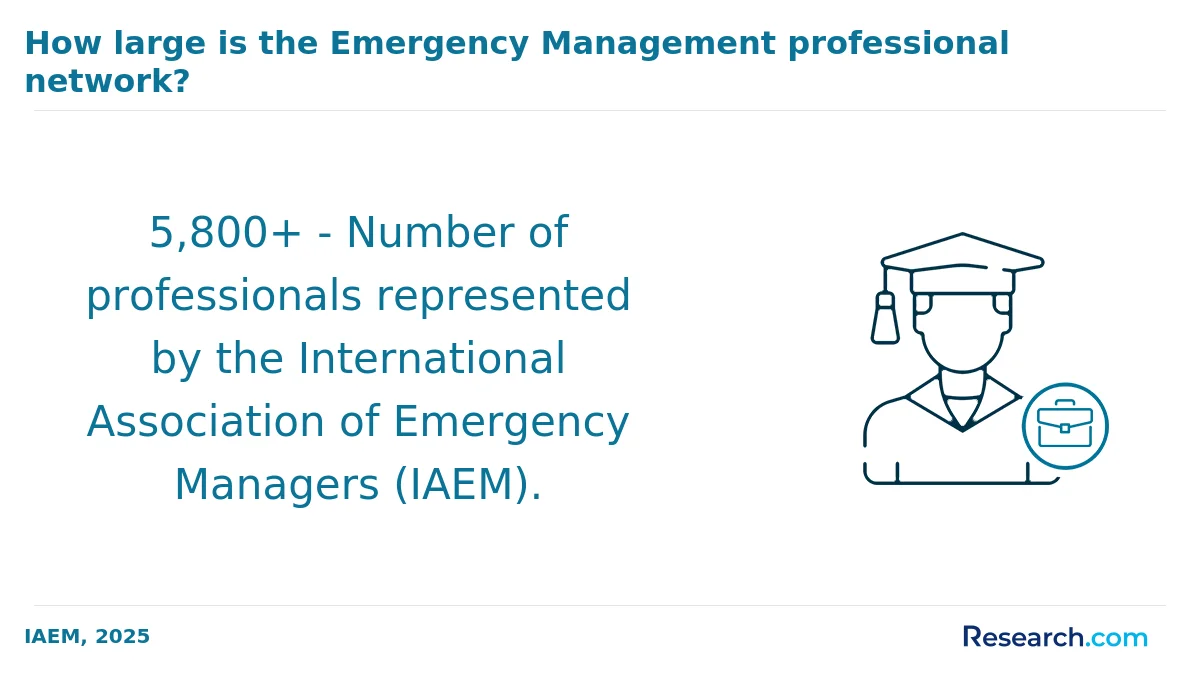
The Federal Emergency Management Agency (FEMA) regional offices in Boston and New York also offer workshops and webinars accessible to students. Moreover, professional organizations like the International Association of Emergency Managers (IAEM) have Northeast chapters, offering online and in-person events that foster connections within the emergency management community.
Alumni networks play a crucial role for online emergency management students in the Northeast by providing valuable professional connections. These networks often include graduates working in regional agencies such as FEMA's Northeast Regional Office and state emergency management departments. Access to such contacts can open doors to internships and job opportunities in states like New York, Massachusetts, and Pennsylvania.
Additionally, alumni frequently share insights about local disaster response challenges and resources specific to the Northeast, helping students better understand their future work environment. According to the National Emergency Management Association, 65% of emergency management professionals report that networking influenced their career advancement.
Through events and online platforms, alumni foster mentorship that guides students in skill development and certification paths aligned with Northeast regional needs.
Online emergency management degree programs in the Northeast offer various ways to tailor your studies to align with career goals. Many universities provide elective courses focusing on areas such as homeland security, public health emergencies, or disaster recovery. This flexibility allows students to develop expertise relevant to regional needs, like coastal storm response or urban crisis management.
Some programs include internship opportunities with state emergency agencies or federal organizations based in the Northeast. These experiences provide practical skills and valuable networking.
Additionally, certificate options within the degree or specialized tracks help concentrate on topics like cybersecurity or environmental hazards. According to FEMA, the Northeast faces unique challenges requiring customized training for effective leadership.
Online emergency management students in the Northeast often face unique challenges related to balancing rigorous coursework with demanding professional and personal responsibilities. Many learners in this region work in public safety or government roles, which can require unpredictable hours, complicating consistent study schedules. According to the National Emergency Management Association, about 40% of emergency managers in states like New York and Massachusetts report irregular working hours, adding strain to online learning commitments.
Additionally, technical issues remain problematic for some students, especially in rural parts of the Northeast where internet access can be uneven. This impacts their ability to participate in live sessions and access digital resources promptly. Furthermore, students frequently cite difficulty gaining practical hands-on experience through online formats, a critical component in emergency management education.
An online emergency management degree opens pathways to several key professional certifications. Graduates often pursue the Certified Emergency Manager (CEM) credential, offered by the International Association of Emergency Managers, which is widely recognized in the U.S. This certification requires documented experience, education, and passing an exam.
Another important option is the Associate Emergency Manager (AEM) credential, which serves as a stepping stone toward CEM. Additionally, the Federal Emergency Management Agency (FEMA) offers specialized certificates through its Emergency Management Institute that complement a degree and enhance career readiness.
In the Northeast, where disaster preparedness is critical, these certifications can boost job prospects and demonstrate professional commitment.
To write a winning application for an online emergency management program in the Northeast, start by clearly demonstrating your commitment to public safety and disaster response. Admissions committees value applicants with relevant experience or education, so highlight any professional background in emergency services or related fields. According to the National Fire Protection Association, nearly 30% of emergency management professionals in the Northeast hold at least a bachelor's degree, making a strong academic record essential.
Next, tailor your personal statement to emphasize your understanding of regional challenges such as coastal storms or urban emergencies, showing awareness of local risks covered by programs in states like New York and Massachusetts. Use precise examples to connect your goals with the program's strengths.
Finally, submit compelling recommendation letters from supervisors or professors familiar with your aptitude in crisis management. Make sure to meet all deadlines and provide required documentation promptly, as competition for top Northeast programs remains high.
Emergency management careers are increasingly viewed through a global lens, reflecting growing international cooperation in disaster preparedness and response. The U.S., particularly the Northeast, serves as a critical hub due to its dense population and exposure to hurricanes and winter storms. According to the Federal Emergency Management Agency (FEMA), roles in this field require knowledge of both local and global risks, emphasizing cross-border strategies.
Programs in the Northeast often incorporate global case studies alongside U.S. disaster policies, preparing students to engage in worldwide efforts. The increasing frequency of climate-related disasters highlights the need for professionals familiar with international frameworks such as the United Nations Office for Disaster Risk Reduction (UNDRR).
Gaining practical experience while studying for an online emergency management degree in the Northeast is essential for career readiness. Many programs emphasize internships and cooperative education opportunities with local agencies. For instance, students often partner with state emergency management offices, fire departments, or nonprofit organizations.
These placements allow students to apply theoretical knowledge in real-world settings. According to the Federal Emergency Management Agency (FEMA), the Northeast region faces frequent natural disasters, including hurricanes and winter storms, creating high demand for hands-on skills.
Additionally, some schools offer virtual simulations and scenario-based exercises to enhance applied learning remotely. Networking events and professional associations in the region also provide valuable connections and insights.
Choosing the right concentration within an online emergency management degree in the Northeast requires understanding regional risks and career goals. The Northeast faces unique challenges such as hurricanes, snowstorms, and urban emergencies, making concentrations like disaster preparedness or homeland security especially relevant. According to FEMA, states like New York and Massachusetts prioritize community resilience and infrastructure protection.
Students should also consider programs offering practical skills in crisis communication or public health emergency management, as these focus areas align with growing regional needs. Reviewing program curricula and local job market demands, including state emergency management agency priorities, can guide concentration selection effectively.
Top Trending Emergency Management Rankings
References
- Earn Your Emergency Management Degree Online https://waldorf.edu/lp/online-emergency-management-degree/
- Writing an Emergency Management Plan - JAM Training Services https://jamtrainingservices.com/portfolio/writing-an-emergency-management-plan/
- Bachelor of Science inEmergency Management and Homeland Security Online or On Campus https://www.albany.edu/cehc/programs/bs-emergency-management-homeland-security
- Bachelor's in Emergency and Disaster Management https://www.monroeu.edu/academics/undergraduate-programs/school-criminal-justice/bachelors-emergency-and-disaster
- Online Emergency Management Degrees: Review Top Programs https://www.degreesforgood.org/online-degrees/emergency-management-programs/
- Eye-Catching Emergency Management Resume Objective Examples (2025 Guide) https://www.visualcv.com/emergency-management-resume-objectives/
- Emergency Managers: Everything You Need to Know https://www.nrep.org/blog/emergency-manager-career-guide
- Emergency Management Career | Degree and Licensing Paths https://www.publichealthonline.org/emergency-management-career/
- Disaster Management https://enstitu.gedik.edu.tr/en/non-thesis/disaster-management
- Short Study-Abroad Programs for Emergency and Disaster Management Curricula: Strategies for Implementation https://jsire.org/short-study-abroad-programs-for-emergency-and-disaster-management-curricula-strategies-for-implementation/