2027 Fastest Online Educational Leadership Degree Programs Ranking in Georgia

Co-Founder and Chief Data Scientist
Exploring educational leadership degree programs can feel overwhelming, especially when balancing busy life in Georgia. This article presents the 2027 Fastest Online Educational Leadership Degree Programs Ranking in Georgia, created by the Research.com team of data scientists to guide you through the best choices available.
By reading this ranking, you'll discover programs that combine quality and speed, helping you achieve your goals efficiently. Earning an educational leadership degree opens doors to exciting career opportunities and personal growth.
Take the first step toward a rewarding future with the right information at your fingertips.
Key benefits of getting online educational leadership degree in Georgia
- Graduates with educational leadership degrees often find rewarding salary opportunities, with median annual wages for education administrators in the US around $98,000, reflecting solid financial growth potential.
- Career paths include roles like school principal or district administrator, as seen with graduates from the University of Georgia who thrive in diverse leadership positions within K-12 and higher education.
- Online degrees from institutions like Georgia Southern University offer flexibility and convenience, allowing students to balance work and study while gaining the same respected credentials as traditional programs.
- 2027 Fastest Online Educational Leadership Degree Programs Ranking in Georgia
- What can I expect from online educational leadership degree in Georgia?
- Where can I work with online educational leadership degree in Georgia?
What can I expect from online educational leadership degree in Georgia?
The average cost of an online educational leadership degree in Georgia typically sweeps into view between $15,000 and $35,000, painting a varied financial landscape depending on the institution. Imagine a graduate from a well-known Georgia university feeling the rewarding pinch of investment; they recall late-night discussions about equity and leadership theories, all while juggling work and family. This mix of mental growth and financial commitment often feels like planting seeds for a future harvest in school administration.
At colleges renowned for their leadership programs, students savor the blend of rigorous coursework and practical internships, convinced the tuition reflects the real-world skills gained. One graduate describes navigating course modules on data-driven decision-making from their kitchen table, inspired by the promise of transforming local schools. Tuition costs feel less like a barrier and more like a ticket to becoming a dynamic leader in Georgia's evolving education system.
With financial aid options and thoughtful program designs, many find that the price tag aligns with their aspirations to lead schools towards brighter, more inclusive futures. This investment isn't just money spent-it's the foundation of lasting impact in Georgia's educational landscape.
Where can I work with online educational leadership degree in Georgia?
Picture a graduate from Kennesaw State University, freshly armed with an online educational leadership degree, stepping into an Atlanta public school and instantly becoming that inspiring principal who turns chaos into harmony. In Georgia, these degrees aren't just paper-they unlock doors to K-12 leadership roles: principals, assistant principals, curriculum coordinators, and district-level champions shaping educational policy and staff growth.
At Georgia State University, grads find themselves weaving through district offices as superintendent assistants, navigating challenges that require sharp decision-making and heartfelt dedication. The Georgia Professional Standards Commission backs this momentum, forecasting a surge in these roles, echoing the nationwide 8% job growth.
But it doesn't stop at K-12. Some innovative graduates venture into colleges in Macon or Augusta, stepping into student affairs or academic program management, proving leadership transcends traditional classrooms. Others spark change from the private sector-consulting, nonprofit advocacy, or ed-tech-where their Georgia-honed management skills turn ideas into impact.
Every success story pulses with the essence of Georgia's commitment to quality leadership, certification hurdles like the Educator Leadership Assessment becoming mere stepping stones on vibrant career journeys.
Graduates from online educational leadership programs in Georgia, such as those at the University of Georgia or Georgia Southern University, often find their salaries reflecting the vibrant diversity of the Peach State's school systems. Imagine a fresh graduate stepping into a leadership role at a suburban Atlanta elementary school earning between $60,000 and $75,000-solid ground to build a rewarding career.
With experience and a leadership certification from the Georgia Professional Standards Commission, these graduates see their pay climb steadily. Principals in bustling Fulton County schools, where the stakes and student populations are high, can earn between $85,000 and $110,000. Feel the pride as these professionals lead campuses, shaping young minds while enjoying a paycheck that mirrors their dedication.
For those embracing leadership roles in higher education, possibly as department heads or deans at institutions like Kennesaw State University, salaries can soar toward $130,000 annually. This isn't just a job-it's a platform for impactful change paired with financial growth, turning an online degree into a powerful career rocket.
- Online educational leadership degrees in Georgia are mostly offered by regionally accredited public universities ensuring curriculum meets state and national standards.
- The total cost for these degrees typically ranges from $10,000 to $30,000, with lower tuition rates often available for in-state residents.
- Graduates can expect an average starting salary of around $60,000 annually, potentially rising to $90,000 or more with experience.
- The job market in Georgia shows steady demand for qualified school administrators, especially due to retirements and growth in both urban and rural districts.
- Certification requires passing state exams and completing supervised administrative experience, and many programs prepare students for Georgia's specific licensure process.
Imagine diving into an online Master's in Educational Leadership from a renowned Georgia university like Georgia State or Kennesaw State, where the clock ticks anywhere between 18 and 36 months. One graduate recalls juggling coursework with a full-time job, finding the part-time pacing perfectly paced to avoid burnout while still feeling the thrill of steady progress. For those craving speed, accelerated programs slice that timeline down to about a year and a half-intense, yes, but exhilarating for the truly driven.
Doctoral candidates often envision a longer journey. Ed.D. or Ph.D. paths stretch from 3 to 5 years, a tapestry woven with coursework, comprehensive exams, and a dissertation that feels like a personal odyssey. At University of Georgia, one doctoral student celebrated the freedom to progress at their own rhythm after required credits, turning what could feel like a marathon into manageable sprints.
What shapes your own timeline? Credit load, full- or part-time enrollment, and even in-person residencies. These choices paint your unique educational leadership story, all while navigating the lively academic ecosystems of Georgia.
Imagine juggling a full-time job in bustling Atlanta while earning your educational leadership degree from Georgia State University-online. You access your coursework anytime, whether it's during a late-night lull or a lunch break, crafting your schedule around real life. In contrast, picture yourself on the vibrant campus of the University of Georgia, walking between brick buildings and classrooms, exchanging ideas face-to-face with professors and peers, soaking in the collegiate buzz that sparks connection and motivation.
Online programs in Georgia weave flexibility into the fabric of daily life, ideal for those balancing family and work without sacrificing progress. Graduates often praise the freedom to learn at their own pace while staying rooted in their communities. Meanwhile, on-campus learners enjoy immediate access to libraries, events, and that irreplaceable human energy fueling collaborative growth.
Tuition varies-on-campus might run from $8,000 to $15,000 yearly for residents, while online cohorts sometimes encounter extra tech fees but save on commuting and housing. Both paths, whether taken through Emory or Georgia Tech's education departments, meet Georgia's strict certification standards, ensuring you lead with credibility wherever you study.
The average cost of an online educational leadership degree in Georgia offers a blend of accessibility and investment potential, especially for those aware of in-state tuition benefits. Graduates from institutions like the University of Georgia or Georgia State University often find themselves paying around $13,662 for the entire program when staying in-state, a figure that feels like an achievable milestone toward their professional dreams. For many, the Georgia online educational leadership degree tuition and fees become more manageable with careful planning and financial aid strategies.
Imagine a graduate balancing work, family, and coursework, appreciating that the median total cost of $22,932 is an investment in their upward career trajectory. Private schools in Georgia push that number higher, but the challenge is softened by targeted scholarships and state-funded assistance that lighten the financial load. These figures reflect not just numbers but decades of leadership impact waiting to be unlocked through education.
One student explains how they found a path through the cost maze by tapping into resources like the Georgia Student Finance Commission. The joy of progressing in a program that won't shatter their budget resonates deeply with many who pursue a degree in educational leadership. When weighing potential outcomes, it's crucial to also consider the positive career returns, visible in the master's in educational leadership salary trends nationally and in Georgia's growing education sector.

Imagine a graduate from the University of Georgia navigating the sea of financial aid like a seasoned captain finding hidden treasure. Federal aid, accessed through FAFSA, often serves as the guiding star-grants like the Pell Grant can ease the burden for those starting out, offering up to $7,395 annually. For many pursuing leadership roles, the lifeline extends to low-interest federal direct loans, making repayments feel manageable rather than monstrous.
Then there's the distinct state flavor-the HOPE Scholarship and Grant, often a starting boost for undergraduates but also a stepping stone for those completing prerequisite courses at places like Kennesaw State University. Certain Georgia public universities toss in scholarships or assistantships, rewarding grit and teaching experience with tuition relief or stipends, transforming financial angst into hope.
Picture a teacher in Cobb County racking up professional development grants or district-sponsored tuition reimbursement, turning dreams of school leadership into reality without the weight of towering debt. Nationwide private scholarships, including awards from respected educational associations, also await those who show fierce commitment and leadership promise, lighting the path forward in the Peach State's online programs.
Imagine stepping into the shoes of a future school leader in Georgia, ready to transform classrooms and communities. To embark on this journey through online educational leadership degrees at places like the University of Georgia or Georgia State University, you first need a solid academic foundation-a bachelor's degree from an accredited institution, often with a GPA hovering around 3.0 or higher. Graduates recall how this prerequisite felt like a ticket that verified their readiness to tackle advanced leadership challenges.
Beyond transcripts, real-world experience often sets candidates apart. Many who thrived in these programs brought with them two or more years in education roles-whether teaching or administrative-where they navigated the everyday intricacies of schools, building empathy and insight alongside their leadership ambitions.
- They submitted official transcripts, polished resumes, and recommendation letters, weaving a narrative of their dedication and growth.
- Some faced the GRE hurdle, though recent shifts toward test-optional policies provided welcome relief.
- Crafting a heartfelt essay on their leadership dreams became a rite of passage, bridging past experience with future vision.
Aligning with Georgia's Professional Standards Commission ensures that the credential earned helps you unlock licensure doors for roles like principal or administrator. For many, this alignment turned aspirations into tangible career pathways, fueling both confidence and excitement about their educational leadership journey.
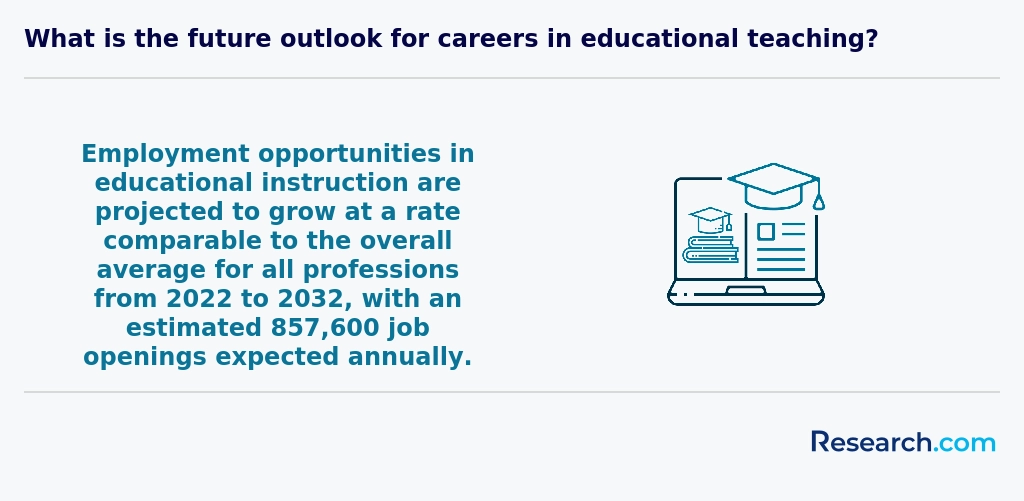
Picture yourself navigating the vibrant halls of a Georgia school district, armed with insights from courses like Educational Leadership Theory, where graduates from the University of Georgia describe feeling empowered to transform school culture with visionary strategies. Through School Law and Ethics, you'll grasp the delicate balance of legal mandates and moral choices, a challenge that sparks confidence in many at Georgia College & State University who face real-world dilemmas preparing for leadership roles.
Imagine designing curriculum improvements inspired by classes in Curriculum Development and Instructional Leadership, a favorite among Kennesaw State alumni who recall applying these skills to boost teacher effectiveness. Dive into Data-Driven Decision Making, turning numbers into impactful stories about student success, a tool praised by graduates shaping district policies across Atlanta.
Courses like Organizational Development and Change Management and Finance and Resource Management prepare you to harmonize teams and budgets, much like the balancing act described by leaders who emerged from Georgia Southern University's program, feeling ready to lead with heart and precision. Layered with Research Methods in Education, these classes craft a resilient, visionary leader molded by Georgia's unique educational landscape.
Imagine steering a school's future while juggling budgets, staff morale, and innovative curriculum breakthroughs-all from your home in Georgia. Online educational leadership specializations Georgia offers channels your ambitions into tangible skills: from School Administration and Supervision, where graduates revel in confidently leading school communities, to Instructional Leadership, which sparks a passion for enhancing teaching methods. Some dive into Higher Education Administration, preparing to influence colleges and universities with vision and empathy, while others choose Special Education Leadership, championing inclusive classrooms that change lives.
Graduates from Georgia State University and the University of Georgia often describe these programs as transformative journeys, balancing theory with real-world application. Many praise the Educational Technology Leadership track, which empowers them to revolutionize learning through innovative tech integration. And for those craving impact beyond a single campus, Policy and Educational Law specializations prepare future district leaders for governance and strategy roles. For the full spectrum of options, including the fastest online master's in teacher leadership programs, Georgia's online educational leadership degree options are a beacon for eager educators ready to lead with passion.
Imagine stepping into the shoes of a Georgia principal balancing hectic days with evening online classes from a popular state university. They swear by programs boasting CAEP and SACSCOC accreditation-it's like a trusted seal that promises real-world value and opens doors for leadership roles. Graduates from these programs often say flexibility is key: asynchronous classes let them study between school meetings, while live seminars create that spark of connection with faculty who truly know Georgia's educational landscape.
Cost whispers its own story. Affordable educational leadership degrees Georgia offer range widely, yet successful alumni recall how choosing a program mindful of GaPSC licensure requirements was the smartest move. After all, no textbook replaces those vital practicum experiences tethered to Georgia's leadership standards. If you want to peek inside these transformative journeys, consider exploring programs with faculty dedicated to real administrative challenges and practical leadership research-and don't miss out on quality advising that mirrors the support they had.
For the bold, curious seeker ready for a leap beyond traditional degrees, explore the realm of edd education administration. Here, the interplay of academic rigor and flexible delivery is a compass pointing directly to your future. This thoughtful attention to detail makes picking from the best online educational leadership programs Georgia has a treasure hunt filled with promise.
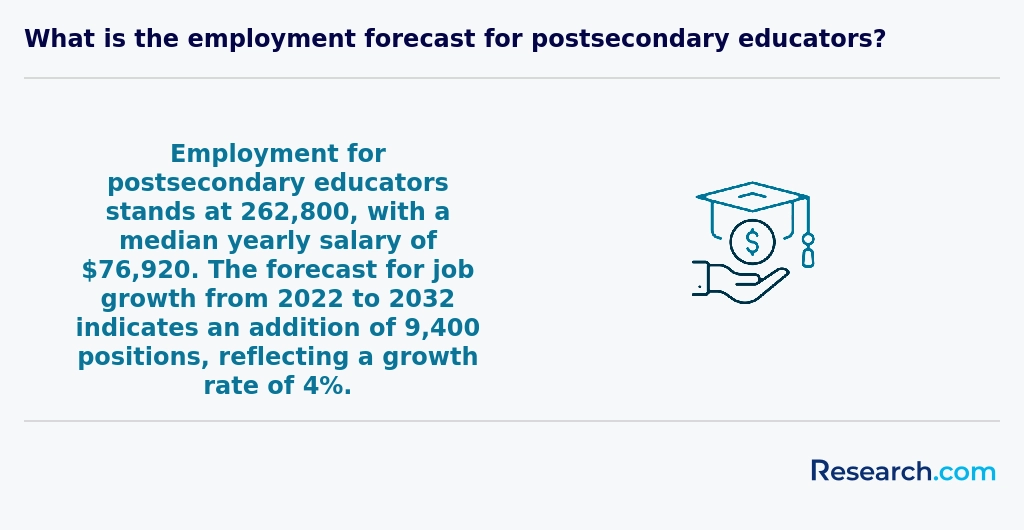
Graduates from Georgia's renowned institutions-like the University of Georgia and Kennesaw State University-don't just earn degrees; they unlock dynamic avenues in education leadership. Picture a graduate transforming a lively elementary school as a principal, sculpting culture and championing innovation. Many dive into district administration, steering curriculum as directors or enlightening teachers as instructional coordinators. This is the heart of online educational leadership careers in Georgia, pulsing with real influence on policy and practice.
Other alumni flourish within Georgia's Technical College System or University System, taking on roles as academic advisors or department chairs, guiding the next wave of scholars with wisdom and empathy. One graduate described the thrill of shifting from the classroom to a nonprofit leading inclusive educational initiatives-showcasing how diverse and fulfilling Georgia educational leadership degree job opportunities can be.
For ambitious minds seeking flexible study paths, the breadth of options is amplified by exploring masters of educational leadership online programs that fit seamlessly with busy lives, fueling growth and impact across Georgia's vibrant educational landscape.
Graduates holding an online educational leadership degree in Georgia find themselves stepping into a dynamic arena where expanding classrooms and evolving school ecosystems eagerly await fresh visionaries. Imagine overseeing a bustling Atlanta school where enrollment surges mirror the state's 2.5% growth, creating a palpable buzz that calls for sharp, empathetic leadership-a scene familiar to many graduates from institutions like Georgia Southern or Kennesaw State University. These leaders often transition smoothly into roles such as principals or district administrators, buoyed by a job market that not only values their expertise but also rewards it with competitive salaries hovering around $90,000 annually, especially in metropolitan hubs.
For students contemplating an affordable path, Georgia's public universities enhance appeal by offering lower in-state tuition for online programs, adding a financial lift to the pursuit. Seeing peers advance through recognized programs, some even seek accelerated options like a 12-month masters in education online to fast-track impact.
The Georgia educational leadership degree employment outlook glimmers with promise as districts prioritize nurturing strong and innovative leaders. From coaching special education directors to guiding curriculum coordinators, the demand swells with the heartbeat of every classroom, reflecting not just jobs but meaningful career journeys.
2027 Fastest Online Educational Leadership Degree Programs Ranking in Georgia
Investing in your education is a significant decision that can shape your professional future, and the Research.com team understands the importance of making informed choices. To assist prospective students in Georgia, we have carefully developed the "2027 Fastest Online Educational Leadership Degree Programs Ranking in Georgia." Our dedication to quality, credibility, and accuracy is demonstrated through the thorough research and rigorous analysis behind this ranking.
We utilized the following reputable data sources to ensure a comprehensive evaluation of educational leadership programs:
By consulting this ranking, readers will gain valuable insights into the fastest online options for earning an educational leadership degree in Georgia, empowering them to make well-informed decisions about their academic and career goals. For more details on how this ranking was created, please visit our Research.com methodology page.

# 2 position
Valdosta State University
Master of Adult and Career Education/Career and Technical Education


Frequently Asked Questions About educational leadership
Online educational leadership degree students in Georgia can maximize their learning by actively engaging with course materials and utilizing available resources. Many programs offer virtual office hours and discussion boards, which are key for building connections with professors and peers. According to the Georgia Professional Standards Commission, leadership candidates with strong mentoring relationships tend to complete certifications faster and perform better in administrative roles.
Additionally, students should take advantage of Georgia's regional accreditation, such as from the Southern Association of Colleges and Schools Commission on Colleges (SACSCOC), ensuring program quality and transferability.
Participating in local educational leadership networks or state conferences can also enhance practical knowledge and professional growth, complementing online learning effectively.
Emerging niches within the educational leadership field reflect changes in school environments and technology use. One growing area is digital leadership, focusing on integrating technology to improve learning outcomes. Educational leaders skilled in managing remote and hybrid learning models are increasingly in demand, especially after the COVID-19 pandemic.
Another important niche is equity-focused leadership. Leaders trained to address achievement gaps and promote inclusive school cultures are critical in Georgia, where diverse student populations are growing. The Georgia Department of Education highlights equity as a priority for leadership development.
Additionally, data-driven decision-making is a rising niche. Educational leaders who can analyze student performance data to inform policy and instruction are highly valued. These skills help schools improve accountability and meet state standards more effectively.
Graduates with an online educational leadership degree in Georgia should begin preparing for the job market by building a strong professional network. Joining state organizations like the Georgia Association of Educational Leaders can provide valuable connections and job leads. According to the Georgia Department of Education, leadership roles in schools are expected to grow moderately through 2030, signaling increasing opportunities.
It is important to gain practical experience through internships, residencies, or volunteer leadership roles, even after graduation. Certification as a school leader or principal is often required by Georgia law, so graduates should pursue any necessary credentials early.
Additionally, maintaining updated knowledge about educational policy changes in Georgia and engaging in continuous professional development will improve employability. Many districts emphasize leadership skills combined with knowledge of state-specific initiatives for student achievement and equity.
Employers in Georgia seeking graduates of online educational leadership degree programs prioritize strong communication and organizational skills. According to the Georgia Department of Education, leaders must effectively collaborate with teachers, parents, and community stakeholders to foster successful learning environments.
Data from the National Center for Education Statistics (NCES) indicates that problem-solving and decision-making abilities are also crucial. Educational leaders often manage budgets, policies, and staff, requiring a balance of analytical and interpersonal skills.
Additionally, knowledge of state-specific education laws and proficiency in data-driven instruction are highly valued. These skills enable leaders to improve student outcomes and comply with Georgia's accountability standards.
Overall, employers look for graduates who combine leadership, ethical judgment, and adaptability in fast-changing school settings.
Finding internships in Georgia related to an educational leadership degree involves utilizing multiple local resources. Many schools partner with the Georgia Department of Education, which offers internship programs and job placement assistance for aspiring leaders.
Universities such as Georgia State University and the University of Georgia provide online students access to internship portals connecting them with local school districts. According to the Georgia Department of Education, districts in metro Atlanta and Columbus have increased leadership internship opportunities by 15% in recent years.
Networking through professional organizations like the Georgia School Superintendents Association can also lead to internship openings. Checking district websites and contacting school administrators directly may uncover unadvertised roles.
An online educational leadership degree in Georgia significantly enhances career mobility by preparing graduates for key roles in school administration and district leadership. According to the Georgia Professional Standards Commission, holding a leadership certification-often earned through such degrees-is required for positions like principals and assistant superintendents.
Graduates benefit from increased salary potential; the Georgia Department of Education reports that school leaders with advanced degrees can earn 20-30% more than teachers without such credentials. Online programs also offer flexibility, enabling current educators to work full-time while advancing their qualifications.
Moreover, the state's growing emphasis on leadership development creates more opportunities for advancement within public and private schools. Thus, an online educational leadership degree is a valuable tool for those aiming to progress in Georgia's education system.
Studying for an educational leadership degree in Georgia equips students to handle interdisciplinary roles by integrating knowledge from various fields such as management, psychology, and policy analysis. Georgia's online programs emphasize practical skills in strategic planning and community engagement, diverse competencies essential for leading in complex educational environments.
Many programs align with standards set by the Georgia Professional Standards Commission, ensuring graduates can navigate interdisciplinary challenges effectively. For instance, incorporating technology and data-driven decision-making prepares leaders to collaborate with specialists across disciplines.
According to the National Center for Education Statistics, Georgia institutions have increased offerings in leadership programs that promote cross-sector collaboration, reflecting workforce demands. This approach readies graduates to drive innovation and improve outcomes beyond traditional educational settings.
When choosing between a thesis and a non-thesis educational leadership degree program in Georgia, consider your career goals and learning preferences. A thesis option involves original research and is ideal if you plan to pursue a doctoral degree or a career in academia. Many Georgia universities offering educational leadership degrees, such as the University of Georgia and Georgia Southern University, provide this path for students interested in research skills.
The non-thesis option focuses on coursework and practical skills, benefiting those seeking immediate leadership roles in K-12 or higher education settings. According to the Georgia Professional Standards Commission, non-thesis programs often align with certification requirements, making this choice efficient for educators moving into administrative roles.
Cost, time commitment, and faculty mentorship availability should also influence your decision. Thesis projects can extend program length and demand strong writing skills, while non-thesis paths tend to be streamlined. Reviewing specific program curricula and speaking with advisors from accredited Georgia institutions will help clarify which path fits best.
Students based in Georgia interested in studying educational leadership abroad through online programs have a limited but growing set of options. Many U.S. universities offer fully online educational leadership degrees accredited by recognized agencies, allowing students to enroll from anywhere, including Georgia. While truly international online degrees specifically targeted for Georgian residents are rare, some American institutions with global outreach provide flexible, accelerated programs designed for working professionals.
Georgia's strong emphasis on educational leadership development, supported by the Georgia Department of Education, encourages students to consider programs that meet state licensure and certification requirements. Selecting a program that aligns with Georgia's standards ensures graduates can pursue leadership roles within the state, even if degree studies are completed remotely from outside the country.
National data from the National Center for Education Statistics shows online graduate programs in educational leadership grew by 15% over the past five years, reflecting a broader trend accessible to Georgia students. However, when looking for study abroad online options, it is essential to verify accreditation, in-state tuition policies, and credential recognition to make informed decisions.
Part-time job opportunities in Georgia that align well with educational leadership studies include administrative assistant roles in school districts, tutoring, and educational program coordination. These positions provide practical experience managing educational contexts and interacting with diverse student populations.
According to the Georgia Department of Education, school districts often seek part-time aides and clerical staff, offering valuable insight into school operations. Additionally, tutoring services, which have grown by over 15% in metro Atlanta since 2020, reinforce leadership skills in curriculum management and student assessment.
Community education centers in Georgia also hire coordinators and support staff on a part-time basis. Such roles allow students to experience program development and stakeholder engagement, critical areas in educational leadership careers.
Online educational leadership students in Georgia benefit from several targeted networking opportunities that connect them with peers and professionals. Many programs partner with organizations like the Georgia School Superintendents Association and the Georgia Association of Educational Leaders. These groups frequently offer virtual events, webinars, and leadership conferences that students can attend to build professional relationships.
Additionally, universities often provide access to exclusive alumni networks and mentorship programs, which can be invaluable for career advancement.
The Georgia Department of Education also hosts workshops and forums accessible online, promoting collaboration among educational leaders statewide.
Overall, these resources support students in expanding their professional circles while balancing online studies.
Alumni networks provide significant benefits to students pursuing online educational leadership degrees in Georgia. These networks offer access to experienced professionals working in various educational settings across the state. According to the Georgia Department of Education, leadership roles are expanding, creating opportunities for graduates to connect and learn from successful practitioners.
Students gain mentorship, career advice, and networking opportunities that help in job placement and professional development. Alumni often share local job openings and insights into Georgia's school systems, giving students a competitive advantage.
Moreover, strong alumni connections can lead to collaborations on research or projects relevant to Georgia's educational policies and leadership challenges.
Customizing an online educational leadership degree in Georgia allows students to align their studies with specific career objectives. Many programs offer elective courses in areas like curriculum development, policy analysis, or school administration. Selecting these electives helps tailor expertise to roles such as principal or district leader.
Students can often choose between thesis options or practical internships, providing hands-on experience that supports career advancement. Some Georgia institutions partner with local school districts, offering networking opportunities crucial for leadership roles. According to the Georgia Department of Education, targeted leadership skills increase promotion chances within public schools.
Additionally, students should consider accreditation and certification pathways to meet Georgia Professional Standards Commission requirements for educational leaders. This ensures alignment with state licensure standards and career growth.
Online educational leadership students in Georgia often face challenges related to balancing coursework with professional and personal responsibilities. Many students are working educators or administrators, making time management a significant hurdle. According to the Georgia Professional Standards Commission, over 55% of educational leadership candidates juggle full-time jobs alongside their studies.
Another common issue is limited face-to-face interaction, affecting networking and mentorship opportunities critical for leadership development. Technical difficulties may also hinder progress, especially for students in rural areas with inconsistent internet access.
Additionally, navigating state licensure requirements while enrolled in online programs can be complex, as Georgia mandates specific endorsements for school leadership roles. Understanding these criteria early is essential for timely program completion.
Graduates with an online educational leadership degree in Georgia can pursue several key professional certifications that enhance career prospects. One common certification is the Educational Leadership Certification (Type 1 or Type 2), which is required for principals, assistant principals, and other school leaders in Georgia, as outlined by the Georgia Professional Standards Commission.
Additionally, many leaders pursue the District-Level Leader Certification to qualify for roles such as superintendents or district administrators. These certifications often require passing specific exams and completing leadership experience. According to the Georgia Department of Education, having these credentials significantly improves chances for advancement in K-12 education.
Other options include National Board Certification for school leaders, which is recognized nationally and reflects advanced teaching and leadership skills. Professional certifications reinforce leadership capacity and are aligned with Georgia's educational standards and regulations, making them essential for career growth.
Writing a winning application for an online educational leadership program in Georgia requires careful preparation. Start by highlighting your professional experience in education, as many programs value leadership roles or teaching positions. According to the Georgia Professional Standards Commission, candidates with at least three years of classroom experience often have a competitive edge.
Next, tailor your personal statement to reflect your understanding of leadership challenges in Georgia's school systems. Programs appreciate applicants who address local educational equity and student achievement issues, supported by relevant data from sources like the Georgia Department of Education.
Additionally, ensure your letters of recommendation come from supervisors familiar with your leadership potential. Lastly, maintain a strong academic record; a minimum GPA of 3.0 is common, aligning with national standards for graduate study in educational leadership.
Educational leadership as a career has gained increasing attention globally, with the United States playing a key role in defining standards and expectations. In Georgia, online educational leadership degrees prepare students to meet local and international challenges in school administration and policy.
Globally, educational leaders are expected to enhance student outcomes while managing diverse schools. The U.S. Department of Education highlights that leaders must integrate cultural competence, innovation, and data-driven decision-making.
In Georgia, school districts employ over 2,000 administrators annually, emphasizing strong leadership for improving education quality, according to the Georgia Department of Education.
Compared to other countries, U.S. educational leadership degrees often focus on practical skills aligned with legal and ethical frameworks, making graduates competitive in the global market.
Gaining practical experience while pursuing an online educational leadership degree in Georgia is essential for career readiness. Many programs encourage students to complete internships or practicum placements in local schools or districts. These experiences allow students to apply leadership theories in real-world settings.
According to the Georgia Professional Standards Commission, hands-on experiences are often required for certification in educational leadership roles. Partnering with nearby schools or districts can facilitate this requirement even for online students. Additionally, Georgia universities may offer mentorship programs connecting students with experienced administrators.
Engaging in school committees or community educational initiatives also enhances practical skills. These opportunities support leadership growth beyond traditional coursework and align with state certification standards.
Choosing the right concentration in an online educational leadership degree in Georgia depends on your career goals and interests. Common concentrations include K-12 administration, higher education leadership, and curriculum development. Each targets different roles within education systems.
Research from the Georgia Department of Education highlights strong demand for school principals and district administrators, making K-12 administration a practical choice. Conversely, higher education leadership prepares students for roles in colleges and universities.
Consider the curriculum focus, licensure requirements, and career outcomes. Georgia requires specific certification for school leadership positions, so programs aligned with state standards may offer an advantage. Reviewing program details and connecting with alumni can guide informed decisions.
- 2027 Fastest Online Educational Leadership Degree Programs Ranking in Florida
- 2027 Fastest Online Educational Leadership Degree Programs Ranking in North Carolina
- 2027 Fastest Online Educational Leadership Degree Programs Ranking in Mississippi
- 2027 Fastest Online Educational Leadership Degree Programs Ranking in Kentucky
- 2027 Fastest Online Educational Leadership Degree Programs Ranking in Virginia
- 2027 Fastest Online Educational Leadership Degree Programs Ranking in Missouri
- 2027 Fastest Online Educational Leadership Degree Programs Ranking in Indiana
- 2027 Fastest Online Educational Leadership Degree Programs Ranking in Ohio
- 2027 Fastest Online Educational Leadership Degree Programs Ranking in Illinois
- 2027 Fastest Online Educational Leadership Degree Programs Ranking in Pennsylvania
- Remote Educational Leadership Online Jobs https://www.virtualvocations.com/q-remote-educational-leadership-online-jobs.html
- EdD Salary - How much can you make with a Doctor of Education (EdD) degree? (2025 Update) https://www.onlineeddprograms.com/faqs/edd-salary
- Innovative Trends Redefining Education Leadership https://insightssuccessmagazine.com/incubating-innovation-innovative-trends-in-education-leadership/
- How to Pick Your Concentration for Your M.Ed. Degree | ACE Blog https://ace.edu/blog/how-to-pick-your-med-concentration/
- Know more about thesis vs non- thesis: what is the difference? https://studyfans.com/en/blogs/816
- What Can You Do With a Master's in Education Leadership? https://www.salemu.edu/blog/educational-leadership-careers/
- 6 Best Career Opportunities in Educational Leadership https://www.manchester.ac.ae/blog-post/6-best-career-opportunities-in-educational-leadership
- Educational Leadership: Master’s vs. Doctorate Degree - Graduate Programs for Educators https://www.graduateprogram.org/blog/masters-vs-doctorate-educational-leadership-degree/
- Career Opportunities After Earning an Educational Leadership Graduate Degree https://aituedu.org/career-opportunities-after-earning-an-educational-leadership-graduate-degree/
- Personal statement for applying a MAs educational leadership https://essayforum.com/graduate/statement-applying-mas-educational-leadership-85737/