2027 Most Valuable Online Bachelor's in Education Degree Programs Ranking in the Midwest

Co-Founder and Chief Data Scientist
Choosing the right online bachelor's degree in education can shape your future in meaningful ways. For students in the Midwest, making an informed decision is key to finding programs that truly deliver value.
This article introduces the 2027 Most Valuable Online Bachelor's in Education Degree Programs Ranking in the Midwest, developed by the Research.com team of data scientists. It guides you through the best education programs based on data-driven insights.
Exploring these options can help you find a program that fits your goals, supports your growth, and sets you up for success in the rewarding field of education.
Key benefits of getting online education degree in the Midwest
- The average salary for education degree graduates in the Midwest is promising, with special education teachers earning around $76,000 and instructional designers making about $77,200 annually. These figures highlight rewarding financial opportunities in key education roles.
- Career paths for education graduates from Midwest universities often include teaching in elementary schools, special education, and instructional design, offering diverse opportunities to make a meaningful impact. Many graduates find fulfilling roles that fit their passion for helping others learn and grow.
- Online education degrees from Midwest schools provide flexibility and accessibility, allowing students to balance work and study effectively. Graduates report feeling confident that their online credentials open doors just as widely as traditional degrees, often with added convenience and cost savings.
- 2027 Most Valuable Online Bachelor's in Education Degree Programs Ranking in the Midwest
- What can I expect from online education degree in the Midwest?
- Where can I work with online education degree in the Midwest?
What can I expect from online education degree in the Midwest?
The average cost of an online education degree in the Midwest often feels like a breath of fresh air compared to traditional campus programs. Many public universities, such as those in Michigan and Ohio, offer tuition rates that are noticeably lower for online learners, making the dream of becoming a teacher more accessible without the burden of overwhelming debt. Graduates frequently share how this affordability gave them the freedom to focus on their studies and balance family or job responsibilities with ease.
Imagine attending a well-known Midwestern university's education program from your own home, cutting out commute expenses and campus fees. Students recall appreciating how federal financial aid stepped in to ease the financial weight, turning the pursuit of a degree into a manageable adventure. These cost savings, paired with flexible schedules, allow many to embark on their teaching journeys energized and confident.
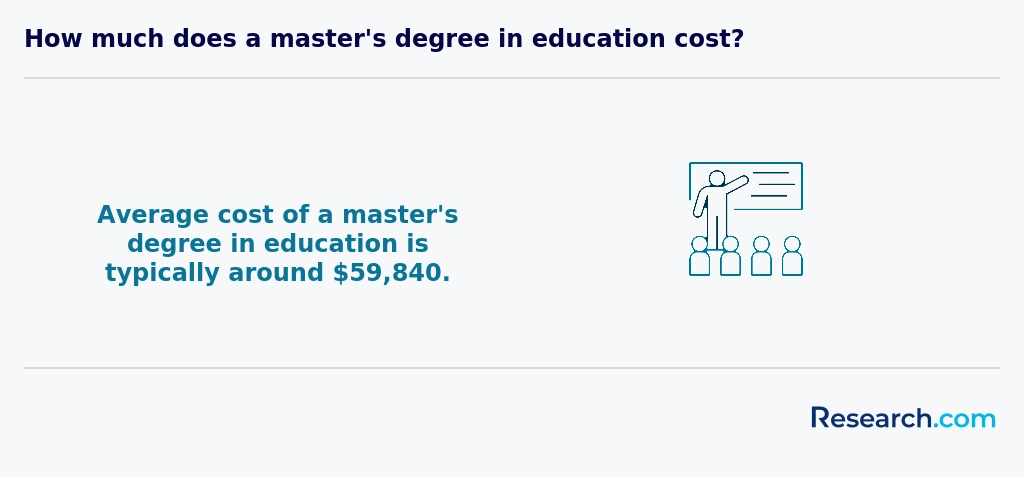
For example, learners at institutions popular for online education degrees reported average total tuition fees ranging from roughly $8,000 to $15,000, depending on the school and program length. This price point offers a practical gateway into teaching careers across Illinois, Indiana, and beyond, supporting both new students and career changers ready to embrace the classroom experience.
Where can I work with online education degree in the Midwest?
Graduates with an online education degree in the Midwest find themselves stepping into vibrant roles that stretch far beyond the classroom walls. Imagine a graduate from a renowned university like the University of Illinois diving into a public K-12 school where their credentials, earned through an online program, are highly valued by the local community. The appeal of these programs is clear, with about 75% of new teachers in Illinois emerging from similar paths.
Others embark on exciting journeys as curriculum coordinators or innovative instructional designers, crafting dynamic learning experiences to meet the state's expanding digital education needs. Community colleges across Ohio and Michigan eagerly welcome educators ready to energize adult and continuing education programs, offering a blend of stability and diversity in work settings.
Some adventurous graduates pivot into the corporate world in cities like Chicago, where they develop training programs that shape company cultures. Meanwhile, in areas like Indiana and Missouri, the urgent call for special education teachers means meaningful, rewarding work for those specializing in that field. It's a dynamic landscape full of possibilities for growth and impact.
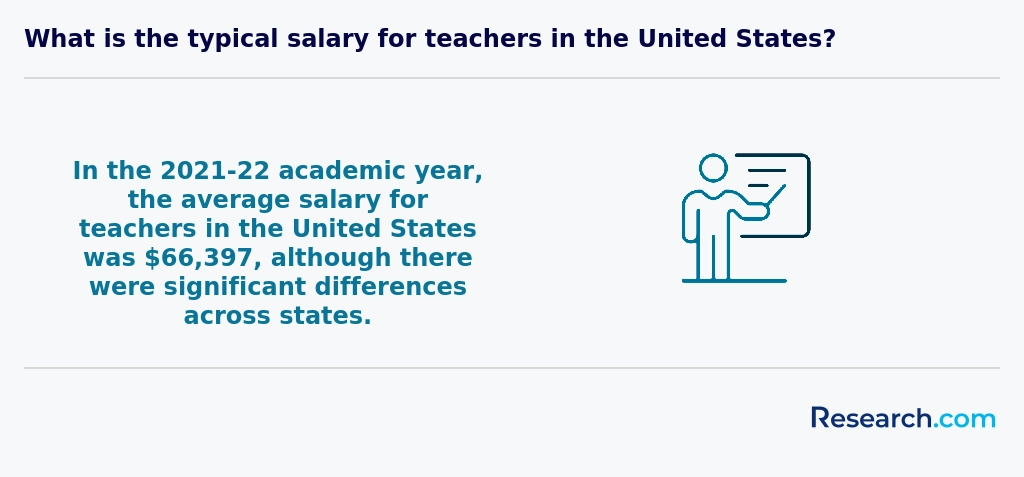
Graduates with an online education degree in the Midwest often find themselves stepping into rewarding careers with solid earnings. For instance, many who completed their studies at respected institutions like the University of Michigan or Illinois State University report starting salaries that excite and motivate. Elementary school teachers typically earn around $70,740 annually, offering a dependable foundation as they embark on their educational journeys.
Special education teachers tend to enjoy even higher wages, with mean salaries near $76,000-reflecting the valued expertise and impact they bring to classrooms. Those who specialize as English as a Second Language (ESL) teachers earn about $65,430, enriching their communities while securing competitive pay. Early childhood educators may begin with about $41,410 yearly, a stepping stone for many passionate about shaping young minds.
Instructional designers, a career path embraced by some graduates aiming for more flexible or tech-savvy roles, command mean salaries around $77,200. This blend of creativity and education can open up vibrant opportunities in Midwestern schools and beyond, inspiring a sense of adventure as graduates explore educational innovation.
- The average total cost for an online bachelor's degree in education in the Midwest ranges from $25,000 to $45,000.
- Starting salaries for education graduates typically fall between $40,000 and $48,000 annually, with long-term salaries reaching $55,000 to $70,000.
- Employment growth in education is steady, especially for elementary and secondary school teaching roles due to increasing demand in the region.
- States like Illinois and Minnesota tend to offer higher median teacher salaries compared to other Midwest states.
- Many Midwest online programs have regional accreditation and benefit from state financial aid and scholarships for education majors.
- Online programs often provide flexibility for working students, but state-specific certification requirements must be met for teaching credentials.
For many, the path stretches between five and six years when juggling part-time commitments. Imagine coordinating your studies around real-life demands, with Michigan State University alumni describing how credit for previous learning and accelerated options helped them sail through more swiftly.
Field experiences and student teaching bring hands-on excitement too, often lasting a semester and connecting students directly with local schools. This blend of theory and practice brings education degrees in the Midwest to life, creating a rewarding and deeply personal academic expedition.
Evaluating the return on investment (ROI) of an online Education degree is essential for prospective students seeking both meaningful careers and financial stability. On average, graduates invest around $49,068 in tuition and fees, yet they enter roles with starting salaries ranging from $38,640 for Early Childhood Educators to $73,080 for Instructional Designers. By calculating the payback period-total cost divided by annual net earnings above living expenses-most students recoup their investment within two to four years after graduation, underscoring the long-term value of these programs. Key factors influencing ROI include program length, specialization, and institutional partnerships with local school districts. For example, accelerated 3-year bachelor’s tracks reduce overall tuition expenses and allow earlier entry into the workforce. Specializations in high-demand areas like ESL or Special Education often command higher salaries, further shortening the payback period. Additionally, schools offering robust career services and internship placements can boost employment rates and starting salaries, enhancing ROI. For educators aiming to advance their credentials without inflating debt, exploring affordable graduate options can amplify returns. Prospective students may consider the Affordable Online Master’s in Education Degree Programs Ranking in Georgia to compare cost-effective pathways that build on their bachelor’s foundations and deliver strong salary growth potential.
Choosing between online and on-campus education degrees in the Midwest opens up a world of exciting possibilities shaped by your lifestyle and learning style. Imagine a graduate from a well-known Midwest university juggling a full-time job and family while completing education courses online, relishing the freedom to watch lectures at midnight after putting kids to bed. This flexibility is a game-changer, especially for those living in rural areas where traveling to campus isn't always easy.
On the flip side, another graduate from a popular college in the region shares how stepping onto campus sparked connections with professors and classmates, sparking motivation through face-to-face discussions and hands-on student teaching experiences. The buzz of campus life and access to libraries and tutoring can be invigorating and deeply engaging.
Cost is another puzzle piece: online programs often ease the financial load by cutting expenses like commuting and housing. Yet, reliable internet and tech gear become essential tools in this adventure, especially in some Midwest communities.
Both paths promise growth-whether through the quiet focus of online study or the vibrant energy of on-campus learning-each shaping educators ready to inspire the next generation.
Choosing an accredited online Education program is essential to ensure academic quality, eligibility for federal financial aid, and alignment with state certification requirements. Accredited programs are reviewed by recognized agencies-such as the Council for the Accreditation of Educator Preparation (CAEP) or regionally by bodies like the Higher Learning Commission (HLC)-to verify that their curricula meet rigorous standards. Here’s what you need to know: • Accreditation Types – Regional Accreditation: Generally awarded by U.S. Department of Education–recognized agencies; preferred by most employers and transfer institutions. – Programmatic Accreditation: Specific to educator preparation, granted by organizations like CAEP or the National Council for Accreditation of Teacher Education (NCATE). • Why Accreditation Matters – Federal Aid & Scholarships: Only students in accredited programs qualify for Pell Grants, TEACH Grants, and federal loans. – Credit Transferability: Courses from accredited schools are more likely to transfer if you pursue a master’s or change institutions. – Employment & Licensure: Many school districts require graduation from an accredited program for initial licensure or salary scale placement. • State Certification Alignment – State Requirements: Each Midwest state sets its own teacher licensure standards (e.g., student teaching hours, specific course content). Confirm that your program’s curriculum maps directly to your state’s Department of Education guidelines. – Licensure Exams: Accredited programs often integrate preparation for Praxis or other state-mandated exams, boosting your first-attempt pass rates. • How to Verify Accreditation 1. Visit the Council for Higher Education Accreditation (CHEA) database or your state education department website. 2. Confirm both institutional and programmatic accreditation status. 3. Review annual reporting and graduate outcomes to gauge program efficacy. For students planning to advance into graduate studies, exploring affordability and accreditation in master’s programs is crucial. Check out our Affordable Online Master's in Education Degree Programs Ranking in Georgia to compare accredited master’s options that align with your career goals and budget.
The average cost of an online education degree in the Midwest typically hovers around $46,200, offering a balanced investment for eager learners. For many, the journey starts at well-known public universities where in-state students find it affordable, often around $49,800 total, while out-of-state students might budget closer to $56,940. Graduates from these programs often reflect on how the reasonable tuition fees allowed them to focus fully on mastering their teaching craft without overwhelming financial stress.
Imagine a student at a prominent Midwestern university navigating online classes while balancing family responsibilities. The nearly accessible tuition makes pursuing a career in education feel not only possible but exciting. Private institutions in the region still attract those craving a prestigious twist to their degree, though the price tag for such experiences can climb significantly. Yet, many graduates feel worth it because of the rich networking and scholarship opportunities that help soften the financial load.
Midwest online bachelor's in education tuition fees frequently fall within eye-catching ranges that excite prospective students eager to make a difference in classrooms. Regional public colleges also emerge as budget-friendly options, offering pathways to credit transfer or associate degrees that reduce the total cost. Exploring programs like these opens doors to becoming that passionate teacher who inspires the next generation without the crushing worry about expenses.
Students exploring education paths often find useful insights and guidance through resources such as the valuable education school in North Dakota. These help them navigate not only tuition costs but also additional expenses like textbooks and technology fees, painting a full picture of the financial adventure ahead.

. For prospective students seeking to enroll in a valuable education school, the Midwest offers a plethora of options that combine academic excellence with affordability. When considering the best educational institutions, it's essential to research and evaluate factors such as accreditation, curriculum, and graduate outcomes. For instance, students looking for a valuable education school in North Dakota can explore various programs that cater to their interests and career goals. By doing so, they can make informed decisions about their educational pathways and set themselves up for success in their future careers.
Exploring financial aid options for online education degrees in the Midwest can feel like uncovering a treasure trove of support. Many students attending places like Indiana University or the University of Nebraska discover that federal aid through FAFSA opens doors to Pell Grants, which can cover up to $7,395-enough to ease worries about tuition costs. Imagine a graduate who relied on this grant to balance work and study without drowning in debt.
State programs add sparkle to this fund. Illinois students, for instance, often benefit from the Monetary Award Program (MAP), receiving around $4,000 annually, a true boost that brightened the path for many aspiring teachers juggling family and coursework online.
Universities themselves enhance this adventure with scholarships rewarding not just merit but need. Picture a learner receiving an unexpected scholarship from their institution, igniting both relief and motivation to excel.
Plus, tuition reimbursement from employers and student teaching stipends transform distant ambitions into achievable realities, especially for those already working in local school districts. For graduates working in high-need areas, the Teacher Loan Forgiveness program feels like a rewarding journey's end - lightening the loan burden after years of dedicated teaching.
Accreditation serves as the cornerstone of any reputable online education degree, ensuring that programs meet rigorous quality standards and that credits transfer seamlessly between institutions. In the Midwest, prospective students should verify both regional accreditation-such as from the Higher Learning Commission (HLC)-and programmatic accreditation from bodies like the Council for the Accreditation of Educator Preparation (CAEP). Accredited online education programs not only qualify for federal financial aid but also signal to employers that graduates possess the competencies expected in today’s classrooms. Equally important is alignment with state licensure requirements. Each Midwestern state mandates specific coursework, practicum hours, and performance assessments to grant teaching certification. For example, Illinois and Ohio may require a set number of student-teaching hours or passing scores on state pedagogy exams. Before enrolling, review your target state’s Department of Education website to confirm that your chosen online bachelor’s program includes all necessary licensure components-this proactive step can prevent delays in obtaining your teaching license after graduation. For those considering an advanced path, exploring graduate credentials can further enhance both expertise and employability. You may also be interested in our Affordable Online Master’s in Education Degree Programs Ranking in Georgia, which highlights cost-effective options for deepening your specialization. By selecting an accredited program that aligns with licensure guidelines, you’ll position yourself for a seamless transition from student to certified educator, ready to make a lasting impact in Midwestern classrooms.
Imagine you're setting out to enroll in an online education degree program right here in the Midwest, perhaps at a well-known university in Illinois or Ohio. The first exciting step is ensuring you meet the basic prerequisites, which usually start with having a high school diploma or GED for undergraduates-just like many successful graduates who've taken this path.
Some universities may ask for standardized test scores like the SAT or ACT, but more and more schools in the region are embracing test-optional policies. Picture a graduate from a Minnesota college sharing how this shift made applying feel more accessible and less stressful, fueling their enthusiasm for learning.
If you're aiming higher with a master's in education, you'll often need a bachelor's degree, preferably in education or a related field. Many programs also seek evidence of your passion through essays and letters of recommendation, plus practical teaching experience. After all, those one-year classroom stories that Midwestern students bring add real depth to their applications and spark a genuine connection with admission committees.
Embarking on an online education journey requires not only enrolling in a quality program but also developing effective strategies to thrive academically and professionally. Establish a dedicated study space, create a consistent schedule, and set clear short- and long-term goals to keep yourself motivated throughout your coursework. Utilize digital tools and resources-ranging from scheduling apps to interactive platforms-to manage deadlines and foster engaging discussions with peers and instructors. Additionally, take advantage of virtual tutoring, mentorship programs, and career services offered by your institution to enhance your learning experience. For those who aim to balance quality education with cost-efficiency, exploring our ranking of most affordable online degrees in education can provide valuable insights into programs that best align with your academic and financial goals. By combining disciplined study habits with available support systems, you can maximize both your academic success and professional readiness in the evolving world of online education.
Diving into an online education degree in the Midwest means embracing courses that bring both theory and real-world practice alive. Imagine studying Educational Psychology through engaging modules that reveal how students think and grow, just like graduates from top Midwestern colleges who found these lessons eye-opening as they crafted their own teaching styles.
Instructional Design and Technology courses unlock creativity, allowing you to build lesson plans that captivate diverse classrooms-even in a virtual setting. Many students from popular universities in Illinois and Ohio recall how mastering digital tools prepared them for innovative hybrid teaching environments.
Courses like Classroom Management Techniques and Literacy and Reading Instruction empower future educators to navigate the energetic chaos of youth and foster strong reading foundations. Special Education Foundations and Multicultural Education further enrich your journey, helping you embrace inclusivity in a Midwest known for its growing diversity.
Your practical skills sharpen as you apply Educational Assessment and Evaluation strategies locally during field experiences, a key step graduates enthusiastically describe as transforming theory into meaningful impact.
Exploring online education degree specializations Midwest reveals exciting pathways that spark true passion for teaching and leadership. Imagine a graduate from a top public university in Illinois feeling fulfilled after mastering Elementary Education, where they joyfully craft lessons to ignite curiosity in young minds. Meanwhile, peers at a renowned Minnesota college delve into Secondary Education, focusing on their love for math or science, transforming middle school classrooms into vibrant hubs of discovery. Others embrace Special Education, developing the heart and skills to support students facing unique challenges, fueled by stories of rewarding breakthroughs.
Adventurous learners at well-known Midwestern institutions also pursue Educational Leadership and Administration, envisioning themselves as future principals guiding schools with vision and care. The remarkable diversity extends to Curriculum and Instruction or Educational Technology, where students eagerly design innovative teaching strategies and integrate digital tools to enhance learning. For those curious about affordable paths, a helpful ranking of most affordable online degrees in education offers clarity on options tailored for Midwest online teaching degree options.
Choosing the best online education degree in the Midwest means diving into accredited programs that resonate with real classroom demands. Graduates from popular Midwest colleges often share how accreditation from bodies like the Higher Learning Commission made a big difference in their teaching licenses and job acceptance. Imagine balancing work and family while taking asynchronous courses tailored to your schedule-many find this flexibility a game changer. When exploring affordable online teaching programs Midwest students often praise, the cost can range near $9,000 to $12,000 for in-state tuition, but scholarships and payment plans brighten the path.
Students from regional universities celebrate programs offering specialized tracks, whether in special education or administration, that helped them land jobs amidst a growing teacher demand. They also value exam prep that boosts confidence for certification tests. For those eager to explore options, the Affordable Online Master's in Education Degree Programs Ranking in Georgia offers a useful gateway to programs beyond their home states.
Graduates holding an online education degree in the Midwest find themselves stepping into a world full of dynamic career opportunities. Many become licensed K-12 teachers through alternative certification programs supported by Midwestern states, especially in high-demand fields like math, science, and special education. Those who pursued degrees at institutions such as the University of Illinois or Ohio State University share stories of quickly landing teaching jobs with online education degree Midwest credentials, excited to shape young minds in their communities.
Others take adventurous routes into educational administration, becoming principals or curriculum coordinators who influence school culture and guide instructional innovation. Graduates from trusted Midwestern colleges often celebrate how their hands-on coursework prepared them to enhance student outcomes while earning competitive salaries.
There's also a growing pulse on educational technology and online instruction coordination, where creativity meets tech-savvy skills. Students fascinated by digital learning tools find vibrant roles across public schools and private institutions in the region.
For those intrigued by diverse specializations, roles like special education teachers or early childhood specialists are rewarding paths. Many find great value in exploring cost-effective options like those highlighted in the Affordable Online Master's in Education Degree Programs Ranking in Georgia, tailoring their journey to Midwest demands while embracing a future full of promise.
The online education degree job outlook Midwest offers an inviting path for graduates eager to shape young minds while enjoying the region's unique advantages. Graduates from popular Midwest universities often share stories of smooth transitions into teaching roles across Illinois or Ohio, where districts actively seek passionate educators in shortage areas like math and special education.
Imagine a recent graduate from a well-known Midwestern college balancing family life while completing certification online, then stepping confidently into a classroom where their skills are in high demand. The flexibility of these programs lets working professionals thrive, opening doors statewide without relocation hurdles common in other regions. This career route shines especially bright with salaries averaging $50,000 to $65,000, combined with benefits that enhance financial security.
For those curious about further credentials, graduates often explore what are some certifications that pay well to complement their degree and boost career prospects. The Midwest truly fosters an adventurous, promising employment landscape for those holding a Midwest online teaching degree employment opportunities are expanding steadily in both urban and rural schools.
2027 Most Valuable Online Bachelor's in Education Degree Programs Ranking in the Midwest
Investing in your education is a significant decision that can shape your future, and the Research.com team understands the importance of making informed choices. To assist prospective students in the Midwest, we have meticulously developed the "2027 Most Valuable Online Bachelor's in Education Degree Programs Ranking in the Midwest." Our dedication to quality, credibility, and accuracy is demonstrated through the rigorous research and analysis behind this ranking.
We utilized the following reputable data sources to ensure a comprehensive evaluation of education programs:
By exploring this ranking, readers will gain valuable insights into the most valuable online education degree programs in the Midwest, enabling informed decisions about their academic and professional paths. For more details on our methodology, please visit our Research.com methodology page.


# 6 position
University of Missouri
Bachelor of Human Development and Family Science with an emphasis in Early Childhood Education in a Mobile Society


# 8 position
Central Michigan University
Bachelor of Teaching Early Childhood, B-K and Early Childhood Special Education


# 11 position
Southwestern College
Bachelor of Elementary Education

# 12 position
Bethel University, Minnesota
Bachelor of Special Education
# 13 position
University of Nebraska-Lincoln
Bachelor of Early Childhood Education in a Mobile Society


Frequently Asked Questions About education
Online education degree students in the Midwest can maximize their learning experience by actively engaging with their course materials and instructors. Research from the National Center for Education Statistics shows that students who participate in discussion forums and virtual group work tend to retain information better. Additionally, setting a consistent study schedule helps manage time effectively, especially when balancing work or family commitments common among Midwestern students.
Using campus resources, such as online tutoring and library databases, also enhances understanding. Many universities in states like Illinois and Ohio offer dedicated support for online learners. Students should also seek programs accredited by recognized bodies, ensuring quality education and better career prospects.
The education field in the Midwest is rapidly evolving, with several emerging niches attracting increasing attention. One notable area is educational technology, which integrates digital tools to enhance learning experiences. According to the U.S. Bureau of Labor Statistics, demand for instructional coordinators who specialize in tech-based curriculum is projected to grow by 7% nationally through 2032.
Special education remains a critical focus, particularly for online degree seekers aiming to serve diverse student needs. The Midwest has seen rising investments in programs supporting students with disabilities, reflecting both local policy changes and federal funding priorities.
Another growing niche is adult education and workforce development. Many Midwestern states emphasize retraining and upskilling adults to meet shifting labor market demands. This trend supports increased opportunities for online degrees centered on adult learning theory and program administration.
After earning an online education degree in the Midwest, preparing for the job market involves several key steps. First, graduates should secure relevant teaching certifications required by states like Illinois, Ohio, and Michigan, where specific licensure policies apply. Connecting with local school districts through job fairs or online platforms such as the Illinois Education Job Bank can increase employment opportunities.
Internships and substitute teaching experience during studies prove valuable, as about 65% of Midwestern schools prefer candidates with classroom experience, according to the Midwest Education Association. Networking with regional educators and joining professional associations also supports career advancement. Additionally, staying informed about Midwest-specific education trends and salary ranges-typically between $45,000 and $60,000 annually-helps graduates set realistic expectations.
Employers in the Midwest highly value education degree graduates who demonstrate strong communication and classroom management skills. According to a 2023 report from the Midwestern Education Association, 78% of school districts prioritize candidates with effective interpersonal abilities to engage diverse student populations.
Analytical thinking and adaptability are also crucial, as schools increasingly incorporate technology-driven teaching methods. The National Center for Education Statistics highlights that 65% of Midwest educators use online platforms regularly, requiring graduates to be proficient with digital tools.
Finally, a commitment to cultural competency and inclusivity ranks among top soft skills, helping educators meet varied learner needs in a region with growing demographic diversity.
Finding internships in the Midwest related to an education degree involves strategic research and leveraging regional resources. Many universities in states like Illinois, Ohio, and Michigan partner with local school districts and educational nonprofits to provide structured internships. According to the Midwest Education Research Consortium, nearly 65% of education students secure internships through their institution's career services.
Online education students can access virtual internship databases such as Handshake and the National Education Association's internship listings, which often include opportunities in the Midwest. Networking with local education professionals via LinkedIn or regional education associations like the Midwest Education Alliance can also open doors.
Additionally, state departments of education offer guidance and sometimes list internship openings, valuable for exploring public school systems throughout the Midwest. Planning early and combining online and in-person approaches will maximize internship success.
An online education degree can significantly enhance career mobility and advancement opportunities for professionals in the Midwest. Many school districts in states like Illinois, Ohio, and Michigan increasingly value candidates with flexible, accredited online qualifications. According to the National Center for Education Statistics, teachers with higher degrees often earn 10% to 20% more and move into leadership roles faster.
Online programs also allow working adults to gain credentials without interrupting their current jobs. This flexibility is crucial in the Midwest, where balancing work and education is a common challenge.
Additionally, certification and licensure requirements in Midwestern states often recognize online degrees from regionally accredited institutions, supporting career progression.
The Midwest offers online education degrees designed to emphasize interdisciplinary skills essential for today's diverse educational settings. Many programs integrate coursework from psychology, technology, and management, preparing students to address complex challenges beyond traditional teaching roles.
According to the Midwestern Higher Education Compact, institutions there focus on practical skills fostering collaboration across different fields. This approach helps graduates adapt to roles such as educational coordinators, curriculum developers, or policy advisors.
Students benefit from exposure to regional educational trends, including rural education needs and inclusive practices, which broaden their ability to work in various interdisciplinary environments.
Overall, Midwestern online education degrees promote versatile competencies aligned with local workforce demands.
When choosing between a thesis and a non-thesis online education degree program in the Midwest, consider your career goals and time commitments. Thesis programs typically require original research and are suited for those interested in advanced study or academic careers. Non-thesis options focus more on practical knowledge and are often preferred by working professionals seeking promotion or certification.
According to the National Center for Education Statistics, Midwest institutions report that about 40% of graduate education programs offer thesis options. Usually, thesis tracks take longer to complete, often adding six months to a year of study.
Cost and faculty mentorship availability can also influence your decision, as thesis work demands closer collaboration with advisors.
Students based in the Midwest seeking to study education abroad have several pathways through partnerships offered by local universities. Many Midwestern institutions with online education degrees collaborate with foreign universities, enabling students to complete international coursework remotely or participate in short-term study abroad programs.
According to the Institute of International Education, about 35 Midwestern universities engage in exchange programs focusing on education majors, often providing credits transferable to online degrees. States like Illinois, Ohio, and Minnesota lead the region with diverse options.
Additionally, dedicated online programs incorporate international teaching methods, allowing students to gain global perspectives without leaving home. These combined approaches offer flexible options to enrich a Midwestern student's education experience with international insights.
In the Midwest, several part-time job opportunities can complement online education degrees effectively. Positions such as teacher assistants, substitute teachers, and after-school tutors are commonly available and align well with education studies. According to the Bureau of Labor Statistics (2023), teacher assistant roles in the Midwest often offer flexible hours, averaging around $13-$16 per hour, which suits students balancing coursework.
Additionally, roles in local libraries or educational nonprofits provide practical experience relevant to curriculum development and student engagement. Many schools and community centers in the Midwest actively seek part-time aides to support classroom activities, offering valuable hands-on learning.
Such roles not only enhance professional skills but also strengthen resumes for future full-time education careers.
Online education students in the Midwest benefit from numerous networking opportunities designed to connect them with peers, faculty, and education professionals. Many universities offer virtual career fairs, webinars, and discussion groups tailored specifically for online learners. Regional education associations, such as the Midwest Education Technology Association (METEA), provide platforms to engage with local educators and industry leaders.
The Illinois Board of Higher Education reports that Midwestern institutions increasingly emphasize online student communities to enhance collaboration. Additionally, students can join professional groups like the National Education Association's state chapters, which often host events accessible virtually.
These options help build a strong professional network despite geographical distances, vital for career growth in education.
Alumni networks significantly benefit online education degree students in the Midwest by providing valuable professional connections. According to the Midwest Education Research Consortium, over 70% of graduates from online education programs report that alumni contacts helped them find teaching positions or internships within the region.
These networks offer mentorship opportunities where experienced educators guide new graduates through career development. Many Midwestern universities also organize virtual alumni events, fostering collaboration among teachers across rural and urban school districts.
Access to exclusive job boards and continuous learning resources through alumni platforms further supports career growth. Overall, strong alumni ties help bridge the gap between online study and real-world educational careers in the Midwest.
Customizing an online education degree program in the Midwest allows students to align their studies with specific career goals. Many regional universities offer flexible course options, including specializations in early childhood, elementary, or secondary education, enabling focused skill development. According to the National Center for Education Statistics (NCES), Midwest institutions increasingly provide online electives and certification preparation tailored to state teaching licenses.
Students can often choose practicum placements or virtual internships that mirror their desired professional environments. Additionally, some programs integrate leadership, special education, or technology in the classroom to prepare graduates for diverse roles. Midwest online degrees typically follow state standards, ensuring credentials meet local employer expectations.
Students pursuing online education degrees in the Midwest often face challenges related to technology access. Although broadband coverage has improved, rural areas still report slower internet speeds compared to urban centers, impacting course participation and video streaming. According to the Federal Communications Commission, around 17% of rural Midwestern households lack high-speed internet.
Another common difficulty involves balancing studies with work and family obligations. Many online students in this region are non-traditional learners who juggle employment alongside coursework, which can strain time management and academic performance. According to the National Center for Education Statistics, nearly 40% of online learners in the Midwest are over 30 years old, highlighting this challenge.
Finally, some students express concerns about social isolation and reduced interaction with peers and instructors, which can limit networking and collaboration opportunities essential to education degrees.
An online education degree in the Midwest opens pathways to various professional certifications. Many graduates pursue state teaching licensure, which is essential for classroom teaching roles. For example, Illinois and Ohio require candidates to hold a bachelor's degree and complete specific exams such as the Praxis tests. Additionally, certification in Special Education or ESL (English as a Second Language) can complement a general education degree, broadening job prospects.
Other popular certifications include National Board Certification, recognized nationwide for teaching excellence. Administrators might seek credentials like School Principal Licensure to advance careers. According to the Midwest Higher Education Compact, these certifications improve employability in the region's schools.
Crafting a winning application for an online education program in the Midwest requires clear communication of your academic goals and relevant experience. Highlight your motivation for choosing online learning, emphasizing flexibility and commitment. According to the National Center for Education Statistics (NCES), Midwestern institutions have seen a 12% rise in online enrollments from 2018 to 2022, making competition stronger.
Include a well-structured personal statement that reflects your understanding of regional educational challenges and how the program aligns with your career plans. Providing letters of recommendation from education professionals familiar with Midwestern schools can enhance credibility. Always tailor your application to each program's unique values and mission.
Education careers hold significant importance globally, reflecting broad recognition of their impact on economic growth and social development. In the United States, including the Midwest, teaching is viewed as a respected profession with opportunities for advancement. According to the National Center for Education Statistics (NCES), Midwestern states have seen steady growth in demand for qualified educators, particularly in rural areas.
Globally, education professionals are increasingly expected to adapt to diverse learning environments and technologies. This trend aligns with the rise of online education degrees in the Midwest, offering flexible pathways for students balancing work and study.
The U.S. Department of Education highlights that educators with advanced digital skills are more competitive internationally, reflecting an evolving career landscape.
Gaining practical experience while studying for an online education degree in the Midwest is essential for career readiness. Many regional universities collaborate with local school districts, offering virtual internships and student teaching placements that comply with state licensure requirements. For example, Illinois and Ohio often require 100 to 200 hours of supervised practicum experience for certification.
Students should explore partnerships their online programs may have with Midwestern K-12 schools to secure in-person or remote classroom experiences. Additionally, volunteer opportunities and substitute teaching can provide hands-on practice and networking within local communities. According to the Midwestern Higher Education Compact, about 75% of education programs in the region emphasize fieldwork, reflecting its importance.
Choosing the right concentration within an online education degree in the Midwest starts with understanding your career goals. Popular options include elementary education, special education, and educational leadership. According to the National Center for Education Statistics, Midwest states have strong demand for special education teachers, with an expected growth rate of 7% from 2020 to 2030.
Research local state certification requirements, as each state may have different licensure rules. For example, Illinois and Ohio require specific endorsements for teaching certain subjects or grade levels. Consider programs accredited by CAEP (Council for the Accreditation of Educator Preparation), ensuring quality education and broader employment opportunities.
Finally, investigate how your chosen concentration aligns with regional job markets. The Midwest's education sector often emphasizes STEM and inclusive education, which may affect program offerings and career prospects. Consulting state department of education websites can provide updated statistics and trends.
See What Experts Have To Say About Studying Education
Read our interview with Education experts

Nooshan Ashtari
Education Expert
Professor & Book Author
University of Southern California

Alan J. Singer
Education Expert
Professor of Teaching, Learning and Technology
Hofstra University

- Education Technology Trends to Watch in 2065: 10 Innovations Shaping the Future of Learning https://www.digitallearninginstitute.com/blog/education-technology-trends-to-watch-in-2026
- Online Degree Programs & Courses https://www.wiu.edu/online/
- Seven Major Challenges Facing Education in the 21st Century https://www.internationalschoolparent.com/articles/seven-global-education-challenges/
- Build Your Career with a Goal-Oriented Development Plan – Step by Step https://sundancecollege.com/blog/goal-oriented-career-development-plan-guide/
- Online Education Degree Programs | University of Phoenix https://www.phoenix.edu/online-education-degrees.html
- What Employers Actually Want From Graduates https://bodyswaps.co/resources/blog/what-employers-actually-want-from-graduates
- What Can I Do With a Teaching Degree (Besides Teach)? https://www.alleducationschools.com/blog/what-can-i-do-with-a-teaching-degree-besides-teach/
- Education Study Abroad Programs | Go Overseas https://www.gooverseas.com/study-abroad/education
- Home https://www.teachercertificationdegrees.com/
- Globeducate Career Site https://globeducate.schoolrecruiter.com/