2027 Most Valuable Education Degree Programs Ranking in Des Moines

Co-Founder and Chief Data Scientist
Choosing the right education degree program can shape your future in meaningful ways. If you're in Des Moines and exploring your options, this article is here to guide you.
The 2027 Most Valuable Education Degree Programs Ranking in Des Moines was carefully developed by the Research.com team of data scientists. Their goal is to help you make a well-informed decision about which programs offer the best value and career potential.
Reading this ranking can provide clarity and confidence as you consider your educational path, empowering you to invest in your dreams with a clear sense of direction.
Key benefits of getting education degree in Des Moines
- Salary for education degree graduates: Graduates in Des Moines can expect rewarding salaries, such as $70,740 annually for elementary school teachers and $76,000 for special education teachers, reflecting strong financial stability.
- Career paths: A graduate from a popular local college can pursue diverse roles including instructional designer earning $77,200 or ESL teacher with $65,430 yearly, showcasing versatile job opportunities.
- Online degree benefits: Earning an education degree online from Des Moines-based programs offers flexible schedules and often lower costs, making it easier to balance work, life, and studies effectively.
- 2027 Most Valuable Education Degree Programs Ranking in Des Moines
- What can I expect from education degree in Des Moines?
- Where can I work with education degree in Des Moines?
What can I expect from education degree in Des Moines?
The average cost of pursuing an education degree in Des Moines can be notably more affordable than attending institutions elsewhere in the U.S. For instance, graduates from Drake University often mention an annual tuition around $38,000. Despite seeming substantial, many have benefited from targeted scholarships specifically for education majors, which help ease financial burdens significantly.
Students from Grand View University frequently share how state aid programs aimed at growing Iowa's teacher workforce reduce out-of-pocket expenses, making the degree more accessible. These real-life financial supports allow students to focus more on their studies and practical training rather than persistent money worries.
While tuition fees are an important consideration, graduates emphasize that the investment includes hands-on, locally supervised teaching experiences within Des Moines Public Schools. Such opportunities build confidence and readiness for post-graduation careers-offsetting costs with valuable licensure preparation and community connections.
It is worth noting that, depending on individual circumstances like scholarship eligibility and living expenses, the total cost may vary. Students are encouraged to explore financial aid options early and weigh this against the quality of preparation offered by Des Moines-area universities.
Where can I work with education degree in Des Moines?
Graduates from programs at institutions like Drake University or Grand View University in Des Moines often find themselves employed in diverse educational settings. Many start careers within Des Moines Public Schools, Iowa's largest district, where they apply their training in real classrooms, impacting thousands of local students daily. These roles range from classroom teachers to special education instructors, offering graduates a sense of fulfillment and steady employment.
Besides traditional K-12 schools, early childhood centers such as Child Serve offer opportunities that some graduates appreciate for their hands-on involvement with young learners, although these roles may require extra certifications. Others leverage their degree in higher education environments-advising students or supporting teacher-training programs at local universities-where the emphasis on leadership and research can be especially rewarding.
Some educators explore charter or private schools, drawn by smaller student populations or specialized curricula, which can create a more personalized teaching experience. Others find satisfaction working with community organizations that focus on adult education and workforce readiness, connecting classroom knowledge to real-world impact.
These multidimensional career paths reflect the adaptability of an education degree in Des Moines, allowing graduates to choose environments that align with their values and professional goals.
Graduates with an education degree in Des Moines can expect a range of earning potentials depending on their chosen specialization and level of experience. For example, elementary school teachers typically earn around $70,740 annually, offering a solid foundation for new educators. Those entering specialized fields, such as special education, may see higher median wages near $76,000, reflecting the growing demand for expertise in supporting diverse learners.
English as a Second Language (ESL) teachers in Des Moines have a mean annual salary of about $65,430, a figure that aligns well with the city's diverse educational community. Early childhood educators generally start lower, with a mean salary close to $41,410, which some graduates from Des Moines universities find rewarding despite the financial trade-off due to their passion for foundational education.
Instructional designers, another path for education graduates, earn approximately $77,200 annually. Many who pursued these roles after studying at local institutions describe satisfaction in blending education theory with technology, leading to innovative teaching strategies.
Although salaries vary, recent graduates from Des Moines' popular education programs highlight steady growth and the potential for fulfilling careers, especially when balancing passion for teaching with the city's supportive educational infrastructure.
- Des Moines has several accredited institutions offering education degrees from associate to graduate levels.
- The total tuition cost for a bachelor's degree in education ranges from $20,000 to $40,000, with more affordable options at community colleges.
- Starting salaries for education graduates in Des Moines typically fall between $40,000 and $45,000 annually.
- Experienced educators with additional certifications can earn between $55,000 and $65,000 per year.
- Licensing requires completing an approved education program and passing Iowa teaching certification exams.
- Student teaching placements are available in diverse urban and suburban schools to provide practical experience.
Completing an education degree in Des Moines typically takes around four years for a full-time bachelor's student, which aligns with the experience of graduates from Drake University and Des Moines University. These programs combine general education courses with specialized training in instructional techniques and child development. For many, the structured timeline offers reassurance and a clear pathway to licensure in Iowa.
However, not every student's journey fits this mold. Graduates who balanced work or family commitments often opted for part-time study, extending their degree to five or six years. Some also pursued additional endorsements, which naturally added semesters but provided valuable skills for their teaching careers. Those pursuing a Master of Education found the typical completion time varies between one and three years, especially when part-time and accelerated options come into play.
Doctoral candidates at local institutions described their experience as more flexible but longer, often spanning three to six years due to research demands and personal pacing. These varied timelines reflect the balance between ambition and life responsibilities familiar to many in Des Moines.
Ensuring your Education degree program holds proper accreditation is critical for both licensure and long-term career prospects. In Iowa, top programs are accredited by the Council for the Accreditation of Educator Preparation (CAEP) or the Iowa Board of Educational Examiners, which guarantee that curricula meet rigorous standards in curriculum design, faculty qualifications, and student outcomes. Before applying, verify that your chosen institution maintains regional accreditation from bodies such as the Higher Learning Commission (HLC), as this recognition affects eligibility for federal financial aid and state teacher certification. Beyond institutional accreditation, look for program-specific endorsements approved by the Iowa Board of Educational Examiners. These endorsements-ranging from elementary and secondary teaching to special education and ESL-ensure you complete the precise coursework and supervised field experiences required for licensure exams like the Praxis. Graduates from CAEP-accredited programs consistently report higher pass rates on certification assessments, demonstrating the value of selecting a program with strong accreditation credentials. If you’re exploring online education pathways, confirm that your virtual program is licensed to operate in Iowa and delivers field placements in approved local schools. For students seeking budget-friendly online alternatives, consider our Cheapest Online Education Degree Programs Ranking in Slippery Rock, PA, which highlights accredited programs emphasizing both affordability and quality. Finally, keep in mind that maintaining certification often requires ongoing professional development. Many Iowa districts mandate annual PD hours or advanced coursework for license renewal, so choosing a program with strong alumni support and continuing-education partnerships will ensure you remain compliant and competitive throughout your teaching career.
Online and on-campus education degree programs in Des Moines offer distinct experiences that shape a student's journey differently. Graduates from Drake University's on-campus program often speak about the value of direct interaction with professors and peers, which fosters a strong sense of community and networking within local schools. Participating in hands-on practicum placements through nearby partnerships makes their path to licensure feel more connected to the city's education landscape.
Conversely, online students appreciate the flexibility to balance family and work while pursuing their degree from institutions like Iowa State University or the University of Iowa. Although these students may miss regular face-to-face communication, many find virtual meetups and career services helpful for building networks. They often emphasize the convenience of studying without commuting and managing expenses, which can make their experience less stressful and more adaptable.
Both formats require practical teaching experience for licensure, but while on-campus programs integrate these naturally, online students arrange placements in their local communities, demonstrating similar professional readiness in different ways.
Pursuing a valuable education program in Des Moines, IA, offers numerous benefits, including competitive salaries, diverse career paths, and the opportunity to make a meaningful impact in the community. By investing in a quality education degree, students can expect to gain foundational skills that are essential for a successful teaching career. For those interested in learning more about valuable education programs in iowa, it is crucial to research and understand the various options available. This includes exploring different specializations, such as special education or educational leadership, and considering the reputation of institutions like Drake University and Iowa State University. Ultimately, choosing the right education program can lead to a fulfilling career and a lasting impact on the lives of students.
The average cost of a education degree in Des Moines varies significantly depending on the type of institution and residency status, but typically falls around a median total cost of $63,341. Public universities, while often located slightly outside the city, offer more affordable in-state tuition rates estimated near $52,130 for residents, which many local students find manageable. Graduates from these schools often share that their investment felt balanced when weighed against the quality of education and local job opportunities in teaching.
Many students opting for private institutions in Des Moines encounter higher tuition, frequently exceeding $60,000 for the full program, with undergraduate fees near $44,000 annually and graduate credit hours costing between $700 and $1,200 each. Despite the sticker shock, these students often emphasize satisfaction with personalized attention and networking advantages, highlighting a tangible return on their educational spend.
Understanding the total tuition and fees for education degrees Des Moines must also include additional expenses like books, materials, and fees, pushing the yearly outlay higher, especially for master's students. Nonetheless, these costs are often alleviated by scholarships, grants, and state-specific financial aid aimed at encouraging education majors to stay in local public schools.
When planning for this investment, prospective students should explore different pathways and keep in mind the broader trends seen nationally. Those considering the valuable education programs in Iowa stress that evaluating options critically can lead to rewarding careers without overwhelming debt.

In today’s rapidly changing educational landscape, staying ahead of emerging trends is key to long-term success. Many leading institutions are integrating innovative learning technologies, digital tools, and hybrid teaching models that prepare graduates to tackle modern classroom challenges. This section highlights how evolving industry trends and robust alumni networks can empower you to advance professionally. Graduates now benefit from mentorship programs, alumni-led workshops, and regional networking events that connect future educators with established professionals. Sharing experiences and success stories, these communities foster an environment of continuous learning and support, helping newcomers stay abreast of industry innovations. For instance, as online education gains traction, numerous alumni are exploring cost-effective credentials. To discover more about affordable advanced studies, explore what are the most affordable masters degrees in educational leadership online, an initiative that showcases accessible pathways to enhanced leadership skills. By engaging with these emerging trends and becoming part of vibrant professional networks, you not only strengthen your knowledge base but also build lifelong connections that can open doors throughout your career. This proactive approach ensures that whether in the classroom or boardroom, you are equipped for both today’s challenges and tomorrow’s opportunities.
Many education students in Des Moines rely on federal financial aid, primarily through the FAFSA, which unlocks grants, loans, and work-study opportunities. For example, graduates from Drake University recall how the Pell Grant, offering up to $7,395 annually, significantly eased their financial burden without the stress of repayment. While federal aid covers a broad range of needs, it is important to recognize its limits; the total annual costs, ranging from $9,000 to $25,000, can still pose challenges depending on the institution.
Iowa's state-supported programs also play a crucial role. The Iowa Tuition Grant, particularly helpful for those attending private colleges like Grand View University, can provide up to $6,000 yearly. Many graduates appreciate these grants but acknowledge they often must combine them with scholarships or part-time work to meet all expenses.
Students frequently benefit from local scholarships tied to educational commitments, sometimes requiring a promise to teach in Iowa public schools. This arrangement can be both motivating and a practical way to reduce debt. Work-study positions at community colleges and universities further offer hands-on experience and income, making education degrees in Des Moines financially approachable for many.
Navigating Iowa’s teacher licensure requirements is a critical step after earning your education degree. To qualify for initial teaching certification, candidates must complete an approved educator preparation program, pass the Iowa Foundations of Reading Test (for K–3 endorsements), and succeed on the Praxis Subject Assessments aligned with their specialization. Many local programs integrate test prep into coursework, ensuring graduates feel confident entering examinations that measure content knowledge and pedagogical skills. Once you receive your initial license, maintaining and upgrading certification involves ongoing professional development. Iowa requires 150 renewal credits every five years, which can be earned through workshops, graduate courses, and approved online modules. For those balancing work and study, online courses often offer the flexibility needed-consider options highlighted in our Cheapest Online Education Degree Programs Ranking in Slippery Rock, PA to fulfill renewal requirements without sacrificing quality. Advanced endorsements-such as special education, literacy leadership, or educational technology-require completion of additional endorsement programs and passing corresponding Praxis exams. Schools like Drake University and Grand View University offer endorsement tracks that include supervised field experiences, ensuring candidates apply new strategies in real classrooms before certification. Understanding licensure pathways empowers you to plan your teaching career strategically, avoid certification delays, and demonstrate to employers your commitment to professional excellence. By choosing accredited programs that embed certification support, you’ll streamline your journey from graduation to classroom leadership.
Enrolling in an education degree program in Des Moines usually begins with meeting straightforward prerequisites, though requirements can vary by institution. For many undergraduates, holding a high school diploma or GED is the key starting point. Graduates from Drake University, for example, often share how this baseline opens doors but emphasize that supplementing it with strong recommendation letters and personal statements makes a difference in demonstrating their passion for teaching.
While some schools may still ask for SAT or ACT scores, many in Des Moines have adopted test-optional policies, easing pressure and welcoming applicants who shine through other experiences. Several former students recall how highlighting volunteer work or relevant jobs in their applications made them feel their unique commitment to education stood out.
Graduate programs require a bachelor's degree, not necessarily in education but preferably with related coursework. Local programs also require background checks to ensure candidates meet Iowa's ethical standards, a step that many appreciate for its role in safeguarding children's learning environments.
These layered prerequisites balance academic readiness with personal integrity, reflecting Des Moines' commitment to preparing educators who are both capable and conscientious.
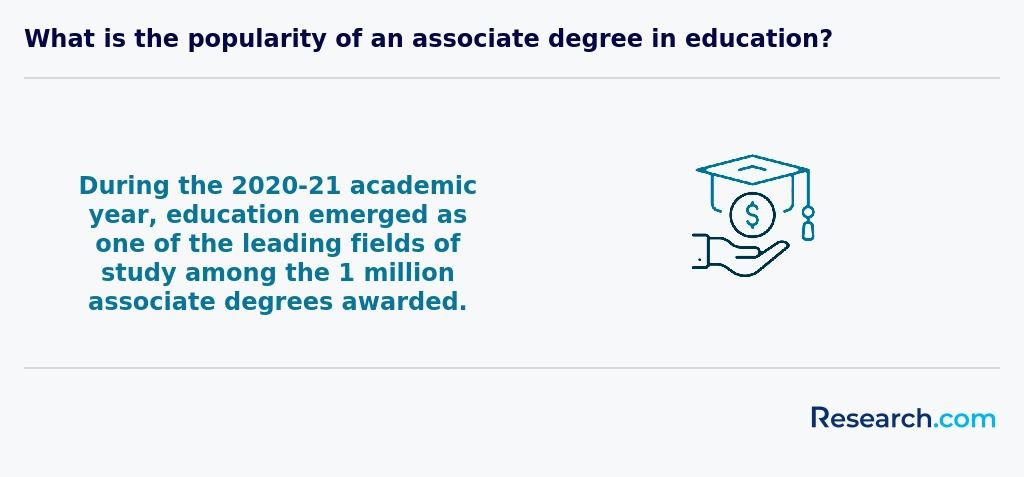
Obtaining your teaching license in Iowa involves a series of state-mandated steps designed to ensure educators are prepared for classroom success. First, candidates must complete an accredited education program and satisfy supervised student-teaching requirements. Next, you’ll need to pass the Praxis Core Academic Skills for Educators exams (reading, writing, mathematics) and relevant Praxis Subject Assessments for your endorsement area. Once exam scores are in hand, submit an application to the Iowa Board of Educational Examiners, including:
- Official transcripts verifying completion of your degree and content-area coursework
- Verification of at least 12 weeks of full-time, supervised student teaching
- A fingerprint-based criminal background check and child abuse registry clearance
- Payment of the initial licensure fee After initial licensure, Iowa teachers pursue renewal every five years by completing 150 hours of continuing education or earning graduate credits. Many educators also explore online professional development to maintain their certification without disrupting busy teaching schedules. For those comparing program affordability alongside licensure prep, consider our Cheapest Online Education Degree Programs Ranking in Slippery Rock, PA to find cost-effective pathways that align with Iowa’s certification requirements.
Education degree programs in Des Moines consistently feature courses that blend theory with practical application, ensuring graduates feel confident entering classrooms. For instance, core subjects like Educational Psychology deepen understanding of how different students learn, which many graduates recall as eye-opening when planning lesson adaptations. At institutions such as Drake University and Grand View University, students engage deeply with Curriculum Design, where they learn to craft effective, engaging lesson plans-skills that prove invaluable during student teaching placements observed positively by many.
Beyond theory, courses like Classroom Management offer strategies to create respectful and productive learning environments, a topic former Des Moines Area Community College students often highlight as directly applicable to real-world challenges. The inclusion of Assessment and Evaluation trains future educators to critically analyze student progress, a practice graduates find empowering in tailoring instruction.
Specialized coursework such as Special Education Methods or Educational Technology Integration adds versatility. These offerings resonate particularly well with students passionate about inclusivity and modern teaching tools, which reflects the diverse educational landscape in Des Moines schools.
Education degrees in Des Moines typically include specializations that reflect the city's diverse educational landscape and workforce needs. Popular pathways at institutions like Drake University and Grand View University cover Elementary Education, preparing graduates to confidently teach foundational skills in literacy and math at local primary schools. Other students find Secondary Education appealing, focusing on common subjects such as English or science for middle and high school certification aligned with Iowa's standards. Des Moines teaching degree program options also often involve special education, which addresses the critical demand for educators skilled in supporting students with disabilities through individualized approaches. Many graduates appreciate how these programs merge theory with hands-on classroom experience, making the transition to real-world teaching more seamless.
Beyond direct classroom roles, some pursue specializations in Educational Leadership or Curriculum and Instruction to aim for administrative or policy positions within local school districts. This offers a fulfilling pathway for those interested in shaping educational environments, supported by flexible online options such as what are the most affordable masters degrees in educational leadership online. These diverse specializations highlight the adaptable nature of education degrees in Des Moines, meeting the needs of a growing and varied student population.
Choosing the best education degree programs in Des Moines means balancing your career goals with practical realities. Graduates from Drake University often share how their programs' strong licensure support eased the burden of Iowa's certification exams, while those at DMACC appreciate affordable in-state tuition paired with flexible class schedules. Consider whether you want a bachelor's for classroom teaching or a master's for leadership roles; this decision shapes your path significantly.
Cost is another key factor. Although private colleges in Des Moines may charge over $25,000 annually, some students find that scholarships and grants make these programs viable. Others prefer the moderate fees of public colleges, mindful that financial aid options vary by institution. To explore affordability further, check out the Cheapest Online Education Degree Programs Ranking in Slippery Rock, PA, which offers perspectives on economical choices outside Iowa.
Graduates frequently highlight the value of local partnerships for student teaching; programs connected to Des Moines public schools offer real-world experience critical for professional growth. Prioritizing accredited programs recognized by Iowa's Board of Educational Examiners ensures you receive education aligned with state standards, enhancing your job prospects.
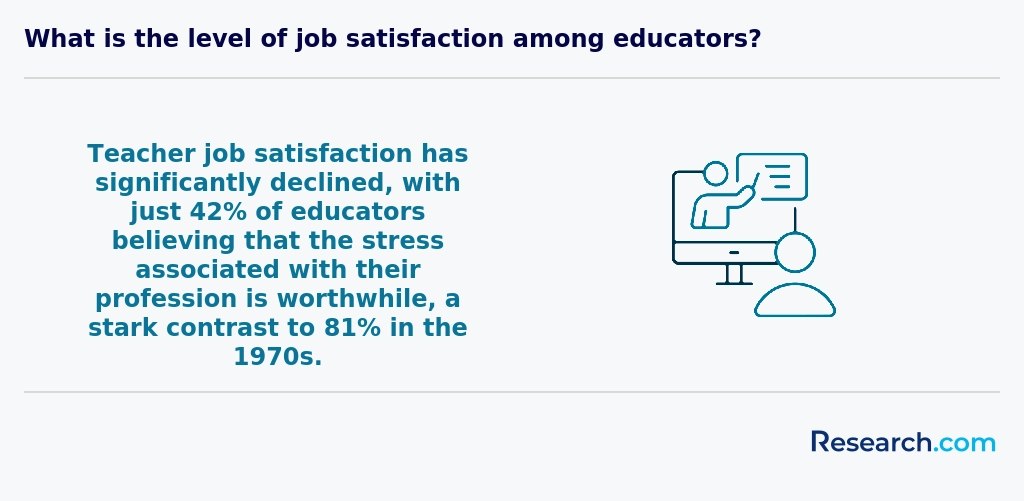
Graduates holding an education degree in Des Moines often find diverse career paths that extend well beyond traditional classroom roles. Many pursue teaching positions in K-12 settings across core subjects like math, science, and English, where the demand remains strong as Des Moines schools expand and replace retiring educators. Others focus on special education, responding to both local initiatives and national shortages, which creates meaningful opportunities to support diverse learners. This variety can bring fulfilling experiences for education graduates looking to impact student success personally and directly.
However, job opportunities for education graduates Des Moines are not limited to teaching. Administration roles such as principals or curriculum coordinators provide alternative pathways that leverage an education degree alongside additional certifications. Graduates from area institutions often share that engaging with faculty and peers at places like Drake University fosters valuable insight into such leadership positions, enhancing their readiness for educational management. Some also transition into counseling or become education specialists, contributing to student wellbeing.
Exploring still further, graduates occasionally pivot to postsecondary roles in community colleges or work within educational technology and training sectors. These roles illustrate career flexibility, often appealing to those seeking diverse applications of their degree. For those curious about advancing their credentials, researching the highest paying certificates can be a strategic step, especially when considering investments like the average $9,000 in-state tuition at Iowa public universities. Overall, education degree careers in Des Moines offer a spectrum of paths shaped both by local demand and individual aspirations.
The job market for education degree employment opportunities in Des Moines shows a stable yet competitive landscape. Graduates from local institutions such as Drake University and Grand View University often find consistent openings within Des Moines Public Schools, which serve over 32,000 students and maintain a steady annual teacher vacancy rate of 3-5%. Many graduates share experiences of fulfilling roles in special education or STEM, areas where demand is noticeably higher. While salaries start around $40,000 to $45,000 for entry-level teachers, those with experience and advanced degrees report earning upwards of $65,000, aligning with state averages.
Despite positive prospects, some graduates note that job entry requirements, especially for private or charter schools, can vary widely, which impacts ease of placement. Those considering further training may explore alternative credentials or explore options like easy master's degrees that pay well to boost employability. Overall, job outlook for education graduates in Des Moines remains promising but requires strategic planning tailored to local needs.
2027 Most Valuable Education Degree Programs Ranking in Des Moines
Investing in your education is a significant decision that can shape your future, and the Research.com team understands the importance of making informed choices. To assist prospective students in Des Moines, we have meticulously developed the "2027 Most Valuable Education Degree Programs Ranking in Des Moines." Our dedication to quality, credibility, and accuracy is evident through the thorough research and analysis involved in creating this ranking.
We utilized the following reputable data sources to ensure a comprehensive evaluation of education degree programs:
By exploring this ranking, readers will gain valuable insights into the most valuable education degrees in Des Moines, enabling informed decisions about their academic and professional paths. For more information on how this ranking was created, please visit our Research.com methodology page.


Frequently Asked Questions About education
Education degree students in Des Moines can maximize their learning experience by actively engaging with local school districts for hands-on practice. Des Moines Public Schools offer numerous student teaching opportunities, allowing future educators to gain real classroom experience. According to the Iowa Department of Education, practical experience significantly improves job readiness for teacher candidates.
Additionally, students should take advantage of resources at area colleges like Drake University and Grand View University, which are known for strong education programs. Joining education-focused student organizations and attending workshops can deepen understanding of current teaching methods.
Networking with local educators and participating in community events also expands professional connections essential for career growth.
Emerging niches within the education field in Des Moines reflect broader national trends as well as local demands. One rapidly growing area is educational technology, where specialists design and implement digital tools to support remote and hybrid learning environments. This focus gained momentum during the 2020 pandemic and continues to expand. According to the Iowa Department of Education, demand for tech-savvy educators has risen by over 15% in the last three years.
Another niche gaining traction is special education, particularly for students with autism spectrum disorders and behavioral challenges. Des Moines schools increasingly seek educators trained in evidence-based interventions.
Environmental education is also expanding, linked to Iowa's emphasis on sustainability and agriculture.
Preparing for the job market after completing an education degree in Des Moines involves strategic planning and practical experience. Graduates should seek student teaching opportunities within local school districts such as Des Moines Public Schools, which employs over 7,000 staff and values hands-on experience. Networking with education professionals in organizations like the Iowa State Education Association can provide valuable connections and job leads.
Additionally, understanding Iowa's teacher licensure requirements is essential; passing the Praxis exams and completing background checks are necessary steps. According to the Iowa Department of Education, demand for qualified teachers in Des Moines remains steady, especially in special education and STEM subjects. Building a strong resume with internship and volunteer work will improve job prospects significantly.
Employers in Des Moines prioritize several core skills when hiring education degree graduates. According to local school district reports, strong classroom management and effective communication are among the most sought-after abilities. These skills help teachers maintain productive learning environments and connect well with students and parents.
Data from the Iowa Department of Education shows that proficiency in technology integration is increasingly important, as digital tools become common in classrooms. Additionally, critical thinking and adaptability are valued, reflecting the evolving needs of diverse student populations.
Collaboration and cultural competence also rank high, enabling educators to work across teams and support inclusive education initiatives throughout Des Moines schools.
Finding internships in Des Moines related to an education degree involves leveraging local school districts and higher education institutions. The Des Moines Public Schools district, one of the largest in Iowa, offers internship opportunities for education majors seeking classroom experience. Connecting with universities such as Drake University and Grand View University, which have strong education programs, can provide structured internship placements.
The Iowa Department of Education and local nonprofit organizations also promote internships focused on educational development and support services. Students should explore portals like Handshake or the Iowa JobLink, which list opportunities specifically in the Des Moines area.
Networking with local educators and attending career fairs often organized by colleges helps increase chances of securing relevant internships. According to the National Center for Education Statistics, internships significantly improve post-graduation employment outcomes in education fields.
An education degree in Des Moines significantly enhances career mobility and advancement opportunities. Professionals with such degrees can pursue roles beyond classroom teaching, including administration, curriculum design, and education consulting. According to the Iowa Department of Education (2023), over 70% of certified educators in Des Moines reported promotions within five years after obtaining advanced education credentials.
Higher education degrees often lead to salary increases and eligibility for leadership positions in school districts. For example, Des Moines Public Schools offer salary tier advancements based on degree completion and years of experience. Additionally, education degrees provide the foundational skills necessary to adapt to evolving educational technologies and policy changes.
This local demand for qualified education professionals is supported by ongoing investments in education initiatives across Des Moines, making degree holders more competitive in the job market.
Studying for an education degree in Des Moines offers a unique advantage for those aiming at interdisciplinary roles. Local programs often integrate coursework that spans psychology, sociology, and communication, preparing students to address diverse educational needs. According to the Iowa Board of Education, many Des Moines institutions emphasize collaborative teaching methods and technology integration, essential skills for interdisciplinary work.
Students gain practical experience through partnerships with Des Moines Public Schools, fostering real-world problem-solving in varied classroom settings. This exposure helps graduates adapt to challenges beyond traditional teaching, such as curriculum development and educational policy analysis.
By blending theory with applied learning, Des Moines education degrees equip students with versatility, enhancing their ability to work across multiple educational domains.
When choosing between a thesis and a non-thesis education degree program in Des Moines, students should consider their career goals carefully. Thesis programs focus on original research, ideal for those aiming at academic or research-oriented roles. They typically require extensive writing and data analysis, lasting longer to complete.
Non-thesis programs emphasize practical skills and coursework, suited for educators prioritizing classroom application or administrative careers. These programs often include internships or projects instead of a research thesis.
In Des Moines, institutions like Drake University and the University of Iowa offer both options, reflecting different educational approaches. The Bureau of Labor Statistics notes a steady 6% growth in education jobs in Iowa through 2030, highlighting demand for versatile qualifications.
Students in Des Moines interested in studying education abroad can explore several pathways through local universities that offer international partnerships. Drake University, for example, supports study abroad programs in countries such as the United Kingdom and Ireland, providing opportunities to learn about global education systems while earning credit toward education degrees.
Additionally, Des Moines Area Community College (DMACC) features exchange programs and faculty-led trips to enhance practical experience and cultural understanding. These programs align with national trends, where over 15% of US education students participate in study abroad to gain diverse teaching perspectives.
Students should also consider programs approved by the Council for the Accreditation of Educator Preparation (CAEP) to ensure quality and recognition upon return.
Part-time job opportunities in Des Moines that complement education degree studies are varied and beneficial for gaining practical experience. Many students work as teacher assistants or paraprofessionals in local public schools, which helps develop classroom management skills. According to the Iowa Department of Education, Des Moines Public Schools employ numerous educational support staff, creating steady opportunities for college students.
Additionally, tutoring services are in demand across the city, with jobs available both independently and through educational centers. These roles strengthen subject knowledge and communication skills. Community centers and after-school programs in Des Moines also hire part-time workers for mentoring roles, offering hands-on experience in educational environments while earning income.
Education students in Des Moines have access to diverse networking opportunities that support their professional growth. Local universities, such as Drake University and Des Moines University, offer regular events and career fairs connecting students with local schools and educational organizations. The Des Moines Public Schools system frequently collaborates with area colleges, providing internships and student teaching placements that help build practical connections.
Professional associations like the Iowa State Education Association also host conferences and workshops in Des Moines, enabling students to engage with experienced educators. According to the Iowa Department of Education, these collaborative efforts contribute to stronger community ties and enhanced career prospects for future teachers in the region.
Alumni networks offer significant advantages to education degree students in Des Moines by providing valuable connections and professional opportunities. Many local universities, such as Drake University and Des Moines University, maintain active alumni groups that support current students through mentorship and career guidance.
Statistics from the Iowa Department of Education show that nearly 60% of education graduates find employment through networks established during their studies. Alumni often share job openings, recommend candidates, and facilitate introductions within school districts across central Iowa.
Additionally, alumni-hosted workshops and events help students develop practical skills and stay informed about trends in education policy and teaching methods specific to the region.
Customizing an education degree program in Des Moines involves selecting courses and specializations aligned with your career goals. Many institutions in Des Moines, such as Drake University and Grand View University, offer flexible degree pathways allowing students to focus on areas like curriculum development, special education, or educational leadership. According to the Iowa Department of Education, tailoring your program can improve job placement rates by matching skills with local district needs.
Additionally, students can pursue internships or practicum experiences in Des Moines schools to gain practical skills. Elective courses and certifications, such as English as a Second Language (ESL), can further enhance your employability in diverse educational settings. Exploring these options helps create a personalized academic experience.
Education students in Des Moines often face challenges balancing demanding coursework with practical field experiences. Many programs require extensive student teaching hours, which can conflict with part-time jobs or family responsibilities. According to the Iowa Department of Education, teacher preparation programs in the state emphasize both theory and applied practice, increasing time commitments for candidates.
Financial strain is another common issue. While in-state tuition rates are generally affordable compared to national averages, additional costs such as materials, licensing exams, and transportation to diverse school placements add up. This can delay degree completion or create stress.
Finally, adapting to evolving certification standards and state-specific assessments requires continuous effort. Students must stay updated on Iowa Teaching Standards and new licensure requirements to successfully enter the workforce.
With an education degree in Des Moines, graduates can pursue several professional certifications to enhance their teaching careers. One common path is obtaining a Teaching License from the Iowa Department of Education. This license qualifies individuals to teach in public schools across the state. Additionally, educators can pursue specialized certifications such as Special Education or English as a Second Language (ESL) endorsements, which are in demand regionally.
Other options include certification as a Reading Specialist, which supports literacy programs in schools. According to the Iowa Department of Education, such credentials can improve employment opportunities and salary potential within the Des Moines school districts.
Crafting a winning application for an education program in Des Moines requires tailored preparation. Admissions committees prioritize clear goals, so articulate why you want to pursue teaching or educational leadership within Iowa's context. Highlight any volunteer or professional experience in local schools, which strengthens your profile.
Des Moines institutions typically value a strong academic record; maintain a competitive GPA, ideally above 3.0. Prepare a compelling personal statement that connects your background to your career ambitions. Additionally, obtaining letters of recommendation from educators familiar with your abilities can significantly enhance your application.
Be aware of deadlines and specific requirements for programs like Drake University or Grand View University, leading providers in the area. According to the National Center for Education Statistics, enrollment in teacher education programs in Iowa has steadily increased, reflecting growing demand-align your application to demonstrate readiness for this dynamic field.
Education careers in the United States, including Des Moines, are influenced by global trends emphasizing adaptability and cross-cultural skills. Educators today are expected to prepare students for a globally connected world, integrating diverse perspectives and digital literacy. According to the National Center for Education Statistics, about 75% of education degrees in Iowa include components focused on global awareness.
In Des Moines, schools often prioritize cultural competence and international content, aligning with broader US education goals to promote inclusivity. Programs emphasize collaboration with international educators and technology use to enhance learning outcomes. These trends reflect the increasing value placed on educators who can navigate both local and global educational challenges effectively.
Gaining practical experience while studying for an education degree in Des Moines is essential for career readiness. Many local universities and colleges, such as Drake University and Grand View University, incorporate student teaching components, allowing hands-on practice in real classrooms.
Additionally, Des Moines Public Schools frequently partner with institutions to offer internships and observation opportunities. These experiences provide exposure to diverse classroom settings and teaching methods.
Volunteering with community organizations or after-school programs in Des Moines can also enhance practical skills while networking with education professionals. According to the Iowa Department of Education, such experiences improve job placement rates for graduates.
Choosing the right concentration within an education degree program in Des Moines requires understanding local demand and your career goals. Des Moines has a growing need for special education and STEM educators, according to the Iowa Department of Education's 2023 report. Aligning your concentration with these fields may increase employment opportunities.
Consider concentrations offered by prominent institutions such as Drake University and Grand View University. Research their curriculum focus and practicum experiences, as hands-on teaching is critical in Iowa's licensing process. Additionally, reflect on your interests, whether early childhood, secondary education, or administration, to match coursework with career ambitions.
Gather information about salary ranges, job growth, and certification requirements from the Iowa Workforce Development data to guide your decision. Choosing a concentration that balances local workforce needs with personal passion creates a strong foundation for your education career in Des Moines.
- 2027 Most Valuable Education Degree Programs Ranking in Minneapolis
- 2027 Most Valuable Education Degree Programs Ranking in River Forest
- 2027 Most Valuable Education Degree Programs Ranking in Chicago
- 2027 Most Valuable Education Degree Programs Ranking in Indianapolis
- 2027 Most Valuable Education Degree Programs Ranking in Cincinnati
- 2027 Most Valuable Education Degree Programs Ranking in Columbus
- 2027 Most Valuable Education Degree Programs Ranking in Denver
- 2027 Most Valuable Education Degree Programs Ranking in Cleveland
- 2027 Most Valuable Education Degree Programs Ranking in Colorado Springs
- 2027 Most Valuable Education Degree Programs Ranking in Birmingham
See What Experts Have To Say About Studying Education
Read our interview with Education experts

Nooshan Ashtari
Education Expert
Professor & Book Author
University of Southern California


- Iowa Community Colleges Tuition and Fees - Fiscal Year 2025 https://educate.iowa.gov/media/10638/download
- The 10 Highest Paying Jobs With a Teaching Degree [Quiz] https://www.umassglobal.edu/blog-news/highest-paying-jobs-with-a-teaching-degree
- 18 Highest Paying Jobs With an Education Degree (not teaching) | Devlin Peck https://www.devlinpeck.com/content/jobs-with-an-education-degree
- Bachelor of Education Degree (Here's What To Expect) https://www.alleducationschools.com/teaching-degrees/bachelors-in-education/
- The Future of Education: Emerging Trends Reshaping Learning Environments http://www.gesseducation.com/gess-talks/articles/future-education-emerging-trends-reshaping-learning-environments
- Students: This is How You Should Prepare for the Job Market https://www.agencycentral.co.uk/articles/students-this-is-how-you-should-prepare-for-the-job-market/
- How to Pick Your Concentration for Your M.Ed. Degree | ACE Blog https://ace.edu/blog/how-to-pick-your-med-concentration/
- Teaching Degree Requirements in 2023 | Teachers of Tomorrow https://www.teachersoftomorrow.org/blog/insights/teaching-degree-requirements/
- Online Degree vs. Traditional: Choosing the Right Path https://beal.edu/online-degree-vs-traditional/
- How to Write a Great Letter of Intent for a Teaching Job | Zen Educate https://www.zeneducate.com/us/resources/becoming-a-teacher/how-to-write-letter-of-intent-teaching-job/