2027 Most Affordable Education Degree Programs Ranking in Portland

Co-Founder and Chief Data Scientist
Choosing the right education degree program in Portland can shape your future and open doors to rewarding careers. This article features the 2027 Most Affordable Education Degree Programs Ranking in Portland, created by the Research.com team of data scientists to help you make an informed decision.
By exploring this ranking, you'll discover programs that balance cost and quality, supporting your goals without overwhelming debt. Pursuing an education degree is a meaningful step toward making a positive impact, and this guide makes navigating your options easier and more confident.
Key benefits of getting education degree in Portland
- Graduates with an education degree in Portland can expect competitive salaries, such as $76,000 annually for Special Education Teachers and $41,410 for Early Childhood Educators, offering strong financial stability.
- Potential career paths include becoming elementary or special education teachers, ESL instructors, or instructional designers, showing diverse opportunities for growth and impact in local schools and educational programs.
- Online education degrees offer flexibility and convenience, allowing graduates to balance work and study effectively while still gaining valuable skills recognized by employers across Portland.
- 2027 Most Affordable Education Degree Programs Ranking in Portland
- What can I expect from education degree in Portland?
- Where can I work with education degree in Portland?
What can I expect from education degree in Portland?
Imagine walking the halls of Portland State University, where you find yourself immersed in a rich blend of theory and hands-on practice, all unfolding in the heart of the city's vibrant classrooms. Graduates often recall the thrill of student teaching placements across Portland's diverse schools, a real-world playground where lessons leap off the page and into life. Here, education isn't just learned-it's experienced, shaped by the city's dedication to equity and innovation.
When it comes to the cost of this transformative journey, Portland offers a surprisingly friendly price tag. Resident undergraduates at PSU typically pay about $11,000 annually for tuition, making it a wallet-wise choice without skimping on quality. This affordability mirrors the city's commitment to accessible education careers, empowering aspiring teachers to focus more on their passion than financial strain.
Portland's education programs align closely with Oregon's licensing standards, smoothing the path from classroom to career. Graduates feel confident stepping into their roles, equipped with skills and experiences uniquely Portland-flavored-practical, diverse, and deeply connected to community needs.
Where can I work with education degree in Portland?
Graduates from Portland State University or Marylhurst University often find themselves stepping into colorful classrooms buzzing with energy, whether as passionate teachers in the wide network of Portland Public Schools or as patient guides in early childhood centers. Imagine working alongside other educators, transforming learning spaces where over 47,000 students thrive each year, sparking curiosity and growth.
Some grads dive into higher education roles, advising students or lecturing, weaving rich academic narratives that shape futures beyond the traditional K-12 system. Others become the unseen architects of change, crafting policies or analyzing education data to fine-tune the learning landscape from behind the scenes.
Outside the classroom, nonprofits like the Portland Children's Museum extend opportunities where education graduates bring stories and workshops to life, connecting community threads through literacy and outreach programs. The flexibility of tutoring centers also calls to those eager to create personalized success stories, offering part-time gigs with heartfelt impact.
This vibrant mosaic of roles reflects Portland's unique blend of education, community, and innovation-all open doors for those armed with an education degree and a passion to educate.
Picture yourself walking across the stage at a Portland university, diploma in hand, eyeing a future where your education degree transforms into a paycheck that reflects your passion. Graduates diving into elementary education often find themselves earning a mean annual wage around $70,740, a solid foundation to build from within this vibrant city. For those drawn to the rewarding chaos of special education, the numbers rise impressively to about $76,000, rewarding the extra care and expertise you bring to those unique classrooms.
Imagine the early childhood educator just starting out, weaving lessons through playful mornings, earning a mean salary near $41,410. Not far from this, those who channel creativity into instructional design can expect a rewarding boost close to $77,200 annually, blending education and technology in innovative ways right here in Portland's growing educational scene.
Even ESL teachers-key players in Portland's diverse community-earn a mean of $65,430, their work resonating beyond the classroom walls. It's no surprise graduates from local institutions feel energized by these real prospects, fueling their optimism as they step into Portland's dynamic education workforce.
- Tuition for education programs in Portland's public universities ranges from $8,000 to $15,000 per year for in-state students.
- Private institutions may charge over $25,000 annually for education degrees.
- Entry-level teachers in Portland typically earn between $45,000 and $55,000 per year after graduation.
- Experienced educators can earn $70,000 to $80,000 annually in senior or administrative roles.
- The teaching job market in Portland is expected to grow by 5% to 7% over the next decade.
- Oregon requires teacher licensure, which includes completing an accredited program and passing licensing exams.
Imagine walking the vibrant campuses of Portland State University or Lewis & Clark College, where the clock ticks differently depending on your education degree journey. For many bachelor's seekers, four full years of immersive study shape a solid foundation-think of it as planting seeds that will bloom into classrooms filled with eager minds.
Master's students often dance between one and two years, weaving theory and practice into a tapestry of expertise. Some graduates cherish that intensity, recalling late-night study sessions fueled by Portland's famous coffee and a shared passion for teaching.
Doctoral candidates embark on a more epic trek-three to six years of research, reflection, and discovery. Many recall the thrill of defending dissertations nestled in libraries, balancing rigorous scholarship with Portland's inspiring creative energy.
Accelerated and hybrid paths offer a refreshing twist, letting post-bacc students dash through certification in under a year, perfect for those eager to jump into classrooms while savoring Portland's unique culture and pace.
Becoming a licensed teacher in Maine requires meeting specific state requirements designed to ensure educational quality and professional readiness. Candidates must hold at least a bachelor’s degree in Education or a related field from a regionally accredited institution, complete an approved teacher preparation program, and demonstrate competency through required assessments. Key steps to earn Maine teacher certification include:
- Completing an approved educator preparation program with supervised student teaching.
- Passing the Praxis Core Academic Skills for Educators (Reading, Writing, Mathematics) and Praxis Subject Assessments in the chosen teaching field.
- Submitting a background check and fingerprint clearance to the Maine Department of Education.
- Applying online through the Maine Educator Information System (MEIS) and paying the licensure fee.
- Providing official transcripts and proof of program completion. After initial certification, educators must engage in ongoing professional development. Maine requires renewal every five years, which involves earning at least 90 professional development points or completing a master’s degree. For those exploring flexible pathways, consider comparing online licensure-compatible programs such as our Low Cost Online Education Degree Programs Ranking in South Carolina to find additional affordable options that align with Maine’s standards.
Imagine finishing a lesson on educational psychology while sipping coffee at your favorite Portland café, laptop on lap-this is the realm of online education degrees from institutions like Oregon State University's Ecampus. Graduates often describe the freedom to juggle work, family, and studies as a game-changer, turning commute time into productivity. Yet, this virtual landscape demands a strong self-drive and fluency in navigating digital platforms.
Contrast that with the palpable energy at Portland State University's campus, where on-campus education students immerse themselves in lively lecture halls and spontaneous corridor conversations with professors. Graduates treasure the face-to-face mentorship and the rich network of peers, plus the hands-on practicum experience in local schools, making each lesson come alive.
Both pathways award the same degree, but the color of the experience differs-online wraps learning in flexibility, while on-campus wraps it in community and tactile engagement. Portland's education scene offers a palette for every learner's style and rhythm.
Before enrolling in any Education program, confirming institutional and programmatic accreditation ensures your degree meets Maine Department of Education standards and qualifies you for teacher certification. In Portland, ME, reputable programs are typically accredited by the Council for the Accreditation of Educator Preparation (CAEP) or the Teacher Education Accreditation Council (TEAC), which verify that curricula align with state licensure requirements. Graduates must also pass Praxis exams (Praxis I for basic skills and Praxis II for specialized content) and complete a fingerprint-based background check as mandated by Maine law. Most accredited programs integrate these steps into their senior-year coursework, providing workshops on test preparation and licensure portfolio development. If you require greater scheduling flexibility or need to balance work and study, consider pursuing an accredited online education degree that is recognized by the Maine DOE. Such programs often include virtual exam-prep sessions, dedicated licensure advisors, and streamlined document submissions to simplify your path from graduation to a full teaching license in Portland’s public and private schools.
For those pondering the average education degree cost Portland students face, the figures paint a clear picture-earning a degree here typically involves an investment around $11,284 for in-state residents. Graduates from public universities often recall balancing this tuition with part-time work or scholarships, feeling the pride that comes with turning that cost into a stepping stone for success. For out-of-state students, that total can climb significantly, nearing $42,776, reflecting the premium of pursuing education in a city rich with academic opportunity but distinct for its local ties and resources.
Take, for example, those immersed in studies at Portland State University or wandering the halls of Concordia University. Their stories often echo the shared sentiment of getting value beyond just tuition-access to mentorship, hands-on learning, and vibrant campus communities. This immersive experience helps soften the sticker shock attached to the overall price tag of an education degree while emphasizing the rewarding effort required.
The reality of budgeting goes beyond tuition alone. Students remind us that in Portland, living expenses can add a palpable layer to costs, while textbooks, fees, and supplies demand a modest yearly bump. Thinking about the cost of getting education degree in Portland is not simply about numbers; it's about choices, dreams, and mapping out a future in a city full of educational promise.
Many who finish these programs find themselves drawn to jobs in educational leadership, confident their investment was more than tuition-a journey of growth that justifies the median cost with profound, lived value.
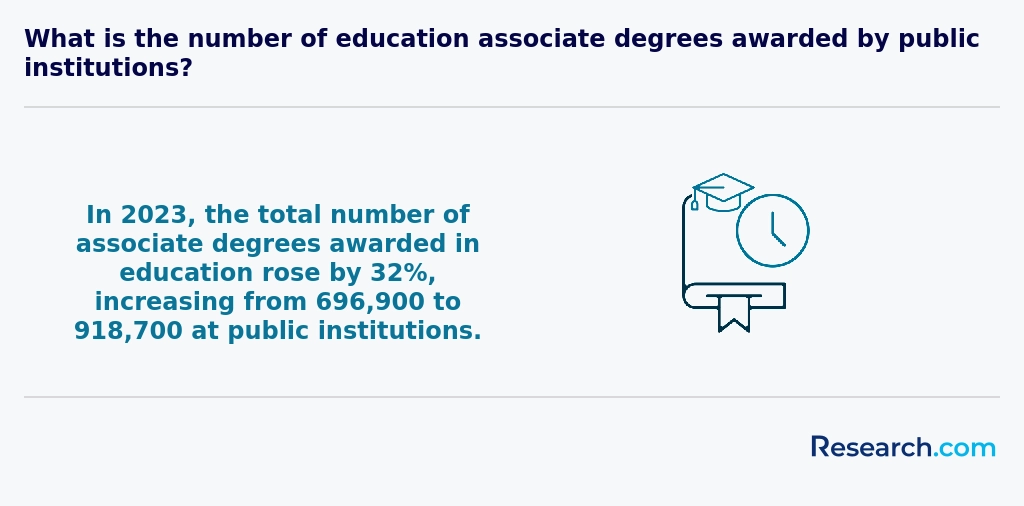
Investing in an education degree is not just about acquiring skills-it’s a strategic financial decision that can pay dividends throughout your career. Graduates in Portland, ME, are increasingly looking at the long-term benefits of their degrees by comparing the upfront investment against future salary growth and career opportunities. Evaluating return on investment (ROI) involves looking at various factors, such as tuition costs, financial aid availability, average starting salaries, and potential for advancement in the education field. Many prospective students analyze ROI by comparing the total cost of the program with the expected financial gains over the first few years of their career. For instance, by carefully considering the cost-to-salary ratio and projected job market trends, you can identify programs that not only offer quality education but also contribute to better financial stability in the long term. Additionally, keeping an eye on innovative programs and scholarship opportunities can further enhance the value of your academic investment. For those weighing the costs, exploring programs like the cheapest education school in maine can provide insights into balancing affordability with quality. By integrating these strategies and planning ahead, students can maximize their educational ROI and set a strong foundation for a thriving career in education.
Imagine stepping onto Portland State University's campus with a bright future ahead but a wallet feeling a bit light-there's a comforting safety net woven from financial aid threads waiting to catch you. Many graduates recall how the federal Pell Grant became their financial North Star, offering up to $7,395 to lighten the load without the shadow of repayment haunting their steps. For those chasing advanced education dreams, low-interest Direct Subsidized and Unsubsidized Loans provide a manageable way to invest in themselves, sparing them the high rates typical of private lenders.
Local flavor runs deep in Portland's aid scene. The Oregon Opportunity Grant dances in, exclusive to Oregon residents, gifting up to $3,000 a year-enough to turn a stressful semester into an inspiring one filled with learning and growth at institutions like Portland Community College.
Stories shared by graduates often mention the treasure trove of scholarships offered through Portland Public Schools and regional foundations, especially for those passionate about teaching special education or STEM subjects. These bursaries don't just fund education-they celebrate the spirit of future teachers.
Work-study positions add another dimension, combining paycheck and practical experience within Portland's lively educational community. Graduates fondly remember balancing studies with roles that gave real-world insight and a steady income, making financial strain a thing of the past.
Graduates seeking to teach in Portland, ME must secure state certification through the Maine Department of Education, a process that ensures quality and compliance with regional standards. To obtain an Initial (5-year) teaching license, candidates must:
- Complete a state-approved educator preparation program, which includes a minimum of 480 hours of supervised student teaching.
- Pass the Praxis Core Academic Skills tests (reading, writing, mathematics) and the appropriate Praxis II subject assessments for their chosen specialization.
- Submit official transcripts, Praxis scores, and a background clearance request via the Maine Educator Licensure System (MELS). Upon earning an Initial license, educators may upgrade to a Standard Professional license by fulfilling one of the following within five years:
- Completing a master’s degree in education or a related field.
- Accumulating three years of mentored teaching experience and passing an approved performance assessment. For those considering flexible program delivery, it’s important to choose an accredited pathway aligned with Maine’s certification criteria. Prospective students can compare affordable online options-such as our Low Cost Online Education Degree Programs Ranking in South Carolina-to find programs that streamline both degree completion and licensure preparation.
Imagine stepping onto Portland State University's vibrant campus, clutching a transcript that proudly showcases a solid 3.0 GPA or higher-this is your ticket into the world of education degrees in Portland. Graduates often recall the relief of knowing their high school diploma or GED met the essential entry requirement, opening doors to undergraduate programs with enthusiasm and promise.
Some students share how submitting letters of recommendation and heartfelt personal statements transformed their applications into authentic stories that admission officers could connect with. Others found that volunteering at local schools not only boosted their resumes but ignited a genuine passion for teaching, making their candidacies shine.
For those aiming higher-like a Master's in Education-holding a bachelor's degree from an accredited institution is non-negotiable. Portland's universities embrace diverse academic paths, welcoming candidates with backgrounds beyond education itself, as long as the spark to inspire young minds burns bright.
Test scores like the SAT or ACT have faded into the background for many programs here, thanks to test-optional policies, which lifted stress and let students present their true potential.
Clear background checks seal the deal, ensuring future educators are entrusted with the care of Portland's youth-a final step toward a fulfilling career shaping tomorrow.

Earning your Education degree is just the first step; Maine licensure ensures you can enter the classroom legally and confidently. To obtain an initial teaching certificate in Maine:
- Graduate from a state-approved educator preparation program, including a supervised student-teaching practicum.
- Pass required exams: Praxis Core Academic Skills and the Praxis Subject Assessment (or Maine Educator Certification Tests, as applicable).
- Submit a complete application, fingerprinting and background check to the Maine Department of Education.
- Maintain certification by completing professional development activities or Continuing Professional Development Units (CPDUs) every five years.
- Supplement your Maine certification with specialized online certificate programs in areas like special education or educational technology.
Imagine stepping into a lively classroom at Portland State University, where education students dive into courses like Introduction to Education, exploring the rich tapestry of history and philosophy that shapes teaching today. Graduates often recall how Educational Psychology courses gave them the keys to unlock diverse learning minds, helping them connect with kids on a profoundly human level.
Classroom Management here isn't just theory; it's a toolkit for crafting vibrant, respectful spaces where curiosity thrives. Meanwhile, hands-on practicum moments bring lessons to life, as students test their newly honed skills under real teachers' guidance in Portland's diverse schools.
Curriculum Development sparks creativity, inviting future educators to design lesson plans that respect Portland's multicultural classrooms, reflecting equity and inclusion. Graduates cherish how courses in Educational Technology shot them into the future, equipping them with digital wizardry trusted in modern learning hubs.
In this city where diversity pulses through every street, special education and assessment classes empower students to uplift every learner, embodying Portland's commitment to inclusive education.
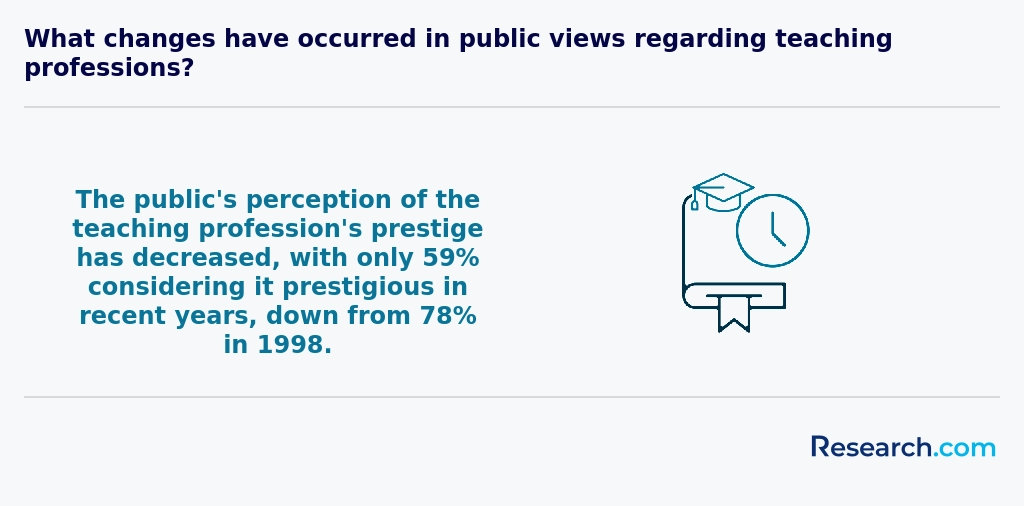
Diving into education degree specializations in Portland feels like opening a treasure chest of opportunities where passion meets purpose. Graduates from local universities often reflect on how their paths were shaped by choosing from concentrations like Elementary Education, perfect for those dreaming of shaping young minds through creative classroom projects. Others find their calling in Secondary Education, honing skills to inspire teenagers in subjects like math or science with dynamic, real-world experiments. Special Education is another profound journey, where graduates describe their rewarding experiences working alongside children who thrive with tailored support and care.
At Portland's colleges, the emphasis on culturally relevant teaching permeates every classroom, especially in ESL or Bilingual Education tracks, essential for embracing the city's vibrant, diverse communities. Some graduates have shared how Early Childhood Education programs helped them understand developmental milestones through hands-on work, while those drawn to leadership often venture into Educational Leadership or Administration, imagining themselves as future principals steering schools toward equity and innovation. Curious students also explore childhood development professional opportunities through practical internships that bring theory to vivid life.
Choosing the best education degree in Portland feels like piecing together a colorful puzzle, where each element-from program reputation to hands-on practice-lights up your path. Picture graduates from Portland State University, who rave about how the flexibility of PSU's hybrid classes lets them juggle teaching practicums while sipping coffee in cozy Powell's corners. It's that balance of rigorous coursework and real classroom exposure that molds confident educators.
Affordability plays its own vital role. Many weigh the cost versus value, seeking the best affordable education degrees Portland offers without sacrificing quality. Scholarships and financial aid often become the secret ingredients that turn dreams into diploma reality. One alum remembers agonizing over tuition but found relief with grants easing the $11,300 yearly in-state price tag.
The magic lies also in alignment: Oregon's specific teaching licensure demands shape curriculum choices. Graduates who embraced programs syncing with state standards found the journey smoother and the job hunt brighter. If you want insider insight on how pathways compare, those exploring West Virginia teacher education programs offer a fresh perspective that can inform your decision.
When scouting the top education programs cost Portland reflects a vibrant mix of tradition and innovation tailored to aspiring educators ready to make their mark.
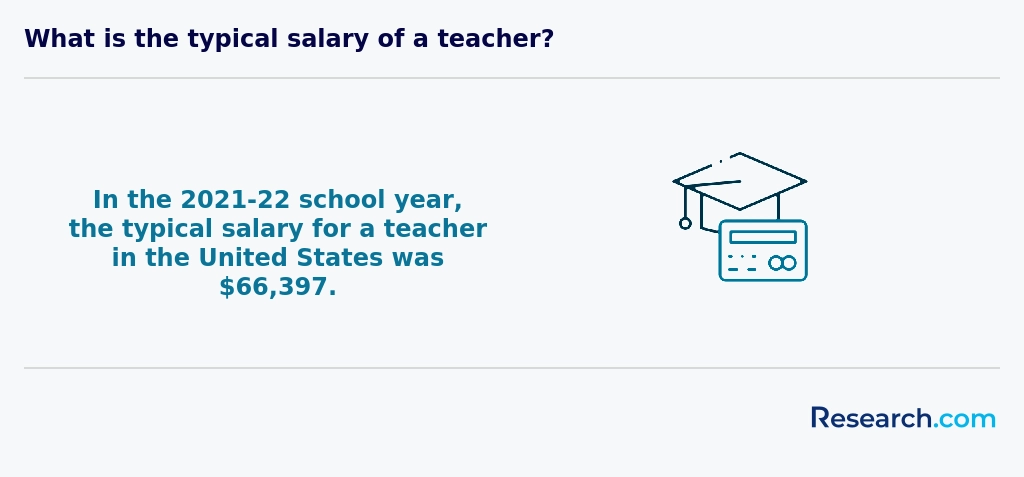
Graduates with an education degree in Portland find themselves at the crossroads of inspiration and impact, stepping into roles that shape the future. Picture a graduate from Portland State University eagerly joining Portland Public Schools as an elementary teacher, sparking curiosity in children while earning a salary that reflects their commitment, typically between $50,000 and $65,000. Others specialize, diving into special education, adapting innovative strategies to ensure every student thrives-these educators are the unsung heroes addressing unique learning needs in Portland's vibrant classrooms.
Then there are graduates who envision leadership, advancing to school administrator or principal positions where they orchestrate curriculum and culture, earning from $75,000 upwards. Some channel their passion differently, consulting on district programs or training fellow educators, turning their expertise into transformative educational experiences. The landscape of education degree career options in Portland is enriched further by early childhood specialists fostering growth in preschools and community centers.
Many graduates from Portland's colleges embrace lifelong learning, balancing career launch with exploring paths like nevada teaching credential requirements. For anyone seeking portland teaching jobs with education degree, the city offers a dynamic, supportive environment where professional fulfillment and community impact go hand in hand.

Graduates holding an education degree in Portland find themselves stepping into a job market that hums with quiet promise and tangible opportunity. Those emerging from Portland State University, for example, often share stories of landing roles not only in traditional classrooms but also in roles that shape curriculum or innovate educational technology. The education degree job opportunities in Portland reflect a mosaic of employment possibilities-where passion for teaching meets practical demand in public and private schools, as well as nonprofits.
Imagine walking into Beaverton School District, where an early-career teacher enjoys a starting salary between $40,000 and $50,000. With experience, pathways to upwards of $70,000 unfold, paralleled by benefits like health insurance and professional development. This supportive environment encourages growth beyond the chalkboard into counseling or administration.
The cost of earning an education degree locally is often light on debt-alluring for many graduates balancing passion with financial wisdom. Students exploring options may be drawn to programs noted for affordability, like the cheapest education school in Maine, to imagine ways to manage costs cleverly.
For those scanning the horizon of Portland education degree employment outlook, the scenario is one of moderate growth paired with diverse roles-from STEM to bilingual education-fueling a vibrant, evolving ecosystem where educators create impact every day.
2027 Most Affordable Education Degree Programs Ranking in Portland
Investing in your education is a significant decision that can profoundly impact your future, and the Research.com team recognizes the importance of providing trustworthy guidance. To support prospective students seeking affordable education degree programs in Portland, we have carefully developed the "2027 Most Affordable Education Degree Programs Ranking in Portland." Our dedication to quality, credibility, and accuracy is demonstrated through rigorous research and thorough analysis.
We utilized the following reputable data sources to ensure a comprehensive evaluation of education programs:
By reviewing this ranking, readers will gain valuable insights into affordable and quality education degree options in Portland, enabling informed decisions about their academic future. For more information on how this ranking was created, please visit our Research.com methodology page.


Frequently Asked Questions About education
Education degree students in Portland can enhance their learning by engaging actively in both theoretical and practical experiences. Portland State University, for example, offers partnerships with local schools where students can gain hands-on teaching practice, a key factor linked to higher employment rates among graduates per Oregon's Higher Education Coordinating Commission.
Students should also take advantage of academic advising and career services, which help tailor coursework to evolving education careers. According to the National Center for Education Statistics, students who use these resources graduate on average 15% faster.
Joining education-related student organizations provides networking opportunities and exposure to ongoing educational trends in Portland's diverse communities. Staying current with state education standards and policies further prepares students for successful careers.
Emerging niches within the education field in Portland reflect broader national trends, focusing on technology integration and mental health support. One growing area is educational technology, where educators design and implement digital learning tools to improve student engagement and personalize learning experiences.
Another key niche is special education, especially programs addressing diverse learning needs and inclusive classroom practices. According to the Oregon Department of Education, Portland schools have increased demand for teachers trained in special education by 15% over the past five years.
Additionally, mental health education is gaining prominence, with more emphasis on training teachers to support students' social-emotional well-being. This aligns with a 2023 report from Portland Public Schools highlighting a 20% rise in counseling needs among students.
Preparing for the job market after completing an education degree in Portland requires strategic planning and awareness of local opportunities. Portland's public school system often seeks licensed teachers with specialized endorsements, making certification an essential step. According to the Oregon Department of Education, having a teaching license significantly improves employment prospects. Additionally, many graduates benefit from gaining hands-on experience through practicum placements or student teaching within Portland's diverse classrooms.
Networking is also critical; joining local education organizations, such as the Oregon Education Association, provides access to job postings and professional development. Staying informed about Portland's education trends, like the increasing emphasis on bilingual education, can help tailor job applications effectively.
Employers in Portland seek education degree graduates who demonstrate strong communication and classroom management skills. According to the Oregon Employment Department, effective communication is crucial for student engagement and collaboration with families. Adaptability and cultural competence are also highly valued, reflecting Portland's diverse student population.
Proficiency in technology integration is increasingly important, as Oregon schools continue to adopt digital learning tools. Data from the Portland Public Schools district highlights demand for educators skilled in using educational software for personalized learning.
Furthermore, knowledge of state education standards and assessment methods ranks among top requirements, ensuring graduates can meet Oregon's teaching benchmarks and improve student outcomes.
Finding internships in Portland relevant to an education degree involves a combination of university resources, local school districts, and community organizations. Many Portland universities, such as Portland State University, offer career services that connect education students with internship opportunities in nearby public schools. According to the Oregon Department of Education, Portland Public Schools employ a large number of interns annually, providing practical classroom experience.
Students should also explore partnerships with organizations like the Portland Education Foundation, which supports innovative educational programs and often lists internship openings. Networking through local education conferences and school visits is beneficial.
An education degree in Portland significantly impacts career mobility and advancement. According to the Oregon Employment Department, teachers with advanced education credentials earn up to 20% more on average than those with only a bachelor's degree. This degree opens pathways to specialized roles such as curriculum coordinator, education consultant, or administrative positions in schools.
Portland's growing demand for qualified educators emphasizes continual professional development. Holding a degree often leads to faster promotions, especially within public school districts where salary scales are tied to education levels.
Furthermore, possession of an education degree qualifies candidates for state certification, a requirement for most teaching jobs in Oregon. This certification increases employability and career stability, helping professionals navigate the competitive educational job market in Portland.
Studying for an education degree in Portland equips students with skills essential for interdisciplinary roles by emphasizing collaborative learning and diverse teaching methods. Portland's higher education institutions integrate coursework from psychology, sociology, and technology, reflecting the evolving demands of modern education careers.
For example, Portland State University's College of Education offers programs that foster partnerships between education, health, and social service sectors. This approach prepares graduates to work in roles that span counseling, curriculum design, and community outreach.
According to the Oregon Higher Education Coordinating Commission, about 40% of education students engage in interdisciplinary projects during their studies, highlighting practical experience in varied fields. This blend of theory and applied knowledge helps future educators adapt to complex educational environments.
Choosing between a thesis and a non-thesis education degree program in Portland depends on your career goals and learning preferences. Thesis programs typically involve conducting original research and are ideal if you plan to pursue a doctoral degree or work in academia.
Non-thesis programs focus more on coursework and practical skills, suited for professionals aiming to advance directly in educational roles like administration or curriculum design.
According to Portland State University data, about 40% of education graduate students opt for thesis tracks, reflecting a balance between research emphasis and practical application.
Consider your time availability too, as thesis options usually require more time for research and writing.
Students based in Portland interested in studying education abroad have multiple pathways through partnerships offered by local universities. Portland State University (PSU), for example, collaborates with international institutions to provide exchange programs where students can earn credits toward their education degrees while experiencing teaching methods globally.
According to PSU's Education Abroad Office, these options commonly include placements in Europe, Asia, and Latin America, allowing students to understand diverse educational systems. Typically, students spend a semester abroad, with costs often comparable to in-state tuition, enhancing affordability.
Additionally, community colleges in Portland offer study abroad programs that can transfer credits to four-year education degrees. These options enable students to gain international exposure without extending their time to graduation.
Portland offers several part-time job opportunities that complement education degree studies, providing valuable experience and financial support. Many students find work as teacher assistants in local public and private schools. According to Portland Public Schools, teacher assistant roles often accommodate flexible hours and provide real classroom exposure.
Another common option is tutoring, either independently or through centers like Sylvan Learning. This role helps develop communication and instructional skills critical for future educators. Additionally, part-time positions as daycare aides in licensed childcare facilities allow education students to engage with early childhood education.
Local libraries in Portland also hire part-time workers to assist with youth programs, offering insight into literacy development. These jobs align well with education degrees, offering practical experience while continuing studies.
Education students in Portland benefit from various networking opportunities that help connect them with local educators and institutions. Portland State University, the city's largest public university, hosts numerous events and workshops facilitated by its School of Education, offering students chances to meet practicing teachers and administrators.
Additionally, the Portland region has active chapters of national education organizations like the Oregon Education Association, which provides conferences and seminars designed for aspiring educators. These gatherings promote professional connections and mentorship opportunities within the local teaching community.
Local school districts often collaborate with education programs, creating internships and field experiences that allow students to engage directly with professionals in classrooms across Portland. Such partnerships enhance practical learning while supporting career networking.
Alumni networks play an important role for education degree students in Portland by providing valuable connections and support. Graduates from local institutions such as Portland State University benefit from these networks, which often include mentoring programs and job-placement assistance. According to the Oregon Employment Department, nearly 70% of jobs in education in Portland are filled through professional connections, underscoring the value of alumni contacts.
These networks also offer opportunities to attend workshops, seminars, and community events focused on education. This helps students stay updated on teaching methods and requirements. Additionally, alumni can provide insights into navigating Oregon's licensure process and continuing education options, which are vital for career advancement.
Overall, engaging with alumni enhances professional development and workplace readiness for students pursuing education degrees in Portland.
In Portland, students can customize education degree programs by selecting concentrations or endorsements aligned with their career goals. Many universities in the area offer specializations such as early childhood education, special education, or literacy instruction. This allows students to tailor their coursework toward specific populations or teaching methods.
Portland State University, for example, provides flexible degree options where students can combine classroom learning with practical field experiences in local schools. Additionally, pursuing endorsements or certifications in bilingual education or STEM teaching enhances job prospects in Portland's diverse educational market.
Advisors often help students create individualized study plans, ensuring alignment with state licensure requirements and career ambitions. According to the Oregon Higher Education Coordinating Commission, personalized degree plans increase student success and employment rates in the region's education sector.
Education students in Portland often face several notable challenges throughout their academic journey. One primary issue is balancing rigorous coursework with required field experiences, as practicum placements can demand significant time and travel. According to the Oregon Department of Education, limited availability of quality practicum sites in Portland schools poses difficulties for many students. Financial strain is another common concern, with average tuition for education programs ranging substantially and some students facing debt exceeding $30,000. Additionally, many students report navigating evolving educational policies and increasing expectations for technology integration in classrooms, which requires staying current with new teaching tools and regulations.
With an education degree in Portland, you can pursue several professional certifications to enhance your career prospects. One common path is obtaining Oregon Teaching Licensure, which requires completion of a state-approved educator preparation program and passing the required exams.
Additionally, educators often seek certifications in Special Education, English Language Learning (ELL), or Reading Specialist, depending on their interests and local demand. According to the Oregon Department of Education, specialized certifications can increase job opportunities in Portland's diverse school districts.
Other options include administrative licenses for those aiming to become principals or education administrators. Pursuing these certifications typically involves extra coursework and field experience.
Writing a winning application for an education program in Portland begins with thorough research. Focus on programs accredited by the Council for the Accreditation of Educator Preparation (CAEP), as these meet national quality standards. Portland State University, a leading institution locally, reports an acceptance rate around 60%, indicating competitive admissions.
Highlight your commitment to teaching by showcasing relevant experience, such as volunteering or working in schools. Strong letters of recommendation, preferably from education professionals familiar with your skills, can greatly enhance your application.
Personal statements should clearly express your passion for education, goals, and how the Portland community aligns with your ambitions. Remember to meet all deadlines and provide official transcripts from prior studies in the US educational system, as incomplete applications are commonly rejected.
Education careers in the United States, including Portland, are viewed through a global lens that values adaptability and cultural awareness. U.S. educators often engage with diverse student populations, reflecting the country's multicultural makeup. According to the National Center for Education Statistics, Oregon employs over 33,000 teachers, highlighting significant local demand.
Globally, education is increasingly focused on skills like critical thinking and technology integration, areas where Portland programs emphasize professional training. Many U.S. education degrees align with international standards to support careers at home or abroad.
Portland's growing education sector benefits from partnerships with international institutions and teacher exchange programs, preparing students for a dynamic, interconnected world. This global perspective ensures graduates can contribute effectively both locally and worldwide.
Gaining practical experience while studying for an education degree in Portland is essential for success in the field. Many local colleges and universities, including Portland State University, offer student teaching placements as part of their curriculum. This allows students to work directly with K-12 classrooms in Portland-area schools, gaining hands-on skills under the supervision of experienced educators.
Additionally, service-learning opportunities and internships with Portland Public Schools provide valuable real-world exposure. According to the Oregon Department of Education, over 70% of education students in Portland complete such field experiences before graduation. These programs help students build classroom management and lesson planning skills.
Volunteering at after-school programs and non-profits related to education also complements formal training and enhances practical knowledge.
Choosing the right concentration within an education degree program in Portland involves considering your career goals and interests. Popular concentrations include early childhood education, special education, and educational leadership. Each has distinct paths and job opportunities.
Local demand often influences your choice. For example, the Oregon Employment Department reports steady growth in special education roles due to increasing student needs. Early childhood education is also in demand, with Portland's public schools expanding related programs.
Visiting school websites and speaking with academic advisors can clarify specific curriculum details and practicum opportunities. Understanding licensure requirements in Oregon is essential, as some concentrations lead directly to certification.
Consider your passion and the needs within Portland's education system to make an informed decision aligned with both personal goals and job prospects.
- 2027 Most Affordable Education Degree Programs Ranking in Providence
- 2027 Most Affordable Education Degree Programs Ranking in Wilkes-Barre
- 2027 Most Affordable Education Degree Programs Ranking in Philadelphia
- 2027 Most Affordable Education Degree Programs Ranking in Dover
- 2027 Most Affordable Education Degree Programs Ranking in Buffalo
- 2027 Most Affordable Education Degree Programs Ranking in Washington
- 2027 Most Affordable Education Degree Programs Ranking in Erie
- 2027 Most Affordable Education Degree Programs Ranking in Pittsburgh
- 2027 Most Affordable Education Degree Programs Ranking in Cleveland
- 2027 Most Affordable Education Degree Programs Ranking in Raleigh
See What Experts Have To Say About Studying Education
Read our interview with Education experts


Nooshan Ashtari
Education Expert
Professor & Book Author
University of Southern California

- Top 10 Effective Networking Tips for Students https://www.unfc.ca/blog/networking-tips-for-students
- Programs at PCC https://www.pcc.edu/programs/
- Why Is Education Important in Your Career Advancement? - KWSP Malaysia https://www.kwsp.gov.my/en/w/article/career-advancement
- Teaching Degree Requirements in 2023 | Teachers of Tomorrow https://www.teachersoftomorrow.org/blog/insights/teaching-degree-requirements/
- Interdisciplinary Studies: Preparing Students for a Complex World https://www.facultyfocus.com/articles/course-design-ideas/interdisciplinary-studies-preparing-students-for-a-complex-world/
- How to Pick Your Concentration for Your M.Ed. Degree | ACE Blog https://ace.edu/blog/how-to-pick-your-med-concentration/
- How to Write a Great Letter of Intent for a Teaching Job | Zen Educate https://www.zeneducate.com/us/resources/becoming-a-teacher/how-to-write-letter-of-intent-teaching-job/
- Know more about thesis vs non- thesis: what is the difference? https://studyfans.com/en/blogs/816
- Your Favorite Learning Experience Charts the Way to a Learning… https://www.nextgenlearning.org/articles/your-favorite-learning-experience-a-k12-revolution
- Skills Employers Look for In Graduates https://careerdc.com.au/resources/what-skills-employers-want/