
2027 Best Online Master's in Education Degree Programs Ranking in the Northeast

Co-Founder and Chief Data Scientist
Choosing the right online master's in education program can feel overwhelming, especially with so many options available in the Northeast. This article presents the 2027 Best Online Master's in Education Degree Programs Ranking in the Northeast, developed by the Research.com team of data scientists to help you confidently navigate this important decision.
By exploring this ranking, you'll gain valuable insights into reputable programs that align with your goals. Earning a master's in education opens doors to new opportunities, personal growth, and the chance to make a meaningful impact in your community.
Take the first step toward advancing your career with informed choices and renewed motivation.
Key benefits of getting online education degree in the Northeast
- Education degree graduates in the Northeast can expect competitive salaries, such as $129,330 annually for Education Managers and $96,570 for Higher Education Professors, reflecting strong earning potential in this field.
- Career paths include roles like Education Managers, Program Managers, and Curriculum Specialists, offering diverse opportunities for growth and impact, as seen with graduates from universities like Boston College.
- Online education degrees provide flexibility and accessibility, enabling students from busy lifestyles to advance their careers, similar to graduates from Penn State World Campus, who balance work and study effectively.
- Key benefits of getting online education degree in the Northeast
- What can I expect from online education degree in the Northeast?
- Where can I work with online education degree in the Northeast?
- How much can I make with online education degree in the Northeast?
- 2027 Best Online Master's in Education Degree Programs Ranking in the Northeast
- Key Findings
- How long does it take to complete online education degree in the Northeast?
- Emerging Trends and Future Outlook
- What's the difference between online and on-campus education degree?
- Accreditation and Licensure Considerations
- What is the average cost of online education degree in the Northeast?
- Practicum and Licensure Preparation
- What financial aid is available to online education degree students in the Northeast?
- Most In-Demand Specializations in Education
- What are the prerequisites for enrolling in online education degree program in the Northeast?
- Accreditation and Faculty Credentials
- What courses are typically in online education degree programs in the Northeast?
- What types of specializations are available in online education degree programs in the Northeast?
- How do you choose the best online education degree in the Northeast?
- What career paths are available for online education degree students in the Northeast?
- What is the job market for online education degree in the Northeast?
- Top Trending Education Rankings
- See What Experts Have To Say About Studying Education
What can I expect from online education degree in the Northeast?
Students pursuing an online education degree in the Northeast often find that costs vary significantly depending on the institution and whether it is public or private. Public universities tend to be more affordable, especially if you qualify for in-state tuition discounts, which can make a significant difference. Graduates from schools like the University of Pennsylvania or Boston University recall balancing tuition fees with scholarships and financial aid, which greatly eased their financial burden while allowing them to focus on their studies.
Private institutions in the region usually charge higher tuition, but many students appreciate the added value they receive through specialized programs and personalized career services. For example, graduates often mention how the tailored online courses and faculty support at Columbia University helped them feel connected despite studying remotely.
Overall, most learners report spending a few thousand dollars less by choosing public options, yet they emphasize that quality, accreditation, and program relevance remain key factors. Investing in an accredited online program in the Northeast fuels professional growth and opens doors to licensure and leadership roles in education, making costs feel worthwhile in the long run.
Where can I work with online education degree in the Northeast?
Graduates with an online education degree in the Northeast often find meaningful roles in both K-12 schools and higher education-a varied landscape shaped by the region's dense network of school districts and colleges. Many who studied at universities like Boston University or the University of Pennsylvania share how their degrees opened doors to teaching positions in states such as New York and Massachusetts, where demand remains high due to teacher retirements and growing student populations. These roles frequently come with the rewarding challenge of shaping young minds and contributing directly to community growth.
Beyond classroom teaching, graduates describe opportunities in instructional coordination and curriculum development, particularly in districts focused on innovative education models. For instance, alumni working in Philadelphia's public schools have engaged in designing technology-driven programs that enhance student learning, reflecting the Northeast's investment in educational innovation.
Others find fulfilling careers in higher education institutions, serving as academic advisors or faculty in teacher preparation programs. The vibrant educational hubs around New England colleges foster these pathways, offering graduates a chance to influence future educators.
Finally, some graduates thrive in nonprofit, government, or ed-tech sectors, where their skills support educational policy, research, and training initiatives-careers that meld passion and progress in cities like Boston and Hartford.
How much can I make with online education degree in the Northeast?
Graduates from well-regarded Northeastern institutions who pursue online education degrees often find rewarding salaries within reach. For example, those stepping into roles as Education Managers can expect a mean annual wage around $129,330 according to recent data, a testament to the value of leadership skills gained through advanced online programs. Graduates working as Education Program Managers earn a solid average of $104,920, reflecting the responsibilities these professionals undertake in shaping educational initiatives.
Teachers who transition into specialized roles such as Curriculum Specialists typically see salaries near $77,200, demonstrating how expertise in curriculum design can enhance earning potential. Education Consultants, combining experience and advanced knowledge, often earn close to $95,600 annually, showing strong demand for seasoned advisors.
Many education graduates from renowned institutions in the Northeast report satisfaction not only from the financial rewards but also from the flexible pathways their online degrees created. Balancing work and studies while increasing qualifications often leads to promotions and salary boosts, particularly in urban centers where districts offer competitive pay.
2027 Best Online Master's in Education Degree Programs Ranking in the Northeast
How do we rank schools?
Investing in your education is a significant decision that can shape your future, and the Research.com team understands the importance of making informed choices. To assist prospective students seeking advanced education opportunities, we have meticulously developed the "2027 Best Online Master's in Education Degree Programs Ranking in the Northeast." Our commitment to quality, credibility, and accuracy is reflected in the extensive research and analysis conducted to compile this ranking.
We utilized the following reputable data sources to ensure a comprehensive evaluation of online master's in education programs:
By exploring this ranking, readers will gain valuable insights into the highest quality online master's programs in education across the Northeast, empowering them to make well-informed decisions about their academic and professional futures. For more details on how this ranking was created, please visit our Research.com methodology page.






# 17 position
State University of New York at Oswego
Master of Career and Technical Educator Preparation


Key Findings
- Online education master's programs in the Northeast typically cost between $15,000 and $40,000, with public universities offering lower rates for in-state residents.
- Graduates often start with salaries around $50,000 annually, with higher pay in urban centers like New York City and Boston.
- Experienced educators and administrators in the region can earn between $70,000 and $90,000 per year.
- There is steady demand for education professionals in states such as Massachusetts, New York, and Pennsylvania, especially in special education, STEM, and educational technology.
- Financial aid options including federal loans, scholarships, and employer tuition reimbursement are commonly available to online learners in the Northeast.
How long does it take to complete online education degree in the Northeast?
Completing an online education degree in the Northeast generally takes between 18 months and 3 years for a master's program. Graduates from institutions like Boston University or the State University of New York system often share how pacing their studies around work commitments made this timeline feel both manageable and rewarding. Full-time students who immerse themselves in 6-8 week accelerated courses report a sense of accomplishment as they move through their credits swiftly, sometimes finishing closer to the 18-month mark.
For those balancing family and jobs, part-time study is a common path, extending the journey to near three years but allowing flexibility that reduces stress. Doctoral degrees naturally demand more time-ranging from 3 to 6 years-due to the deeper research and dissertation work required. Some online Ed.D. candidates in the Northeast find satisfaction in gradually weaving their academic pursuits into daily life, especially when their schools offer credit transfer options that shorten the road.
The experience of many is that thoughtful planning and selecting programs known for accommodating working professionals can make pursuing an online education degree in the Northeast both achievable and fulfilling.
Emerging Trends and Future Outlook
Online education in the Northeast is rapidly evolving, driven by technological innovations and the growing demand for flexible, high-quality learning experiences. As schools harness advancements like virtual classrooms, AI-driven tutoring, and digital collaboration tools, online master's programs in education are adapting to ensure that graduates are well-equipped for modern teaching challenges. This section explores emerging trends that are reshaping the landscape of online education. Increasingly, institutions are integrating real-time analytics into their platforms to monitor student progress and provide customized feedback, ensuring that each learner receives the attention needed to succeed. Additionally, partnerships between universities and technology companies are becoming more common, fueling the development of interactive learning modules and immersive simulations that mimic classroom scenarios. Another significant trend is the focus on affordability and accessibility. With the rising costs of traditional education, many prospective students are actively seeking cost-effective pathways without compromising quality. For those exploring budget-friendly options, you may want to check out most affordable online masters degrees in teaching, which highlights programs designed to deliver value and flexibility. Moreover, curriculum experts are increasingly emphasizing competencies that go beyond conventional subject matter. There is a growing demand for training in digital literacy, innovative pedagogies, and interdisciplinary problem solving. These skills are critical as educators prepare to manage hybrid classrooms and support diverse student populations. As these trends continue, online education evolves into a dynamic field that not only meets current demands but also anticipates the future needs of schools, students, and communities. Staying informed about these shifts can empower you to select a program that is both forward-thinking and aligned with your career goals.
What's the difference between online and on-campus education degree?
Graduates from well-known Northeast institutions often reflect on how online education degrees provided them the flexibility to balance work, family, and study in ways on-campus programs couldn't. For example, those enrolled in online programs at universities with strong education departments appreciate the ability to complete coursework asynchronously, accessing lectures late at night after a busy day. This convenience contrasts with their peers in traditional classrooms, where strict schedules and physical presence foster lively, face-to-face discussions and networking opportunities on campus.
The cost differences also become clear through experience. While both formats have comparable tuition rates, online students save on commuting and housing expenses, a relief especially for those living in rural areas far from institutions like those in Boston or upstate New York. Meanwhile, on-campus students often highlight the enriching access to libraries, academic advising, and collaborative projects as invaluable to their learning journey.
Both formats maintain rigorous accreditation standards, so graduates-whether from online or in-person programs-feel confident their degrees hold equal value in teaching careers across the Northeast.
Accreditation and Licensure Considerations
Choosing an accredited program is the first step toward earning a respected online master’s in education in the Northeast and ensuring your degree meets state certification requirements. Regional accreditation bodies-such as the New England Commission of Higher Education (NECHE) and the Middle States Commission on Higher Education (MSCHE)-validate institutional quality, while program-specific accreditation from the Council for the Accreditation of Educator Preparation (CAEP) demonstrates alignment with the latest teacher preparation standards. Before enrolling, verify that your chosen program: • Meets your state’s Department of Education requirements for initial teacher licensure or advanced certification. • Offers guided pathways for out-of-state candidates seeking reciprocity or additional endorsements. • Includes dedicated licensure exam preparation (e.g., Praxis or state‐specific assessments) and support resources, like virtual workshops or one-on-one coaching. Well-accredited programs often maintain strong partnerships with local school districts, providing streamlined practicum or student-teaching placements. They also track graduate outcomes, such as pass rates on licensure exams and job placement statistics, which can indicate program effectiveness and ROI. For candidates balancing budget constraints, it’s worth exploring high-quality yet affordable options-like our Low Cost Online Education Degree Programs Ranking in Nebraska-to compare tuition, accreditation status, and licensure support side by side.
What is the average cost of online education degree in the Northeast?
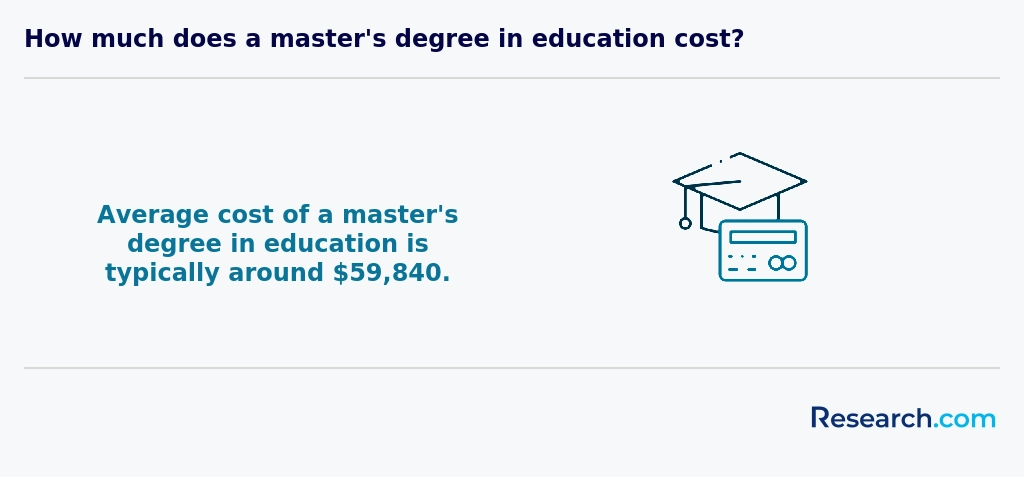
The average cost of an online education degree in the Northeast typically centers around $23,881, with in-state students paying closer to $16,863 and out-of-state students around $19,317. Graduates from popular universities in this region often reflect on their investment as a meaningful step toward advancing their careers. For example, many who studied at well-known institutions in New York or Massachusetts recall feeling challenged but supported throughout their online master's programs, valuing both the flexible format and the quality of instruction for the price paid.
When considering the online master's in education tuition fees Northeast, students should account not just for tuition but also for additional costs like fees, textbooks, and technology. These can add $1,000 to $3,000 to overall expenses. Fortunately, many programs incorporate some of these fees into the tuition, easing the financial planning process. It's important to explore financial aid options such as federal aid, scholarships, and employer tuition assistance, which many Northeast students use to make their education more affordable.
Choosing an online education degree often brings a real sense of accomplishment, especially when balancing studies with work and family. Many students appreciate how programs at regional colleges offer a mix of respected faculty and access to resources, which are crucial for a positive learning experience. If you are interested in exploring options further, consider browsing in demand education programs that align with your goals and budget.
Practicum and Licensure Preparation
A critical component of any online Master’s in Education program is the practicum or student-teaching internship, which bridges theory and classroom practice while ensuring you meet state licensure requirements. Most accredited programs-especially those approved by the Council for the Accreditation of Educator Preparation (CAEP)-partner with local K-12 schools to: • Facilitate supervised field placements: Online learners are matched with mentor teachers in their region, completing 100–120 hours of guided observation and co-teaching under university supervision. • Align with state licensure standards: Coursework is designed around each state’s educator certification guidelines, from early childhood to secondary education, ensuring you develop competencies in instruction, assessment, and classroom management. • Prepare for performance assessments: Many states require the edTPA or similar capstone evaluations; programs embed these tasks within your practicum, offering workshops, rubrics, and feedback loops to optimize your success. • Provide dedicated mentorship: You’ll receive support from both a faculty advisor and an experienced in-school mentor, with regular virtual check-ins to discuss lesson planning, reflective practice, and portfolio development. • Offer licensure exam review: Comprehensive prep modules for state certification tests-covering pedagogy, content knowledge, and ethics-help you approach exams with confidence. For students mindful of both quality and cost, our Low Cost Online Education Degree Programs Ranking in Nebraska highlights programs that combine robust practicum placements with financial accessibility, ensuring you graduate ready to earn your teaching license and make an immediate impact in the classroom.
What financial aid is available to online education degree students in the Northeast?
Many students pursuing online education degrees in the Northeast find federal aid crucial in managing costs. For example, graduates from well-known public universities often highlight how Pell Grants, offering up to $7,395 annually, helped reduce tuition expenses significantly during their undergraduate years. Although more limited for graduate studies, some education majors qualify for exceptions, especially those pursuing teacher certification programs.
State aid also brings relief. Graduates attending respected regional institutions share how New York's Tuition Assistance Program (TAP), which provides up to $5,665 per year, made continuing education feasible without overwhelming debt. Massachusetts residents similarly benefit from scholarships tailored for online learners, often triggered by residency and enrollment.
Universities across the Northeast supplement these funds with scholarships specifically for online education students, rewarding academic effort and dedication. Many find work-study helpful, balancing part-time jobs aligned with their financial needs, while employer tuition reimbursements add another layer of support, enhancing optimism throughout their degree journey.
Most In-Demand Specializations in Education
To cater to the evolving needs of the education sector, it's essential to identify the most in-demand specializations. Prospective students can explore various fields, and one way to get insights into popular education programs is by visiting in demand education programs. Specializations like early childhood education, special education, and educational technology are often sought after, given their direct impact on student learning and the innovative approaches they entail. Understanding these specializations can help students align their educational goals with market demands, enhancing their career prospects upon graduation.
What are the prerequisites for enrolling in online education degree program in the Northeast?
Enrolling in an online education degree in the Northeast often begins with holding a bachelor's degree from an accredited institution, a step many graduates from places like Boston University or the University of Pennsylvania can easily relate to. This foundational requirement assures that new students enter with strong academic roots. Many students have shared how seeing their transcripts carefully reviewed made them appreciate the value of their previous education.
Applicants usually compile a detailed application packet including official transcripts, two or three recommendation letters, a personal statement, and a resume highlighting relevant experience. Graduates recall how crafting a meaningful statement of purpose helped clarify their career goals and fueled their passion for teaching.
While some programs may still request GRE scores, many schools have shifted to test-optional policies, easing application stresses. Practical teaching experience or licensure is a plus in states like Pennsylvania or New Jersey, reflecting the region's commitment to professional readiness.
Non-native English speakers demonstrate proficiency through TOEFL or IELTS, ensuring vibrant classroom discussions and effective communication within online learning communities.
Accreditation and Faculty Credentials
Ensuring your online master’s in education is accredited by a recognized body-such as the Council for the Accreditation of Educator Preparation (CAEP) or a regional agency like the New England Commission of Higher Education (NECHE)-is critical for licensure eligibility, transferability of credits, and access to federal financial aid. Accreditation confirms that the program meets rigorous academic standards and that your degree will be respected by school districts and higher-education institutions across the Northeast and beyond. Equally important are faculty credentials: look for programs that feature instructors with doctoral degrees, published research in peer-reviewed journals, and real-world experience in K-12 or higher-education leadership. Instructors who teach both on-campus and online courses typically bring proven pedagogical methods to virtual classrooms, ensuring interactive lectures, timely feedback, and mentorship opportunities that mirror the quality of a traditional campus environment. For students weighing cost against quality, it’s worth comparing accredited programs in other regions to find the best value. For example, the Low Cost Online Education Degree Programs Ranking in Nebraska highlights budget-friendly options that maintain high academic rigor and experienced faculty oversight.
What courses are typically in online education degree programs in the Northeast?
Graduates from well-regarded institutions in the Northeast often reflect on how foundational courses like Educational Psychology and Curriculum Development gave them a deep understanding of student learning and effective lesson planning. For example, alumni from a popular state university recall how studying Classroom Management techniques helped them create welcoming and orderly environments in diverse urban schools.
Many found that courses in Instructional Technology and E-Learning perfectly prepared them to navigate the challenges of remote teaching, especially during unexpected shifts to online classrooms. This practical knowledge felt immediately relevant, as in institutions such as those in Massachusetts where integrating digital tools is becoming essential.
Others appreciated specialized classes like Diversity and Inclusion in Education, which illuminated the importance of equity in multi-cultural classrooms common across Pennsylvania districts. These courses empowered graduates to become compassionate educators attuned to their students' unique needs.
Finally, those pursuing leadership roles valued policy analysis and school law classes, feeling confident these prepared them well for administrative responsibilities in busy Northeastern school systems. Such course offerings demonstrate the thoughtful blend of theory and real-world application that Northeast programs provide.
What types of specializations are available in online education degree programs in the Northeast?
Online education degree specializations Northeast often reflect both practical career goals and the evolving educational needs of the region. Graduates from well-regarded institutions like Boston College and Rutgers University frequently share how their focus on Curriculum and Instruction deeply enriched their ability to design impactful lessons, tailored for the diverse classrooms typical across the Northeast. Others pursuing Educational Leadership and Administration find themselves prepared for dynamic roles in school management, equipped to navigate policies and budgets in urban districts.
Special Education is another popular path, especially for those passionate about inclusive teaching. Many report feeling empowered after mastering strategies for individualized education plans in settings throughout states like New York and Massachusetts. The TESOL specialization also stands out, meeting the increasing demand for educators skilled in supporting English language learners in the culturally rich Northeast.
Some students are drawn toward Higher Education Administration, gaining skills relevant to colleges and universities. Many appreciate how these programs integrate technology and equity, reflecting the regional commitment to progressive education. Those exploring options might also consider reviewing the most affordable online masters degrees in teaching, which provide accessible routes into these specializations.
How do you choose the best online education degree in the Northeast?
Choosing the best online education degree in the Northeast means focusing on accreditation and program quality, which many graduates from respected institutions here have emphasized as crucial. For example, students from well-regarded schools in New York or Pennsylvania often highlight the reassurance given by regional accreditation, such as from the Middle States Commission on Higher Education. This ensures employers recognize your degree and that the coursework aligns with current educational standards.
Curriculum fit is another vital aspect. Graduates who pursued affordable online master's in education Northeast programs frequently mention how selecting courses aligned with their career goals-whether in educational leadership or special education-made learning feel both relevant and rewarding. Hands-on components like virtual internships provided them with confidence before entering local school districts.
Cost can be daunting, yet many online options offer competitive rates compared to traditional on-campus tuition. Some graduates actively searched financial aid options specific to online learners, appreciating those schools that provide strong support services. To explore affordable opportunities, check out the Low Cost Online Education Degree Programs Ranking in Nebraska as a useful reference for comparison.
Technology and flexibility also play a deciding role. Graduates juggling work and family praise programs offering asynchronous courses via intuitive platforms, allowing study without rigid schedules. Often, these programs eliminate the need for campus visits, fitting seamlessly into busy lives.
Lastly, consider schools' graduation and job placement rates; many local Northeastern institutions publish these statistics, helping students gauge program success and industry connections. Real examples from recent alumni show that schools with strong ties to nearby education agencies provide a smoother transition into rewarding teaching roles.
What career paths are available for online education degree students in the Northeast?
Graduates holding an online education degree in the Northeast discover a host of rewarding career paths tailored to the region's rich educational ecosystem. Many find themselves thriving as instructional coordinators, developing engaging curricula while supporting fellow teachers-roles that turn passion into practical impact. Others step into leadership as school administrators in vibrant cities like Boston, where advanced degrees open doors to shaping entire schools. Teaching jobs with online education degree Northeast graduates report often lead to positions as special education teachers, embracing inclusivity and making a profound difference for students with disabilities.
For those drawn to higher education, roles such as academic advisors or student affairs professionals offer meaningful engagement within renowned institutions. Many graduates from popular colleges in the Northeast share how their online programs prepared them for licensing requirements, helping them secure teaching positions efficiently. The dynamic opportunities highlighted reflect the diverse options available, especially when one explores programs at accredited non-profit online universities, bridging quality education with flexible career advancement.
What is the job market for online education degree in the Northeast?
The job market for online education degree holders in the Northeast is encouraging, especially for those who have graduated from well-regarded universities and colleges offering flexible, accredited programs. Graduates from institutions popular in this region often share how metropolitan areas like Boston and Philadelphia actively seek educators who can adapt to hybrid and digital learning environments. This demand highlights promising opportunities in urban districts, fitting well with the growing needs in educational technology and curriculum design. Such graduates often find rewarding roles across teaching and administration, making their degrees valuable in a competitive market focused on improving student outcomes.
Reflecting on job outlook for education graduates Northeast, many report steady hiring trends supported by school districts' commitments to reducing teacher shortages. The higher-than-average salaries in states like New York and Massachusetts add a practical benefit, motivating many to pursue their education online. For those evaluating cost effectiveness, it's worth exploring cheap online universities for working students that still maintain rigorous standards and regional accreditation.
Frequently Asked Questions About education
Students pursuing online education degrees in the Northeast can maximize their learning by engaging actively with course materials and peers. Research from the National Center for Education Statistics shows that Northeast universities enroll a significant number of education students online, highlighting a competitive and supportive environment. Utilizing university resources like virtual libraries and academic advising tailored to online learners enhances success.
Time management is critical. Setting a dedicated study schedule helps balance work, family, and coursework effectively. Participating in online discussions and forming virtual study groups promotes deeper understanding and networking opportunities.
Finally, choosing accredited programs recognized by regional bodies like the Middle States Commission on Higher Education ensures program quality and transferability of credits, which is essential for future career advancement in education.
Emerging niches within online education degrees in the Northeast reflect growing demands in specialized fields. One prominent area is educational technology, where professionals focus on integrating digital tools into classrooms. According to the New England Board of Higher Education, demand for ed-tech specialists has increased by 20% over the past five years.
Another growing niche is special education, particularly in inclusive practices and remote learning strategies. Northeastern states report a 15% growth in online master's programs emphasizing these skills, reflecting regional needs for diverse learners.
Additionally, leadership and administration programs are expanding as school districts seek effective online-trained leaders. The U.S. Department of Education notes a 12% statewide increase in enrollment in such programs in 2023.
Graduates with online education degrees in the Northeast should actively engage in professional networking to enhance job prospects. According to the National Center for Education Statistics, the region hosts many school districts eager to hire qualified educators. Joining organizations like the New England Board of Higher Education and attending local education job fairs can be valuable.
Building a strong portfolio that highlights practical experience gained through student teaching or internships boosts employability. Moreover, obtaining state licensure or certification is crucial, as most Northeastern states require it for teaching positions.
Continuing professional development through workshops or additional courses, especially those aligned with current education trends, can also improve competitiveness in the job market.
Employers in the Northeast prioritize several key skills when hiring education degree graduates. Strong communication abilities are essential, as teachers must convey complex ideas clearly to diverse student populations. Critical thinking and problem-solving skills also rank high, enabling educators to address challenges in dynamic classroom settings.
Data from the Northeast Education Research Consortium shows that 78% of school districts value adaptability, reflecting the region's varying student needs. Additionally, cultural competency is increasingly important due to the Northeast's diverse demographics. Familiarity with digital tools and online teaching methods is another crucial skill, especially given the rise of virtual learning environments post-pandemic.
These skills collectively prepare graduates to succeed in the evolving educational landscape of the Northeast.
Finding internships in the Northeast relevant to an education degree often starts with utilizing university career centers, many of which offer online resources tailored to remote students. Schools in this region frequently partner with local school districts and educational nonprofits to provide students with practical internship opportunities. According to the New England Board of Higher Education, more than 60% of education students in the Northeast secure internships through such partnerships.
Job boards like Handshake and internships.com also list regional internships, specifically filtering options for education-related roles. Networking plays a crucial role; joining professional associations like the New England Reading Association can connect students to exclusive internship openings.
Lastly, prospective interns should research state departments of education websites, which sometimes post internships or fellowships specifically designed for education degree candidates aiming to work in public schools.
Obtaining an online education degree in the Northeast significantly enhances career mobility and advancement opportunities. The region's demand for qualified educators continues to rise, with states like New York and Massachusetts projecting employment growth rates of over 7% in education roles through 2030, according to the U.S. Bureau of Labor Statistics.
Online degrees offer flexible scheduling, allowing working professionals to earn advanced credentials without leaving their jobs. Institutions accredited by bodies such as CAEP (Council for the Accreditation of Educator Preparation) ensure quality, which employers in the Northeast recognize and value when considering promotions or leadership roles.
Research from the National Center for Education Statistics shows that educators with a master's degree in education typically earn 20% more than those with a bachelor's, reflecting clearer pathways for salary increases and job security.
Studying for an education degree online in the Northeast equips students with skills to thrive in interdisciplinary roles by integrating diverse subject knowledge and practical application. Many programs emphasize collaboration between education, psychology, technology, and social sciences, reflecting the region's focus on holistic learning approaches. For example, a 2023 report from the National Center for Education Statistics (NCES) shows that Northeast institutions offer 20% more interdisciplinary education courses compared to the national average.
These programs often include training in educational technology and policy, preparing graduates for roles that cross traditional boundaries. This multidimensional approach responds to growing demands in schools and community services for adaptable educators who understand varied social and cognitive factors.
Choosing between a thesis and a non-thesis online education degree program in the Northeast depends on your career goals and learning preferences. Thesis programs typically require original research and a formal paper, ideal for those planning doctoral studies or research roles. Non-thesis programs focus on coursework and practical skills, often preferred by working professionals seeking immediate application in schools or educational organizations.
According to data from the National Center for Education Statistics, many Northeast institutions offer both options to accommodate diverse student needs. Tuition and time commitments may vary, with thesis paths usually requiring more time. Understanding these differences helps select the best fit for your professional journey.
Students based in the Northeast interested in studying education abroad have several online options through U.S. institutions. Many universities offer online master's programs with international components, like virtual exchange programs or global teaching practicums. Schools such as New York University and Boston University provide certifications focusing on global education themes. According to the Institute of International Education, over 40% of American students who study abroad come from the Northeast, making these programs accessible and popular regionally. These options blend convenience with quality instruction, allowing students to gain global perspectives without relocating.
Part-time job opportunities in the Northeast that complement education degree studies often include tutoring, teacher assistant roles, and substitute teaching. According to the U.S. Bureau of Labor Statistics (BLS), the Northeast has a high demand for substitute teachers, especially in states like New York, Massachusetts, and Pennsylvania, with employment growth expected to increase by 6% through 2032.
Many students also find part-time tutoring rewarding, helping K-12 learners in subjects like math and reading. This job builds practical teaching skills while offering flexible hours.
Additionally, teacher assistants in school districts provide hands-on classroom experience. These roles enhance understanding of education systems while balancing coursework.
Online education students in the Northeast benefit from a variety of networking opportunities designed to enhance their academic and professional growth. Many universities provide virtual career fairs and online alumni meetups specifically for education majors. For example, institutions such as Boston University and Penn State offer regular online workshops and networking events tailored to educators.
Regional education associations, like the New England Educational Research Organization (NEERO), offer virtual conferences connecting students with experienced professionals. According to the National Center for Education Statistics, more than 30% of online education students in the Northeast engage in these networking activities annually.
Additionally, LinkedIn groups and professional forums focused on Northeast education specialties enable students to build meaningful connections beyond their campuses.
Alumni networks play a crucial role for online education degree students in the Northeast by offering valuable professional connections. These networks link graduates with current students, fostering mentorship opportunities that support career advancement. According to the Council for Adult and Experiential Learning, 70% of jobs are found through networking, which alumni communities significantly enhance.
In the Northeast, where education and technology hubs like Boston and New York thrive, active alumni groups provide local job leads and industry insights. Universities in this region often host virtual events and webinars, helping students engage with peers and alumni despite geographic distances.
Additionally, alumni networks offer access to exclusive internships and collaborations with regional school districts, aiding applied learning. This support system increases graduates' employment rates within six months of program completion, emphasizing their practical benefit.
Customizing an online education degree program in the Northeast allows students to align their studies with specific career goals. Many universities offer concentrations or specializations such as curriculum design, educational technology, or special education, enabling focused skill development. Flexible course scheduling and elective choices permit students to balance work and study effectively.
Some programs provide practical components, including internships or field experiences, that connect theory to real-world applications. According to the National Center for Education Statistics, Northeast institutions frequently emphasize regional education policies in their curricula, preparing graduates for local school systems.
Students should also explore partnerships between schools and state departments of education, allowing access to licensure pathways or professional certifications tailored to market demand.
Students pursuing online education degrees in the Northeast often face several common challenges. One major issue is limited access to reliable high-speed internet, especially in rural areas of states like Maine and Vermont, which can disrupt live lectures and coursework. According to a 2023 Pew Research report, 17% of Northeastern households still lack broadband, impacting learning consistency.
Another challenge is maintaining motivation and time management while balancing work and family responsibilities. Many online students are working adults, and juggling these demands can lead to higher dropout rates compared to on-campus programs.
Additionally, some students report feeling isolated due to fewer opportunities for in-person networking and collaboration. This can affect engagement and overall satisfaction with their education experience.
An online education degree offers a pathway to various professional certifications that enhance career opportunities in the Northeast and beyond. Graduates often pursue teaching certifications, such as state-specific K-12 licenses, which qualify them to teach in public schools. Many Northeastern states require candidates to pass exams like the Praxis Series to obtain these licenses.
Other popular certifications include Educational Leadership certificates for those aiming to become school administrators. According to the New England Board of Higher Education, nearly 45% of education professionals in the region hold additional certifications to advance their roles.
Specialized certifications, such as TESOL (Teaching English to Speakers of Other Languages), are also commonly pursued online, reflecting the diverse student populations in the Northeast.
Writing a winning application for an online education program in the Northeast requires clear focus and preparation. First, emphasize your academic background and relevant experience, showcasing how it aligns with the program's goals. Many institutions in this region-such as those in New York and Massachusetts-value applicants who demonstrate a strong commitment to educational leadership and innovation.
Include well-crafted personal statements that highlight your motivation and career aspirations. According to the Northeast Commission on Higher Education, a thoughtful narrative improves acceptance chances by 20%.
Additionally, gather strong letters of recommendation from professionals familiar with your skills. Finally, carefully follow application instructions and meet all deadlines to ensure your application is considered complete and competitive.
The education career holds significant value worldwide, reflecting diverse cultural and policy priorities. In the United States, and particularly in the Northeast, education careers are increasingly seen as vital for community development and economic growth. According to the National Center for Education Statistics (NCES), states like Massachusetts and New York invest heavily in teacher training and support, recognizing education as a cornerstone of innovation and equality.
Globally, education professionals must navigate standards and expectations shaped by organizations like UNESCO, which promotes inclusive quality education for all. For a student pursuing an online education degree in the Northeast, understanding these global frameworks complements regional focuses on equity and technology integration.
Data from the U.S. Bureau of Labor Statistics shows the Northeast expected steady growth in education jobs, especially in specialized roles such as curriculum designers and instructional coordinators through 2030.
Gaining practical experience while studying for an online education degree in the Northeast is achievable through several pathways. Many accredited universities in states like New York, Massachusetts, and Pennsylvania incorporate fieldwork or student-teaching placements as part of their graduate programs.
Students can often complete these requirements locally, partnering with nearby schools or educational organizations. According to the New England Board of Higher Education, nearly 75% of online education programs in this region support such arrangements.
Additionally, internships and virtual practicums provide hands-on experience, enabling students to apply theory in real-world settings. These opportunities enhance resumes and improve employment prospects after graduation.
Finally, professional networks and regional education conferences offer further chances to engage with educators and gain practical insights.
Choosing the right concentration within an online education degree program in the Northeast requires careful consideration of your career goals and regional demand. Specializations like Curriculum Design, Educational Leadership, or Special Education align with various job markets. For example, Massachusetts and New York show strong growth in special education roles, as reported by the U.S. Bureau of Labor Statistics (BLS) in 2023.
Researching state certification requirements in your intended teaching area is crucial, since they vary across the Northeast. Additionally, examine program curriculum to ensure it matches evolving trends such as digital learning.
Finally, consider programs accredited by recognized bodies like CAEP, ensuring quality education tailored for Northeast educators.
Top Trending Education Rankings
See What Experts Have To Say About Studying Education
Read our interview with Education experts

Nooshan Ashtari
Education Expert
Professor & Book Author
University of Southern California

Alan J. Singer
Education Expert
Professor of Teaching, Learning and Technology
Hofstra University

References
- Best Online Degrees for Working Adults in 2026 https://www.straighterline.com/blog/degreecompletion-best-online-degrees-for-working-adults-in-2026
- Engaging Students in Meaningful Learning Experiences https://www.facultyfocus.com/articles/effective-teaching-strategies/engaging-students-in-meaningful-learning-experiences/
- Costs & Aid - Tuition & Fees https://northeast.edu/costs-aid/tuition/
- 2026 Most Affordable Online Colleges & Degrees https://www.onlineu.com/most-affordable-colleges
- How to Create Access to Experiential Learning ... https://evolllution.com/programming/applied-and-experiential-learning/how-to-create-access-to-experiential-learning-opportunities-for-non-traditional-students
- Undergraduate Online Financial Aid https://www.bushnell.edu/financial-aid/undergraduate-online/
- Degree Programs for Working Adults - Online & In Person https://www.neit.edu/the-neit-edge/degree-pathways/for-working-professionals
- Types of Financial Aid for Online Colleges https://www.umassglobal.edu/blog-news/types-financial-aid-online-colleges
- Tuition & Costs https://www.northeastcollege.edu/tuition-and-financial-aid/tuition-costs
- Undergraduate Online Programs https://www.nec.edu/undergraduate-online


