
2027 Best Online Doctorate in Education Degree Programs Ranking in Virginia

Co-Founder and Chief Data Scientist
Choosing the right online doctorate in education program can feel overwhelming, especially when balancing work and life in Virginia. This article presents the 2027 Best Online Doctorate in Education Degree Programs Ranking in Virginia, carefully crafted by the Research.com team of data scientists to guide you toward the most reputable programs.
By exploring this ranking, you'll gain clarity on which programs offer quality learning, flexibility, and strong outcomes. Earning an education degree can open doors for career advancement and personal fulfillment. Let's help you take that exciting next step with confidence.
Key benefits of getting online education degree in Virginia
- Graduates with an education degree in Virginia can expect strong salaries, such as Academic Deans earning around $100,720 annually and University Presidents making approximately $258,900, showing attractive earning potential.
- Career paths for education degree holders include roles like University Professor, Department Chair, or Academic Dean, offering diverse opportunities for growth in Virginia's educational institutions.
- Online education degrees offer flexibility and convenience, allowing students from Virginia to balance work and life while earning credentials from respected universities like Old Dominion University, making advancement more accessible.
- Key benefits of getting online education degree in Virginia
- What can I expect from online education degree in Virginia?
- Where can I work with online education degree in Virginia?
- How much can I make with online education degree in Virginia?
- 2027 Best Online Doctorate in Education Degree Programs Ranking in Virginia
- Key Findings
- How long does it take to complete online education degree in Virginia?
- Student Support Services and Career Development Resources
- What's the difference between online and on-campus education degree?
- Enhancing Your Educational Pursuits with the Best Online Education Programs in Virginia
- What is the average cost of online education degree in Virginia?
- What financial aid is available to online education degree students in Virginia?
- Exploring Affordable Online Education Options Outside Virginia
- What are the prerequisites for enrolling in online education degree program in Virginia?
- Faculty Expertise and Research Support
- What courses are typically in online education degree programs in Virginia?
- What types of specializations are available in online education degree programs in Virginia?
- How do you choose the best online education degree in Virginia?
- What career paths are available for online education degree students in Virginia?
- What is the job market for online education degree in Virginia?
- Related Education Rankings for Nearby States
- Top Trending Education Rankings
- See What Experts Have To Say About Studying Education
What can I expect from online education degree in Virginia?
Expect to invest roughly between $400 and $700 per credit hour when pursuing an online education degree in Virginia, making it an accessible yet valuable journey toward advancing your career. Many graduates from institutions like Virginia Commonwealth University find that paying around $535 per credit hour offers a balanced blend of quality instruction and flexible scheduling. Imagine navigating coursework from your favorite chair while engaging with professors and peers from around the state, all supported by comprehensive online resources.
These costs reflect not just tuition but access to virtual libraries, dedicated academic advisors, and career counseling tailored specifically for online learners. Virginia's programs are designed to equip you fully for certification exams, helping graduates feel confident and prepared in diverse educational settings. This investment often feels like stepping into a new chapter with the backing of reputable universities, where each credit brings you closer to leadership roles in education without sacrificing your current job or lifestyle.
Where can I work with online education degree in Virginia?
Graduates from online education programs at Virginia's universities often find themselves stepping confidently into classrooms across the state's vibrant K-12 public school system. Imagine starting your career amid more than 135,000 teachers shaping young minds, energized by the knowledge that your certification opens doors to roles as a classroom teacher, instructional coordinator, or even school administrator. Many students from popular colleges, like Virginia Commonwealth University or James Madison University, share how their online degrees made these transitions smooth and exciting.
Yet, the adventure doesn't stop in public schools. Private and charter schools across Virginia eagerly seek education graduates ready to innovate and lead, offering fresh challenges that keep every day feeling new. In bustling settings like Richmond or Fairfax, graduates often tell stories of how their online education prepared them perfectly for these dynamic environments.
And if you crave variety, higher education opportunities await. Picture yourself as an academic advisor or instructional designer at a community college within Virginia's 23-college system, helping shape accessible learning experiences for diverse students. Veterans of these programs often highlight how their degrees empowered them to blend passion with leadership.
Even beyond the classroom, roles in curriculum development, consulting, and education policy invite graduates to influence the system from a broader lens-places like the Virginia Department of Education value candidates with advanced online degrees to lead initiatives and enrich teacher training. Exciting career paths emerge for those ready to explore the ever-changing educational landscape of Virginia.
How much can I make with online education degree in Virginia?
Graduates from online education programs at well-known Virginia institutions often find themselves stepping into intriguing roles with promising salaries. Imagine a graduate from James Madison University navigating their way to become a University Professor, earning an average annual salary of about $96,570. This not only reflects solid financial footing but also the rewarding challenge of shaping young minds and cutting-edge research.
For those reaching further, perhaps a graduate from the University of Virginia taking on the role of an Academic Dean can expect to earn around $100,720 yearly. This position combines leadership and vision, overseeing academic programs and faculty, giving a real sense of accomplishment and impact.
Some adventurous education graduates even climb to the heights of university leadership. Positions like Provost or University President in Virginia boast striking mean salaries near $258,900. Such roles offer a thrilling mix of responsibility, influence, and significant financial reward, perfect for those eager to lead entire educational communities.
Exploring these career pathways reveals that an online education degree in Virginia opens doors not only to meaningful work but also to competitive pay, reflecting both dedication and expanding expertise.
2027 Best Online Doctorate in Education Degree Programs Ranking in Virginia
How do we rank schools?
Investing in your education is a significant decision that can shape your future, and the Research.com team understands the importance of making informed choices. To assist prospective students in Virginia, we have meticulously crafted the "2027 Best Online Doctorate in Education Degree Programs Ranking in Virginia." Our commitment to quality, credibility, and accuracy is reflected in the extensive research and analysis conducted to compile this ranking.
We utilized the following reputable data sources to ensure a comprehensive evaluation of online Doctorate in Education programs:
By exploring this ranking, readers will gain valuable insights into the best online Doctorate in Education programs in Virginia, empowering them to make well-informed decisions about their academic and professional futures. For more details on our methodology, please visit our Research.com methodology page.


Key Findings
- Online education degrees in Virginia typically cost between $8,000 and $20,000 per year, with public universities offering lower tuition for in-state students.
- Virginia employs about 140,000 K-12 teachers, creating strong job opportunities, especially in special education, STEM, and ESL roles.
- Starting salaries for new teachers average around $44,000 per year, while experienced educators earn between $60,000 and $70,000 annually.
- Advanced education roles can offer salaries exceeding $80,000, highlighting the benefits of further qualifications.
- Most online programs are accredited by regional bodies like SACSCOC, ensuring academic quality and eligibility for federal financial aid.
- Online degrees often align with Virginia Department of Education certification requirements, aiding in teacher licensure and endorsements.
How long does it take to complete online education degree in Virginia?
Embarking on an online education degree in Virginia feels like setting off on a personalized journey where time molds around your life. For those diving into a bachelor's program, imagine the flexibility at places like Old Dominion University, where working adults navigate their studies at their own pace, finishing in around four years full-time or even accelerating to two or three years by transferring prior credits from Virginia's community colleges.
Master's students often revel in the chance to wrap up their degrees in as little as 12 to 18 months at institutions such as George Mason University when studying full-time. Many cherish the balance of part-time study, stretching coursework over two or more years while juggling work and family commitments.
The adventurous souls pursuing an Ed.D. or Ph.D. at the University of Virginia or Liberty University learn to embrace the thrilling challenge of combining coursework and research, often spanning three to six years, depending on how swiftly their dissertations evolve and their enrollment status.
Each path offers a unique rhythm and rewarding progress, inviting students to carve out a learning experience tailored to their ambitions and lifestyle.
Student Support Services and Career Development Resources
While the ranking, costs, and curriculum details provide critical insight into Virginia’s online education landscape, another essential dimension is the robust support systems that help students navigate their academic journey and transition smoothly into their careers. This section outlines the comprehensive services available-from academic advising, tutoring, and technical support to mentorship programs and career counseling-that empower students to maximize their learning experience. Many institutions are investing in digital platforms that facilitate real-time feedback, foster virtual communities, and offer continuous professional development workshops. For instance, integrating career-oriented programs such as the fastest edd online program can deepen a student’s understanding of how to leverage their degree for accelerated career advancement. Enhanced student support not only bolsters academic success but also cultivates networking opportunities through alumni events, exclusive webinars, and partnerships with local educational organizations. By emphasizing these resources, prospective students gain a clearer picture of the ongoing assistance that reinforces both their personal growth and professional readiness, ensuring that each learner is well-equipped to meet the evolving demands of the education field.
What's the difference between online and on-campus education degree?
Imagine juggling a full-time job while pursuing an education degree-this is where online programs at Virginia Commonwealth University or George Mason University truly shine. Graduates often share how the digital platform lets them attend lectures at their own pace, turning late nights or early mornings into productive study time. The freedom to learn without leaving home removes the stress of commuting or pricey housing, making education feel more accessible and less overwhelming.
On the flip side, those who chose on-campus degrees treasure the vibrant energy of face-to-face classes and spontaneous hallway chats with professors and classmates. Walking through the university's campus sparks a sense of community and hands-on opportunity that online forums sometimes can't replicate. Many students find this environment energizing, a real boost for collaboration and networking.
Cost-wise, online learners delight in saving on living expenses-a welcome relief since campus life can add up to $12,000 yearly in commuting and dining. Both routes meet Virginia's rigorous certification standards, but the choice ultimately plays out in how you want to experience your journey into education.
Enhancing Your Educational Pursuits with the Best Online Education Programs in Virginia
To further enhance your understanding of the online education landscape in Virginia, it's essential to explore the various programs available, ensuring you find the best fit for your academic and professional goals. Considering factors such as accreditation, program variety, flexibility, and cost is crucial in making an informed decision. For those interested in advancing their careers in education, visiting https://research.com/rankings/education/best-online-education-va for the best online education programs in Virginia can provide valuable insights into top-ranked institutions and their offerings, helping you navigate the process of selecting a program that aligns with your aspirations and prepares you for success in the field of education.
What is the average cost of online education degree in Virginia?
The average cost of an online education degree in Virginia varies but centers around a median total of $33,060 for in-state students. Many graduates pursuing their degrees at institutions like George Mason University or the University of Virginia find this range appealing, especially when balancing other life commitments. These public universities often provide more affordable tuition options, making the dream of advancing an education career feel within reach. Considering Virginia online doctorate in education tuition and fees, the financial aspect becomes an adventurous challenge rather than a barrier for motivated learners.
Another perspective comes from doctoral candidates at schools such as Virginia Tech and Regent University, where tuition might climb closer to $42,250 on average. While this can seem like a significant investment, many learners appreciate the flexible online formats that allow them to study without sacrificing full-time work or personal time. These graduates often describe their experiences as transformative, reflecting on how the cost was offset by scholarships, employer assistance, or financial aid designed to ease the journey toward their goals.
It's always wise to explore your options, especially when looking into the best online education programs in Virginia. Fees might fluctuate based on credit hours or additional expenses like textbooks and technology, but many students creatively manage these through grants and state funding. The average cost of a online education doctorate in Virginia might be higher than master's level programs, but the potential career growth and personal fulfillment make every dollar worth it for those ready to embark on this enriching path.
What financial aid is available to online education degree students in Virginia?
Imagine unlocking your potential at a Virginia university offering online education degrees, where financial aid becomes your steadfast companion. Many students feel a breath of relief when they discover federal aid through FAFSA, opening doors to grants like the Pell Grant or loans that don't hinge on perfect financial situations. For example, graduate students at well-known institutions often tap into Direct Unsubsidized Loans, making their studies feel less like a mountain and more like a climb with sturdy hands.
State programs like the Virginia Tuition Assistance Grant paint a brighter financial picture, especially for residents attending private online colleges. Graduates frequently speak of merit-based scholarships from their universities and education-focused organizations as unexpected treasures easing tuition burdens.
Picture a working adult juggling job and classes; many find employer tuition reimbursement programs and local school district loan forgiveness are invaluable lifelines. The journey through Virginia's financial aid landscape often transforms from daunting to empowering, fueling dreams at bustling institutions like Longwood University or George Mason.
Exploring Affordable Online Education Options Outside Virginia
As tuition costs for online doctorate in education programs continue to rise in Virginia, prospective students may benefit from comparing cost-effective alternatives in other states. One standout resource is the Cheapest Online Education Degree Programs Ranking in Pennsylvania, which highlights highly accredited institutions offering quality coursework at lower tuition rates. By examining these programs, students can identify:
- Tuition advantages: Pennsylvania’s average annual tuition for online education degrees often falls 20–30% below the Virginia average, allowing significant savings over a multi-year doctorate.
- Financial aid opportunities: Many Pennsylvania schools complement low sticker prices with robust scholarships, assistantships, and state grants, similar to Virginia’s TEACH and VTAG programs.
- Accreditation alignment: Ensuring regional accreditation remains paramount; several Pennsylvania institutions hold the same SACSCOC recognition as top Virginia universities.
- Career outcomes: Graduates from Pennsylvania’s affordable programs report competitive placement rates and strong alumni networks, bolstering long-term return on investment. By integrating this comparative analysis, applicants can make data-driven decisions that balance educational quality with financial sustainability.
What are the prerequisites for enrolling in online education degree program in Virginia?
Diving into an online education degree in Virginia means first holding a bachelor's degree from an accredited school-many graduates from well-known institutions like Virginia Commonwealth University or George Mason University recall this as a vital stepping stone. For those eyeing a doctoral path, having a master's degree in education or a related field often unlocks the door, deepening expertise and opportunity.
Transcripts tell your story here, showcasing a strong academic record with a GPA of around 3.0 or higher. Imagine receiving encouragement from admissions counselors who admire your dedication reflected in those grades!
Beyond grades, many graduates remember crafting compelling personal statements to share their passion for education, supported by heartfelt letters of recommendation from mentors who've witnessed their journey firsthand.
Some programs might ask for GRE scores, though more often, rising educators find these waived, sparing that extra hurdle. Meanwhile, familiarizing yourself with online tools like Canvas or Blackboard becomes second nature-essential for embracing the vibrant, interactive experience that Virginia's online education degrees promise.

Faculty Expertise and Research Support
One of the most critical factors in selecting an online Doctorate in Education program is the quality of faculty and the breadth of research support available. In Virginia, top programs boast faculty members with terminal degrees from esteemed institutions, extensive publication records in peer-reviewed journals, and active roles in educational policy development. These professors not only deliver rigorous coursework but also mentor doctoral candidates through every phase of their research, from formulating dissertation proposals to defending final manuscripts. • Mentorship and Dissertation Guidance: Faculty advisors provide individualized feedback via virtual office hours and one-on-one consultations, ensuring each student’s research stays on track. Doctoral seminars often feature small cohorts, allowing for in-depth peer review and collaborative feedback loops that refine scholarly work. • Research Centers and Grant Opportunities: Many Virginia universities host dedicated education research centers, where doctoral students can secure funding for field studies, present at regional conferences, and co-author publications. This real-world research experience enhances both academic credentials and professional networks. • Interdisciplinary Collaboration: Faculty expertise spans areas such as instructional leadership, curriculum design, equity in education, and educational technology. Doctoral candidates benefit from cross-departmental partnerships, accessing resources from psychology, sociology, and data analytics to enrich their dissertations and broaden their methodological toolkit. • Professional Development and Networking: Regular virtual colloquia, guest lectures by national thought leaders, and access to online research repositories create an environment where students build relationships that extend beyond graduation. These connections often lead to post-doctorate research positions or faculty appointments nationwide. While Virginia’s programs excel in expert mentorship and cutting-edge research support, prospective students concerned with affordability may also explore options in neighboring states. For a detailed comparison of cost-effective programs, see our Cheapest Online Education Degree Programs Ranking in Pennsylvania.
What courses are typically in online education degree programs in Virginia?
Diving into an online education degree in Virginia means exploring courses that blend theory with real-world classroom excitement. Graduates from institutions like Virginia Tech and the University of Virginia often describe their journey starting with educational psychology. Picture yourself understanding how different students grasp concepts-perhaps the curious learner who thrives with visuals or the hands-on explorer who needs interaction.
Curriculum design and assessment courses invite you to craft lesson plans aligned with Virginia's Standards of Learning, turning data and feedback into tools that genuinely elevate student success. Imagine designing a math unit that clicks with diverse learners across the state!
The adventure continues through leadership and administration classes, opening paths to roles like school principals who shape entire communities. Special education courses prepare you to champion children with unique challenges, weaving federal and state guidelines into passionate advocacy.
- Technology integration ensures you master digital tools that transform instruction, perfectly matching Virginia's push for stronger digital literacy.
- Research methods sharpen your ability to dive into data and discover new insights for classroom breakthroughs.
- Diversity, equity, and inclusion training rounds out your profile, connecting you deeply with the vibrant cultural mosaic of Virginia's schools.
What types of specializations are available in online education degree programs in Virginia?
Diving into online education degree specializations in Virginia opens a world of exciting pathways tailored to your passions. Many graduates from popular Virginia colleges embrace Curriculum and Instruction, where they craft innovative teaching methods and lead classroom transformations. Imagine designing lessons that truly spark student curiosity-graduates often describe this specialization as empowering and deeply rewarding.
For those drawn to leadership, Virginia doctoral programs in education specializations include Educational Leadership and Administration, preparing students to become dynamic principals or district administrators. Alumni recall the thrill of shaping school policies and uplifting entire communities in their roles.
Special education challenges and inspires many learners, with programs aimed at supporting diverse student needs. Students specializing here share heartfelt stories of making real difference in classrooms across Virginia's public schools.
Other adventurous paths involve School Counseling or Student Affairs, guiding students through academic and emotional growth. Meanwhile, Higher Education Administration appeals to those seeking to influence university environments.
Exploring these options at Virginia's flexible programs, including the fastest edd online program, lets you shape a career that's uniquely yours while navigating the rich variety of online education degree specializations Virginia has to offer.
How do you choose the best online education degree in Virginia?
Choosing the best online education degree in Virginia is like embarking on a personal journey where you weigh what truly matters for your future. Imagine a graduate from one of Virginia's well-known universities recalling how accreditation was their compass-they picked a program recognized by CAEP, ensuring their degree carried weight with employers and licensing boards. Flexibility is another treasure: many students found asynchronous classes a lifesaver, letting them juggle work and family with ease. Think about program specializations, too. A recent graduate pursuing affordable online education degrees Virginia was thrilled to customize their learning around K-12 teaching, finding coursework that matched their passion perfectly.
Cost can feel like a mystery at first glance. Those attending public universities in Virginia often discover tuition stays closer to $300 per credit hour, a welcome relief compared to some pricier private options. Plus, exploring financial aid can feel like uncovering hidden treasure; numerous scholarships are ready for education-focused students. For a deeper dive into costs, you might want to check the Cheapest Online Education Degree Programs Ranking in Pennsylvania for inspiration on affordability outside Virginia.
Envision experienced faculty who become mentors rather than just instructors. Graduates from respected programs often speak of career services and personalized advising that helped them navigate job markets confidently. Finally, don't forget to look at outcomes and reputation-graduation rates and alumni success stories can be your map to finding a program that leads you to exciting destinations in education. This adventure could point you toward one of the best online doctorate in education programs Virginia has to offer.
What career paths are available for online education degree students in Virginia?
Graduates from online education degree programs in Virginia find themselves stepping into vibrant roles such as licensed K-12 teachers, inspired by their hands-on experiences through public schools across Richmond or Fairfax County. Their journey often includes navigating Virginia's certification exams, which prepare them to confidently lead classrooms filled with eager students. Some alumni from prominent institutions like George Mason University embrace leadership by becoming school principals or district administrators, enjoying the rewarding challenge of shaping educational communities while earning competitive salaries.
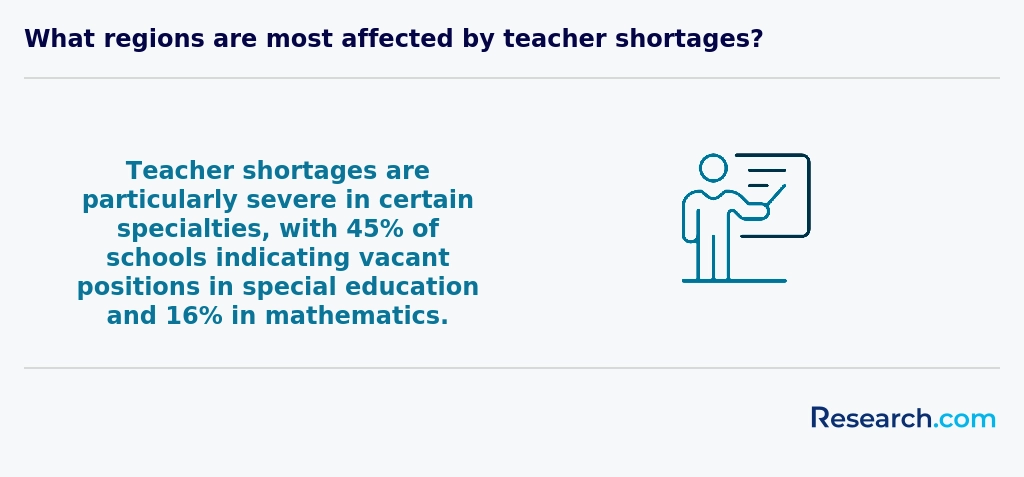
Others tap into the growing field of educational technology, developing innovative e-learning tools that blend their classroom insights with digital solutions-an exciting path thanks to Virginia's emphasis on remote education adaptation. For those passionate about making a meaningful impact, specializing as special education teachers remains a fulfilling choice, addressing critical shortages across the state.
Whether fresh graduates or those seeking advanced credentials through online platforms, Virginia offers diverse online education doctorate career opportunities Virginia. Curious learners might explore opportunities further by checking out easy phd programs to match their ambitions and lifestyle.
What is the job market for online education degree in Virginia?
The job market for online education degree holders in Virginia is vibrant, filled with rewarding career paths for those eager to make a meaningful impact in schools and beyond. Graduates from renowned Virginia institutions often share stories of stepping confidently into roles as educators, curriculum designers, and policy advisors, fueled by the state's growing demand for specialists, especially in subjects like special education and STEM. The Virginia market demand for education graduates creates exciting openings across public K-12 schools and higher education, inviting adventurous individuals ready to innovate within diverse learning environments.
Imagine joining a cohort at a leading university where peers balance rigorous coursework with real-world projects, preparing for leadership in education. The financial realities also feel encouraging: tuition aligns with national norms, and median salaries for educational administrators promise a solid return. For those still exploring, programs linked to the easiest bachelor of science degree present a welcoming gateway.
With over 120,000 education-related jobs projected to grow by 4%, pursuing an online education degree in Virginia opens doors to dynamic opportunities, echoing the state's commitment to education excellence and innovation.
Frequently Asked Questions About education
Online education degree students in Virginia can maximize their learning experience by leveraging the state's robust digital resources and academic support services. Virginia hosts numerous accredited institutions offering flexible online programs, including Virginia Tech and Old Dominion University, which provide strong virtual libraries and tutoring.
Active participation in live discussions and timely communication with professors enhances understanding and engagement, as research from the Virginia Department of Education highlights the importance of interaction in online learning. Setting a consistent study schedule is key; the U.S. Department of Education reports students who allocate specific weekly study hours improve retention rates significantly.
Students should also take advantage of Virginia's local education networks and professional organizations for networking and practical insights, further enriching their academic journey.
Emerging niches within the education field in Virginia reflect broader national trends focusing on technology integration and specialized leadership roles. For instance, instructional design and educational technology are rapidly growing areas, driven by the increasing demand for online and hybrid learning environments. According to the Virginia Department of Education, schools are expanding their use of digital tools, creating opportunities for professionals skilled in curriculum development for virtual platforms.
Another notable niche is in educational leadership, particularly roles addressing equity and inclusion. Virginia's diverse student population requires leaders trained to implement policies supporting all learners. Programs emphasizing data-driven decision-making and community engagement are gaining prominence. These evolving roles align with Virginia's strategic goals to improve educational outcomes statewide.
Preparing for the job market after earning an online education degree in Virginia involves strategic steps focused on both skills and networking. Virginia ranks among the top states for education jobs, with the Virginia Department of Education projecting a 10% growth in teaching positions through 2030. Graduates should begin by gaining relevant experience, such as substitute teaching or internships, to build a competitive resume.
Networking is crucial; joining professional organizations like the Virginia Education Association can connect candidates to job openings and mentorship. Additionally, certifications such as the Virginia Board of Education's teaching license enhance employability.
Developing strong technology skills and staying current with educational trends also increase job prospects in the increasingly digital learning environment common in Virginia schools.
Employers in Virginia value education degree graduates who demonstrate strong communication skills, both written and verbal. Effective communication is essential for collaborating with students, parents, and colleagues. Additionally, classroom management abilities rank highly, as maintaining a positive learning environment is critical. According to the Virginia Department of Education, skills in instructional planning and adapting lessons to diverse learner needs are also crucial.
Data from the National Center for Education Statistics shows that proficiency in technology integration to support learning is increasingly important, especially for online and hybrid teaching roles. Critical thinking and problem-solving skills help educators address challenges creatively. Employers also prioritize cultural competency, reflecting Virginia's diverse student population.
Finding internships in Virginia relevant to an education degree involves a strategic approach tailored to the state's educational environment. Start by exploring partnerships that Virginia universities often maintain with local school districts and educational organizations. These connections can open doors to practical training opportunities aligned with online education programs.
The Virginia Department of Education offers resources and listings of internship programs in schools statewide, which are ideal for gaining hands-on teaching experience. Additionally, professional organizations like the Virginia Education Association provide networking events and internship listings exclusive to education students.
Many online education degree students benefit from searching platforms like Handshake or the Virginia Internship Program portal, which frequently post openings in local schools and educational nonprofits. According to the Virginia Education Wizard, education internships significantly improve job placement rates for graduates.
Obtaining an online education degree in Virginia can significantly enhance career mobility and advancement opportunities. According to the Virginia Department of Education, educators with advanced degrees often qualify for higher pay scales and leadership positions. Online programs provide flexibility, allowing working professionals to continue gaining experience while studying.
Virginia's public schools frequently prioritize candidates with doctorate or master's degrees for roles like curriculum specialists, instructional coordinators, and administrators. The State Council of Higher Education for Virginia (SCHEV) reports that degree holders see a 15-25% increase in salary potential compared to those with bachelor's degrees.
Additionally, earning a degree online from a regionally accredited Virginia institution ensures statewide recognition, which is crucial for career progression in education sectors across the state.
Studying for an education degree in Virginia offers a strong foundation for interdisciplinary roles by integrating diverse skills and knowledge areas. Virginia's online education programs often include coursework that spans psychology, technology, leadership, and policy analysis. This breadth equips students to address complex challenges in schools, communities, and organizations.
Virginia ranks among the top states for educational innovation, supported by the Virginia Department of Education's focus on cross-sector collaboration. For example, programs accredited by the Council for the Accreditation of Educator Preparation (CAEP) emphasize research-based methods and partnerships beyond traditional education settings.
Many Virginia institutions also encourage applying educational theory through practicum experiences involving community outreach, health, and social services sectors. This practical exposure prepares graduates to work effectively in interdisciplinary teams, meeting diverse learner needs.
Choosing between a thesis and a non-thesis education degree program in Virginia depends on your career goals and learning style. Thesis programs emphasize original research and are ideal if you aim to pursue a doctorate or work in academia. Virginia's research universities, such as the University of Virginia, often offer thesis options requiring extensive study and a formal defense.
Non-thesis programs focus on coursework and practical skills, appealing to professionals seeking leadership roles in schools or educational organizations. According to the Virginia Department of Education, many online programs provide flexible non-thesis tracks tailored for working adults.
Consider how much time you can commit, as thesis paths typically take longer to complete. Search for specific Virginia-based program details and accreditation to ensure transferability of credits and recognition in local education sectors.
Students in Virginia seeking to study education abroad through online programs have several viable options. Many universities in Virginia offer partnerships with accredited international institutions, allowing students to take part of their coursework overseas while remaining enrolled at home. These programs often integrate global education perspectives into their curricula, enhancing the degree's value. According to the Virginia Department of Education, the state supports study abroad initiatives through grants and resource collaboration.
Additionally, online doctorate programs in education from Virginia schools sometimes include short-term residencies or virtual exchanges with foreign educators. This hybrid approach provides global experience without long-term relocation.
Institutions also adhere to U.S. accreditation standards to ensure credits transfer effectively, preserving degree integrity for Virginia students pursuing international study components.
In Virginia, part-time job opportunities that complement education degree studies are diverse and practical. Many students find roles as teacher assistants or paraprofessionals in K-12 schools, gaining classroom experience while pursuing their degrees. According to the Virginia Department of Education, these positions offer valuable insights into student management and instructional strategies.
Additionally, tutoring services are in demand throughout the state. Virginia's emphasis on student achievement creates opportunities for online or in-person tutoring, often paying between $15 to $25 per hour.
Libraries and after-school programs also hire education majors for part-time roles supporting literacy and youth development, providing hands-on experience.
Online education students in Virginia benefit from a variety of networking opportunities designed to connect them with peers, faculty, and professionals in the field. Many Virginia universities offering online education degrees provide virtual events, discussion forums, and group projects that encourage collaboration. For example, institutions like Virginia Commonwealth University and George Mason University host online workshops and guest speaker series.
Additionally, the Virginia Department of Education and professional organizations often organize regional conferences and webinars accessible to online learners, enhancing their local professional network. According to the National Center for Education Statistics, nearly 45% of Virginia's higher education students engage in some form of online networking, indicating growing participation in these platforms.
Alumni networks provide valuable support for online education degree students in Virginia by offering access to professional connections and mentorship. Many Virginia universities, such as Virginia Commonwealth University and George Mason University, have active alumni associations that facilitate career opportunities and guidance. According to the Virginia Department of Education, these networks help graduates navigate the local education landscape and secure jobs within the state's schools and institutions.
Engaging with alumni can increase a student's chances of employment, as 70% of jobs are attained through networking, according to the National Association of Colleges and Employers. Additionally, alumni often share insights on program quality and real-world applications, which enrich online students' learning experiences. This interconnectedness strengthens career advancement and lifelong professional growth.
Customizing an online education degree program in Virginia allows students to align their studies with specific career goals. Many Virginia institutions offer flexible curricula, enabling learners to select electives or concentrations such as curriculum design, educational leadership, or special education.
Students can often choose research projects or internships that match their professional interests. For example, Old Dominion University's online Ed.D. programs offer various specializations that cater to leadership roles in education. According to the Virginia Department of Education, such tailored programs help graduates better meet local workforce needs.
Additionally, some programs provide options for part-time study or accelerated courses to fit busy schedules. Prospective students should review each school's offerings carefully to ensure alignment with their career objectives and access to relevant faculty expertise.
Online education students in Virginia often face several challenges that can impact their academic success. A common difficulty is managing time effectively while balancing work, family, and study commitments. According to the Virginia Department of Education, over 45% of adult learners report time management as a primary barrier.
Access to reliable high-speed internet is another concern, especially in rural areas where connectivity remains limited for nearly 15% of households, according to the FCC. This digital divide can affect students' ability to participate fully in live lectures and submit assignments on time.
Additionally, some students experience feelings of isolation and reduced interaction with peers and instructors, which can hinder motivation and engagement. Virginia universities are increasingly adopting support services to mitigate these issues, but challenges persist for many.
With an online education degree in Virginia, graduates can pursue several valuable professional certifications that enhance career prospects. Common certifications include the Virginia Professional Teaching License, which is required to teach in public schools across the state. This license often requires passing the Praxis exams and completing state-mandated coursework.
Additionally, educators can obtain the National Board Certification to demonstrate advanced teaching skills. The certification is recognized nationwide and can lead to higher salaries. For those interested in administration, the School Administrator License in Virginia prepares candidates for leadership roles such as principals or superintendents.
Specialist certifications, including those in special education and instructional technology, are also available to enhance expertise. According to the Virginia Department of Education, the state supports online pathways for many of these credentials, making certification accessible for remote learners.
Writing a strong application for an online education program in Virginia begins with understanding the state's emphasis on academic achievement and professional experience. Virginia schools often seek candidates with clear goals and relevant teaching or administrative backgrounds, as highlighted by the Virginia Department of Education. Including specific examples of your leadership in education or community engagement strengthens your case.
Admissions committees appreciate well-crafted personal statements that align your career aspirations with the program's strengths. Use data to articulate how your goals fit Virginia's K-12 education challenges or higher education needs. Ensure your transcripts reflect solid academic performance, as Virginia institutions typically expect a minimum 3.0 GPA.
Lastly, strong letters of recommendation from educational professionals familiar with your work in Virginia's school system can significantly boost your chances. Carefully follow each program's application instructions to avoid common errors.
Careers in education are increasingly valued worldwide for their role in shaping future generations and supporting lifelong learning. Globally, there is a growing demand for skilled educators who understand diverse cultural contexts and can implement inclusive teaching methods. In the U.S., including Virginia, education careers benefit from strong institutional support and policies emphasizing teacher quality and professional development.
Virginia's commitment to education is reflected in its expanding online degree programs, offering flexible pathways for educators to advance. According to the Virginia Department of Education, over 80,000 educators work in the state, many seeking advanced credentials to meet evolving standards. Globally, educators with advanced degrees often have better employment prospects and influence in educational reform efforts.
Understanding global perspectives enables Virginia students to adapt best practices from different systems, enhancing their effectiveness in diverse classrooms.
Gaining practical experience while pursuing an online education degree in Virginia is essential for professional growth. Many programs incorporate virtual internships and practicum placements in local schools or educational organizations. This helps students apply theoretical knowledge in real-world settings. Institutions in Virginia often partner with K-12 schools, offering remote mentoring and supervised teaching experiences.
Additionally, the Virginia Department of Education supports student teaching opportunities that meet licensure requirements. Networking through professional associations like the Virginia Education Association can also connect students to volunteer and part-time roles. According to the Virginia Higher Education Advisory Committee, over 70% of online education students engage in some form of hands-on practice during their studies.
Choosing the right concentration within an online education degree program in Virginia involves aligning your interests with career goals. Virginia offers diverse specializations such as curriculum design, educational leadership, or special education. According to the Virginia Department of Education, educational leadership roles are expected to grow by 6% through 2030, indicating strong job prospects.
Research program curricula carefully to ensure alignment with licensure requirements and future employment standards in Virginia. Consider the faculty's expertise and the availability of practicum or internship opportunities, which can enhance practical experience.
Additionally, investigate each concentration's relevance to specific sectors like K-12 schools, higher education, or corporate training. Using resources such as the National Center for Education Statistics helps compare program outcomes across Virginia institutions.
Related Education Rankings for Nearby States
- 2027 Best Online Doctorate in Education Degree Programs Ranking in Kentucky
- 2027 Best Online Doctorate in Education Degree Programs Ranking in Pennsylvania
- 2027 Best Online Doctorate in Education Degree Programs Ranking in Georgia
- 2027 Best Online Doctorate in Education Degree Programs Ranking in Indiana
- 2027 Best Online Doctorate in Education Degree Programs Ranking in Florida
- 2027 Best Online Doctorate in Education Degree Programs Ranking in Missouri
- 2027 Best Online Doctorate in Education Degree Programs Ranking in Michigan
- 2027 Best Online Doctorate in Education Degree Programs Ranking in Mississippi
- 2027 Best Online Doctorate in Education Degree Programs Ranking in Minnesota
- 2027 Best Online Doctorate in Education Degree Programs Ranking in Texas
Top Trending Education Rankings
See What Experts Have To Say About Studying Education
Read our interview with Education experts

Nooshan Ashtari
Education Expert
Professor & Book Author
University of Southern California


References
- How to Gain Real-World Experience While Studying Online | American National University https://an.edu/how-to-gain-real-world-experience-while-studying-online/
- Online Degrees https://germanna.edu/degrees-programs/online-degrees
- Tips for Choosing Your Graduate Concentration - Graduate Programs for Educators https://www.graduateprogram.org/blog/tips-for-choosing-your-graduate-concentration/
- Teacher of Global Perspectives (IGCSE) https://www.scie.com.cn/jobs-global-perspectives/
- Networking For Educators: How To Grow A Professional Circle - Carlow University https://www.carlow.edu/networking-for-educators/
- Is a thesis always mandatory in a master's degree program? - EFMU: The Euler-Franeker Memorial University and Institute https://euler.euclid.int/is-a-thesis-always-mandatory-in-masters-degree-program/
- Online Programs https://www.vpcc.edu/academics/online-programs/
- Finding Your Path: How to Align Studies with Career Goals https://www.alfabetaglobal.com/blogs/finding-your-path-how-to-align-your-studies-with-your-career-goals
- Online Education Associate to Bachelor's Degree Program | UVA Wise https://www.uvawise.edu/academics/departments/education/associate-to-bachelors
- Careers - Virtual Virginia https://virtualvirginia.org/about/careers/


