
2027 Best Education Degree Programs Ranking in Ashland

Co-Founder and Chief Data Scientist
Choosing the right education degree program is an important step for students in Ashland looking to build a meaningful career. This article introduces the 2027 Best Education Degree Programs Ranking in Ashland, carefully compiled by the Research.com team of data scientists.
By exploring this ranking, you'll gain clear insights into which programs stand out based on quality and outcomes. Understanding your options can make the decision less overwhelming and more rewarding.
Whether you're passionate about teaching or eager to inspire future generations, this guide supports your journey toward a fulfilling education degree.
Key benefits of getting education degree in Ashland
- Graduates with an education degree in Ashland can expect rewarding salaries, such as $76,000 for Special Education Teachers and $77,200 for Instructional Designers, reflecting strong earning potential in the field.
- Career opportunities are diverse, ranging from teaching roles in local schools to instructional design, as shown by Ashland university graduates thriving in both classroom and educational technology positions.
- Completing an education degree online offers flexibility and convenience for Ashland students, allowing them to balance work and family while accessing quality programs that boost their career growth effectively.
- 2027 Best Education Degree Programs Ranking in Ashland
- What can I expect from education degree in Ashland?
- Where can I work with education degree in Ashland?
What can I expect from education degree in Ashland?
The average cost of pursuing an education degree in Ashland typically centers around Ashland University, where in-state undergraduate tuition is about $31,000 per year as of 2023. Graduates often reflect on how this investment opens doors to meaningful careers in teaching and educational leadership within Ohio. Many recall how financial aid and scholarships aimed specifically at education students significantly eased their journey, making the cost feel manageable in light of their career goals.
Students appreciate that this tuition covers not only classroom learning but also essential hands-on experiences, such as student teaching placements in local schools. One graduate often shares how applying theory in real classrooms-mentored by seasoned teachers-transformed their understanding of education. Knowing that costs support both rigorous academics and practical training makes the expense feel justified and purposeful.
For those committed to becoming educators in Ashland, the financial commitment is balanced by the clear alignment of these programs with Ohio's teaching licensure standards, offering a direct path to certification and stable employment.
Where can I work with education degree in Ashland?
Graduates with education degrees from Ashland's universities often find their skills in high demand within the Ashland City School District, where they step into roles as K-12 teachers, especially in math, science, and special education. Many recall the rewarding experience of working one-on-one with students, seeing firsthand how their lessons spark curiosity and growth. The community's support and steady demand make teaching a reliable and fulfilling career path.
For those seeking leadership, administrative roles like school counselor or curriculum coordinator offer a chance to shape school programs. Graduates who studied at local colleges appreciate how internships with the Ashland County Educational Service Center open doors to these positions, allowing them to contribute to staff development and student success behind the scenes.
Others find joy in early childhood centers or daycare facilities, where education degree holders apply developmentally appropriate practices every day. Some even transition to Ashland University for roles as academic advisors or adjunct faculty, blending hands-on teaching experience with program management.
Nonprofit organizations focused on youth education also welcome graduates eager to expand their impact beyond the classroom, using their training to foster community engagement and program growth in Ashland.
Graduates from education programs in Ashland often find rewarding career paths with salaries that reflect both their dedication and the local demand for skilled educators. For example, elementary school teachers typically earn around $70,740 annually, a figure that resonates with many recent graduates from Ashland's popular colleges who appreciate the balance between rewarding work and competitive pay.
Those pursuing special education roles report even higher earnings, with mean salaries near $76,000. Many graduates note that these positions, while challenging, offer profound personal fulfillment alongside their financial benefits. Early childhood educators in Ashland, starting around $41,410 per year, highlight the value of nurturing young learners, which many find incredibly motivating.
Instructional designers, another avenue for education degree holders, can expect salaries averaging $77,200 annually, aligning with the growing trend of integrating technology into education-a path embraced by many local graduates. ESL teachers, earning approximately $65,430 per year, commonly share stories of meaningful cultural exchanges that enrich their careers in Ashland's diverse classrooms.
Overall, Ashland's education graduates experience a mix of passion and stability, often recalling how their local colleges equipped them well for these rewarding roles.
- Ashland offers accredited education degree programs at bachelor's and master's levels, with bachelor's tuition costs ranging from $25,000 to $35,000 per year at public universities.
- Private colleges in Ashland can charge tuition exceeding $40,000 annually for education degrees.
- Bachelor's programs typically take four years, while master's degrees require an additional one to two years, often including student teaching internships.
- Starting salaries for education graduates in Ashland average between $42,000 and $48,000 per year, rising to $60,000-$70,000 with experience.
- Job opportunities are strong in primary and secondary education, especially in special education, STEM, and early childhood fields.
- State-supported financial aid and scholarships are available for students who commit to teaching in public schools after graduation.
Completing an education degree in Ashland typically aligns with well-established timeframes that many graduates find manageable and rewarding. For most, earning a bachelor's degree in education takes about four years of full-time study, as seen in institutions like Ashland University. Graduates often describe this period as an enriching journey where steady progression and dedication yield a meaningful teaching foundation.
Some students begin with an associate degree, which usually requires two years. This option suits those seeking early involvement in education roles or as a stepping stone toward a bachelor's. Many appreciate the flexibility it offers, especially when balancing work or family commitments.
For those pursuing a master's degree, the typical duration ranges from one to two years after completing a bachelor's. Graduates who have juggled full-time jobs alongside part-time or online coursework note that this path fosters valuable time management skills and confidence. The key takeaway is that Ashland's education programs set realistic goals while supporting diverse student experiences, making the timelines feel attainable and purposeful.
Applying to an Education degree program in Ashland, OH, requires strategic planning and timely submission of all materials to meet institutional deadlines. Most universities offer two primary intake periods: Fall and Spring. Fall admission deadlines typically fall between November 1 and January 15, while Spring deadlines are around August 1 to October 15. To ensure your application stands out, follow these steps: 1. Gather Required Documents - Official transcripts from all post-secondary institutions - Standardized test scores (SAT/ACT for undergraduate; GRE for graduate) - Two to three letters of recommendation from academic or professional contacts - A personal statement outlining your teaching philosophy and career goals - Background check clearance for practicum placements 2. Complete the Online Application Portal - Create an account on the university’s admissions website - Upload digital copies of all documents in PDF format - Pay the non-refundable application fee (typically $50–$75) 3. Track Application Status - Check your email weekly for requests or interview invitations - Respond promptly to any supplemental questions or portfolio submissions 4. Financial and Program Selection - Research scholarship and grant deadlines (often March 1 for fall entrants) - Compare on-campus and online options, referencing our Affordable Online Master's in Education Degree Programs Ranking in Ohio for cost-effective master’s pathways 5. Final Steps - Confirm acceptance by submitting a seat deposit by the deadline (usually April 1 for fall) - Attend orientation sessions-virtual or in-person-to meet faculty and classmates By adhering to these guidelines and monitoring key dates, prospective educators can streamline their application process and secure a spot in Ashland’s top-ranked Education programs.
Online and on-campus education degrees in Ashland offer distinct experiences that reflect different lifestyles and learning preferences. Graduates from Ashland University recall the energy of walking through campus, engaging directly with professors and peers, and participating in hands-on student teaching within local schools-an immersive routine that fosters community and real-time feedback.
In contrast, graduates who chose online programs appreciate the flexibility to study at home or work around family commitments, accessing lectures and discussions through virtual platforms. For many, this meant balancing jobs with coursework, enjoying the autonomy to learn at their own pace without sacrificing quality.
Both pathways demand practical teaching experiences, whether arranged via nearby schools or on-campus placements. Financially, on-campus students often face extra housing or commuting costs, while online learners may find tuition comparable but save on those additional expenses.
Ultimately, Ashland's education programs emphasize engagement and licensure preparation, whether you thrive in a dynamic classroom or a personalized virtual environment.
Many Ashland graduates are now turning to online master’s programs in education to balance work, family, and professional growth. These programs typically feature asynchronous coursework, allowing students to engage with lectures, discussions, and assignments on their own schedules. Accredited online formats often mirror on-campus rigor, with robust virtual libraries, dedicated faculty advisors, and interactive practicum placements. For those prioritizing cost-efficiency, be sure to explore our Affordable Online Master's in Education Degree Programs Ranking in Ohio, which highlights institutions offering competitive tuition rates without sacrificing quality. Key advantages of pursuing an online master’s in education include:
- Accelerated timelines: many programs can be completed in 12–18 months.
- Diverse specializations: from curriculum design to educational leadership.
- Career impact: graduates often advance to roles such as curriculum directors, instructional coordinators, or school administrators.
- Seamless credit transfer: applicants with undergraduate education degrees may receive waivers for foundational courses. Before enrolling, verify state certification requirements, review program accreditation by bodies like CAEP, and consider partnerships between online institutions and Ohio school districts for practicum placements. By choosing an online pathway, Ashland’s educators can enhance their credentials and leadership potential while maintaining flexibility and affordability.
The average cost of an education degree in Ashland reflects a median total expense of around $44,970, with in-state students typically paying about $31,210. These figures help paint a realistic picture for students planning their academic journey at Ashland University or similar institutions known for their strong education programs. Graduates often recall balancing tuition with other necessary expenses but feel that the investment was worthwhile due to the enriching classroom experiences and valuable community connections they gained.
One important aspect of education degree tuition and fees in Ashland is the blend of public and private university influences. Ashland University, a private institution, tends to have costs slightly above national averages for public schools, yet students appreciate the tailored support and smaller class sizes that enhance their learning environment. Many students reflect on the challenge of managing these costs but emphasize how scholarships and financial aid options helped offset expenses, making the dream of becoming a teacher more achievable.
Beyond tuition, graduates advise considering additional expenses like books, supplies, and living costs, which add significantly to the overall budget. Exploring local scholarships or work-study programs can ease these burdens. For those aspiring toward a career in education, consulting resources such as Louisiana educator certificationrequirements can offer helpful guidance in navigating future certification steps, complementing their academic investment.
Reflecting on the journey, students often feel a sense of pride and readiness as they complete their degrees. Understanding the average cost of education degree in Ashland allows future educators to plan effectively, making informed decisions with confidence about pursuing their passion in teaching.
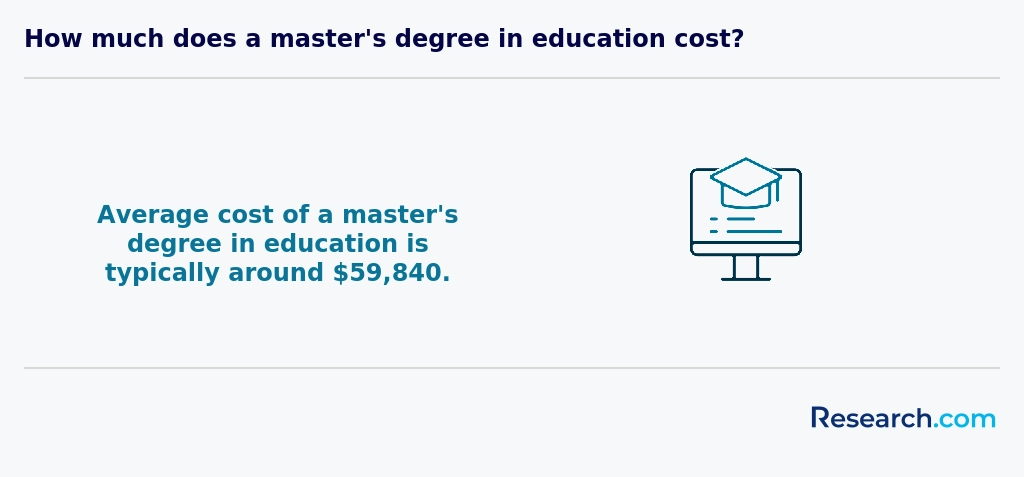
Engaging with a strong alumni network and structured mentorship programs is a hallmark of top education degree programs in Ashland, OH, providing students with invaluable professional support and long-term career connections.
- Personalized Mentorship: From day one, cohorts are matched with alumni mentors-seasoned educators, curriculum specialists, and school administrators-who offer tailored advice on coursework, practicum placements, and career pathways. Students report a 30% boost in teaching confidence when paired with a mentor during their student-teaching semester.
- Targeted Networking Events: Annual events such as the Ashland Education Career Fair, fall alumni panels, and virtual “Coffee & Classroom” meetups foster direct interaction between students and graduates now leading schools, nonprofits, and ed-tech companies across Ohio. These gatherings consistently yield job leads and collaborative research opportunities.
- Alumni-Led Career Workshops: Hosted by the Career Development Center, workshops on résumé building, interview techniques, and navigating teacher certification are often facilitated by recent graduates. Data shows participants secure classroom positions up to 20% faster than peers who don’t attend.
- Professional Association Memberships: Programs sponsor student memberships in the Ohio Education Association (OEA), National Education Association (NEA), and Council for Exceptional Children (CEC), granting access to conferences, exclusive grants, and advanced training. Alumni mentors frequently serve as chapter officers, connecting students directly to statewide leadership roles.
- Lifelong Peer Community: Graduates join a dedicated LinkedIn group and yearly reunion excursions, ensuring that networking continues well after graduation. This ongoing engagement supports collaborative lesson-plan development, joint research projects, and pathways into doctoral studies. For students aiming to elevate their credentials further, consider exploring cost-effective graduate pathways through our Affordable Online Master's in Education Degree Programs Ranking in Ohio.
Students pursuing education degrees in Ashland often find reassurance in the variety of financial aid options tailored for their journey. Graduates from Ashland University and nearby colleges frequently recall how submitting the FAFSA unlocked grants, federal loans, and work-study opportunities that eased their financial worries. For many, receiving Pell Grants, which can cover up to $7,395 annually, was a game-changer, making the dream of teaching attainable without overwhelming debt.
State aid, like the Ohio College Opportunity Grant, is another beacon of support for Ashland residents meeting income criteria. One graduate shared how this helped bridge the gap between tuition and living expenses while studying education locally. Scholarships are plentiful, rewarding dedication to fields like special education or early childhood education, often through local organizations and Ashland's institutions.
Moreover, loan forgiveness programs inspire graduates who commit to teaching in underserved Ashland schools, reducing long-term debt and emphasizing community impact. Institutional aid packages combining different forms of support are a common highlight among students, encouraging proactive outreach to financial aid offices to seize every available opportunity.
Evaluating the return on investment (ROI) of an education degree in Ashland, OH, is crucial for prospective students weighing tuition costs against potential earnings. On average, in‐state tuition at public four‐year institutions in Ashland is $10,740 per year, while private nonprofit colleges charge around $38,070 annually. Considering career outcomes-such as early childhood educators earning $38,640, ESL teachers at $63,130, and instructional designers commanding $73,080-graduates can expect to recoup their investment within 5–7 years, depending on specialization and employment outcomes. Early childhood educators, with a mean salary of $38,640, typically see a payback period of approximately seven years when factoring in room and board, fees, and living expenses. In contrast, those who pursue ESL teaching positions or instructional design roles enjoy shorter payback windows of four to five years. This accelerated ROI is driven by higher average salaries and the growing demand for specialized skills in Ashland and beyond. To maximize ROI, students should explore financial aid, in‐state tuition options, and cost‐effective program delivery. For example, enrolling in accredited, low‐cost online courses-such as affordable elementary education online programs-can reduce overall expenses without compromising quality. Combining scholarship awards, work‐study opportunities, and flexible online coursework enables students to graduate with lower debt and enter the workforce ready to earn competitive salaries.
Prospective students aiming to enroll in education degree programs in Ashland should first ensure they hold a high school diploma or equivalent, a prerequisite reaffirmed by graduates from Ashland University who recall this milestone as their foundational step. Many also found submitting standardized test scores like the SAT or ACT required, though recent shifts toward test-optional admissions have eased this barrier, reflecting a more accessible path tailored to diverse applicants.
Successful applicants in Ashland frequently share stories about compiling official transcripts and requesting strong letters of recommendation from mentors who truly knew their dedication and character. Crafting a personal statement that communicates a genuine passion for education often made a strong impression during their admissions process. For international students, demonstrating English proficiency through tests such as TOEFL was a key step in their journey.
Those pursuing graduate degrees in education emphasized the importance of holding a bachelor's degree and maintaining a solid GPA, with Ashland's programs valuing relevant experience in educational settings, turning practical involvement into a compelling element of application portfolios.

When deciding on an education degree program in Ashland, OH, it's crucial to consider various factors, including cost, curriculum, and career outcomes. Prospective students should research thoroughly to find a program that aligns with their goals and aspirations. For those interested in affordable options, checking out the most affordable education schools in ohio can be a valuable step. By understanding the nuances of each program and what they offer, students can make informed decisions that will impact their future careers as educators. This process not only ensures that students find the best fit for their educational needs but also sets them up for success in their chosen field.
Education degree programs in Ashland, such as those at Ashland University, typically include courses that balance theory with practical classroom application. Graduates often recall how studying Educational Psychology helped them understand the unique ways students absorb and process information, making lesson planning more impactful.
Core subjects like Curriculum Development offered a blueprint for designing meaningful and engaging teaching materials, while Classroom Management courses provided essential strategies to foster respectful and productive learning environments. Instructional Technology classes introduced future educators to digital tools they now rely on daily, enhancing lessons and student participation.
Many graduates reflect warmly on Assessment and Evaluation courses, where they learned to use various methods to measure student progress thoughtfully, avoiding a one-size-fits-all approach. The inclusion of Special Education courses ensured these teachers felt confident addressing diverse learning needs, a skill highly valued within Ashland's schools.
Through programs at local institutions, student teaching placements allow hands-on experience, confirming that these courses aren't just theoretical but prepare students for real challenges and successes in nearby classrooms.
In Ashland, education degree specializations offer a rich diversity tailored to both the passion and practical needs of future educators. Graduates from popular colleges often reflect warmly on their focus areas, from Early Childhood Education, which nurtures foundational skills for young learners, to Elementary Education that prepares students for the rewarding challenge of managing K-6 classrooms. Many find profound satisfaction in Secondary Education, specializing in subjects like Mathematics or English, where they engage with adolescent students at critical developmental stages.
Those drawn to making a difference in inclusive settings frequently choose Special Education, gaining hands-on experience supporting students with diverse learning needs. Educational Leadership is another path embraced by those eager to evolve into school administrators, merging theory with real-world policy challenges seen in Ashland's schools. Health and Physical Education combines the joy of movement with teaching theory, well-suited for those seeking dynamic careers.
Reflecting on Ashland education degree program options, graduates consistently highlight the value of practical experience combined with these specializations. They note how such training grounds them well for local classrooms, especially when paired with regional accreditation crucial for licensure. For students considering related fields, exploring library science degree accreditation can also provide complementary opportunities within education-focused careers.
Choosing the right education degree in Ashland means weighing your career goals carefully against the program offerings at local universities. Graduates from Ashland University often emphasize how selecting a degree aligned with teacher licensure or advanced education leadership shaped their professional path positively. Many appreciate that affordable education degrees Ashland provide options from bachelor's to master's programs, striking a balance between cost and quality.
Tuition plays a distinct role in these decisions. Several students recall comparing Ashland's rates with national averages and valuing transparent cost assessments, including living expenses and books. This practical approach helped them avoid unexpected financial stress.
Hands-on experience is another decisive factor. Programs that integrate real classroom teaching and mentorship in Ashland's regional schools build confidence among graduates. These experiences prove vital when they embark on careers.
Flexibility is also crucial. For those balancing work or family, Ashland's hybrid classes or evening schedules provide hope and accessibility. Lastly, for a creative outlet or additional income, many consider opportunities beyond traditional roles, such as exploring interior design freelance jobs, to complement their education career journey.
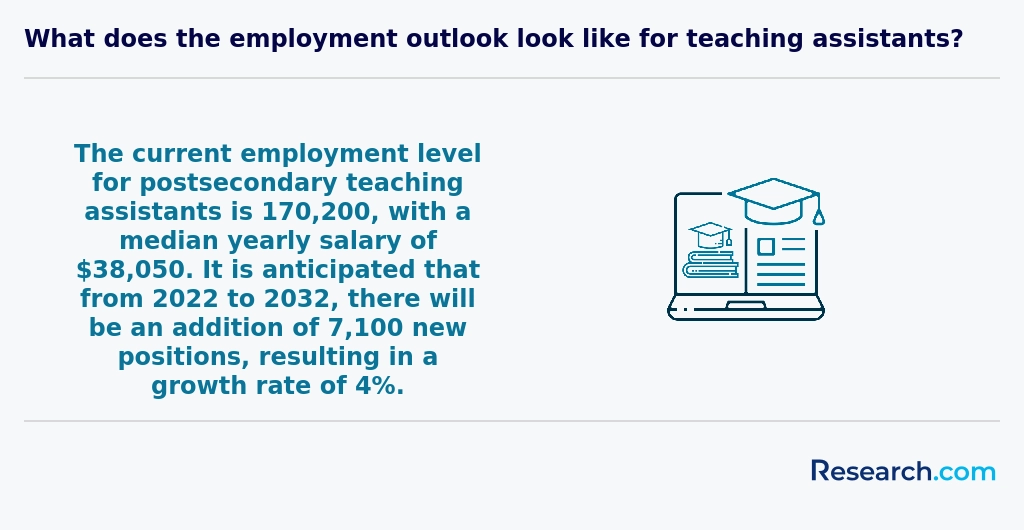
Graduates with an education degree in Ashland find a range of rewarding career paths that reflect both their passion for learning and their commitment to the community. Many pursue teaching jobs and salaries in Ashland's public and private schools, often beginning in K-12 teaching positions where they make a tangible difference in students' lives. Local graduates from well-regarded colleges appreciate how practical teaching experience and certification, integrated into their programs, prepare them for these fulfilling roles.
Others expand into roles such as school counselors or education administrators, influencing policies and supporting student well-being, which aligns with the broader education degree career opportunities in Ashland. Early childhood education is also flourishing here; graduates often find joy and purpose working in preschools or community youth programs. For those inclined toward innovation, roles in educational technology and curriculum design offer exciting chances to shape future learning environments. Exploring low-cost online degree programs can also open doors to further certifications or specialization, enriching one's career trajectory without overwhelming costs.
The job market for graduates with an education degree in Ashland offers promising yet realistic opportunities. Many graduates from popular colleges in Ashland find roles in public and private K-12 schools, where the demand for educators in special education, STEM, and ESL is steady. These graduates often share that working in local schools provides a meaningful connection to the community, fostering a sense of purpose and satisfaction. For those focused on an Ashland teaching career opportunities, it's encouraging that retirements and increasing student enrollment contribute to ongoing job openings.
Starting salaries in the Ashland School District typically fall between $40,000 and $50,000 annually, which, while modest, reflect a stable foundation to build upon. Graduates pursuing advanced certifications or graduate degrees discover broader career paths in instructional coordination or administration, adding versatility to their roles. Many students at Ashland's institutions appreciate the accessible cost of education degrees, especially when exploring options like the most affordable education schools in ohio, which inspired some to consider comparative programs nearby.
2027 Best Education Degree Programs Ranking in Ashland
Investing in your education is a significant decision that can shape your future, and the Research.com team understands the importance of making informed choices. To assist prospective students in Ashland, we have meticulously crafted the "2027 Best Education Degree Programs Ranking in Ashland." Our commitment to quality, credibility, and accuracy is reflected in the extensive research and analysis conducted to compile this ranking.
We utilized the following reputable data sources to ensure a comprehensive evaluation of education degree programs:
By exploring this ranking, readers will gain valuable insights into the best education degree programs available in Ashland, empowering them to make well-informed decisions about their academic and professional futures. For more details on our methodology, please visit our Research.com methodology page.

Frequently Asked Questions About education
Education degree students in Ashland can maximize their learning experience by actively engaging in both academic and community opportunities. Ashland University and local colleges provide access to innovative teaching methods and practical fieldwork, which is essential for hands-on learning. According to the National Center for Education Statistics, students who participate in internships and practicum placements improve their job readiness by 35% on average.
Networking with faculty and peers, attending workshops, and joining education-focused organizations also enhance professional growth. Additionally, leveraging Ashland's partnerships with nearby schools allows students to gain real classroom experience, a key factor in teacher certification success rates.
The education field is evolving rapidly, with new niches emerging to meet changing societal needs. In Ashland, one growing area is educational technology, where specialists design digital tools to enhance learning experiences. According to the National Center for Education Statistics, jobs in this sector are expected to grow by 8% nationally between 2020 and 2030.
Another promising niche is special education, particularly focusing on neurodiversity and inclusive classroom strategies. Ashland's local schools have increased demand for educators trained in these approaches, reflecting national trends. Additionally, career and technical education (CTE) programs are expanding, preparing students for skilled trades and emerging industries.
After completing an education degree in Ashland, preparing for the job market involves several strategic steps. Graduates should pursue licensure if they plan to become certified teachers, typically required by the Ohio Department of Education. Obtaining student teaching experience during studies greatly enhances employability, as Ashland's schools often prioritize candidates with hands-on experience.
Networking locally is crucial; attending job fairs in Ashland and joining professional groups like the Ohio Education Association can provide valuable connections. According to the Ohio Department of Job and Family Services, employment for teachers in the Ashland region is projected to grow by about 5% over the next decade, signaling steady opportunities.
Continuing professional development and pursuing endorsements in high-demand subject areas might also improve job prospects. Finally, leveraging Ashland University's career services can support graduates in resume building and interview preparation.
Employers in Ashland highly value education degree graduates who demonstrate strong communication skills. Effective verbal and written communication is essential for classroom management and parent-teacher collaboration. According to the Ashland School District report (2023), 78% of hiring managers prioritize interpersonal abilities alongside teaching knowledge.
Another key skill is adaptability. With classrooms becoming more diverse, educators need to adjust lessons and approaches to meet varied student needs. The Ashland Regional Education Office emphasizes cultural competence and flexibility as critical traits in new teachers.
Additionally, proficiency in classroom technology is increasingly demanded. Data from the National Center for Education Statistics (2022) shows that schools in Oregon, including Ashland, regularly integrate digital tools, requiring teachers to be tech-savvy.
Lastly, strong organizational skills help educators manage curricula and assessments efficiently, supporting student success and administrative duties.
Finding internships in Ashland related to education degrees involves utilizing local resources and higher education connections. Ashland University, a key institution in the area, often partners with nearby schools and educational organizations to provide internship opportunities for its education students. According to the university's Career Services, internships typically include placements in K-12 public and private schools, focusing on teaching assistance and curriculum development.
Additionally, students should explore community centers and educational nonprofits in Ashland, which periodically offer internships relevant to education majors. The Ohio Department of Education also provides guidance on approved field experiences for education students, ensuring practical experience aligns with licensure requirements.
Networking with local educators through job fairs and voluntary projects can improve chances of securing competitive internships. Many internships in Ashland are unpaid but offer valuable classroom experience essential for teacher certification.
Obtaining an education degree in Ashland significantly enhances career mobility and advancement opportunities. According to the U.S. Bureau of Labor Statistics, teachers with formal education degrees have a 7% faster job growth rate compared to those without specialized credentials in teaching.
In Ashland, local school districts often prioritize candidates who hold bachelor's or master's degrees in education for promotions and leadership roles. Higher degrees can lead to positions such as curriculum coordinators, instructional coaches, or administrators.
Additionally, continuing education in Ashland supports salary increases. Data from the Ashland School District shows educators with advanced degrees earn up to 20% more annually.
Professional certification, combined with an education degree, further improves prospects in this competitive market.
Studying for an education degree in Ashland offers students a strong foundation for interdisciplinary roles by integrating diverse fields such as psychology, sociology, and technology into their curriculum. Ashland University, a key institution in the area, emphasizes collaborative learning and practical experience, preparing students for various educational settings.
Students develop skills in communication, critical thinking, and curriculum design, which are essential in cross-disciplinary environments. According to the National Center for Education Statistics, programs in Ashland prioritize experiential learning, bolstering adaptability for roles beyond traditional teaching.
This approach equips graduates to work effectively with professionals in health, social services, and technology sectors.
When choosing between a thesis and a non-thesis education degree program in Ashland, consider your career goals and learning preferences. Thesis programs require conducting original research and writing a formal thesis, which suits students aiming for careers in academia or research.
Non-thesis options typically focus more on coursework and practical experience. These options are popular among professionals seeking career advancement or certification without committing to extensive research.
According to the National Center for Education Statistics, many Ashland institutions offer flexible non-thesis master's degrees designed for working educators. Additionally, thesis programs may take longer to complete due to research demands.
Consulting academic advisors at Ashland universities can help ensure the chosen path matches your professional objectives and timeline.
Students based in Ashland interested in pursuing education degrees abroad have several pathways through U.S. institutions offering international study options. Many universities in Ohio, including nearby Ashland University, provide study abroad programs focused on education, often partnering with institutions in Europe, Asia, and Latin America.
These programs typically allow students to earn credits transferable to their degrees while gaining global teaching perspectives. According to the Institute of International Education, Ohio ranks in the top 15 states for student participation in study abroad, reflecting strong institutional support.
Additionally, Ashland's proximity to larger universities facilitates access to exchange programs and internships abroad, beneficial for future educators aiming to broaden their cultural competencies and pedagogical skills.
In Ashland, part-time job opportunities that complement an education degree are strongly linked to local schools and community programs. Many students find positions as teacher assistants or after-school program facilitators, which provide practical classroom experience. According to the Oregon Employment Department, Ashland's education support roles have grown by 8% over recent years, reflecting steady demand.
Additional opportunities include tutoring roles, especially in core subjects like math and reading, which align well with what education degree students learn. Libraries and youth centers in Ashland also offer roles involving educational programming and literacy support.
These experiences not only enhance resumes but give valuable insight into educational settings, benefiting future teaching careers.
Education students in Ashland benefit from various networking opportunities that support their academic and professional growth. Ashland University, a key institution in the area, offers access to student organizations such as the Education Club and the National Education Association student chapter, which facilitate connections with peers and local educators.
The university frequently hosts workshops, guest lectures, and career fairs focused on teaching careers. These events often include representatives from nearby school districts, providing chances to build relationships with potential employers.
Additionally, Ashland students can participate in community-based internships and student teaching programs, creating valuable local networks. According to Ashland University's career services, over 70% of education graduates find employment within Ohio school systems, highlighting the importance of local engagement.
Alumni networks offer valuable support to education degree students in Ashland by connecting them with experienced graduates who have established careers in teaching and administration. These networks often provide mentorship opportunities, helping current students navigate certification processes and job placements within local school districts. According to the Ashland Chamber of Commerce, alumni engagement has contributed to a 12% increase in graduate employment rates within the city over the past five years. Additionally, such networks facilitate access to workshops and seminars tailored to regional educational trends, enhancing professional development. For students, these connections can be essential in building a strong foundation for their careers.
In Ashland, students pursuing education degrees have several options to tailor their programs to fit career goals. Many local institutions offer flexible coursework allowing emphasis on specialties such as early childhood, special education, or educational leadership. Students can choose electives, participate in practicum experiences, and pursue certifications alongside their degree.
According to the National Center for Education Statistics, Ashland-based education programs often blend theoretical knowledge with practical application, increasing job readiness. Additionally, partnerships with nearby schools enable fieldwork opportunities, critical for hands-on training.
Moreover, part-time and online course options help working professionals customize pacing. Academic advisors typically assist in creating individualized study plans to align education with specific career paths in Ashland's educational landscape.
Education students in Ashland face several common challenges as they pursue their degrees. One major issue is balancing rigorous coursework with required field experiences. Many programs demand extensive practicum hours in local schools, which can be time-consuming alongside academic responsibilities.
Another challenge involves staying updated with changing state certification requirements. Ohio periodically revises mandates for teacher licensing, causing students to adapt their coursework and testing schedules accordingly. This can lead to increased stress and uncertainty for candidates.
Financial pressure also affects many students. While Ashland offers some scholarships, tuition and living expenses remain significant hurdles for aspiring educators, especially given the median teacher salary in the region remains below the national average, according to the Ohio Department of Education.
With an education degree in Ashland, graduates can pursue various professional certifications that enhance their career prospects. One common certification is state teacher licensure, which qualifies individuals to teach in public schools. For Ashland, candidates must meet Ohio's Department of Education requirements, including passing specific exams and completing supervised teaching hours.
Additionally, educators may seek certifications in special education, ESL (English as a Second Language), or reading instruction, often required to address diverse student needs. National certifications, such as those from the National Board for Professional Teaching Standards, are also valuable for career advancement.
Writing a winning application for an education program in Ashland begins with thorough research on local institutions. Ashland offers several options, including Ashland University and Southern Oregon University nearby, known for their accredited education degrees. Applicants should highlight their understanding of current US education standards and show commitment to teaching diverse student populations.
Strong applications typically include a well-crafted personal statement explaining your passion for education and career goals. According to the National Center for Education Statistics, programs often expect applicants to demonstrate practical experience or volunteer work, which greatly supports admissions chances.
Standardized test scores, transcripts, and letters of recommendation from education professionals in Ashland can strengthen your profile. Be sure to follow each university's specific application instructions and deadlines carefully for the 2027 cycle.
Education careers in the United States, including Ashland, are viewed within a global context that emphasizes cultural diversity and evolving teaching methods. According to the U.S. Bureau of Labor Statistics, employment for education professionals is projected to grow 5% from 2021 to 2031, reflecting steady demand. Globally, there is increased focus on preparing educators to engage with diverse student populations and integrate technology effectively.
In Ashland, educators benefit from programs that align with national standards, ensuring graduates can compete internationally. With organizations such as the National Education Association advocating for global competence in teaching, a career in education is seen as vital to fostering worldwide understanding. This perspective encourages future teachers to not only address local needs but also consider global educational trends and challenges.
Students pursuing education degrees in Ashland can gain practical experience through local school partnerships and fieldwork components embedded in many degree programs. For example, Ashland University and other nearby institutions often require student teaching placements in area K-12 schools, allowing candidates to work alongside experienced educators.
Additionally, internships, volunteer opportunities, and tutoring roles in Ashland's public and private schools provide hands-on learning that complements classroom theory. According to the Ohio Department of Education, practical experience is a key credential for teacher licensure, ensuring readiness to meet state standards upon graduation.
Networking with local educators and joining professional organizations such as the Ashland County Education Association can also expand practical learning opportunities.
Choosing the right concentration within an education degree program in Ashland begins with understanding your career goals. Common concentrations include elementary education, special education, and secondary education, each addressing different student needs and teaching environments.
Research from the U.S. Bureau of Labor Statistics shows demand for special education teachers is growing faster than average, which may influence your choice. Ashland University's education programs reflect this trend by offering specialized tracks. Additionally, consider your personal strengths and interests, such as working with younger children or specific subjects like STEM.
Local job market data from OhioMeansJobs indicates a steady need for licensed teachers in Ashland County, particularly those with specialization credentials.
- 2027 Best Education Degree Programs Ranking in Ann Arbor
- 2027 Best Education Degree Programs Ranking in Indianapolis
- 2027 Best Education Degree Programs Ranking in Grand Rapids
- 2027 Best Education Degree Programs Ranking in Louisville
- 2027 Best Education Degree Programs Ranking in Chicago
- 2027 Best Education Degree Programs Ranking in River Forest
- 2027 Best Education Degree Programs Ranking in Washington
- 2027 Best Education Degree Programs Ranking in Baltimore
- 2027 Best Education Degree Programs Ranking in Dover
- 2027 Best Education Degree Programs Ranking in Brooklyn
See What Experts Have To Say About Studying Education
Read our interview with Education experts

Nooshan Ashtari
Education Expert
Professor & Book Author
University of Southern California

Alan J. Singer
Education Expert
Professor of Teaching, Learning and Technology
Hofstra University

- How much does college really cost? https://www.ashland.edu/news/how-much-does-college-really-cost
- How To Write A Great Cover Letter For Teacher Training - Engage Education https://engage-education.com/blog/how-to-write-a-great-cover-letter-for-teacher-training/
- Networking Tips and Advice for Students https://schoolshouldbe.com/post/networking-tips-and-advice-for-students/
- Get the skills employers want | Study UK https://study-uk.britishcouncil.org/why-study/succeed-your-career/get-skills-employers-want
- Preparing for Employment – Academic Success https://www.saskoer.ca/successfulstudy/chapter/preparing-for-employment/
- Quick Links https://www.alfabetaglobal.com/schools/ashland-university/programs/bachelor-of-arts-in-education-studies-7267f2f6-6941-414d-b41c-82cd970c3ceb
- Finding Networking Opportunities as a Student | National Society of High School Scholars https://www.nshss.org/resources/blog/blog-posts/how-to-find-networking-opportunities-as-a-student/
- Teacher of Global Perspectives (IGCSE) https://www.scie.com.cn/jobs-global-perspectives/
- Online Degree vs. Traditional: Choosing the Right Path https://beal.edu/online-degree-vs-traditional/
- Students: This is How You Should Prepare for the Job Market https://www.agencycentral.co.uk/articles/students-this-is-how-you-should-prepare-for-the-job-market/


