
2027 Most Valuable Online Bachelor's in Early Childhood Education Degree Programs Ranking in California

Co-Founder and Chief Data Scientist
Choosing the right online bachelor's degree in early childhood education can shape your future and impact the lives of young learners. This article presents the 2027 Most Valuable Online Bachelor's in Early Childhood Education Degree Programs Ranking in California, developed by the Research.com team of data scientists. It's designed to help students in California make informed decisions about the best programs to pursue.
By exploring this ranking, you'll uncover valuable insights that highlight quality programs offering strong career potential. Taking this step can open doors to meaningful work in education and personal growth.
Key benefits of getting online early childhood education degree in California
- The average salary for early childhood education professionals in the U.S. ranges from $30,000 to $50,000 annually, offering a rewarding career with steady income potential.
- Graduates from California State University, Long Beach often pursue roles as preschool teachers, childcare center directors, or early intervention specialists, showcasing diverse career options in the state.
- Online degrees from institutions like the University of California, Irvine allow flexible schedules and lower costs, making education accessible while balancing work or family life.
What can I expect from online early childhood education degree in California?
The average cost of earning an online early childhood education degree in California dances between affordability and value, typically landing somewhere between $5,000 and $15,000 per year at popular institutions like California State University or University of California campuses offering such programs. Graduates often recall juggling work, family, and studies with relief, thanks to the flexible pacing and reduced expenses-no daily commute, no pricey campus housing. One remembers how the saved coffee runs and transit fares stacked up, turning what seemed like a financial stretch into an achievable dream.
Financial aid, such as Cal Grants, often cushions the investment, making it feel less like a sacrifice and more like a smart step toward a fulfilling career. For many, what makes the expense worthwhile isn't just the tuition, but the seamless blend of online coursework with practical field experiences right in their communities-experiences that kindle joy and confidence in shaping young minds without breaking the bank.
Where can I work with online early childhood education degree in California?
Picture yourself stepping out of a vibrant Zoom class from a well-known California university, diploma in hand, ready to shape little minds. Graduates with online early childhood education degrees often find their workdays unfolding in bustling preschools or cozy child care centers sprinkled across California's towns and cities. They hold a Child Development Teacher Permit, a golden key that unlocks doors to licensed programs where they nurture curiosity and spark joy in children's eyes.
Take, for instance, the stories from grads who landed roles at Head Start programs, blending warmth and creativity to champion school readiness. Others dive into early intervention, partnering with Regional Centers under the California Department of Developmental Services, where they bring tailored support to children with special needs-transforming challenges into heartwarming breakthroughs.
With a bachelor's, some carve out paths as program directors or curriculum specialists, steering the future of early education from behind the scenes. And for those craving an expanded horizon, California's Department of Education offers pathways to become licensed kindergarten or elementary educators-where classrooms become stages for lifelong dreams to launch.
How much can I make with online early childhood education degree in California?
Graduates from California's well-regarded online early childhood education programs, like those offered at California State University campuses, often step into roles where the paycheck reflects their passion and perseverance. Imagine a recent graduate landing a preschool teaching position in Los Angeles, earning about $40,000 annually, a solid start infused with the excitement of shaping young minds.
Push a bit further, and that same graduate who advanced to a lead teacher or instructional coordinator role sees their income leap to between $50,000 and $70,000. This wage bracket mirrors the hustle and heart required to design engaging curriculums and lead classrooms effectively, not far off from what the top 10% of preschool educators enjoy according to state reports.
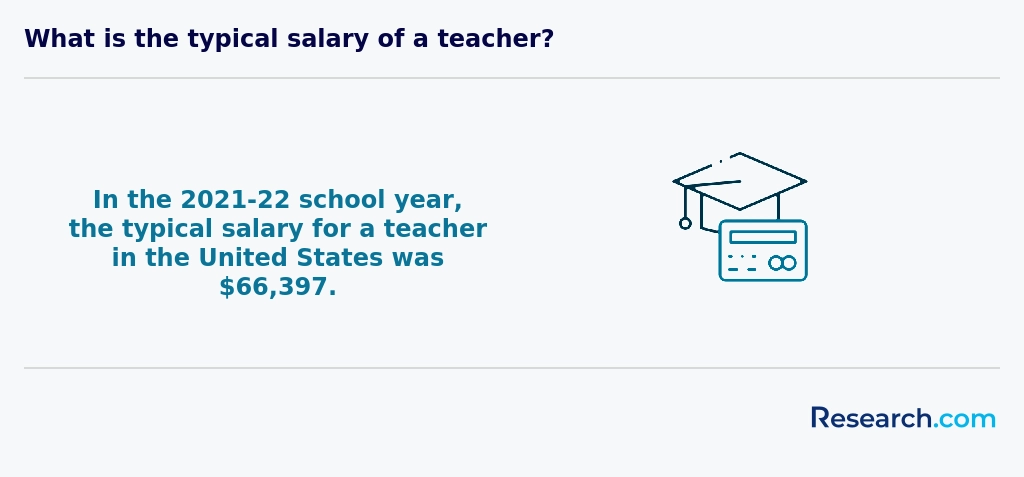
In vibrant urban settings like San Francisco or San Diego, this financial growth feels tangible as higher living costs come with richer rewards. Graduates pursuing kindergarten teaching in the public schools find a rewarding jump, earning around $77,000, blending their love for early education with steady financial security. The journey from student to educator here is real, relatable, and rewarding.
- Key benefits of getting online early childhood education degree in California
- What can I expect from online early childhood education degree in California?
- Where can I work with online early childhood education degree in California?
- How much can I make with online early childhood education degree in California?
- How do we rank schools?
- 2027 Most Valuable Online Bachelor's in Early Childhood Education Degree Programs Ranking in California
- What online early childhood education degree graduates have to say
- Key Findings
- How long does it take to complete online early childhood education degree in California?
- What's the difference between online and on-campus early childhood education degree?
- What is the average cost of online early childhood education degree in California?
- What financial aid is available to online early childhood education degree students in California?
- What are the prerequisites for enrolling in online early childhood education degree program in California?
- What courses are typically in online early childhood education degree programs in California?
- What types of specializations are available in online early childhood education degree programs in California?
- How do you choose the best online early childhood education degree in California?
- What career paths are available for online early childhood education degree students in California?
- What is the job market for online early childhood education degree in California?
- Frequently Asked Questions About early childhood education
- Top Trending Early Childhood Education Rankings
How do we rank schools?
Investing in your education is a significant decision that can shape your future, and the Research.com team understands the importance of making informed choices. To assist prospective students in California, we have carefully developed the "2027 Most Valuable Online Bachelor's in Early Childhood Education Degree Programs Ranking in California." Our dedication to quality, credibility, and accuracy is demonstrated through thorough research and analysis used to create this ranking.
We utilized the following reputable data sources to ensure a comprehensive evaluation of early childhood education programs:
By exploring this ranking, readers will gain valuable insights into the most valuable online bachelor's programs in early childhood education available in California, enabling them to make well-informed decisions about their educational pathways. For more information on how this ranking was created, please visit our Research.com methodology page.
2027 Most Valuable Online Bachelor's in Early Childhood Education Degree Programs Ranking in California
# 1 position
University of Massachusetts Global
Bachelor
University of Massachusetts Global offers a Bachelor's degree focused on Early Childhood Education and Education. The program has a graduation rate of 43% and an average total cost of $60,000. Approximately 59% of students benefit from mid-level financial aid, making this program more accessible to many who seek education careers.
# 2 position
National University
Bachelor
National University offers a Bachelor's degree focused on Early Childhood Education and Education, with a graduation rate of 43%. The program's average total cost is $299,700. A significant majority of students, 84%, receive financial aid, indicating high aid levels. The university enrolls 20,886 online students, providing extensive access to distance education opportunities.
# 3 position

Vanguard University of Southern California offers a Bachelor's degree focused on Early Childhood Education and Education. The program has a graduation rate of 57%, indicating a moderate completion success. It features a less selective acceptance rate of 62%, making admission accessible to many applicants. All students receive a high level of financial aid, with 100% benefiting from assistance. Additionally, 262 students are enrolled in the program online, providing flexible learning options.
What online early childhood education degree graduates have to say
- "The flexibility offered by California State University, Long Beach allowed me to balance family life while advancing my career. The interactive online classes made learning early childhood education engaging and practical. I felt supported every step of the way." - Emily
- "Studying early childhood education at University of Southern California online gave me access to expert faculty and cutting-edge resources. The coursework challenged me intellectually and inspired me to make a real difference in young children's lives." - Marcus
- "National University's online program suited my busy schedule perfectly. The real-world applications and community-focused curriculum helped me grow as both an educator and a person. I'm grateful for how accessible and supportive the entire experience was." - Sofia
Key Findings
- Online early childhood education degrees in California cost between $15,000 and $40,000, with public universities generally offering lower tuition for in-state students.
- Employment for preschool and kindergarten teachers in California is projected to grow by about 12% from 2022 to 2032, faster than average for all jobs.
- Starting salaries for early childhood educators in California average between $38,000 and $42,000 annually.
- Experienced teachers and those in administrative roles can earn up to $54,000 per year.
- Many programs align with California's Child Development Permit Matrix to help students qualify for state-licensed early care jobs.
- Online programs often offer flexible, asynchronous courses with local practicum options to accommodate working students and parents.
How long does it take to complete online early childhood education degree in California?
Picture starting with an associate degree in early childhood education at a California community college like Santa Monica College, where two years of full-time study pack in foundational lessons on child development and classroom magic. Graduates recall juggling weekend playdates with online lectures, appreciating the swift, focused path to their credentials.
Move ahead to a bachelor's degree at a CSU campus such as Sacramento State, where the journey unfolds over about four years. Students speak fondly of weaving curriculum design and family engagement theories into their daily rhythms, often balancing work, life, and study through flexible online schedules. Some opt for part-time tracks, gently stretching their learning over five years but savoring the deeper connection to their field.
One graduate remembers accelerating summer terms, slicing down the typical timeline while gaining hands-on practicum experience. For many Californians in online programs, the journey feels like crafting a personalized adventure, where pacing meets passion, and every click brings them closer to nurturing young minds.
What's the difference between online and on-campus early childhood education degree?
Picture a recent graduate from a well-known California State University juggling diaper changes and lesson plans, attending an online early childhood education degree while her toddler naps. The flexibility of online classes-streamed lectures, digital discussions, and submitting assignments from the kitchen table-helps her conquer coursework without sacrificing family time. Meanwhile, her peer at a traditional campus like UCLA thrives on the buzz of face-to-face classes, lively study groups in the library, and quick chats with professors during office hours.
Both paths cover the same core skills mandated by California's Commission on Teacher Credentialing, but the landscapes feel worlds apart. Online students appreciate skipping the commutes that dot the busy Bay Area or Los Angeles, freeing time and cutting costs, while on-campus students enjoy hands-on practicums in nearby early childhood centers, building local connections over coffee after class.
- Cost savings come from avoiding extra campus fees and housing; technology fees may apply online.
- Networking happens in virtual forums for online learners, and spontaneous campus meetups for those on campus.
- Fieldwork arrangements often feel more seamless on campus due to existing partnerships with local childcare centers.
California's early childhood education scene is vibrant and diverse, whether you're logging in from a quiet home office or soaking up the energy of a sunny campus quad.
What is the average cost of online early childhood education degree in California?
Imagine a graduate from a well-known California public university, juggling a busy schedule but feeling the thrill of affordable education. For online early childhood education degrees in California, the average price tag typically dances around $21,000 to $60,000 total. This range captures tuition at public universities, community colleges, and private institutions. Public schools, a favorite among in-state students, often offer online bachelor's programs for roughly $7,000 to $12,000 per year-making the dream of a degree feel closer than ever.
A community college attendee might smile at the surprisingly gentle price, usually between $1,500 to $3,000 annually, often paving a path by transferring credits to a four-year university. Private universities, enchanting with their prestige and resources, generally ask for higher tuition, roughly $20,000 to $35,000 yearly, which many graduates say is worthwhile for tailored support and networking opportunities.
One graduate of a popular early childhood education program in California mentioned how financial aid, including federal grants and state scholarships, transformed an intimidating bill into manageable steps. Especially when considering additional expenses like course materials and technology fees, smart budgeting becomes an essential skill.
Students dreaming of this path should also explore articulation agreements that ease credit transfers, lowering costs and time invested. For those curious about related fields, exploring the masters child and adolescent mental health programs can open new doors. With careful planning, the average cost online early childhood education degree California programs offer becomes not just an obstacle but a gateway to a fulfilling career.

What financial aid is available to online early childhood education degree students in California?
Imagine a graduate from a well-known California State University juggling late-night study sessions while their FAFSA application unlocks a treasure chest of federal aid-grants, loans, and work-study gigs. The Pell Grant often steps in as a silent hero, offering up to $7,395 to ease the financial weight without the dread of repayment. Meanwhile, Cal Grant emerges as the golden ticket for residents, funneling as much as $12,630 in annual support, making the dream of an online early childhood education degree at places like Sacramento State or San Diego State truly attainable.
Picture another student tapping into scholarships from the California Child Care Resource & Referral Network, funds that feel like a pat on the back for their dedication to nurturing young minds. Institutional aid from community colleges and state universities often acts as a safety net, while local districts entice graduates with loan forgiveness or tuition reimbursement if they commit to teaching in their communities.
Work-study roles add a dash of real-world experience, letting learners earn while they forge their futures. Though loans linger as an option, the brisk median salary of $39,000 means many approach borrowing with cautious optimism, carefully mapping out repayment journeys from campuses like CSUN or CSU Long Beach.
What are the prerequisites for enrolling in online early childhood education degree program in California?
To step into the world of online early childhood education degrees in California, imagine preparing for a journey where a high school diploma or GED is your sturdy launchpad. Graduates from programs like those at California State University campuses often share how this basic credential felt like the key that unlocked doors to deeper learning.
Next, you might be asked to share proof of secondary education and possibly test scores-though many schools are now waving goodbye to that requirement, embracing test-optional paths to welcome diverse talents ready to nurture young minds.
Think of a graduate who recalls the background check as a "small but meaningful rite of passage," a way to build trust and keep children safe, echoing California's strong commitment to protective measures before fieldwork begins.
English proficiency can also be a stepping stone-whether through TOEFL or IELTS-especially if English isn't your first language. This ensures every voice can blossom clearly in classrooms and discussions.
Some students find their volunteer hours or childcare jobs become cherished chapters of their story, turning experience into confidence. At institutions known across California for early childhood education, these prerequisites aren't hurdles but invitations into a community eager to shape the future with heart and knowledge.
What courses are typically in online early childhood education degree programs in California?
Diving into an online early childhood education degree in California unwraps a tapestry of courses that truly resonate with the heartbeat of nurturing young minds. Imagine a graduate from a renowned California university, reflecting on their journey through Child Development, where they unraveled the mysteries of cognitive leaps and emotional waves experienced by children up to age eight-feeling empowered to recognize milestones like a parent spotting their child's first smile.
In courses like Early Childhood Curriculum and Instruction, students craft playful, engaging lesson plans, envisioning a classroom bursting with curiosity and laughter, much like those designed by passionate learners at popular state colleges. Hands-on assignments in Classroom Management and Guidance transform virtual theory into real-world tactics, enabling graduates to foster harmony in diverse early learning environments.
Courses addressing Family and Community Engagement remind students of the vital threads tying education to culture and home life-a graduate recalls how collaborating with families emphasized trust and mutual growth. Health-conscious lessons in Health, Safety, and Nutrition create a safety net for wellbeing, a knowledge invaluable amid California's diverse childhood communities. Finally, mastering Assessment and Observation Techniques equips educators to celebrate each child's unique journey, inspiring confidence and joy in every step.
What types of specializations are available in online early childhood education degree programs in California?
Vivid specializations in online early childhood education degrees in California transform theoretical learning into tangible impact. Graduates from famed institutions like California State University often share how diving into Child Development and Psychology unlocked doors to understanding tiny minds bursting with potential, turning every lesson into a journey of discovery. Meanwhile, those attracted to Curriculum Design craft playful yet purposeful learning adventures, tailoring lessons that children in vibrant San Francisco classrooms eagerly embrace.
Among popular tracks, Special Education resonates deeply, empowering students to champion inclusivity within diverse communities, a passion frequently fueled by internships at Los Angeles-based early learning centers. Family and Community Engagement specializations spark meaningful connections, often inspired by stories from graduates who witnessed the power of bridging home and classroom in Bay Area neighborhoods.
For aspiring leaders, Administration and Leadership molds future directors of childcare hubs, enriched by real-world fiscal and policy challenges faced at notable California community colleges. These dynamic options make California online early childhood education degree options distinctly adaptive to students' dreams, supported by resources and practical experience that animate their career pathways. For those seeking financially accessible routes, exploring the cheapest online school psychology programs can complement their specialization journey.
How do you choose the best online early childhood education degree in California?
Choosing the best online early childhood education degree in California means diving into the vibrant intersection of culture, flexibility, and accreditation. Imagine graduating from a well-known university like CSU or UCLA's program, where the curriculum isn't just theory-it's a living, breathing guide tailored to California's diverse classrooms. Graduates often share how focusing on culturally responsive teaching prepared them to connect deeply with kids from all walks of life.
Budget-wise, affordability matters. Those hunting for the best online early childhood education programs California has to offer balance cost with quality; tuition ranges widely, so investigating financial aid or scholarships can turn dreams into doable paths. Many students praise programs that accommodate their hustle with asynchronous courses, making juggling childcare or jobs less stressful.
One grad's journey highlighted how programs advocating state licensing and permit alignment turn confusing processes into clear next steps. To find truly affordable options, check out the cheapest online doctoral programs in education as inspiration for manageable investment choices.
What career paths are available for online early childhood education degree students in California?
Graduates of online early childhood education degrees in California often find themselves stepping into roles that feel both profoundly impactful and joyously creative. Imagine guiding a bustling preschool class or shaping curricula that spark wonder in tiny minds-these are the daily realities for many educators from well-regarded California institutions. Some graduates embrace the path of preschool or daycare teachers, where nurturing social-emotional growth feels like planting seeds for lifelong learning. Others venture into elementary school classrooms as teaching aides, providing essential support behind the scenes. These early childhood education careers in California draw on the state's commitment to quality learning environments, especially as inclusive classrooms expand.
For those seeking a deeper challenge, there's the rewarding journey of becoming an early intervention specialist or special education teacher, working closely with children needing tailored growth plans. Meanwhile, leadership roles such as center directors or administrators offer chances to shape entire programs, blending compassion with management skills. Alongside these paths, some graduates turn to curriculum development or family support-vital roles that elevate statewide education quality. For vibrant, flexible pathways to impact, don't overlook programs found through resources on the cheapest EdD online programs, connecting ambition with affordability in California's evolving educational landscape.
What is the job market for online early childhood education degree in California?
Graduates with an online early childhood education degree in California step into a landscape buzzing with opportunity as the state's demand for qualified educators blooms alongside its diverse population. Imagine a recent graduate from a popular California community college, energized and ready to join a vibrant childcare center in Los Angeles, where every day brings new chances to shape young minds. These online programs, known for blending flexibility with quality, connect students from all over the state to real-world roles in preschools and early intervention programs, proving the California early childhood education career outlook is brighter than ever.
The growing preference for bachelor's degrees in California means more doors open to higher-paying and leadership positions. Many graduates from well-known public universities share stories of swiftly advancing through roles in elementary school districts, supported by credentials aligned with the state's Early Childhood Education permits. The salary boost feels especially rewarding when paired with the joy of nurturing growth in diverse communities.
Cost-conscious students often combine affordability with quality by exploring paths through community colleges or public universities. For those seeking specialized credentials, it's wise to consider bacb accredited schools that complement early childhood education studies, further expanding career horizons. This landscape ensures that online early childhood education jobs California graduates pursue not only fulfill financial needs but also ignite passion and purpose.
Frequently Asked Questions About early childhood education
Students pursuing online early childhood education degrees in California can enhance their learning experience by actively engaging with course materials and participating in virtual discussions. Research from the California Department of Education shows that hands-on practice significantly improves understanding in this field. Thus, enrolling in programs offering supervised fieldwork or practicum components is beneficial.
Using California-specific early childhood frameworks, such as the California Preschool Learning Foundations, helps students apply theory to local educational standards. Students should also take advantage of online resources and networks, including professional organizations like the California Association for the Education of Young Children, to stay current with industry trends.
Emerging niches within early childhood education reflect growing societal needs and innovations. In California, there is an increasing focus on bilingual education, driven by the state's diverse population. Programs specializing in dual-language development are gaining traction, preparing educators to support young learners in multiple languages.
Another notable niche is technology integration. Early childhood educators are now trained to use digital tools effectively, enhancing interactive learning while addressing screen time concerns.
Special education is also expanding, with growing demand for specialists who work with children facing developmental delays or disabilities. According to the California Department of Education, nearly 10% of preschoolers receive special education services, underscoring this need.
Additionally, outdoor and nature-based education is rising in popularity, as research highlights its benefits for early development. These niches offer promising career paths for students pursuing online degrees in California's evolving early childhood education landscape.
After completing an online early childhood education degree in California, preparing for the job market involves several key steps. First, graduates should pursue state-required credentials such as the Child Development Permit, which is essential for many teaching positions in California. This permit aligns with the California Commission on Teacher Credentialing standards.
Building practical experience through internships or volunteer work in early childhood settings strengthens resumes and improves employment prospects. According to the California Department of Education, the demand for qualified early childhood educators is expected to grow by 15% through 2030.
Networking with professionals and joining organizations like the California Association for the Education of Young Children can provide job leads and professional development. Additionally, staying updated on California's licensing requirements and participating in ongoing training ensures competitiveness in this evolving field.
Employers in California highly value graduates with strong communication skills, crucial for engaging effectively with young children, parents, and colleagues. According to the California Department of Education, interpersonal abilities support creating a positive learning environment for diverse communities.
Additionally, knowledge of child development theories and practical application is essential. Graduates who understand age-appropriate teaching strategies demonstrate readiness for real-world classroom challenges, aligning with state early learning guidelines.
Competency in creating inclusive lesson plans for children with special needs is increasingly important, reflecting California's commitment to equity in education. Data from the U.S. Bureau of Labor Statistics highlights that adaptable and culturally responsive educators are in growing demand.
Finally, strong organizational and classroom management skills help maintain a structured and safe environment, which employers often cite as a top priority when hiring early childhood educators in California.
Finding internships in California for an early childhood education degree involves leveraging local resources and education networks. Many universities with online programs collaborate with community preschools and childcare centers to offer placement opportunities.
The California Early Childhood Mentor Program and regional Child Development Training Consortia often assist students in locating quality internships. Additionally, the California Department of Education offers a statewide directory of licensed child care centers, which can be a useful starting point for outreach.
Networking through professional organizations like the California Association for the Education of Young Children (CAAEYC) further supports internship placement. According to the California Child Care Portfolio, approximately 50,000 early childhood educators work in the state, indicating a broad internship market.
Persistence in contacting local centers and utilizing university career services is essential to secure relevant field experience.
Obtaining an online early childhood education degree in California significantly enhances career mobility and advancement opportunities. The California Department of Education highlights that professionals with a bachelor's degree in early childhood education earn higher salaries and have access to leadership roles compared to those with only a certificate or associate degree.
Additionally, California's strong demand for qualified early childhood educators-driven by state initiatives to improve childcare quality-means degree holders can pursue positions such as program directors, curriculum specialists, or education consultants.
According to the Bureau of Labor Statistics, employment for preschool teachers in California is projected to grow 10% from 2022 to 2032, signaling robust job opportunities for graduates.
Online degrees offer flexibility, allowing working professionals to upskill without disrupting their current employment, which supports continuous career development.
Studying for an early childhood education (ECE) degree in California offers strong preparation for interdisciplinary roles by integrating knowledge from multiple fields. Programs emphasize child development, family dynamics, health, and educational psychology, allowing graduates to work alongside social workers, healthcare professionals, and educators.
California's ECE degrees often include coursework on collaboration, cultural competence, and community engagement. These focus areas equip students to support diverse families and children in various settings, from schools to healthcare environments.
According to the California Department of Education, nearly 50% of ECE professionals participate in ongoing interdisciplinary training, highlighting the importance of multifaceted skills in this sector.
Online programs in the state reflect this trend, offering flexible access to cross-disciplinary content that enhances career versatility and impact.
Choosing between a thesis and a non-thesis early childhood education degree program in California depends on your career goals and learning preferences. Thesis programs focus on conducting original research, which is ideal if you plan to pursue graduate studies or work in academic or policy research roles.
Non-thesis programs tend to emphasize practical skills and coursework, better suited for those aiming for teaching or administrative positions in early childhood settings. According to the California Department of Education, over 40% of early childhood educators hold a bachelor's degree, showing demand for both research and practice-oriented skills.
Consider your time commitment, as thesis options usually require more intensive study and a final research project. Check specific program requirements and career services at California institutions offering accredited online degrees to make a well-informed choice.
Students based in California interested in studying early childhood education abroad typically have limited direct options for fully online foreign degrees recognized in the U.S. Instead, many pursue international exchange programs or study abroad semesters through California institutions. According to the California Commission on Teacher Credentialing, any international coursework must align with U.S. teaching standards to be credited toward California certification.
Some California universities partner with global institutions, allowing students to complete parts of an early childhood education program overseas while enrolled at home. However, fully online early childhood education degrees from abroad are rare and may face state licensure barriers.
California students can also explore global early childhood education research and methodologies through virtual conferences and certificate programs, enhancing their understanding without enrolling in foreign degree programs.
Part-time job opportunities in California that complement online early childhood education degrees often involve roles directly connected to child development and education. Positions such as teacher aides, childcare assistants, or preschool support staff allow students to apply theoretical knowledge in practical settings. The California Department of Education reports that over 40% of early childhood education professionals begin in these entry-level roles.
Additionally, working as a daycare provider or in after-school programs can enhance a student's understanding of child behavior and curriculum planning. These jobs typically offer flexible hours, accommodating busy class schedules. Gaining hands-on experience also strengthens resumes and networking within the California education community.
Online early childhood education students in California have access to numerous networking opportunities designed to support their professional growth. Many California universities offering these degrees host virtual career fairs and alumni events, enabling students to connect with educators and employers statewide.
Additionally, organizations such as the California Early Childhood Mentor Program provide structured mentoring opportunities. Students can also join professional associations like the California Kindergarten Association, which offers webinars and local chapter meetings to foster peer interaction.
Engaging in these networks helps students build relationships with leaders and peers, essential for career advancement in California's early childhood education field.
Alumni networks play a significant role for students pursuing online early childhood education degrees in California. These networks offer valuable professional connections, mentorship opportunities, and access to job openings within the state's large childcare sector. According to the California Early Childhood Educator Workforce Study, having active professional contacts can improve job placement rates by nearly 20%.
Many California universities provide online graduates with access to alumni events, workshops, and digital forums, fostering ongoing learning and support. This connection helps graduates navigate licensure requirements and stay updated on state policies impacting early childhood education.
Through alumni networks, students also gain insights about local employers and early education trends, increasing their chances for career advancement in California's estimated 387,000 early childhood educators workforce.
Customizing an online early childhood education degree in California allows students to align their studies with specific career goals. Many universities offer elective courses in areas such as special education, curriculum design, or administration, enabling learners to specialize. California's Commission on Teacher Credentialing sets standards that programs must meet, ensuring quality and relevance for licensure pathways. Students often select practicum placements in diverse early learning settings to gain targeted experience. Additionally, some programs provide options for multiple subject endorsements or focus on bilingual education, responding to California's diverse population. Research from the California Department of Education highlights increasing demand for qualified early educators with specialized skills.
Students pursuing online early childhood education degrees in California often face several challenges impacting their studies. One common issue is balancing coursework with demanding work schedules, as many students are already working in childcare or education roles. According to the California Department of Education, over 50% of early childhood educators also work part-time or full-time, making time management critical.
Another challenge is the limited access to practical, hands-on experiences essential for this field. While online programs offer flexibility, arranging required fieldwork or student teaching hours in local settings can be difficult. Additionally, technical barriers such as unreliable internet or limited digital literacy affect some students, especially in rural areas.
Lastly, students sometimes face difficulties navigating licensing and credential requirements unique to California, which require understanding state-specific regulations often not fully integrated into online curricula.
With an online early childhood education degree in California, graduates can pursue several professional certifications that enhance their career prospects. One common certification is the California Child Development Permit, which has multiple levels and is essential for working in licensed childcare settings.
Another option is the California Early Childhood Education (ECE) Specialist Credential, important for teaching in public preschool programs. Additionally, obtaining the Certified Childcare Professional (CCP) credential through the National Early Childhood Education Association can boost credibility nationwide.
Many programs also prepare students for teaching credentials or specialize in special education services for young children.
To write a winning application for an online early childhood education program in California, start by carefully reviewing the program's admission requirements and deadlines. Many California institutions emphasize having a strong academic background and relevant experience working with young children. Highlight any volunteer or paid work in childcare settings, as practical experience is highly valued.
Focus on your personal statement by clearly explaining your passion for early childhood education and how the online format fits your career goals. Use specific examples and align your goals with the program's values.
California's Commission on Teacher Credentialing reports a growing demand for qualified early educators, indicating competition for spots in reputable programs. Therefore, submitting recommendation letters from professionals in education or childcare can strengthen your application.
Finally, proofread all materials carefully to avoid errors, ensuring your commitment and professionalism stand out.
Early childhood education (ECE) careers hold significant value worldwide, reflecting growing recognition of the importance of the early years in human development. In the United States, and particularly in California, there is increasing demand for qualified educators with formal degrees, including online options. According to the California Employment Development Department, early childhood educators' employment is expected to grow 8% from 2022 to 2032, faster than average job growth.
Global perspectives emphasize culturally responsive teaching, social-emotional learning, and inclusive practices. Many countries follow models aligned with the U.S., which values degree credentials for ECE professionals, especially bachelor's degrees. Online early childhood education degrees in California prepare students to meet these standards while accommodating diverse schedules.
California is a leader in promoting early education and holds some of the highest standards nationally, requiring ongoing professional development. The American Institutes for Research highlights that California invests heavily in teacher education to improve child outcomes statewide.
Students pursuing an online early childhood education degree in California can gain practical experience through various fieldwork opportunities. Many programs require students to complete supervised internships or practicum hours in licensed childcare centers or preschools, aligning with California's Commission on Teacher Credentialing guidelines. These hands-on experiences help students apply theoretical knowledge in real-world settings.
Additionally, California's strong network of community colleges and universities offers partnerships with local schools, facilitating placements near a student's residence. According to the California Department of Education, completing a minimum of 100 fieldwork hours is common for such degrees. This practical training is crucial for earning state early childhood education permits and enhances job prospects.
Choosing the right concentration within an online early childhood education degree program in California depends on your career goals and interests. Popular concentrations include child development, special education, and curriculum design. California's strong focus on inclusive education means concentrations in special education can open doors to specialized teaching roles. According to the California Department of Education, early childhood educators with specialized training often earn higher salaries and have better job prospects.
Review program curricula carefully to ensure alignment with California's Child Development Permit Matrix. Also, consider accreditation and if courses meet requirements for California Teaching Credentials. Research employment trends on the Bureau of Labor Statistics for local demand.
Top Trending Early Childhood Education Rankings
References
- Early Years Learning Networks for early childhood teachers https://www.vic.gov.au/early-years-learning-networks-early-childhood-teachers
- The 30 Most Affordable Online Bachelor's in Early Childhood Education https://www.greatvaluecolleges.net/affordable/online-early-childhood-education-degree-programs/
- Bachelor of Arts in Early Childhood Studies (Online) https://calbaptist.edu/academics/programs/online-bachelor-of-arts-early-childhood-studies/
- How to choose a bachelor's in early childhood education | edX https://www.edx.org/resources/how-to-choose-a-bachelors-in-early-childhood-education
- Early Childhood Education Master's Program (Turkish without Thesis) | Eastern Mediterranean University Cyprus https://www.emu.edu.tr/en/programs/early-childhood-education-masters-program-turkish-without-thesis/933
- Transform Your Life with a Two-Year Early Education Degree https://www.athenacareers.edu/a-two-year-early-childhood-education-degree-can-change-your-life/
- Networking in Early Education: How to Connect and Why It Matters https://www.gowriensw.com.au/careers-blog/the-benefits-of-networking-in-early-education-how-to-connect-and-why-it-matters
- 10 Reasons Why Education Helps to Advance Your Career - Insight Training https://insight.edu.au/blog/career-advancement-through-education/
- B.A. in Early Childhood Education Degree Online | Pacific Oaks https://www.pacificoaks.edu/academic-programs/online-learning/online-ba-early-childhood-education/
- What Is The Difference Between Early Childhood Education and Elementary Education Degrees in California? [Infographic] https://www.umassglobal.edu/blog-news/difference-between-early-childhood-education-and-elementary-education-degrees-california


