
2027 Fastest Online Master's in Early Childhood Education Degree Programs Ranking in the South

Co-Founder and Chief Data Scientist
Choosing the right master's program in early childhood education can feel overwhelming, especially with so many options available online. This article introduces the 2027 Fastest Online Master's in Early Childhood Education Degree Programs Ranking in the South, carefully crafted by the Research.com team of data scientists to guide you toward the best programs for your goals.
By exploring this ranking, you'll gain valuable insights into programs that combine quality and convenience, helping you advance your career while balancing life's demands.
Pursuing an early childhood education degree opens doors to making a meaningful impact on young learners and your community. This article aims to support your journey with clear, reliable information tailored for students in the South.
Key benefits of getting online early childhood education degree in the South
- The average annual salary for early childhood educators in the South typically ranges from $28,000 to $35,000, offering a stable income as you make a meaningful impact on young lives.
- Graduates from Southern universities often find diverse career paths, including preschool teaching, childcare administration, and curriculum development, providing room for growth and creativity.
- Online degree programs from respected Southern schools allow flexible schedules and lower costs, making it easier to balance work, family, and education without sacrificing quality.
What can I expect from online early childhood education degree in the South?
The average cost of an online early childhood education degree in the South varies widely but generally remains affordable, especially when compared to traditional in-person programs. Public universities in states like Texas and Florida frequently offer in-state tuition discounts, significantly lowering expenses for residents. Graduates from these programs often remark on the financial accessibility, emphasizing how such savings allowed them to focus on coursework without excessive financial strain.
For instance, students enrolled in well-regarded institutions in Georgia or North Carolina report tuition rates ranging from moderate to competitive, considering the quality of education and support provided. This affordability enables a diverse group of learners-including working adults and career changers-to pursue degrees while balancing their professional and personal commitments.
Many online programs blend asynchronous lessons with practical local placements, ensuring that learners benefit from both cost savings and valuable hands-on experience. The overall investment is often described by graduates as a worthwhile stepping stone toward certification and a fulfilling career in early childhood education within Southern states.
Where can I work with online early childhood education degree in the South?
Graduates with an online early childhood education degree from well-regarded Southern institutions often find rewarding careers as preschool or pre-K teachers, especially in states like Texas, Florida, and Georgia, where demand is robust due to expanding state-funded programs. Many report satisfaction working directly in classrooms, witnessing children's growth daily and contributing to foundational learning experiences.
Others transition into specialized roles such as early intervention specialists or child development coordinators within public school districts. These positions allow graduates to apply advanced knowledge gained through online master's coursework to support children with developmental delays, fostering meaningful impacts on local communities across North Carolina and Tennessee.
Beyond teaching, graduates from respected Southern universities pursue leadership roles as curriculum developers, program administrators, or education consultants. Their work often involves designing innovative early learning initiatives, supported by growing state investments, which brings a strong sense of professional fulfillment and purpose.
Many also find opportunities in Head Start programs and private childcare centers, where they help serve low-income families, especially in metropolitan hubs like Atlanta and Dallas. The variety of career avenues creates a gratifying path for those passionate about advancing early childhood education in the South.
How much can I make with online early childhood education degree in the South?
Graduates holding online early childhood education degrees in the South typically begin their careers with salaries ranging from about $29,000 to $38,000, especially those entering preschool teaching roles. For instance, alumni from well-regarded Southern institutions often report starting salaries near the $30,000 mark, which aligns with regional averages found in states like Texas and Florida. These roles provide a solid foundation and a fulfilling entry point into the education sector, particularly for those motivated by nurturing young learners.
With additional experience or advanced qualifications, such as a bachelor's or master's degree earned online from respected Southern colleges, professionals may transition into higher-paying positions like instructional coordinators. Here, median wages can rise to approximately $62,000 annually, offering greater financial stability. Graduates in these roles express strong satisfaction, appreciating the blend of leadership responsibilities and the continued impact they have on early childhood education.
The Southern region's growing emphasis on early learning, combined with lower living costs in states such as Tennessee and Georgia, enhances the practical value of these earnings. Students and graduates alike find that their degrees from regional universities position them well for career advancement and a rewarding professional life.
- Key benefits of getting online early childhood education degree in the South
- What can I expect from online early childhood education degree in the South?
- Where can I work with online early childhood education degree in the South?
- How much can I make with online early childhood education degree in the South?
- How do we rank schools?
- 2027 Fastest Online Master's in Early Childhood Education Degree Programs Ranking in the South
- What online early childhood education degree graduates have to say
- Key Findings
- How long does it take to complete online early childhood education degree in the South?
- What's the difference between online and on-campus early childhood education degree?
- What is the average cost of online early childhood education degree in the South?
- What financial aid is available to online early childhood education degree students in the South?
- What are the prerequisites for enrolling in online early childhood education degree program in the South?
- What courses are typically in online early childhood education degree programs in the South?
- What types of specializations are available in online early childhood education degree programs in the South?
- How do you choose the best online early childhood education degree in the South?
- What career paths are available for online early childhood education degree students in the South?
- What is the job market for online early childhood education degree in the South?
- Frequently Asked Questions About early childhood education
- Top Trending Early Childhood Education Rankings
How do we rank schools?
Investing in your education is a significant decision that can greatly influence your professional journey, and the Research.com team recognizes the importance of making well-informed choices. To support aspiring educators in the South, we have carefully developed the "2027 Fastest Online Master's in Early Childhood Education Degree Programs Ranking in the South." Our dedication to quality, credibility, and accuracy is evident in the thorough research and analysis behind this ranking. We utilized the following reputable data sources to ensure a comprehensive evaluation of early childhood education programs:
By exploring this ranking, readers will gain valuable insights into the fastest online master's programs available in early childhood education across the South, empowering them to make informed educational decisions. For a detailed understanding of our process, please visit our Research.com methodology page.
2027 Fastest Online Master's in Early Childhood Education Degree Programs Ranking in the South
# 1 position
Texas Woman's University
Master
Texas Woman's University offers a Master's program focused on Early Childhood Education and Education, completed in 18 months. The program has an open admission acceptance rate of 96%, enrolling 5,972 online students. Approximately 94% of students receive high levels of financial aid. The average total cost is $9,690. The graduation rate for this program is 49%, reflecting the proportion of students who complete the degree within the expected time.
# 2 position

Campbellsville University offers a Master's program focused on Early Childhood Education and Education, designed to be completed in 24 months. The program has an open admission policy with an 80% acceptance rate, welcoming a broad range of applicants. The average total cost is $11,160, and 79% of students receive moderate financial aid. With 8,038 online students enrolled, the program supports a significant online learning community. The graduation rate stands at 42%.
# 3 position

The University of Mississippi offers a Master's program focused on Early Childhood Education and Education, designed to be completed in 24 months. The program has an open admission policy with a 97% acceptance rate. It features a 72% graduation rate, reflecting a solid completion track record. Students can expect to pay around $41,850 in total. A high level of financial aid is available, with 83% of students receiving support.
# 4 position

The University of North Alabama offers a Master's program focused on Early Childhood Education and Education. This program has an open admission policy with an acceptance rate of 87%, making it accessible to most applicants. With 6,774 online students enrolled, it supports a broad student base. The average total cost is $11,550. Approximately 98% of students receive financial aid, reflecting high aid availability. The graduation rate stands at 55%.
# 5 position

Northwestern State University offers a Master's program focused on Early Childhood Education and Education. The program is open admission with a high acceptance rate of 93%. It supports a large online student body, with 8,937 enrolled students. The graduation rate stands at 43%, and an overwhelming 97% of students receive financial aid, reflecting a very high level of support for learners.
What online early childhood education degree graduates have to say
- Jasmine: Studying my online early childhood education degree at the University of Florida was a game-changer. The flexibility allowed me to balance work and family while gaining cutting-edge knowledge from expert professors. The Southern community vibe made learning feel personal despite being remote, truly preparing me for real-world challenges.
- Marcus: Choosing Lipscomb University's online program gave me access to innovative courses tailored for early childhood educators. The deeply supportive instructors and interactive sessions made the virtual format feel engaging and real. I felt empowered and confident growing my skills, ready to impact children's lives in the South.
- Sophia: At Liberty University, earning my online early childhood education degree was inspiring. The curriculum's emphasis on practical experiences and faith-aligned values in the South created a nurturing educational environment. I appreciated the seamless technology and community support that made every step motivational and rewarding.
Key Findings
- Online early childhood education degrees in the South typically take two to four years to complete, depending on the degree level.
- Tuition costs for bachelor's degrees range from $8,000 to $20,000, while master's programs cost between $12,000 and $25,000.
- Public institutions usually offer lower tuition for in-state students, but additional fees like technology charges may apply.
- Job growth for early childhood educators in the South is around 5%, aligned with national projections for preschool teachers.
- Starting salaries range from $27,000 to $33,000 annually, with mid-career salaries between $35,000 and $45,000 depending on experience and role.
- Accreditation and state certification requirements vary, so students should confirm their program meets local licensing standards.
How long does it take to complete online early childhood education degree in the South?
Completing an online early childhood education degree in the South typically varies by degree level and enrollment status. For instance, graduates from reputed institutions such as the University of Florida often complete their associate degrees in about two years when attending full-time, focusing on 60 credit hours covering core subjects like child development and curriculum design. Bachelor's degree students at universities like Georgia State University generally finish in four years full-time, though many working professionals appreciate the flexibility that allows part-time attendance extending completion to three to six years.
Master's degree candidates experience more variation, with programs at Texas A&M offering accelerated tracks enabling completion within one year, while others may take up to 36 months. Graduates frequently express satisfaction with how these programs fit around jobs and family commitments, reflecting the Southern emphasis on balancing education with life demands.
Factors such as transfer credits and cohort models often shorten the path, leading many to feel empowered and supported throughout their educational journey in the South.
What's the difference between online and on-campus early childhood education degree?
Online early childhood education degrees in the South offer flexibility that many students find invaluable, especially those balancing work or family. Graduates from universities known for their accessible online programs commonly describe managing coursework around their schedules as empowering. For example, students attending well-regarded Southern institutions benefit from studying without the commute or rigid class times, a critical advantage for those in rural areas where campus access is limited.
In contrast, on-campus programs at popular Southern colleges provide direct interaction with faculty and peers, fostering a collaborative environment. Graduates often recall the instant feedback and vibrant discussions that enriched their learning experience. These programs also offer structured settings with access to campus facilities like libraries and childcare centers, which support student success.
Cost differences are nuanced; while tuition rates for both formats align between $6,000 and $15,000 annually, online learners save on commuting and housing. Both pathways require hands-on experiences through internships or student teaching, with online programs arranging local placements to meet state licensure standards.
What is the average cost of online early childhood education degree in the South?
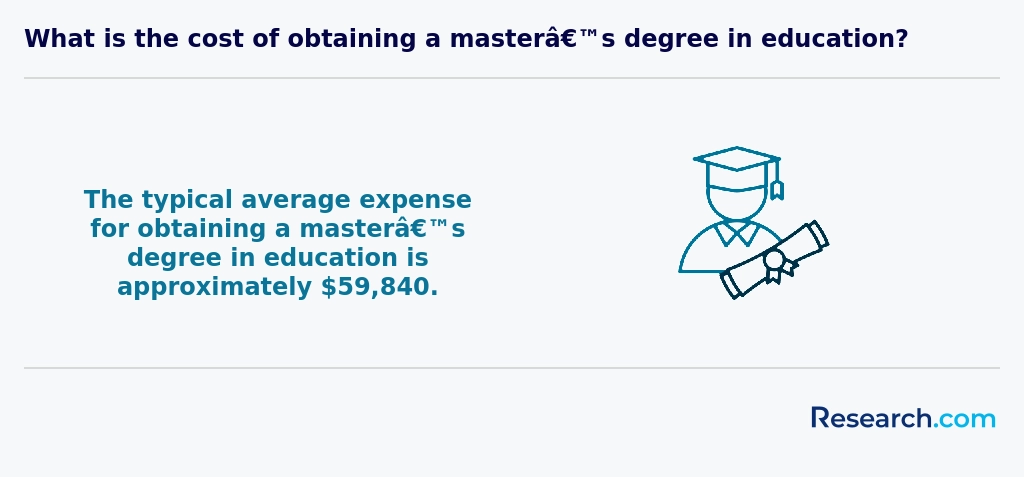
The average cost of an online early childhood education degree in the South varies depending on residency status and institution type. For in-state students attending public universities or well-known colleges in this region, the typical total tuition hovers around $9,690. Graduates from these programs often highlight the affordability coupled with the convenience of online coursework, which allows them to balance work and family commitments effectively. Out-of-state students, however, face higher fees, with median total costs reaching approximately $21,840, reflecting the increased per-credit charges imposed by many Southern institutions.
Programs popular among Southern students tend to offer affordable online master's in early childhood education Southern states, typically requiring between 30 and 36 credit hours. Public universities emphasize reasonable per-credit costs, often ranging from $250 to $550, which appeals to students seeking valuable credentials without excessive student debt. These prices are particularly attractive for those who appreciate the flexibility and savings on indirect expenses like housing and transportation.
Many early childhood education graduates recall how receiving financial aid or scholarships substantially reduced their education expenses. They suggest exploring federal loans and grants as well as state-specific scholarships that support education professionals. Understanding the child specialist salary outlook can further motivate prospective students by linking cost with future earning potential, making the investment in an online early childhood education degree in the South feel both feasible and worthwhile.
What financial aid is available to online early childhood education degree students in the South?
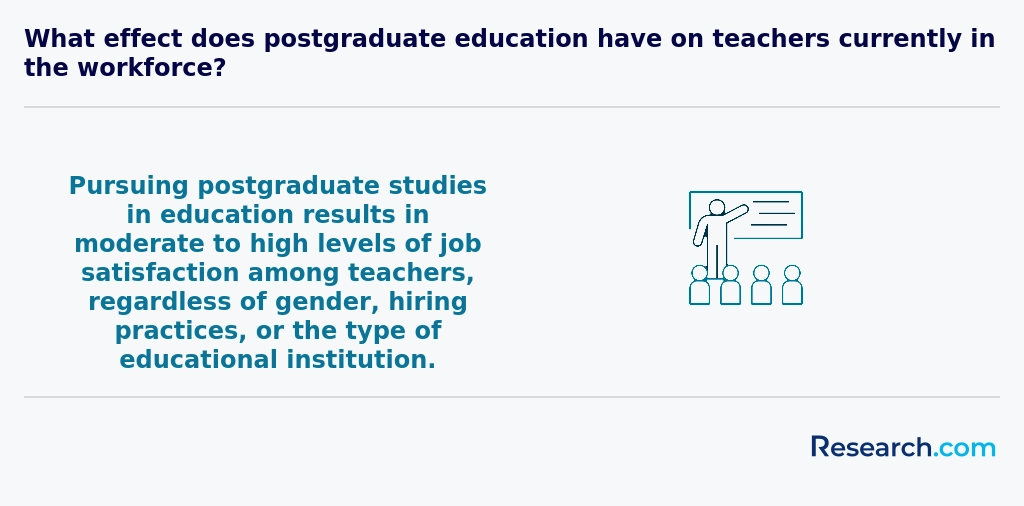
Students pursuing an online early childhood education degree in the South benefit from a range of financial aid options designed to make education more affordable and accessible. Federal Pell Grants, offering up to $7,395 in 2024 without the need for repayment, provide substantial relief to many, especially those balancing work and study. Graduates from institutions like the University of North Carolina at Chapel Hill often recall how these grants eased their tuition burden, enabling them to focus fully on their coursework.
State-level scholarships and grants play a vital role as well. For example, students enrolled at Texas Tech University have taken advantage of the Texas College Work-Study Program, working in educational roles while earning aid. Similarly, Florida's TEACH Grant offers funds to students who commit to teaching in high-need areas, a commitment that many online learners embrace with pride.
Merit-based scholarships and institution-specific grants also enhance affordability, with many Southern universities recognizing the unique challenges of online learners through tuition reductions. Workforce initiatives offering loan forgiveness or tuition reimbursement further support graduates who dedicate themselves to early childhood education careers in underserved communities, fostering a rewarding and hopeful professional journey.
What are the prerequisites for enrolling in online early childhood education degree program in the South?
Enrollment in online early childhood education degree programs in the South requires applicants to hold a bachelor's degree from an accredited institution, often favoring education or related fields. Graduates reflect on their journey at prominent Southern universities, emphasizing how their prior academic achievements, evidenced by transcripts with GPA thresholds around 2.75 to 3.0, played a crucial role in acceptance.
While some programs still mandate standardized tests such as the GRE, many Southern schools have recognized the value of accessibility, waiving this requirement to welcome a broader candidate base. Graduates recall relief and motivation upon learning this, which eased their application process significantly.
Practical experience in early childhood education is another vital element; institutions desire applicants who bring real-world insights, fostering dynamic discussions and richer coursework. Letters of recommendation, a well-crafted statement of purpose, and detailed resumes assist admissions committees in discerning a candidate's dedication and readiness. Notably, graduates from popular regional colleges appreciate how these requirements prepared them for the rigorous and fulfilling challenges of advanced study.

What courses are typically in online early childhood education degree programs in the South?
Online early childhood education degree programs in the South typically include courses focused on child development, which help students understand the physical, cognitive, and social growth of young children. Graduates from institutions such as the University of Florida often describe how these courses enabled them to tailor teaching strategies to meet the unique needs of each child, providing a gratifying classroom experience.
Curriculum planning is another essential subject, training students to create engaging, age-appropriate lesson plans aligned with Southern state standards. Many find family and community engagement courses especially meaningful, as they emphasize building strong partnerships that support children's learning and well-being.
Additional coursework in child psychology and behavior management prepares students to handle diverse classroom challenges confidently. Health, safety, and nutrition classes further reinforce the importance of a holistic approach to early childhood education, a perspective frequently praised by graduates from Texas-based programs for its relevance in real-world settings.
Students may also choose electives focused on bilingual education or special needs, reflecting the South's culturally rich and diverse communities. Practicum opportunities, often coordinated locally, enable students to apply their knowledge hands-on, fostering both professional growth and personal fulfillment.
What types of specializations are available in online early childhood education degree programs in the South?
Online early childhood education specializations in the South commonly include diverse fields such as Special Education, Curriculum Development, Early Intervention, Administration and Leadership, and Family and Community Engagement. Graduates from popular Southern colleges often share how specializing in Early Intervention enabled them to confidently support infants and toddlers facing developmental challenges, a critical skill in the region's growing demand for qualified educators. Others highlight the value of Curriculum Development specializations in crafting engaging, age-appropriate learning experiences grounded in empirical research.
Southern online master's degrees in early childhood education frequently emphasize these targeted tracks to prepare students for the unique needs of diverse classroom settings in the South. Graduates appreciate the flexibility of online delivery combined with the rigor of accredited programs, which equips them for roles ranging from inclusive classrooms to leadership positions in early childhood centers. Students pursuing a master's in training and development online often find this regional focus enhances their practical effectiveness and career prospects.
How do you choose the best online early childhood education degree in the South?
Choosing the best online early childhood education degree in the South hinges on selecting programs with strong regional accreditation, such as those recognized by the Southern Association of Colleges and Schools Commission on Colleges (SACSCOC). Graduates from prominent Southern universities often highlight how this accreditation ensured their credits transferred smoothly and enhanced employment prospects. Curriculum depth is equally significant; programs that emphasize child development, family engagement, and offer specializations like special education provide practical skills essential in diverse classroom environments.
Affordability remains a primary concern for many pursuing affordable online early childhood education degrees in the South. Tuition rates at public institutions typically range from $7,000 to $11,000 annually, but students frequently benefit from scholarships or employer reimbursement programs. Flexibility is another vital feature, especially for working professionals balancing commitments. Many successful alumni appreciate asynchronous class formats and part-time enrollment options offered by Southern colleges, which make continuous progress achievable.
Aligning program outcomes with licensure requirements and post-graduation employment goals is crucial. Graduates often report satisfaction when their programs include job placement support and prepare them comprehensively for state licensure exams. For prospective students seeking accelerated pathways, exploring the cheapest EdD programs online can provide valuable insights into fast-track options suited to ambitious professionals.
What career paths are available for online early childhood education degree students in the South?
Graduates of online early childhood education degree programs in the South have access to diverse career opportunities that align with regional demand and educational priorities. Common roles include preschool teachers, childcare center directors, and early intervention specialists, each vital to supporting children's development in states such as Texas, Florida, and Georgia. Many graduates from universities popular for early childhood education in the South report enthusiasm for roles as preschool teachers, where average salaries typically range from $28,000 to $36,000 depending on experience and state funding. These roles provide fulfilling daily interactions with young learners, reinforcing the importance of early education in shaping future academic success.
Career opportunities with early childhood degree Southern US include leadership positions such as childcare center directors or education administrators, where professionals manage staff and ensure compliance with state regulations. Graduates often praise their online programs for incorporating leadership training that prepares them well for these responsibilities. Other graduates pursue specialized roles like early intervention specialists, working closely with children who have developmental delays and their families, a growing and rewarding field supported by expanding state programs. For those seeking advanced credentials, pathways such as EdD without dissertation offer flexibility and deeper expertise.
What is the job market for online early childhood education degree in the South?
The job market for online early childhood education degrees in the South is shaped by growing demand for skilled educators driven by population growth and expanded educational programs. Graduates from popular Southern universities often share positive experiences about securing roles in thriving urban and suburban areas like Atlanta, Charlotte, and Houston, where demand for credentialed teachers remains robust. These areas promote a vibrant environment for early childhood education jobs in the South, fueled by state initiatives to improve childcare quality and universal pre-K access.
Many graduates appreciate how online programs from respected Southern colleges prepare them to meet local licensure requirements while allowing flexibility for working professionals. The opportunity to advance through affordable tuition programs has encouraged professionals to pursue degrees and rise in the field. Salary prospects typically range between $30,000 and $45,000, slightly below national averages, yet earning a master's degree online often enhances both employment opportunities and earning potential.
Enrolling in pathways like the quickest online ABA masters program can also complement early childhood education credentials, broadening career options. This dynamic job market, combined with accessible education, makes pursuing online early childhood education degrees in the South a promising investment for dedicated educators.
Frequently Asked Questions About early childhood education
Students pursuing online early childhood education degrees in the South can maximize their learning by actively engaging with course materials and participating in virtual discussions. Research from the Southern Regional Education Board highlights that interaction with peers and instructors substantially improves retention and understanding. Scheduling regular study times and utilizing recorded lectures allow flexibility while maintaining discipline.
The Southern states report a growing demand for early childhood educators, making internships and practical experiences crucial. Seek out local childcare centers or online practicum opportunities approved by your program. Additionally, leveraging state-specific resources, such as Tennessee's Early Childhood Framework, can deepen practical knowledge relevant to the regional context.
Finally, staying informed about updates from professional organizations like the National Association for the Education of Young Children (NAEYC) supports ongoing professional development and networking within the southern early childhood education community.
The field of early childhood education is evolving, with several emerging niches gaining attention, especially in the Southern United States. One growing area is trauma-informed teaching, focusing on supporting young children affected by adverse experiences. According to the National Survey of Children's Health, roughly 25% of children in Southern states have faced at least one adverse childhood experience, highlighting the need for specialized educators.
Another niche is bilingual education, responding to increasing linguistic diversity in the South. Programs now emphasize dual-language development to support both English and Spanish learners.
Technology integration is also expanding, as educators incorporate digital tools suitable for early learners.
These growing specialties reflect regional demographic and social trends shaping early childhood education careers.
Graduates with online early childhood education degrees in the South should start by obtaining state-specific teaching certification or licensure, as requirements vary widely across Southern states. The Southern Regional Education Board reports that states like Georgia and North Carolina require additional background checks and practicum hours for early childhood educators. Networking through local education associations or online professional groups is essential for discovering job openings and building connections in the region. Internships and volunteer work in early childhood programs also boost experience and employability. Finally, staying current with professional development and federal guidelines, such as Head Start performance standards, strengthens a candidate's profile in this competitive job market.
Employers in the South prioritize strong communication skills for early childhood education graduates, essential for engaging effectively with children, families, and colleagues. According to the National Association for the Education of Young Children (NAEYC), interpersonal skills and cultural competence are critical in diverse Southern communities.
Classroom management and developmental assessment abilities are also highly valued. Graduates must design age-appropriate learning experiences aligning with state standards, such as those outlined in Southern states like Texas and Georgia.
Additionally, knowledge of early childhood curriculum development and proficiency in using educational technology are increasingly important as online and hybrid teaching models expand.
Finding internships in the South for early childhood education students involves a strategic approach. Start by connecting with regional universities offering online degrees, as many maintain partnerships with local schools and childcare centers. Organizations like the Southern Early Childhood Association provide resources and networking opportunities for students. According to the U.S. Bureau of Labor Statistics, states such as Texas and Florida have some of the highest demand for early childhood educators, increasing internship availability. Additionally, contacting local Head Start programs or public school districts can lead to practical placement options. Utilize university career services and join relevant professional associations to stay informed about openings.
Obtaining an online early childhood education degree in the South can significantly enhance career mobility and advancement opportunities. According to the Southern Regional Education Board, educators with advanced degrees tend to qualify for higher-level positions such as lead teacher, curriculum specialist, or administrator in early childhood settings. This degree also aligns with state licensing requirements that often mandate a bachelor's or master's level credential for supervisory roles.
Moreover, the Bureau of Labor Statistics projects a 7% growth in preschool and childcare worker employment in Southern states through 2031, highlighting increasing demand. Online degrees offer flexible pathways for working professionals to upskill without relocating, which is crucial in this region's diverse job market.
Institutions accredited by the Council for the Accreditation of Educator Preparation (CAEP) ensure graduates meet recognized standards, which employers in the South increasingly prefer. This formal qualification can lead to salary increases and eligibility for leadership roles, fostering upward mobility within school districts and early education centers.
Studying for an early childhood education degree online in the South equips students for interdisciplinary roles by emphasizing collaboration across fields such as psychology, social work, and health. Southern universities often integrate coursework on child development, family engagement, and community resources, preparing graduates to work effectively with professionals from varied disciplines. According to the Southern Regional Education Board, many programs include applied learning experiences related to public health and education policy.
Graduates gain skills to address diverse needs in early childhood settings, combining teaching with support services. This holistic approach aligns with growing demand for professionals capable of managing complex educational environments in Southern states.
Choosing between a thesis and a non-thesis early childhood education degree program in the South depends largely on your career goals and learning preferences. Thesis programs emphasize research skills, preparing students for doctoral studies or careers in academia. Non-thesis options focus more on practical application, which suits those pursuing administrative or teaching roles.
In Southern states, where nearly 40% of early childhood educators hold advanced degrees (NCES, 2022), non-thesis programs often appeal to working professionals seeking flexible schedules. Thesis tracks usually require additional time and commitment, including a final research project.
Consider your future plans and whether you want to contribute to early childhood research or prefer direct classroom impact.
Students based in the South interested in studying early childhood education abroad face limited options through traditional international programs due to the U.S. focus on domestic accreditation. However, many Southern institutions offer joint online degrees with international partners, allowing students to gain global perspectives while remaining stateside. According to the National Center for Education Statistics, about 5% of early childhood education graduate students in the South are enrolled in programs with international components, often through virtual exchange or study-abroad opportunities.
These programs emphasize culturally responsive teaching and global childhood development theories, providing valuable insights for educators aiming to work in diverse environments. Southern universities also collaborate with European and Latin American schools, enabling students to complete coursework remotely while accessing international resources.
Part-time job opportunities in the South that align well with early childhood education degrees include assistant teaching roles, daycare support staff, and after-school program coordinators. According to the U.S. Bureau of Labor Statistics, the South employs a significant share of early childhood educators, with states like Texas, Florida, and Georgia showing steady growth in education jobs.
Working as a teacher's aide or childcare assistant allows students to apply classroom theories in real settings while gaining valuable experience. Additionally, positions in local community centers or nonprofit organizations offer practical exposure to child development practices.
These roles typically provide flexible hours, making them suitable for online students balancing work and study in this evolving field.
Online early childhood education students in the South have diverse networking opportunities despite geographic distance. Many Southern universities partner with local schools and early childhood centers, offering virtual internships and field experience placements. This fosters connections with professionals actively working in Southern communities.
Regional professional organizations, such as the Southern Early Childhood Association (SECA), provide online events, webinars, and conferences. These platforms enable students to interact with educators, administrators, and policymakers shaping the field in the South.
In addition, social media groups and alumni networks from Southern institutions enhance peer support and knowledge exchange, crucial for career growth. According to the National Center for Education Statistics, over 70% of Southern early childhood programs encourage such collaborations.
Alumni networks provide valuable support for online early childhood education degree students in the South by fostering connections within a specialized professional community. These networks offer access to mentors who understand regional educational challenges and job markets.
Research from the Southern Early Childhood Association indicates that 68% of graduates find employment through alumni referrals. Networking events, both virtual and local, connect students with experienced educators, boosting career opportunities.
Additionally, alumni groups often share resources like job postings and continuing education offerings tailored to Southern states' needs. This targeted support enhances graduates' professional growth and readiness for local early childhood education roles.
Customizing an online early childhood education degree program in the South allows students to align their studies with specific career goals. Many Southern universities offer flexible electives, enabling focus on areas such as special education, curriculum development, or administration. According to the Southern Regional Education Board, programs often include practicum options to gain hands-on experience in local early learning centers. Students can also choose concentrations that prepare them for certifications required in states like Georgia or North Carolina, ensuring their degree meets regional professional standards. This tailoring helps graduates meet workforce demands, with early childhood education jobs in the South expected to grow by 7% through 2030 per the U.S. Bureau of Labor Statistics.
Online early childhood education students in the South face several challenges unique to the region's higher education landscape. Limited broadband access remains a significant barrier, with the Federal Communications Commission reporting that around 25% of rural Southern households lack reliable high-speed internet. This can hinder students' ability to access streaming lectures and participate in virtual discussions.
Additionally, many Southern states have varying state certification requirements, which can complicate the process for students aiming to become licensed educators. The National Association for the Education of Young Children highlights this regulatory complexity as a frequent concern.
Financial constraints also impact access, as public funding for early childhood programs in Southern states often lags behind the national average, limiting scholarships and support tailored for online learners.
With an online early childhood education degree, professionals in the South can pursue several key certifications that enhance career opportunities. One prominent certification is the Child Development Associate (CDA) credential, widely recognized in the US and supported by the Council for Professional Recognition. It validates skills in early childhood care and education and is often a stepping stone for roles in preschool settings.
Another respected certification is the National Board Certification for Early Childhood Educators, which demonstrates advanced teaching knowledge and skills. Additionally, many southern states offer specific state certifications for early childhood educators, aligning with local licensing requirements.
According to the Southern Regional Education Board, increasing demand for qualified early childhood educators has led to more professional development programs and certification pathways tailored for the region's workforce, reflecting regional growth in the early childhood education sector.
Writing a strong application for an online early childhood education program in the South requires clarity, focus, and relevant details. Start by clearly stating your passion for early childhood education and your commitment to advancing young learners. Highlight any hands-on experience with children, such as teaching or caregiving roles, as Southern programs often value practical knowledge.
Discuss your educational background, emphasizing degrees or certifications related to education or child development. Many Southern institutions look for candidates with solid academic records and a clear understanding of regional educational challenges.
Include specific goals, showing how completing the program aligns with your career plans. According to the National Association for the Education of Young Children (NAEYC), Southern states are expanding early education efforts, so demonstrating awareness of state initiatives can strengthen your case.
Early childhood education is increasingly valued worldwide, but perspectives vary by region. In the US, particularly in the South, the career is recognized as essential for lifelong learning and development. According to the National Center for Education Statistics, the South has seen a steady rise in enrollment in early childhood programs, reflecting growing demand for qualified educators. Globally, organizations like UNESCO emphasize quality early education as key for social equity, influencing US standards and curricula. Earning an online degree in the South aligns with these international priorities, preparing educators to meet diverse and evolving needs while supporting local communities.
Gaining practical experience while studying for an online early childhood education degree in the South is essential for building effective teaching skills. Many programs incorporate supervised internships or practicum placements at local childcare centers or schools. These opportunities allow students to apply theories learned in coursework directly with young children, often under the guidance of experienced educators.
States like Georgia and North Carolina typically require clinical hours for licensure, so institutions often partner with nearby early education facilities to facilitate placements. According to the Southern Early Childhood Association, over 60% of accredited online programs in the region include hands-on fieldwork components.
Additionally, virtual simulations and interactive modules can complement in-person experience, broadening practical skills even before on-site practice begins.
Choosing the right concentration within an online early childhood education degree in the South begins with evaluating your career goals. Common concentrations include special education, curriculum development, and administration. Each prepares you for different roles, such as classroom teaching or school leadership. Consider local demand: the U.S. Bureau of Labor Statistics projects a 7% growth nationally for preschool teachers by 2030, with Southern states like Texas and Florida showing robust opportunities.
Research state licensing requirements as they vary across Southern states, affecting concentration relevance. Look for programs accredited by recognized bodies like CAEP for quality assurance. Finally, weigh program flexibility and support services to ensure your choice fits your lifestyle and professional ambitions.
Top Trending Early Childhood Education Rankings
References
- How to apply for Early Childhood Education https://wcc.ca/blog/how-to-apply-for-early-childhood-education/
- Early Childhood Education Internships in Spain https://www.internhq.com/destinations/spain/early-childhood-education-in-seville/
- The Influence of Online Learning Platforms on Early ... https://ejournal.gomit.id/junior/article/download/313/344/6491
- ECD career path and study options in South Africa | Grow ECD https://growecd.org.za/ecd-career-path-and-study-options-in-south-africa/
- Networks | Pen Green Children's Centre https://www.pengreen.org/stronger-practice-hub/networks/
- 7 Common Challenges in Early Childhood Education (ECE) https://www.ishcmc.com/news-and-blog/challenges-in-early-childhood-education/
- Degrees, Certifications, and Credentials in Early Childhood https://earlychildhoodny.org/resources/degrees-certifications-credentials-in-early-childhood
- 10 Career Paths You Can Pursue with an Early Childhood Education (ECE) Diploma - Oxford International Career Colleges https://oicolleges.com/2025/12/03/10-career-paths-you-can-pursue-with-an-early-childhood-education-ece-diploma/
- Cheapest Online Master's Degree In Early Childhood Education https://www.affordablecollegesonline.org/degrees/best-online-masters-in-early-childhood-education/
- Discovering Your Path in Early Childhood Education https://www.athenacareers.edu/finding-your-niche-in-early-childhood-education/


