
2027 Best Counseling Degree Programs Ranking in Pennsylvania

Co-Founder and Chief Data Scientist
Choosing the right counseling degree program is an important step toward a fulfilling career in helping others. Our article introduces the 2027 Best Counseling Degree Programs Ranking in Pennsylvania, developed by the Research.com team of data scientists to guide you through the options.
You'll find trustworthy information to make a confident decision about which programs truly stand out. Pursuing a counseling degree offers meaningful opportunities for personal growth and making a positive impact in your community.
Explore the ranking to discover programs that fit your goals and start your journey with clarity and confidence.
Key benefits of getting counseling degree in Pennsylvania
- Counseling degree graduates in Pennsylvania can expect rewarding salaries, such as $76,000 annually for Intervention Specialists and $60,080 for Addiction Counselors, reflecting the value of their expertise.
- Graduates often pursue diverse career paths, including roles like Family Support Worker or Community Outreach Coordinator, offering meaningful work that impacts communities positively.
- Obtaining a counseling degree online from a reputable Pennsylvania university offers flexibility and convenience, enabling students to balance life commitments while advancing their career confidently.
- Key benefits of getting counseling degree in Pennsylvania
- What can I expect from counseling degree in Pennsylvania?
- Where can I work with counseling degree in Pennsylvania?
- How much can I make with counseling degree in Pennsylvania?
- 2027 Best Counseling Degree Programs Ranking in Pennsylvania
- Key Findings
- How long does it take to complete counseling degree in Pennsylvania?
- Affordability of Counseling Programs in Pennsylvania
- What's the difference between online and on-campus counseling degree?
- Licensing and Certification Requirements in Pennsylvania
- What is the average cost of counseling degree in Pennsylvania?
- Accreditation and Licensure Requirements
- What financial aid is available to counseling degree students in Pennsylvania?
- Licensure Requirements in Pennsylvania
- What are the prerequisites for enrolling in counseling degree program in Pennsylvania?
- Licensure Requirements in Pennsylvania
- What courses are typically in counseling degree programs in Pennsylvania?
- What types of specializations are available in counseling degree programs in Pennsylvania?
- How do you choose the best counseling degree in Pennsylvania?
- What career paths are available for counseling degree students in Pennsylvania?
- What is the job market for counseling degree in Pennsylvania?
- Related Counseling Rankings for Nearby States
- Top Trending Counseling Rankings
- See What Experts Have To Say About Studying Counseling
What can I expect from counseling degree in Pennsylvania?
The average cost of earning a counseling degree in Pennsylvania typically ranges from $20,000 to $60,000, depending on the school and program length. Graduates from well-known universities like Penn State or Temple University often reflect on their investment as deeply worthwhile, considering the comprehensive education and hands-on experience they gained.
Many students find that tuition varies based on whether they attend a public or private institution, and whether they qualify for in-state tuition rates. For example, a full-time Master's program at Penn State may lean toward the higher end but offers valuable accreditation and access to extensive internship placements that are crucial for meeting licensure requirements.
Students often speak about the excitement and fulfillment of balancing rigorous coursework with real-world clinical experiences in hospitals or community centers across Pennsylvania. These immersive settings not only build confidence but also foster lasting connections in the mental health field, making the financial commitment feel like a stepping stone to a rewarding career helping others.
Where can I work with counseling degree in Pennsylvania?
With a counseling degree in Pennsylvania, graduates find rewarding careers in diverse settings that truly make a difference. Many start in mental health clinics, providing vital therapy and crisis support, where the demand is growing rapidly-by about 20% between 2020 and 2030, according to state labor data. This means steady opportunities for new counselors ready to impact lives.
Graduates from well-known institutions like Temple University or Penn State often move into K-12 schools as certified school counselors, guiding students through academic and social challenges. These roles require additional licensure but offer profoundly meaningful daily interactions with young people.
Hospitals and rehab centers also attract counselors who assist patients facing chronic illness or addiction, leveraging their skills in healthcare environments. Many alumni of Drexel University have spoken about the fulfillment found in these emotionally impactful roles.
Community agencies and nonprofits provide another pathway, connecting clients to essential resources and healing programs-ideal for those driven by service and social support.
Finally, some graduates open private practices or join corporate employee assistance programs, especially in cities like Philadelphia, where such support is increasingly valued. In each path, the opportunity to touch lives and foster growth shines brightly.
How much can I make with counseling degree in Pennsylvania?
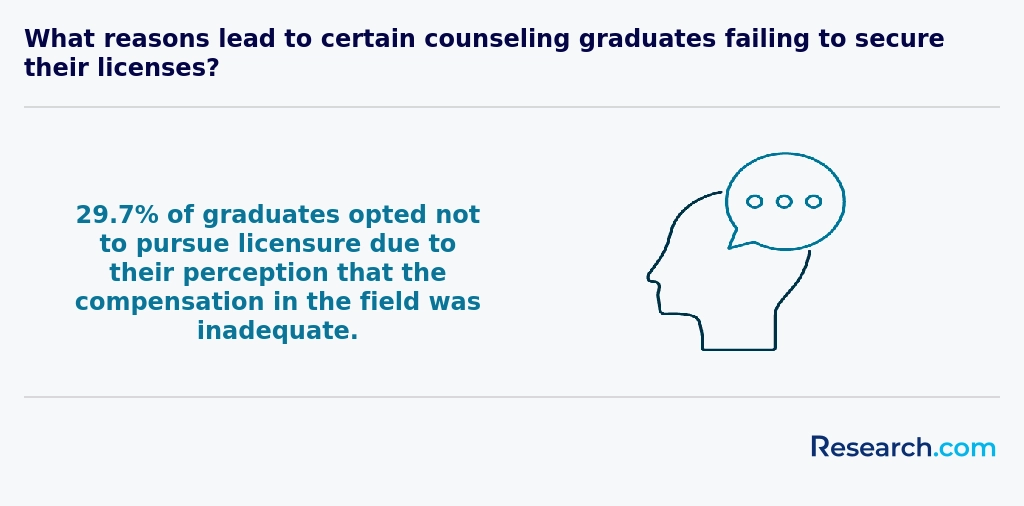
Graduates from counseling programs at universities like Penn State or University of Pennsylvania often find rewarding salary opportunities across various roles in Pennsylvania. For instance, Intervention Specialists enjoy a mean annual wage of around $76,000, reflecting the value of their expertise in supporting individuals with special needs.
Rehabilitation Specialists earn approximately $48,430 per year, a strong starting point for those dedicated to helping clients recover and regain independence. Community Outreach Coordinators and Family Support Workers, both earning near $54,000 annually, typically engage actively with communities, making a real difference while building solid careers.
Addiction Counselors, a vital role with increasing demand, can expect mean salaries close to $60,080, highlighting the rewarding nature of this path both financially and personally. Many graduates recount feeling inspired by the balance of meaningful work and stable income that Pennsylvania's diverse job market offers.
Choosing a counseling degree in Pennsylvania means stepping into a career where you can impact lives positively while enjoying competitive pay, especially when building experience or pursuing additional certifications. Personalized support from programs at schools like Temple University prepares students for these dynamic roles and competitive salaries.
2027 Best Counseling Degree Programs Ranking in Pennsylvania
How do we rank schools?
Investing in your education is a significant decision that can shape your future, and the Research.com team understands the importance of making informed choices. To assist prospective students in Pennsylvania, we have meticulously crafted the "2027 Best Counseling Degree Programs Ranking." Our commitment to quality, credibility, and accuracy is reflected in the extensive research and analysis conducted to compile this ranking.
We utilized the following reputable data sources to ensure a comprehensive evaluation of counseling programs:
By exploring this ranking, readers will gain valuable insights into the best counseling degree programs available in Pennsylvania, helping them make informed decisions about their educational paths. For more details on our methodology, please visit our Research.com methodology page.


# 5 position
Pennsylvania State University-Main Campus
Master of Science in Counseling

# 6 position
Pennsylvania State University-Main Campus
Ph.D. program in Counselor


# 13 position
West Chester University of Pennsylvania
Master of Science in Clinical Mental Health Counseling



Key Findings
- Pennsylvania offers accredited counseling master's programs through public and private universities, with tuition ranging from $15,000 to $30,000 per year.
- To become a Licensed Professional Counselor (LPC), graduates must complete a master's degree, about 3,000 hours of supervised clinical experience, and pass the National Counselor Examination (NCE).
- Entry-level counseling salaries in Pennsylvania typically range from $45,000 to $50,000 annually, increasing to $60,000-$70,000 with experience.
- The counseling job market in Pennsylvania is stable and expected to grow, especially in urban areas like Philadelphia and Pittsburgh, with demand rising for mental health and school counselors.
- Many universities offer internships and clinical placements that meet state licensure requirements and help improve job prospects.
How long does it take to complete counseling degree in Pennsylvania?
In Pennsylvania, completing a counseling degree depends on the path you choose and your personal pace. For many undergraduates attending schools like Temple University or Penn State, earning a Bachelor's in counseling or a related field typically takes about four years of full-time study. This solid foundation sets you up for success in graduate programs or starting in entry-level roles with confidence.
Graduates pursuing licensure as Licensed Professional Counselors often spend two to three years in master's programs at institutions such as Drexel University or La Salle University. These programs blend coursework with hands-on clinical experiences, which students often describe as both challenging and deeply rewarding-learning to help real people in real situations transforms passion into purpose.
For those balancing work or family commitments, part-time or online programs offer flexibility but may stretch the time to three or more years. Doctoral degrees from universities like the University of Pennsylvania, while less common at the start, open doors to advanced clinical practice or academia, usually requiring four to six years.
Many graduates share a sense of achievement, knowing their investment of time has prepared them to make a meaningful impact in Pennsylvania's communities.
Affordability of Counseling Programs in Pennsylvania
Affordability should be evaluated by total cost, not tuition alone. Counseling students often pay for tuition, university fees, textbooks, background checks, liability insurance, practicum-related expenses, exam fees, and commuting or relocation costs. These expenses matter because most Pennsylvania counseling careers also require post-degree supervised experience before full independent licensure.
A useful first step is comparing programs by cost per credit, required credits, and whether the school offers scholarships, assistantships, employer partnerships, or flexible enrollment. Students looking for lower-cost options can begin with Research.com’s guide to the cheapest counseling school in pennsylvania.
How to compare counseling program costs
- Check the full credit requirement. A lower per-credit rate may not be cheaper if the program requires more credits or additional fees.
- Ask about field placement costs. Practicum and internship requirements may involve travel, background checks, health clearances, or site-specific expenses.
- Compare in-state, out-of-state, and private tuition. Public universities may offer a lower price for Pennsylvania residents, while private institutions may offset higher tuition with institutional aid.
- Consider online or hybrid formats carefully. Online study can reduce commuting or relocation costs, but students may still need local clinical placements.
- Look for aid tied to service. Some scholarships, assistantships, or employer tuition benefits may require work commitments or continued employment.
The most affordable program is the one that keeps debt manageable while still meeting licensure expectations and providing reliable clinical training. Avoid choosing solely on price if the program does not clearly support the credential or work setting you plan to pursue.
What's the difference between online and on-campus counseling degree?
Choosing between online and on-campus counseling degrees in Pennsylvania ultimately comes down to your learning style and life commitments. Graduates from Penn State often praise the campus experience, highlighting how face-to-face interactions and hands-on access to counseling labs helped them build confidence and deepen their communication skills. Being physically present on campus fosters a strong sense of community and networking that many find motivating and inspiring.
On the other hand, graduates from online programs appreciate the flexibility that allows them to balance work, family, and school. For example, learners in Temple University's online counseling track mention how accessing lectures remotely made education possible without sacrificing their daily responsibilities. Yet, these students emphasize the need for self-discipline and actively seeking local practicum opportunities to fulfill Pennsylvania's supervised clinical hour requirements.
Both paths prepare you for licensure, but knowing your personal rhythm will empower you to thrive. Whether you value structured, immersive campus life or adaptable, tech-enabled learning, Pennsylvania offers reputable options tailored to your journey.
Licensing and Certification Requirements in Pennsylvania
In Pennsylvania, students who want to become Licensed Professional Counselors should plan their education around state licensure requirements from the beginning. The process generally includes graduate education, supervised experience, examination, application review, and ongoing continuing education.
- Complete the required graduate education. Earn a master’s degree in counseling or a closely related field from a regionally accredited institution. A CACREP-accredited program may help streamline licensure planning. Students should complete at least 60 graduate credit hours, including supervised practicum and internship coursework.
- Finish supervised clinical experience. Accumulate a minimum of 3,000 hours of post-master’s supervised counseling experience over at least two years. The original requirement also notes at least 100 hours of direct client face-to-face counseling under supervision.
- Pass the required examination. Candidates typically take the National Counselor Examination (NCE) or the National Clinical Mental Health Counseling Examination (NCMHCE), administered by the National Board for Certified Counselors (NBCC). Official scores must be submitted to the Pennsylvania State Board of Social Workers, Marriage and Family Therapists, and Professional Counselors.
- Submit the state application. Complete the Pennsylvania licensure application through the Department of State’s e-Licensing portal and pay the non-refundable application and licensure fees, currently totaling approximately $150.
- Maintain the credential. Renew the license every two years and complete at least 30 clock hours of approved continuing education, including 3 hours in ethics. Keep continuing education records in case of audit.
Licensure rules differ by state, so students who may relocate should compare requirements before choosing a program. For example, Research.com’s guide on how to become a therapist in michigan shows how supervised-hour rules and exam options can vary by jurisdiction.
Because licensing requirements can change, verify current rules directly with the Pennsylvania State Board before enrolling, applying for exams, or counting supervised hours.
What is the average cost of counseling degree in Pennsylvania?
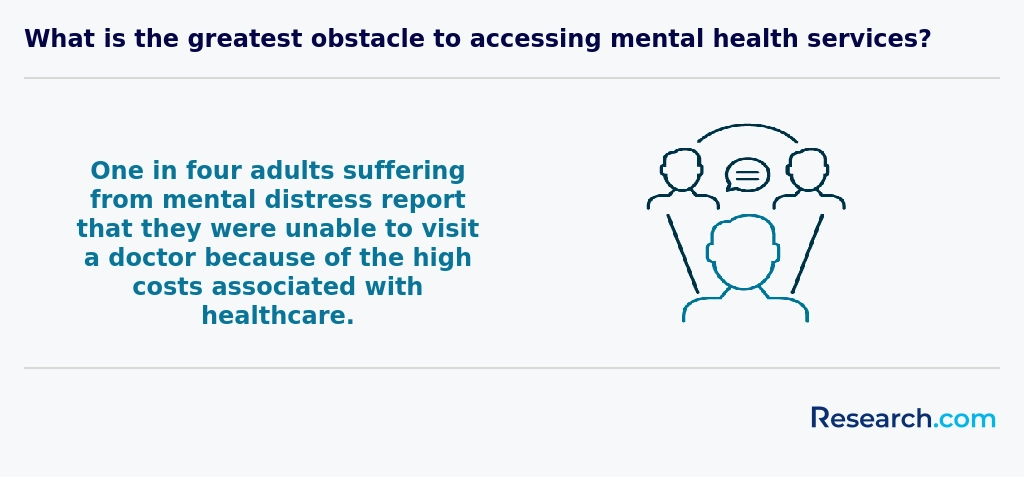
The average cost of a counseling degree in Pennsylvania typically centers around $38,175 for in-state students and rises to about $55,148 for out-of-state students. Graduates from well-known universities like Penn State or Drexel often share how these numbers reflect their real experiences balancing tuition with coursework and clinical practice. Many find that understanding these costs early on empowers them to plan better and seek financial aid options tailored specifically for counseling students.
Tuition for Pennsylvania counseling degree tuition and fees can vary depending on the institution's status-public or private-and residency. Public universities generally offer more affordable in-state rates, often around $8,000 to $15,000 annually, while private colleges may charge upwards of $20,000 per year. However, the journey isn't limited to tuition; graduates highlight that additional expenses like licensing exam fees, books, and supervised practicum hours add to the overall cost, making a comprehensive budget essential for any prospective student.
Many counseling students find encouragement knowing that financial aid, scholarships, and assistantships frequently exist, especially in fields addressing mental health or school counseling. For those exploring the most economical pathways, universities offer competitive options, and it's worth investigating the cheapest counseling school in pennsylvania to maximize every dollar invested in your education and future career.
Accreditation and Licensure Requirements
Accreditation is one of the most important quality checks for a counseling degree. It helps confirm that a program meets recognized academic standards and can affect whether graduates qualify for licensure, certification, financial aid, transfer credit, or employer recognition.
Prospective students should confirm that the institution is regionally accredited, such as through the Middle States Commission on Higher Education (MSCHE). For counseling-specific preparation, CACREP accreditation is especially relevant because many students and licensing boards use it as a benchmark for curriculum quality and clinical training.
What Pennsylvania LPC candidates generally need
- Earn a master’s or doctoral degree from a CACREP-accredited or regionally accredited program.
- Complete at least 60 semester hours of graduate coursework.
- Complete 3,000 hours of supervised clinical experience.
- Pass the National Counselor Examination (NCE) or the National Clinical Mental Health Counseling Examination (NCMHCE).
- Submit an application and background check to the Pennsylvania State Board of Social Workers, Marriage and Family Therapists and Professional Counselors.
- Complete 30 hours of continuing education every two years after licensure, including ethics and cultural competency credits.
When reviewing a program, ask admissions staff to identify exactly how the curriculum maps to Pennsylvania LPC requirements. Also ask whether the school publishes licensure exam pass rates, field placement outcomes, and graduate employment data.
Students comparing cost and format beyond Pennsylvania can also review Research.com’s 2025 Most Most Affordable Online Master's in Counseling Degree Programs Ranking in Ohio. Use out-of-state comparisons carefully, however, because each state may define coursework, exams, and supervised experience differently.
What financial aid is available to counseling degree students in Pennsylvania?
When pursuing a counseling degree in Pennsylvania, you'll find a variety of financial aid options designed to support your journey. Many students tap into federal aid through FAFSA, unlocking access to subsidized and unsubsidized loans that ease the tuition burden while allowing deferred repayment after graduation. Graduate students appreciate this flexibility as they focus on their studies at institutions like Penn State or Temple University.
State programs through PHEAA are another valuable resource. The Pennsylvania State Grant and PaTIP grants sometimes assist counseling students, especially if they plan to work in underserved communities.
Graduates from Pennsylvania universities often share how institutional scholarships and assistantships made a real difference. Serving as a graduate assistant can cover part of your tuition while offering hands-on experience, perfectly blending financial relief with professional growth.
Finally, counseling grads employed in public or nonprofit sectors can benefit from loan forgiveness programs, which many find empowering as they step into impactful roles helping others in their communities.
Licensure Requirements in Pennsylvania
- Master’s degree: Complete 60 credit hours from a CACREP-accredited program.
- Supervised experience: Complete 3,000 hours over at least two years under a qualified supervisor.
- Examinations: Pass the National Counselor Examination (NCE) and the Pennsylvania jurisprudence exam.
- Application: Submit transcripts, supervisor verification, fees and background clearances to the Pennsylvania State Board of Social Workers, Marriage and Family Therapists, and Professional Counselors.
- Renewal: Complete 30 hours of continuing education every two years.
- Flexible coursework option: Consider accredited online counseling programs if you need to fulfill coursework requirements while working or managing other responsibilities.
What are the prerequisites for enrolling in counseling degree program in Pennsylvania?
To enroll in a counseling degree program in Pennsylvania, you'll typically need a bachelor's degree from an accredited school, though it doesn't have to be in psychology specifically. Many graduates from programs at popular schools like Pennsylvania State University or Temple University found that having coursework related to social sciences or human services really helped them stand out during admissions.
A solid GPA around 3.0 is often expected, which shows you're ready to take on the rigor of graduate studies. Some students who've succeeded in Philadelphia-based programs share how volunteering at local mental health clinics gave them valuable hands-on experience that complemented their academic background.
While standardized tests like the GRE are sometimes required, many Pennsylvania institutions are waiving this, focusing more on your personal statement, letters of recommendation, and interviews. These elements allow you to express your passion and commitment, qualities highly valued by admissions committees here.
Choosing a CACREP-accredited program is vital for licensure and career opportunities in Pennsylvania, so be sure to verify this when applying.
Licensure Requirements in Pennsylvania
To become a Licensed Professional Counselor (LPC) in Pennsylvania, candidates should plan for a multi-step process that includes graduate education, supervised experience, examination, application submission, and renewal.
- Earn a CACREP-accredited master’s degree with a minimum of 60 credit hours.
- Complete at least 3,000 hours of supervised clinical experience over a minimum of two years.
- Pass the National Counselor Examination (NCE) administered by the National Board for Certified Counselors.
- Submit the LPC application to the PA State Board, including official transcripts, supervision verification, and required fees.
- Renew the license every two years by completing 30 hours of continuing education.
Many candidates choose accredited online counseling programs to complete coursework while balancing employment, family responsibilities, or geographic constraints. Before enrolling, confirm that the program’s curriculum and fieldwork expectations align with Pennsylvania requirements.
What courses are typically in counseling degree programs in Pennsylvania?
When pursuing a counseling degree in Pennsylvania, you'll dive into courses that build a strong foundation and practical expertise essential for real-world impact. Graduates from institutions like Penn State or Temple University often speak enthusiastically about mastering Introduction to Counseling Theories, where they explore approaches from cognitive-behavioral to psychodynamic, unlocking ways to truly connect with clients.
Courses such as Human Development Across the Lifespan bring to life the journey of growth people experience, helping you understand clients at every stage. Imagine sitting in a classroom at the University of Pennsylvania, learning how to recognize mental health disorders in Abnormal Psychology, or developing your ability to conduct clinical assessments in Assessment and Diagnosis.
Hands-on learning is a highlight, with Practicum or Internship courses offering invaluable supervised experience in settings like Philadelphia community clinics. Ethical practice is deeply emphasized through Ethics and Professional Issues, preparing you to uphold the trusted standards clients deserve.
These courses, combined with electives tailored to Pennsylvania's counseling demands, shape graduates ready to make a meaningful difference in diverse careers from school counseling to trauma support.
What types of specializations are available in counseling degree programs in Pennsylvania?
In Pennsylvania, counseling degree specializations open doors to meaningful careers tailored to diverse passions and community needs. Graduates from well-known institutions like Temple University and Penn State often highlight Clinical Mental Health Counseling as a powerful path, preparing them to support individuals in hospitals or private practices facing mental health challenges.
Others find themselves drawn to School Counseling, where they serve as vital allies to K-12 students navigating academic and emotional growth, a role especially valued within Pennsylvania's public schools. Marriage and Family Therapy is another rewarding specialization, equipping students to strengthen relationships and family dynamics with techniques uniquely recognized by Pennsylvania's licensing board.
Many students also pursue concentrations like Substance Abuse Counseling, responding to the state's urgent opioid crisis by working towards certifications such as Certified Drug and Alcohol Counselor. Special focus areas such as Rehabilitation Counseling and Child and Adolescent Counseling provide additional ways to make a difference. Choosing the best counseling program concentrations Pennsylvania offers helps align your career goals with state licensure requirements, ensuring you are step-ready in how to become a therapist in michigan.
How do you choose the best counseling degree in Pennsylvania?
When deciding on the best counseling degree in Pennsylvania, focus first on programs accredited by CACREP. Graduates from well-known universities in Philadelphia and Pittsburgh often emphasize how this accreditation eased their path to becoming Licensed Professional Counselors in the state. Since licensure depends heavily on completing these accredited degrees, this step cannot be overlooked.
Cost is another practical concern. Many new students share how evaluating affordable counseling degrees in Pennsylvania helped them balance finances and education without compromising quality. Public universities typically offer lower tuition than private ones, but also consider additional expenses like books and fees.
Students often remember how choosing the right specialization-whether school counseling or mental health-aligned perfectly with their career passions. The flexibility of programs in urban hubs or through online options can support your unique lifestyle, especially if you need to juggle work and family. For more insights into balancing affordability and quality, check the 2025 Most Most Affordable Online Master's in Counseling Degree Programs Ranking in Ohio.
What career paths are available for counseling degree students in Pennsylvania?
Graduates with a counseling degree in Pennsylvania find a wealth of career opportunities for counseling degree in Pennsylvania that truly change lives. Many step into roles as mental health counselors in private practices or hospitals, where they support clients facing anxiety, depression, or trauma. Others become school counselors within local education agencies, providing essential academic and emotional support to students-experiences often shared by alumni from universities like Temple or Penn State.
Rehabilitation counseling offers another fulfilling path, helping individuals with disabilities achieve their personal and professional goals. Graduates recall how hands-on internships at universities such as Duquesne prepared them for this impactful work. Additionally, substance abuse counseling programs are popular at Pennsylvania colleges, and specialized certification is available for those eager to assist in addiction recovery, highlighting promising counseling degree job prospects Pennsylvania students can pursue. For those balancing work and study, exploring fastest online degree completion programs for working adults can make this journey more manageable and inspiring.
What is the job market for counseling degree in Pennsylvania?
The job market for counseling degree graduates in Pennsylvania is notably strong and expanding, reflecting a growing demand for mental health professionals. Graduates from well-known Pennsylvania institutions often find rewarding roles in schools, hospitals, and private practices, particularly in urban centers like Philadelphia and Pittsburgh where salaries tend to be higher. With Pennsylvania's requirement for licensure such as the Licensed Professional Counselor (LPC), employers seek highly qualified candidates, which adds to the stability and professionalism in the field.
Many graduates recall the practical benefits of studying at popular universities, emphasizing how hands-on training and community connections helped them secure jobs quickly. The average annual salary for mental health counselor positions typically ranges between $48,000 and $52,000, which, combined with increasing statewide investments in mental health programs, makes entering the field promising. If you are considering your education costs, you may want to explore financial aid options or look into certifications that pay well without a degree as supplementary opportunities to enhance your credentials.
For those focused on counseling degree job outlook Pennsylvania offers a supportive environment to build a meaningful career where your impact truly matters.
Frequently Asked Questions About counseling
Counseling degree students in Pennsylvania can maximize their learning by engaging in both academic and practical experiences. Pennsylvania requires a minimum of 60 credit hours for licensure in counseling, so students should carefully choose accredited programs that align with these standards, such as those accredited by CACREP. Participating in internships or practicum placements is essential; these provide hands-on experience and help meet state licensing requirements.
Networking with professionals through Pennsylvania Counseling Association events and local workshops can enhance career prospects. Utilizing university resources, including counseling centers and faculty mentorship, supports academic success. According to the Pennsylvania Department of State, well-prepared students have higher pass rates on the National Counselor Examination.
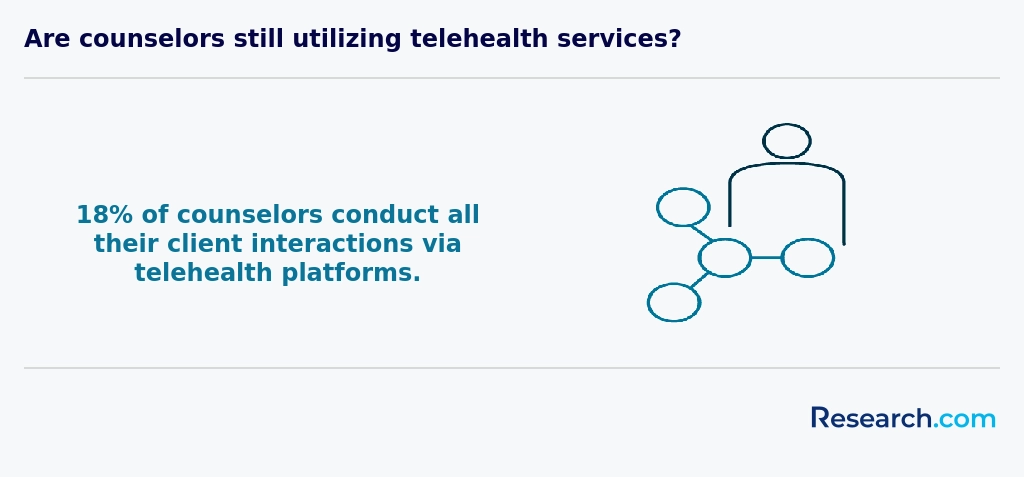
The counseling field in Pennsylvania is evolving with several emerging niches attracting new professionals. One significant growth area is telehealth counseling, which expanded rapidly due to the COVID-19 pandemic and continues to offer remote mental health services. According to the Pennsylvania Department of State, telehealth providers now represent a notable portion of licensed counselors.
Another niche is trauma-informed counseling, addressing issues related to abuse, violence, and PTSD. Pennsylvania's high demand for these specialists reflects growing awareness of mental health impacts from social and environmental stressors. Additionally, substance abuse counseling remains critical given the state's ongoing opioid crisis, with workforce projections from the Pennsylvania Department of Labor showing a steady increase in related job openings.
Lastly, multicultural and LGBTQ+ counseling are gaining prominence as diversity and inclusion become priorities in health services. These specialties require counselors to be adept in culturally responsive approaches, increasingly emphasized in Pennsylvania's licensing and training programs.
After completing a counseling degree in Pennsylvania, preparing for the job market involves several key steps. First, obtaining licensure is essential; the state requires passing the National Counselor Examination and completing 3,000 supervised hours for the Licensed Professional Counselor (LPC) credential, as outlined by the Pennsylvania Department of State.
Networking with local counseling organizations, like the Pennsylvania Counseling Association, can provide valuable connections and job leads. Additionally, many graduates benefit from participating in internships or practicum experiences during their studies to gain practical skills.
Familiarity with Pennsylvania's specific mental health regulations and insurance systems also improves employability. According to the Bureau of Labor Statistics, Pennsylvania had approximately 13,000 mental health counselor jobs in 2022, with a steady growth outlook.
Employers seeking counseling degree graduates in Pennsylvania prioritize strong communication and interpersonal skills. Effective counselors must demonstrate the ability to build trust and rapport with diverse client populations, including those facing mental health challenges. According to the Pennsylvania Department of Labor & Industry, skills in active listening and empathy are essential for success in this field.
Additionally, problem-solving abilities and cultural competency rank highly. Counselors are expected to create individualized treatment plans while respecting the varied cultural backgrounds of their clients. Familiarity with state regulations and ethical standards is also crucial, as Pennsylvania requires counselors to be licensed through the State Board of Social Workers, Marriage and Family Therapists, and Professional Counselors.
Graduates with skills in data documentation and use of counseling technology, such as electronic health records, gain a competitive edge. Employers value adaptability and a commitment to continuing education, reflecting rapid advancements in counseling practices across Pennsylvania's healthcare system.
Finding internships in Pennsylvania related to counseling degrees requires targeted research and networking. Many counseling programs in the state collaborate with local organizations, hospitals, schools, and mental health clinics to offer internship opportunities. Students should start by consulting their university's career services and counseling department for partnerships that support placement.
The Pennsylvania Department of Human Services and the Pennsylvania Counseling Association often list available internships and fieldwork options on their websites. Additionally, platforms like the National Board for Certified Counselors (NBCC) provide resources tailored to state requirements and opportunities.
According to the Bureau of Labor Statistics, Pennsylvania had over 8,000 mental health counselors in 2023, indicating a growing need for professionals and internship placements. Establishing contacts with community agencies and licensed counselors can also improve your chances of gaining hands-on experience.
In Pennsylvania, earning a counseling degree significantly enhances career mobility and advancement opportunities. Graduates with a master's or doctoral degree in counseling can qualify for state licensure as Licensed Professional Counselors (LPC), a requirement to practice independently. According to the Pennsylvania Licensing System, over 8,500 LPC licenses were active as of 2023, reflecting strong demand for credentialed professionals.
Possessing a counseling degree also opens pathways to diverse roles, including mental health counseling, school counseling, and substance abuse treatment. Many employers in healthcare and education sectors prefer or require candidates to hold a counseling degree, which often correlates with higher salaries and leadership positions.
Furthermore, Pennsylvania's continuing education requirements encourage degree holders to pursue further certifications, supporting long-term career growth and specialization within the counseling field.
Studying for a counseling degree in Pennsylvania equips students with skills essential for interdisciplinary roles. Pennsylvania's accredited programs often include coursework in psychology, social work, and health sciences, fostering a comprehensive understanding of client needs. According to the Pennsylvania Department of Education, many counseling degrees require practicum experiences that involve collaborating with professionals from various fields, such as education, healthcare, and social services. This exposure helps students develop communication and teamwork skills critical for interdisciplinary settings.
Additionally, the Pennsylvania Counseling Association highlights that graduates are prepared to work in environments where mental health, physical health, and community resources intersect, promoting holistic client care. These interdisciplinary competencies are vital in today's integrated service models.
When choosing between a thesis and a non-thesis counseling degree program in Pennsylvania, consider your career goals and learning preferences. Thesis programs typically require original research and are well-suited for students interested in academic or clinical research careers. Non-thesis options usually focus on practical skills, preparing graduates for immediate counseling practice.
In Pennsylvania, programs must comply with licensure requirements set by the Pennsylvania Licensed Professional Counselors Association, which often accept both options but may prefer thesis work for further academic study. According to the Pennsylvania Department of Education, counseling graduates face a 5-7% job growth, favoring those with practical experience.
Thesis tracks may take longer due to research demands, while non-thesis tracks often allow faster completion. Evaluate program curricula, faculty expertise, and your readiness for research challenges when deciding.
Students in Pennsylvania interested in studying counseling abroad have several options through university partnerships and exchange programs. Many Pennsylvania institutions with counseling programs collaborate with international universities, allowing students to complete part of their coursework outside the U.S. These programs provide exposure to different counseling theories and practices, enriching academic and cultural experience.
Additionally, Pennsylvania students can pursue accredited counseling degrees internationally that meet U.S. licensing requirements. It is vital to verify that foreign programs align with Pennsylvania's Licensed Professional Counselor (LPC) standards established by the Pennsylvania State Board of Social Workers, Marriage and Family Therapists, and Professional Counselors.
Utilizing resources like the Council for Accreditation of Counseling & Related Educational Programs (CACREP) helps ensure program quality. Some Pennsylvania universities also offer study abroad scholarships specific to counseling students.
In Pennsylvania, part-time jobs that complement counseling degree education often involve direct experience with diverse populations. Common roles include behavioral health technician positions, where students support mental health professionals in hospitals or outpatient clinics. These jobs provide valuable exposure to therapeutic environments and patient interaction.
Another popular opportunity is working as a crisis hotline counselor, which helps develop communication and crisis intervention skills essential for counseling careers. Many local nonprofits and community mental health centers in Pennsylvania seek part-time assistants for outreach and case management, offering hands-on practice with client advocacy.
According to the Pennsylvania Department of Labor & Industry, healthcare support roles are projected to grow by 15% from 2022 to 2032, indicating expanding opportunities that suit counseling students.
Counseling students in Pennsylvania benefit from a variety of networking opportunities that help build professional connections. Many universities in the state, like Penn State and Temple University, host career fairs, workshops, and student organizations specifically for counseling disciplines. These events often feature local counselors, mental health professionals, and alumni who provide valuable insights.
The Pennsylvania Counseling Association (PCA) is a key resource, offering conferences and networking events that attract over 1,000 members statewide. Joining PCA enables students to connect with licensed counselors and educators, gaining exposure to industry trends and job openings.
Additionally, Pennsylvania's proximity to major metropolitan areas allows for internships and collaborative programs that expand professional networks early in a student's career.
Alumni networks play a significant role for counseling degree students in Pennsylvania. These networks offer valuable opportunities for mentorship, helping current students connect with experienced graduates who understand the local mental health landscape. According to the Pennsylvania Counseling Association, involvement in alumni networks increases job placement rates by providing access to hidden job markets and internship openings.
Students benefit from networking events, workshops, and webinars organized by alumni groups, which boost professional development. Given Pennsylvania's licensure requirements for counselors, alumni can guide students on navigating state-specific credentialing and continuing education.
This ongoing support fosters a sense of community and opens doors to career advancement within Pennsylvania's counseling field.
To customize your counseling degree program in Pennsylvania, start by choosing a specialization that aligns with your career goals, such as clinical mental health, school counseling, or marriage and family therapy. Many universities offer elective courses allowing deeper focus in areas like trauma counseling or substance abuse treatment.
Additionally, Pennsylvania schools often provide practicum and internship opportunities within local communities or healthcare settings. These hands-on experiences are vital for building relevant skills and professional networks.
Some programs also allow flexible scheduling, including part-time and online options, to accommodate working students.
Accredited programs typically follow Pennsylvania licensing requirements, ensuring you meet educational standards for counselors in the state.
Counseling students in Pennsylvania commonly face several challenges throughout their education. A significant hurdle is balancing rigorous coursework with the required practicum and internship hours. Pennsylvania's licensure process mandates a minimum of 3,000 supervised clinical hours, which can extend study time and create financial strain. According to the Pennsylvania Department of State, this requirement is one of the most demanding nationwide.
Additionally, finding quality, diverse practicum sites can be difficult due to high demand and limited placements, especially in rural areas. Students also encounter the challenge of staying current with evolving state regulations and ethical standards. Financial pressures and mental health stress resulting from these dual demands are often reported by counseling students in Pennsylvania.
With a counseling degree in Pennsylvania, graduates can pursue several professional certifications that enhance career opportunities. The most common credential is the Licensed Professional Counselor (LPC), regulated by the Pennsylvania State Board of Social Workers, Marriage and Family Therapists, and Professional Counselors. LPC licensure requires a master's degree in counseling, completion of supervised clinical hours, and passing the National Counselor Examination.
Other certifications include the Certified Rehabilitation Counselor (CRC) and the National Certified Counselor (NCC), both nationally recognized credentials that Pennsylvania counselors frequently obtain to demonstrate advanced expertise.
Statistics from the Pennsylvania Department of State reveal over 8,000 active LPCs in the state as of 2023, reflecting strong professional demand.
Writing a winning application for a counseling program in Pennsylvania requires careful preparation and attention to detail. Start by thoroughly researching programs, as Pennsylvania hosts accredited universities offering degrees in clinical mental health counseling and school counseling, approved by the Council for Accreditation of Counseling and Related Educational Programs (CACREP).
Highlight relevant experience in your personal statement, emphasizing any volunteer work or internships related to mental health. GPA and letters of recommendation are crucial; Pennsylvania programs often expect a minimum GPA of 3.0. Demonstrate your understanding of Pennsylvania's specific licensing requirements, as graduates must pass the National Counselor Examination and fulfill state supervised hours.
Lastly, ensure all documentation is complete and error-free to enhance your chance of acceptance. For updated requirements, consult the Pennsylvania Department of State and CACREP directories.
The counseling profession holds significant respect worldwide, with growing demand for mental health services in various countries. In the United States, including Pennsylvania, counseling careers emphasize a combination of academic training and licensure. According to the Pennsylvania Department of State, becoming a Licensed Professional Counselor (LPC) requires a master's degree, supervised experience, and passing a national exam.
Globally, counseling education varies but shares core elements such as ethical practice, client-centered techniques, and cultural competence. The U.S. model, especially in Pennsylvania, is considered rigorous due to its licensing standards, preparing graduates for diverse roles.
National statistics from the Bureau of Labor Statistics project a 23% growth in mental health counseling jobs by 2032, reflecting worldwide recognition of the profession's importance.
Gaining practical experience is essential when pursuing a counseling degree in Pennsylvania. Most accredited programs require students to complete supervised fieldwork or internships. These placements typically involve 600 to 1,200 hours of direct client interaction in settings such as community mental health centers, schools, or hospitals, helping students apply classroom knowledge in real-world environments.
Students can also participate in volunteer opportunities through local nonprofits or mental health organizations to gain additional experience. Pennsylvania's Department of State provides specific guidelines on supervised experience needed for licensure as a Licensed Professional Counselor (LPC), which helps clarify required practical hours.
Additionally, many universities have partnerships with local agencies, making placement easier and tailored to counseling specialties.
When selecting a concentration within a counseling degree program in Pennsylvania, consider your career goals and the population you want to serve. Common concentrations include clinical mental health, school counseling, and marriage and family therapy. Each focus has distinct licensure requirements regulated by the Pennsylvania Licensing Board for Counselors, which is important for future certification.
Evaluate the demand for professionals in your chosen specialty. For example, the Pennsylvania Department of Labor & Industry projects a 12% growth in mental health counselor jobs by 2030. Additionally, reflect on your personal interests and strengths to ensure long-term satisfaction in your work.
Research available programs' curriculum and practicum opportunities, as this practical experience is essential. Accreditation by the Council for Accreditation of Counseling and Related Educational Programs (CACREP) is also a key factor, ensuring quality education recognized statewide.
Related Counseling Rankings for Nearby States
- 2027 Best Counseling Degree Programs Ranking in New Jersey
- 2027 Best Counseling Degree Programs Ranking in Maryland
- 2027 Best Counseling Degree Programs Ranking in New York
- 2027 Best Counseling Degree Programs Ranking in Ohio
- 2027 Best Counseling Degree Programs Ranking in Virginia
- 2027 Best Counseling Degree Programs Ranking in Connecticut
- 2027 Best Counseling Degree Programs Ranking in Massachusetts
- 2027 Best Counseling Degree Programs Ranking in Indiana
- 2027 Best Counseling Degree Programs Ranking in Michigan
- 2027 Best Counseling Degree Programs Ranking in Georgia
Top Trending Counseling Rankings
See What Experts Have To Say About Studying Counseling
Read our interview with Counseling experts

Meredith A. Rausch
Counseling Expert
Associate Professor
University of Alabama

References
- M.S. in Clinical Mental Health Counseling | LVC https://www.lvc.edu/programs/master-clinical-mental-health-counseling/
- Mental Health Counseling MS Salary Guide | University of Bridgeport https://www.bridgeport.edu/news/masters-in-counseling-salary-guide/
- Where therapists work and what they do https://www.bacp.co.uk/careers/counselling-and-therapy-as-a-career/where-therapists-work-and-what-they-do/
- Counseling License Requirements In PA | Psychology.org https://www.psychology.org/counseling/licensure/pennsylvania/
- Careers at Pennsylvania Counseling Services | PCS https://pacounseling.com/job-opportunities/
- How to Choose a Niche in Private Practice (and Why It Matters) https://www.coastlinecounselingassociation.com/blog/how-to-choose-a-niche-in-private-practice-and-why-it-matters
- Networking for Therapists: Building Connections for Career Success & Client Care https://www.mentalyc.com/blog/networking-for-therapists
- How Can a Graduate Degree Advance Your Career in Counseling? https://paloaltou.edu/resources/blog/how-can-graduate-degree-advance-your-career-counseling
- Online Degrees https://onlinecounselingprograms.com/online-counseling-degrees/
- 6 Therapy Niches to Consider for Your Practice - Talkspace https://www.talkspace.com/blog/therapy-niches/





