2027 Most Valuable Computer Science Degree Programs Ranking in North Dakota

Co-Founder and Chief Data Scientist
Choosing the right computer science degree program in North Dakota can shape your future in exciting ways. This article presents the 2027 Most Valuable Computer Science Degree Programs Ranking in North Dakota, crafted by Research.com's team of data scientists. It's designed to guide you through the best options available, helping you make an informed decision tailored to your goals.
With technology evolving rapidly, earning a computer science degree opens doors to rewarding careers. Explore the rankings and discover programs that combine quality education with strong career prospects. Your path to success starts here.
Key benefits of getting computer science degree in North Dakota
- Salary for computer science degree graduates: Graduates in North Dakota can expect competitive salaries, such as $138,110 annually for software engineers and developers, or $119,040 for data analysts, offering excellent financial growth.
- Potential career paths: A computer science degree opens doors to various roles including software development, IT support, and web development, providing diverse opportunities for career advancement and job satisfaction.
- Benefits of online degrees: Earning a computer science degree online in North Dakota offers flexibility and convenience, allowing students to balance work and study while gaining skills respected by employers nationwide.
- 2027 Most Valuable Computer Science Degree Programs Ranking in North Dakota
- What can I expect from computer science degree in North Dakota?
- Where can I work with computer science degree in North Dakota?
What can I expect from computer science degree in North Dakota?
When planning for a computer science degree in North Dakota, it's crucial to consider the cost, especially if you want to avoid overwhelming debt. On average, in-state tuition at main universities like North Dakota State University (NDSU) or the University of North Dakota (UND) ranges from $7,000 to $10,000 per year for undergraduates. Graduates often remark that this affordability was a key factor in their decision to stay local and focus on their studies without financial strain.
Many students find that the manageable tuition fees allow them to invest more time in internships and hands-on projects-experiences that make a real difference when stepping into tech roles. For example, at NDSU, students benefit from affordable tuition plus access to research opportunities and internships, enhancing their readiness for careers in cybersecurity or software engineering.
By budgeting for roughly four years at these costs, you can expect to pay around $28,000 to $40,000 total, which is significantly lower than many national programs. This practical approach keeps your financial stress lower, letting you focus on mastering programming languages and real-world tech challenges in North Dakota's growing industries.
Where can I work with computer science degree in North Dakota?
Graduates from computer science programs at institutions like North Dakota State University often find themselves stepping confidently into roles within Fargo's growing tech sector. Many secure positions in software engineering or cybersecurity at local companies, applying skills honed through hands-on projects during their studies. Their work might involve developing secure web applications or protecting data systems from cyber threats, which are practical and rewarding tasks that keep the job engaging daily.
Others pursue careers in healthcare IT, supporting hospitals and clinics around Bismarck by managing electronic health records or creating software that improves patient care. Graduates appreciate knowing their technical expertise directly contributes to better health outcomes for their communities.
Energy companies, including those focused on oil and renewable energy, also hire CS graduates to optimize production systems using data analytics and automation-work that often leads to tangible improvements in efficiency and environmental safety.
Additionally, the financial sector in North Dakota offers roles in fraud detection and transaction security, especially with connections to nearby Minneapolis-St. Paul. Public sector jobs maintaining government IT infrastructure round out practical options, frequently providing stable employment with good benefits.
Graduates from North Dakota State University or the University of North Dakota often see starting salaries near $60,000 in roles like IT Support Specialist, which has a mean annual wage of about $63,640 according to the latest data. Early career software developers and engineers, common positions for computer science graduates, report mean wages around $138,110 annually, reflecting the steady demand and competitive pay in metropolitan areas like Fargo and Bismarck.
For those focused on web development, starting salaries tend to be lower, with a mean annual wage of $95,570, but this still offers a comfortable living combined with North Dakota's lower living costs. Data analysts, another popular path, earn around $119,040 annually on average, which aligns well with growing tech sectors at universities and local startups.
Graduates from North Dakota's computer science programs often find these salaries encouraging and practical, helping them confidently plan their careers. As they gain experience and deepen expertise, especially in in-demand fields such as cybersecurity or data science, these numbers tend to rise, making a degree from local institutions a solid investment.
- Public universities in North Dakota offer accredited computer science programs that typically take four years to complete for a bachelor's degree.
- In-state tuition for these programs ranges from $8,000 to $10,000 per year, while out-of-state tuition is between $18,000 and $25,000 annually.
- Financial aid and scholarships are widely available to help reduce the cost of attendance.
- Entry-level salaries for computer science graduates average around $60,000 per year, with mid-career salaries reaching about $90,000 or more.
- Major cities like Fargo and Bismarck have strong technology job markets with opportunities in software development, cybersecurity, and data analysis.
- Internships and cooperative education programs in North Dakota improve job prospects after graduation by providing hands-on experience.
Completing a computer science degree in North Dakota typically takes about four years for full-time students attending universities like North Dakota State University (NDSU) or the University of North Dakota (UND). Graduates often follow a clear plan, taking 15 to 17 credit hours each semester to finish around 120 to 130 credits within eight semesters. For example, several graduates describe balancing a steady course load and campus resources to stay on track without feeling overwhelmed.
If you need more flexibility, part-time attendance or adding minors can extend your timeline to five years or more, but many students find value in co-op programs or online courses that let them work while studying. Graduate students usually spend about two years tackling 30 to 36 credit hours, sometimes accelerating their programs through online or hybrid options.
North Dakota's well-structured programs and support from advisors help keep students motivated and progressing, making this timeline feel achievable and rewarding for many individuals pursuing their computer science goals locally.
Online computer science degrees in North Dakota offer flexibility that suits busy schedules and remote living situations. Graduates from programs like those at the University of North Dakota often appreciate being able to study asynchronously, completing coursework anytime without the need to commute. This is especially helpful for working adults balancing jobs or family commitments, or those living far from campuses.
In contrast, on-campus degrees at schools such as North Dakota State University provide direct access to labs, professors, and peer collaboration. Graduates report valuing face-to-face interactions and hands-on projects, which enhance learning in specialized areas like robotics. Being on campus also grants immediate use of resources and networking through study groups or internships, offering a more immersive experience.
Cost differences can impact your choice. On-campus tuition typically ranges from $8,500 to $12,000 yearly for residents, excluding living costs. Online learners may save on housing and commuting expenses, making the total cost lower. Both paths award the same degree, so deciding hinges on your lifestyle and career goals within North Dakota's tech community.
The average cost of a computer science degree in North Dakota typically totals around $11,110 for in-state students. Graduates from established programs at schools like North Dakota State University and the University of North Dakota often share that while tuition is a major expense, the overall cost tends to be manageable compared to other states. This is important for anyone budgeting their path into a computer science career, as those pursuing an in-state degree benefit from relatively lower tuition and fees.
Out-of-state students face a higher financial commitment, with median total costs reaching approximately $26,792. However, many students who start at community colleges take advantage of lower per-credit-hour rates-between $150 and $250 for in-state attendees-making it easier to begin studies affordably before transferring to four-year programs. These choices reflect practical strategies to keep total expenses for CS degree North Dakota 2027 within reach.
Graduates commonly report that factoring in living expenses, books, and fees is crucial since these can each add several thousand dollars annually. Fortunately, various scholarships and financial aid through the North Dakota University System help alleviate these burdens. Prospective students should also explore accelerated pathways such as those offered by best accelerated associate degree programs, which many find help reduce time and costs effectively.
Students pursuing a computer science degree in North Dakota should begin by completing the FAFSA to access federal aid options like Pell Grants, which provide essential need-based funds without repayment. Graduates from the University of North Dakota often highlight how these grants helped relieve immediate financial pressure during their studies.
State-specific programs, such as the North Dakota State Grant, further reduce costs for students demonstrating financial need. Many computer science learners at North Dakota State University find these grants critical in minimizing tuition expenses, which average about $8,000 annually for in-state students-much lower than the national average.
Institutional scholarships and assistantships also play a key role. For example, research assistantships at these universities not only offer financial support but valuable, hands-on experience highly praised by recent graduates when entering the job market.
Finally, private scholarships from organizations like the Information Technology Council create opportunities for additional funding and internships, making the path to a computer science degree in North Dakota feel more attainable and rewarding.
To enroll in a computer science degree program in North Dakota, you need to first have a high school diploma or GED, which is the starting point for every aspiring student. Graduates from popular universities in the state often emphasize how solid math skills, especially scoring around 600 or above on the SAT math section, helped them confidently handle early coursework.
High schools should prepare you with classes like Algebra I and II, Geometry, and at least Pre-calculus. Science classes such as Physics or Chemistry, along with some basic programming or computer literacy, give you a real edge. One graduate recalls that having these classes made assignments at colleges like North Dakota State University feel manageable rather than overwhelming.
Many colleges require standardized test scores, but some have moved to test-optional policies, so check your target school. Letters of recommendation and a personal statement often round out the application to show your passion beyond numbers.
If you're transferring from another school, aim for a GPA near 3.0 and complete foundational courses like introductory programming. This practical approach saved a recent transfer student from the University of North Dakota weeks of catch-up work.

When pursuing a computer science degree in North Dakota, expect a curriculum that balances theory and practice through core courses like programming, algorithms, data structures, and computer architecture. Students at universities such as North Dakota State University often start by mastering Java or Python, which prepares them for real-world coding tasks and technical problem solving.
Graduates frequently share how courses in algorithms and data structures helped them efficiently manage and process data, crucial skills in software development roles. Practical classes in computer architecture give students a clear understanding of the hardware-software connection, essential for diagnosing performance issues or optimizing applications.
Besides the fundamentals, students explore software engineering methodologies, operating systems, and database management. For example, working on group projects at the University of North Dakota simulates industry environments, boosting confidence in collaborative development and system testing.
Electives such as cybersecurity and machine learning align with evolving industry trends, giving students a competitive edge. Several graduates credit hands-on internships offered through their North Dakota schools as vital, adding real-world context to their academic learning and smoothing their transition into tech careers.
Graduates from North Dakota's computer science programs often choose specializations that align with the state's growing tech landscape. Software engineering is a common focus, where students at popular universities gain hands-on experience designing applications, coding in multiple languages, and testing software-all of which employers in Fargo and Bismarck seek. For those intrigued by big data, data science and analytics offer practical skills in managing data sets essential to industries from agriculture to healthcare. The cyber-related field is also thriving here; cybersecurity specialists receive training in network security and cryptography, reflecting the increasing demand for data protection in local businesses.
North Dakota computer science program concentrations also include emerging areas like artificial intelligence and machine learning. Graduates have shared how these courses prepare them for innovative roles in sectors using AI systems, such as agri-tech startups near Grand Forks. Computer networks and systems make up another vital area, focusing on infrastructure development critical for rural broadband expansion. For students weighing options, exploring the easiest associates degree that pays well can provide additional clarity on accessible paths forward.
Start by focusing on well-known public universities in North Dakota such as North Dakota State University and the University of North Dakota, which are recognized for strong computer science programs. Graduates from these schools often praise the practical curriculum that covers essential topics like algorithms and software engineering, preparing students effectively for the workforce. Check that the program is ABET-accredited to ensure quality and industry alignment.
Affordability plays a major role-these schools typically offer affordable computer science colleges in North Dakota options, with tuition rates below national averages. Prospective students share how scholarships, assistantships, and financial aid tailored to computer science helped reduce their costs significantly.
Graduates highlight the advantage of programs offering specializations in areas like cybersecurity and data science, which meet current job market demands. The University of North Dakota, for instance, has strong job placement rates partly due to local tech industry connections that provide internships and employment.
Also consider flexible learning formats, including online and hybrid classes, which many students find helpful to balance work and study. Finally, explore career services and networking events to boost your chances of entering the major that makes the most money in tech.

Graduates with a computer science degree in North Dakota can pursue a variety of career paths that reflect both regional industry needs and national trends. Popular options include software development, cybersecurity, and data analysis, which align well with North Dakota's evolving economy. For example, graduates from universities like North Dakota State University often find roles in software development companies supporting the agriculture technology and healthcare sectors.
Cybersecurity is particularly important here, as government agencies and private firms seek skilled analysts to protect sensitive data. Many computer science graduates have successfully transitioned into these roles, benefiting from local demand for tech talent. Additionally, data science roles in finance and energy firms provide strong career opportunities, especially for those proficient in artificial intelligence and machine learning.
For students debating where to study, it's useful to consider tuition affordability alongside job prospects. North Dakota's moderate tuition rates combined with its expanding job market make it practical to opt for in-state public universities. Graduates often recommend exploring affordable online universities that accept financial aid to reduce costs further while staying connected to the state's tech industry.
The job market for computer science degree holders in North Dakota is notably promising. Graduates from institutions like North Dakota State University and the University of North Dakota report ample opportunities due to the state's growing tech scene. Technology career growth in North Dakota is driven by sectors such as energy, healthcare, and agriculture, where advanced computing skills are in demand.
Many graduates start as software developers or cybersecurity specialists, roles highly valued by local employers who often struggle to find qualified candidates. For example, some recent graduates secured internships that translated into full-time positions shortly after graduation, reflecting the practical advantage of gaining experience while studying.
Compared to many regions, North Dakota offers an affordable education path with average in-state tuition around $8,000 annually. This makes entering the computer science job market in North Dakota a cost-effective choice. Students should also explore trade school careers that pay well to consider diverse pathways in tech fields.
With a relatively low unemployment rate and competitive salaries exceeding the state median, pursuing computer science job opportunities North Dakota provides a strategic foundation for a long-term, rewarding technology career.
2027 Most Valuable Computer Science Degree Programs Ranking in North Dakota
Investing in your education is a significant decision that can shape your future, and the Research.com team understands the importance of making informed choices. To assist prospective students in North Dakota, we have meticulously created the "2027 Most Valuable Computer Science Degree Programs Ranking in North Dakota." Our commitment to quality, credibility, and accuracy is reflected in the thorough research and analysis behind this ranking.
We utilized the following reputable data sources to ensure a comprehensive evaluation of computer science programs:
By exploring this ranking, readers will gain valuable insights into the most valuable computer science programs available in North Dakota, empowering them to make well-informed decisions about their educational paths. For more details on our methodology, please visit our Research.com methodology page.


Frequently Asked Questions About computer science
Computer science students in North Dakota can maximize their learning experience by combining strong academic study with practical opportunities. Enrolling in accredited programs such as those at North Dakota State University or the University of North Dakota ensures access to up-to-date curricula aligned with industry demands.
Engaging in internships or cooperative education positions with North Dakota's growing tech firms or energy sector companies offers valuable real-world experience. According to the North Dakota Department of Commerce, technology jobs in the state are expected to grow by over 15% through 2030, highlighting increasing opportunities for students.
Participation in coding competitions, research projects, and student organizations related to computer science can also deepen skills and expand professional networks, preparing students for diverse career paths in software development, cybersecurity, and data science.
The computer science field is rapidly evolving, with several emerging niches gaining importance in North Dakota and across the United States. Areas such as artificial intelligence (AI), machine learning, and data science are experiencing significant growth. The U.S. Bureau of Labor Statistics projects a 15% growth in computer and information research scientist roles through 2032, reflecting strong demand in these domains.
Cybersecurity is another crucial niche, especially given increasing digital threats. North Dakota institutions are enhancing curricula to prepare students for roles in protecting information systems. Additionally, cloud computing and Internet of Things (IoT) technologies are expanding, providing new career paths focused on connectivity and data management.
Students pursuing computer science degrees in North Dakota can benefit from programs aligned with these fast-growing sectors, helping them enter dynamic and lucrative fields.
To prepare for the job market after completing a computer science degree in North Dakota, students should focus on practical experience and networking. Internships with local tech companies or government agencies in cities like Fargo and Bismarck provide valuable real-world skills. According to the North Dakota Department of Commerce, tech-related jobs are expected to grow 3.2% annually, emphasizing the need for relevant experience.
Building a strong portfolio with projects and code samples is essential for employers. Joining professional organizations such as the North Dakota chapter of the Association for Computing Machinery (ACM) can help expand professional connections.
Additionally, developing strong soft skills like communication and teamwork increases employability in the competitive job market.
Employers in North Dakota highly value computer science graduates with strong programming skills, particularly in languages like Java, Python, and C++. According to the North Dakota Department of Commerce, proficiency in software development and data analysis ranks among the top requirements. Additionally, skills in cybersecurity and cloud computing are increasingly sought after, reflecting national industry trends. Communication and teamwork also remain critical, as many tech roles require collaboration across departments. Practical experience, such as internships or project-based learning, significantly boosts employability. Overall, combining technical knowledge with problem-solving abilities and interpersonal skills aligns closely with employer expectations in the region's growing technology sector.
Finding internships in North Dakota related to a computer science degree involves leveraging local resources and industry connections. Many universities, like North Dakota State University, offer career services that help students find internships with regional tech companies. The state's growing technology sector, including companies in Fargo and Bismarck, provides opportunities in software development, cybersecurity, and data analytics.
Students should also explore job boards such as the North Dakota Job Service, which frequently lists tech internships. Additionally, networking through local meetups, hackathons, and professional groups like the North Dakota Technology Association can be invaluable. According to the Bureau of Labor Statistics, computer and IT jobs are projected to grow steadily in the state, increasing internship availability.
A computer science degree significantly enhances career mobility and advancement in North Dakota's growing technology sector. Graduates with this credential often find opportunities in software development, data analysis, and IT management across various industries, including agriculture, healthcare, and energy. According to the U.S. Bureau of Labor Statistics, employment of computer and information technology occupations in North Dakota is expected to grow about 11% from 2022 to 2032, faster than the average for all occupations.
Local businesses increasingly seek candidates with strong coding and problem-solving skills. Earning a degree provides a solid foundation and opens pathways to roles with higher salaries and leadership potential. Additionally, networking through state universities can connect graduates to valuable internships and employer partnerships, supporting career growth in the region.
Studying for a computer science degree in North Dakota offers students a strong foundation in both technical skills and interdisciplinary applications. Programs often emphasize collaboration with fields such as agriculture, healthcare, and energy, sectors vital to the state's economy. According to the North Dakota University System, many universities encourage project-based learning that integrates computing with real-world challenges, preparing students to work across various domains.
Graduates gain experience in data analysis, software development, and systems management, skills applicable in diverse industries. This approach aligns with national trends where computer science roles increasingly overlap with other disciplines.
Hands-on internships and partnerships with local companies further support practical interdisciplinary experience, enhancing job readiness in a competitive market.
Choosing between a thesis and a non-thesis computer science degree program in North Dakota depends largely on your career goals and learning preferences. A thesis option typically suits students aiming for research roles or applying to PhD programs. It involves conducting original research and writing a substantial paper, which usually requires 6 to 12 credit hours dedicated to the thesis.
In contrast, a non-thesis program often focuses more on coursework and practical skills, beneficial for those targeting industry jobs or professional certification. These programs might include additional projects or internships instead of a thesis.
North Dakota's major universities, such as North Dakota State University, offer both options. According to the U.S. Department of Education, about 40% of computer science graduates in the state pursue industry careers, favoring non-thesis paths.
Evaluate your timeline, interests, and post-graduation plans before deciding, as both paths provide solid foundations but cater to different professional trajectories.
Students based in North Dakota seeking computer science degrees abroad have several pathways through partnerships and exchange programs. Key state universities, including North Dakota State University and the University of North Dakota, often participate in study abroad initiatives that allow students to spend a semester or year at foreign institutions while earning credits toward their degree.
These programs frequently include options in countries with strong technology sectors, such as Germany, Canada, and the United Kingdom. According to the Institute of International Education, approximately 1.5% of U.S. undergraduates study abroad annually, and STEM fields like computer science are increasingly represented.
Additionally, students can explore external exchanges or dual-degree options offered by certain universities, combining U.S. education standards with international experience. Financial aid and scholarships may be available, but students should carefully plan given the costs and visa requirements involved.
North Dakota offers several part-time job opportunities that align well with computer science degree studies. Many students seek roles in tech support or IT help desks, which provide hands-on experience in troubleshooting and network management. Local companies often hire interns for software development tasks, offering valuable coding practice.
Retailers and universities in cities like Fargo and Grand Forks frequently open positions in data entry or database maintenance, helping students develop practical skills. According to the North Dakota Department of Career and Technical Education, technology-related jobs in the state are projected to grow by 11% through 2030, indicating increasing opportunities for part-time work.
Students might also explore freelance web development or tutoring in programming languages, which enhance mastery while fitting flexible schedules.
Computer science students in North Dakota benefit from several networking opportunities through regional universities and local tech organizations. Institutions like North Dakota State University and the University of North Dakota host career fairs and tech meetups, connecting students with employers in agriculture technology, software development, and energy sectors. According to the North Dakota Department of Commerce, over 1,200 technology-related companies operate statewide, providing ample internship and job placement possibilities.
Professional groups such as the North Dakota Technology Association organize events and workshops to foster collaboration among students and industry experts. These platforms help students build valuable contacts and gain insights into current industry trends.
Alumni networks play a crucial role for computer science students in North Dakota by providing valuable connections within the local tech industry. Through these networks, students gain access to mentoring, internships, and job opportunities that might not be widely advertised. According to the North Dakota University System, nearly 70% of graduates find employment through connections made during their studies, often facilitated by alumni events and platforms.
These networks help students stay informed about industry trends and participate in workshops or collaborative projects. For a state with a growing tech sector-especially in cities like Fargo and Bismarck-alumni engagement bridges academic learning with real-world experience, enhancing career readiness for computer science degree holders.
In North Dakota, customizing a computer science degree to align with career goals is increasingly feasible due to the flexibility offered by many state universities. Students can often choose from diverse electives such as cybersecurity, data science, artificial intelligence, and software development. This allows for focused skill building aligned with current industry demands.
Internships and cooperative education programs are key ways to gain practical experience and tailor education to specific fields. For example, schools like North Dakota State University provide connections to local tech companies and research projects.
Additionally, certification courses and minors in complementary fields such as business or engineering can enhance employability.
Computer science students in North Dakota face several notable challenges during their studies. One common difficulty is limited access to local tech internships and job placements compared to larger metropolitan areas, which can affect practical experience opportunities. Rural location and smaller university programs may result in fewer specialized courses or research projects, as noted by the North Dakota University System annual reports.
Additionally, students often encounter the challenge of keeping pace with rapidly evolving technology, requiring continual self-learning beyond classwork. According to the U.S. Bureau of Labor Statistics, computer science fields demand up-to-date skills, which can be harder to maintain without extensive local industry connections.
Moreover, some students struggle with balancing coursework due to the rigor of math-heavy and programming-intensive curricula, a common trend observed nationwide but also reflected in North Dakota's CS programs. Support services like tutoring and mentoring are improving but still developing in the region.
Graduates with a computer science degree in North Dakota can pursue various professional certifications to enhance their careers. Popular certifications include the Certified Information Systems Security Professional (CISSP), ideal for cybersecurity roles, and the Certified Software Development Professional (CSDP), which benefits software engineers. Cloud certifications, such as Amazon Web Services (AWS) Certified Solutions Architect, are also highly sought after due to growing demand in North Dakota's tech sector.
According to the North Dakota Department of Commerce, employers in the state value certifications that demonstrate expertise in cloud computing, cybersecurity, and software development. These credentials often lead to higher salaries and better job opportunities.
Additionally, certifications like Project Management Professional (PMP) provide an advantage for computer science graduates interested in leadership roles within technology projects.
Writing a winning application for a computer science program in North Dakota requires careful preparation and attention to detail. Start by highlighting your academic achievements, especially in math and science, as these are critical for success in computer science studies. North Dakota universities often look for strong GPA and relevant coursework in programming or technology.
Include any practical experience, such as internships or personal coding projects, to demonstrate your passion and skills. Carefully craft a personal statement that explains why you want to study computer science in North Dakota, referencing specific programs or faculty that align with your goals.
Standardized test scores, like the ACT or SAT, can also play a role, though some institutions have test-optional policies now.
Letters of recommendation from teachers or professionals familiar with your technical abilities strengthen your application. According to North Dakota University System data, applicants with a well-rounded profile tend to have higher acceptance rates in tech programs.
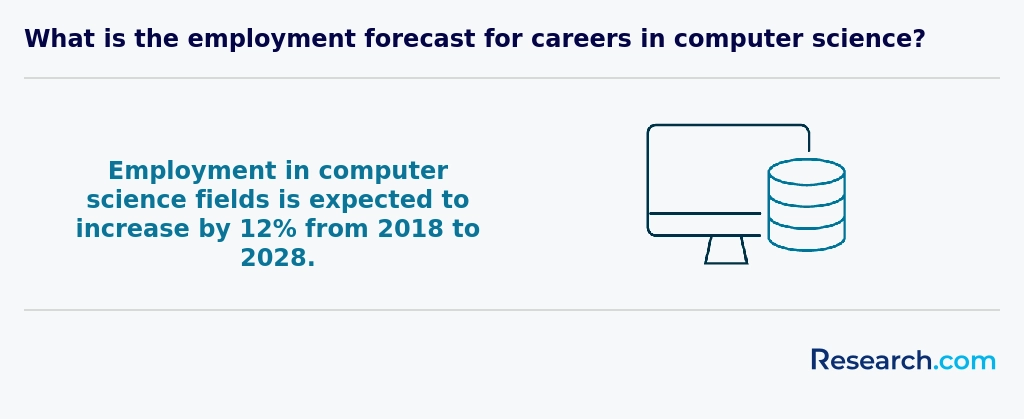
Computer science careers are increasingly recognized worldwide as vital to technological progress and economic growth. In the United States, including North Dakota, demand for skilled computer science professionals continues to rise. According to the U.S. Bureau of Labor Statistics (2023), employment for computer and information technology occupations is projected to grow 15% from 2021 to 2031, faster than the average for all occupations.
Globally, computer science expertise opens opportunities in diverse fields such as artificial intelligence, cybersecurity, and software development. North Dakota's growing tech sector reflects this trend, with companies seeking professionals who can work on innovative solutions locally and internationally.
Graduates with computer science degrees from North Dakota receive education aligned with global standards, preparing them to compete in a worldwide market. Institutions like North Dakota State University emphasize practical skills and collaborative projects, which are highly valued by employers around the world.
Gaining practical experience while studying computer science in North Dakota is essential for career readiness. Students often participate in internships offered by local tech companies and organizations in cities like Fargo and Bismarck. These internships provide hands-on experience with programming, software development, and IT systems.
Many North Dakota universities encourage cooperative education (co-op) programs, where students alternate between classroom study and paid work terms. According to the North Dakota Department of Commerce, internships in technology sectors have grown by 15% over recent years, reflecting increased opportunities for students.
Additionally, joining on-campus clubs and hackathons can enhance practical skills. Open-source projects and freelance work also serve as valuable experience alongside formal education.
Choosing the right concentration within a computer science degree program in North Dakota requires careful consideration of your career goals and local industry demands. Popular concentrations include software development, cybersecurity, data science, and artificial intelligence, each offering unique skills and job prospects.
The North Dakota Department of Commerce reports strong growth in tech jobs, particularly in cybersecurity and data analysis roles. Choosing a concentration aligned with these trends can increase employment opportunities after graduation.
Additionally, consider the specific courses and faculty expertise offered by North Dakota institutions like North Dakota State University and the University of North Dakota. Their program details and local partnerships can provide practical experience and networking advantages.
- 2027 Most Valuable Computer Science Degree Programs Ranking in Minnesota
- 2027 Most Valuable Computer Science Degree Programs Ranking in Montana
- 2027 Most Valuable Computer Science Degree Programs Ranking in Nebraska
- 2027 Most Valuable Computer Science Degree Programs Ranking in Iowa
- 2027 Most Valuable Computer Science Degree Programs Ranking in Wisconsin
- 2027 Most Valuable Computer Science Degree Programs Ranking in Colorado
- 2027 Most Valuable Computer Science Degree Programs Ranking in Kansas
- 2027 Most Valuable Computer Science Degree Programs Ranking in Illinois
- 2027 Most Valuable Computer Science Degree Programs Ranking in Missouri
- 2027 Most Valuable Computer Science Degree Programs Ranking in Indiana
See What Experts Have To Say About Studying Computer Science
Read our interview with Computer Science experts

Elan Barenholtz
Computer Science Expert
Associate Professor
Florida Atlantic University

Martin Kang
Computer Science Expert
Assistant Professor
Loyola Marymount University

Derek Riley
Computer Science Expert
Professor, Program Director
Milwaukee School of Engineering

Kathleen M. Carley
Computer Science Expert
Professor of Computer Science
Carnegie Mellon University

- New and Future Computer Science and Technology Trends https://www.computerscience.org/resources/computer-science-trends/
- Challenges That Frustrate Computer Science Teachers https://codeeasy.io/blog/challenges-that-frustrate-computer-science-teachers
- The Future of Work: The Importance of Computer Science Skills | Gisma https://www.gisma.com/blog/the-future-of-work-the-importance-of-computer-science-skills
- 5 Challenges Faced by Computer Science Students and How to Overcome Them https://informatika.almaata.ac.id/5-challenges-faced-by-computer-science-students/
- Best Computer Science Colleges in North Dakota & SAT Improvement https://caddellprep.com/colleges/computer-science/north-dakota/
- Top 12 Global Careers For Computer Science Degree Graduates https://womeninstemnetwork.com/careers-for-computer-science-degree/
- Computer Science - SWPS University https://english.swps.pl/academics/warsaw/ba-programs/computer-science
- Letter of Motivation for applying Computer Science related fields https://essayforum.com/letters/motivation-applying-computer-science-related-11858/
- Computer Science Cover Letter: How to Show You're a Top Tech Candidate https://arc.dev/talent-blog/computer-science-cover-letter/
- The Crucial Role of Networking for Computer Science Students https://dev.to/thisisaayush/the-crucial-role-of-networking-for-computer-science-students-4k2i